
Category: THCA

Is THCA Psychoactive? – Everything You Need To Know
Is THCA psychoactive? This question often puzzles cannabis enthusiasts and newcomers alike. THCA, or tetrahydrocannabinolic acid, is a naturally occurring compound in the cannabis plant, but is THCA psychoactive like THC? It’s closely related to THC, the well-known psychoactive cannabinoid. However, THCA’s effects on the body are quite different from its famous cousin.
Understanding THCA is crucial for anyone interested in cannabis products. As the precursor to THC, THCA plays a significant role in the plant’s potency. Yet, its own potential benefits are often overlooked. Many people wonder if THCA can get you high or if it has therapeutic effects.
In this article, we’ll explore the fascinating world of THCA. We’ll uncover its relationship with THC, its effects on the body, and its legal status. Moreover, we’ll delve into the potential benefits of THCA and how it’s consumed. By the end, you’ll have a clear understanding of this intriguing cannabinoid.
What is THCA?
THCA, or tetrahydrocannabinol acid, is a key component of the cannabis plant. It’s the precursor to THC, the compound responsible for marijuana’s psychoactive effects. Unlike THC, THCA is non-psychoactive, meaning it won’t get you high. In raw cannabis, THCA is abundant. It’s produced by the plant’s trichomes, tiny crystal-like structures on the flower. THCA is created through a process called biosynthesis, involving an enzyme called THCA synthase. This enzyme converts cannabigerolic acid (CBGA) into THCA.
Chemical Structure and Properties
THCA’s chemical structure is similar to THC, with one crucial difference. THCA has an extra carboxyl group attached to its molecule. This carboxylic acid group is what prevents THCA from binding to CB1 receptors in the brain. Consequently, it doesn’t produce the psychoactive effects associated with THC.
THCA vs. THC
The main difference between the effects of THCA and THC lies in their impact on the body. But is THCA psychoactive? While THC is known for its psychoactive properties, THCA doesn’t cause a high. However, THCA can easily convert to THC under certain conditions. This transformation process is called decarboxylation, which we’ll explore in the next section.
Understanding the differences between THCA and THC is crucial. It helps explain why raw cannabis doesn’t produce psychoactive effects when consumed. Moreover, it sheds light on the potential therapeutic benefits of THCA without the high associated with THC.

The Conversion Process: THCA to THC
The transformation of THCA into THC is a fascinating process called decarboxylation. This chemical reaction is crucial for understanding the psychoactive potential of cannabis products. Let’s explore how THCA turns into THC and what factors influence this conversion.
What is Decarboxylation?
Decarboxylation is the process that converts THCA into THC. It involves removing the carboxyl group from the THCA molecule. This change allows THC to bind with CB1 receptors in the brain, producing psychoactive effects.
Factors Influencing Decarboxylation
Several factors can trigger the conversion of THCA to THC:
- Heat: Exposure to high temperatures rapidly decarboxylates THCA.
- Light: Prolonged exposure to UV light can slowly convert THCA to THC.
- Time: Even at room temperature, THCA gradually transforms into THC over time.
Smoking and Vaping – When cannabis is smoked or vaped, the heat instantly decarboxylates THCA. This is why smoking marijuana produces immediate psychoactive effects. The high temperature quickly converts THCA into THC, which then enters the bloodstream.
Understanding this process is crucial for cannabis enthusiasts. It explains why raw cannabis doesn’t get you high, but smoking does. Moreover, it’s essential for those seeking the potential benefits of THCA without the psychoactive effects of THC.
Is THCA Psychoactive?
The question of THCA’s psychoactivity is central to understanding this cannabinoid. Unlike THC, THCA does not produce psychoactive effects when consumed. This crucial difference stems from how THCA interacts with the body’s endocannabinoid system.
THCA and the Endocannabinoid System
THCA does not bind effectively to cannabinoid receptors in the brain. These receptors are responsible for the “high” associated with THC. Because THCA molecules can’t activate these receptors, they don’t cause psychoactive effects. This is why consuming raw cannabis or THCA products won’t get you high.C While THC is known for its potent psychoactive properties, THCA remains non-intoxicating. Here’s a quick comparison:
| THC | THCA |
|---|---|
| Psychoactive | Non-psychoactive |
| Binds to CB1 receptors | Doesn’t bind to CB1 receptors |
| Produces a “high” | Doesn’t produce a “high” |
| Present in heated cannabis | Present in raw cannabis |
Potential for Conversion
For those wondering, ‘is THCA psychoactive?’ it’s important to note that while THCA itself is non-psychoactive, it can lead to psychoactive effects if converted to THC through decarboxylation. This happens when THCA undergoes decarboxylation. High temperatures, like those from smoking or vaping, readily decarboxylate THCA into THC. Therefore, while pure THCA won’t get you high, it has the potential to become psychoactive THC. Understanding this distinction is crucial for those interested in the therapeutic potential of cannabinoids. It allows for the exploration of THCA’s possible benefits without the psychoactive effects of THC.
Methods of Consuming THCA
THCA can be consumed in various ways, each offering a unique experience. Understanding these methods is crucial for anyone interested in THCA products.
Raw Cannabis Consumption
Consuming raw cannabis is one way to ingest THCA. This method involves eating fresh cannabis leaves or flowers. Some enthusiasts add raw cannabis to smoothies or salads. It’s important to note that raw cannabis won’t produce psychoactive effects, as the THCA hasn’t been converted to THC.
THCA Extracts and Concentrates
THCA extracts and concentrates are becoming increasingly popular. These products are made by isolating THCA from the cannabis plant. They come in various forms:
- THCA crystalline: A pure, crystalline form of THCA
- THCA tinctures: Liquid extracts that can be taken orally
- THCA powder: A fine powder that can be added to foods or drinks
When using these products, it’s crucial to remember that heat can convert THCA into THC.
Potential for Accidental Decarboxylation
It’s important to be aware that THCA can easily turn into THC when exposed to heat. This means that if THCA products are stored improperly or exposed to high temperatures, they may unintentionally become psychoactive. Proper storage and handling are essential to maintain the THCA content.Understanding these consumption methods helps enthusiasts make informed decisions about THCA use. Always remember to purchase THCA products from reputable sources and follow proper storage guidelines.

Legal Status of THCA
The legal landscape surrounding THCA is complex and often confusing. Unlike THC, which is banned at the federal level, THCA exists in a legal gray area. This has led to some interesting developments in the cannabis market.
Federal and State Regulations
At the federal level, THCA is not explicitly listed as a controlled substance. This has led some to argue that THCA is federally legal. However, the situation is not that simple. The law is often interpreted to include THCA under the umbrella of THC, which is federally banned.
State laws vary widely. In states where cannabis is legal, THCA is typically treated the same as other cannabinoids. However, in states where cannabis is illegal, the status of THCA can be unclear.
Comparison to THC Legality
While THC is currently banned federally, THCA’s legal status is less clear-cut. This has created a potential legal loophole. Some companies market high-THCA products as a legal alternative to THC. However, it’s important to note that THCA can easily convert to THC when heated.
Potential Loopholes and Controversies
The THCA market has grown rapidly due to this legal ambiguity. Some businesses sell THCA flower or other THCA products, claiming they’re legal because they don’t contain THC. However, this interpretation is controversial and may not hold up under legal scrutiny.
THCA labeling is another area of controversy. Some products list high THCA percentages without mentioning the potential for conversion to THC. This has led to debates about transparency and consumer protection in the cannabis industry.
It’s crucial for consumers to be aware of these legal complexities. The legal status of THCA can change rapidly, and what’s legal in one state may not be in another. Always stay informed about local laws and regulations regarding cannabis products.
THCA in Drug Testing
The presence of THCA in drug tests is a topic of concern for many cannabis enthusiasts. Understanding how THCA interacts with drug tests is crucial for those who may be subject to such screenings.
How Drug Tests Detect Cannabinoids
Most standard drug tests don’t directly look for THCA. Instead, they typically screen for THC metabolites. However, this doesn’t mean THCA users are in the clear. When THCA is consumed, it can be converted to THC in the body, which can then show up on a drug test.
Potential for False Positives
While pure THCA shouldn’t trigger a positive result, there’s always a risk. If THCA products contain even small amounts of THC, or if the THCA has begun to decarboxylate, it could lead to a positive test. Moreover, high dosages of THCA might potentially convert to detectable levels of THC in the body.
Implications for Users
For those subject to drug testing, consuming THCA products carries risks. If a product is labeled as pure THCA, there’s no guarantee it won’t affect test results. The concentration of THC, even in trace amounts, could be enough to trigger a positive result.
It’s also worth noting that drug tests can’t distinguish between THC from marijuana and THC from hemp-derived products. This means that even federally legal hemp products with high THCA content could potentially cause issues with drug testing.Given these complexities, it’s crucial for users to exercise caution. If you’re subject to drug testing, it’s best to avoid all cannabis products, including those marketed as pure THCA. Always prioritize transparency with employers or other relevant parties about potential cannabis use.

Research Challenges and Future Directions
The field of THCA research is still in its infancy, presenting both challenges and opportunities. As interest in cannabinoids grows, so does the need for comprehensive studies on THCA.
Current Limitations in THCA Research
One of the main challenges in THCA research is its instability. THCA readily decarboxylates into THC, making it difficult to study in isolation. This has led to a lack of long-term studies on THCA’s effects. Additionally, the legal status of cannabis has historically limited research opportunities.Another hurdle is the variability in THCA content among cannabis plants. Factors like genetics, growing conditions, and harvesting methods can all affect THCA levels. This makes standardization in research challenging.Ongoing Studies and Potential ApplicationsDespite these challenges, research on THCA is advancing. Scientists are exploring its potential properties and interactions with the human body. Some areas of interest include:
- THCA’s role in the entourage effect
- The development of stable THCA formulations
- The impact of different consumption methods on THCA’s effects
Future of THCA in Cannabis Industry
The future of THCA in the cannabis industry looks promising. As legal barriers decrease, we may see more THCA-focused products entering the market. This could include high-THCA strains, THCA-rich extracts, and innovative consumption methods.However, the industry must navigate complex regulatory landscapes. Clear guidelines on THCA labeling and testing will be crucial. As the market evolves, we may see a shift towards more transparent THCA content disclosures.Continued research will be key to unlocking THCA’s full potential. As our understanding grows, so too will the possibilities for THCA in the cannabis world. The coming years promise exciting developments in this field.
Is THCA Psychoactive in It’s Chemical Makeup?
Throughout this exploration of THCA, we’ve uncovered crucial information about this intriguing cannabinoid. One of the most important points to emphasize is THCA’s lack of psychoactive effects in its raw form.
THCA, or tetrahydrocannabinolic acid, is the non-psychoactive precursor to THC found in raw cannabis. Unlike THC, THCA does not produce a “high” when consumed. This is because THCA has a different molecular structure that prevents it from binding effectively to CB1 receptors in the brain, which are responsible for the psychoactive effects associated with THC.I
t’s crucial to understand that while THCA itself doesn’t get you high, it can easily convert to THC when exposed to heat, light, or over time. This process, known as decarboxylation, removes a carboxyl group from the THCA molecule, transforming it into THC. This is why smoking or vaping cannabis, which involves heat, produces psychoactive effects, while consuming raw cannabis does not.
However, it’s important to note that even products marketed as pure THCA may contain trace amounts of THC due to natural decarboxylation over time. This means that consuming large quantities of THCA products could potentially lead to some psychoactive effects, albeit much milder than those from THC-rich products.
For those interested in the potential benefits of cannabinoids without the high, THCA presents an intriguing option. However, users should be aware that any application of heat could convert THCA to THC, potentially resulting in psychoactive effects.
As research continues and the cannabis industry evolves, our understanding of THCA and its effects will likely deepen. For now, it’s clear that THCA offers a unique profile within the cannabinoid family – one that doesn’t induce a high in its raw form but holds the potential to transform into the well-known psychoactive THC.
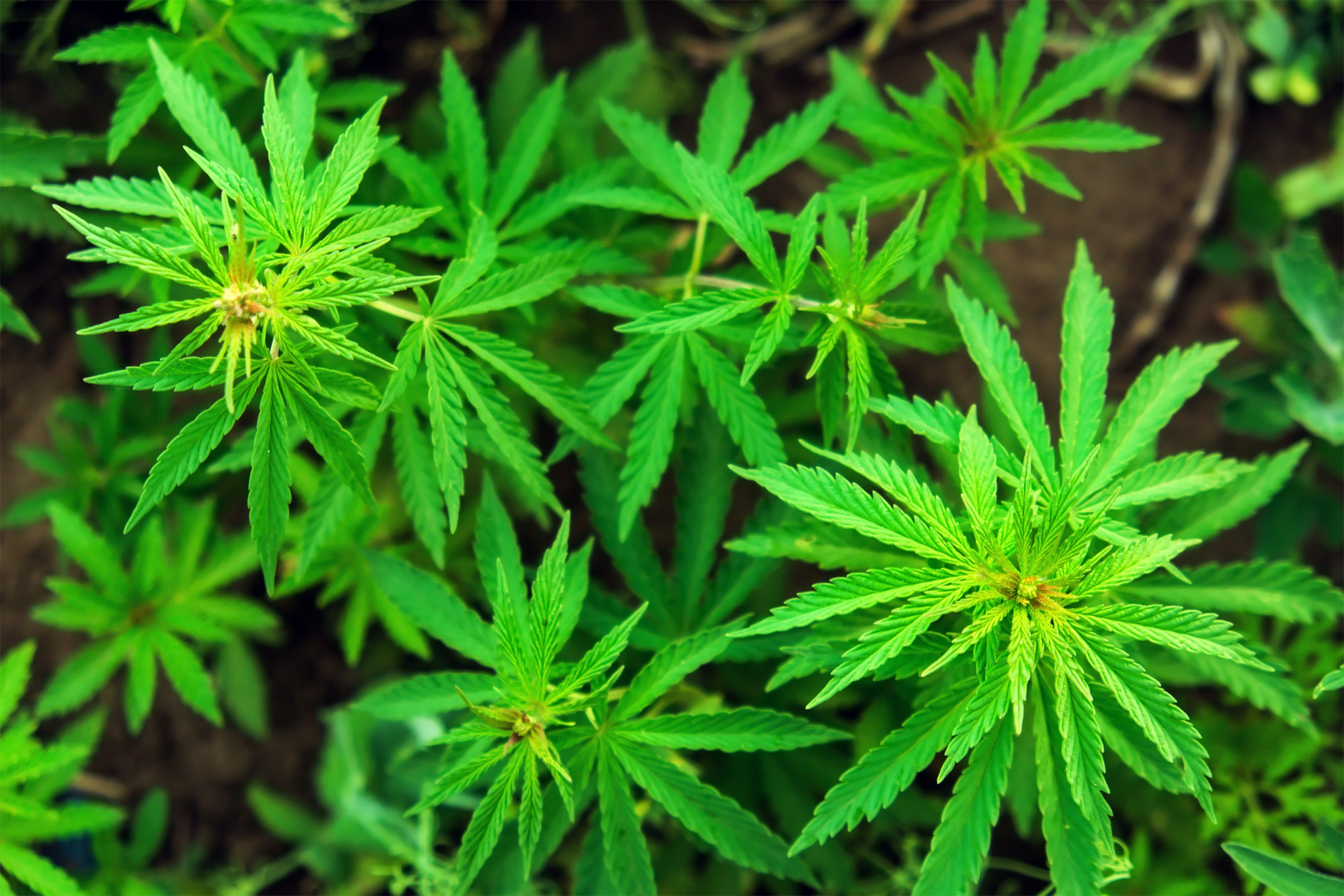
How Do You Grow THCA Flower? – Find Your Hemp Answers Here!
Learning how to grow THCA flower is an exciting and rewarding journey. THCA-rich flowers offer the benefits of cannabinoids without the psychoactive effects of THC. Whether you’re cultivating hemp for personal use or for producing high-quality THCA hemp products, understanding the right methods is key. This guide will help you navigate the world of THCA production, from choosing cannabis strains to maximizing THCA content. You’ll learn how to grow THCA flowers effectively, preserve the THCA content, and produce high levels of THCA in your hemp plants.
What is THCA Hemp Flower?
THCA hemp flower is the raw form of cannabis flower, rich in cannabinoids like THCA. Unlike THC, which causes psychoactive effects, THCA is non-psychoactive in its natural state. This makes THCA hemp flower legal in many areas where THC remains restricted. People often talk about the difference between CBD flower and THCA flower, but they share many similarities. THCA is known to convert to THC when exposed to heat, a process called decarboxylation. When you smoke or vape THCA flower, this heat changes THCA into THC.
THCA hemp flower has gained popularity for its potential health benefits without causing a “high.” Cultivating THCA-rich flowers requires selecting the right cannabis strains, ensuring optimal growing conditions, and maintaining THCA levels in the plant throughout the growing process. Understanding how THCA flower is made and its relationship to THC will help you maximize THCA content in your crop.
Understanding Hemp Genetics for THCA Production
To grow THCA hemp flower successfully, choosing the right cannabis genetics is crucial. Some hemp strains naturally produce higher levels of THCA, while others focus more on CBD. When selecting seeds or clones, opt for cannabis strains known for their high THCA content. Popular strains that produce high THCA levels include those bred specifically for hemp flower production.
Genetics not only influence the potency of your THCA flower but also impact how well the plants grow in your specific environment. When cultivating THCA, it’s essential to find strains that thrive in your region’s climate or, if growing indoors, strains suited to controlled environments. Many growers use aeroponics or hydroponics to grow THCA-rich flowers, as these methods allow precise control over conditions, helping to maximize THCA content in the final product.
Ideal Growing Conditions for THCA Flower
To produce high-quality THCA flower, creating the right environment for your hemp plants is essential. Whether you choose to grow indoors or outdoors, the climate plays a big role in maximizing THCA content. Indoor growing allows you to control temperature, humidity, and light, which are all crucial factors for THCA production. Outdoor growing, on the other hand, is cost-effective but offers less control over environmental conditions.
Cannabis plants thrive in warm temperatures with adequate light exposure. Maintaining a temperature range of 70-85°F during the vegetative stage and slightly cooler during flowering helps promote healthy growth. Controlling humidity is also important. High humidity can lead to mold and mildew, which harm hemp flower quality. Lower humidity levels during flowering preserve cannabinoids like THCA and prevent these issues.
Whether you grow cannabis in soil or use hydroponics, both mediums can produce higher concentrations of THCA. However, hydroponics gives you more control over nutrient delivery, which can directly influence the THCA levels in your plants.
Germination and Seedling Care
Successful THCA flower production starts with proper germination. Healthy seedlings are key to ensuring your hemp plants grow strong and produce high THCA levels. Most growers start by soaking their seeds in water for 12-24 hours to promote faster germination. After soaking, seeds can be planted in soil or a growing medium of choice.
During the seedling stage, light and water management are crucial. Hemp seedlings require 18-24 hours of light per day. LED grow lights are a popular choice for indoor setups because they provide sufficient light without generating too much heat. Keeping the growing medium moist but not overly wet is important to avoid root rot.
As the seedlings grow, space them properly to ensure each plant gets enough light and air circulation. This will prevent overcrowding and allow for even growth. Healthy seedlings will transition smoothly into the vegetative stage, setting the foundation for higher THCA production.
Nutrient Management for THCA Hemp Plants
Proper nutrient management is essential for cultivating THCA-rich flowers. Hemp plants require a balanced diet of essential nutrients like nitrogen, phosphorus, and potassium to thrive. These nutrients play different roles in promoting growth, flowering, and THCA production. During the vegetative stage, nitrogen is particularly important for healthy leaf development, while phosphorus and potassium support root growth and flower development during the flowering stage.
Many growers debate between organic and synthetic fertilizers. Organic fertilizers, like compost or worm castings, release nutrients slowly, promoting long-term soil health. On the other hand, synthetic fertilizers offer more control and can provide faster nutrient uptake, which can help maximize THCA yield. Whichever method you choose, regularly testing your soil or nutrient solution will help you maintain optimal nutrient levels.
It’s also important to watch for nutrient deficiencies. Common issues like yellowing leaves or stunted growth can signal problems with nutrient uptake. Correcting these issues early ensures your plants stay healthy and produce the high THCA content you’re aiming for.
Pruning, Topping, and Training for Maximum Yield
To grow THCA hemp flower effectively, proper plant management is essential. Techniques like pruning, topping, and training can help you increase your yield and improve the overall quality of your hemp plants. These methods allow more light and air to reach the lower parts of the plant, encouraging better growth and higher THCA levels.
- Pruning: Remove lower branches and leaves that don’t receive enough light. This helps focus the plant’s energy on growing higher-quality flowers.
- Topping: Cut the main stem of the plant to promote lateral growth. This technique increases the number of flowering sites, leading to a larger yield of THCA flower.
- Training: Techniques like Low Stress Training (LST) gently bend and tie down branches to expose more of the plant to light. This helps the plant grow more evenly and can maximize the THCA content in your flowers.
These methods work best when done during the vegetative stage. Properly managed plants not only produce higher levels of THCA but also avoid issues like mold, which can impact the quality of your hemp flower.
Pest and Disease Management
Keeping your hemp plants free from pests and diseases is vital for producing high-quality THCA flower. Pests like spider mites, aphids, and caterpillars can damage your plants, reducing THCA content and overall yield. Regularly inspecting your plants and taking preventive measures will help keep pests under control.
Organic pest control methods are popular among growers. Introducing beneficial insects like ladybugs or using neem oil can effectively manage pests without harming your plants. Chemical pesticides are also available, but many growers prefer organic options to avoid potential contamination of their THCA-rich flowers.
In addition to pests, diseases like powdery mildew and root rot can severely impact your hemp plants. Maintaining proper humidity levels and good airflow around your plants helps prevent fungal growth. If a disease does appear, removing affected plants or parts of plants quickly is crucial to stop it from spreading.
By staying vigilant and addressing issues early, you can protect your plants and preserve the high THCA content you’re aiming for in your crop.
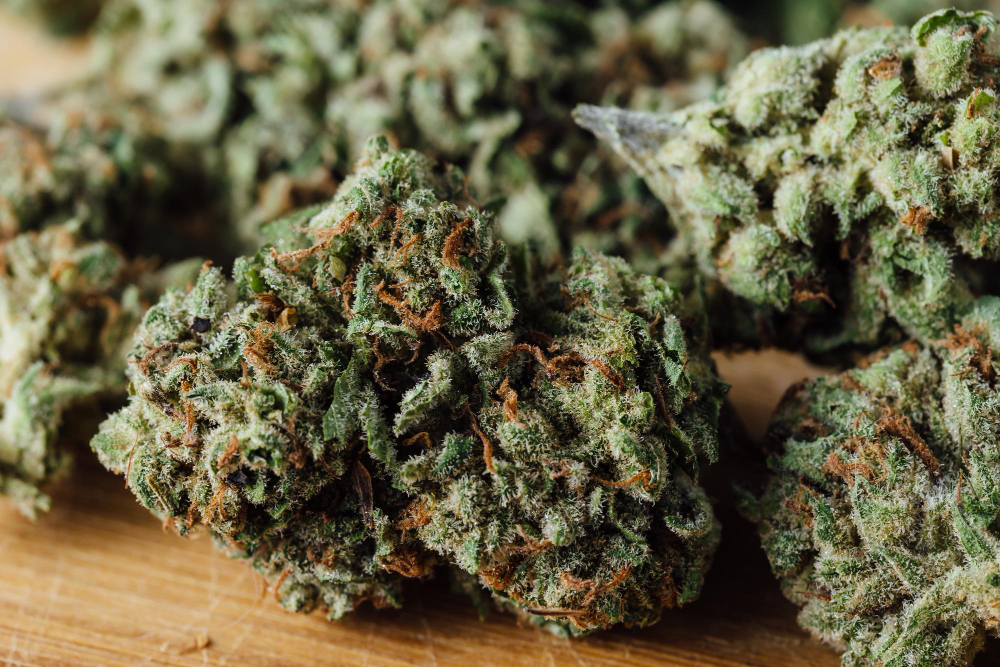
Flowering Stage: Maximizing THCA Potency
The flowering stage is where your hemp plants begin to develop the prized THCA-rich flowers. This stage requires close attention to detail, as small changes in environment or care can influence the potency of your THCA flower. During this time, your plants will shift their energy from growing leaves to producing dense cannabis flowers rich in cannabinoids like THCA.
Managing the light cycle is crucial during the flowering stage. For indoor grows, you’ll need to switch to a 12-hour light and 12-hour dark cycle to encourage flowering. Outdoor growers will see flowering naturally occur as the days shorten.
The key to maximizing THCA content during this phase is to closely monitor your plants’ health. Make sure to keep humidity levels low to avoid mold, which can reduce the quality of your flowers. Many growers also increase phosphorus and potassium during this stage, as these nutrients help enhance bud development.
Knowing when to harvest is equally important. Trichomes, the tiny crystals on the buds, will turn from clear to milky white when the THCA levels have peaked. Harvesting at this point ensures you achieve the highest THCA potency.
Harvesting and Drying THCA Hemp Flower
The timing and technique of harvesting play a significant role in preserving the THCA content of your hemp flower. Knowing when to harvest is crucial. Once the trichomes on the flowers turn from clear to cloudy and milky white, it’s a sign that your plants have reached peak THCA levels. Harvesting at the right time ensures the maximum potency of your THCA-rich flowers.
Once harvested, the drying process begins. This step is critical because improper drying can reduce THCA content. Hang your harvested flowers upside down in a dark, cool space with good airflow. Aim for a temperature around 60-70°F and a humidity level between 45-55%. These conditions help preserve cannabinoids like THCA while avoiding mold and mildew.
Drying can take anywhere from 7-14 days, depending on the size of the flowers and the environment. Proper drying ensures the flowers retain their potency and flavor, setting the stage for the final curing process.
Curing for Optimal Flavor and Potency
Curing is the final step in producing premium THCA hemp flower. Proper curing enhances both the flavor and potency of your flowers by preserving the cannabinoids and terpenes. After drying, the flowers still contain moisture that needs to be slowly released to ensure high-quality results This is extremely important in how to grow THCA flower.
To cure your flowers, place them in airtight glass jars or containers. Store these containers in a cool, dark place, away from direct sunlight. During the first few weeks, open the jars daily for a few minutes to release excess moisture—a process known as “burping.” This gradual drying process helps prevent mold and preserves the THCA content.
Curing typically takes 2-4 weeks, but some growers prefer to cure for longer, up to six weeks or more, to fully develop the flavor and potency. The longer the curing process, the smoother and more flavorful the smoke. Properly cured flowers will maintain their peak THCA levels, offering a high-quality product for consumption.
Post-Harvest Considerations: Storing Your THCA Flower
Part of knowing how to grow THCA flower includes learning how to store it properly. Incorrect storage can lead to cannabinoid degradation, including THCA converting to THC, which reduces the effectiveness of your product. Here’s how to store your THCA flower for maximum freshness and potency.
Airtight Containers for Optimal Freshness
The most effective way to store THCA hemp flower is in airtight containers. Glass jars with a tight seal are the preferred option because they don’t allow air or moisture to penetrate, preserving the flower’s cannabinoid content. Many growers use humidity packs inside the jars to maintain a stable environment. These packs help control moisture levels, keeping the flower fresh and preventing it from drying out or becoming too humid.
Controlling Light and Temperature Exposure
Light and temperature are two of the biggest enemies of THCA preservation. Exposure to UV light can degrade cannabinoids and terpenes, reducing the flower’s potency and altering its flavor profile. Always store your airtight containers in a dark, cool space, such as a cupboard or closet. Aim to keep the storage environment between 60-70°F to prevent THCA from degrading over time.
Long-Term Storage Solutions
For those looking to store THCA flower for extended periods, vacuum sealing can provide an added layer of protection. By removing oxygen from the storage container, vacuum sealing helps prevent the flower from oxidizing, which can lead to cannabinoid breakdown. For even longer storage times, some growers choose to freeze their THCA flower. However, freezing should be done carefully, as improper handling can damage the flower’s delicate trichomes.
When stored correctly, THCA-rich flowers can maintain their potency for six months to a year. Without proper storage, however, you risk losing both potency and flavor within weeks.
Challenges and Troubleshooting Common Issues
Growing THCA hemp flower can be rewarding, but it also comes with its fair share of challenges. From environmental stress to nutrient imbalances, knowing how to identify and solve problems is key to producing high-quality, THCA-rich flowers. Below are some of the most common issues growers face and tips on how to overcome them.
Nutrient Deficiencies and Toxicities
One of the most frequent problems hemp growers encounter is nutrient deficiencies or toxicities. Deficiencies in key nutrients like nitrogen, phosphorus, or potassium can stunt plant growth and reduce THCA content. Symptoms include yellowing leaves, stunted growth, or purple stems. On the other hand, overfeeding your plants with nutrients can lead to toxic buildup, which can burn the roots and reduce yields.
To avoid these issues, regularly monitor the pH levels of your soil or growing medium. A pH imbalance can lock out nutrients, even if they are present in the soil. Flushing the plants with water or adjusting the nutrient feed can often correct these issues quickly.
Pest and Mold Outbreaks
Pests like spider mites, aphids, and caterpillars can quickly destroy a hemp crop, leading to reduced THCA yield. Mold and mildew are also significant risks, particularly in high humidity environments. Early detection is key to preventing a full-blown outbreak. Regular inspections, organic pest controls like neem oil, and ensuring proper airflow will help keep your plants healthy.
Maintaining lower humidity levels during the flowering stage is crucial to preventing mold. Investing in a dehumidifier can be a game-changer for indoor grows, especially during the late flowering stage when the risk of mold is highest.
Poor Flowering and Low Yields
Sometimes, even with the best care, plants may fail to produce the desired amount of THCA-rich flowers. This could be due to improper light exposure, inadequate nutrients, or environmental stress. Ensure your plants are receiving the right light cycle (12/12 for flowering) and that the temperature and humidity are within the optimal range. Training methods like topping or pruning can also increase yield by improving light distribution.
Consistently monitoring plant health and making adjustments as needed will help ensure that your crop reaches its full potential, yielding higher levels of THCA.
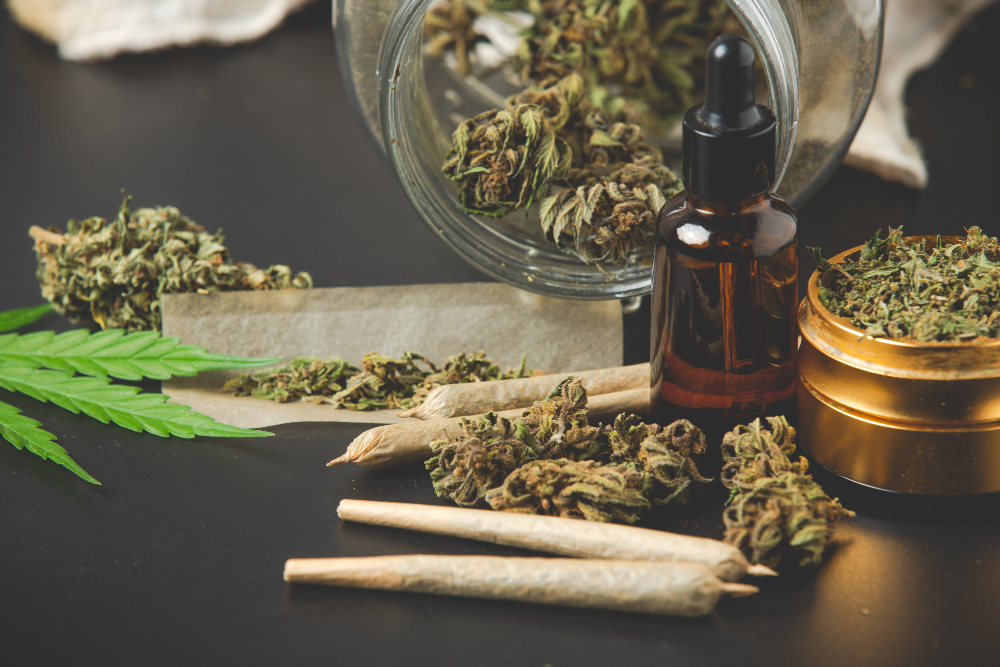
Remember the Basics of Growing THCA
Learning how to grow THCA flower requires careful attention to detail, but the rewards are well worth the effort. From selecting the right cannabis strains to managing light, nutrients, and environmental factors, every step in the process contributes to producing high-quality, THCA-rich flowers. By understanding how THCA flower is made and implementing best practices for growing, harvesting, curing, and storage, you can achieve excellent results.
Remember that patience is key. Regularly monitor your plants, adjust their environment, and address any challenges that arise to ensure the best possible yield. Whether you’re growing THCA hemp flower for personal use or commercial purposes, following these guidelines will help you cultivate a crop that’s rich in cannabinoids like THCA and offers a premium experience for consumers.
Now that you’ve learned how to grow THCA flower, you can confidently embark on your cultivation journey. With the right techniques and attention to detail, you’ll be able to produce flowers that maintain high THCA content, delivering both quality and potency.
Is THCA Legal in Georgia? – Legality of THCA Hemp Flower
The legal status of THCA in Georgia is a hot topic these days. As the line between hemp and marijuana continues to blur, understanding the state’s position on THCA products is crucial. Under the 2018 Farm Bill, hemp and its derivatives are federally legal, but each state, including Georgia, has the authority to enforce its own rules.
So, what does this mean for THCA flower or THCA-derived hemp products? Can you legally purchase and possess them in the state of Georgia? This article will break down the current Georgia law, THC limits, and whether THCA is considered a controlled substance here. We’ll also touch on future legislation that might affect the legality of THCA flower in Georgia.
What is THCA?
THCA, or tetrahydrocannabinolic acid, is a non-psychoactive compound found in raw cannabis and hemp plants. Unlike THC, which gets you high, THCA remains inactive until it’s heated. Once exposed to heat through smoking or vaping, THCA converts into THC, producing psychoactive effects.
Because of its chemical structure, THCA is often included in products sold as hemp. These products claim to stay within the federal legal limit of less than 0.3% delta 9 THC. But Georgia’s laws and regulations on THCA can complicate things.
Is THCA Legal in Georgia in 2024?
As of 2024, the legal status of THCA in Georgia is tricky. Under the 2018 Farm Bill, hemp-derived products containing less than 0.3% delta-9 THC are federally legal. This includes THCA, as long as it’s derived from hemp and meets the legal THC threshold. However, Georgia law can interpret THCA differently from federal law.
Georgia hemp laws allow the sale of hemp-derived products, but there’s confusion about whether THCA is considered a controlled substance in Georgia once it’s converted into THC. The distinction between hemp and marijuana lies in the amount of THC present in the product. Products that contain more than 0.3% delta-9 THC are considered marijuana and are illegal without a medical cannabis card in the state.
So while hemp-derived THCA products may seem legal under federal law, they may fall into a legal gray area in Georgia. Consumers should always stay informed about state-specific laws to avoid any legal consequences.
Will THCA Become Illegal in October?
There’s growing concern about whether THCA will remain legal in Georgia as new regulations may take effect in October 2024. The state of Georgia has been reviewing its stance on hemp-derived products, including THCA flower and other consumable hemp products.
While no official ban has been confirmed, changes in Georgia marijuana laws or regulations could impact the legality of THCA. Some lawmakers are concerned that THCA, once converted into THC, creates a loophole that allows for the sale of psychoactive products under the guise of hemp. This has led to discussions about tightening laws around THCA and its derivatives.
If new laws are enacted, Georgia could regulate THCA more strictly, limiting or banning its sale. For now, however, THCA remains legal in Georgia, but consumers should stay updated on any changes that may happen.
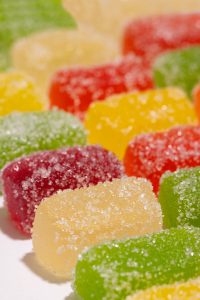
Are Hemp Gummies Legal in Georgia?
Hemp gummies are still legal in Georgia under the current regulations, but recent laws have made significant changes. According to Senate Bill 494, passed in 2024, hemp-derived products like gummies must follow strict guidelines to remain legal. The core rule is that these products must contain less than 0.3% delta-9 THC, to meet the 2018 Farm Bill and Georgia state law.
Restrictions on Food-Infused Hemp Products
One of the key aspects of Senate Bill 494 is the clarification of what constitutes a “food product.” Previously, many products containing hemp, such as brownies or cookies, were classified as illegal. The new law removes hemp-infused food products from the list of banned items but maintains restrictions on other types of edibles, such as infused beverages or snacks. The law still permits gummies, allowing them to be sold as long as they adhere to the legal THC limits.
Packaging and Sale Requirements for Hemp Gummies
In addition to THC content, Georgia law now requires that all hemp gummies be sold in child-resistant packaging. Businesses must also include a QR code on their products, linking to a certificate of analysis showing detailed information about the THC content and other cannabinoids present. Moreover, no hemp-derived product, including gummies, can be sold to anyone under 21 years of age.
These regulations were designed to promote consumer safety and ensure proper labeling. They also aim to prevent children from accidentally accessing these products. For businesses, failure to comply with these new packaging, labeling, or age restrictions could lead to fines or other legal penalties.
THCA and Hemp Industry Regulations in Georgia
The hemp industry in Georgia is heavily regulated, especially with the passage of Senate Bill 494, which introduces several new rules for THCA products. If you are a business or a consumer of THCA products, it’s important to be aware of the state’s licensing requirements, testing standards, and product restrictions.
Here’s a breakdown of the key regulations that businesses must follow:
- Licensing: Every business selling or producing hemp-derived THCA products must have a license. This includes manufacturers, wholesalers, and retailers.
- Testing: All hemp products, including THCA flower and edibles, must undergo rigorous testing. The products must meet the legal THC concentration of less than 0.3% delta-9 THC.
- Packaging: Child-resistant packaging is required for any consumable hemp product sold in Georgia. In addition, products must include a QR code linking to detailed lab results showing the product’s cannabinoid content.
- Age Restrictions: Hemp-derived products, including THCA, cannot be sold to anyone under the age of 21.
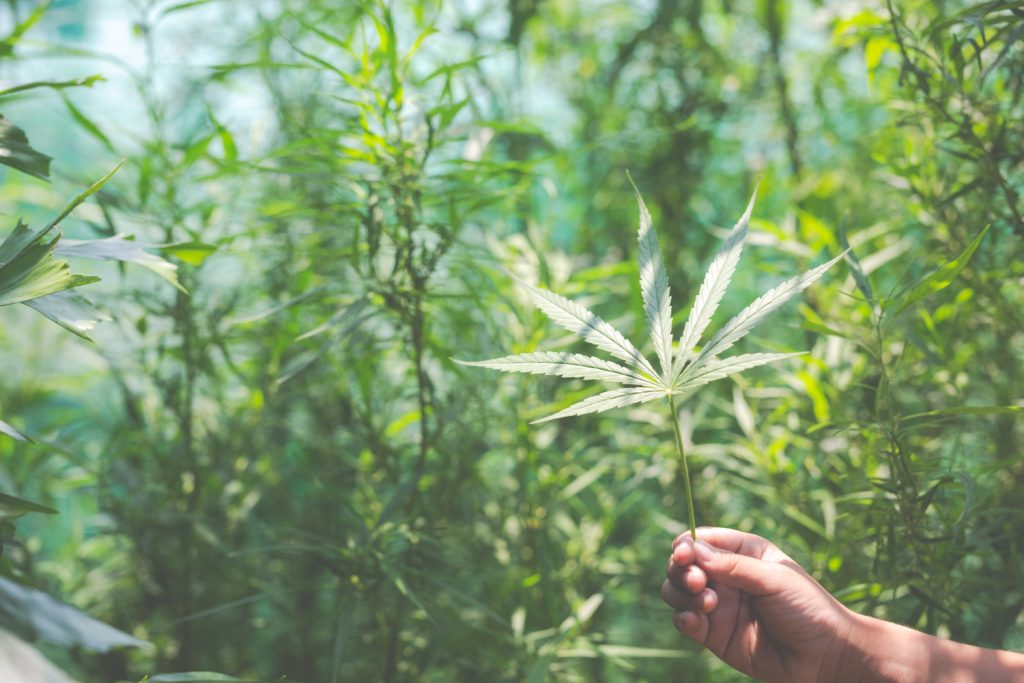
Compliance for THCA Products
To legally sell or buy THCA products in Georgia, strict compliance with these regulations is necessary. Here are some important points to keep in mind:
- Stay Below THC Limits: Ensure that the product’s combined THC and THCA content remains below 0.3%, as exceeding this limit will classify the product as marijuana, making it illegal.
- Lab Certifications: Every product must have a certificate of analysis, proving it complies with the THC limits and is free from harmful contaminants.
- No Sale of Flower: Senate Bill 494 bans the sale of cannabis flower, regardless of THC levels, so THCA flower may be affected.
These regulations ensure consumer safety and create a more structured industry for hemp-derived products in Georgia. Businesses that fail to comply with these rules may face legal penalties, including fines or criminal charges.
Are THCA Products Legal in the State of Georgia?
The legality of THCA in Georgia remains complicated, especially with new regulations set to take effect on October 1, 2024. While THCA derived from hemp technically falls under the protections of the 2018 Farm Bill, Georgia law adds layers of complexity that both consumers and businesses need to navigate. Senate Bill 494 introduces strict guidelines around the sale, possession, and testing of THCA products, closing the loophole that allowed THCA products to be sold under federal hemp laws.
Consumers can still legally purchase certain hemp-derived THCA products in Georgia, provided they adhere to the legal limits of less than 0.3% delta-9 THC. However, the ban on the sale of thca flower products, the stricter packaging and labeling requirements, and the prohibition of sales to individuals under 21 all mean that those in the state must be more vigilant when it comes to compliance with local laws. Products like hemp gummies, for example, remain legal but are subject to THC content limits, child-resistant packaging, and labeling requirements.
Given the risk of legal consequences due to the way THCA converts into THC, it is crucial for consumers to stay informed. Understanding Georgia’s specific regulations, including THC limits and packaging requirements, will help avoid confusion. As the state tightens its laws around hemp and cannabis products, businesses must also be proactive. They must meet all testing, licensing, and compliance standards. In this changing landscape, staying educated and compliant is the best approach for anyone involved in Georgia’s hemp industry.
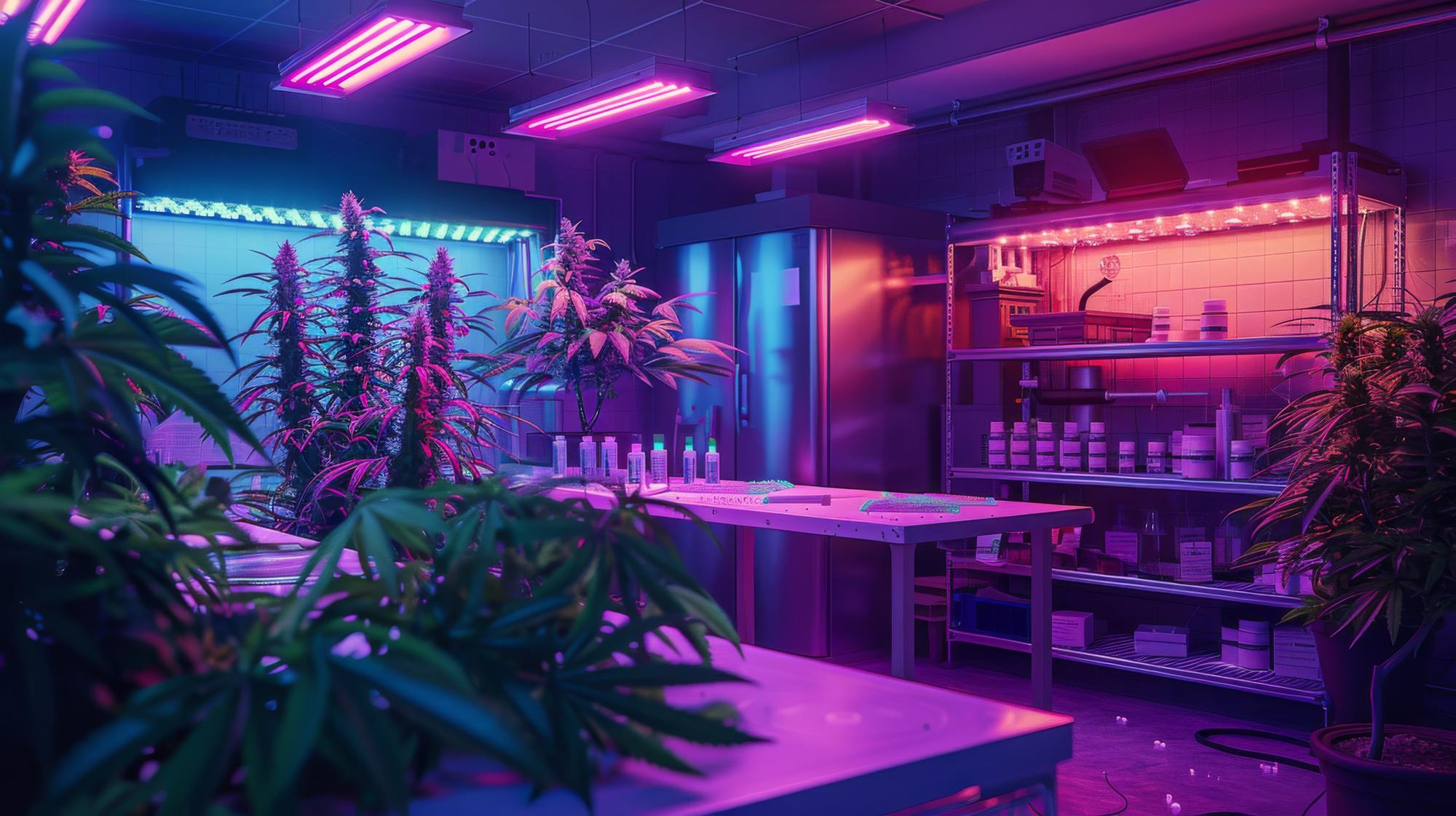
How is THCA Flower Made? Guide to THCA Hemp Flower
THCA flower is gaining popularity in the cannabis market due to its high levels of THCA, offering a unique experience for enthusiasts. As more people seek THCA products, understanding how THCA flower is made becomes increasingly important. This knowledge helps consumers make informed choices about which cannabis products best suit their needs.
This article explores the world of THCA flower, focusing on its production, cannabinoids, and differences from THC flower. By understanding how THCA flower is made, consumers can better appreciate its unique qualities and explore the diverse range of THCA hemp products available in the market.
What is THCA Flower?
THCA flower is a type of cannabis flower that is rich in tetrahydrocannabinolic acid (THCA), a non-psychoactive cannabinoid found in raw and live cannabis. Unlike THC (tetrahydrocannabinol), which is known for its psychoactive effects, THCA does not produce a high when consumed in its raw form. However, when THCA is exposed to heat through a process called decarboxylation, it converts into THC, which can produce psychoactive effects.
Can You Grow THCA Flower?
Cultivation Process
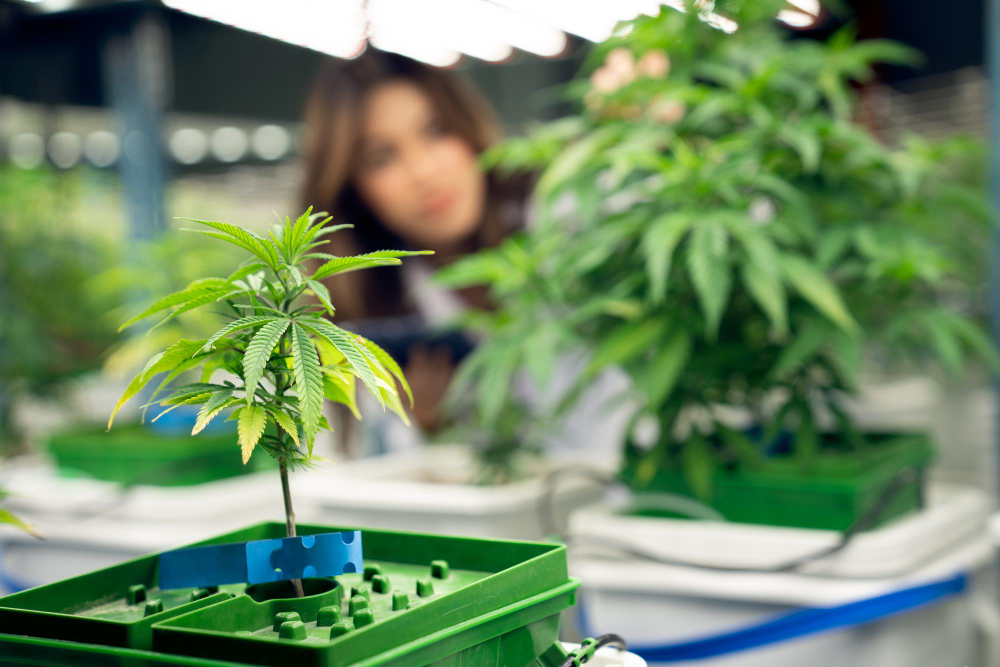
Growing THCA flower involves cultivating cannabis plants that are rich in THCA content. The process starts with selecting high-quality seeds or clones from strains known for their high levels of THCA. The cultivation process requires attention to detail, as the right conditions are essential for maximizing THCA production.
To produce THCA-rich hemp flower, growers need to maintain optimal environmental conditions, including temperature, humidity, and light cycles. The right balance of these factors ensures that the plants develop healthy trichomes, which are responsible for producing cannabinoids like THCA. Proper nutrient management is also crucial, as it influences the growth and overall health of the cannabis plant.
Factors Influencing THCA Levels
Genetics play a significant role in determining the THCA levels in cannabis plants. Choosing strains known for their high THCA content is the first step in producing premium THCA flowers. Strain selection can significantly impact the potency and flavor profile of the final product.Cultivation techniques and environmental factors also influence the THCA levels in the plant. Techniques such as training, pruning, and trellising can help maximize light exposure and airflow, promoting optimal growth. Additionally, maintaining consistent environmental conditions helps prevent stress on the plants, ensuring they produce the highest quality flowers with high levels of THCA.
As growers become more skilled in cultivating THCA-rich cannabis, the quality and potency of THCA flowers continue to improve. Understanding the cultivation process and the factors influencing THCA levels is crucial for producing high-quality THCA products that meet consumer demands.By focusing on genetics, cultivation techniques, and environmental conditions, growers can produce THCA flowers with exceptional potency and flavor. This approach ensures that the final product meets the expectations of consumers seeking premium THCA hemp products.
Harvesting and Processing THCA Flower
Harvesting Techniques
Harvesting THCA-rich cannabis plants requires precision and timing to preserve the plant’s maximum cannabinoid potential. The timing of the harvest is crucial, as it directly affects the THCA levels and overall quality of the flower. Growers must carefully monitor trichome development to determine the optimal harvest window. Trichomes are the resinous glands on the cannabis plant responsible for producing cannabinoids like THCA.
The ideal time to harvest THCA flower is when the trichomes appear milky white, indicating peak cannabinoid content. Harvesting too early may result in lower THCA levels, while waiting too long can lead to degradation of cannabinoids. Growers often use magnification tools, such as a loupe or microscope, to inspect trichomes and make informed decisions about when to harvest.
Once the ideal harvest time is determined, careful cutting and handling of the cannabis plants are essential to prevent damage to the trichomes. Gentle handling ensures the preservation of THCA content and maintains the quality and potency of the flower. By employing proper harvesting techniques, growers can produce high-quality THCA hemp flowers with exceptional cannabinoid profiles.
Post-Harvest Processing
After harvesting, post-harvest processing techniques are employed to preserve THCA content during drying and curing. Drying the cannabis flower slowly and consistently is vital to maintaining the integrity of cannabinoids and terpenes. The drying process typically takes place in a controlled environment with low humidity and moderate temperatures to prevent mold growth and cannabinoid degradation.
During drying, cannabis flowers are hung upside down or placed on drying racks to ensure even air circulation. This process removes excess moisture, which is crucial for preventing mold and preserving THCA levels. Patience and careful monitoring during drying help ensure the final product retains its potency and flavor.
Once the drying process is complete, the curing stage begins. Curing involves placing the dried cannabis flower in airtight containers, allowing it to age and develop its full flavor and potency. The curing process can take several weeks, during which the flower’s aroma and cannabinoid profile continue to mature. Regularly burping the containers to release excess humidity ensures a consistent environment for optimal curing.
Proper curing enhances the flavor profile and potency of the THCA flower, making it more appealing to consumers. It also helps stabilize the cannabinoids, ensuring a longer shelf life and improved overall quality. By focusing on post-harvest processing techniques, growers can maintain the high THCA content of their flowers and produce premium cannabis products.
Considerations for Maintaining Quality and Potency
Maintaining the quality and potency of THCA flower requires attention to detail throughout the harvesting and processing stages. Proper storage is essential to preserve the cannabinoid profile and prevent degradation. Once cured, THCA flowers should be stored in a cool, dark, and dry environment to maintain their potency and freshness.By following best practices for harvesting and processing, growers can produce high-quality THCA hemp flowers that meet consumer expectations. These steps ensure that the final product offers a rich and potent cannabis experience, with maximum THCA content and flavor.In conclusion, the careful harvesting and processing of THCA flower are crucial for preserving its unique properties and maximizing its potential. By understanding and implementing these techniques, growers can produce premium THCA hemp products that stand out in the competitive cannabis market.
How is THCA Flower Different from THC Flower?
The primary difference between THC and THCA flower lies in their chemical structure. THCA, or tetrahydrocannabinolic acid, is the acidic precursor to THC. In its raw form, THCA has a different structure from THC due to the presence of a carboxyl group. This group keeps THCA stable and non-psychoactive until decarboxylation occurs. When exposed to heat, this group is removed through a process called decarboxylation, converting THCA into THC.
The conversion of THCA into THC is crucial for activating the psychoactive effects associated with cannabis. THCA flowers contain high levels of THCA, which can convert to THC when smoked, vaped, or cooked. This conversion process is essential for consumers looking to experience the full effects of cannabis. Understanding how THCA converts into THC can help consumers make more informed decisions about their cannabis use.
The presence of high THCA levels in cannabis flowers indicates a rich potential for transformation into THC, making THCA-rich strains valuable for both recreational and certain applications. The specific strains and genetics play a crucial role in determining the THCA content, thus impacting the overall potency and effects of the flower. Cannabis enthusiasts often seek high THCA content to ensure a potent experience upon consumption.
Effects and Uses
THC and THCA flowers offer different experiences and applications. THC flower is known for its psychoactive effects, which many users seek for recreational purposes. The high from THC can include euphoria, relaxation, and altered perception, making it popular among recreational users. THC flower is often preferred by those who enjoy the immediate and intense psychoactive effects.
On the other hand, THCA flower offers potential uses without the psychoactive effects of THC until it is decarboxylated. Some research suggests that THCA could have properties that are appealing to those interested in exploring cannabis for various purposes. THCA may also be consumed in its raw form to harness its potential without experiencing psychoactive effects, making it suitable for a broader audience, including those new to cannabis.
Understanding the differences between THC and THCA flower is crucial for making informed choices. Whether you’re interested in the psychoactive effects of THC or the potential applications of THCA, knowing how these compounds interact with the body helps consumers select the right products for their needs. By appreciating the unique properties of each compound, users can tailor their cannabis experience to match their preferences.
Market and Legal Considerations
The market and legal considerations for THC and THCA flower vary significantly. THC flower is often subject to stricter regulations due to its psychoactive nature. In many regions, THC products are regulated and sold only through licensed dispensaries. Consumers must adhere to legal age restrictions and purchase limits to comply with local laws. The legal landscape for THC can be complex, with varying rules across different states and countries.
In contrast, THCA flower, especially when derived from hemp, may have different legal statuses in various regions. The 2018 Farm Bill in the United States legalized hemp with less than 0.3% delta-9 THC, which has led to the availability of hemp-derived THCA products in many areas, although local regulations may vary. It’s essential to verify the legality of THCA flower in your state or territory to avoid any legal issues.
The demand for both THC and THCA flowers continues to grow as more people explore the diverse applications of cannabis. By understanding their differences, consumers can make informed decisions and choose products that align with their preferences and goals. The expanding market for cannabis products offers numerous options for consumers, allowing them to explore various strains and formulations tailored to their needs.
In conclusion, the distinction between THC and THCA flower lies in their chemical structure, effects, and legal considerations. By understanding these differences, consumers can navigate the world of cannabis more effectively, ensuring a safe and satisfying experience.
Conclusion
The production of THCA flower involves a detailed process that highlights the complexity and artistry of cannabis cultivation. From understanding the roles of cannabinoids and terpenes to mastering the cultivation and harvesting techniques, every step is crucial in producing high-quality THCA hemp flowers. As demand for THCA products continues to rise, knowing how THCA flower is made allows consumers to make informed choices that align with their preferences and goals.
THCA flowers offer a unique opportunity to explore the diverse world of cannabis, providing potential applications and experiences distinct from traditional THC flowers. By focusing on genetics, cultivation methods, and post-harvest processing, growers can maximize the THCA content and potency of their flowers, offering consumers a premium product that meets high standards.
Legal and market considerations also play a significant role in the availability and acceptance of THCA flowers. Understanding these aspects helps consumers navigate the complex landscape of cannabis regulations and ensures they can access products that are safe, compliant, and of the highest quality.
THCA vs Delta 9 THC – What is the Difference?
The cannabis plant contains a variety of compounds known as cannabinoids, each offering unique effects and characteristics. Among these, THC is particularly famous for its psychoactive effects. Two important compounds in this context are THCA and Delta 9 THC. Understanding the differences between THCA and Delta 9 THC is crucial for anyone looking to make informed choices about cannabis use.
THCA stands for tetrahydrocannabinolic acid and is a precursor to Delta 9 THC. In its raw form, THCA doesn’t produce the intoxicating effects commonly associated with cannabis. Instead, it remains non-psychoactive unless converted into Delta 9 THC through processes like heating. In contrast, Delta 9 THC is the psychoactive compound responsible for the euphoria and altered perceptions that users experience.
The difference between THCA and Delta 9 THC is significant for consumers. THCA offers a way to enjoy cannabis without psychoactive effects, which many users find appealing. Products high in THCA are popular among those seeking the properties of cannabis without intoxication. Meanwhile, Delta 9 THC is favored for its psychoactive properties and is often found in various cannabis products, including edibles, gummies, and vape cartridges.
Chemistry Difference Between THCA and Delta 9 THC
THCA, or tetrahydrocannabinolic acid, is a prominent cannabinoid found in raw cannabis plants. It is the acidic precursor to THC, meaning that THCA doesn’t produce psychoactive effects in its natural state. The chemical structure of THCA includes a carboxyl group, which distinguishes it from Delta 9 THC. This carboxyl group is responsible for its non-psychoactive nature. When THCA is heated, such as through smoking or cooking, it undergoes a process called decarboxylation. This process removes the carboxyl group, transforming THCA into Delta 9 THC, which has psychoactive effects.
In its raw form, THCA is abundant in fresh cannabis plants. It is only when cannabis is dried or heated that THCA becomes Delta 9 THC. Many people consume THCA through raw cannabis products like juices, smoothies, or salads. These methods allow users to experience THCA without the psychoactive effects commonly associated with cannabis.
What is THCA?
THCA, or tetrahydrocannabinolic acid, is a cannabinoid found in the raw cannabis plant. It is a precursor to Delta 9 THC, meaning that THCA is converted into THC through processes like drying and heating. In its natural form, THCA doesn’t produce the intoxicating effects commonly associated with cannabis. The chemical structure of THCA includes an extra carboxyl group, which differentiates it from Delta 9 THC. This additional group prevents THCA from binding to CB1 receptors in the brain, which is why THCA is non-psychoactive.
In the raw cannabis plant, THCA is abundant and begins to convert into Delta 9 THC as the plant ages or is exposed to heat. Many consumers choose to use THCA for its properties without the psychoactive effects. This can be done by consuming raw cannabis products such as fresh leaves, THCA tinctures, or non-decarboxylated edibles. These products offer a way to incorporate THCA into a wellness routine while avoiding the high associated with Delta 9 THC.
What is Delta 9 THC?
Delta 9 THC, or Delta-9-tetrahydrocannabinol, is the most well-known cannabinoid found in cannabis plants. It is primarily responsible for the psychoactive effects that cannabis users experience. Delta 9 THC is what most people refer to when they talk about THC in cannabis. This compound interacts with the brain in a way that produces different effects like euphoria, relaxation, and altered perception of time and space.
The chemical structure of Delta 9 THC is similar to THCA, but with a critical difference. Delta 9 THC lacks the carboxyl group present in THCA. This structural change occurs when THCA undergoes decarboxylation, transforming it into Delta 9 THC. This transformation gives Delta 9 its psychoactive properties, allowing it to bind effectively with CB1 receptors in the brain, which are part of the endocannabinoid system.
Delta 9 THC products are abundant in many cannabis offerings, including flowers, edibles, and concentrates. Its psychoactive effects are what make these products popular among recreational users. People consume Delta 9 THC in various forms, such as smoking or vaping cannabis flower, consuming edibles or gummies, and using tinctures or oils. The effects of Delta 9 THC can vary depending on the method of consumption, the dose, and the individual’s tolerance.
Conversion Process: From THCA to Delta 9
The transformation of THCA into Delta 9 THC is a crucial process for unlocking the psychoactive effects of cannabis. This conversion occurs through decarboxylation, a chemical reaction that removes the carboxyl group from THCA, turning it into Delta 9 THC. Understanding this process is essential for consumers who want to harness the full potential of cannabis.
Decarboxylation happens when cannabis is exposed to heat or light. This can occur naturally over time as cannabis dries and cures, but it is most efficiently achieved through intentional heating. Smoking, vaping, and cooking are common methods that induce decarboxylation. These methods expose THCA to high temperatures, causing it to lose its carboxyl group and become psychoactive Delta 9 THC.
The conditions necessary for decarboxylation include specific temperatures and time durations. For effective conversion, cannabis must be heated to temperatures between 220°F and 250°F (about 104°C to 121°C) for approximately 30 to 45 minutes. This slow heating ensures that THCA is fully converted without degrading other beneficial compounds like terpenes and flavonoids. These compounds contribute to the overall effects and flavors of cannabis products, so preserving them is vital for a quality experience.
The impact of decarboxylation on the effects and potency of cannabis is significant. Once THCA becomes Delta 9 THC, the cannabis product’s psychoactive potential is unlocked, offering users the desired intoxicating effects. The potency and duration of effects depend on the levels of THC achieved through decarboxylation. Higher levels of THC generally lead to more intense effects, which can be both therapeutic and recreational, depending on the user’s intent.
For those interested in consuming cannabis without psychoactive effects, understanding the conversion of THCA into Delta 9 THC is essential. Products like raw cannabis juice, THCA tinctures, and non-decarboxylated edibles allow users to experience THCA without intoxication. These options provide a way to enjoy cannabis while avoiding the high associated with Delta 9 THC.
Legal Status and Regulation: THCA vs Delta 9
The legal landscape for these cannabinoids is complex and varies widely across regions. In many areas, the legal status of THCA and Delta 9 differs significantly. THCA is often legal or less regulated due to its non-psychoactive nature, while Delta 9 faces stricter controls. These regulations influence the availability and use of products containing these cannabinoids. It’s crucial for consumers to be aware of their local laws regarding cannabis.
FAQs
What is the Difference Between THCA and Delta 9 in Terms of Effects?
When exploring the cannabis plant, we often come across a variety of compounds, each with its unique characteristics. THCA (Tetrahydrocannabinolic acid) and Delta 9 THC (Delta-9-tetrahydrocannabinol) are two distinct compounds found in cannabis. THCA is the acidic precursor of Delta 9 THC and is abundant in raw, freshly harvested cannabis plants. It is non-psychoactive, meaning it does not produce the “high” or intoxicating effects typically associated with cannabis use. THCA must be decarboxylated (heated) to convert it into Delta 9 THC. This process removes the carboxyl group from THCA, turning it into its active form (Delta 9 THC). In other words, some people smoke THCA flower. Although the THCA flower is non-psychoactive before being heated, it becomes psychoactive once heated. Therefore, people can get high by smoking THCA flower.
THCA FAQ
Is Delta 9 Stronger than THCA?
Yes, Delta 9 THC is stronger in terms of psychoactive effects. THCA in its pure form doesn’t include THC. When heated, THCA turns into Delta 9 THC, which is the same thing as THC.
Does THCA Turn into Delta 9?
When heated, THCA turns into Delta 9 THC, which is the same thing as THC.
Is THCA Natural or Synthetic?
THCA is found naturally in the cannabis plant.
Can THCA be Addictive?
When people abuse marijuana and cannabis products, it can lead to marijuana use disorder. If you are getting THC from THCA, you’re consuming the same cannabinoid in marijuana. There aren’t approved medications for marijuana use disorder specifically. But treatment might involve therapies such as cognitive behavioral therapy or motivational enhancement therapy.
Consumption Methods: THCA vs Delta 9
Understanding the various consumption methods for THCA and Delta 9 THC can help users make informed choices based on their preferences and desired effects. Here are some common methods for consuming these cannabinoids:
THCA Consumption Methods
- Raw Cannabis: Consuming raw cannabis in the form of juices, smoothies, or salads allows users to intake THCA without converting it to Delta 9 THC. This method preserves the cannabinoid in its natural state.
- THCA Tinctures: Tinctures made from raw cannabis can be added to food or beverages, providing a convenient way to consume THCA.
- Non-Decarboxylated Edibles: Edibles that have not undergone the decarboxylation process retain their THCA content, offering an alternative to traditional THC edibles.
Delta 9 THC Consumption Methods
- Smoking: Smoking cannabis flower is one of the most common methods for consuming Delta 9 THC. The heat from smoking decarboxylates the THCA, converting it into psychoactive Delta 9 THC.
- Vaping: Vaping cannabis concentrates or flower also involves heating the product to convert THCA to Delta 9 THC. This method is often preferred for its convenience and reduced odor.
- Edibles: Edibles such as gummies, brownies, and other baked goods are popular ways to consume Delta 9 THC. These products are made using decarboxylated cannabis, ensuring the presence of psychoactive THC.
- Tinctures and Oils: Tinctures and oils containing Delta 9 THC can be taken sublingually (under the tongue) or added to food and beverages. This method allows for precise dosing and discreet consumption.
- Topicals: While topicals are primarily used for localized effects, some products may contain Delta 9 THC. However, topicals do not typically produce psychoactive effects as they do not enter the bloodstream in significant amounts.
Potential Interactions and Considerations
When choosing between THCA and Delta 9 THC, it’s important to consider potential interactions and individual factors that may influence the experience. Here are some considerations to keep in mind:
- Tolerance Levels: Individual tolerance to THC can vary widely. Those with a higher tolerance may require larger doses to achieve the desired effects, while those with lower tolerance should start with smaller amounts.
- Method of Consumption: The method of consumption can significantly impact the onset and duration of effects. For example, smoking or vaping typically produces faster effects compared to edibles, which may take longer to kick in but last longer.
- Legal Considerations: As mentioned earlier, the legal status of THCA and Delta 9 THC varies by region. It’s essential to be aware of local laws and regulations to ensure compliance and avoid legal issues.
- Personal Preferences: Some users may prefer the non-psychoactive properties of THCA, while others may seek the psychoactive effects of Delta 9 THC. Understanding personal preferences and goals can help guide the choice between these cannabinoids.

Conclusion
Understanding the differences between THCA and Delta 9 THC is essential for making informed decisions about cannabis use. These two cannabinoids offer distinct experiences, each with its unique properties. THCA is a precursor found in raw cannabis, offering properties without the intoxicating effects. In contrast, Delta 9 THC is well-known for its psychoactive properties, providing the high that many users seek.
THCA products are ideal for those looking to explore cannabis without experiencing psychoactive effects. They offer a way to enjoy potential properties while maintaining cognitive clarity. Consuming raw cannabis or THCA tinctures allows users to incorporate THCA into their routines effectively.
Delta 9 THC, on the other hand, is popular among recreational users for its psychoactive effects. Its ability to alter perception and mood makes it a sought-after compound in various cannabis products, including edibles, gummies, and vape cartridges. However, it’s essential for users to consider the legal status of Delta 9 THC in their area and use it responsibly.
Both THCA and Delta 9 THC have roles in cannabis use. Consumers must understand their differences to choose products that meet their needs and preferences. Whether you’re interested in the properties of THCA or the intoxicating effects of Delta 9 THC, knowledge is key to a safe and enjoyable cannabis experience.
As the cannabis industry continues to evolve, staying informed about the various cannabinoids and their effects will empower you to make better decisions. Always consider your personal goals and preferences when choosing between THCA and Delta 9 THC.

What is THCA Isolate? A Unique and Potent Extract
THCA isolate is gaining popularity in the cannabis world for its high potency and purity. This pure form of THCA, or tetrahydrocannabinolic acid, is a cannabinoid found in raw cannabis. Unlike THC, which is the psychoactive compound in cannabis, THCA doesn’t produce a “high” when consumed.
In this article, we’ll explore everything you need to know about THCA isolate, including how it’s made, ways to use it, and its potential effects.
What is THCA Isolate?
THCA isolate is a concentrated form of THCA crystalline, the acidic precursor to THC. This crystalline powder is derived from legal cannabis plants and contains high THCA content without THC content. As a pure form of THCA, the isolate is made through an extraction process that separates THCA from other plant material. The resulting product is a high-potency and high-purity compound. THCA isolate is often compared to THCA diamonds, another form of pure THCA known for its similar appearance and properties.
Consumers use THCA isolate for various purposes, including making cannabis products such as tinctures and edibles. The versatility of THCA isolate makes it a popular choice for those looking to incorporate THCA into their routine without the psychoactive effects of THC.

How THCA Isolates Are Made
Creating THCA isolate is a meticulous process that ensures the highest potency and purity. The process begins with the selection of cannabis plant material that is rich in THCA. It’s crucial to use fresh or minimally dried plants since THCA is more abundant in raw cannabis than in aged or cured material.
The extraction process typically involves either solvent-based or solventless methods. Solvent-based extraction uses chemicals like butane or CO2 to separate THCA from the plant. This method is efficient in pulling out cannabinoids and terpenes, but it requires careful handling to ensure no solvent residues remain. Solventless extraction, on the other hand, relies on mechanical processes such as pressing or sieving to extract THCA. This method is often preferred by those who want to avoid chemicals, though it can be less efficient.
Once extracted, the THCA undergoes a purification process to separate it from other cannabinoids, terpenes, and plant compounds. Chromatography is a common technique used in this stage. It involves passing the extract through a medium that separates different components based on their size and chemical properties. This step is essential for obtaining a high-purity THCA product, as it removes impurities and isolates THCA in its crystalline form, resulting in THCA crystals or a crystalline powder.
The result is a highly concentrated form of THCA with high THCA content and low THC content. The purity of the product ensures that users can enjoy the properties of THCA without the psychoactive properties associated with THC. The meticulous nature of the extraction and purification process makes THCA isolate a potent and versatile option for those seeking to incorporate THCA into their routine.
THCA isolate is often compared to THCA diamonds, another form of pure THCA known for its similar appearance and properties. Both are crystalline forms of THCA but may vary slightly in texture and size. These forms are popular among consumers looking for the properties of THCA without the psychoactive effects of THC.

Can You Smoke THCA Isolate?
THCA isolate is versatile and can be consumed in several ways, but smoking it is not the most common method. THCA is non-psychoactive in its raw form, meaning it doesn’t produce the “high” associated with THC. However, when heated, THCA converts to THC through a process called decarboxylation. This conversion allows users to experience the effects of THC when smoking THCA isolate.
To smoke THCA isolate, you can add it to a joint, mix it with cannabis flower, or sprinkle it on top of a bowl, like many other THCA crystallines. Some users prefer using a dab rig to consume THCA isolate, which involves heating a surface and placing the isolate on it to produce vapor. This method, known as dabbing, allows for controlled doses of THCA and provides a potent experience due to the high purity of the isolate.
However, consuming THCA isolate through smoking or dabbing has its pros and cons. On the positive side, this method offers rapid onset of effects and allows users to feel the full potency of the isolate. It also provides an opportunity to combine THCA with other cannabis products, such as flower or concentrates, for a customized experience. On the downside, smoking THCA isolate can be harsh on the throat and lungs due to its concentrated nature. Additionally, the conversion to THC means that users will experience psychoactive effects, which might not be suitable for everyone.
Alternative consumption methods are available for those who prefer to avoid smoking. Vaping THCA isolate using a vape pen or device designed for concentrates is a popular option. This method offers a smoother experience and still allows for the decarb of THCA to THC. Edibles and tinctures are other ways to use THCA isolate. By incorporating it into food or drinks, users can enjoy the effects of THCA without smoking, although the onset of effects will be slower compared to inhalation methods.
It’s essential to consider dosage when using THCA isolate. Starting with low doses is recommended, especially for those new to cannabis concentrates. Understanding how THCA and THC work, and knowing the potential effects can help users make informed decisions about their consumption methods.
How to Decarb THCA Isolate
Decarboxylation is the process of converting THCA into THC, which unlocks the psychoactive potential of the cannabinoid. For those looking to experience the effects of THC, decarbing THCA isolate is essential. This process involves heating THCA isolate to a specific temperature for a set period, allowing the THCA molecules to lose a carboxyl group and convert to THC.
To decarb THCA isolate, start by preheating your oven to 220°F (104°C). Spread the THCA isolate evenly on a baking sheet lined with parchment paper. Place the sheet in the oven and let it heat for about 30 to 45 minutes. This slow and steady heating allows the THCA to convert to THC without degrading other valuable compounds. Keep a close eye on the isolate to avoid overheating, which can lead to the loss of potency.
Once decarboxylated, the THCA isolate can be used in various cannabis products. You can incorporate it into edibles, tinctures, or topicals to enjoy its potent effects. Many people find that using decarboxylated THCA in homemade edibles provides a discreet and convenient way to consume THC. Since the conversion process makes THCA psychoactive, users should be mindful of their doses to avoid consuming too much THC. THCA isolates and THCA diamonds should be started with smaller amounts.
For those looking to add THCA isolate to their cannabis repertoire, understanding the decarb process is crucial. It allows users to control the potency and effects of their cannabis products, tailoring their experience to fit their needs. Whether you’re making edibles, using a tincture, or simply exploring new ways to consume cannabis, knowing how to decarb THCA isolate ensures you can enjoy its full potential.
Conclusion
Understanding THCA isolate and its potential uses opens up new possibilities for cannabis enthusiasts and users alike. As a highly concentrated form of THCA, it offers versatility and precision in how users can incorporate it into their routines. Whether you’re interested in the properties of THCA by avoiding the effects of THC or looking to experience the potent effects of THC through decarboxylation, THCA isolate provides a tailored approach to cannabis consumption.
The process of making THCA isolate highlights the sophistication involved in cannabis extraction and purification. By isolating the THCA compound, producers can deliver a product that is both high in potency and purity. This allows consumers to enjoy the properties of THCA minus the impurities found in less refined cannabis products. For those who seek a cannabinoid found in raw cannabis, THCA isolate offers a way to harness the potential applications of THCA without experiencing a “high.”
The versatility of THCA isolate is one of its most appealing features. From smoking and dabbing to incorporating it into edibles, the isolate provides numerous ways to consume THCA. Understanding how to decarb THCA isolate expands its utility even further, enabling users to convert THCA to THC for a psychoactive experience. This adaptability makes THCA isolate a valuable addition to both recreational and various cannabis offerings.
For individuals interested in exploring cannabis products with high potency and precision, THCA isolate is a compelling option. It represents a modern approach to cannabis consumption, emphasizing purity, customization, and user control.
THCA isolate is poised to become a staple for those seeking targeted and effective cannabis solutions.As you explore the world of THCA isolate and other cannabis products, always consider your personal preferences and goals. Whether you want the properties without the psychoactive effects or you’re eager to try new ways to use THCA, the options are vast and varied. With a better understanding of THCA isolate and its potential, you’re well-equipped to make informed choices about how to incorporate it into your lifestyle.
Choosing the Best THCA Vape – A Complete Guide to THCA Vaping
THCA vapes are becoming increasingly popular in the cannabis market. These devices offer a modern and convenient way to consume THCA, the precursor to THC. As cannabis enthusiasts explore new ways to enjoy THCA, understanding how to choose the best vape becomes essential.
The variety of THCA vape products available today can be overwhelming. From disposable vapes to reusable cartridges, each option offers unique features and benefits. Selecting the right THCA vape requires careful consideration of quality, device type, and brand reputation.
With so many options, it’s important to know what to look for in a THCA vape. This guide will help you navigate the world of THCA vapes by exploring key factors to consider. Whether you’re a seasoned user or new to vaping, this article will provide valuable insights to enhance your experience.
THCA and Vaping
What is THCA?
THCA, or tetrahydrocannabinolic acid, is a cannabinoid found in the raw cannabis plant. It serves as a precursor to THC, which is the compound responsible for the psychoactive effects associated with cannabis. THCA is present in high levels in fresh cannabis and transforms into THC when exposed to heat, a process known as decarboxylation.
The popularity of THCA has grown due to its potential to offer cannabis benefits without immediate psychoactive effects until it is heated. THCA vapes provide a way to enjoy this cannabinoid in a convenient and efficient form. Many cannabis enthusiasts are exploring hemp-derived THCA products for their high quality and rich cannabinoid profiles.
How Does Vaping Work?
Vaping is a method of consuming cannabis concentrates using a device that heats the material to a specific temperature. This process creates vapor, which is then inhaled. Unlike smoking, which involves combustion, vaping heats the material to a point where the active compounds become vaporized without burning the plant matter.
The technology behind vaping involves several key components, including a battery, heating element, and a cartridge or tank that holds the THCA concentrate. When activated, the heating element warms the concentrate to produce vapor. Vaping is popular for its efficiency and convenience, providing a way to consume THCA without the harshness of smoke.
Vaping THCA offers several benefits compared to other consumption methods. It allows for precise control over dosage and temperature, maximizing the bioavailability of cannabinoids and terpenes. This means users can enjoy the full spectrum of effects and flavors from their THCA vape products.
Understanding THCA and the vaping process is crucial for making informed decisions about which products to try. With a wide range of THCA vapes available, exploring different options can help you find the best fit for your preferences and lifestyle.
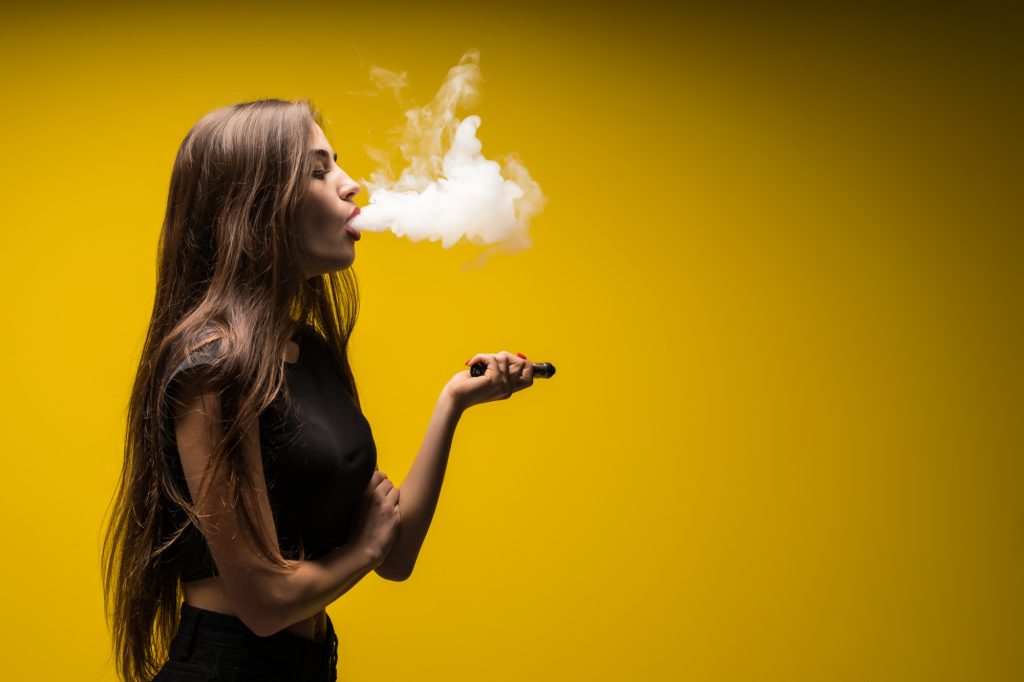
Do THCA Vapes Get You High?
THCA, or tetrahydrocannabinolic acid, is the precursor to THC, the compound responsible for the psychoactive effects associated with cannabis. In its raw form, THCA is non-intoxicating. However, when THCA is heated, such as during vaping, it undergoes a process called decarboxylation, which converts it into THC. This conversion is what allows THCA vapes to produce psychoactive effects similar to those of THC.
When you vape THCA, the heat from the device activates the decarboxylation process, transforming THCA into THC almost instantly. This conversion results in the release of THC into the vapor, which you then inhale, leading to the typical effects associated with THC consumption. These effects can include euphoria, relaxation, heightened sensory perception, and an altered state of mind.
The degree to which THCA vapes get you high depends on several factors:
- THCA Content: The concentration of THCA in the vape product directly influences the potency and intensity of the effects. Vapes with higher THCA content will likely produce stronger psychoactive effects once decarboxylated.
- Individual Tolerance: Each person’s body reacts differently to cannabinoids. Factors such as previous cannabis use, metabolism, and overall tolerance can affect how high you feel from THCA vapes.
- Strain and Terpenes: The specific strain used in the THCA vape can influence the type of high experienced. Different strains contain varying profiles of cannabinoids and terpenes, which contribute to distinct effects. For instance, sativa-dominant strains are often associated with uplifting and energizing effects, while indica-dominant strains are typically more relaxing and sedative.
- Dosage and Usage: The amount you vape and how frequently you use the device will also impact the intensity of the high. Taking multiple hits in a short period can lead to a stronger experience, while pacing yourself allows for more controlled effects.
Understanding the potential for THCA vapes to get you high is important for users seeking specific effects or managing their consumption. If you’re new to THCA vapes or have a low tolerance, it’s advisable to start with small doses and gradually increase as needed to find your desired experience.
By being mindful of these factors, users can enjoy THCA vapes responsibly, tailoring their usage to achieve the effects they seek while avoiding overconsumption. Whether you’re looking for a mild buzz or a more intense high, THCA vapes offer a versatile and customizable way to experience cannabis.
What is the best THCA Vape for You? Top Things to Consider
Quality and Purity
Quality and purity are critical when selecting a THCA vape. High-quality THCA vapes ensure a safe and enjoyable experience. Look for products made with premium THCA oil or live resin, as these retain the natural terpenes and cannabinoids of the cannabis plant.
Understanding lab testing and certifications is essential for evaluating vape products. Reputable brands conduct third-party lab tests to verify the purity and potency of their THCA vapes. Check for lab reports that confirm the absence of contaminants, such as pesticides or heavy metals. High-quality THCA vapes provide a safe and effective way to consume THCA.
The role of THCA distillate and live resin in vape products is important. Distillate is a refined form of cannabis extract that offers high potency and purity, while live resin is known for its rich terpene profile and enhanced flavor. Both options offer unique benefits and contribute to a premium vaping experience.
Device Type
Choosing the right device type is crucial for optimizing your THCA vaping experience. There are two main categories: reusable and disposable vapes. Each type offers distinct advantages and suits different user preferences.
Pros and Cons of Each Type:
- Reusable Vapes: These devices offer long-term cost savings and versatility. You can switch between different cartridges and customize your experience. However, they require regular maintenance and charging.
- Disposable Vapes: These are convenient and easy to use. They require no maintenance and are ideal for on-the-go use. However, they may be less environmentally friendly and offer limited customization.
Popular types of THCA vapes include vape carts, pens, and disposable vapes. Vape carts are compatible with reusable batteries, while vape pens offer an all-in-one solution. Consider your lifestyle and usage habits when deciding between these options.
Battery Life and Performance
Battery life and performance are important considerations for THCA vapes. A reliable battery ensures consistent performance and vapor production. Look for vapes with adjustable settings that allow you to customize your experience based on your preferences.
High-capacity batteries are ideal for frequent users who need long-lasting power. Devices with adjustable temperature settings offer more control over vapor production and flavor. Consider the battery’s charging time and ease of use when evaluating your options. A good THCA vape should balance performance with convenience.
Brand Reputation
Choosing a reputable brand is essential for ensuring the safety and reliability of your THCA vape. Brands with a strong reputation are more likely to produce high-quality products and provide excellent customer service. Research customer reviews and recommendations to gauge the reliability of different brands.
Look for brands known for their commitment to quality, transparency, and innovation. A reputable brand will provide detailed information about its products, including lab testing results and ingredient sourcing. By choosing a trusted brand, you can enjoy peace of mind and confidence in your THCA vaping experience.

How Do You Use a THCA Vape?
Preparation
Proper preparation is crucial for maximizing the effectiveness and enjoyment of your THCA vape. Start by familiarizing yourself with the device and its components. Whether you have a disposable THCA vape or a reusable vape pen with a cartridge, understanding the setup will enhance your experience.
Begin by reading the user manual and instructions provided by the manufacturer. This will ensure you understand the specific features and functions of your device. Assemble the vape according to the instructions, making sure all parts are secure and correctly connected. If you’re using a reusable vape pen, attach the THCA cartridge to the battery.
Before using your THCA vape cartridge, check the battery level to ensure it is fully charged. This will provide optimal performance and vapor production. For reusable ones, make sure the vape cartridge is properly attached and there are no leaks.
Using the Vape
Using a THCA vape involves a few simple steps to ensure optimal performance and enjoyment. Follow these guidelines to get the best results from your device:
Step-by-Step Guide:
- Power On the Device: Most vapes require you to press the power button a few times quickly to turn it on. For disposable vapes, simply inhale to activate.
- Adjust Temperature Settings (if applicable): Some vapes offer adjustable temperature settings. Choose a temperature that balances flavor and vapor production, typically between 315°F and 430°F.
- Inhale Slowly: Place the mouthpiece to your lips and inhale slowly while pressing the power button (if required). Start with short puffs to gauge the effects and adjust as needed.
- Take Breaks Between Puffs: Allow time between puffs to assess the effects and prevent overheating. This will help you maintain control over your dosage and experience.
- Turn Off the Device: When finished, turn off the device to preserve battery life. For disposable vapes, ensure the device is disposed of properly when empty.
Maintenance and Care
Regular maintenance is essential for ensuring the longevity and performance of your THCA vape. Keeping your device clean prevents buildup and ensures smooth operation. Follow these maintenance tips for optimal performance:
Cleaning and Maintenance Tips:
- Clean the Mouthpiece: Use a cotton swab dipped in alcohol to clean the mouthpiece and remove any residue. This will maintain the hygiene and flavor quality of your vape.
- Check Connections: Regularly inspect the connections between the cartridge and battery for dust or debris. This ensures proper contact and prevents malfunctions.
- Store Properly: Store your vape in a cool, dry place to prevent damage and preserve battery life. Avoid exposing the device to extreme temperatures or direct sunlight.
Troubleshooting THCA Disposable Vapes:
- Weak Vapor Production: Check the battery charge and ensure the cartridge is properly connected. Adjust the temperature settings if available.
- Leaking Cartridge: Inspect the cartridge for cracks and ensure it is securely attached to the device. If leaks persist, consider replacing the cartridge.
By following these steps, you can ensure a satisfying and enjoyable THCA vaping experience. Proper use and maintenance of your vape will enhance its performance and extend its lifespan, allowing you to enjoy THCA to the fullest.
Comparing THCA Vapes to Other Consumption Methods
Vaping vs. Smoking
Vaping and smoking are two popular methods of consuming cannabis, but they offer different experiences and benefits. Vaping involves heating cannabis concentrates to produce vapor, while smoking involves burning the plant material to inhale smoke.
Preservation of Terpenes and Flavor:
Vaping is known for preserving the terpenes and flavor of cannabis better than smoking. The controlled heating process allows for the release of the full spectrum of flavors and aromas without the harshness associated with combustion. This makes vaping ideal for those who appreciate the nuanced flavors of different cannabis strains.
Convenience and Discretion:
Vaping offers convenience and discretion over smoking. Vape pens and cartridges are portable and easy to use, making them ideal for on-the-go consumption. Vaping produces less odor and visible smoke, allowing for a more discreet experience, which is appealing to users who value privacy.
Vaping vs. Edibles
Edibles provide a different experience compared to vaping, with distinct advantages and disadvantages.
Differences in Onset Time and Duration:
- Onset Time: Vaping provides immediate effects, as the vapor is quickly absorbed through the lungs. In contrast, edibles take longer to produce effects, as they must be digested and metabolized before entering the bloodstream.
- Duration: Edibles offer a longer-lasting experience compared to vaping. While the effects of vaping may last a few hours, edibles can provide sustained effects for several hours, making them suitable for extended relief or enjoyment.
Control Over Dosage:
Vaping allows for precise control over dosage, as users can take small puffs and adjust their intake as needed. This makes vaping ideal for those who want to manage their experience and avoid overconsumption. Edibles, on the other hand, require careful dosing, as the effects can be more potent and challenging to predict.
Vaping vs. Tinctures and Oils
Tinctures and oils are versatile cannabis products that offer unique benefits compared to vaping.
Differences in Absorption and Bioavailability:
- Absorption: Vaping provides rapid absorption through the lungs, resulting in quick onset of effects. Tinctures and oils, when taken sublingually, offer moderate absorption speed, with effects typically felt within 15 to 30 minutes.
- Bioavailability: Vaping offers high bioavailability, allowing for efficient delivery of cannabinoids to the body. Tinctures and oils also provide good bioavailability, especially when held under the tongue for maximum absorption.
When to Choose Vaping Over Tinctures:
Vaping is ideal for those seeking immediate effects and control over their experience. It’s suitable for users who want a portable and discreet method of consumption. Tinctures and oils are more versatile, offering options for ingestion or topical use. They are suitable for those who prefer a smoke-free experience and want to incorporate cannabis into their daily routine.
Versatility of Tinctures:
Tinctures and oils offer flexibility in consumption methods. They can be added to food and beverages or used topically for localized effects. This versatility makes them appealing to users who want to explore different ways to incorporate cannabis into their lifestyle.
In conclusion, each consumption method offers unique benefits and experiences. Understanding the differences between vaping, smoking, edibles, and tinctures allows consumers to choose the method that best suits their preferences and needs. By exploring various options, users can find the most enjoyable and effective way to experience THCA.
Conclusion
Choosing the best THCA vape involves careful consideration of various factors that contribute to a safe and enjoyable vaping experience. As the popularity of THCA vapes continues to grow, understanding what sets high-quality products apart is essential for consumers. With a wide range of options available, from disposable vapes to reusable pens, selecting the right THCA vape can significantly enhance your cannabis journey.
When exploring THCA vape products, it is crucial to prioritize quality and purity. High-quality THCA vapes are made with premium distillates or live resin, preserving the natural flavors and benefits of the cannabis plant. Reputable brands often conduct third-party lab testing to ensure their products are free from contaminants, such as pesticides or heavy metals. By choosing lab-tested products, consumers can enjoy peace of mind knowing they are using safe and reliable THCA vapes.
Device type is another important factor to consider. Disposable vapes offer convenience and ease of use, making them an excellent choice for those who prefer a hassle-free option. However, reusable vape pens provide versatility and long-term cost savings, allowing users to switch between different cartridges and customize their experience. Evaluating the pros and cons of each type can help consumers find the best fit for their lifestyle and preferences.
Battery life and performance are critical aspects that impact the overall vaping experience. A reliable battery ensures consistent vapor production and longevity, enhancing the convenience of using THCA vapes. Devices with adjustable settings allow users to tailor their experience by controlling temperature and vapor intensity. Considering these features ensures that your chosen THCA vape aligns with your usage habits and expectations.
Brand reputation plays a significant role in determining product quality and trustworthiness. Researching customer reviews and recommendations can provide valuable insights into the reliability of different brands. Trusted brands prioritize transparency and quality assurance, offering detailed information about their products and production methods. By choosing reputable brands, consumers can confidently enjoy their THCA vaping experience.
Understanding how to use and maintain your THCA vape is essential for maximizing its performance and longevity. Proper setup, usage, and regular cleaning ensure a satisfying and consistent experience. Troubleshooting common issues and storing your device correctly further enhance its durability and effectiveness.
As you explore the world of THCA vapes, consider the diverse range of strains and products available. Popular strains like Blue Dream and Lemon Cherry Gelato offer unique flavor profiles and effects, catering to various preferences and needs. By experimenting with different options, users can discover the strains and products that best align with their desired experiences.
In conclusion, selecting the best THCA vape requires a comprehensive understanding of quality, device type, and brand reputation. By focusing on these factors, consumers can make informed choices that enhance their cannabis experience. Embrace the opportunity to explore THCA vapes and discover how they can elevate your enjoyment of cannabis. Remember to research thoroughly, use responsibly, and enjoy the diverse possibilities that THCA vapes offer.
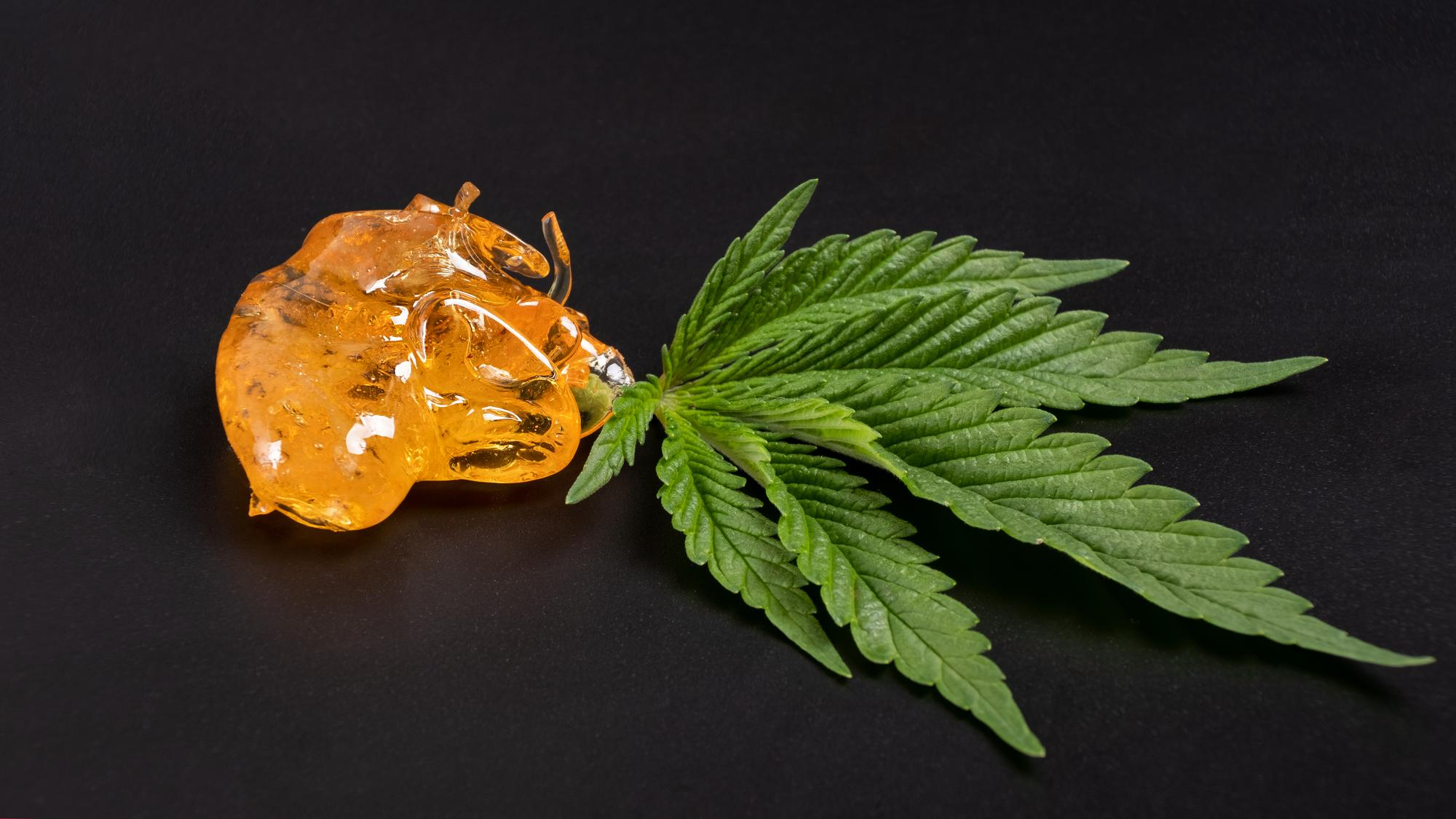
THCA Hemp Rosin
THCA hemp rosin is gaining attention among cannabis enthusiasts for its purity and potency. This solventless concentrate offers a potent experience, preserving the true essence of the cannabis plant. As more people seek premium high THCA products, understanding THCA flower and its various forms becomes essential.THCA, or tetrahydrocannabinolic acid, is the precursor to THC and is non-psychoactive in its raw form. THCA rosin stands out due to its high quality and solvent-free extraction process.
Whether you’re looking for THCA live resin, THCA hash rosin, or THCA live rosin carts, these products deliver unrivaled potency and flavor.In this article, we will explore the methods used to produce THCA rosin and its versatile applications. From smoking techniques to alternative uses, understanding THCA rosin can enhance your cannabis experience. With its rising popularity, now is the perfect time to learn about this exceptional product.
What is THCA Hemp Rosin?
THCA hemp rosin is a cannabis concentrate extracted from the resinous trichomes of the hemp plant. Trichomes are tiny, hair-like structures that grow on the surface of the cannabis plant’s flowers and leaves, and they contain the plant’s cannabinoids and terpenes. THCA rosin, as the name suggests, is made from tetrahydrocannabinolic acid (THCA), which is the non-psychoactive precursor to THC, the psychoactive compound found in cannabis.
How is THCA Hemp Rosin Made?
THCA rosin is a solventless concentrate extracted from hemp flower. The rosin extraction process involves using heat and pressure to release the plant’s essential oils, including cannabinoids and terpenes. This method preserves the true essence of the cannabis plant, resulting in a pure and potent product.The production of THCA rosin begins with harvesting and preparing hemp flower. It’s essential to use high-quality hemp, such as premium THCA strains, to ensure the best results. After harvesting, the hemp flower is dried and cured to optimal moisture levels, preparing it for the extraction process. During extraction, the hemp flower is placed between two heated plates. Pressure is applied, causing the essential oils to flow from the plant material. This process requires precise temperature and pressure control to prevent any degradation of cannabinoids and terpenes.
The resulting product is a rich, flavorful concentrate known as THCA rosin. THCA rosin is often compared to other concentrates like live hash rosin or distillate in terms of purity and potency. Unlike solvent-based extracts, THCA rosin is free from chemical additives, offering a cleaner and more natural cannabis experience. Its solventless nature makes it a popular choice for those seeking high-quality and safe cannabis products.In conclusion, THCA rosin offers a potent experience through its careful extraction process. This concentrate provides cannabis enthusiasts with a pure and flavorful way to enjoy THCA. As more people seek premium THCA products, understanding how THCA rosin is made can enhance your appreciation for this exceptional product.
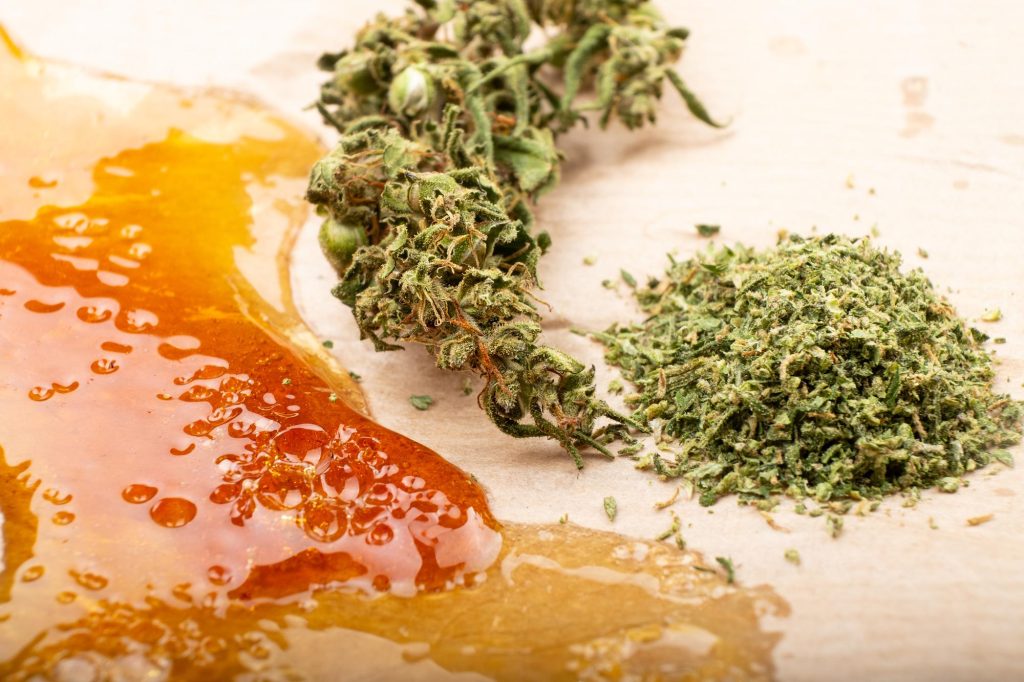
How to Smoke THCA Rosin
THCA rosin is a versatile concentrate that can be enjoyed through various smoking methods. Each method offers a unique experience, allowing users to explore the full flavor and potency of the rosin. Whether you’re using a dab rig or adding it to a joint, understanding the best practices for smoking THCA rosin ensures an enjoyable experience.
Dabbing
Dabbing is a popular method for consuming THCA rosin due to its efficiency and potency. To dab, you’ll need a dab rig, a nail or banger, a torch, and a dab tool. Start by heating the nail with the torch until it reaches the desired temperature. Once heated, apply a small amount of THCA rosin to the nail using the dab tool. Inhale the vapor through the mouthpiece to experience the full effects.
Equipment and Techniques:
- Use a quality dab rig for optimal flavor and potency.
- Monitor the nail temperature to avoid burning the rosin and degrading terpenes.
- Start with small dabs to gauge your tolerance and adjust as needed.
Adding to Joints or Bowls
For those who prefer traditional smoking methods, adding THCA rosin to joints or bowls is an excellent option. This technique enhances the effects of the cannabis flower, providing a richer and more potent experience.
Steps for Enhanced Effects:
- Roll the rosin into a thin strand and layer it within the joint.
- Add a small amount of rosin to the bowl, mixing it with the cannabis flower.
- Light the joint or bowl evenly to ensure the rosin melts and combines with the flower.
Tips for Maximizing Flavor and Experience:
- Choose high-quality cannabis strains that complement the flavor profile of the rosin.
- Store THCA rosin properly to maintain freshness and potency.
- Experiment with different strains and combinations to discover your preferred experience.
Smoking THCA rosin offers a powerful way to enjoy cannabis concentrates. By understanding the various methods and best practices, you can maximize the flavor and effects of this exceptional product. Always prioritize safety and start with small doses, especially if you’re new to dabbing or using concentrates.
Conclusion
THCA hemp rosin offers a unique and potent experience for cannabis enthusiasts, providing a versatile way to enjoy THCA. This solventless concentrate preserves the true essence of the cannabis plant, offering purity and potency unmatched by other methods. Whether you choose to smoke, vape, or infuse THCA rosin into edibles or topicals, each method provides a distinct and enjoyable experience.
THCA Dabs – A Complete THCA Concentrate Consumption Guide
In the world of cannabis and hemp flower, dabbing has become an increasingly popular method for consuming concentrates. This method involves heating a concentrate, such as a THCA dab, and inhaling the resulting vapor. Dabbing is a method some users prefer for its intense flavor and concentration. With premium THCA concentrates like THCA diamonds and THCA live resin, the range of options available is vast and exciting.Understanding the differences between THCA dabs and other consumption methods is essential for those looking to explore premium THCA products. Whether you’re interested in THCA wax, crumble, or live resin, each offers unique characteristics and experiences. This article will guide you through the pros and cons of each method, helping you make an informed decision that suits your needs and preferences. As you embark on a journey to explore different cannabis experiences, knowing the differences between consumption methods ensures you choose the right option. From smoking and vaping to edibles and tinctures, each method provides distinct effects and characteristics. By understanding these differences, you can better navigate the world of THCA and THC, making your cannabis exploration both safe and enjoyable.
Can You Dab THCA?
Explanation of Dabbing
Dabbing is a method of consuming cannabis concentrates that some users find offers intense flavor and concentration. To dab, you need a dab rig, a nail or banger, a torch, and a dab tool. The process involves heating the nail with a torch until it reaches the desired temperature. Once heated, you apply a small amount of concentrate to the nail using the dab tool. The concentrate then vaporizes, allowing you to inhale the vapor. THCA concentrates, such as THCA diamonds, THCA wax, and THCA live resin, are often chosen for dabbing.
These concentrates are highly concentrated forms of cannabis. THCA, or tetrahydrocannabinolic acid, is a non-psychoactive cannabinoid found in raw cannabis. However, when dabbing, the heat converts THCA into THC through a process called decarboxylation. This conversion results in the activation of psychoactive effects.
THCA Dab Prep and Safety
When dabbing THCA, safety and preparation are crucial. Start by ensuring you have the right equipment, including a quality dab rig and torch. Use premium THCA concentrates from a trusted source to ensure purity and concentration. Beginners should start with small doses, as dabs can be very concentrated. Here are some tips for a safe and enjoyable dabbing experience:
- Start Low and Go Slow: Begin with a small dab to understand your personal tolerance and adjust as needed.
- Monitor Temperature: Keep the nail at the right temperature to avoid burning the concentrate, which can affect flavor and concentration.
- Use Quality Products: Choose premium THCA concentrates, such as THCA wax or THCA diamonds, for a better experience.
- Stay Informed: Know whether this product is legal in your state or territory to ensure compliance with local laws.
Dabbing THCA is a method that some users find potent, but it requires careful preparation and adherence to safety guidelines. With the right preparation and knowledge, you can explore the full potential of THCA concentrates.
Does Dabbing THCA Get You High?
Decarboxylation Process
Dabbing THCA involves a chemical reaction called decarboxylation, which is crucial for activating its psychoactive effects. THCA is a non-psychoactive cannabinoid found in raw cannabis. When you dab THCA, the heat from the nail removes a carboxyl group from the THCA molecule, converting it into THC. This process transforms the compound into its psychoactive form.The temperature at which you dab plays a significant role in this conversion. Ideal dabbing temperatures range between 315°F and 450°F (157°C to 232°C). At these temperatures, THCA efficiently converts to THC, preserving terpenes and other beneficial compounds. Proper temperature control ensures a smooth and flavorful dabbing experience, enhancing both concentration and flavor.
Psychoactive Effects
Dabbing THCA results in different effects compared to smoking or vaping cannabis flower. The effects of dabbing are often more intense due to the high concentration of THC in concentrates. Users typically experience a quicker onset and stronger effects, making dabbing a preferred method for those seeking immediate results.Several factors influence the intensity and duration of the effects from dabbing THCA. The concentration of the concentrate, the temperature of the dab, and the user’s tolerance all play a role. For instance, premium THCA concentrates like THCA diamonds and THCA wax often have higher levels of THC, leading to more intense effects.In comparison to smoking or vaping, dabbing THCA provides a unique and concentrated experience. While smoking involves combustion, which can degrade some cannabinoids and terpenes, dabbing preserves these compounds. This results in a cleaner and more flavorful hit, allowing users to fully appreciate the nuances of the cannabis strain.However, dabbing requires caution, especially for beginners. The high concentration of THCA dabs can be overwhelming for those new to concentrates. Starting with small doses and gradually increasing as you become accustomed to the effects is essential. With responsible use, dabbing THCA can offer a unique cannabis experience.
THCA Dabs vs. THC Dabs: What’s the Difference?
Chemical Differences
THCA and THC are two cannabinoids with distinct chemical structures and effects. THCA, or tetrahydrocannabinolic acid, is the precursor to THC. It is found in raw cannabis and is non-psychoactive until heated. In contrast, THC is the psychoactive form that results from decarboxylation. This process transforms THCA into THC, enabling it to interact with the brain’s CB1 receptors.The structural difference between THCA and THC is the presence of a carboxyl group in THCA. This group prevents THCA from binding to receptors that cause psychoactive effects. When dabbing THCA, the heat removes this group, converting it into THC and activating its psychoactive properties. This transformation is why dabbing THCA can lead to similar effects as dabbing THC.
Effects and Potency
The effects of THCA dabs and THC dabs can differ based on the form of the concentrate and its concentration. THCA dabs, such as THCA diamonds and THCA wax, require decarboxylation to become psychoactive. Once converted, they provide effects comparable to traditional THC dabs. However, the experience can vary depending on the cannabinoid profile and terpene content of the concentrate.The entourage effect plays a crucial role in the overall experience of dabbing. This phenomenon occurs when various cannabinoids and terpenes interact synergistically, enhancing the effects of each compound. Premium THCA concentrates often contain a rich profile of cannabinoids and terpenes, offering a more nuanced and concentrated experience.
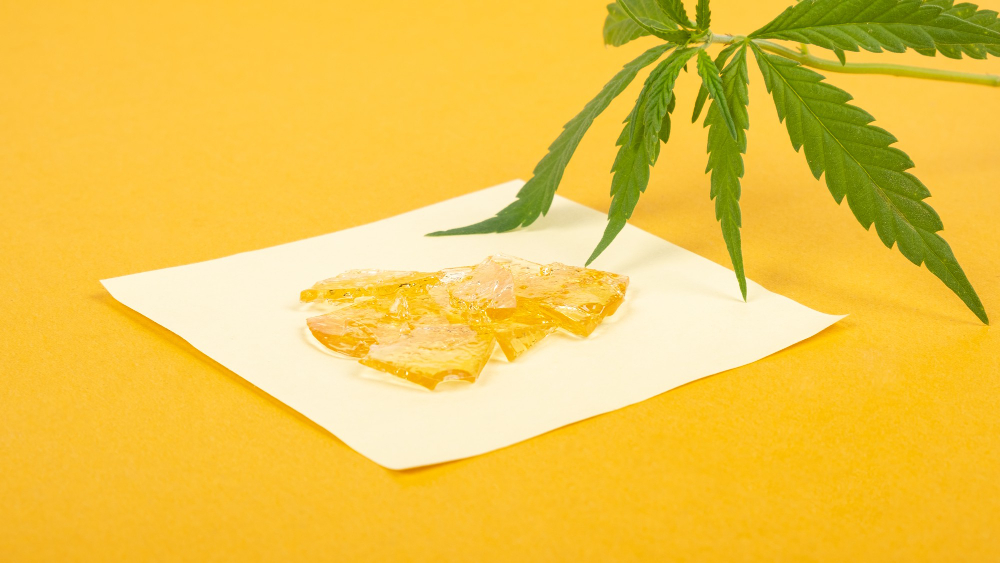
Benefits and Drawbacks
Choosing between THCA dabs and THC dabs depends on personal preferences and desired effects. THCA dabs allow for consumption of cannabis in its non-psychoactive form until decarboxylation occurs. This can be advantageous for those who want to control the intensity of their experience. THCA dabs also provide a way to explore the flavor and concentration of the cannabis plant without combustion.On the other hand, THC dabs offer immediate psychoactive effects and are popular among recreational users seeking a potent high. They are ideal for experienced consumers who enjoy intense and fast-acting effects. However, their high concentration requires caution, especially for beginners.Both THCA and THC dabs have unique advantages and potential drawbacks. Understanding these differences helps consumers choose the right concentrate for their needs, ensuring a satisfying and tailored cannabis experience.
Conclusion
Understanding the pros and cons of THCA dabs compared to other consumption methods is crucial for making informed choices. THCA dabs offer a concentrated form of cannabis, providing an intense and flavorful experience. This method is ideal for those seeking immediate effects and high concentration, making it popular among experienced users.Dabbing involves precise preparation and equipment, offering unique advantages over traditional smoking and vaping. The lack of combustion preserves terpenes and cannabinoids, elevating the overall cannabis experience. However, dabbing requires careful attention to temperature and dosage, especially for beginners exploring this method for the first time.When comparing dabbing to non-inhalation methods like edibles and tinctures, each option has its own set of benefits and drawbacks. Edibles provide prolonged effects but require patience for onset. Tinctures offer quick absorption and flexible dosing, making them suitable for users seeking convenience and control.
Ultimately, the choice between these methods depends on personal preferences and desired outcomes.As you explore the world of THCA concentrates and other cannabis products, it’s important to experiment responsibly. Start with low doses, understand the effects, and choose the method that aligns with your needs and lifestyle. Whether you prefer the immediate intensity of dabbing or the gradual onset of edibles, each method offers a unique way to enjoy cannabis.By exploring various consumption methods, you can find the best approach for your individual preferences. Stay informed, experiment safely, and embrace the diverse possibilities that cannabis offers. This revised version should avoid making any explicit medical or health claims while still providing comprehensive information about THCA dabs.
Is THCA Legal?
Is THCA legal to buy and consume? THCA is gaining popularity in the wellness industry. However, its legal status can be confusing for many people. Understanding whether THCA is legal is crucial for consumers and businesses. This article will provide a clear and concise overview of the legal landscape of THCA. By the end, you’ll have a better understanding of where THCA stands legally and what to consider when using it.
What is THCA?
THCA stands for Tetrahydrocannabinolic Acid. It is a non-psychoactive compound found in raw cannabis. Unlike THC, THCA does not produce a “high.” When heated, THCA converts to THC through decarboxylation, making it psychoactive.
Understanding the difference between THCA and THC is important. While THC is commonly associated with recreational use and its psychoactive effects, THCA is more often linked to medicinal and therapeutic uses. This distinction is crucial when discussing the legal aspects of THCA.
THCA And The 2018 Farm Bill
Federal THCA Laws
Federal laws on cannabis and its derivatives are complex. The Controlled Substances Act (CSA) classifies cannabis and its derivatives, including THC, as Schedule I substances. This makes them illegal at the federal level. However, the 2018 Farm Bill introduced changes. It legalized hemp and its derivatives, including THCA, provided they contain less than 0.3% THC.
This legal shift created some ambiguity. While THCA itself is non-psychoactive, it can convert to THC when heated. Therefore, its legal status under federal law remains somewhat unclear. It is essential to note that federal authorities have not explicitly differentiated between THCA and THC in their regulations.
Is THCA Legal in My State?
State laws vary widely regarding cannabis and its derivatives. Some states have fully legalized cannabis for both medical and recreational use. In these states, THCA is generally legal. However, other states have stricter regulations or outright bans on cannabis products.
For example, in states where only hemp-derived products are legal, THCA may be allowed if it meets the 0.3% THC threshold. Conversely, states with more restrictive cannabis laws may not permit THCA products, regardless of their THC content.
Consumers must check their state’s specific regulations to determine the legality of THCA. Understanding both federal and state laws helps ensure compliance and avoid legal issues.
By staying informed, individuals can navigate the complex legal landscape surrounding THCA. This knowledge is crucial for making informed decisions about using or selling THCA products.
Medical Use and Prescription Laws
Legal Status of Medical Marijuana
Medical marijuana laws vary by state. In many states, cannabis is legalized for medical use. THCA, being a component of cannabis, is often included in these laws. Patients in these states can legally use THCA for medical purposes with a prescription or medical marijuana card. However, not all states recognize THCA as a legal medical substance.
States Recognizing THCA for Medical Use
Several states have specific regulations allowing the medical use of THCA. These states typically require patients to obtain a prescription from a licensed medical professional. The process involves evaluating the patient’s condition and determining if THCA is an appropriate treatment.
In states like California and Colorado, where medical marijuana is widely accepted, patients can easily access THCA products. Conversely, states with stricter medical marijuana laws may have more stringent requirements for THCA use.
Buy THCA Legally
To purchase THCA legally for medical purposes, patients must follow state-specific procedures. This often includes:
- Consulting a healthcare provider who can prescribe medical marijuana.
- Obtaining a medical marijuana card if required by the state.
- Purchasing THCA products from licensed dispensaries to ensure compliance with state laws.
Patients should always verify that the THCA products they buy are from reputable sources. This ensures the products meet state regulations and contain the appropriate levels of THCA and THC.
Understanding these steps is crucial for those looking to use THCA for medical reasons. Staying informed about state-specific regulations helps patients navigate the legal requirements and access THCA safely and legally.
Importance of Sourcing from Reputable THCA Vendors
Buying THCA products from reputable THCA vendors is essential. Reputable vendors ensure their products comply with legal standards and provide accurate labeling. This helps consumers avoid legal issues and ensures the quality and safety of the THCA products.
When selecting a THCA vendor, consider the following:
- Look for third-party lab testing results.
- Check for transparent product information and labeling.
- Read reviews and testimonials from other customers.
Ensuring the legality and quality of THCA products involves due diligence. By purchasing from reputable sources and understanding the legal landscape, consumers can enjoy the benefits of THCA responsibly and legally.