
Category: THCA
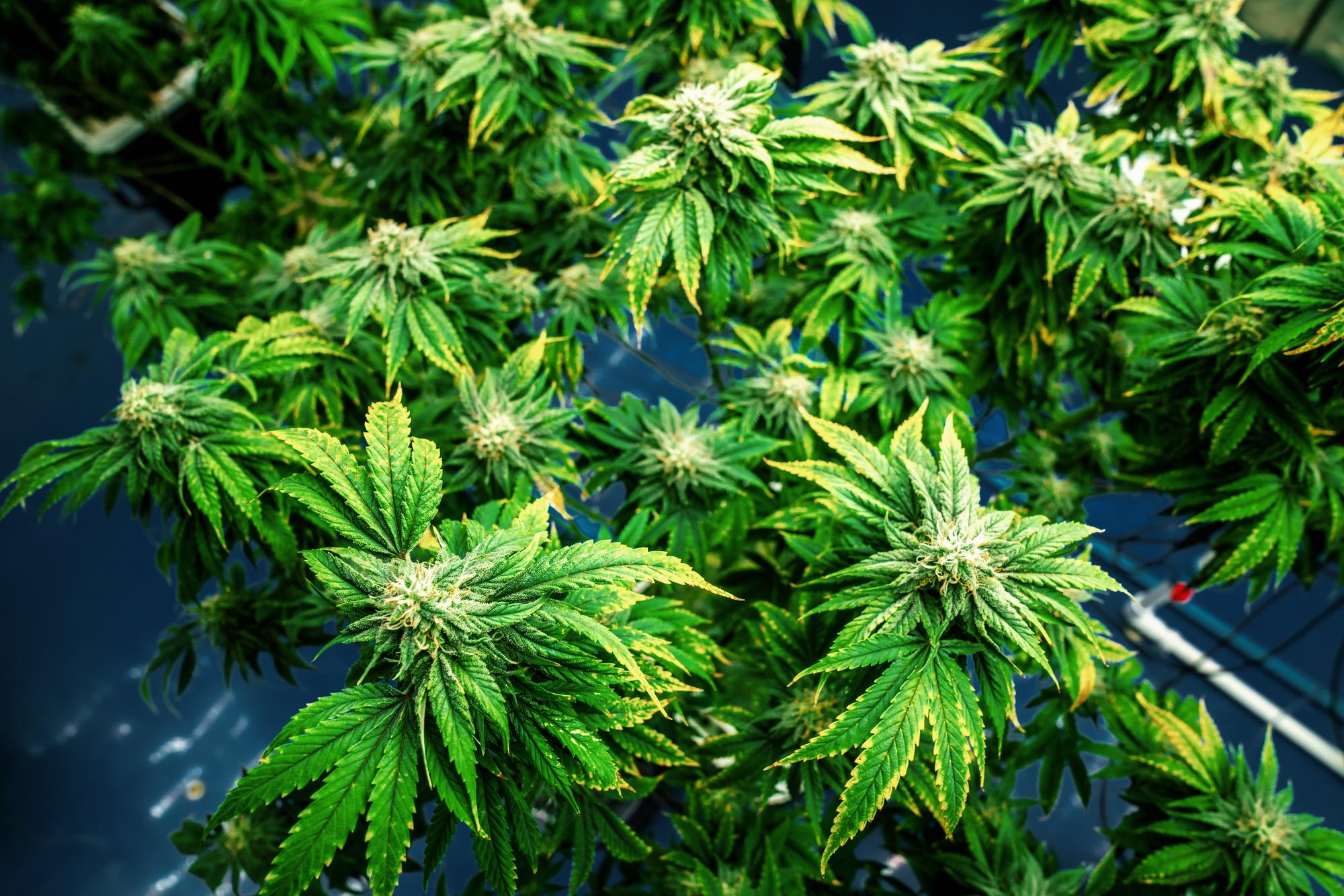
5 Best THCA Flower Eighths: Staff Picks
Looking for the best THCA Flower? If you’re on the hunt for premium cannabis with high THCA content, you’re in luck! At Green Diamond Group, we’ve curated a list of the top five THCA flower eighths based on potency, flavor, and genetics. Here’s a closer look at each of these exceptional strains:
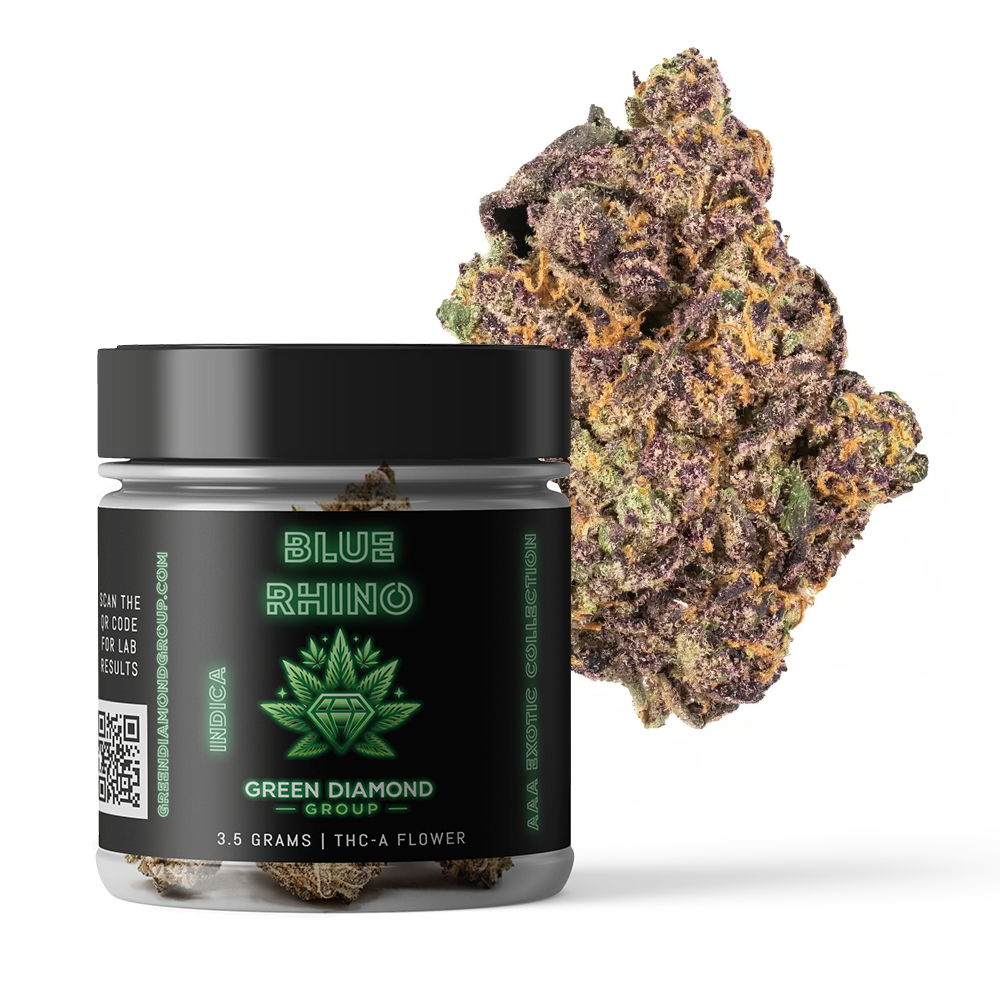
1. Blue Rhino – 35.95% THCA, Indica (Best Indica THCA Eighths)
Blue Rhino tops our list as the most potent Indica and our favorite for those seeking a deep, relaxing experience. This strain is a hybrid of Blueberry and White Rhino, inheriting a rich, fruity flavor with hints of spicy undertones. The high THCA content translates into a strong, soothing effect that’s perfect for unwinding after a long day. Its dense, frosty buds are a testament to its premium quality and powerful genetics.
Buy Blue Rhino THCA Flower Eighths

2. Guava Cookies – 25.60% THCA, Sativa (Best Sativa THCA Eighths)
As our leading Sativa, Guava Cookies is celebrated for its invigorating effects and tropical, sweet flavor profile reminiscent of guava fruit and cookies. This strain is derived from a cross between Sativa-dominant hybrids that boost energy and creativity. Ideal for daytime use, Guava Cookies delivers a clear-headed high that enhances focus while keeping you motivated and uplifted.
Buy Guava Cookies THCA Flower Eighths

3. Purple Oreoz – 26.4% THCA, Indica
Purple Oreoz is a beautiful Indica-dominant strain known for its stunning purple hues and a deliciously sweet and nutty flavor profile. With genetics from the Cookies family, this strain offers a relaxing high that soothes both the body and mind, making it a great choice for those looking to de-stress or manage discomfort. Its enticing aroma and potent effects make it a favorite among those who appreciate both quality and aesthetics in their cannabis.
Buy Purple Oreoz THCA Flower Eighths

4. White Fire OG – 28.9% THCA, Sativa
Also known as WiFi OG, this Sativa-dominant strain is a cross between Fire OG and The White, boasting high THCA levels that provide a powerful uplifting and cerebral high. Its buds are dense with a frosty layer of trichomes and carry a pungent aroma of earthy diesel and peppery spices. White Fire OG is particularly favored for its energizing effects, making it suitable for social gatherings or creative endeavors.
Buy White Fire OG THCA Flower Eighths
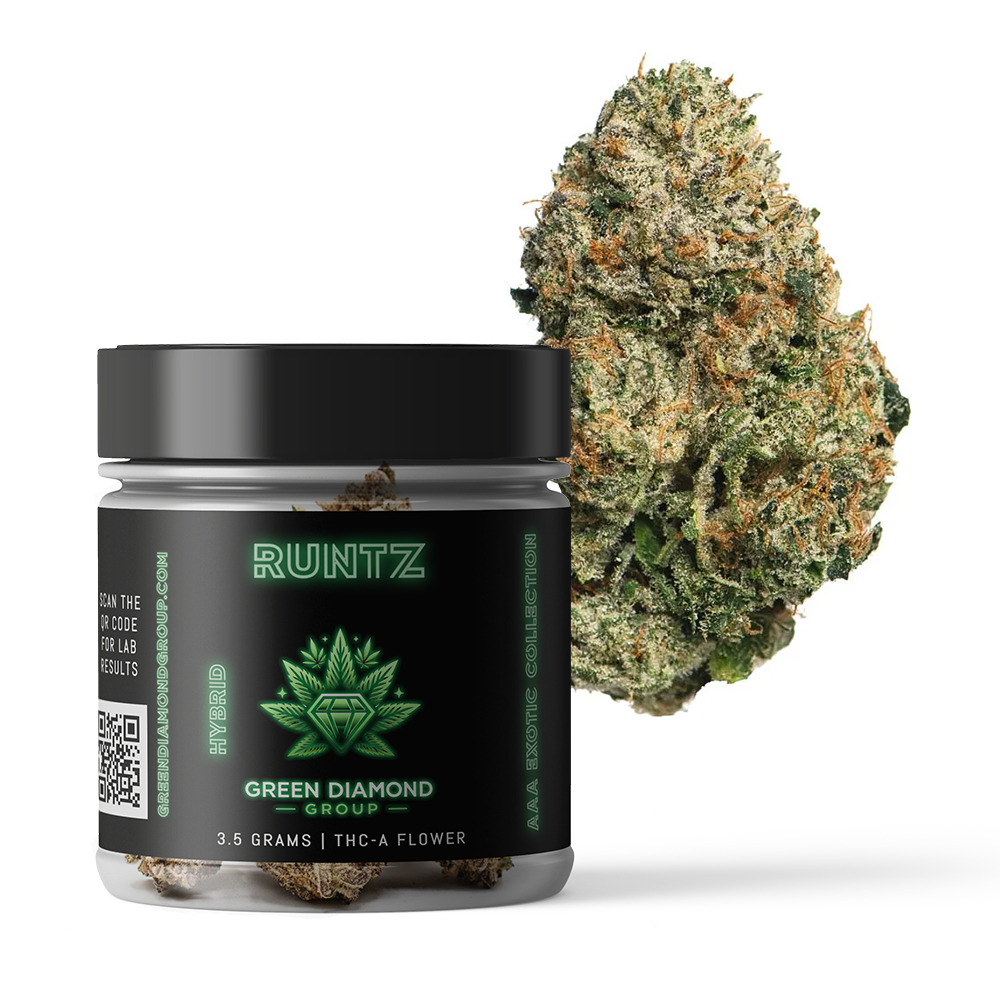
5. Runtz – 25.74% THCA, Balanced Hybrid
Rounding out our top five is Runtz, a perfectly balanced hybrid with a genetic lineage from Zkittlez and Gelato. This strain is renowned for its incredibly fruity flavor profile that tastes just like a bag of candy. Runtz combines the best of both worlds, offering a euphoric and uplifting high without overwhelming sedative effects, making it ideal for any time of day. Its colorful, resin-drenched buds are both a visual and sensory delight.
Green Diamond Group Top Shelf THCA Eighths for Sale
At Green Diamond Group, we offer these top-tier cannabis strains in various weights, including eighths, quarters, and ounces. Each strain has been selected for its unique characteristics and high-quality genetics, ensuring an exceptional experience for both novice and seasoned consumers.
Order your top shelf THCA flower today and have it delivered straight to your door.
What is Decarboxylation?
What is decarboxylation? We demystify decarbing flower.
Cannabis is a plant that has intrigued and served humans for thousands of years, both medicinally and recreationally. At the heart of its profound effects are compounds known as cannabinoids, with THC (tetrahydrocannabinol) being the most widely recognized due to its psychoactive properties. However, before THC can exert its effects, it must undergo a crucial transformation process known as decarboxylation.
This article aims to demystify the science behind decarboxylation, explaining how it turns the non-psychoactive THCA found in raw cannabis into the potent THC that many users are familiar with. Understanding this process is essential for both consumers who wish to maximize the effectiveness of their products and enthusiasts who want to deepen their knowledge of cannabis chemistry.
Understanding Cannabis Compounds
Cannabis contains over a hundred different cannabinoids, chemical compounds that interact with the human body’s endocannabinoid system to produce a range of effects. Among these cannabinoids, THCA (tetrahydrocannabinolic acid) and THC (tetrahydrocannabinol) are particularly significant due to their presence and impact.
THCA is the acidic precursor to THC and is abundant in fresh, undried cannabis plants. In its raw form, THCA is non-psychoactive, which means it doesn’t produce the ‘high’ typically associated with THC. However, THCA has its own potential therapeutic benefits, such as anti-inflammatory and neuroprotective properties.
THC, on the other hand, is best known for its psychoactive effects—it’s the compound that gets users ‘high’. Beyond its psychoactive properties, THC also offers several medicinal benefits, including pain relief, nausea reduction, and appetite stimulation.
The transformation from THCA to THC is not automatic; it requires the process of decarboxylation to occur, a fascinating chemical reaction that we will delve into next.

How Does Decarboxylation Happen?
Decarboxylation is a chemical reaction that removes a carboxyl group and releases carbon dioxide (CO2). This process is crucial for converting the naturally occurring THCA in cannabis into the psychoactive THC. Decarboxylation typically occurs when cannabis is heated, which is why smoking or vaporizing the plant immediately activates these compounds.
In more scientific terms, decarboxylation involves breaking the bond between a carbon atom and a hydroxyl group (OH) through the application of heat, effectively removing a CO2 molecule from the cannabinoid. This transformation alters the chemical structure of THCA, turning it into THC, which can readily bind to the CB1 receptors in the brain and nervous system, producing the well-known euphoric effects.
The decarboxylation process can occur at varying temperatures but requires careful control to ensure that the maximum amount of THC is produced without degrading the quality or potency of the cannabis. This precision makes understanding the process essential for anyone looking to create effective and consistent cannabis-infused products.
The Science Behind Decarboxylation
Decarboxylation is not just about heating cannabis; it involves a precise chemical reaction that is essential for activating its psychoactive and therapeutic potentials. At its core, decarboxylation is about removing a carboxyl group from the cannabinoid’s molecule, which significantly alters its chemical structure and biological activity.
When cannabis is heated, the thermal energy breaks the bonds holding the carboxyl group (-COOH) to the THCA molecule. This group is then released as carbon dioxide (CO2), a simple, odorless gas. This process effectively converts THCA, which does not readily bind to the CB1 cannabinoid receptors in the brain, into THC, which does. THC’s ability to interact with these receptors is what triggers the psychoactive effects associated with cannabis.
The temperature must be controlled carefully because too much heat can degrade THC into CBN (cannabinol), a cannabinoid with different effects, typically associated with a more sedative feeling. Additionally, the precise timing ensures that as much THCA as possible is converted into THC without losing potency through degradation.

Methods of Decarboxylation
Decarboxylation can be achieved through several methods, each with its own set of benefits and considerations. Understanding these methods can help users select the most appropriate technique based on their needs and the tools they have available.
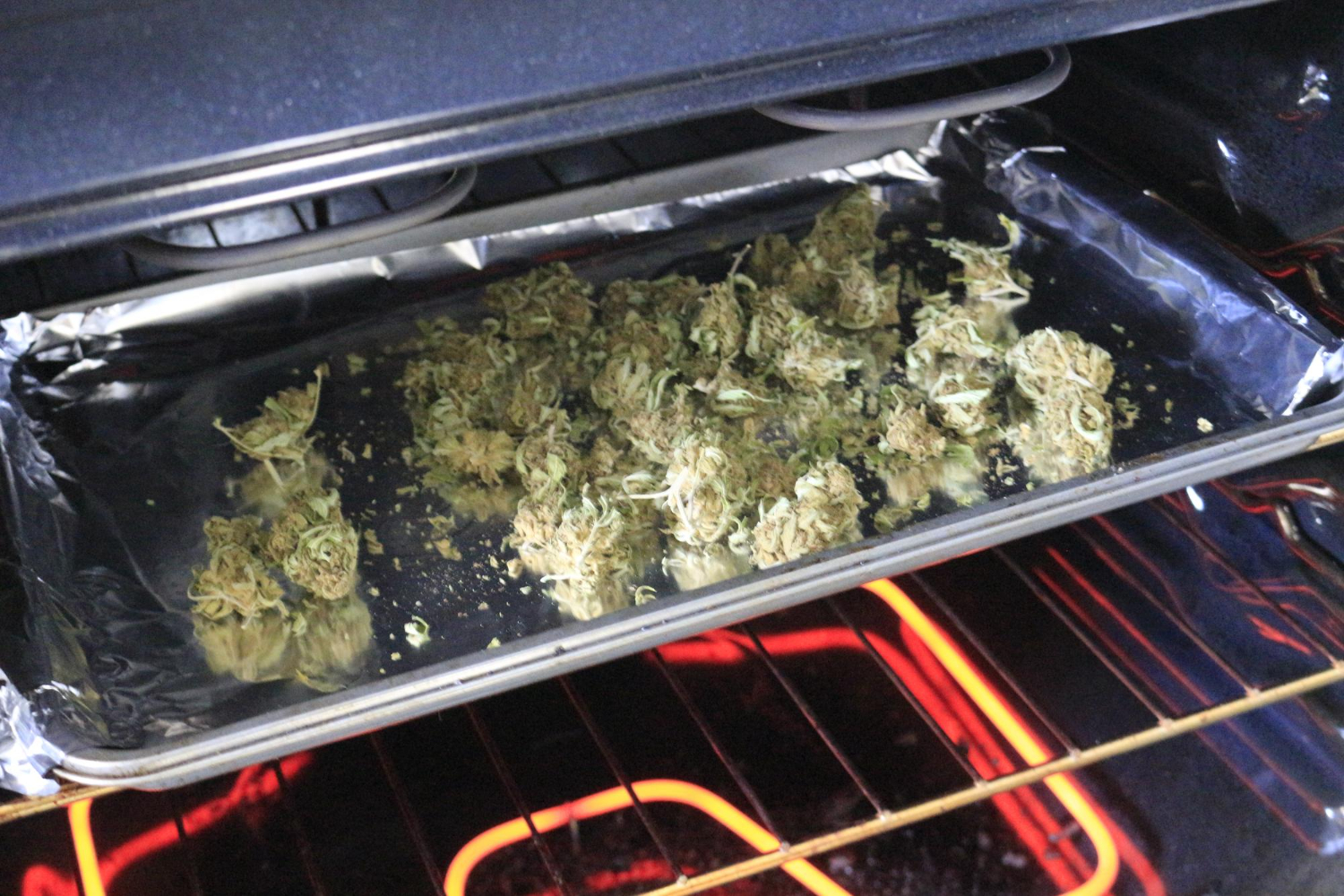
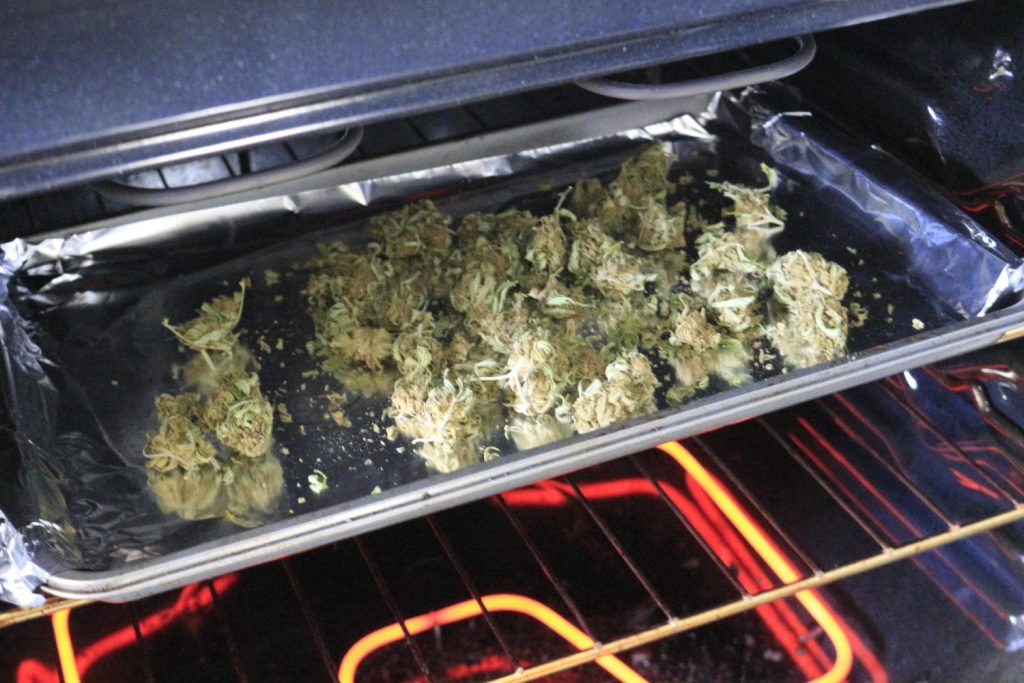
1. Oven Decarboxylation: This is the most common method due to its simplicity and accessibility. Placing finely ground cannabis on a baking sheet and heating it in an oven at 240°F (115°C) for 30 to 40 minutes can effectively decarboxylate THC. This method is great for those who want a straightforward and effective way to prepare cannabis for edibles and other infused products.
2. Sous-vide Decarboxylation: Using a sous-vide setup allows for precise temperature control, which is crucial for optimal decarboxylation. Cannabis is vacuum-sealed in a plastic bag and submerged in water heated to the same 240°F (115°C). This method usually takes about 1 to 2 hours. The water ensures an even temperature distribution, reducing the risk of overheating and preserving the cannabinoid profile.
3. Decarboxylation Devices: There are specialized devices available on the market designed specifically for decarboxylating cannabis. These units maintain a precise temperature and provide an even heat distribution, simplifying the process and minimizing the odor, which can be particularly beneficial for indoor use.
Each method has its own advantages, whether it’s the simplicity of using an oven, the temperature precision of sous-vide, or the convenience and consistency offered by a specialized device. Choosing the right method depends on the user’s priorities, such as ease of use, equipment availability, and desired quality of the final product.
Importance of Decarboxylation in Cannabis Consumption
Decarboxylation is a critical step in cannabis consumption, especially for those using cannabis in forms other than smoking or vaping. Here’s why this process is so crucial:
1. Activation of THC: The primary importance of decarboxylation lies in its ability to activate THC, the main psychoactive component in cannabis. Without this process, consuming cannabis would not produce the expected psychoactive effects because THCA, which is non-psychoactive, does not effectively bind to the CB1 receptors in the brain without being heated first.
2. Potency and Efficacy: Proper decarboxylation ensures that the maximum potential of the cannabis is realized. This is particularly important for medical cannabis users who rely on the consistent strength and effectiveness of their cannabis-based treatments. Accurate decarboxylation converts the cannabinoids into their active forms, which are more readily utilized by the body.
3. Versatility in Consumption Methods: Decarboxylation expands the ways in which cannabis can be consumed. It allows for the infusion of activated THC into oils, butters, and other fats, which can then be used in cooking or baking. It also makes it possible to create potent tinctures, capsules, and topical applications, broadening the therapeutic and recreational use of cannabis.
4. Enhanced Bioavailability: By converting THCA to THC, decarboxylation also enhances the bioavailability of cannabinoids, meaning that the body can absorb and process them more efficiently. This leads to more predictable and effective outcomes, which is especially critical for those using cannabis for health and wellness purposes.
What Are THCA Diamonds?
What are THCa Diamonds? Cannabis concentrates are increasingly capturing the attention of both new and seasoned cannabis lovers. Among these, THCA diamonds stand out as one of the most intriguing and potent forms available. Known for their purity and strength, THCA diamonds represent a pinnacle in the world of cannabis extracts. In this article, we’ll explore what THCA diamonds are, delve into their unique properties, and understand why they’re highly prized by connoisseurs.
Understanding THCA
Before we dive into the sparkling world of THCA diamonds, it’s important to understand the basics of Tetrahydrocannabinolic acid (THCA). THCA is a non-psychoactive cannabinoid found in the raw cannabis plant. Unlike THC, the compound most people are familiar with for its psychoactive effects, THCA does not produce a “high” on its own. It must be heated.
What is THCA?
THCA is the acidic precursor to THC. In its natural state within the plant, THCA serves as a way for the cannabis plant to store THC potential. When cannabis is heated, through smoking, vaping, or cooking, a process known as decarboxylation occurs. During this process, the THCA molecule loses a carboxyl group (CO2) and becomes THC, the active form that affects the human brain.
Importance in the Plant
In the living plant, THCA plays a protective role. It acts as a deterrent to pests and also provides protection from UV light. These functions contribute to the plant’s survival and reproductive capability, showcasing the complex biochemistry of cannabis.

What Are THCA Diamonds?
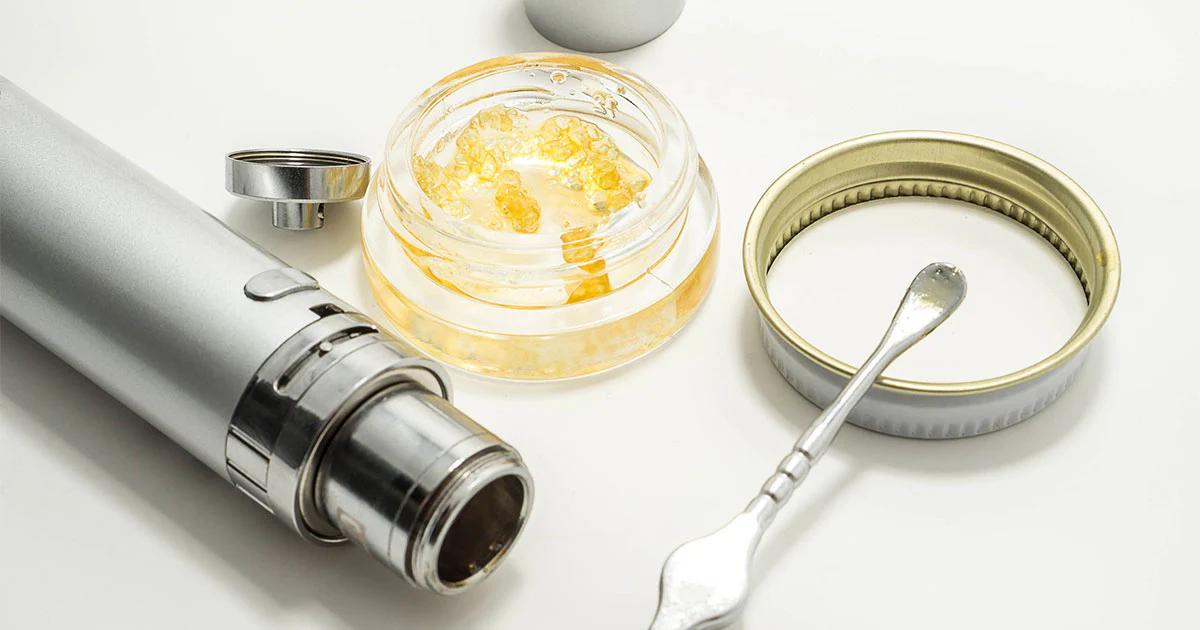
THCA diamonds are a form of cannabis concentrate that are renowned for their purity and potency. These crystalline structures are nearly pure tetrahydrocannabinolic acid (THCA) and can resemble tiny, clear crystals that sparkle like diamonds, hence their name.
Appearance and Consistency
THCA diamonds typically appear as small, transparent, or slightly yellowish crystals. They can range in size from tiny granules to larger, chunkier pieces resembling real gemstones. The consistency is often hard and crystalline, quite distinct from other softer concentrates like wax or budder.
Extraction and Formation
The process of creating THCA diamonds is both an art and a science, requiring precise control over temperature and pressure. It starts with extracting cannabinoids and terpenes using a solvent like butane or propane. This mixture is then subjected to a series of purification steps and carefully controlled conditions to promote the formation of crystals. The solvent is gradually removed, leaving behind the pure THCA crystals. The remaining liquid, rich in terpenes, is sometimes preserved and reintroduced to the diamonds to enhance flavor and aroma.
This extraction process not only highlights the sophistication involved in producing cannabis concentrates but also emphasizes the advancements in cannabis technology aimed at isolating the most potent aspects of the plant.
How Are THCA Diamonds Made?
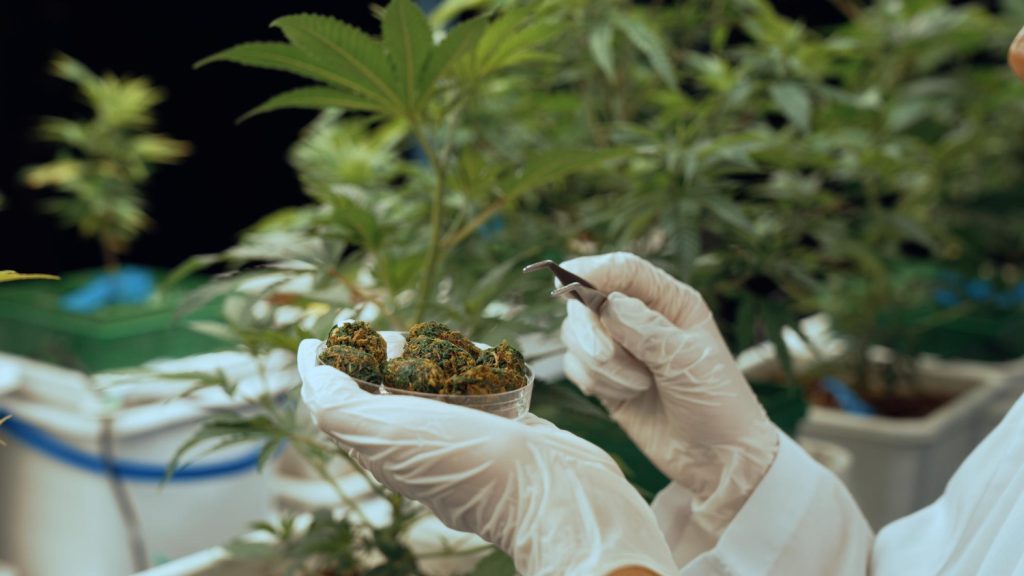
Creating THCA diamonds is a meticulous process that requires expertise and precision. This section will provide a step-by-step overview of how these potent crystals are produced, highlighting the technical aspects involved.
Step-by-Step Production
- Extraction: The process begins with the extraction of cannabinoids and terpenes from the cannabis plant using solvents like butane or propane. This initial step results in a raw extract that contains a full spectrum of the plant’s active compounds.
- Purging the Solvent: After extraction, the solvent is purged using heat and a vacuum. This step is crucial as it removes most of the solvent, reducing it to trace amounts and concentrating the cannabinoids and terpenes.
- Crystallization: The next phase is crystallization. The concentrated extract is placed in a sealed container and left to sit under specific conditions of low temperature and high pressure. Over time, THCA begins to separate from the rest of the extract and crystallize. This is due to THCA’s lower solubility in the solvent at these conditions compared to other components like terpenes.
- Separation and Curing: Once the THCA crystals have formed, they are separated from the remaining liquid, which is often rich in terpenes. The crystals are then subjected to a curing process that involves slowly drying them to remove any residual solvent fully and to stabilize the concentrate.
- Reintroduction of Terpenes: Optionally, the terpene-rich liquid that was separated from the crystals can be reintroduced to the THCA diamonds. This step enhances the flavor and aroma of the final product, making it more appealing and providing a more complex consumption experience.
Importance of Precision and Control
Each step in the production of THCA diamonds requires careful control of environmental factors like temperature, pressure, and time. Precision in these areas ensures the purity and quality of the final product, which are critical for creating a potent and safe concentrate.
This detailed production process not only ensures the creation of high-quality THCA diamonds but also highlights the scientific and technical advancements within the cannabis industry. Let me know if this clarifies the production process, or if there’s anything else you’d like to explore before moving on.

Why THCA Diamonds Are Unique
THCA diamonds stand out in the world of cannabis concentrates for several reasons. Their unique properties make them highly sought after by both medical and recreational users who are looking for a potent and pure experience.
Potency and Purity
THCA diamonds are among the most potent forms of cannabis concentrates available, often containing 90-99% THCA. Their high purity level means that users need much less of the product to achieve the desired effects, which can be more efficient and cost-effective in the long run. This high concentration also makes THCA diamonds a preferred choice for those seeking strong therapeutic benefits without the plant material found in other forms of cannabis.
Flavor and Aroma
When terpenes are reintroduced to the THCA diamonds after the crystallization process, the result is a product rich in flavor and aroma. This enhances the overall user experience by providing not only a potent cannabinoid profile but also the full spectrum of sensory experiences that cannabis can offer. The terpenes not only contribute to the taste and smell but also potentially enhance the therapeutic effects of the diamonds through the “entourage effect,” where the combination of cannabinoids and terpenes work together more effectively than they would individually.
Versatility in Consumption
THCA diamonds can be consumed in various ways, including dabbing, vaporizing, and adding to edibles. This versatility makes them appealing to a wide range of users, each looking for a method that best suits their lifestyle and consumption preferences.
Market Demand
The uniqueness and high potency of THCA diamonds have created a significant demand in the cannabis market. As users become more educated about the different types of concentrates, many are drawn to the purity and strength offered by THCA diamonds, which can also reflect in their higher market price.
How Are Diamonds Used?
THCA diamonds, with their high potency and unique properties, offer various methods of consumption. Each method caters to different preferences, enhancing the user experience based on their lifestyle and desired effects. Here’s how these potent crystals can be enjoyed:
Dabbing
Dabbing is the most common method for consuming THCA diamonds. It involves using a dab rig, which is similar to a bong but specifically designed for concentrates. The diamonds are placed on a heated surface, typically made of glass, ceramic, or titanium, which vaporizes the concentrate. This method allows for immediate and intense effects, making it popular among experienced users seeking potent relief.
Vaporizing
Vaporizing THCA diamonds is another popular method, especially for those who prefer a less intense experience than dabbing. Using a vaporizer designed for concentrates, users can heat the diamonds at a controlled temperature. This method releases the active compounds without combustion, reducing the inhalation of harmful byproducts and preserving the flavor and purity of the diamonds.
Adding to Edibles
While less common due to their high potency, THCA diamonds can also be incorporated into edibles. However, they must first be decarboxylated—slowly heated to convert the THCA into THC, the active form that produces psychoactive effects. Once decarboxylated, the diamonds can be dissolved into fats like butter or oil, which can then be used to cook or bake various edible products. This method is ideal for those seeking prolonged effects.
Safety and Dosage Considerations
Given their potency, it is crucial to approach THCA diamonds with caution, especially for new users. Starting with a small dose and gradually increasing it can help manage the intense effects associated with these concentrates. Users should also be mindful of the setting in which they consume THCA diamonds, as the effects can be overwhelming without proper preparation and environment.
Conclusion on Usage
THCA diamonds provide a flexible and potent option for cannabis consumption, catering to a variety of preferences and needs. Whether through dabbing, vaporizing, or edibles, users can experience the full benefits of this concentrate in a manner that best suits their consumption style.
Does THCA Get You High? THCA vs. THC
What is THCA?
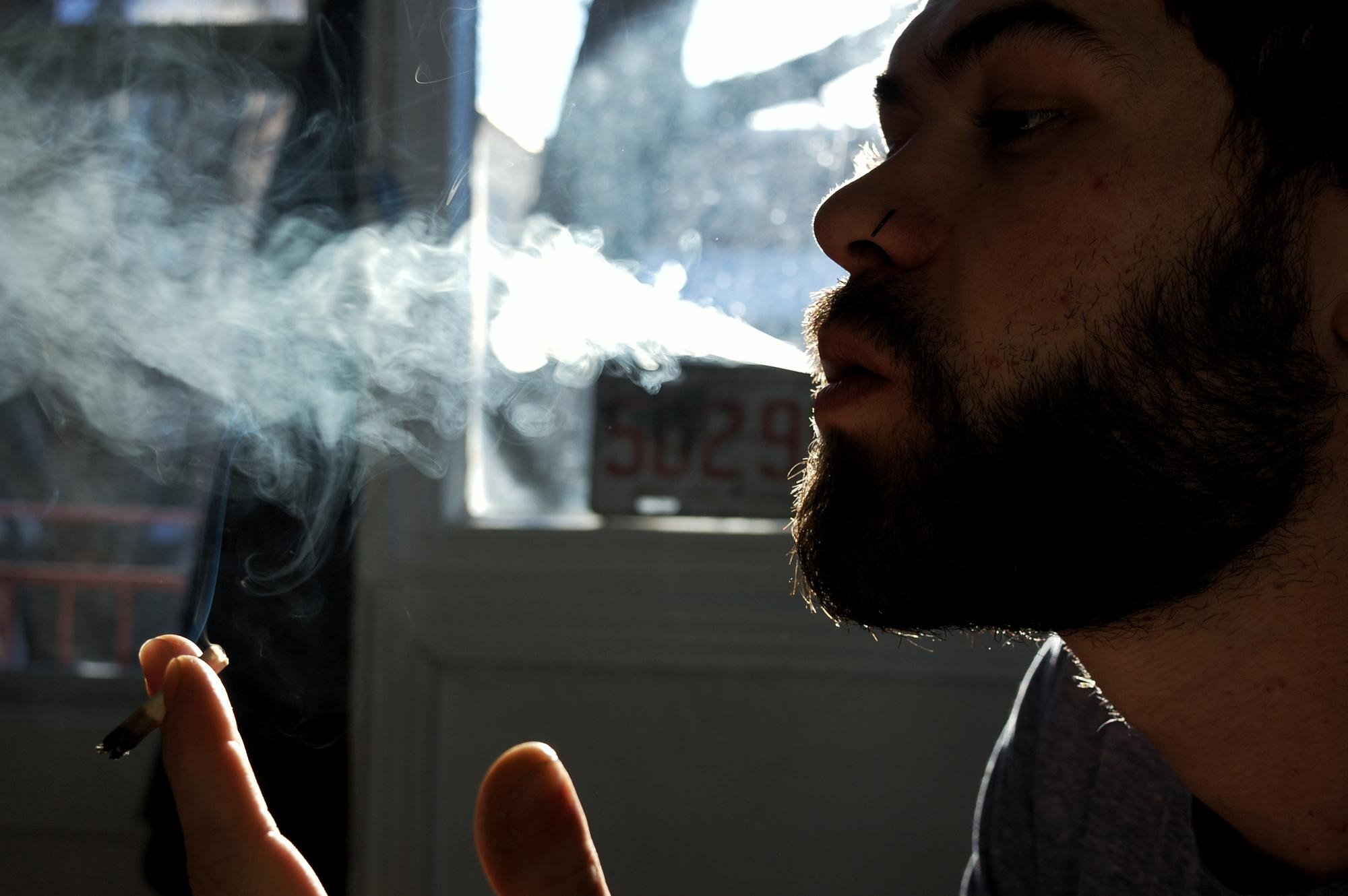
Does THCA get you high when smoked? The short answer, yes.
Cannabinoids are a group of naturally occurring compounds found in the cannabis plant. Among these, Tetrahydrocannabinolic acid (THCA) and Tetrahydrocannabinol (THC) are two of the most widely recognized. While THC is known for its psychoactive effects—the “high” associated with cannabis—THCA is its non-psychoactive precursor found in raw and unprocessed cannabis.
In this article, we delve into the legal distinctions and practical information regarding THCA. Particularly, we’ll explore how, despite being non-psychoactive itself, THCA can convert into THC through a process called decarboxylation when smoked, leading to psychoactive effects. Understanding these properties is crucial for consumers navigating the complex landscape of cannabis products.
THCA vs. THC
THCA (Tetrahydrocannabinolic acid) and THC (Tetrahydrocannabinol) are two cannabinoids that play significant roles within the cannabis plant. Although they are closely related chemically, their effects on the human body are distinctly different.
THCA: The Non-Psychoactive Precursor
- Chemical Structure: THCA is the acidic form of THC. In its natural state within the plant, THCA is stable and non-psychoactive, meaning it doesn’t produce a high.
- Natural Occurrence: Found primarily in fresh, undried cannabis, THCA is abundant in live plants and freshly harvested material.
THC: The Psychoactive Compound
- Chemical Transformation: When cannabis is dried and cured, THCA slowly converts to THC. However, significant conversion occurs when THCA is exposed to heat—a process known as decarboxylation.
- Effects on the Body: THC binds with receptors in the brain, producing the well-known psychoactive effects associated with cannabis use, such as euphoria and altered sensory perception.
This fundamental difference between THCA and THC—non-psychoactive versus psychoactive—plays a critical role in how cannabis products are used and regulated.
Decarboxylation: Transforming THCA into THC
Decarboxylation is a chemical reaction that removes a carboxyl group and releases carbon dioxide (CO2). This process is crucial for converting THCA into its active form, THC, which is responsible for cannabis’ psychoactive effects.
- How Decarboxylation Occurs: Decarboxylation typically happens when cannabis is heated. Common methods include smoking, vaporizing, and baking cannabis-infused products. This heating process accelerates the conversion of THCA into THC, effectively activating its psychoactive potential.
- Impact of Decarboxylation: Without this process, consuming raw cannabis—even if it’s rich in THCA—would not produce the ‘high’ associated with THC. This is why cannabis flowers are usually dried and heated in some form before use.
- Consumer Implications: It’s important for consumers to understand that any product containing THCA can potentially deliver psychoactive effects if heated. For example, a raw cannabis juice will not induce psychoactive effects, but baking with cannabis that has not been previously decarboxylated can lead to a potent THC content.
Understanding decarboxylation is key for anyone looking to achieve specific effects from cannabis products, whether seeking the benefits of THCA or the psychoactive effects of THC.
Legal Status of THCA vs. THC
The legal landscape for cannabis compounds is complex and varies significantly by jurisdiction. Understanding the legal status of THCA and THC is essential for consumers, producers, and regulators.
- THCA as Hemp: Under federal law in the United States, cannabis with less than 0.3% THC on a dry weight basis is classified as hemp. Since THCA is not psychoactive, it falls into this category as long as the converted THC does not exceed the legal threshold. This technicality means that products rich in THCA can legally be classified as hemp products, despite the potential for conversion to psychoactive THC when heated.
- Legal Thresholds and Implications: The 0.3% THC threshold does not account for the possible conversion of THCA into THC, creating a gray area in terms of potency and effects. This can lead to situations where consumers unknowingly purchase products that are non-psychoactive in their original state but can become psychoactive when decarboxylated.
- Regulatory Challenges: The potential for THCA to convert into THC poses challenges for regulators and law enforcement, as testing typically measures THC levels without accounting for the possible increase due to decarboxylation. This has implications for both the legality and use of cannabis products marketed as containing primarily THCA.
Understanding these legal nuances is crucial for anyone involved in the production, distribution, or consumption of cannabis products to ensure compliance with laws and regulations while being aware of the potential for psychoactive effects.
Effects of Using THCA Products
While THCA itself does not cause a high, its conversion to THC through decarboxylation means that products containing THCA are not always as benign as they might appear. Here are some important points for consumers to consider:
- Understanding Product Labels: Many cannabis products might list their THCA content without indicating the potential THC level once decarboxylated. Consumers need to be aware that heating these products can change their effects dramatically. Accurate labeling and consumer education are essential to avoid unexpected psychoactive experiences.
- Potential for Psychoactive Effects: If THCA is decarboxylated (through methods like baking, smoking, or vaporizing), it becomes THC, which is psychoactive. Consumers should be informed about the process and potential results of decarboxylation to make educated decisions about the use of cannabis products. For instance, a THCA tincture could be non-psychoactive when taken as is, but could produce psychoactive effects if inadvertently heated.
- Consumer Safety and Legal Risks: Depending on the region, the legal risks associated with possessing and using THC can be significant. Consumers using THCA products must consider the legal implications of the product potentially containing psychoactive THC after decarboxylation, especially in jurisdictions where THC is illegal or strictly regulated.
- Guidance for Use: It’s crucial for consumers to follow usage guidelines provided by reputable producers and consult with knowledgeable vendors or healthcare providers when uncertain about product effects. This can help mitigate risks associated with unintended decarboxylation and consumption.