Learning how to grow THCA flower is an exciting and rewarding journey. THCA-rich flowers offer the benefits of cannabinoids without the psychoactive effects of THC. Whether you’re cultivating hemp for personal use or for producing high-quality THCA hemp products, understanding the right methods is key. This guide will help you navigate the world of THCA production, from choosing cannabis strains to maximizing THCA content. You’ll learn how to grow THCA flowers effectively, preserve the THCA content, and produce high levels of THCA in your hemp plants.
What is THCA Hemp Flower?
THCA hemp flower is the raw form of cannabis flower, rich in cannabinoids like THCA. Unlike THC, which causes psychoactive effects, THCA is non-psychoactive in its natural state. This makes THCA hemp flower legal in many areas where THC remains restricted. People often talk about the difference between CBD flower and THCA flower, but they share many similarities. THCA is known to convert to THC when exposed to heat, a process called decarboxylation. When you smoke or vape THCA flower, this heat changes THCA into THC.
THCA hemp flower has gained popularity for its potential health benefits without causing a “high.” Cultivating THCA-rich flowers requires selecting the right cannabis strains, ensuring optimal growing conditions, and maintaining THCA levels in the plant throughout the growing process. Understanding how THCA flower is made and its relationship to THC will help you maximize THCA content in your crop.
Understanding Hemp Genetics for THCA Production
To grow THCA hemp flower successfully, choosing the right cannabis genetics is crucial. Some hemp strains naturally produce higher levels of THCA, while others focus more on CBD. When selecting seeds or clones, opt for cannabis strains known for their high THCA content. Popular strains that produce high THCA levels include those bred specifically for hemp flower production.
Genetics not only influence the potency of your THCA flower but also impact how well the plants grow in your specific environment. When cultivating THCA, it’s essential to find strains that thrive in your region’s climate or, if growing indoors, strains suited to controlled environments. Many growers use aeroponics or hydroponics to grow THCA-rich flowers, as these methods allow precise control over conditions, helping to maximize THCA content in the final product.
Ideal Growing Conditions for THCA Flower
To produce high-quality THCA flower, creating the right environment for your hemp plants is essential. Whether you choose to grow indoors or outdoors, the climate plays a big role in maximizing THCA content. Indoor growing allows you to control temperature, humidity, and light, which are all crucial factors for THCA production. Outdoor growing, on the other hand, is cost-effective but offers less control over environmental conditions.
Cannabis plants thrive in warm temperatures with adequate light exposure. Maintaining a temperature range of 70-85°F during the vegetative stage and slightly cooler during flowering helps promote healthy growth. Controlling humidity is also important. High humidity can lead to mold and mildew, which harm hemp flower quality. Lower humidity levels during flowering preserve cannabinoids like THCA and prevent these issues.
Whether you grow cannabis in soil or use hydroponics, both mediums can produce higher concentrations of THCA. However, hydroponics gives you more control over nutrient delivery, which can directly influence the THCA levels in your plants.
Germination and Seedling Care
Successful THCA flower production starts with proper germination. Healthy seedlings are key to ensuring your hemp plants grow strong and produce high THCA levels. Most growers start by soaking their seeds in water for 12-24 hours to promote faster germination. After soaking, seeds can be planted in soil or a growing medium of choice.
During the seedling stage, light and water management are crucial. Hemp seedlings require 18-24 hours of light per day. LED grow lights are a popular choice for indoor setups because they provide sufficient light without generating too much heat. Keeping the growing medium moist but not overly wet is important to avoid root rot.
As the seedlings grow, space them properly to ensure each plant gets enough light and air circulation. This will prevent overcrowding and allow for even growth. Healthy seedlings will transition smoothly into the vegetative stage, setting the foundation for higher THCA production.
Nutrient Management for THCA Hemp Plants
Proper nutrient management is essential for cultivating THCA-rich flowers. Hemp plants require a balanced diet of essential nutrients like nitrogen, phosphorus, and potassium to thrive. These nutrients play different roles in promoting growth, flowering, and THCA production. During the vegetative stage, nitrogen is particularly important for healthy leaf development, while phosphorus and potassium support root growth and flower development during the flowering stage.
Many growers debate between organic and synthetic fertilizers. Organic fertilizers, like compost or worm castings, release nutrients slowly, promoting long-term soil health. On the other hand, synthetic fertilizers offer more control and can provide faster nutrient uptake, which can help maximize THCA yield. Whichever method you choose, regularly testing your soil or nutrient solution will help you maintain optimal nutrient levels.
It’s also important to watch for nutrient deficiencies. Common issues like yellowing leaves or stunted growth can signal problems with nutrient uptake. Correcting these issues early ensures your plants stay healthy and produce the high THCA content you’re aiming for.
Pruning, Topping, and Training for Maximum Yield
To grow THCA hemp flower effectively, proper plant management is essential. Techniques like pruning, topping, and training can help you increase your yield and improve the overall quality of your hemp plants. These methods allow more light and air to reach the lower parts of the plant, encouraging better growth and higher THCA levels.
- Pruning: Remove lower branches and leaves that don’t receive enough light. This helps focus the plant’s energy on growing higher-quality flowers.
- Topping: Cut the main stem of the plant to promote lateral growth. This technique increases the number of flowering sites, leading to a larger yield of THCA flower.
- Training: Techniques like Low Stress Training (LST) gently bend and tie down branches to expose more of the plant to light. This helps the plant grow more evenly and can maximize the THCA content in your flowers.
These methods work best when done during the vegetative stage. Properly managed plants not only produce higher levels of THCA but also avoid issues like mold, which can impact the quality of your hemp flower.
Pest and Disease Management
Keeping your hemp plants free from pests and diseases is vital for producing high-quality THCA flower. Pests like spider mites, aphids, and caterpillars can damage your plants, reducing THCA content and overall yield. Regularly inspecting your plants and taking preventive measures will help keep pests under control.
Organic pest control methods are popular among growers. Introducing beneficial insects like ladybugs or using neem oil can effectively manage pests without harming your plants. Chemical pesticides are also available, but many growers prefer organic options to avoid potential contamination of their THCA-rich flowers.
In addition to pests, diseases like powdery mildew and root rot can severely impact your hemp plants. Maintaining proper humidity levels and good airflow around your plants helps prevent fungal growth. If a disease does appear, removing affected plants or parts of plants quickly is crucial to stop it from spreading.
By staying vigilant and addressing issues early, you can protect your plants and preserve the high THCA content you’re aiming for in your crop.
Flowering Stage: Maximizing THCA Potency
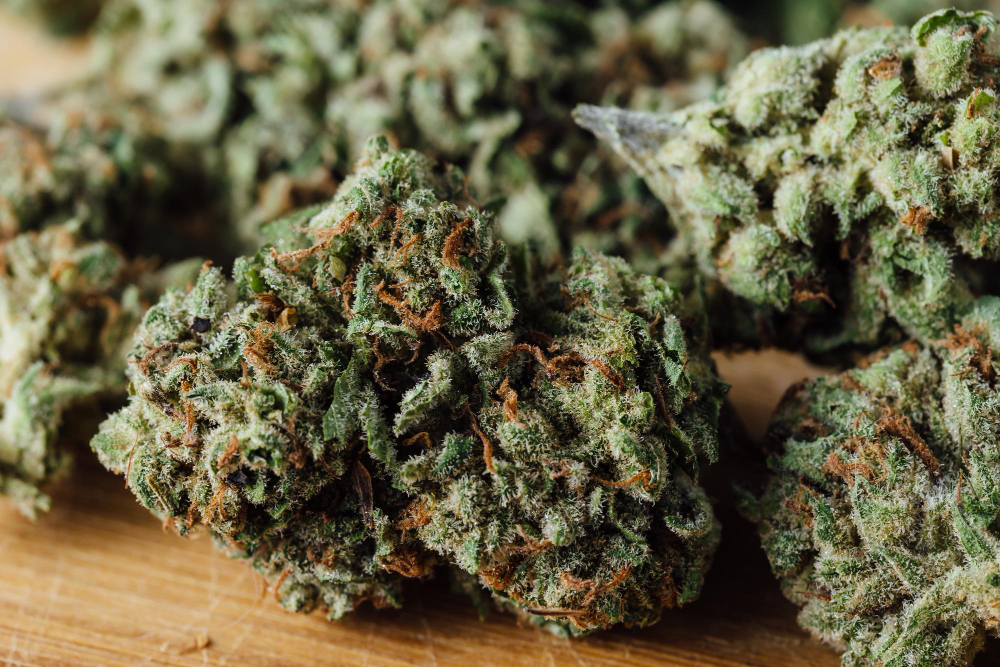
The flowering stage is where your hemp plants begin to develop the prized THCA-rich flowers. This stage requires close attention to detail, as small changes in environment or care can influence the potency of your THCA flower. During this time, your plants will shift their energy from growing leaves to producing dense cannabis flowers rich in cannabinoids like THCA.
Managing the light cycle is crucial during the flowering stage. For indoor grows, you’ll need to switch to a 12-hour light and 12-hour dark cycle to encourage flowering. Outdoor growers will see flowering naturally occur as the days shorten.
The key to maximizing THCA content during this phase is to closely monitor your plants’ health. Make sure to keep humidity levels low to avoid mold, which can reduce the quality of your flowers. Many growers also increase phosphorus and potassium during this stage, as these nutrients help enhance bud development.
Knowing when to harvest is equally important. Trichomes, the tiny crystals on the buds, will turn from clear to milky white when the THCA levels have peaked. Harvesting at this point ensures you achieve the highest THCA potency.
Harvesting and Drying THCA Hemp Flower
The timing and technique of harvesting play a significant role in preserving the THCA content of your hemp flower. Knowing when to harvest is crucial. Once the trichomes on the flowers turn from clear to cloudy and milky white, it’s a sign that your plants have reached peak THCA levels. Harvesting at the right time ensures the maximum potency of your THCA-rich flowers.
Once harvested, the drying process begins. This step is critical because improper drying can reduce THCA content. Hang your harvested flowers upside down in a dark, cool space with good airflow. Aim for a temperature around 60-70°F and a humidity level between 45-55%. These conditions help preserve cannabinoids like THCA while avoiding mold and mildew.
Drying can take anywhere from 7-14 days, depending on the size of the flowers and the environment. Proper drying ensures the flowers retain their potency and flavor, setting the stage for the final curing process.
Curing for Optimal Flavor and Potency
Curing is the final step in producing premium THCA hemp flower. Proper curing enhances both the flavor and potency of your flowers by preserving the cannabinoids and terpenes. After drying, the flowers still contain moisture that needs to be slowly released to ensure high-quality results This is extremely important in how to grow THCA flower.
To cure your flowers, place them in airtight glass jars or containers. Store these containers in a cool, dark place, away from direct sunlight. During the first few weeks, open the jars daily for a few minutes to release excess moisture—a process known as “burping.” This gradual drying process helps prevent mold and preserves the THCA content.
Curing typically takes 2-4 weeks, but some growers prefer to cure for longer, up to six weeks or more, to fully develop the flavor and potency. The longer the curing process, the smoother and more flavorful the smoke. Properly cured flowers will maintain their peak THCA levels, offering a high-quality product for consumption.
Post-Harvest Considerations: Storing Your THCA Flower
Part of knowing how to grow THCA flower includes learning how to store it properly. Incorrect storage can lead to cannabinoid degradation, including THCA converting to THC, which reduces the effectiveness of your product. Here’s how to store your THCA flower for maximum freshness and potency.
Airtight Containers for Optimal Freshness
The most effective way to store THCA hemp flower is in airtight containers. Glass jars with a tight seal are the preferred option because they don’t allow air or moisture to penetrate, preserving the flower’s cannabinoid content. Many growers use humidity packs inside the jars to maintain a stable environment. These packs help control moisture levels, keeping the flower fresh and preventing it from drying out or becoming too humid.
Controlling Light and Temperature Exposure
Light and temperature are two of the biggest enemies of THCA preservation. Exposure to UV light can degrade cannabinoids and terpenes, reducing the flower’s potency and altering its flavor profile. Always store your airtight containers in a dark, cool space, such as a cupboard or closet. Aim to keep the storage environment between 60-70°F to prevent THCA from degrading over time.
Long-Term Storage Solutions
For those looking to store THCA flower for extended periods, vacuum sealing can provide an added layer of protection. By removing oxygen from the storage container, vacuum sealing helps prevent the flower from oxidizing, which can lead to cannabinoid breakdown. For even longer storage times, some growers choose to freeze their THCA flower. However, freezing should be done carefully, as improper handling can damage the flower’s delicate trichomes.
When stored correctly, THCA-rich flowers can maintain their potency for six months to a year. Without proper storage, however, you risk losing both potency and flavor within weeks.
Challenges and Troubleshooting Common Issues
Growing THCA hemp flower can be rewarding, but it also comes with its fair share of challenges. From environmental stress to nutrient imbalances, knowing how to identify and solve problems is key to producing high-quality, THCA-rich flowers. Below are some of the most common issues growers face and tips on how to overcome them.
Nutrient Deficiencies and Toxicities
One of the most frequent problems hemp growers encounter is nutrient deficiencies or toxicities. Deficiencies in key nutrients like nitrogen, phosphorus, or potassium can stunt plant growth and reduce THCA content. Symptoms include yellowing leaves, stunted growth, or purple stems. On the other hand, overfeeding your plants with nutrients can lead to toxic buildup, which can burn the roots and reduce yields.
To avoid these issues, regularly monitor the pH levels of your soil or growing medium. A pH imbalance can lock out nutrients, even if they are present in the soil. Flushing the plants with water or adjusting the nutrient feed can often correct these issues quickly.
Pest and Mold Outbreaks
Pests like spider mites, aphids, and caterpillars can quickly destroy a hemp crop, leading to reduced THCA yield. Mold and mildew are also significant risks, particularly in high humidity environments. Early detection is key to preventing a full-blown outbreak. Regular inspections, organic pest controls like neem oil, and ensuring proper airflow will help keep your plants healthy.
Maintaining lower humidity levels during the flowering stage is crucial to preventing mold. Investing in a dehumidifier can be a game-changer for indoor grows, especially during the late flowering stage when the risk of mold is highest.
Poor Flowering and Low Yields
Sometimes, even with the best care, plants may fail to produce the desired amount of THCA-rich flowers. This could be due to improper light exposure, inadequate nutrients, or environmental stress. Ensure your plants are receiving the right light cycle (12/12 for flowering) and that the temperature and humidity are within the optimal range. Training methods like topping or pruning can also increase yield by improving light distribution.
Consistently monitoring plant health and making adjustments as needed will help ensure that your crop reaches its full potential, yielding higher levels of THCA.
Remember the Basics of Growing THCA
Learning how to grow THCA flower requires careful attention to detail, but the rewards are well worth the effort. From selecting the right cannabis strains to managing light, nutrients, and environmental factors, every step in the process contributes to producing high-quality, THCA-rich flowers. By understanding how THCA flower is made and implementing best practices for growing, harvesting, curing, and storage, you can achieve excellent results.
Remember that patience is key. Regularly monitor your plants, adjust their environment, and address any challenges that arise to ensure the best possible yield. Whether you’re growing THCA hemp flower for personal use or commercial purposes, following these guidelines will help you cultivate a crop that’s rich in cannabinoids like THCA and offers a premium experience for consumers.
Now that you’ve learned how to grow THCA flower, you can confidently embark on your cultivation journey. With the right techniques and attention to detail, you’ll be able to produce flowers that maintain high THCA content, delivering both quality and potency.