THCA flower is gaining popularity in the cannabis market due to its high levels of THCA, offering a unique experience for enthusiasts. As more people seek THCA products, understanding how THCA flower is made becomes increasingly important. This knowledge helps consumers make informed choices about which cannabis products best suit their needs.
This article explores the world of THCA flower, focusing on its production, cannabinoids, and differences from THC flower. By understanding how THCA flower is made, consumers can better appreciate its unique qualities and explore the diverse range of THCA hemp products available in the market.
What is THCA Flower?
THCA flower is a type of cannabis flower that is rich in tetrahydrocannabinolic acid (THCA), a non-psychoactive cannabinoid found in raw and live cannabis. Unlike THC (tetrahydrocannabinol), which is known for its psychoactive effects, THCA does not produce a high when consumed in its raw form. However, when THCA is exposed to heat through a process called decarboxylation, it converts into THC, which can produce psychoactive effects.
Can You Grow THCA Flower?
Cultivation Process
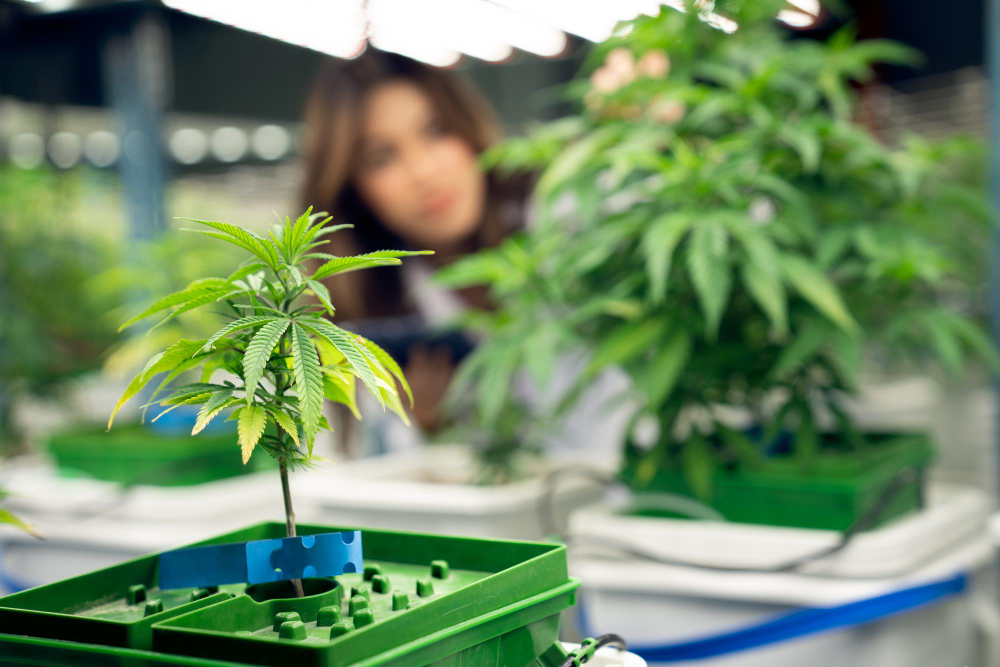
Growing THCA flower involves cultivating cannabis plants that are rich in THCA content. The process starts with selecting high-quality seeds or clones from strains known for their high levels of THCA. The cultivation process requires attention to detail, as the right conditions are essential for maximizing THCA production.
To produce THCA-rich hemp flower, growers need to maintain optimal environmental conditions, including temperature, humidity, and light cycles. The right balance of these factors ensures that the plants develop healthy trichomes, which are responsible for producing cannabinoids like THCA. Proper nutrient management is also crucial, as it influences the growth and overall health of the cannabis plant.
Factors Influencing THCA Levels
Genetics play a significant role in determining the THCA levels in cannabis plants. Choosing strains known for their high THCA content is the first step in producing premium THCA flowers. Strain selection can significantly impact the potency and flavor profile of the final product.Cultivation techniques and environmental factors also influence the THCA levels in the plant. Techniques such as training, pruning, and trellising can help maximize light exposure and airflow, promoting optimal growth. Additionally, maintaining consistent environmental conditions helps prevent stress on the plants, ensuring they produce the highest quality flowers with high levels of THCA.
As growers become more skilled in cultivating THCA-rich cannabis, the quality and potency of THCA flowers continue to improve. Understanding the cultivation process and the factors influencing THCA levels is crucial for producing high-quality THCA products that meet consumer demands.By focusing on genetics, cultivation techniques, and environmental conditions, growers can produce THCA flowers with exceptional potency and flavor. This approach ensures that the final product meets the expectations of consumers seeking premium THCA hemp products.
Harvesting and Processing THCA Flower
Harvesting Techniques
Harvesting THCA-rich cannabis plants requires precision and timing to preserve the plant’s maximum cannabinoid potential. The timing of the harvest is crucial, as it directly affects the THCA levels and overall quality of the flower. Growers must carefully monitor trichome development to determine the optimal harvest window. Trichomes are the resinous glands on the cannabis plant responsible for producing cannabinoids like THCA.
The ideal time to harvest THCA flower is when the trichomes appear milky white, indicating peak cannabinoid content. Harvesting too early may result in lower THCA levels, while waiting too long can lead to degradation of cannabinoids. Growers often use magnification tools, such as a loupe or microscope, to inspect trichomes and make informed decisions about when to harvest.
Once the ideal harvest time is determined, careful cutting and handling of the cannabis plants are essential to prevent damage to the trichomes. Gentle handling ensures the preservation of THCA content and maintains the quality and potency of the flower. By employing proper harvesting techniques, growers can produce high-quality THCA hemp flowers with exceptional cannabinoid profiles.
Post-Harvest Processing
After harvesting, post-harvest processing techniques are employed to preserve THCA content during drying and curing. Drying the cannabis flower slowly and consistently is vital to maintaining the integrity of cannabinoids and terpenes. The drying process typically takes place in a controlled environment with low humidity and moderate temperatures to prevent mold growth and cannabinoid degradation.
During drying, cannabis flowers are hung upside down or placed on drying racks to ensure even air circulation. This process removes excess moisture, which is crucial for preventing mold and preserving THCA levels. Patience and careful monitoring during drying help ensure the final product retains its potency and flavor.
Once the drying process is complete, the curing stage begins. Curing involves placing the dried cannabis flower in airtight containers, allowing it to age and develop its full flavor and potency. The curing process can take several weeks, during which the flower’s aroma and cannabinoid profile continue to mature. Regularly burping the containers to release excess humidity ensures a consistent environment for optimal curing.
Proper curing enhances the flavor profile and potency of the THCA flower, making it more appealing to consumers. It also helps stabilize the cannabinoids, ensuring a longer shelf life and improved overall quality. By focusing on post-harvest processing techniques, growers can maintain the high THCA content of their flowers and produce premium cannabis products.
Considerations for Maintaining Quality and Potency
Maintaining the quality and potency of THCA flower requires attention to detail throughout the harvesting and processing stages. Proper storage is essential to preserve the cannabinoid profile and prevent degradation. Once cured, THCA flowers should be stored in a cool, dark, and dry environment to maintain their potency and freshness.By following best practices for harvesting and processing, growers can produce high-quality THCA hemp flowers that meet consumer expectations. These steps ensure that the final product offers a rich and potent cannabis experience, with maximum THCA content and flavor.In conclusion, the careful harvesting and processing of THCA flower are crucial for preserving its unique properties and maximizing its potential. By understanding and implementing these techniques, growers can produce premium THCA hemp products that stand out in the competitive cannabis market.
How is THCA Flower Different from THC Flower?
The primary difference between THC and THCA flower lies in their chemical structure. THCA, or tetrahydrocannabinolic acid, is the acidic precursor to THC. In its raw form, THCA has a different structure from THC due to the presence of a carboxyl group. This group keeps THCA stable and non-psychoactive until decarboxylation occurs. When exposed to heat, this group is removed through a process called decarboxylation, converting THCA into THC.
The conversion of THCA into THC is crucial for activating the psychoactive effects associated with cannabis. THCA flowers contain high levels of THCA, which can convert to THC when smoked, vaped, or cooked. This conversion process is essential for consumers looking to experience the full effects of cannabis. Understanding how THCA converts into THC can help consumers make more informed decisions about their cannabis use.
The presence of high THCA levels in cannabis flowers indicates a rich potential for transformation into THC, making THCA-rich strains valuable for both recreational and certain applications. The specific strains and genetics play a crucial role in determining the THCA content, thus impacting the overall potency and effects of the flower. Cannabis enthusiasts often seek high THCA content to ensure a potent experience upon consumption.
Effects and Uses
THC and THCA flowers offer different experiences and applications. THC flower is known for its psychoactive effects, which many users seek for recreational purposes. The high from THC can include euphoria, relaxation, and altered perception, making it popular among recreational users. THC flower is often preferred by those who enjoy the immediate and intense psychoactive effects.
On the other hand, THCA flower offers potential uses without the psychoactive effects of THC until it is decarboxylated. Some research suggests that THCA could have properties that are appealing to those interested in exploring cannabis for various purposes. THCA may also be consumed in its raw form to harness its potential without experiencing psychoactive effects, making it suitable for a broader audience, including those new to cannabis.
Understanding the differences between THC and THCA flower is crucial for making informed choices. Whether you’re interested in the psychoactive effects of THC or the potential applications of THCA, knowing how these compounds interact with the body helps consumers select the right products for their needs. By appreciating the unique properties of each compound, users can tailor their cannabis experience to match their preferences.
Market and Legal Considerations
The market and legal considerations for THC and THCA flower vary significantly. THC flower is often subject to stricter regulations due to its psychoactive nature. In many regions, THC products are regulated and sold only through licensed dispensaries. Consumers must adhere to legal age restrictions and purchase limits to comply with local laws. The legal landscape for THC can be complex, with varying rules across different states and countries.
In contrast, THCA flower, especially when derived from hemp, may have different legal statuses in various regions. The 2018 Farm Bill in the United States legalized hemp with less than 0.3% delta-9 THC, which has led to the availability of hemp-derived THCA products in many areas, although local regulations may vary. It’s essential to verify the legality of THCA flower in your state or territory to avoid any legal issues.
The demand for both THC and THCA flowers continues to grow as more people explore the diverse applications of cannabis. By understanding their differences, consumers can make informed decisions and choose products that align with their preferences and goals. The expanding market for cannabis products offers numerous options for consumers, allowing them to explore various strains and formulations tailored to their needs.
In conclusion, the distinction between THC and THCA flower lies in their chemical structure, effects, and legal considerations. By understanding these differences, consumers can navigate the world of cannabis more effectively, ensuring a safe and satisfying experience.
Conclusion
The production of THCA flower involves a detailed process that highlights the complexity and artistry of cannabis cultivation. From understanding the roles of cannabinoids and terpenes to mastering the cultivation and harvesting techniques, every step is crucial in producing high-quality THCA hemp flowers. As demand for THCA products continues to rise, knowing how THCA flower is made allows consumers to make informed choices that align with their preferences and goals.
THCA flowers offer a unique opportunity to explore the diverse world of cannabis, providing potential applications and experiences distinct from traditional THC flowers. By focusing on genetics, cultivation methods, and post-harvest processing, growers can maximize the THCA content and potency of their flowers, offering consumers a premium product that meets high standards.
Legal and market considerations also play a significant role in the availability and acceptance of THCA flowers. Understanding these aspects helps consumers navigate the complex landscape of cannabis regulations and ensures they can access products that are safe, compliant, and of the highest quality.