
With the growing popularity of cannabis products, the difference between THC and THCA has become a hot topic. While both compounds are found in cannabis flower, they have distinct properties and effects. Understanding how THCA, the non-psychoactive precursor to THC, transforms into THC is essential for anyone curious about cannabis.
This article will explain the difference between THC and THCA, including their chemical structures, effects, and legal status. By the end, you’ll know exactly how these cannabinoids differ and how they impact cannabis products.
What is THC?
THC, or tetrahydrocannabinol, stands as the primary psychoactive compound in marijuana. When people talk about cannabis getting you high, they’re referring to THC. This cannabinoid binds directly to the CB1 receptors in the brain, which are part of the endocannabinoid system. By interacting with these receptors, THC alters your mood, changes how you perceive the world, and often stimulates your appetite.
When you smoke, vape, or ingest cannabis, THC enters your bloodstream and quickly travels to the brain. This rapid absorption creates the immediate effects associated with cannabis use, including euphoria, relaxation, and sometimes heightened sensory experiences. The higher the THC content in the strain, the stronger the psychoactive effects.
Recreational users often seek strains with high THC percentages to maximize these effects. Meanwhile, THC also plays a significant role in the medical marijuana industry, though its psychoactive nature requires careful consideration when choosing the right strain for specific purposes. THC’s classification as a Schedule I substance under federal law complicates its legality, making it essential for users to understand both state and federal regulations.
What is THCA?
THCA, or tetrahydrocannabinolic acid, is the raw, non-psychoactive precursor to THC. When cannabis plants grow, they produce THCA rather than THC. As long as the plant remains unheated, the THCA stays intact, offering a different experience from its psychoactive cousin. This is why raw cannabis, even when consumed in large amounts, won’t get you high.
THCA’s structure contains an extra carboxyl group, which prevents it from binding to CB1 receptors in the brain. Without this interaction, psychoactive effects simply don’t occur. When people consume THCA in its raw form—by juicing cannabis leaves, eating raw cannabis, or using cold extraction methods—they avoid the “high” associated with THC.
But when THCA is exposed to heat—through smoking, vaping, or even baking—decarboxylation happens. This chemical reaction removes the carboxyl group from THCA, transforming it into THC. This conversion process allows THCA to produce psychoactive effects when consumed after heating. The potential benefits of THCA products in their raw form have gained attention in recent years, particularly for those interested in non-intoxicating cannabinoids.
While THCA doesn’t produce psychoactive effects, it still plays a crucial role in the cannabis plant’s overall profile. People often seek strains with high THCA content, knowing it can be converted into THC when needed.
Chemical Differences Between THC and THCA
Although THC and THCA are closely related, their chemical structures set them apart in important ways. THCA molecules include an additional carboxyl group, which makes THCA a non-psychoactive cannabinoid. This carboxyl group acts as a barrier that prevents THCA from interacting with CB1 receptors in the brain, meaning it doesn’t cause any psychoactive effects.
However, when you expose THCA to heat—whether by smoking, vaping, or cooking—the decarboxylation process kicks in. This process removes the carboxyl group from THCA, transforming it into THC. Once this conversion occurs, THC can now interact with CB1 receptors, producing the psychoactive effects cannabis users typically seek. Without this transformation, THCA remains inactive and non-intoxicating, which is why consuming raw cannabis won’t get you high.
Another interesting difference between these cannabinoids lies in their natural state. While THC is rarely found in freshly harvested cannabis, THCA is abundant in raw cannabis flowers. As long as the cannabis remains unheated, it will preserve its high THCA content. For people who want to avoid the “high” of THC, THCA in its raw form offers a safe alternative.
Understanding how these cannabinoids differ at a chemical level helps consumers make more informed choices. If you want the psychoactive effects of THC, decarboxylation is key. But if you’re looking to avoid intoxication, THCA in its raw form might be the better option.
The Effects of THC vs. THCA
THC and THCA differ significantly in the effects they produce. THC is well-known for its psychoactive properties. When you consume THC, whether through smoking, vaping, or edibles, it interacts with CB1 receptors in the brain. These interactions lead to feelings of euphoria, relaxation, and altered perception, often referred to as the “high” that cannabis users seek.
People who consume high-THC strains often report heightened sensory experiences, increased appetite, and changes in mood. For recreational users, these effects make THC a popular choice. However, THC’s psychoactive nature can also lead to side effects like anxiety or paranoia in some individuals, especially when consumed in high doses.
On the other hand, THCA doesn’t produce these psychoactive effects. THCA in raw form won’t make you feel high. It does not interact with CB1 receptors in the same way. Instead, people consume THCA for its non-intoxicating potential. Some choose to add raw cannabis leaves or THCA products to their diet, including smoothies, juices, or even salads.
It’s important to remember that heating THCA turns it into THC, which leads to psychoactive effects. As soon as decarboxylation occurs, THCA converts into THC, and you’ll experience the intoxicating effects associated with the latter. So, if you’re seeking a “high,” you’ll want THC. But if you’re looking for the benefits of cannabis without intoxication, consuming raw THCA products is the way to go.
Methods of Consuming THC and THCA
When it comes to consuming THC, the most common methods involve heating cannabis to activate its psychoactive properties. Smoking and vaping are two of the quickest ways to enjoy THC. By applying heat, these methods instantly convert THCA into THC through the decarboxylation process, allowing users to experience the effects almost immediately. THC can also be consumed through edibles, such as brownies, gummies, or drinks. These products are infused with THC that has already been activated, so no additional heat is required.
For those who prefer the effects of THCA, the approach to consumption differs. THCA is commonly consumed in its raw form, which allows users to experience the potential benefits of the cannabinoid without getting high. Some enthusiasts add raw cannabis leaves or flowers to smoothies, salads, or juices. This method of consumption preserves the THCA without converting it into THC. You can also find THCA in concentrated forms, such as tinctures or crystalline, making it easy to add THCA to your daily routine without any psychoactive effects.
One key consideration when consuming THCA is avoiding heat. If you inadvertently apply heat, through cooking or vaping, for example, the THCA will convert to THC. That’s why it’s crucial to choose consumption methods carefully based on the experience you want—psychoactive effects from THC or non-intoxicating benefits from THCA. Both cannabinoids offer unique experiences, so it’s all about picking the method that aligns with your goals.
Legal Differences Between THC and THCA
The legal status of THC and THCA varies greatly, largely due to their psychoactive differences. THC is classified as a Schedule I controlled substance under the Controlled Substances Act, making it illegal at the federal level. However, many states have legalized THC for medical or recreational use, which creates a confusing legal landscape. In states that have embraced cannabis legalization, individuals can purchase THC products as long as they meet state regulations. This means that while THC remains federally illegal, state laws determine whether people can legally buy and use it.
THCA, on the other hand, exists in a legal gray area. Under the 2018 Farm Bill, hemp-derived products containing less than 0.3% delta-9 THC are legal at the federal level. Because THCA in its raw form is non-psychoactive, it is often considered legal under this bill, as long as it meets the required THC content limits. However, legal risks arise when THCA undergoes decarboxylation and converts into THC, potentially exceeding the legal threshold for delta-9 THC content.
In states where cannabis is still illegal, THCA’s legality can also come into question, especially if local law enforcement interprets the presence of THCA as a precursor to an illegal substance. To navigate this legal maze, consumers must stay informed about both state and federal regulations. Buying products from reputable sources that provide clear lab testing results ensures compliance with the law and helps avoid legal issues related to THC content. As cannabis laws continue to evolve, staying updated on legal changes is crucial for anyone interested in THC or THCA products.
THC and THCA in Drug Testing
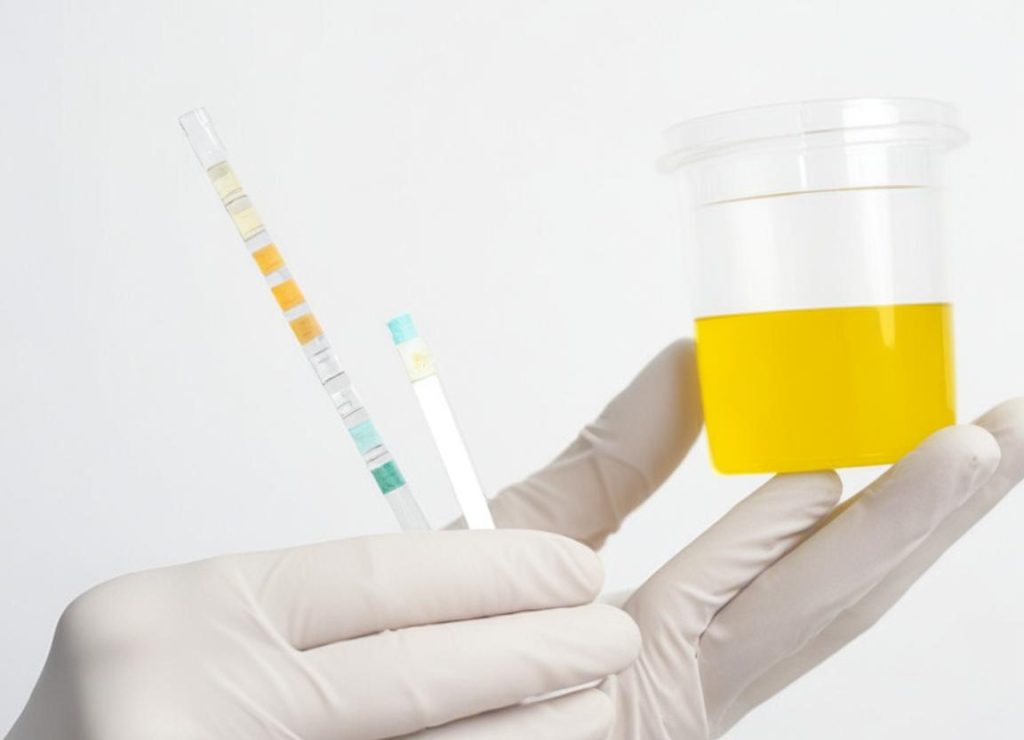
Drug testing for cannabis typically focuses on detecting THC and its metabolites in the body. When you consume THC, it breaks down into metabolites, which can linger in your system for days or even weeks. Most standard drug tests, including urine, saliva, and hair follicle tests, are designed to detect these metabolites. This makes it easy for regular cannabis users to test positive, even long after the psychoactive effects of THC have worn off.
THCA, in its raw form, usually doesn’t trigger a positive result on standard drug tests. Since THCA does not convert into THC without heat, consuming raw THCA products, such as fresh cannabis or THCA concentrates, typically won’t show up on a test for THC metabolites. However, there’s always a risk. If any THCA converts into THC during processing, shipping, or storage, trace amounts of THC could appear in your system and lead to a positive test result. Even a small amount of THC in a product could cause issues for individuals who undergo frequent drug testing.
Choose THCA products carefully, and ensure proper testing and labeling to avoid unintended THC consumption. If you’re subject to drug testing, sticking to reputable sources with transparent lab results is the best way to minimize the risk. Still, if drug testing is a concern, you may want to avoid all cannabis products, even those marketed as containing only THCA.
THC and THCA in Drug Testing
Drug testing for cannabis typically focuses on detecting THC and its metabolites in the body. When you consume THC, it breaks down into metabolites, which can linger in your system for days or even weeks. Most standard drug tests, including urine, saliva, and hair follicle tests, are designed to detect these metabolites. This makes it easy for regular cannabis users to test positive, even long after the psychoactive effects of THC have worn off.
THCA, in its raw form, usually doesn’t trigger a positive result on standard drug tests. Since THCA does not convert into THC without heat, consuming raw THCA products, such as fresh cannabis or THCA concentrates, typically won’t show up on a test for THC metabolites. However, there’s always a risk. If any THCA converts into THC during processing, shipping, or storage, trace amounts of THC could appear in your system and lead to a positive test result. Even a small amount of THC in a product could cause issues for individuals who undergo frequent drug testing.
It’s important to choose THCA products carefully and ensure they have been properly tested and labeled to avoid any unintended THC consumption. If you’re subject to drug testing, sticking to reputable sources with transparent lab results is the best way to minimize the risk. Still, if drug testing is a concern, you may want to avoid all cannabis products, even those marketed as containing only THCA.
Conclusion
THC and THCA, though closely related, offer vastly different experiences to cannabis consumers. THC is the well-known psychoactive compound responsible for marijuana’s intoxicating effects, while THCA remains non-psychoactive unless exposed to heat. Understanding how THCA converts into THC through decarboxylation helps clarify why raw cannabis won’t get you high, but smoking or vaping will.
From a legal perspective, THC faces more restrictions, as it is classified as a controlled substance under federal law. THCA, on the other hand, benefits from more lenient regulations under the 2018 Farm Bill, as long as it adheres to THC content limits. However, legal risks arise when THCA converts to THC, which is why it’s essential to stay informed about both state and federal laws regarding cannabis products.
Both THC and THCA offer unique benefits, making them appealing to different types of cannabis users. If you seek the psychoactive effects of cannabis, THC-rich products are the way to go. But if you’re more interested in cannabis without the high, raw THCA offers an alternative worth exploring. Ultimately, understanding the difference between these two cannabinoids empowers you to make informed decisions when navigating the ever-evolving cannabis market.

