
Cannabinoids Explained
How Many Mg of CBD Should a Beginner Take?
A realistic guide on starting CBD dosing, including weight-based baseline math, oil dropper administration, and delivery method trade-offs.

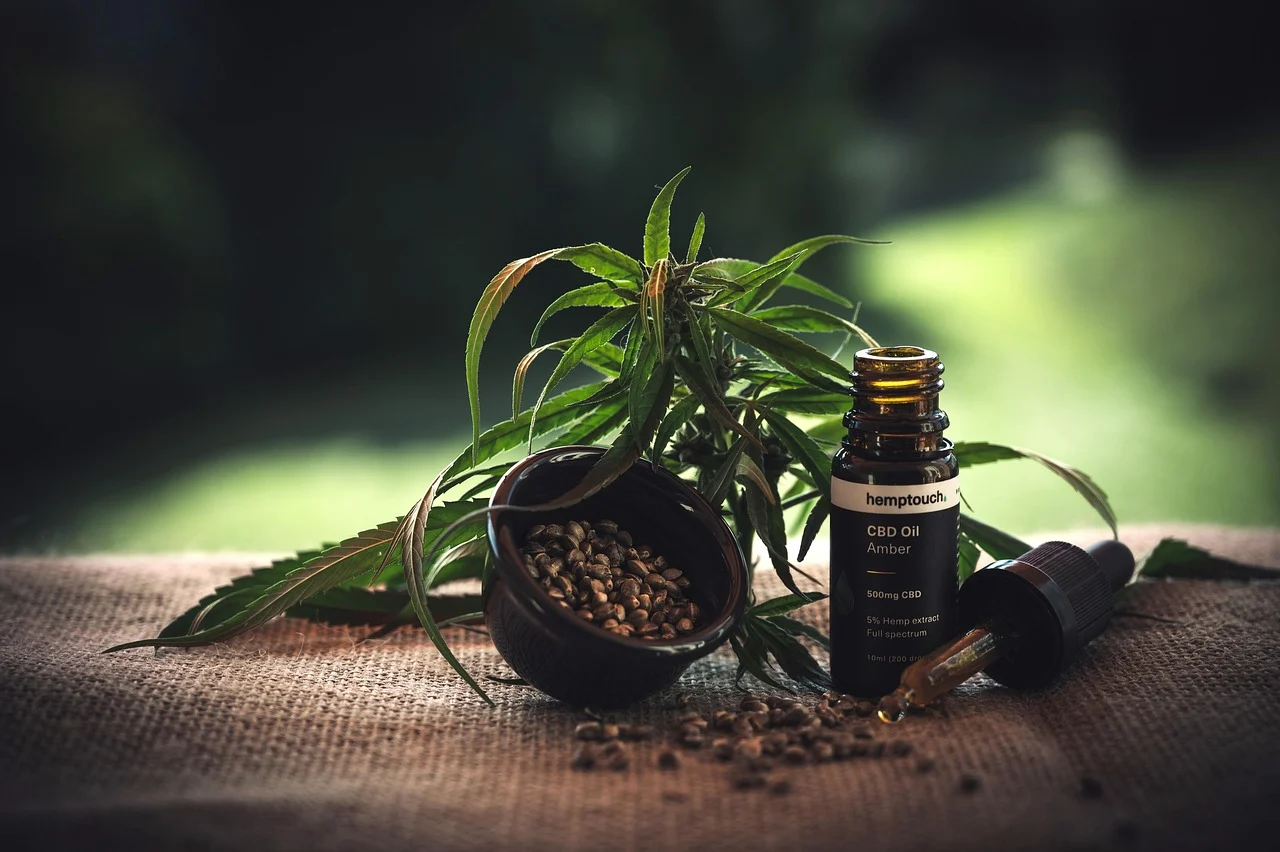
A beginner should take between 10 mg and 15 mg of CBD per day as a starting dose. If you weigh under 130 pounds, 10 mg is a practical starting point, while people weighing over 200 pounds often start at 20 mg. Maintain this precise daily amount for five to seven days before deciding whether to increase it by 5 mg increments.
How to calculate your starter CBD dosage by body weight
Finding your initial dose relies on a simple baseline formula: 1 mg to 5 mg of CBD for every 10 pounds of body weight. Lower dosages suit general wellness, while higher starting points suit specific discomfort or heavier body masses. Because your digestive system and metabolic rate dictate how cannabinoids move through your blood, matching your body mass prevents over-consumption and wasted product early on.
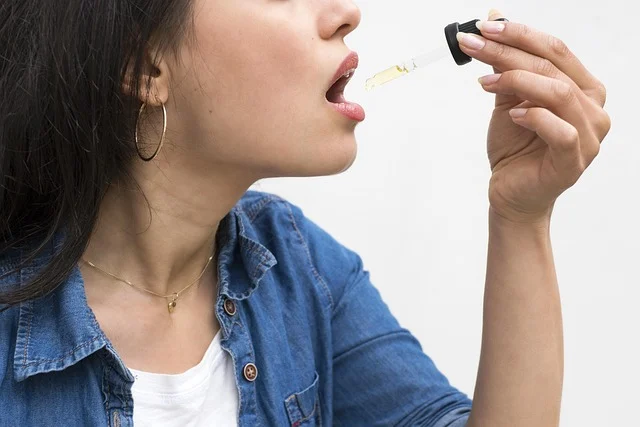
To establish your exact target, convert your body weight into a manageable range using this reference table. These ranges reflect standard baseline oral intakes for non-intoxicating hemp-derived cannabidiol.
| Body Weight Range | Low Starting Dose (1 mg / 10 lbs) | Moderate Starting Dose (2.5 mg / 10 lbs) | High Starting Dose (5 mg / 10 lbs) |
|---|---|---|---|
| 100 to 130 lbs | 10 mg | 12.5 mg to 15 mg | 20 mg to 25 mg |
| 131 to 170 lbs | 15 mg | 17.5 mg to 20 mg | 30 mg to 35 mg |
| 171 to 210 lbs | 20 mg | 22.5 mg to 25 mg | 40 mg to 45 mg |
| 211+ lbs | 25 mg | 30 mg | 50 mg |
My recommendation for total beginners is to stay in the low-to-moderate columns for your weight category during your first week. Taking more CBD than your body needs does not increase benefits, but it does cause mild drowsiness or dry mouth faster.
How to measure milligrams in drops, gummies, and capsules
Translating a target milligram number into actual drops or pieces requires looking closely at the product packaging. A single CBD gummy or softgel usually lists its exact milligram content right on the front label—such as 10 mg, 15 mg, or 25 mg per piece. Liquid tinctures take an extra step because the label gives total milligrams per bottle, not per drop.
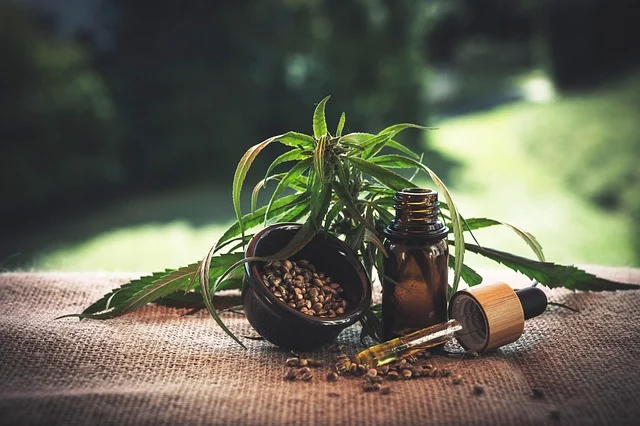
Standard CBD tincture bottles hold 30 milliliters (mL) of liquid, and the dropper lid holds exactly 1 mL when filled to the top line. To calculate how many milligrams are in a single full 1 mL dropper, divide the total milligrams listed on the bottle by 30. If your 30 mL bottle contains 600 mg of total CBD, one full dropper gives you 20 mg (600 divided by 30). Half a dropper yields 10 mg.
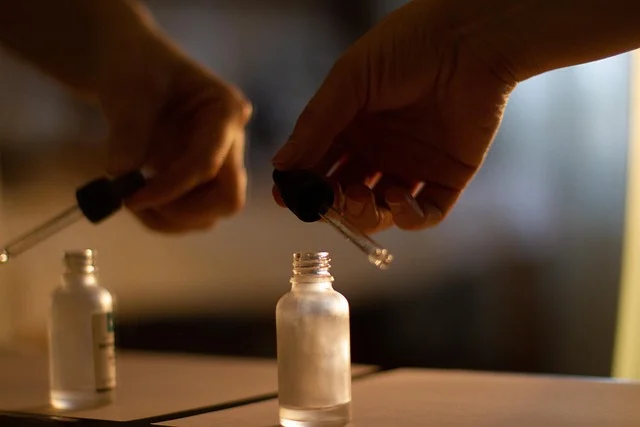
To measure down to individual drops, assume a standard 1 mL dropper yields approximately 20 drops. In that same 600 mg bottle, each single drop equals roughly 1 mg of CBD. If your goal is 15 mg, you would fill three-quarters of the dropper lid or count out 15 drops under your tongue.
How delivery methods change how much CBD enters your system
Not all consumed CBD reaches your bloodstream. The delivery method directly changes your body’s bioavailability—the percentage of active cannabinoids absorbed into circulation. Knowing these differences helps you avoid accidentally double-dosing when switching between methods.
Sublingual oil tinctures
Holding tincture liquid under your tongue for 60 to 90 seconds allows small capillaries in your mucous membranes to absorb cannabinoids directly. This skips first-pass liver metabolism, yielding a quick onset within 15 to 30 minutes and a high absorption rate. If you want maximum control over precise 2 mg or 3 mg dose adjustments, tinctures are the best choice.
Oral gummies and softgels
When you swallow a gummy, softgel, or beverage, the CBD must clear your stomach and liver before entering your bloodstream. This first-pass metabolism breaks down a significant portion of the active compound, resulting in lower bioavailability. Onset takes anywhere from 45 to 90 minutes. Beginners using gummies should resist the urge to take a second piece within two hours, as delayed absorption often leads to over-ingestion.
Inhaled vapes or hemp flower
Inhalation delivers cannabinoids directly to alveolar tissues in the lungs, entering circulation in seconds. Bioavailability is highest here, but precise milligram measurement is difficult. Beginners should start with one brief puff, wait 10 minutes, and evaluate how they feel before puffing again.
How to adjust your daily dose using the low and slow method
Finding your baseline dose requires consistency over time rather than instant adjustments. We recommend keeping a short daily log on your phone for your first two weeks. Track the precise milligram dose, time of day, food eaten beforehand, and any physical feelings.
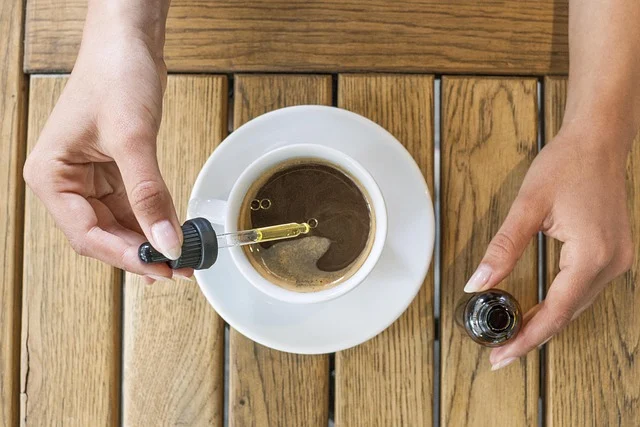
Follow this step-by-step titration schedule to find your ideal balance without wasting product:
-
- Days 1 through 5: Take your exact weight-calculated baseline dose (for example, 10 mg or 15 mg) once daily, preferably at the same time.
- Evaluate baseline results: If you notice subtle relief with zero side effects, keep this exact dose. You do not need to raise your amount just because a higher limit exists.
- Days 6 through 10 (optional step): If you feel no difference after five full days, raise your total daily intake by 5 mg. You can split this into two smaller daily sessions—such as 10 mg in the morning and 5 mg at night—or take 20 mg all at once.
- Days 11 and beyond: Maintain any new level for another 5 days before adjusting further. Most beginners find their ideal daily balance between 15 mg and 30 mg total.
How many mg of CBD should a beginner take?
While hemp-derived CBD is non-intoxicating and widely tolerated, certain individuals need lower starting doses or complete medical clearance before trying it. Cannabinoids interact with cytochrome P450 enzymes in the liver—the same enzyme system responsible for processing many common prescription pharmaceuticals.
You should consult a healthcare professional and start below standard limits if any of these conditions apply:
-
-
- Taking prescription medications: If your prescription carries a grapefruit warning (common with blood thinners, blood pressure medication, and anticonvulsants), CBD will compete for those same metabolic pathways.
- Hepatic impairment: Individuals with compromised liver function metabolize cannabinoids much slower, causing compounds to accumulate in the bloodstream longer.
- Low body weight: Individuals under 100 pounds should begin with conservative doses between 2.5 mg and 5 mg daily.
- Pregnancy or nursing: Health authorities advise avoiding cannabinoid use during pregnancy or breastfeeding due to potential development risks.
-
If you experience persistent sluggishness, nausea, or lightheadedness, stop taking the product or drop your daily dose back by half.
Related guides
Sources: Cannabidiol (CBD): What we know and what we don’t
Frequently asked questions
Can a beginner take 25 mg of CBD?
Yes, a beginner can safely take 25 mg of CBD, especially if they weigh over 180 pounds or face noticeable physical discomfort. However, individuals under 150 pounds should start lower, around 10 mg to 15 mg, to gauge tolerance first.
How quickly will I feel a beginner dose of CBD?
Sublingual tinctures work within 15 to 30 minutes when held under the tongue. Swallowed gummies or capsules take 45 to 90 minutes to take effect because they pass through your digestive system.
What happens if a beginner takes too much CBD?
Taking too much CBD does not cause dangerous intoxication, but it can trigger mild side effects like drowsiness, dry mouth, reduced appetite, or loose stools. Lowering your next dose typically resolves these effects quickly.








Cannabinoids Explained
Will Full Spectrum CBD Show Up on a Drug Test? What to Expect
Full spectrum CBD can trigger a positive result on a drug test because it contains legal trace amounts of THC that accumulate in body fat.
Yes, full spectrum CBD can show up on a drug test and cause you to fail.
If you take full spectrum CBD daily, your body stores small amounts of Delta-9-tetrahydrocannabinol in adipose (fat) tissues. Over several days or weeks, these trace concentrations build up to levels that standard immunoassay workplace screens detect. I always advise anyone facing mandatory employment testing to understand this risk before taking any full spectrum hemp product.
How full spectrum CBD triggers a positive drug test
“]
Standard drug screens do not look for cannabidiol (CBD). Employers and testing facilities test for the primary inactive THC metabolite, 11-nor-9-carboxy-THC (THC-COOH). When you consume full spectrum hemp extracts, you ingest small quantities of Delta-9 THC alongside CBD, minor cannabinoids, and terpenes.
Because THC is lipophilic, your body absorbs it into fat cells and releases it slowly into your bloodstream and urine over time.
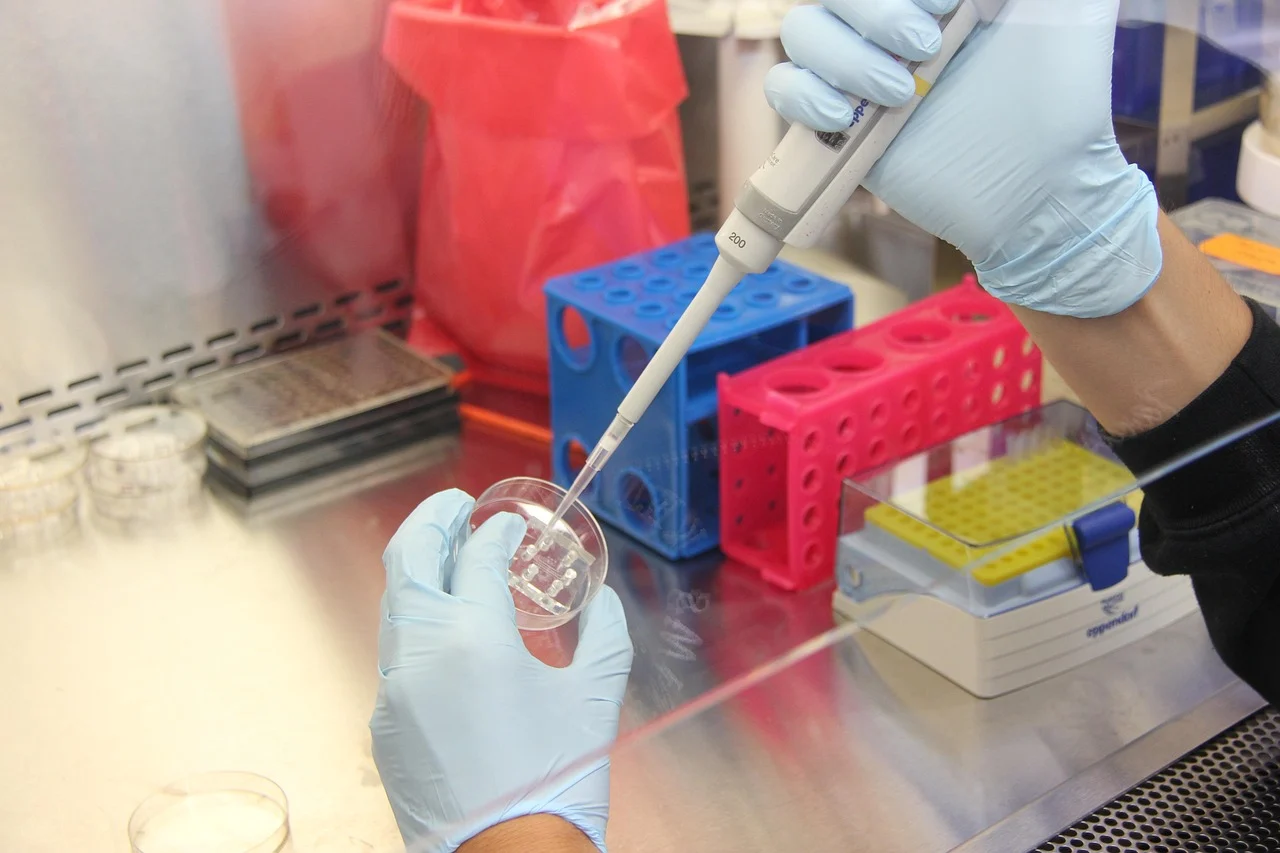
Initial workplace screenings typically use an immunoassay test. This chemical assay uses antibodies designed to bind to THC-COOH. If the concentration of THC-COOH in your urine sample meets or exceeds the standard cutoff threshold—usually 50 nanograms per milliliter (ng/mL)—the screening flags your sample as presumptive positive. A secondary gas chromatography-mass spectrometry (GC-MS) or liquid chromatography-tandem mass spectrometry (LC-MS/MS) test then attempts to confirm the presence of THC-COOH at a lower threshold, usually 15 ng/mL.
Will broad spectrum CBD show up on a drug test?
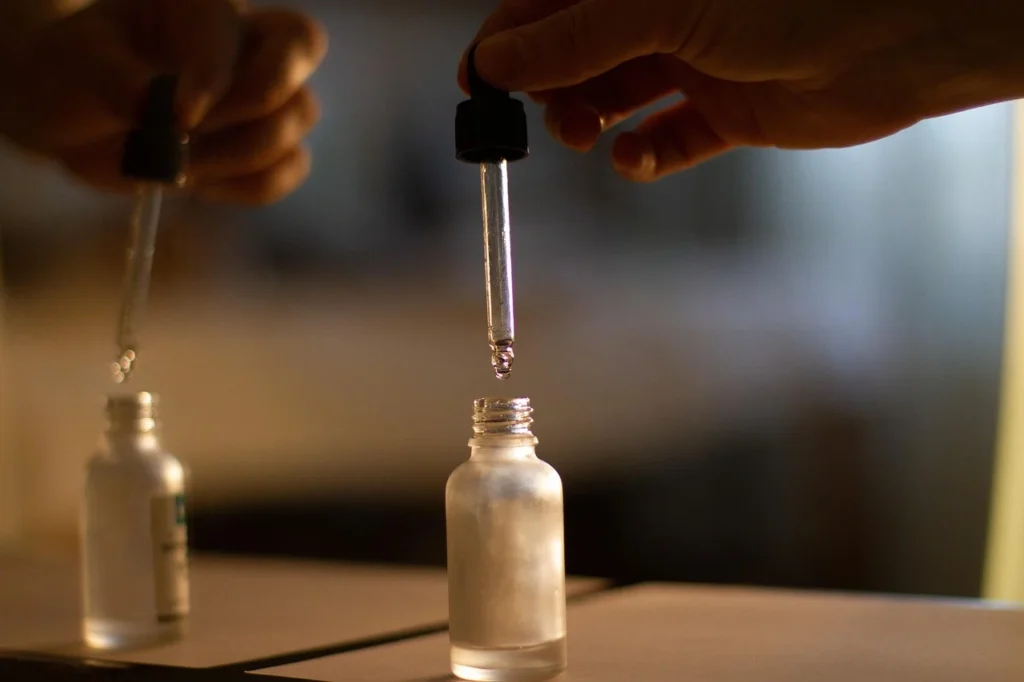
Broad spectrum CBD undergoes additional processing to remove detectable trace THC.
Broad spectrum CBD is much less likely to show up on a drug test, but it still carries a slight risk due to potential cross-contamination or manufacturing inconsistencies. Manufacturers create broad spectrum extracts by taking full spectrum oil and running it through additional chromatography processes to remove detectable levels of Delta-9 THC.
However, the commercial hemp market varies widely in quality control. Unregulated products sometimes contain higher trace levels of THC than their labels indicate. If a broad spectrum product actually contains minor residual THC due to poor filtration, daily heavy use can still lead to metabolite accumulation in your urine.
In contrast, pure CBD isolate contains only refined cannabidiol powder isolated from all other plant compounds. Isolate offers the lowest statistical risk for drug testing, though cross-contamination during packaging at non-dedicated manufacturing facilities remains a minor edge case. For a detailed breakdown of how different testing protocols evaluate cannabis compounds, see How to Pass a Drug Test: Your Realistic Guide to Preparation for realistic preparation guidance.
Will full spectrum cbd show up in urine test screenings?
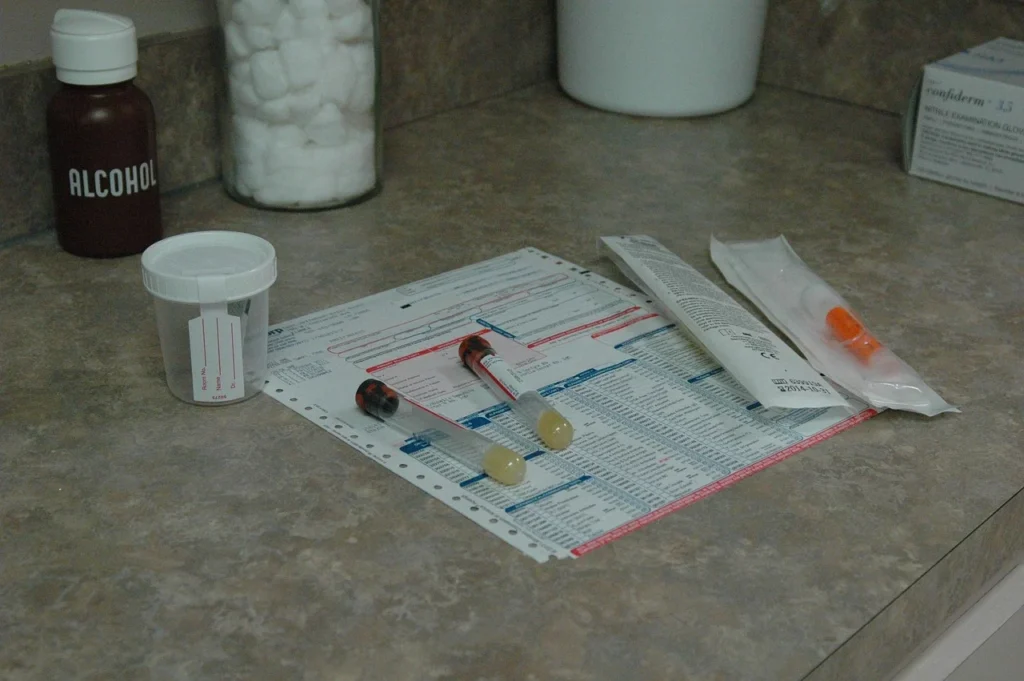
Urine screens look for THC metabolites like THC-COOH at standard cutoff levels of 50 ng/mL.
Urine tests are the most common form of workplace screening, and full spectrum CBD will frequently trigger a positive result on them. When you take a urine immunoassay screen, the test measures the density of THC-COOH molecules relative to the liquid volume. The standard 50 ng/mL screening cutoff designed by SAMHSA (Substance Abuse and Mental Health Services Administration) catches both intentional marijuana use and consistent full spectrum CBD supplementation.
Consider a practical scenario. If you take a standard 30 milligram daily dose of full spectrum CBD tincture, you might consume roughly 0.5 to 0.9 milligrams of THC each day. For a light user with low body fat, a single dose might clear the body within 2 to 4 days without reaching 50 ng/mL. However, if you use this same tincture daily for three weeks, the rate of ingestion exceeds your liver’s metabolic clearance rate. The metabolite builds up, pushing your baseline urine levels past 50 ng/mL during morning urinalysis when urine concentration peaks.
Confirmation testing poses an even stricter hurdle. When an initial immunoassay comes back positive, the lab sends the specimen for GC-MS testing. This definitive method isolated precise chemical structures and uses a lower threshold of 15 ng/mL. Because GC-MS isolates THC-COOH specifically, it will confirm the positive result even if you have never smoked or ingested recreational marijuana.
Does full spectrum cbd show up on drug test Reddit discussions highlight real experiences
Online user reports frequently confirm positive drug tests after daily full spectrum CBD use.
Online communities on Reddit and consumer forums frequently document real-world instances where individuals failed workplace screenings while using full spectrum CBD. A recurring theme in these reports involves users who assumed that federal legal status under the Farm Bill protected them from drug test failures.
Many users report testing themselves at home using commercial panel strips after taking high-dose full spectrum oils for sleep or relief. In these discussions, individuals taking 50 milligrams or more of full spectrum oil daily routinely report faint or completely missing control lines on 50 ng/mL home test strips after 10 to 14 days of continuous intake. These anecdotes match pharmacokinetic reality: legal status does not alter how the body metabolizes trace cannabinoids.
Community discussions also highlight how Medical Review Officers (MROs) handle positive results. When a confirmation test verifies THC-COOH above 15 ng/mL, MROs strictly report the result as positive to employers. MROs generally do not differentiate between THC derived from legal full spectrum hemp and THC derived from high-potency cannabis, because laboratory equipment cannot identify the botanical source of the isolated metabolite.
Factors that change how long THC stays in your system
Metabolism, body mass index, and dosing frequency alter how long cannabinoids stay in body fat.
The exact time window required to clear trace THC from full spectrum CBD varies significantly from person to person. I evaluate clearance windows based on several specific physiological and biological variables:
- Dosage and Frequency: Taking 100 milligrams of full spectrum CBD daily introduces roughly three times more trace THC than a 30 milligram daily dose. Infrequent, single-use doses usually clear in 2 to 5 days. Meanwhile, daily intake for months can require 15 to 30 days of abstinence to drop below 50 ng/mL.
- Body Fat Percentage: Because THC-COOH stores in adipose tissue, individuals with higher body fat percentages retain metabolites longer. As fat tissue slowly metabolizes during exercise or fasting, it releases stored THC-COOH back into the bloodstream and urine.
- Metabolic Rate and Hydration: Metabolic rate determines how quickly your liver enzymes process active compounds into inactive metabolites. Higher resting metabolic rates accelerate clearance, while dehydration concentrates urine, temporarily raising detectable nanogram levels per milliliter.
- Product Potency and Quality: Batch-to-batch variations occur in the hemp industry.
Comparing CBD product types and drug test risks
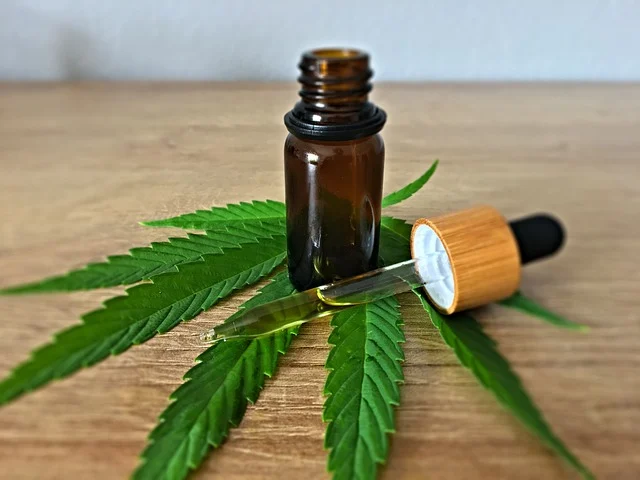
Choosing between CBD options requires balancing therapeutic goals against mandatory testing obligations. The table below compares the primary CBD product categories across essential testing criteria:
| CBD Product Type | Trace THC Content | Drug Test Risk Level | Primary Benefit | Best Suited For |
|---|---|---|---|---|
| Full Spectrum | High (with regular use) | Full entourage effect | Individuals without workplace drug testing | |
| Broad Spectrum | Low to Moderate | Multiple cannabinoids without intended THC | Users seeking broad compounds with reduced risk | |
| CBD Isolate | Very Low | Pure cannabidiol focus | Strictly tested workers and safety-sensitive jobs |
I recommend that anyone subject to zero-tolerance workplace policies completely avoid full spectrum extracts. The marginal benefit of full spectrum over broad spectrum rarely justifies losing employment or professional licensure.
How to avoid failing a workplace drug test while taking CBD
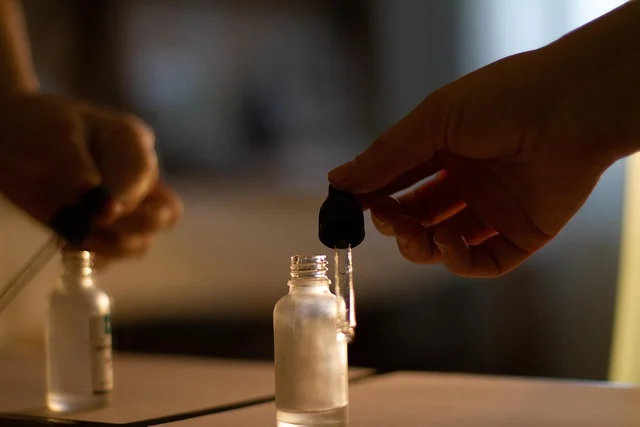
If you face upcoming workplace urinalysis or undergo random testing, you can take practical, direct steps to protect yourself while maintaining a cannabinoid routine.
1. Review the Certificate of Analysis (COA)
” Always scan the QR code on the packaging or visit the manufacturer’s website to read the third-party lab COA for your specific batch number. Check the cannabinoid profile section: verify that Delta-9 THC, Delta-8 THC, and THCA list as “ND” (Non-Detected) or fall below the Limit of Quantification (LOQ).
2. Switch to Verified CBD Isolate or Broad Spectrum
If you currently use full spectrum CBD, transition to a verified isolate product at least two to four weeks before any scheduled screening. Pure isolate provides clean cannabidiol without introducing trace amounts of lipophilic THC into your body fat stores.
3. Conduct at-Home Self-Testing
Purchase inexpensive 50 ng/mL single-panel THC urine test strips online or at a local pharmacy. Test your first-morning void (when urine is most concentrated) to establish an accurate baseline. If you see a clear double line indicating a negative result across multiple days, your system has dropped below standard screening levels.
4. Talk to Your Medical Review Officer or HR Department
If you take full spectrum CBD for a legitimate health reason, review your employee handbook regarding hemp and cannabis policies before taking a test. Be aware that most employment contracts explicitly prohibit any detectable level of THC-COOH regardless of source, but understanding company policy prevents unexpected termination.
Sources: Cannabis (drug)
Frequently asked questions
Will full spectrum CBD show up on a drug test after a single dose?
A single low dose of full spectrum CBD is unlikely to trigger a positive result on a 50 ng/mL urine screening because trace THC levels will remain below the detection cutoff. However, high single doses or individual metabolic factors can occasionally cause temporary spikes in detectable metabolites.
How long after stopping full spectrum CBD will I test clean?
Most occasional users clear trace THC within 3 to 7 days after stopping full spectrum CBD. Daily, long-term users taking high doses may require 14 to 30 days of complete abstinence for urine levels of THC-COOH to fall consistently below 50 ng/mL.
Can a lab tell the difference between full spectrum CBD and marijuana?
Standard GC-MS or LC-MS/MS confirmation lab tests cannot distinguish whether urine THC-COOH originated from hemp-derived full spectrum CBD or recreational marijuana. The lab only measures the presence and concentration of the metabolite itself.
Cannabinoids Explained
Arete Hemp: Unpacking Their Unique Approach to Cannabinoids
Arete Hemp has carved out a distinct niche in the hemp-derived cannabinoid market by focusing on high-quality THCa flower, CBD, and other minor cannabinoids. This article explores their offerings, commitment to transparency, and what makes them a notable choice for consumers.
Arete Hemp is a North Carolina-based direct-to-consumer vendor. They supply federally compliant high-potency THCa flower, full-spectrum CBD oils, concentrates, and minor cannabinoid extracts. The company pairs small-batch organic and hydroponic hemp with batch-specific, third-party laboratory reports to verify purity and potency.
The rest of this article covers Arete Hemp’s product lineup, age verification process, and safety standards. It also details THCa conversion science, restocks, and product selection tips.
Arete Hemp: Products, Legality, Testing, and THCa Flower Explained
Arete Hemp is a legitimate online direct-to-consumer vendor. It supplies federally compliant high-potency THCa flower, full-spectrum CBD oils, minor cannabinoid extracts, and concentrates. Based out of North Carolina, the company pairs small-batch organic and hydroponic hemp with batch-specific third-party laboratory reports verifying potency and purity.
Arete Hemp has earned a distinct spot in the online hemp industry. They bridge the gap between non-intoxicating wellness cannabinoids and high-potency THCa flower that mirrors dispensary-grade cannabis. Understanding how to order, verify lab results, calculate total THC content, and choose the right product ensures you get consistent quality while remaining compliant with your local state laws.
- Arete Hemp specializes in a wide range of hemp-derived cannabinoids, including high-quality THCa flower and various CBD products.
- The brand emphasizes transparency through complete third-party lab testing (COAs) for all its products, crucial for consumer trust and safety.
- Their unique selling proposition lies in offering exotic, potent THCa flower strains. These closely mimic traditional cannabis while adhering to federal hemp guidelines.
- Choosing the right Arete Hemp product depends on individual needs, desired effects, and understanding the specific cannabinoid profiles.
- Customers should always verify local regulations regarding hemp-derived products, as laws can vary significantly by state and municipality.
What is Arete Hemp and where is the company located?
Arete Hemp is an established direct-to-consumer hemp vendor originally launched in North Carolina. Searchers frequently look for Arete Hemp in Charlotte (CLT) or Asheville (AVL). This is because the brand handles distribution out of Western and Central North Carolina. They ship directly to adult consumers across the United States. They maintain an online storefront rather than traditional retail dispensaries, catering to customers seeking direct home delivery.
The vendor focuses on small-batch cultivation, organic farming practices, and precise extraction methods. This helps produce clean, consistent end products. Rather than limiting inventory to standard CBD products, Arete Hemp caters to various consumer preferences. They supply both non-intoxicating wellness options and high-potency psychoactive hemp formulations.
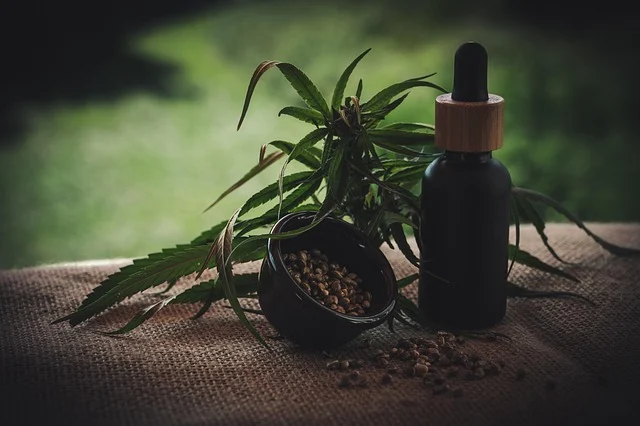
The core categories in the Arete Hemp lineup include:
- THCa Hemp Flower: Raw hemp flower containing high levels of tetrahydrocannabinolic acid (THCa) and under 0.3% Delta-9 THC by dry weight. Available in hydroponic, indoor, greenhouse, and budget varieties, these strains provide traditional cannabis aroma, flavor, and strain-specific qualities when heated.
- Full-Spectrum and Broad-Spectrum CBD: Tinctures, softgels, topicals, and edibles designed for daily wellness, recovery, and stress management without intoxicating effects.
- Cannabinoid Concentrates and Vapes: Highly concentrated extractions including live resin, rosin, hash, crumble, and vape cartridges rich in THCa, CBD, CBG, or CBN.
- Infused Edibles: Precision-dosed gummies, chocolates, and baked goods containing controlled ratios of Delta-9 THC, CBD, CBN, or Delta-8 THC for long-lasting oral consumption.
- Minor Cannabinoids: Isolated or blended formulations focusing on alternative cannabinoids such as CBG (cannabigerol), CBN (cannabinol), and CBC (cannabichromene) tailored for specific therapeutic goals like nighttime rest or daytime focus.
Does Arete Hemp require ID verification when ordering?
Yes, Arete Hemp requires age verification during the online checkout process. This satisfies federal regulatory standards and ensures compliance with state restrictions. Customers frequently discuss on forums like Reddit whether online THCa vendors require identification. Arete Hemp uses automated third-party age verification software at checkout, which matches your name, address, and date of birth against public records to confirm you are at least 21 years old.
If the automated system cannot instantly verify your age based on your billing and shipping information, you will be prompted to upload a photo of a valid government-issued ID (such as a driver’s license or passport) before your order can process and ship. Standard credit card transactions or age-restricted delivery signatures are enforced depending on regional shipping rules.
How does Arete Hemp verify product safety and purity?
In the unregulated hemp market, product testing is the primary mechanism for confirming safety and regulatory compliance. Arete Hemp mandates third-party laboratory testing for every product batch before public release. Independent ISO-certified laboratories evaluate samples for potency levels and screen for potential chemical contaminants.
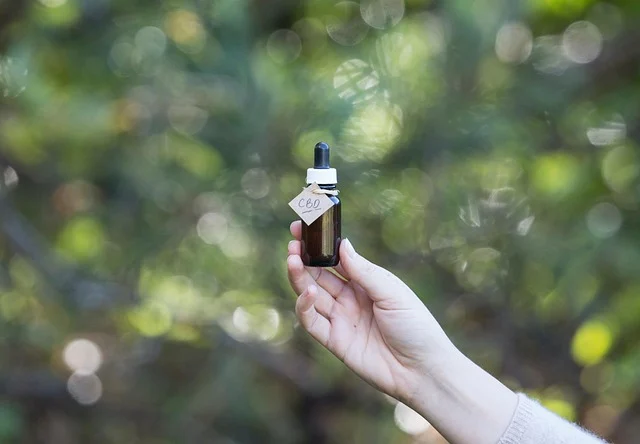
According to the U.S. Department of Agriculture (USDA) guidelines for hemp production, such testing is crucial for legal compliance and consumer safety. Comprehensive lab testing ensures that raw plant material treated with fertilizers or grown in agricultural soil does not carry unwanted residues into finished products.
“Verifying third-party lab results isn’t just a recommendation; it’s an essential step for any responsible cannabinoid consumer. It’s your direct insight into a product’s purity and potency.”
A complete lab screening from Arete Hemp includes:
- Cannabinoid Potency Profiling: Quantifies the percentage and milligram concentration of THCa, Delta-9 THC, CBD, CBDA, CBG, CBN, and CBC.
- Heavy Metals Screening: Verifies the absence of dangerous elements absorbed from soil, such as lead, cadmium, arsenic, and mercury.
- Pesticide Testing: Confirms the raw crop was cultivated without prohibited synthetic pesticides, fungicides, or plant growth regulators.
- Residual Solvents Analysis: Ensures concentrated extracts (like vapes or live resin) have been fully purged of chemical solvents like butane, ethanol, propane, or hexane.
- Microbial and Mycotoxin Testing: Checks for harmful mold, mildew, yeast, Salmonella, E. coli, and fungal toxins such as aflatoxins.
What is the science behind Arete Hemp’s THCa products?
To understand Arete Hemp’s primary product offerings, you must understand the chemical distinction between THCa and Delta-9 THC. Tetrahydrocannabinolic acid (THCa) is the non-psychoactive precursor molecule found naturally in living cannabis and hemp plants. In its raw form, THCa does not bind effectively to CB1 receptors in the human central nervous system. Consequently, raw THCa flower or raw juice does not cause intoxication.
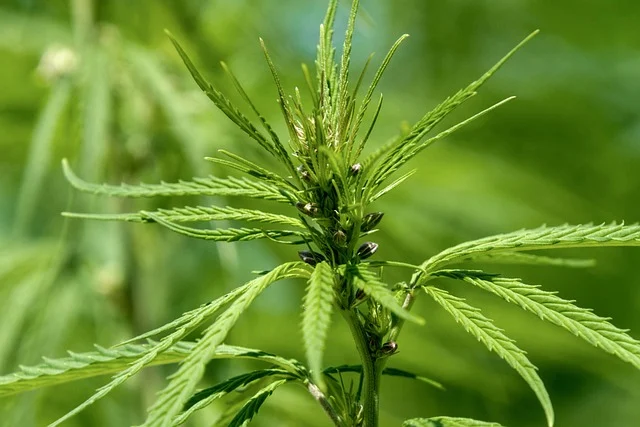
When THCa is exposed to heat through smoking, vaporizing, or cooking, a chemical reaction called decarboxylation occurs. Decarboxylation removes a carboxyl group (COOH) from the THCa molecule, converting it directly into psychoactive Delta-9 THC. Laboratory formulas account for this conversion during testing using the following calculation:
Total THC = (% THCa * 0.877) + % Delta-9 THC
Under the 2018 United States Farm Bill, legal hemp is defined strictly as any cannabis plant material or derivative containing no more than 0.3% Delta-9 THC on a dry-weight basis. Raw THCa flower naturally tests under 0.3% Delta-9 THC prior to heating. Thus, it meets the federal statutory definition of industrial hemp. Once purchased and heated by the consumer, however, the converted Delta-9 THC produces effects identical to conventional dispensary cannabis.
When does Arete Hemp restock flower and strains?
Arete Hemp restocks its high-demand THCa flower strains and bulk options on a regular, weekly or bi-weekly routine. Because small-batch indoor hydroponic and organic batches take time to cure properly, popular strains frequently sell out quickly. Arete Hemp announces new strain drops and restocks primarily through their email newsletter and official social media updates.
To secure specific strains or bulk quantities before stock runs out, sign up for back-in-stock email notifications directly on individual product pages. Restocks usually go live during mid-week afternoons, giving subscribers first access to freshly cured batches.
How do you choose the right Arete Hemp product for your needs?
Selecting the appropriate product depends on your experience level, desired onset time, duration of effects, and legal environment. Follow these steps to determine the right choice:
- Define your outcome: Determine whether you require non-intoxicating support for tension or sleep (CBD or CBN tinctures) or a psychoactive experience similar to standard dispensary products (THCa flower or concentrates).
- Select your delivery method:
- Inhalation (Flower and Vapes): Fast onset within 1 to 5 minutes, lasting 1 to 3 hours. Ideal for immediate relief and fine-tuning dosage.
- Sublingual (Tinctures and Oils): Moderate onset within 15 to 45 minutes, lasting 4 to 6 hours. Offers precise dosage administration.
- Ingestion (Gummies and Edibles): Slower onset within 45 to 90 minutes, lasting 6 to 8 hours. Produces potent, extended bodily effects.
- Analyze terpene profiles: Look past raw cannabinoid percentages. Terpenes dictate the subjective feeling of a strain. Strains rich in myrcene and linalool tend to promote relaxation, while limonene and alpha-pinene offer uplifting and focal qualities.
- Calculate initial dosage: For THCa flower or concentrates, start with a single inhalation and wait 15 minutes before consuming more. For oral CBD or edibles, begin with 10 to 15 mg and monitor your response for a full two hours.
- Check regional laws: Verify local municipal and state regulations regarding THCa and total-THC calculation laws before ordering.
How does Arete Hemp compare to typical market vendors?
Understanding how Arete Hemp compares with standard competitors highlights its specific market positioning:

| Feature | Arete Hemp Approach | Typical Market Competitor |
|---|---|---|
| THCa Flower Selection | Extensive catalog of organic soil and hydroponic strains with detailed terpene profiles. | Limited strain selection, often generic phenotypes with lower terpene concentration. |
| Transparency (COAs) | Readily available, detailed third-party lab reports for every individual product batch. | Generic, outdated, or absent COAs that only test for potency rather than contaminants. |
| Product Diversity | Wide range including raw flower, full-spectrum oils, concentrates, edibles, and isolated minor cannabinoids. | Narrow focus on single product categories like standard CBD gummies or Delta-8 vapes. |
| Cultivation Practices | Emphasizes organic farming, small-batch harvests, and proper post-harvest curing. | Large-scale mass production with variable curing quality and moisture control. |
| Customer Support | Responsive customer service team with clear return policies and active community feedback. |
What common mistakes should you avoid with Arete Hemp products?
Consumers purchasing THCa flower and minor cannabinoid products frequently make operational errors that hurt their experience or lead to unintended effects:
- Mistaking THCa flower for low-potency CBD flower: Assuming THCa flower will not cause intoxication because it is labeled as federal hemp. Once heated, THCa converts directly to Delta-9 THC and produces full psychoactive effects.
- Ignoring the total THC math on lab reports: Looking only at the Delta-9 THC number (e.g., 0.15%) and failing to recognize that a product with 25% THCa yields approximately 22% active Delta-9 THC upon combustion.
- Dosing concentrates too aggressively: Dabbing or vaping live resin or diamonds without accounting for high cannabinoid concentrations (often exceeding 70% to 80% total cannabinoids).
- Exposing flower to heat, light, and open air: Leaving hemp flower in unsealed bags or direct sunlight, which causes terpenes to evaporate and converts THC into CBN, degrading flavor and potency.
- Failing to account for drug testing policies: Assuming hemp-derived THCa products will not show up on standardized workplace drug tests. Consuming THCa creates the exact same THC metabolites (THC-COOH) as traditional cannabis.
How do you read an Arete Hemp Certificate of Analysis (COA)?
Reading a batch laboratory report allows you to verify product strength and safety independently. When opening a COA on the Arete Hemp website, follow this verification process:
1. Match the Batch Number
Look at the product packaging or bottle label and locate the batch or lot number. Ensure the batch number printed on the physical product matches the header of the digital COA report. Verify that the test date is recent.
2. Review the Cannabinoid Profile
Examine the quantitative analysis table. Look for the distinction between THCa and Delta-9 THC. Multiply the THCa percentage by 0.877 and add the Delta-9 THC percentage to find the potential activated THC yield. Check CBD levels to confirm whether the product is balanced or isolated.
3. Verify Heavy Metals and Solvent Screenings
Scroll down to the safety summary section. Each contaminant panel should display a clear “PASS” status. Check that heavy metals (lead, cadmium, arsenic, mercury) and residual solvents (ethanol, butane, propane) are listed as “ND” (Not Detected) or fall below state regulatory threshold limits.
4. Analyze the Terpene Graph
If the COA includes terpene testing, inspect the top three dominant terpenes listed by percentage.
How should you store Arete Hemp flower to preserve freshness?
Hemp flower and extracts naturally degrade when exposed to environmental stressors. Proper storage preserves moisture levels, prevents mold growth, and protects fragile terpene compounds from breaking down.

Follow these essential storage guidelines:
- Use airtight glass containers: Store flower in dark-tinted or clear glass mason jars with rubber gasket seals. Avoid plastic sandwich bags or soft pouches, which static-attract trichomes and allow oxygen exchange.
- Control relative humidity: Keep internal jar humidity between 58% and 62% using two-way humidity packs. Excess moisture (above 65% RH) risks mold growth, while overly dry conditions (below 55% RH) cause trichomes to become brittle and crumble.
- Maintain cool temperatures: Store containers in a cool pantry or cabinet kept between 60°F and 70°F. Excess heat accelerates the degradation of THCa into CBN and causes essential oils to evaporate.
- Shield from light exposure: Keep flower away from windows, grow lights, or desk lamps. UV rays rapidly break down cannabinoid bonds and turn green plant material brown.
Understanding raw hemp seeds, hemp hearts, and dietary products
Many consumers searching for Arete Hemp also look for dietary hemp items like raw hemp seeds or shelled hemp hearts in grocery chains like Costco. It is helpful to distinguish between nutritional hemp seeds and cannabinoid flower products.
Hemp seeds and hemp hearts are whole or de-hulled seeds from the Cannabis sativa plant used for dietary nutrition. Found in the natural foods aisle or grain section at grocery stores like Costco, hemp seeds contain rich levels of omega-3 and omega-6 fatty acids, protein, and minerals. However, dietary hemp seeds contain virtually zero cannabinoids (no THCa, CBD, or Delta-9 THC). In contrast, Arete Hemp provides dried plant flower, tinctures, and extracts grown specifically for cannabinoid and terpene content rather than culinary seeds.
What are the legal regulations and state restrictions surrounding THCa hemp?
Navigating the legal status of THCa requires understanding both federal statutory language and individual state laws. While the 2018 Farm Bill legalizes hemp containing 0.3% or less Delta-9 THC on a dry weight basis, several states enforce strict “total THC” calculation laws or explicit bans on THCa flower shipments.
In states like Texas, hemp laws allow hemp-derived products containing less than 0.3% Delta-9 THC by dry weight. However, legal definitions continue to evolve at both state and judicial levels. States such as Oregon, Idaho, Minnesota, Rhode Island, and Arkansas have passed regulations restricting THCa flower, high-potency hemp extracts, or total-THC calculations for finished products. Arete Hemp strictly abides by shipping rules and restricts checkout for billing and shipping addresses located within prohibited jurisdictions.
Who are Arete Hemp products suitable for?
Arete Hemp caters to specific consumer profiles based on product type and personal wellness goals:

Arete Hemp is ideal for:
- Adult consumers living in states without medical or recreational dispensaries who want legal access to high-grade, lab-tested THCa flower delivered to their home.
- Wellness users seeking fully transparent CBD, CBG, or CBN tinctures with batch-specific lab verification confirming zero contaminants.
- Experienced cannabis consumers who value strain variety, rich terpene profiles, and detailed breakdowns of cultivation methods.
Arete Hemp is NOT suitable for:
- Individuals subject to mandatory workplace drug screening, military testing, or court-ordered drug panels, as THCa consumption causes positive drug tests for THC metabolites.
- Consumers residing in states where local legislation strictly prohibits THCa, total-THC hemp products, or hemp flower shipments.
- Beginners expecting raw hemp flower to act as a non-psychoactive herb without understanding that applying heat converts THCa into Delta-9 THC.
Sources: Hemp
Frequently asked questions
Is Arete Hemp legitimate and safe?
Yes, Arete Hemp is a legitimate online hemp brand operating in compliance with federal hemp regulations. They maintain transparency by providing third-party laboratory Certificates of Analysis (COAs) for all product batches to verify cannabinoid levels and confirm the absence of heavy metals, pesticides, and residual solvents.
What kind of products does Arete Hemp offer?
Arete Hemp offers a broad selection of hemp-derived products, including hydroponic and organic THCa flower, full-spectrum CBD oils, minor cannabinoid formulations (CBG, CBN, CBC), vapes, concentrates, and infused edibles.
Are Arete Hemp’s THCa products legal?
Under the 2018 Federal Farm Bill, raw hemp flower containing less than 0.3% Delta-9 THC on a dry-weight basis is federally legal industrial hemp. However, state laws regarding THCa and total-THC calculations vary, so buyers must verify their local state legislation prior to ordering.
How do I check Arete Hemp’s lab results?
You can view third-party lab reports directly on the Arete Hemp website. Every product listing features a link to its corresponding Certificate of Analysis (COA), allowing you to review cannabinoid potency panels and contaminant pass/fail results for your specific batch.
What is the average price range for Arete Hemp flower?
Arete Hemp flower typically ranges from $35 to $65 for a quarter-ounce (7 grams) and $100 to $200 per ounce, depending on whether the strain is indoor hydroponic, greenhouse, or budget organic tier, with bundle deals and sales offering lower unit pricing.
Cannabinoids Explained
CBD Cartridge Essentials: Your Guide to Vaping CBD
Most readers searching for ‘cbd cartridge’ want to know how to choose and use these popular CBD products safely and effectively. This guide demystifies the options and provides practical tips.
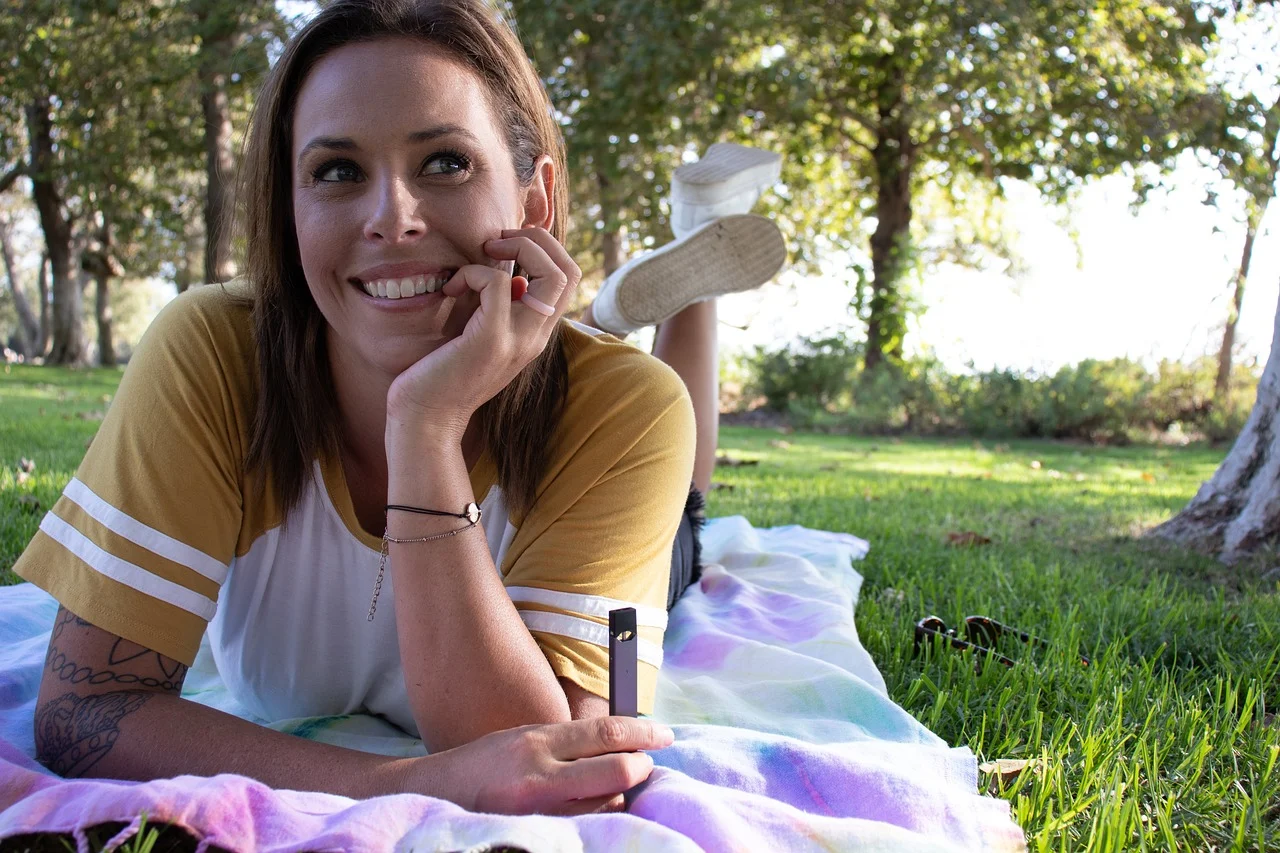
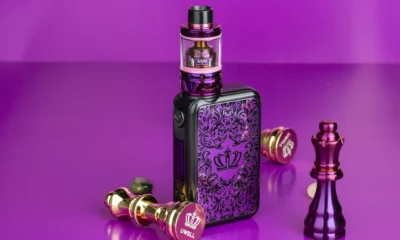
A CBD cartridge is a pre-filled, screw-on chamber containing concentrated hemp extract formulated for vaporization with a standard 510-thread battery. Inhaling the vapor delivers cannabinoids directly to the lungs for absorption within minutes, providing higher bioavailability than swallowed tinctures or edibles.
Selecting the right cartridge requires understanding extract types, hardware construction, coil heating properties, and safety testing. Buying low-quality products can result in burnt taste, hardware leaks, or exposure to harmful residual solvents and synthetic additives. Knowing how hardware and liquid oil interact ensures you get effective doses, clean flavor, and full value from your purchase.
How does a CBD cartridge work?
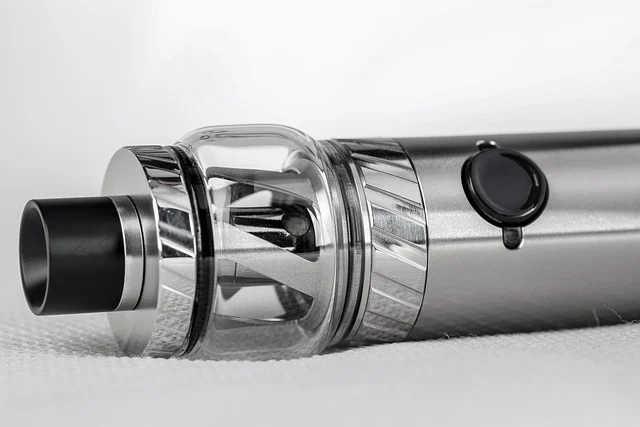
A CBD cartridge consists of four main parts: a threaded connector base, an internal heating coil, a reservoir, and a mouthpiece. Inside, a porous wick or ceramic core surrounds the coil. When attached to a vape battery, electric current flows through the threading to heat the atomizing coil. This coil warms the oil in the reservoir to its vaporization threshold—typically between 320°F and 400°F (160°C to 204°C). This process converts liquid cannabinoids and terpenes into a gentle aerosol mist without burning the plant material.
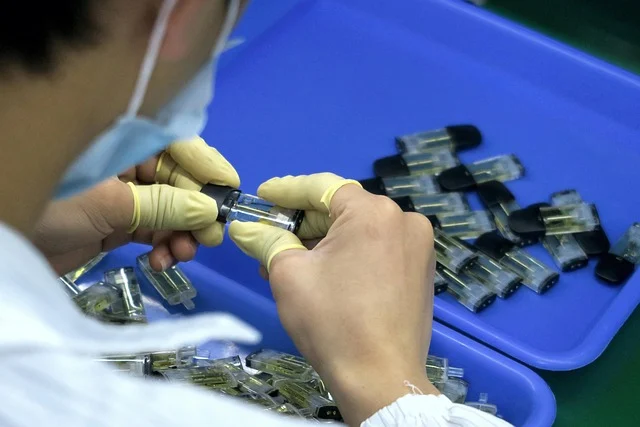
When you inhale through the mouthpiece, vapor enters the lungs. Cannabinoids pass directly through thin alveolar walls into systemic circulation. This bypasses the digestive system and liver breakdown, achieving a rate of high bioavailability compared to swallowed oils or gummies. You experience initial effects within two to five minutes, with peak absorption occurring around 15 to 30 minutes after inhalation.
Because the lung delivery path is so efficient, you need a lower total milligram dose per session than you would with oral products. The trade-off is duration: while sublingual tinctures or oral capsules can last four to eight hours, the noticeable effects of vaped CBD usually wear off within two to three hours.
Which CBD extract type suits your needs?
The fluid inside a CBD oil cartridge ranges from pure isolated cannabidiol dissolved in carrier oil to whole-plant hemp distillates. These distillates are naturally rich in secondary cannabinoids and aromatic compounds. Choosing the correct formulation determines how the product affects you, whether trace THC is present, and how natural the vapor tastes.
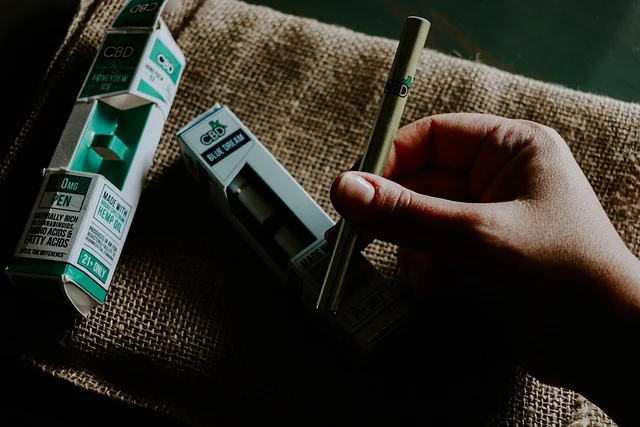
Full-spectrum CBD cartridges
Full-spectrum extract retains the complete natural cannabinoid and terpene profile of the source industrial hemp plant. This includes secondary cannabinoids such as cannabigerol (CBG), cannabinol (CBN), and cannabichromene (CBC). Trace amounts of tetrahydrocannabinol (THC) also remain up to the federal limit of 0.3% by dry weight. These compounds act together in what researchers call the entourage effect. Non-psychoactive cannabinoids and terpenes modulate and enhance each other’s activity.
Full-spectrum products deliver an earthy, herbal flavor profile derived from natural plant terpenes. However, because full-spectrum oil contains minor amounts of THC, it is not ideal for individuals who undergo strict workplace drug screening.
Broad-spectrum CBD cartridges
Broad-spectrum cartridges contain a full suite of non-intoxicating cannabinoids and native terpenes. However, they undergo an additional refined distillation step to strip out detectable THC. This extract profile offers a middle ground: you retain the therapeutic synergies of secondary cannabinoids and terpenes without introducing THC into your system.
Broad-spectrum oil suits users who want multi-cannabinoid benefits but must avoid THC due to personal preference or employment testing protocols. It typically matches full-spectrum oil in aroma and body, provided natural terpenes are retained during processing.
CBD isolate cartridges
Isolate cartridges contain 99% pure cannabidiol stripped of all other hemp compounds, plant waxes, and natural terpenes. Because pure CBD forms a solid crystal at room temperature, isolate vape oil is formulated by blending refined CBD powder into a liquid base or mixing it with re-introduced botanical terpenes.
Isolate provides a consistent dose of pure CBD without any risk of THC exposure. It has virtually no natural flavor unless terpenes are added back post-refining. The primary downside is the absence of minor cannabinoids and terpenes, meaning you will not experience entourage benefits.
Live resin and uncut distillates
Premium cartridges frequently feature live resin or uncut distillate formulations. Uncut distillate means the oil contains zero additive thinning agents like vegetable glycerin (VG), propylene glycol (PG), or medium-chain triglyceride (MCT) oil. The cartridge contains only pure hemp extract and natural terpenes.
Live resin is produced by flash-freezing freshly harvested hemp plants before extraction. This process preserves delicate aromatic terpenes that dry curing normally destroys. Live resin cartridges offer intense natural flavor and a robust terpene profile, though they usually carry a higher price tag.
Cartridge hardware: ceramic coils vs. cotton wicks
The physical hardware holding and heating the oil directly impacts vapor quality, safety, and lifespan. Cheap construction leads to leaks, metallic taste, and dangerous chemical exposure, whereas high-grade hardware preserves oil integrity over months of use.
Heating element material
Older or budget cartridges use metal heating coils wrapped in cotton or silica wicks. Thick hemp extract struggles to saturate cotton wicks evenly. This frequently leads to dry hits, burnt cotton fibers, and ruined oil taste. Silica wicks withstand heat better but produce harsh vapor and uneven temperature control.
Modern high-performance cartridges use porous ceramic heating elements, often referred to by trademarked names like CCELL. Ceramic coils contain thousands of microscopic pores that absorb thick distillate evenly without needing artificial thinning agents. Ceramic heats uniformly, prevents hot spots, preserves delicate terpene flavors, and handles heavy viscosity without scorching.
Reservoir tank materials
The tank wall housing the liquid must remain chemically inert when exposed to acidic terpenes and heat. Borosilicate glass and quartz glass are the gold standard for cartridge reservoirs. Glass will not react with terpenes, degrade over time, or leach microscopic chemicals into the oil.
Polycarbonate and basic plastic tanks are cheaper. However, aggressive terpene profiles can degrade plastic walls over time, leading to micro-cracking, clouding, or chemical contamination. Always verify that a cartridge uses borosilicate glass or high-grade quartz housing.
Mouthpiece and threading standards
Most cartridges feature a male 510-thread connection at the base—a universal industry standard with ten 0.5mm threads that fits nearly all push-button and draw-activated vape batteries. Mouthpieces are typically made from ceramic, glass, wood, or food-grade metal. Ceramic mouthpieces remain cool against the lips during extended sessions and are easy to wipe clean.
Step-by-step: How to set up and use a CBD cartridge
Operating a pre-filled cartridge requires basic handling care to avoid burning the internal coil or clogging the air channel. Follow these steps to set up and use your device efficiently:
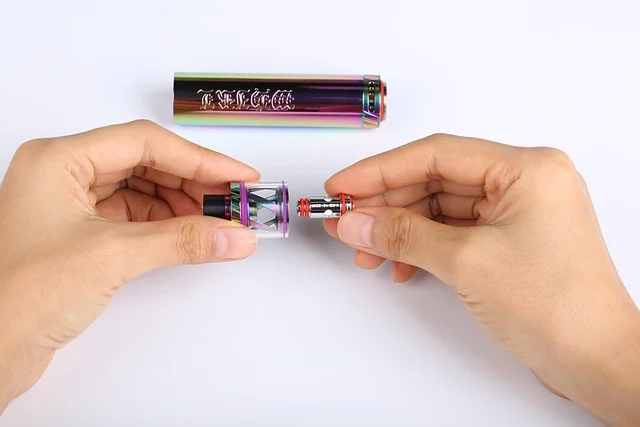
- Inspect the cartridge: Remove the silicone protective caps from the bottom 510 thread and top mouthpiece. Check the glass reservoir for cracks and ensure the internal oil flows slowly when tilted, showing no suspended sediment or cloudiness.
- Attach to a variable-voltage battery: Thread the cartridge onto your 510-battery clockwise until snug. Hand-tighten only; over-tightening crushes the rubber ring gasket at the base and snaps the center electrical pin connection.
- Set your battery voltage: Adjust your battery setting between 2.0 volts and 2.8 volts. High heat burns natural terpenes and produces harsh, bitter vapor. Lower voltages protect flavor and prevent coil scorch.
- Prime the coil: If the cartridge is brand new or has sat unused in a cold room, take two or three gentle draws through the mouthpiece without pressing the power button. If your battery includes a pre-heat setting (usually activated by two rapid button clicks), run one brief 2-second warm-up cycle to soften thick distillate.
- Inhale smoothly: Press the power button (or simply draw if using a draw-activated battery) while pulling slowly and steadily for two to three seconds. Do not pull with heavy force, as strong suction pulls unvaporized liquid up the central chimney airway.
- Hold and exhale: Hold the vapor in your lungs for two seconds before exhaling fully. You do not need to hold vapor for extended periods; active cannabinoids absorb into lung tissue almost instantaneously.
- Pace your session: Wait 5 to 10 minutes between puffs to assess how you feel. Pacing also allows liquid oil in the reservoir time to re-saturate the ceramic heating core between hits.
How to read a Certificate of Analysis (COA)
Because federal oversight of non-prescription hemp products remains evolving, reviewing a third-party Certificate of Analysis (COA) is the single best step you can take to verify safety and potency. Never buy a cartridge from a seller that cannot provide a batch-matched lab report from an ISO 17025 accredited testing facility.
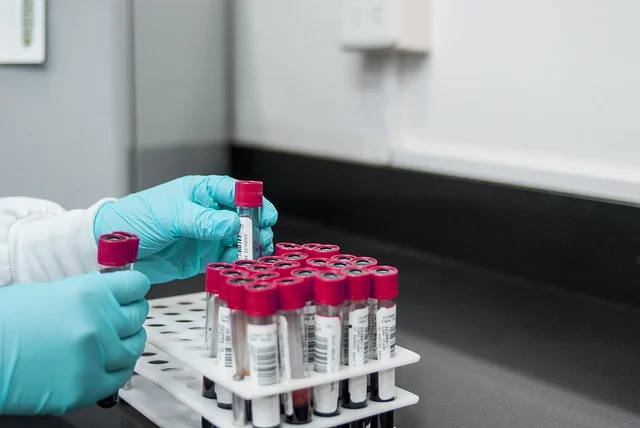
When reviewing a COA, verify these specific laboratory results:
- Batch matching: Ensure the batch or lot number printed on the product packaging matches the batch number at the top of the lab report document.
- Cannabinoid profile and potency: Confirm that the measured milligrams of CBD per cartridge match what is advertised on the box. Check the Delta-9 THC content to ensure it does not exceed the legal limit of 0.3%.
- Heavy metal panel: Hemp is a hyper-accumulator plant that draws heavy metals out of soil. The lab panel must show “PASS” results for lead, arsenic, cadmium, and mercury.
- Pesticides and herbicides: Verify non-detectable levels for common agricultural chemicals, synthetic pyrethroids, and fungicides.
- Residual solvents: Extraction methods rely on solvents like ethanol, butane, or supercritical CO2. The COA must prove that processing chemicals were purged below safe medical exposure thresholds.
- Microbials and mycotoxins: Ensure tests confirm the absence of mold, mildew, E. coli, Salmonella, and dangerous mycotoxins.
Checking independent lab validation protects you from dangerous mislabeling and toxic contaminants, as covered in detail within our guide on Lab Testing & Quality.
Comparison of CBD cartridge extract options
Choosing between extract formulations depends on your goals, workplace testing risks, and flavor preferences. Use this breakdown to evaluate named extract categories before buying:
| Extract Type | Cannabinoid Profile | THC Level | Entourage Benefit | Best For |
|---|---|---|---|---|
| Full-Spectrum Distillate | CBD, CBG, CBN, CBC, native terpenes | Trace (Under 0.3%) | Maximum synergistic benefit | Users seeking full plant synergy who do not face drug screening |
| Broad-Spectrum Distillate | CBD, minor cannabinoids, native terpenes | Non-detectable (0.0%) | Moderate to high synergy | Users seeking whole-plant compounds without any THC exposure |
| CBD Isolate Blend | Pure CBD crystal (99%+) + added terpenes | Zero (0.0%) | None (CBD action only) | Individuals sensitive to minor cannabinoids or desiring single-compound dosing |
| Live Resin Hemp Extract | High-terpene full-spectrum extract from frozen hemp | Trace (Under 0.3%) | High terpene synergy | Flavor enthusiasts wanting authentic plant aroma and rich terpene profiles |
Troubleshooting common cartridge problems
Even high-end hardware occasionally runs into physical operational issues like air channel clogs, dry hits, leaking oil, or electrical misfires. Most common problems stem from simple physical factors that you can correct in seconds.
Clearing a clogged central airway
Clogging happens when residual oil cools inside the central chimney pipe or condensation builds up near the mouthpiece. Cold, viscous distillate seals the airflow pathway solid.
- Warm the chamber: Hold the cartridge inside your closed hand for two minutes, or run your battery’s warm-up pre-heat cycle once or twice to soften hardened oil inside the chimney.
- Take a steady draw: Pull steadily through the mouthpiece until you hear a small pop, signaling the airway obstruction has cleared. Do not pull violently, or liquid oil will enter your mouth.
- Manual clean: Unthread the cartridge, unfold a small paperclip or toothpick, and gently insert it down into the mouthpiece airway to pull out excess viscous oil. Wipe the pin clean with a tissue.
Fixing burnt flavor or dry draws
A burnt, acrid taste means the internal ceramic heating core is dry and firing without sufficient liquid oil saturating its internal chamber.
- Lower voltage: Reduce your battery output to its lowest setting (2.0V – 2.4V). Excessive heat burns oil faster than the ceramic core can absorb it.
- Let the coil saturate: If the cartridge was stored cold or upright for weeks, stand it vertically in a warm room for 10 minutes to let fluid sink back down to the intake holes at the base.
- Shorten puff duration: Avoid taking long 8-to-10-second draws. Stick to brief 2-to-4-second pulls to keep the coil temperature stable.
Preventing leaks and oil seepage
Leaking occurs when thin oil slips past silicon gaskets or escapes through bottom air-intake holes. Heat and air pressure shifts are the primary causes.
- Avoid hot storage environments: Never leave a cartridge inside a parked vehicle, under direct sunlight, or near radiators. Heat thins oil dramatically, causing it to run through internal air pathways.
- Store upright: Always keep your vape pen stored vertically when not in use. Laying a cartridge flat on its side allows oil to flood the center airflow shaft.
- Protect against pressure changes: If flying on an airplane or traveling up steep mountain elevations, unthread your cartridge and store it inside an airtight glass container to prevent pressure shifts from pushing oil out of the reservoir.
Resolving electrical contact failures
If your battery blinks or fails to fire when pulling, the base connection is failing to complete an electrical circuit.
- Clean contact threads: Dip a cotton swab in 91% isopropyl alcohol and scrub the 510 threads on both the bottom of the cartridge and the top receiver on your battery. Remove dark oil grime and dust residue.
- Adjust the center brass pin: The small round contact pin at the base of a 510 cartridge can sometimes get pushed in too far. Use a fingernail or small screwdriver tip to gently pry the brass pin outward by half a millimeter. This ensures it makes firm contact with the battery plate.
Safety, additives to avoid, and legal standards
Vaporizing inhaled substances requires strict attention to chemical safety. Unregulated products may contain dangerous carrier oils and artificial additives that pose serious respiratory risks when heated and pulled into delicate lung tissue.
Additives you must avoid
Never vape a cartridge that contains any of the following substances listed in its ingredient deck or lab reports:
- Vitamin E Acetate: Formerly used as a cheap cutting agent in illicit cartridges, Vitamin E acetate forms dangerous chemical toxins when heated, leading to severe pulmonary illness (EVALI). It must never be inhaled.
- MCT Oil, Coconut Oil, or Mineral Oil: Lipid-based oils are designed for oral consumption only. Inhaling aerosolized lipids can cause lipid pneumonia.
- Propylene Glycol (PG) and Vegetable Glycerin (VG): While widely used in nicotine e-liquids, excessive PG and VG decompose into formaldehyde and acrolein when exposed to high temperature ceramic coils. High-grade CBD distillate needs no PG or VG.
- Synthetic Flavors or Artificial Dyes: Stick exclusively to natural cannabis-derived terpenes (CDTs) or botanical terpenes. Artificial candy flavorings can produce toxic aldehydes under heat.
Legal status and regional regulations
Under federal law established by the 2018 Farm Bill, hemp-derived CBD products containing less than 0.3% Delta-9 THC by dry weight are federally legal across the United States. However, individual states maintain independent statutes regarding inhaled hemp products, flower sales, and age verification requirements.
Some state jurisdictions restrict retail sales of flavored vape products or require age verification at 21 years old for all vape hardware purchases. Always consult our breakdown on local state laws in CBD Laws & Regulations prior to ordering across state lines.
Responsible hardware recycling
Finished cartridges contain spent lithium-ion battery connections, metal threads, micro-ceramics, and residual trace extract. Do not toss empty cartridges into residential trash bins. Check with local municipal e-waste recycling facilities or return spent hardware to participating retailer drop boxes that process electronic vape waste responsibly.
Evaluating pros and cons of CBD cartridges
Vaporizing CBD using pre-filled cartridges offers notable advantages over other delivery systems, but it also carries distinct trade-offs that every user should consider.
Pros
- Rapid onset: Absorption occurs in minutes, making inhalation ideal for fast relief.
- High bioavailability: Lung delivery allows a higher percentage of active cannabinoids to enter your bloodstream compared to swallowed edibles.
- Portability and discretion: Pre-filled 510 cartridges produce minimal lingering odor and slip easily into a pocket or bag.
- Dosing control: Taking small, measured 2-second puffs lets you titrate your intake puff by puff until you achieve your target comfort level.
Cons
- Shorter duration: Inhaled effects fade within two to three hours, requiring more frequent redosing than oral tinctures or capsules.
- Hardware overhead: Requires buying and charging a compatible 510 battery base.
- Potential airway irritation: Warm vapor can cause mild throat dryness or coughing in sensitive individuals.
- Risk of physical clogging: Viscous hemp distillate can solidify inside central airways if stored improperly or exposed to cold temperatures.
Frequently asked questions
How long does a 1ml CBD cartridge last?
A standard 1.0ml cartridge contains roughly 200 to 300 two-second puffs, depending on oil density and battery voltage settings. For a moderate user taking three to four puffs daily, a 1ml cartridge typically lasts three to four weeks. Heavy daily users may empty a 1ml unit in 5 to 7 days.
Will a CBD cartridge cause you to fail a drug test?
Full-spectrum CBD cartridges contain trace amounts of Delta-9 THC (up to 0.3%). With frequent daily use, trace THC can accumulate in human tissue and trigger a positive result on standard workplace drug screens. If you undergo mandatory employment testing, choose verified broad-spectrum or CBD isolate cartridges that show non-detectable THC levels on third-party COAs.
What is the ideal voltage setting for a CBD cartridge?
The recommended voltage range for CBD oil cartridges is 2.0 to 2.8 volts. Lower voltage settings protect delicate terpene flavor compounds, prevent hot dry hits, and prolong the life of the ceramic coil. Voltages above 3.3 volts scorch natural terpenes and create a harsh, bitter draw.
Why does my CBD oil cartridge darken in color over time?
Oil darkening is a natural oxidation reaction that occurs when cannabinoids and terpenes encounter ambient light, oxygen, and repeated heat cycles. Mild darkening from golden-yellow to amber is normal and harmless. Extreme darkening accompanied by a burnt taste indicates coil degradation.
Can you refill a pre-filled CBD cartridge when it runs dry?
Most pre-filled consumer cartridges feature press-fit mouthpieces designed for single use to prevent contamination and leaking. Attempting to pry open a sealed mouthpiece damages the internal seals. Additionally, ceramic coils degrade after atomizing 1ml of viscous oil, so refilling leads to burnt flavor and poor vapor production. Dispose of single-use units responsibly and replace them with fresh hardware.
Choosing the right cartridge for your routine
Selecting a high-quality product comes down to matching your personal wellness goals with transparent manufacturing standards. Prioritize uncut distillates or live resin oils housed inside inert borosilicate glass tanks with porous ceramic coils. Always insist on reviewing batch-specific third-party COAs to confirm potency and ensure freedom from heavy metals and chemical solvents.
Pairing a verified cartridge with a low-voltage battery setup ensures smooth vapor, preserved natural flavor, and consistent absorption. To compare specific formulas, inspect our curated selection guides inside the CBD vape oil cartridge category to match extract profiles to your personal routine.

High Profile Lakehurst: Menu, Ordering, and Location Details

Ethos Hazleton: Dispensary Overview, Menu, and Visitor Guide

How Many Mg of CBD Should a Beginner Take?

AmeriCanna Rx: Your Guide to Portland’s Premier Cannabis Dispensary

Tropic Thunder Strain: An Uplifting Hybrid Experience

Collective Efforts Sacramento CA: Your Premier Cannabis
-
 Product Guides3 months ago
AmeriCanna Rx: Your Guide to Portland’s Premier Cannabis Dispensary
-
 Cannabis 1013 months ago
Tropic Thunder Strain: An Uplifting Hybrid Experience
-
 Culture & Lifestyle3 months ago
Collective Efforts Sacramento CA: Your Premier Cannabis
-

 Cannabis 1013 months ago
Haze Purple: Unveiling a Cannabis Cultivar’s Unique Appeal
-
 Industry News3 months ago
Your Guide to Silver State Relief: Maximizing Value
-
 Cannabis 1013 months ago
Purple Runtz Strain: Unpacking Its Potency and Sweet Appeal
-

 Cannabis 1013 months ago
Medicann Clinics: Challenging the Conventional Patient Journey
-
 Cannabis 1013 months ago
Memory Loss Strain: Unveiling This Paradoxical Cannabis Hybrid