Industry News
Medicann Clinics: Navigating a Complex Medical Cannabis Landscape
Many patients search for “medicann clinics” seeking access to medical cannabis, but the term often represents a broader landscape of providers. Understanding the diverse models, regulatory nuances, and patient journey is crucial for effective care.


Medicann clinics are specialized medical practices and telehealth platforms that evaluate patients, consult on cannabinoid therapy, and prescribe legal medical cannabis. Operating as dedicated brands like Medicann Clinics or as general specialized clinics, these facilities connect patients with registered doctors trained in prescribing controlled cannabinoid treatments.
For patients dealing with chronic pain, treatment-resistant epilepsy, spasticity, or anxiety, finding reliable guidance regarding medicann clinics is often the first step toward exploring alternative therapeutic options. Understanding how these clinics operate, what they cost, and how regional regulations dictate access prevents unnecessary delays and helps establish realistic medical expectations.
What is a medicann clinic and who operates them?
The term “medicann clinic” describes both a specific commercial entity—such as Medicann Clinics operating in Australia and the UK—and a generic category of medical practices dedicated to cannabinoid medicine. These specialized clinics focus on the therapeutic potential of cannabinoids, providing patients with structured clinical evaluations rather than direct retail sales.
Unlike recreational dispensaries, medical cannabis clinics operate under strict health department regulations. They employ qualified general practitioners, specialist physicians (such as neurologists, pain specialists, and psychiatrists), and registered clinical nurses. Staff members receive additional training in the human endocannabinoid system, pharmacology, drug interactions, and dosing protocols. Their primary role is to assess whether cannabis-based medicinal products are clinically appropriate for a patient’s specific health condition when standard therapies have failed.
Step-by-step patient journey at medical cannabis clinics
Accessing care through a specialized clinic follows a controlled clinical process to maintain patient safety and legal compliance. Jumping straight to a prescription without prior evaluation is not permitted under medical access laws.
- Pre-screening assessment: Most clinics begin with an online questionnaire or brief phone call to verify your age, medical condition, and history of standard medical treatments.
- Medical record collection: You must supply an official Health Summary or medical report from your primary care doctor (GP) confirming your formal diagnosis and listing previous medications tried.
- Initial doctor consultation: Conducted in person or via video call, the prescribing physician reviews your health records, assesses potential drug interactions, discusses treatment goals, and decides if cannabinoid therapy is suitable.
- Regulatory approval and script generation: Depending on the jurisdiction, the doctor submits an application to a government regulatory body or issues a direct prescription through a registered pharmacy network.
- Dispensing and dose titration: A licensed pharmacy dispenses the prescribed product—typically an oral oil, capsule, or dried flower. Patients start with a low dose and gradually increase (titrate) under clinical instructions to find the optimal balance between relief and side effects.
- Follow-up and monitoring: Routine follow-up consultations occur every 1 to 3 months to monitor efficacy, manage side effects, adjust dosages, and authorize prescription renewals.

Eligibility criteria and regional regulatory differences
Desiring medical cannabis does not guarantee a prescription. Medical boards enforce strict qualifying criteria: patients must have a diagnosed chronic condition that has persisted for at least three months, and conventional first-line treatments must have proven ineffective or caused unmanageable side effects. In many regions, medical cannabis is prescription-only and strictly monitored.
Regulatory frameworks vary significantly across international regions:
- United Kingdom: Prescriptions are primarily issued through private clinics. NHS access is limited to exceptional cases of severe childhood epilepsy, spasticity in multiple sclerosis, or chemotherapy-induced nausea. Private prescriptions must be initiated by a doctor listed on the GMC Specialist Register.
- Australia: Doctors prescribe through the Therapeutic Goods Administration (TGA) Special Access Scheme (SAS-B) or Authorized Prescriber pathway. Treatments cover chronic pain, insomnia, anxiety, and movement disorders after conventional medicines fail.
- United States: Rules vary state by state. Patients must present a qualifying condition to a certified physician to receive a state recommendation or medical card, enabling them to purchase products directly from licensed dispensaries.
| Aspect | United Kingdom | Australia | Select US States (General) |
|---|---|---|---|
| Regulatory Body | MHRA, NHS | TGA, State Health Departments | State Health Departments |
| Eligibility Criteria | Specialist-prescribed for specific conditions (e.g., severe epilepsy, MS spasticity, chemo-induced nausea), only after other treatments fail. | Specialist or GP-prescribed for a broader range of conditions (e.g., chronic pain, anxiety, sleep disorders), often after conventional treatments. | Varies widely by state; usually requires a qualifying condition (e.g., cancer, chronic pain, PTSD, glaucoma) and a doctor’s recommendation. |
| Product Forms | Primarily oils, tinctures, some flower. Strict import/export. | Oils, capsules, flower, topicals. Broader range available. | Widest range: flower, edibles, concentrates, oils, topicals, etc. |
| Access Method | Private clinics, limited NHS access. | Specialized clinics (telehealth & in-person), some GPs. | Licensed dispensaries with medical card/recommendation. |
In-person vs telehealth consultation models
Patients choose between traditional face-to-face appointments and virtual telehealth evaluations. While telehealth expanded access for homebound or rural patients, each model presents practical trade-offs.
Pros of Telehealth Medicann Clinics
- Convenience: Access consultations from home without taking time off work or traveling.
- Accessibility: Connects patients living in rural areas with specialized cannabinoid doctors.
- Reduced expenses: Eliminates costs associated with fuel, public transit, and parking.
- Discretion: Offers a private environment for discussing sensitive medical concerns.
Cons of Telehealth Medicann Clinics
- Limited physical exam: Doctors cannot perform physical assessments, neurological checks, or joint palped inspections.
- Technical dependencies: Requires a reliable internet connection and video device.
- Less personal interaction: Some patients feel virtual visits reduce doctor-patient rapport during initial intake.
- Regional legal constraints: Specific states or countries restrict initial consultations for controlled substances via video.
Understanding total costs and ongoing fees
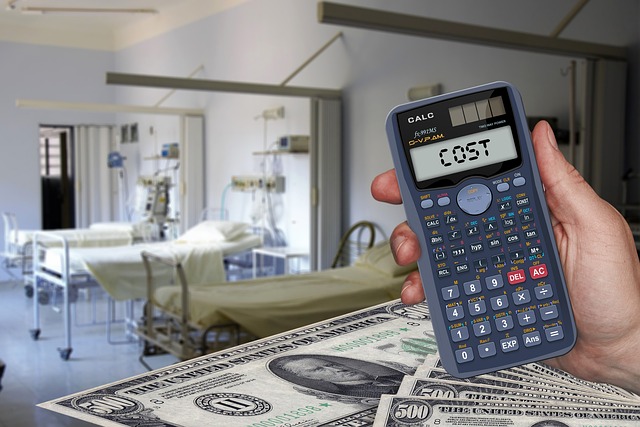
Total expenditure at a medical cannabis clinic comprises consultation fees, administrative costs, and the price of the medication itself. Consultation fees cover the doctor’s time and administrative handling, while medication is paid separately to dispensing pharmacies.
For instance, Australian medicann clinics frequently advertise initial appointments around $99, with follow-up appointments costing approximately $69. In the UK, initial private consultations range from £49 to £200, with follow-ups between £45 and £100.
Medication pricing depends on product type, dosage, and formulation. Monthly product costs typically range between $120 and $350 (or £100 to £300 in the UK). Patients should budget for routine follow-ups every few months, as prescriptions for controlled substances cannot be renewed indefinitely without doctor re-evaluations.
Who medical cannabis clinics do not suit
Cannabinoid therapy is not appropriate for everyone. Specialized clinics screen out individuals where safety risks outweigh potential health benefits.
- Patients with active psychotic disorders: Formulations containing THC can worsen symptoms of schizophrenia, psychosis, or severe bipolar mania.
- Unstable cardiovascular disease: Cannabinoids cause transient changes in heart rate and blood pressure, making them unsafe for recent heart attack or stroke patients.
- Pregnant or breastfeeding individuals: Cannabinoids cross the placental barrier and pass into breast milk, presenting developmental risks.
- Individuals who have not tried standard options: Clinics will reject applications from patients seeking cannabis as a first-line therapy without trying conventional treatments first.
- Recreational seekers: Clinics strictly evaluate clinical histories and will decline care if medical necessity cannot be established.
Common mistakes patients make and how to avoid them
Navigating clinic requirements requires careful preparation to prevent unnecessary delays or unexpected costs.
Booking without obtaining official medical records: Attending an appointment without a detailed summary from your regular GP delays approval. Clinics cannot prescribe controlled substances based solely on self-reported symptoms.
Ignoring local driving and workplace drug laws: In many jurisdictions (including Australia and parts of the UK), driving with detectable amounts of THC in your system is illegal, regardless of whether you hold a valid medical prescription. Patients must understand their local drug-testing regulations before selecting THC formulations.
Expecting immediate results: Finding the correct therapeutic dose often requires several weeks of gradual titration. Expecting instant relief on day one leads to early discontinuation before reaching therapeutic levels.
Failing to account for recurring prescription costs: Focusing only on initial consultation fees causes financial stress when recurring monthly medication costs and routine follow-up fees arrive.
How to prepare for your initial appointment
Preparation streamlines the consultation process and helps your doctor design an appropriate treatment plan quickly.
- Request your Health Summary: Ask your primary care doctor for a printed copy of your complete medical history, including active diagnoses and previous medications.
- Document past treatments: List all therapies, surgeries, physical treatments, and pharmaceuticals you tried, noting specific side effects or reasons they were stopped.
- Log current symptoms: Keep a 7-day diary tracking symptom severity, daily triggers, and sleep patterns.
- Prepare key questions: Ask whether CBD-dominant or balanced THC formulations suit your daily routine, how the medication might interact with your existing prescriptions, and what driving restrictions apply.
Related guides
Frequently asked questions
What is the typical cost for an initial consultation at a medicann clinic?
Initial consultation fees generally range between $99 and $200 (or £49 to £150 in the UK), depending on whether you consult a general practitioner or a medical specialist. Follow-up reviews typically cost between $50 and $100, while medication expenses are paid separately to dispensing pharmacies.
What conditions qualify for medical cannabis treatment?
Common qualifying conditions include chronic neuropathic pain, non-cancer pain, severe spasticity from multiple sclerosis, refractory epilepsy, PTSD, anxiety, palliative symptoms, and chemotherapy-induced nausea. Eligibility requires that conventional therapies have failed to provide adequate relief or caused intolerable side effects.
Can I get medical cannabis online through a telehealth clinic?
Yes, many specialized clinics conduct initial assessments and follow-up consultations via virtual telehealth platforms. If the doctor determines you are eligible, prescriptions are issued electronically to a partner pharmacy or shipped directly to your residential address.
How long does it take to get a medical cannabis prescription?
The timeline ranges from two business days to two weeks following your appointment. Speed depends on how quickly your health summary is verified and whether local health regulations require government approval prior to prescription dispensing.
What should I bring to my first medicann clinic appointment?
You should bring a comprehensive Health Summary from your primary care doctor, photographic identification, a list of current medications, and details of past treatments you have tried. Having these official records ready prevents administrative holds on your prescription application.




Industry News
Your Guide to Silver State Relief: Maximizing Value
Silver State Relief stands as a prominent cannabis dispensary in Nevada, offering a wide array of products and frequent deals. This guide helps you navigate their offerings and maximize your visit.

Silver State Relief operates medical and recreational cannabis dispensaries in Reno and Sparks, Nevada, known for daily specials like $12 Hood Oil Cartridges and senior discounts. To get the most value at Silver State Relief, review their digital menu online, join their loyalty rewards program at checkout, and align purchases with state legal limits.
Whether you are a Northern Nevada resident or traveling through the Reno-Sparks metropolitan area toward Mt. Rose, understanding how dispensary pricing, inventory rotation, and state regulations work ensures a smoother visit. Silver State Relief caters to both recreational consumers aged 21 and older and registered medical cannabis patients, offering an extensive selection of flower, concentrates, vapes, and edibles.
Where are Silver State Relief dispensaries located and how do you access them?
Silver State Relief maintains two primary storefronts in Northern Nevada: one in Sparks and another in the Damonte Ranch area of South Reno. The Damonte Ranch location sits along a major traffic corridor, making it a convenient stop for residents in South Reno as well as travelers heading up highway routes toward Mt. Rose Ski Tahoe or South Lake Tahoe. The Sparks facility serves the wider East Reno and Sparks communities with dedicated parking and a spacious retail showroom.
Both dispensaries operate under strict state security guidelines. When you arrive, you must present a valid, government-issued photo ID (such as a driver’s license, state ID card, military ID, or passport) at the reception check-in before entering the sales floor. Medical patients must also present a valid state-issued medical cannabis card to access patient-specific pricing or higher allowance limits.
If you prefer to avoid waiting in line during high-volume periods—such as Friday afternoons, weekend evenings, or major holidays—plan your visit during mid-morning or early afternoon on weekdays. For shoppers with limited time, pre-ordering online for quick counter pickup allows you to bypass the main shopping queue while securing sale items before stock runs out.
How do you find the best daily deals and discounts at Silver State Relief?
Maximizing your budget at Silver State Relief depends on timing your purchases to match rotating vendor specials and weekly store discount schedules. Dispensary pricing fluctuates based on brand promotions, harvest releases, and stock clearance, so checking daily offers before driving to the store is essential.

- Daily Product Specials: Promos frequently target specific product categories. A regular highlight includes featured concentrate deals, such as $12 Hood Oil Cartridges, which provide an economical option for vape users.
- Senior Discounts: Customers aged 55 and older receive a 10% discount on designated days or standard purchases, lowering out-of-pocket costs on routine flower and tincture buys.
- Vendor Pop-Ups and Brand Days: Brands routinely sponsor discount days where specific lines of edibles, topicals, or vape pens are discounted between 15% and 30%.
- Medical Patient Pricing: Registered medical cardholders often receive specialized pricing structures or exemptions on certain excise taxes under state law.
Because daily promotional items can sell out quickly, comparing the live menu on the official website or checking local dispensary aggregator listings before leaving home prevents unexpected trips for out-of-stock items.
How does the Silver State Relief rewards program work?
The Silver State Relief rewards program provides recurring savings for frequent shoppers by converting dollar expenditures into redeemable reward points. Joining the loyalty program is simple and free; you can sign up at the register during checkout by providing your full name and mobile phone number.
Every purchase earns points proportional to your subtotal. As your point balance grows, you reach specific redemption thresholds that unlock savings on subsequent purchases:
- Point Accumulation: Points accumulate automatically every time your phone number is attached to a transaction at the register.
- Tiered Redemptions: Earned points can be exchanged for fixed-dollar discounts (such as $5, $10, or $25 off your bill), percentage markdowns, or promotional accessory add-ons.
- Member-Exclusive Offers: Loyalty members receive SMS notifications or email alerts regarding surprise flash sales, holiday promos, and birthday discounts.
To maximize the rewards program, save your points for full-priced, premium items rather than apply them to items that are already heavily discounted. This strategy yields a higher net return on your overall spending over time.
What cannabis products can you buy at Silver State Relief?
Silver State Relief stocks a wide range of product categories designed for different experience levels, preferred onset times, and consumption habits.
Cannabis Flower and Pre-Rolls
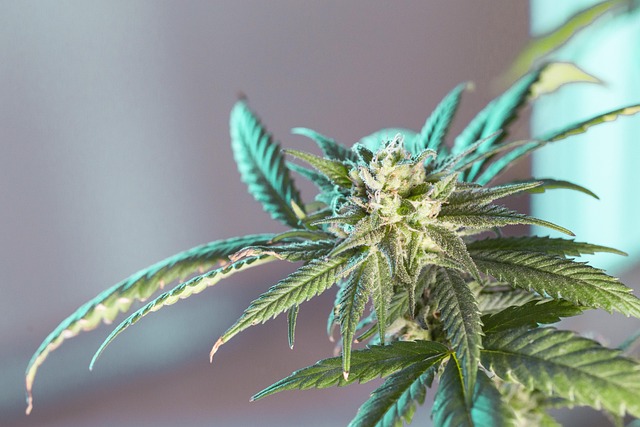
The dispensary carries indica, sativa, and hybrid flower strains from leading Nevada cultivators. When evaluating flower options, look beyond raw THC percentages and examine terpene profiles. Terpenes are aromatic hydrocarbon compounds that shape the scent, flavor, and distinct physical effects of each strain:
- Myrcene: Known for herbal, earthy aromas; typically associated with deep relaxation and evening use.
- Limonene: Offers bright citrus notes and is frequently selected for daytime activities and mood elevation.
- Caryophyllene: Delivers spicy, peppery undertones and interacts directly with CB2 receptors in the body.
- Pinene: Features crisp pine scents and is favored by consumers looking for mental clarity.
Always inspect the harvest date and packaging date on the label. Fresher flower retains volatile terpenes better, ensuring fuller flavor and smooth vapor or smoke. For further details on evaluating flower quality, see Live Resin: Unpacking Its Complexities and Real Value.
Concentrates and Vape Cartridges
Concentrate choices range from standard hydrocarbon extracts like shatter and wax to solventless formulations and live resin. Live resin extracts are harvested from fresh-frozen plant material, preserving delicate terpenes that are often lost during traditional curing processes. Pre-filled 510-thread cartridges and disposable vape pens offer portable, discreet options with predictable dosing.
Edibles and Tinctures
For long-lasting relief without inhalation, Silver State Relief carries infused gummies, chocolates, mints, baked goods, and liquid tinctures. Nevada state regulations cap adult-use recreational edibles at 10 milligrams of THC per individual serving and 100 milligrams of THC per total package. Tinctures applied sublingually (under the tongue) offer a faster onset time than digested edibles, making them easier to titrate for precise dosing.
What are the legal rules and purchase limits in Nevada?
Cannabis sales across Nevada are regulated by the Nevada Cannabis Compliance Board. Both local residents and out-of-state visitors must strictly observe legal possession boundaries and consumption restrictions.
For adult-use recreational buyers aged 21 and over, single-transaction purchase limits are strictly enforced at the register:
- Flower Limit: Up to 1 ounce (28.35 grams) of usable cannabis flower per day.
- Concentrate Limit: Up to 1/8 ounce (3.5 grams) of concentrated THC, which includes vape cartridges, shatter, wax, live resin, and the total THC mass contained within edibles.
Medical cannabis cardholders with valid state registration benefit from higher purchase thresholds—up to 2.5 ounces of usable cannabis within a 14-day period—and reciprocity recognition for out-of-state medical cards.
Public consumption remains illegal throughout Nevada. It is unlawful to consume cannabis in public spaces, street sidewalks, parks, casino floors, hotel rooms, bars, or inside parked motor vehicles. Legal consumption is restricted to private residences, provided the property owner permits it. Also, transporting cannabis across state lines—even into adjacent legal states like California—is a federal crime. If carrying cannabis in your vehicle, store all unopened products in sealed exit bags out of reach of the driver, preferably in the vehicle trunk.
How to prepare for your visit step-by-step
Following a systematic approach before heading to Silver State Relief ensures you get the exact items you want without unexpected delays or extra transaction fees.

- Check the Live Menu: Review the online inventory on the dispensary website or via Leafly to confirm current product availability, batch THC percentages, and active daily discounts.
- Reserve Your Items Online: Place an express order for pickup if you know what you want. Staff will pull your items ahead of time, shortening your wait once you arrive.
- Gather Proper Identification: Bring an unexpired, government-issued photo ID establishing you are at least 21 years old (or 18+ with a valid medical card).
- Prepare Payment: Dispensaries primarily accept cash due to federal banking restrictions. Silver State Relief provides on-site ATMs for customer convenience, though transaction fees apply. Some locations accept debit cards at the terminal, which usually incurs a processing fee.
- Consult with Budtenders: Talk clearly with dispensary staff about your past cannabis experience, desired physical or mental effects, and preferred consumption method so they can recommend suitable products.
What common mistakes should you avoid when shopping?
Avoiding common shopping pitfalls saves money and prevents unpleasant experiences with unfamiliar products.
- Shopping solely by THC percentage: High THC levels do not guarantee a superior experience. Balanced terpene profiles and minor cannabinoids (like CBD, CBG, and CBN) play a major role in overall effects.
- Ignoring edible onset times: Digested edibles can take between 30 minutes and 2 hours to produce noticeable effects. Consuming additional servings too quickly before the initial dose takes effect often leads to overwhelming over-intoxication.
- Forgetting cash: Relying solely on credit cards will leave you unable to complete your purchase, as dispensaries cannot process standard credit card transactions.
- Consuming in prohibited areas: Consuming in public parking lots, public parks, or hotel rooms risks municipal fines or police citations. Keep products sealed until you arrive at a private residence.
- Overlooking expiration and packaging dates: Check label dates on flower and concentrates to ensure you are purchasing fresh stock. For storage tips to keep your purchase fresh longer, consult Issaquah Cannabis Company: Navigating Your Purchase.
Frequently asked questions
What types of products does Silver State Relief offer?
Silver State Relief carries a complete menu of cannabis products, including indica, sativa, and hybrid flower, pre-rolls, vape cartridges, concentrates like live resin and wax, infused edibles, tinctures, and topicals. Stock serves both adult-use recreational shoppers and registered medical patients.
Are there specific discounts for seniors or veterans?
Yes, Silver State Relief offers a 10% discount for seniors aged 55 and older on designated days, alongside rotating daily deals and vendor-sponsored discounts. Inquire in-store or check their online specials page for active weekly promotion days.
How does the Silver State Relief rewards program work?
Customers sign up for free at checkout using a name and mobile phone number to earn points on every dollar spent. Accumulated points convert into store vouchers, percentage discounts, or special member offers that reduce out-of-pocket spending over time.
What are the purchase limits at Silver State Relief in Nevada?
Recreational customers aged 21 and older can buy up to 1 ounce of cannabis flower or up to 3.5 grams (1/8 ounce) of concentrate or THC equivalent in vapes and edibles per transaction per day. Medical patients operate under higher transaction limits up to 2.5 ounces per 14-day cycle.
Can I order online for pickup at Silver State Relief?
Yes, Silver State Relief offers online ordering for express in-store pickup through their official website and digital menu platforms like Leafly. Placing an online order holds your selected products and speeds up your transaction at the counter.
Industry News
The New Era Dispensary: Redefining Cannabis Retail
A new era dispensary goes beyond traditional retail, offering advanced technology, curated products, and unparalleled customer education. It’s about a holistic cannabis experience.

A new era dispensary is a modern cannabis retail store that combines technology-driven shopping, personalized consultations, strict third-party lab transparency, and curated wellness-focused products. These dispensaries use connected software like AI recommendation engines and automated inventory tracking to replace transactional counters with educational, low-pressure environments.
When Sarah stepped into a modern store, she expected a standard retail exchange. Instead, she encountered interactive display screens, staff working as trained cannabis consultants, and personalized guidance targeted directly toward her wellness goals. That transition reflects how adult-use and medical retail has moved past simple, transactional counter purchases. Many shoppers still approach legal stores with outdated expectations formed during early legalization. Modern retailers operate as technology-integrated wellness centers where product purity, safety verification, and consumer literacy lead every transaction when buying cannabis.
- Connected Technology: Automated inventory tracking and AI-driven recommendation software tailor product choices to personal goals.
- Curated Quality: Product menus feature third-party lab-tested flower, solventless concentrates, precise edibles, and low-dose beverages.
- Staff Literacy: Trained consultants replace cashiers, helping buyers understand cannabinoid ratios, terpenes, and proper dosing.
- Community Focus: Stores actively invest in local social equity programs, eco-friendly sourcing, and public educational workshops.
- Total Transparency: Third-party Certificates of Analysis (COAs) for potency and purity are made directly available to shoppers.
What sets a new era dispensary apart from traditional cannabis stores?
Traditional dispensaries often resembled medical waiting rooms or quick-turnaround retail counters focused entirely on high-volume sales. In contrast, modern dispensaries design their store layouts to facilitate exploration, learning, and comfortable decision-making. Open architectural lighting, intuitive display counters, and digital kiosks replace bulletproof glass barriers and hidden inventories.
This structural change aligns with a maturing market where consumers seek health-conscious solutions rather than simple intoxication. Dispensaries focus on building consumer trust through verifiable product safety, professional consultations, and clean physical spaces. Rather than rushing customers through a line, the retail environment gives shoppers room to examine cannabinoid contents, terpene profiles, and administration methods at their own pace.
How connected technology and AI power modern dispensary operations
Technology at the modern dispensary level goes far beyond digital menu boards on a wall. Operational platforms now connect inventory tracking, compliance reporting, and customer preference data into a single unified system. Industry analysis from Cannabis & Tech Today in 2026 points to platform providers like Flowhub driving connected intelligence across retail management.

These backend systems analyze customer purchasing patterns alongside stated personal goals to generate custom product suggestions. If you report seeking evening relaxation without intense psychoactive effects, an AI recommendation tool can parse store inventory for low-THC, high-CBD strains rich in myrcene and linalool. On the operational side, real-time inventory software forecasts demand patterns to prevent stock shortages and eliminate expired inventory.
In our observations from tracking the cannabis retail sector over the past few years, the integration of AI is moving beyond simple chatbots to truly intelligent systems that enhance every aspect of dispensary operations, from compliance to customer engagement.
Digital integration also improves legal compliance. Automated seed-to-sale tracking systems communicate directly with state regulatory databases, ensuring every sale strictly adheres to local legal limits while verifying buyer age and identity automatically.
What products and educational guidance can you expect?
Product menus at modern dispensaries reflect deep specialization and strict quality control. Instead of generic bulk flower, dispensaries carry specific, tested strains highlighted by industry catalogs such as Leafly’s August 2026 strain selections. Concentrates have expanded into solventless preparations like bubble hash and diamond powder, stocked by specialized retailers like Upstate Pines Dispensary in Red Hook and Twenty8Gramz in Brooklyn, which carry artisanal brand lines like Silly Nice.
Consumers also find precisely dosed edibles, fast-acting THC beverages, sublingual tinctures, and specialized topical salves. Each product comes accompanied by full laboratory testing documentation detailing cannabinoid percentages, terpene concentrations, and screening results for heavy metals, residual solvents, microbials, and pesticides.
Staff roles have evolved from cashiers to trained cannabis consultants or sommeliers. These specialists help buyers interpret terpene profiles and cannabinoid ratios. For example, a consultant can explain how the terpene limonene provides an uplifting aroma, while beta-caryophyllene interacts with peripheral CB2 receptors to support physical comfort. This level of guided education helps consumers select products tailored to specific outcomes, such as stress relief, sleep support, or creative focus.
How to evaluate and choose a modern cannabis retailer
Finding a quality dispensary requires evaluating how a store handles transparency, safety, and customer service. Use this practical evaluation criteria when choosing where to shop:
- Verify Third-Party Lab Transparency: Ensure the dispensary provides full Certificates of Analysis (COAs) for every product line, either via QR codes on packaging or accessible store databases.
- Review Digital Systems: Look for functional online menus, real-time stock counts, pre-ordering options for pick-up, and loyalty programs that record your preferences.
- Evaluate Staff Knowledge: Test staff expertise by asking about cannabinoid ratios, terpene profiles, or recommended starting doses for specific formats like tinctures or edibles.
- Check Product Selection Breadth: Confirm the menu includes varied delivery methods, including low-dose options, solventless extracts, topicals, and non-smokable alternatives.
- Inspect Store Environment: The physical premises should maintain high cleanliness standards, clear product displays, secure check-in procedures, and comfortable consultation areas.
While newer entrants like LC Square enter the market to open retail locations, established modern dispensaries have set standard benchmarks for low-pressure, informative shopping.
Social equity, sustainability, and community impact
Modern dispensaries increasingly operate with explicit commitments to social equity and local community growth. Cannabis prohibition historically harmed specific neighborhoods; contemporary regulations and ethical operators work actively to address those historical imbalances.

For example, New Era Dispensary in New Jersey demonstrates how minority-owned enterprises contribute directly to social equity initiatives within their local communities. These dispensaries prioritize hiring from communities affected by past enforcement, partner with local charitable organizations, and host educational workshops covering responsible microdosing, cannabis cooking, and chronic pain management.
Environmental sustainability plays an equally critical role. Progressive dispensaries partner with cultivators who employ living soil methods, energy-efficient LED lighting, and water recycling systems. In-store practices reflect this focus through recyclable child-resistant packaging, minimal plastic use, and paperless digital receipts.
Who a new era dispensary suits—and who might prefer traditional options
While tech-enabled, educational cannabis stores offer major benefits, they may not match every shopper’s personal preference. Understanding these trade-offs helps you decide where to shop.
Who it suits best
- Wellness-focused consumers: Individuals seeking specific therapeutic outcomes who need guided cannabinoid and terpene recommendations.
- Beginners and cautious returning users: Buyers who want low-dose products, precise administration instructions, and a safe, non-judgmental environment.
- Quality-conscious shoppers: Consumers who prioritize verified lab testing, organic cultivation methods, and premium solventless concentrates.
- Tech-oriented buyers: Customers who prefer ordering online for quick pick-up or using interactive kiosks to explore menus.
Who it might not suit
- Bargain hunters focused purely on price per gram: Mandatory compliance testing, heavy tax structures, and retail overhead mean regulated dispensaries rarely match illicit market pricing.
- Shoppers seeking anonymous transactions without check-in: Legal dispensaries must verify government-issued ID at entry and maintain compliant Point of Sale records.
- Unregulated product buyers: Individuals seeking untracked products without state-mandated potency limits or standardized packaging guidelines.
Common mistakes to avoid during your dispensary visit
Even experienced shoppers can encounter friction during a dispensary visit if they do not plan ahead. Avoiding these common mistakes ensures a smoother experience:
- Forgetting valid identification: All legal dispensaries require a non-expired, government-issued photo ID (driver’s license or passport) showing you are 21 or older for adult use, or a valid medical card.
- Focusing solely on high THC percentages: High THC does not guarantee a better experience. Pay attention to terpene profiles and minor cannabinoids like CBD, CBG, and CBN, which shape how cannabis feels.
- Rushing the consultation: Take advantage of staff expertise. Rushing through a purchase without discussing dose timing or tolerance often leads to selecting overly potent products.
- Ignoring payment limitations: Federal banking restrictions mean many dispensaries operate primarily on cash or debit transactions with on-site ATMs, rather than standard credit cards.

Related guides
Frequently asked questions
What makes a dispensary a new era establishment?
A new era dispensary combines connected software, AI product recommendations, full lab transparency, and highly trained staff to create an educational, wellness-focused shopping environment. Instead of simple counter transactions, these stores prioritize consumer literacy, product safety, and community social equity initiatives.
How does technology improve the cannabis shopping experience?
Technology streamlines shopping through real-time online menus, digital pre-ordering, automated loyalty rewards, and AI-driven engines that suggest products based on past preferences and desired effects. On the backend, real-time inventory systems ensure product availability and strict regulatory compliance.
Are products at modern dispensaries strictly regulated and tested?
Yes, all products sold at licensed modern dispensaries undergo mandatory third-party laboratory testing for potency, pesticide residue, residual solvents, heavy metals, and microbial contaminants. Customers can inspect these results through Certificates of Analysis accessible via packaging QR codes or in-store databases.
How do I prepare for a personalized dispensary consultation?
Bring a valid photo ID, know your primary wellness goals or desired effects, and be clear about your experience level and preferred consumption methods. Asking questions about cannabinoid ratios, terpene effects, and starting dosages will help your consultant tailor recommendations accurately.

What to Know Before Visiting Zen Leaf Dispensaries

What is Sunnyside? Your Guide to This Cannabis Dispensary Chain

Maui Wowie Strain: Unearthing the Legendary Hawaiian Sativa

AmeriCanna Rx: Your Guide to Portland’s Premier Cannabis Dispensary

Haze Purple: Unveiling a Cannabis Cultivar’s Unique Appeal

Tropic Thunder Strain: An Uplifting Hybrid Experience
-
 Product Guides3 months ago
AmeriCanna Rx: Your Guide to Portland’s Premier Cannabis Dispensary
-
 Cannabis 1013 months ago
Haze Purple: Unveiling a Cannabis Cultivar’s Unique Appeal
-
 Cannabis 1013 months ago
Tropic Thunder Strain: An Uplifting Hybrid Experience
-

 Cannabis 1013 months ago
Purple Runtz Strain: Unpacking Its Potency and Sweet Appeal
-

 Culture & Lifestyle3 months ago
Collective Efforts Sacramento CA: Your Premier Cannabis
-

 Cannabis 1013 months ago
Medicann Clinics: Challenging the Conventional Patient Journey
-
 Cannabis 1013 months ago
Memory Loss Strain: Unveiling This Paradoxical Cannabis Hybrid
-

 Product Guides3 months ago
Identifying Top Shelf Cannabis: A Connoisseur’s Guide