
Product Guides
Identifying Top Shelf Cannabis: A Connoisseur’s Guide
Most cannabis consumers want top shelf products, but what does that term truly signify? This article cuts through the marketing hype to reveal the definitive characteristics of premium cannabis, helping you make informed choices every time.


Top shelf cannabis refers to premium-grade flower defined by dense trichome coverage, complex terpene aromas, intact physical structure, balanced cannabinoid profiles, and meticulous slow curing.
Whether you are purchasing cannabis at a storefront dispensary or ordering through a delivery service, understanding these physical and chemical signals ensures you pay for actual craft quality rather than clever packaging or inflated dispensary titles.
What defines top shelf cannabis?
Top shelf cannabis represents the highest tier of flower available, distinguished by superior genetic potential, precision environmental controls during growth, and exhaustive post-harvest care. The term originated from physical dispensary layouts, where budtenders displayed the highest-quality jars on the upper shelves, reserved for discerning buyers. Today, the label describes flower that achieves optimal results across visual structure, chemical potency, aroma profile, and combustion quality.
Unlike commercial mid-grade flower grown primarily for sheer biomass, top shelf flower prioritizes overall quality over bulk yields. Cultivators focus on preserving capitate-stalked trichome heads—the microscopic resin glands housing cannabinoids and aromatic terpenes—while ensuring the flower cures slowly to remove harsh green chlorophyll without losing volatile compounds. Tracing the cannabis industry’s evolution shows how consumer standards have shifted from raw THC percentages to full-spectrum quality, making terpene retention and clean combustion the true benchmarks of top-tier harvests.
How do top shelf, mid-shelf, and bottom shelf flower compare?
Understanding where a batch falls on the quality spectrum prevents overpaying for mediocre flower labeled with premium titles. Dispensaries categorize flower into three main tiers based on cultivation precision, post-harvest handling, and total chemical composition.
| Quality Tier | Trichomes & Trim | Aroma & Terpenes | Cure & Texture | THC & Cannabinoids | Smoke Quality |
|---|---|---|---|---|---|
| Top Shelf | Dense, unbroken trichome heads; clean hand trim retaining natural calyx structure. | Pungent, complex multi-layered aroma (citrus, fuel, skunk, pine); 2%–4%+ terpenes. | Slightly spongy, springy yield; sticky internal resin; 9%–12% moisture content. | Full-spectrum cannabinoids (THC, CBG, CBC); balanced entourage activation. | Smooth draw, burns to light gray or white ash with an oily resin ring. |
| Mid-Shelf | Moderate trichome density; machine trim with trimmed edges or minor cap damage. | Distinct single-note aroma (sweet, earthy); 1%–2% total terpenes. | Drier, firmer texture; compresses without bouncing back quickly. | Moderate to high THC; lower concentrations of minor cannabinoids. | Acceptable smoothness, burns to dark gray ash with occasional throat bite. |
| Bottom Shelf | Sparse trichomes; machine-shaved buds, excessive leaf material, yellowed pistils. | Muted, faint, or hay-like grass scent; under 1% total terpenes. | Brittle, dry crumble or excessively moist from incomplete curing. | Variable THC; often lacks minor cannabinoids and terpene preservation. | Harsh throat hit, burns black ash, requires frequent re-lighting. |
How can you evaluate top shelf cannabis using your senses?
Evaluating top shelf flower requires assessing visual structure, aroma complexity, tactile response, and burn characteristics. Each sensory test provides concrete proof of how the plant was grown, harvested, dried, and stored.
Visual inspection: Trichomes, trim, and calyx structure
The visual assessment begins with resin glands. High-quality flower exhibits a thick blanket of capitate-stalked trichomes resembling tiny glass mushrooms. Under close inspection or magnification, these resin heads should appear milky white to light amber, signaling peak maturity at harvest. Transparent trichome heads indicate premature harvesting, while broken stalks missing their bulbous heads indicate rough mechanical processing.
Trim quality is another clear visual indicator. Machine trimming shaves the outer edges of the bud, shearing off trichome heads and leaving flat surfaces. Top shelf flower is hand-trimmed, preserving the natural structure of the calyxes and leaving delicate guard leaves intact without leaving fan leaf material. Pistils (the hair-like strands) should be tucked naturally around the bud, ranging from deep orange to fiery red. When evaluating strains with unique genetic traits, such as distinct purple or hazy phenotypes, understanding strain specifics helps you distinguish true resin production from simple color expression.
Aroma and terpene complexity
Aroma provides immediate insight into a strain’s chemical density. Top shelf flower releases a sharp, multi-layered scent as soon as you open the container. Rather than smelling single-dimensional—such as just earthy or sweet—premium flower displays complex terpene profiles combining sour diesel, sharp citrus (limonene), peppery spice (caryophyllene), pine needles (pinene), or herbal depth (myrcene).
A muted aroma or a distinct smell of dry hay or lawn clippings indicates a failed drying process. When flower dries too rapidly or in warm, low-humidity environments, volatile terpenes evaporate while trapped chlorophyll decomposes into harsh ammonia and grass odors. Top shelf flower never smells like hay, wet mold, or plain grass.
Bud texture, density, and moisture level
Gently squeezing a bud between your fingers reveals its internal moisture balance. Premium flower possesses a spongy, resilient elasticity: when compressed, it yields slightly and snaps back to its original shape. It feels sticky from concentrated resin oils without leaving wet moisture on your skin.
If the bud crumbles into fine powder between your fingers, it has over-dried, stripping away fragile monoterpenes. If it feels wet, squishy, or fails to snap at the stem, it retains excess moisture that invites internal mold growth and causes an uneven burn. Stems on properly dried top shelf flower snap cleanly when bent, while the surrounding bud material remains pliable.
Burn test and smoke quality
The ultimate test of cultivation and curing quality occurs during combustion. When rolled into a joint or packed in clean glass, top shelf cannabis lights easily, stays lit, and burns evenly. The resulting ash should burn to a uniform light gray or clean white color. White ash indicates complete combustion of plant matter and proper flushing of excessive mineral nutrients prior to harvest.
As top shelf flower burns, the heat melts dense trichome heads near the cherry, forming a shiny oily resin ring directly behind the burning ember. The smoke feels smooth on the throat and lungs, delivering clean flavor on both inhale and exhale without leaving a biting chemical aftertaste or inducing coughing spells.
What cultivation and curing methods create top shelf quality?
Producing top shelf flower requires precise environmental control and slow post-harvest processing. Master growers select elite genetics bred for high terpene output rather than high yield weights alone. Growing environments—whether precise indoor facilities or environmental light-deprivation greenhouses—utilize balanced spectrum lighting, strict humidity management, and organic living soil or clean hydroponic delivery systems to avoid harsh pesticide residues.
The critical transition from good flower to top shelf quality occurs during post-harvest handling. Cultivators maintain drying room conditions near 60°F (15°C) and 60% relative humidity for 10 to 14 days. This slow dry allows water to evaporate gradually while naturally breaking down internal starches and green chlorophyll. Following drying, the flower undergoes an extended cure in temperature-regulated, airtight containers for 3 to 6 weeks, following established industry best practices. This curing phase locks in delicate terpene compounds, develops rich aromatic depth, and ensures smooth combustion.
How do you read a Certificate of Analysis for top shelf flower?
A Certificate of Analysis (COA) provides independent laboratory verification of a batch’s safety and chemical profile. Never rely on packaging stickers alone; request the complete COA at the dispensary or look up the batch number online DNA Genetics: Unlocking Value in Premium Cannabis Strains.

When analyzing a COA for top shelf flower, focus on four critical metrics:
- Terpene Profile and Total Terpene Percentage: Premium flower typically contains between 2.0% and 4.5%+ total terpene content by dry weight. Batches below 1.5% terpenes generally lack intense flavor and aroma regardless of THC numbers.
- Total Active Cannabinoids (TAC): While THC percentage measures delta-9-THC, TAC measures all active cannabinoids, including CBG, CBC, THCV, and CBD. A high TAC alongside diverse minor cannabinoids creates a fuller psychoactive and therapeutic effect through the entourage effect.
- Harvest and Test Dates: Top shelf flower should be tested and packaged within recent months. Flower older than six to eight months loses volatile terpenes and degrades THC into CBN, causing heavy sedative effects rather than strain-specific nuances.
- Contaminant Testing: Confirm the batch passed all safety screens for heavy metals (lead, arsenic, cadmium), synthetic pesticides, mycotoxins, microbials (Aspergillus, Salmonella, E. coli), and residual solvents.
How to identify top shelf flower at the dispensary: A 5-step guide
Follow this step-by-step process when shopping at a dispensary to verify whether a batch deserves top shelf pricing before buying.
- Examine the packaging and batch label: Look for light-blocking glass jars or sealed nitrogen-flushed tins rather than clear plastic bags. Check the harvest date, packaging date, and batch number.
- Request the laboratory Certificate of Analysis: Verify that total terpenes exceed 2% and check that all safety testing shows clean pass results for pesticides, heavy metals, and mold.
- Inspect trichome coverage under direct light: Look for intact, mushroom-headed trichomes dense across the calyxes. Avoid flower that looks smooth, bald, or tumbled from machine processing.
- Evaluate aroma intensity: If the dispensary uses display sniffing jars, check for sharp, complex scents with distinct citrus, diesel, floral, or skunk notes. Reject flower that smells faint, musty, or like dry hay.
- Check bud elasticity and trim: If allowed to handle sample buds with nitrile gloves or examine them up close, gently verify that the bud gives slightly under pressure without crumbling into dust or feeling soggy.
What are common red flags and mislabeling traps?
Unregulated marketing language allows lower-tier flower to be labeled as top shelf. Recognizing common processing tricks protects you from overpaying for sub-par batches.
- The high-THC trap: Marketing flower with 30%+ THC but less than 1% terpenes. High THC without terpenes yields a short, flat, single-dimensional high with harsh smoke.
- Machine-trimmed “tumbled” buds: Commercial trimming machines strip delicate trichome heads off outer surfaces, leaving smooth, dense, rock-like buds stripped of their most potent resin glands.
- PGR (Plant Growth Regulator) buds: Synthetic PGRs produce abnormally dense, rock-hard, heavy buds with excessive brown pistils and minimal trichomes or smell. Authentic top shelf flower gains density naturally through high-intensity lighting and optimal nutrition, preserving natural bud shapes.
- Rushed drying (hay smell): Flower dried quickly using heat or dehumidifiers retains trapped moisture and green chlorophyll, smelling like cut grass or cardboard even if its laboratory THC score appears high.
- Dipped or infused flower sold as natural top shelf: Lower-tier buds coated in distillate oil and rolled in kief are sometimes labeled as top shelf potency. True top shelf achieves its resin content naturally through craft cultivation without additives.
Who is top shelf cannabis for, and who should skip it?
Top shelf flower offers clear advantages, but it is not the ideal purchase for every consumer or situation.
Who top shelf suits best
- Connoisseurs and flavor-focused consumers: Individuals who vaporize flower or smoke clean glass to enjoy intricate terpene flavor profiles and smooth vapor.
- Medical users needing precise effects: Patients who rely on consistent cannabinoid and terpene compositions for targeted relief from pain, anxiety, or insomnia.
- Low to moderate volume users: Consumers who smoke small quantities slowly, making the higher price per gram reasonable given the elevated quality and potency.
Who should choose mid-shelf or value tiers
- High-volume social smokers: Anyone rolling large joints or blunts for group gatherings, where subtle terpene notes are masked by rolling papers or rapid burning.
- Budget-conscious buyers: Consumers seeking the most total THC weight per dollar spent rather than artisanal cure or complex aromatic nuances.
- Infusion and extraction makers: Anyone making home edibles, butter, or tinctures, where heating and processing destroy delicate terpenes and render visual aesthetic features irrelevant.
How should you store top shelf flower to maintain its quality?
Improper storage quickly destroys top shelf flower, evaporating volatile monoterpenes and converting THC into CBN through oxygen and light exposure. To preserve peak quality after purchase, follow these storage rules:
- Use airtight glass containers: Store flower in dark amber or UV-protected glass jars equipped with rubber seal clamps or tight screw caps. Avoid plastic bags or flimsy pop-top containers, which leech terpenes and accumulate static charge that pulls off trichome heads.
- Maintain 58% to 62% relative humidity: Place two-way humidity control packs inside jars to keep internal moisture balanced without over-hydrating the flower.
- Control temperature and light: Keep storage containers in a cool, dark closet or cabinet maintained between 60°F and 68°F (15°C–20°C). Direct sunlight and heat degrade cannabinoids rapidly. Never freeze flower, as freezing makes delicate trichome stalks brittle, causing heads to snap off.
Frequently asked questions
What is the difference between top shelf and mid-shelf cannabis?
Mid-shelf flower offers good potency and appearance but typically has lower terpene levels, simpler aromas, machine trimming, and less refined curing.
Does a high THC percentage automatically mean cannabis is top shelf?
No, high THC percentage alone does not determine top shelf status. Premium flower requires a rich terpene profile, proper slow curing, balanced minor cannabinoids, and high visual appeal to create a smooth, full-spectrum effect through the entourage effect.
How can you tell if cannabis is properly cured?
Properly cured cannabis snaps cleanly at the stem while the bud remains springy and resilient when gently squeezed. It emits a pungent, complex aroma without hay or grass notes and burns smoothly to a light gray or white ash.
Are organic cultivation methods required for top shelf flower?
While organic living soil methods are popular among craft cultivators for enhancing terpene expression, top-tier flower can also be grown hydro-organically or hydroponically in clean indoor facilities. The determining factors are precise environmental control, thorough flushing, and proper curing.
What is the best way to keep top shelf cannabis fresh at home?
Store your flower in an airtight UV-protected glass jar kept in a cool, dark place between 60°F and 68°F.










Product Guides
Green Dragon CBD: Your Guide to Products and Potency
Green Dragon CBD is a recognized brand in the hemp-derived product space, offering a diverse range of CBD options. This guide helps you understand their offerings, from full spectrum to isolate, and how to choose what’s right for you.
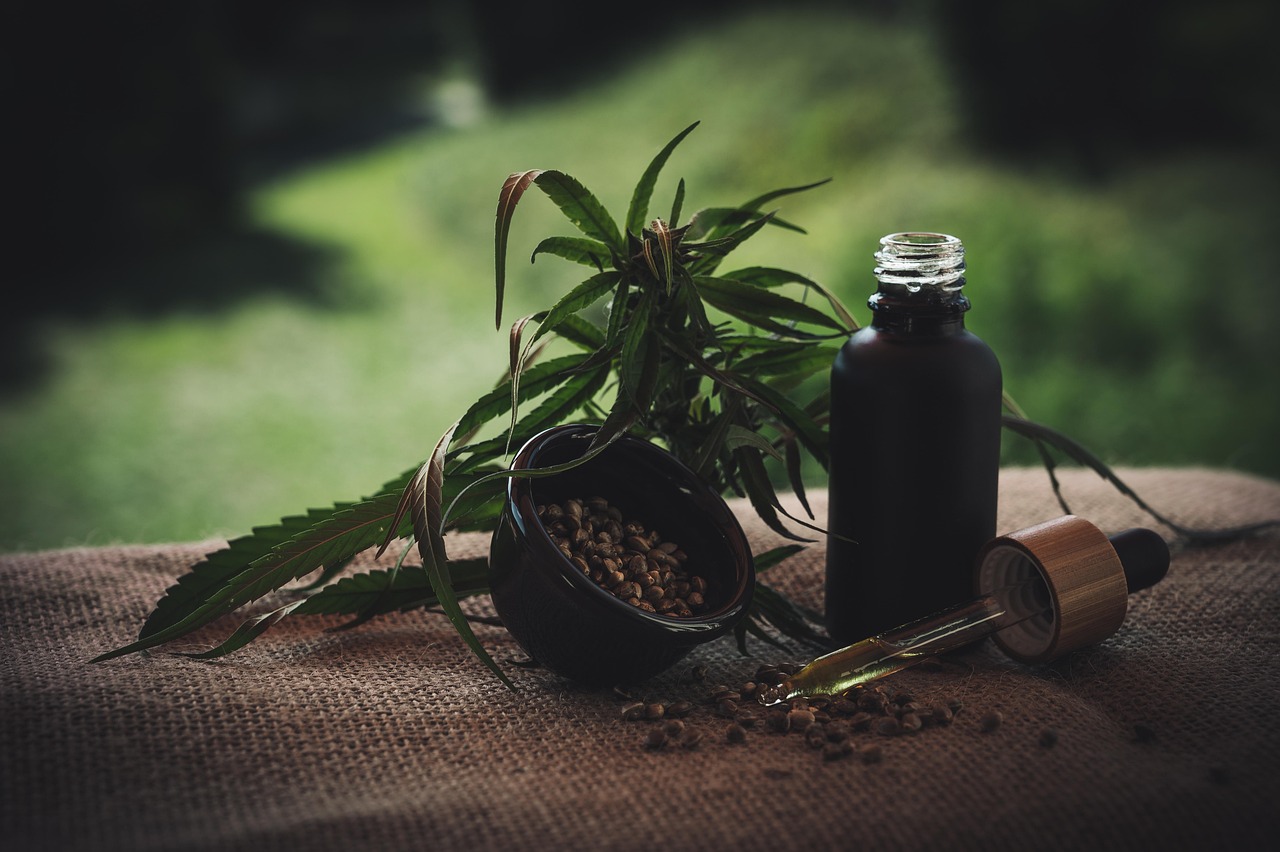
Green Dragon CBD is a retail brand and online distributor headquartered in Missouri that specializes in hemp-derived wellness products, including tinctures, gummies, topicals, and minor cannabinoids. Sourced from licensed domestic hemp growers, their catalog features third-party laboratory testing from accredited facilities to confirm potency and legal cannabinoid compliance.
While consumers sometimes confuse the business with single cannabis strains or homemade herbal extractions, Green Dragon CBD operates as a physical storefront and curated online marketplace. Understanding how to evaluate product types, cannabinoid spectrums, lab analysis reports, and delivery methods helps you select the right formulation for your personal wellness goals.
What is Green Dragon CBD?
Green Dragon CBD is a physical retailer and online vendor centered in the St. Louis, Missouri area that ships products across the United States. Rather than operating strictly as a single-product manufacturer, the company curates hemp-derived extractions, minor cannabinoids, and herbal supplements from verified suppliers. Their catalog spans broad-spectrum and full-spectrum cannabidiol (CBD) formulations, delta-8 THC, delta-9 THC, hexahydrocannabinol (HHC), kratom, and functional mushroom compounds.
The company emphasizes sourcing from licensed domestic growers operating under state hemp agricultural programs. A key requirement of their inventory curation is independent batch verification through accredited ISO 17025 laboratories. This lab testing ensures products meet federal delta-9 tetrahydrocannabinol concentration limits while verifying that tinctures, edibles, and topical balms contain the milligram strength advertised on their labels.
What types of Green Dragon CBD products are available?
Green Dragon CBD carries three main categories of hemp extracts, alongside minor cannabinoid and specialty botanical lines. Selecting the best extract depends on your wellness targets, workplace drug testing constraints, and individual sensitivities.
Full-spectrum CBD products
Full-spectrum products retain the complete phytochemical profile of industrial hemp flower. This includes CBD alongside minor cannabinoids such as cannabigerol (CBG), cannabinol (CBN), and cannabichromene (CBC), as well as plant terpenes, flavonoids, and trace levels of delta-9 THC. Under federal law, full-spectrum hemp extractions may contain up to 0.3% delta-9 THC by dry weight.
These naturally occurring compounds operate together through the “entourage effect,” where combined cannabinoids and terpenes enhance overall physiological activity. Full-spectrum tinctures, softgels, and gummies are suited for individuals seeking maximum compound synergy. However, because full-spectrum items contain trace amounts of THC, daily consumption can accumulate detectable THC metabolites on sensitive drug screenings.
Broad-spectrum CBD products
Broad-spectrum CBD offers an intermediate choice for users who want secondary cannabinoids and terpenes without ingesting delta-9 THC. During extraction, processors isolate and remove THC down to non-detectable levels while maintaining CBG, CBN, and aromatic plant terpenes.
This formulation provides a version of the entourage effect without introducing THC into the body. Broad-spectrum oils and gummies are practical for healthcare workers, active drivers, or individuals sensitive to THC who still desire compound interaction beyond pure CBD isolate.
CBD isolate formulations
It contains zero THC, zero minor cannabinoids, and zero plant terpenes.
Isolate products deliver direct, predictable CBD without interference from minor compounds. They are ideal for individuals who require exact milligram tracking, users with specific terpene allergies, or those subject to zero-tolerance drug screening policies.
Alternative cannabinoids and botanical products
Beyond traditional CBD lines, Green Dragon CBD inventories alternative hemp extracts and botanical formulations. Options include delta-8 THC edibles for mild psychotropic effects, night-time CBN tinctures formulated for evening relaxation, daytime CBG drops, kratom powders, and functional mushroom extracts like reishi and lion’s mane. Each product category carries distinct physical effects, onset profiles, and dosage considerations.
How do you verify third-party lab testing and lab results?
Checking a product’s Certificate of Analysis (CoA) prior to purchase is essential for verifying quality, safety, and regulatory compliance. Independent laboratory reports confirm that bottle contents accurately reflect label statements.
The FDA’s current stance highlights that hemp product quality remains unstandardized across commercial markets. Reviewing third-party lab testing protects against mislabeled cannabinoid strengths and undetected contaminants. Green Dragon CBD provides batch CoAs accessible directly via product packaging QR codes or online vendor pages.
When reviewing a Certificate of Analysis, verify these key metrics:
- Cannabinoid Profile and Potency: Check that the total milligrams of CBD per serving match the label statement, and confirm delta-9 THC levels remain at or below 0.3% dry weight.
- Heavy Metals Testing: Confirm the sample passed screening for toxic metals absorbed from soil, including lead, cadmium, arsenic, and mercury.
- Pesticide Residues: Ensure zero chemical pesticide or fungicide traces from cultivation.
- Residual Solvents: Verify that extraction solvents like ethanol, butane, or propane were thoroughly purged during processing.
- Microbial Testing: Confirm negative test results for mold, yeast, Aspergillus, E. coli, and Salmonella.
How do you choose the right Green Dragon CBD product?
Selecting an appropriate product requires matching your personal health goals with extract spectrum, delivery route, and strength concentration.
- For localized joint or muscle discomfort: Topicals such as creams, balms, and salves work best. Applied directly to target skin areas, topicals interact with local dermal cannabinoid receptors without distributing through the bloodstream.
- For general stress support or daytime balance: Sublingual broad-spectrum tinctures or mild broad-spectrum gummies (10 mg to 25 mg CBD per serving) offer continuous systemic support without THC exposure during working hours.
- For night-time rest and sleep routines: Full-spectrum tinctures or CBN-infused sleep gummies consumed 60 minutes before bed combine multiple cannabinoids to facilitate relaxation.
- For drug-screened professionals: Pure CBD isolate or certified non-detectable THC broad-spectrum products mitigate the risk of triggering positive drug test results.
What are the dosage guidelines and administration methods?
CBD affects individual body chemistry differently depending on body weight, metabolism, fat intake, and receptor density. Understanding consumption routes helps optimize onset times and duration of response.
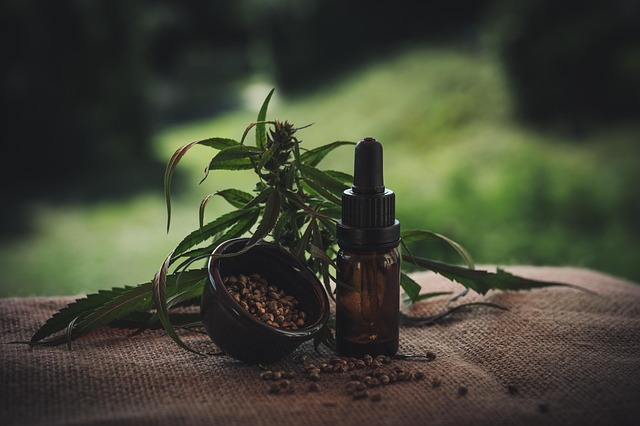
- Sublingual Tinctures: Liquid oil dropped beneath the tongue using a measured dropper. Hold the oil for 60 to 90 seconds before swallowing. Oral capillaries absorb cannabinoids directly into the bloodstream, producing effects within 15 to 45 minutes that last 4 to 6 hours.
- Oral Edibles and Gummies: Processed through digestion and metabolized by the liver. Onset requires 30 to 120 minutes, but effects persist longer, typically 6 to 8 hours. Consuming edibles with a fat-containing meal improves bioavailability.
- Oral Capsules and Softgels: Swallowed with water for precise, pre-measured dosing without any plant flavor. Digestion speed matches edibles, requiring 45 to 90 minutes for onset.
- Topical Balms and Salves: Applied directly to the skin for fast, localized comfort within 15 to 30 minutes. Topicals do not enter systemic blood circulation.
To identify your optimal dosage safely, follow a step-by-step titration schedule:
- Begin with a conservative baseline dose of 5 mg to 10 mg of CBD per day.
- Maintain this exact dose for 5 to 7 days to observe how your body responds over time.
- If additional support is needed, increase the daily dose in 5 mg increments once per week.
- Record your daily dose, administration time, food intake, and physical observations in a journal.
What common mistakes should you avoid with CBD?
Avoiding frequent consumption mistakes helps ensure predictable results and prevents wasted product:
- Starting with excessively high dosages: Taking 50 mg or more on your first day can cause unnecessary drowsiness, dry mouth, or minor gastrointestinal discomfort. Always begin with a low dose and adjust gradually.
- Inconsistent daily intake: Cannabinoids interact best with the body’s endocannabinoid system when maintained consistently. Sporadic intake yields irregular results compared to daily routine use.
- Taking oral drops on an empty stomach: CBD is a fat-soluble compound. Taking tinctures or softgels alongside dietary fats like eggs, nuts, or yogurt enhances gastrointestinal absorption compared to consuming them fasting.
- Confusing full-spectrum CBD with psychoactive THC products: Full-spectrum hemp CBD contains under 0.3% delta-9 THC and will not produce a mental high, unlike delta-8 or delta-9 recreational lines.
- Skipping Certificate of Analysis checks: Buying unverified batch items leaves you uncertain of actual potency levels or potential processing impurities.
How can you maximize your Green Dragon CBD regimen?
Getting the most from your routine involves consistent tracking, proper timing, and utilizing verified retail resources. Keeping a daily notebook lets you track subtle improvements in sleep duration, physical discomfort, and daily stress levels relative to exact milligram intake.
Time your doses to match your body’s circadian rhythms. Daytime routines benefit from broad-spectrum or CBG-dominant drops taken in the morning to encourage clear focus. Evening routines benefit from full-spectrum drops or CBN gummies taken 60 minutes prior to bedtime.
Order directly through authorized sales channels like The Green Dragon CBD to access current batch testing, manufacturer guidelines, and updated product details. If you take prescription medications, consult your primary healthcare provider before starting CBD, as cannabinoids can interact with liver enzymes responsible for processing certain pharmaceuticals.
Who should avoid or exercise caution with CBD products?
Although CBD is generally well-tolerated, specific groups should approach cannabinoid use carefully or avoid it altogether:
- Individuals subject to mandatory drug testing: Regular consumption of full-spectrum products containing legal trace delta-9 THC (0.3% or less) can cause positive drug screening results over time.
- People taking medications with grapefruit warnings: CBD competes for cytochrome P450 liver enzymes (specifically CYP3A4 and CYP2C19) that metabolize blood thinners, anti-seizure medications, and heart drugs, potentially altering medication blood concentrations.
- Pregnant or breastfeeding mothers: Health agencies advise against using cannabinoid products during pregnancy and lactation due to potential risks to fetal and infant development.
- Individuals with coconut or carrier oil allergies: Tinctures frequently use coconut-derived Medium Chain Triglyceride (MCT) oil as a carrier. Check ingredient labels carefully if you have tree nut sensitivities.
Related guides
Frequently asked questions
Is Green Dragon CBD legal?
Under the 2018 Farm Bill, hemp-derived CBD products containing no more than 0.3% delta-9 THC by dry weight are federally legal across the United States. State regulations can vary regarding specific cannabinoid formulations, so verify local state laws prior to purchasing. Learn more about state legal frameworks in our comprehensive state legal guides Arete Hemp: Unpacking Their Unique Approach to Cannabinoids.
What kind of products does Green Dragon CBD offer?
Green Dragon CBD carries full-spectrum, broad-spectrum, and isolate CBD tinctures, gummies, capsules, and topicals. They also distribute alternative hemp compounds like delta-8 THC and HHC, along with kratom and functional mushroom supplements.
How quickly will I feel the effects of Green Dragon CBD?
Sublingual tinctures held beneath the tongue take effect within 15 to 45 minutes. Swallowed gummies and softgels pass through digestion and require 30 to 120 minutes, while topical balms offer local skin absorption within 15 to 30 minutes.
Can Green Dragon CBD products make me high?
Standard CBD tinctures, broad-spectrum edibles, and pure isolates are non-intoxicating and do not produce a high. However, alternative store items containing delta-8 THC, delta-9 THC, or HHC do yield psychotropic effects and require careful dosing.
How do I know Green Dragon CBD products are high quality?
High-quality products provide accessible Certificates of Analysis (CoAs) from independent ISO 17025 accredited laboratories. These reports verify cannabinoid potency and confirm the product is free from heavy metals, pesticides, residual solvents, and mold.
Are there any side effects from using Green Dragon CBD?
CBD is well-tolerated by most people, but higher doses can occasionally cause mild side effects like drowsiness, dry mouth, reduced appetite, or minor stomach upset. Starting with a low dose and increasing slowly minimizes these risks.
Product Guides
Simplifying Cannabis Delivery: Your Guide to Weedmaps Service
Navigating the world of cannabis delivery can be complex, but Weedmaps delivery service simplifies the process. I’ll guide you through finding local dispensaries, placing orders, and ensuring a smooth, discreet experience, helping you make informed choices.

The Weedmaps delivery service functions as an online marketplace that connects consumers with local, licensed dispensaries offering home delivery. Rather than operating as a delivery company itself, the platform lets you set your location, verify your age, browse local dispensary menus, and track orders to your door.
This guide covers how to navigate the Weedmaps platform, understand local cannabis delivery regulations, and manage costs like fees and taxes. You will also learn about available product types, ID requirements upon delivery, and tips for troubleshooting order issues.
Pros
- Extensive Selection: Access to numerous dispensaries and a wide variety of products in one place.
- Convenience: Easy comparison shopping and ordering from the comfort of your home.
- User Reviews: Benefit from other users’ experiences and product ratings.
- Regulatory Compliance: Connects you only with licensed, legal operators in your area.
- Order Tracking: Many listed dispensaries offer real-time updates on your delivery status.
Cons
- Variable Fees: Delivery fees and minimums can differ significantly between dispensaries.
- Third-Party Dependence: Customer service issues often require direct communication with the dispensary, not Weedmaps itself.
- Geographic Limitations: Availability is strictly tied to legal delivery zones and dispensary coverage.
- Potential for Markups: Some items might have slightly higher prices or include platform fees compared to direct pickup.
- ID Verification Strictness: Requires strict adherence to age and identity verification protocols, which can sometimes feel cumbersome.
Common Mistakes to Avoid with Cannabis Delivery One common mistake I see consumers make is not thoroughly checking the dispensary’s operating hours and delivery windows. While Weedmaps shows general availability, specific delivery slots can fill up quickly, especially during peak times. Another pitfall is assuming all products listed are available for immediate delivery. Sometimes, popular items go out of stock or are only available for pickup. Always confirm stock before ordering if an item is critical. Finally, neglecting to have your exact payment ready (especially cash) can cause delays and frustration for both you and the driver. Many drivers carry limited change, so having the precise amount is often appreciated. On choosing cannabis payment methods. Frequently Asked Questions
Is Weedmaps delivery legal everywhere?
No, Weedmaps delivery is not legal everywhere. It operates in compliance with state and local cannabis laws. Availability depends on whether your specific jurisdiction permits cannabis delivery and if licensed dispensaries in your area offer the service. Always check your local regulations before placing an order.
How do I know if a dispensary is licensed on Weedmaps?
Weedmaps has a strong focus on listing licensed dispensaries to ensure legal and safe transactions. Look for badges or indicators on dispensary profiles that confirm their licensing status. If you have any doubts, you can usually cross-reference the dispensary’s license number with your state’s cannabis regulatory agency.
Can I pay with a credit card for Weedmaps delivery?
Payment options vary by dispensary and state regulations. While some dispensaries may accept debit cards, ACH transfers, or other digital payment methods, credit card processing for cannabis is still complex due to federal banking laws. Cash on delivery remains a common option. Always check the accepted payment methods before ordering.
What if my Weedmaps delivery is late or never arrives?
If your delivery is late, first check the order tracking feature on Weedmaps or any direct communication from the dispensary. If there’s no update or it’s significantly delayed, contact the dispensary directly using the phone number or messaging system provided. They are best equipped to resolve delivery issues.
Do I need a medical marijuana card to use Weedmaps delivery?
Whether you need a medical marijuana card depends on your state’s laws and the type of product you’re ordering. In adult-use (recreational) states, a medical card is generally not required for recreational products if you’re over 21. In medical-only states, a valid medical card is necessary. Weedmaps will guide you based on your location.
Are there minimum order requirements for delivery?
Yes, most dispensaries offering delivery services on Weedmaps have minimum order requirements. These typically range from $40 to $100, varying by retailer and location. Checking the minimum order amount before you start adding items to your cart can help you avoid surprises at checkout. Conclusion The Weedmaps delivery service has undeniably transformed how many of us access cannabis, offering a blend of convenience, variety, and reliability. By understanding how the platform works, navigating local regulations, and employing smart ordering practices, you can ensure a smooth and satisfying experience. I believe that for most consumers, it’s an invaluable tool for exploring the cannabis market and receiving products discreetly at home. My actionable takeaway is to always start by verifying local delivery laws and the specific dispensary’s policies to avoid any surprises. Happy browsing!
Related guides
Product Guides
Finding Reliable Weed Delivery Near Me
Looking for weed delivery near me? This guide cuts through the confusion, helping you find reliable, legal, and discreet cannabis delivery services. Discover how to ensure safety and convenience.

To get legal weed delivery near you, order online through a state-licensed dispensary or compliant aggregator, verify your identity with a valid photo ID showing you are 21 or older, and choose your payment method. Licensed couriers deliver directly to private residential addresses in unmarked packaging, typically requiring cash or debit upon arrival.
How does legal weed delivery work?
Legal cannabis delivery operates under state and municipal regulations designed to ensure product safety, chain-of-custody security, and adult-use compliance. In states like California, dispensaries and non-storefront retail operators conduct deliveries governed by regulatory oversight from agencies such as the Department of Cannabis Control (DCC). State rules require all inventory to be tracked through regulated seed-to-sale database systems, ensuring that products are batch-tested for potency, heavy metals, pesticides, and microbial contaminants before reaching your door.
When you place an order, a licensed retail business processes your request through an inventory system connected to an active delivery fleet. Drivers carry products inside secure lockboxes within transport vehicles. Depending on local regulations, couriers either fulfill orders directly from a central retail hub using an on-demand fulfillment model or operate from pre-loaded vehicles carrying a legally restricted inventory allocation under an express delivery model.
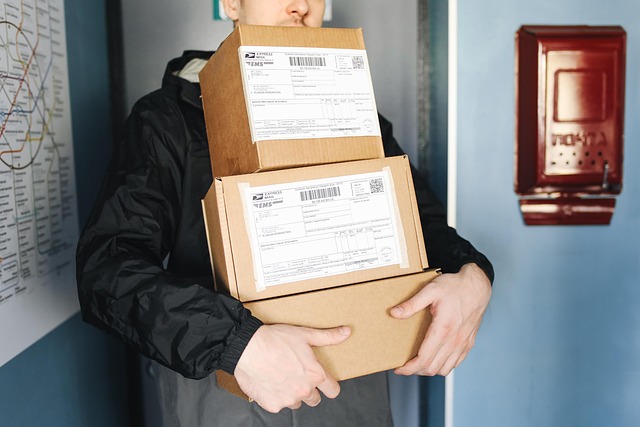
The delivery process mandates strict compliance checks at the point of drop-off. State laws prohibit couriers from leaving packages unattended, delivering to public property, or handing orders over to anyone other than the verified adult who placed the order. The physical transaction ends with a mandatory identity scan and payment processing before the driver hands you the package.
How do you verify if a delivery service is legal?
The most critical step in finding reliable weed delivery is ensuring the service holds an active, state-issued commercial cannabis license. Unlicensed operators run outside regulatory control, selling untested products that frequently contain unlisted synthetic additives, harmful pesticides, or inaccurate THC measurements.
To protect yourself, always verify a delivery service‘s license through your state’s official cannabis registry. In California, the DCC maintains a public online database where you can enter a business name or license number to verify its status. Legitimate operators prominently display their state license number (such as C10-XXXXXXX-LIC or C12-XXXXXXX-LIC) in their website footer and checkout pages.
Established marketplace platforms like Leafly aggregate verified storefronts and delivery operators, making it easier to review menu options alongside customer ratings. However, cross-referencing listed license numbers directly with state records provides the highest level of security.
Watch for specific red flags that indicate an illegal operator:
- No license number published: Legitimate services clearly list state and local license details on their main homepage.
- Interstate shipping offers: Federal law prohibits shipping cannabis across state lines via postal or commercial shipping carriers. Any site offering nationwide shipping for real Delta-9 THC flower or edibles is operating illegally.
- Orders taken via messaging apps: Unlicensed sellers frequently accept orders through Telegram, WhatsApp, or social media direct messages rather than a secure online checkout portal.
- Skipping ID verification: Licensed services are legally required to verify age during checkout and inspect government-issued photo ID in person upon arrival.
- Unpackaged or unlabelled products: Legal products arrive in child-resistant, tamper-evident packaging displaying official state universal cannabis symbols and lab testing summaries.
What are the steps to place your first delivery order?
Ordering cannabis delivery requires a few straightforward steps to ensure your order complies with state laws and arrives without delay.
- Confirm your delivery location: Ensure your delivery address is a private residential address or qualified private home. Couriers cannot deliver to federal land, state parks, university housing, public sidewalks, or commercial venues with active alcohol licenses.
- Prepare valid identification: Gather a valid, non-expired government-issued photo ID (such as a driver’s license, state ID card, military ID, or passport). You must be at least 21 years old for adult-use purchases, or 18 years or older with a valid medical cannabis recommendation. The name on your ID must match the account name on the order.
- Select a licensed operator and browse the menu: Choose a licensed delivery provider covering your zip code. Browse products including flower, pre-rolls, concentrates, vape cartridges, edibles, and topicals. Pay attention to individual item potency, total order quantities, and daily purchasing limits enforced by state law.
- Create an account and upload ID verification: Complete registration by uploading a clear photo of your government ID. Many licensed systems use automated verification software to confirm identity and age prior to order dispatch.
- Choose an accepted payment method: Select how you will pay at checkout. Because federal regulations restrict traditional credit card transactions for cannabis businesses, delivery services rely on cash, cashless ATM (debit with PIN), or integrated electronic bank transfers.
- Review fees and place your order: Confirm your cart meets any required minimum purchase amount, check applicable state and local excise taxes, and submit the order. You will receive an estimated delivery window via text or email.
- Meet the driver and complete the transfer: Remain at your designated residential address during the delivery window. When the driver arrives, present your physical photo ID for scanning, complete payment, inspect your sealed package, and sign for the delivery.
Which delivery model suits your needs best?
Cannabis delivery services operate under distinct operational models. Understanding how these models differ helps you choose the right option based on your schedule, selection preferences, and location.
| Delivery Model | Arrival Timeframe | Menu Breadth | Order Minimums | Ideal For |
|---|---|---|---|---|
| Storefront Dispensary Delivery | 1 to 4 hours (or scheduled windows) | Full inventory (1,000+ items) | Moderate ($30–$60) | Shoppers seeking niche strains, specific brand varieties, or full menu access. |
| Non-Storefront Express Delivery | 30 to 60 minutes | Curated selection (50–150 popular items) | Low to Moderate ($25–$50) | Customers wanting fast turnaround on everyday concentrates, edibles, or flower. |
| Scheduled Marketplace Aggregator | Next-day or chosen 2-hour window | Extensive multi-dispensary options | Varies by partner dispensary | Planners who want to schedule deliveries around work or personal availability. |
Who should avoid using cannabis delivery?
While delivery offers significant convenience and discretion, it is not the ideal choice for every situation or consumer.
- Shoppers requiring immediate fulfillment: If you need products within 15 to 20 minutes, visiting a local dispensary for in-store purchase or curbside pickup is faster than waiting for courier dispatch.
- Buyers who want physical product evaluation: Delivery does not allow you to inspect flower structure, evaluate aroma profiles, or view product packaging up close before purchasing.
- Individuals staying in restricted lodgings: Visitors staying in hotels, short-term rentals with zero-tolerance policies, college residence halls, or temporary housing where couriers cannot access private doors or meet in lobbies should choose dispensary pickup instead.
- Customers wanting to pay by standard credit card: Federal banking regulations prohibit credit card processors from handling cannabis transactions. If you do not have access to cash or a debit card, you will not be able to complete a delivery order.
What common problems happen during delivery and how do you fix them?
Even with established delivery networks, logistical issues can occur. Knowing how to handle common delays or errors prevents unnecessary frustration.

Driver delays and extended wait times
Traffic congestion, high demand periods (such as Friday evenings), and weather conditions can cause drivers to miss initial estimated delivery windows.
How to fix it: Most legal delivery services provide live GPS tracking links via SMS once the driver departs. Check your tracking link for real-time updates. If your delivery window expires without communication, call or message customer support directly with your order reference number to confirm driver status.
ID verification failures at the door
If your physical ID is expired, damaged so the barcode cannot scan, or does not match the name entered during online registration, drivers are legally required to refuse product handover.
How to fix it: Always verify that your account profile name matches your legal photo ID exactly before submitting an order. If you recently renewed your driver’s license, keep your official paper extension document alongside your photo card to present to the courier.
Payment disputes and change shortages
Couriers carry limited cash change for safety and regulatory reasons. If you pay with large bills ($50 or $100 notes) without prior notice, the driver may not have change to complete the transaction. Cashless ATM terminal connection drops can also prevent debit cards from processing at the door.
How to fix it: Keep exact cash on hand whenever possible, including any tip for your courier. If you intend to pay with debit, notify customer support in advance or enter a note in your order instructions to ensure the driver brings a working cashless ATM terminal.
Incorrect items or damaged product seals
Although licensed dispensaries use order verification checks, incorrect items or damaged security seals occasionally occur during packing or transport.
How to fix it: Inspect the outer package seal and item summary receipt immediately while the courier is present. If you notice a missing or incorrect product, alert the driver before signing. If you discover a product issue after the driver leaves, take clear photos of the sealed item, package batch label, and receipt, then contact customer support immediately for replacement or account credit.
How much does delivery cost, and how do payments work?
Understanding fee structures and payment mechanisms helps you avoid unexpected charges at checkout.
Delivery fees typically range from $3.99 to $7.50 for standard dispatch. Most operators waive the delivery fee entirely if your order reaches a minimum cart threshold, usually set between $25 and $50. Premium long-distance deliveries outside standard delivery zones may carry higher minimum order requirements or distance surcharges.
In addition to delivery fees, your total price reflects state and local taxes. In legal markets, order totals include state cannabis excise taxes, general sales tax, and local municipal cannabis business taxes. These taxes are calculated automatically during online checkout.
Because federal banking restrictions limit card processing options, delivery payments are completed through specific payment channels:
- Cash on delivery: The most universal payment method. Prepare physical cash in advance to avoid transaction delays.
- Cashless ATM (Debit card): Drivers carry mobile payment terminals that process debit card transactions in $10 increments, operating similarly to an ATM. Any change from rounded increments is returned to you in cash, though standard ATM processing fees ($2.50–$3.50) may apply.
- Integrated electronic bank transfers: Direct bank-to-bank electronic transfers via platforms like Aeropay allow checkout without handling cash at the door.
Tipping your delivery courier is customary, similar to food delivery services.
Many services offer loyalty points, first-time customer discounts, or medical patient savings. Always inquire about these when you sign up or place your order. For product insight and strain characteristics, review our guide on AZCS: Your Guide to Arizona Cannabis Society Deals & Products.
Frequently asked questions
Is weed delivery legal in all states?
No, weed delivery is not legal in all states. Legality varies by state legislation and individual municipal regulations. While most states with adult-use or medical cannabis programs allow delivery, local cities or counties may restrict or ban delivery operations within their borders. Always check your state and municipal laws and verify service licensing.
What documents do I need for weed delivery?
You need a valid, non-expired government-issued photo ID (such as a driver’s license, state ID, or passport) showing you are 21 years or older for adult-use purchases, or 18+ with an official medical recommendation. The physical ID must be presented in person upon delivery and must match the account holder’s name.
Can I get same-day cannabis delivery?
Yes, many licensed delivery dispensaries offer same-day delivery within 30 minutes to a few hours of placing an order. Same-day availability depends on operating hours, driver availability, local order volume, and your proximity to the delivery hub.
How much does weed delivery cost?
Standard delivery fees generally range between $3.99 and $7.50, but many services waive this fee if your order meets a minimum spend of $25 to $50. Final costs also include applicable state/local cannabis taxes and an optional driver tip.
Is cannabis delivery discreet?
Yes, licensed cannabis delivery services prioritize customer privacy. Drivers use unmarked personal or commercial vehicles without conspicuous cannabis branding, and products are packed inside opaque, sealed, child-resistant bags or unbranded boxes.

What to Know Before Visiting Zen Leaf Dispensaries

What is Sunnyside? Your Guide to This Cannabis Dispensary Chain

Maui Wowie Strain: Unearthing the Legendary Hawaiian Sativa

AmeriCanna Rx: Your Guide to Portland’s Premier Cannabis Dispensary

Haze Purple: Unveiling a Cannabis Cultivar’s Unique Appeal

Tropic Thunder Strain: An Uplifting Hybrid Experience
-
 Product Guides3 months ago
AmeriCanna Rx: Your Guide to Portland’s Premier Cannabis Dispensary
-
 Cannabis 1013 months ago
Haze Purple: Unveiling a Cannabis Cultivar’s Unique Appeal
-
 Cannabis 1013 months ago
Tropic Thunder Strain: An Uplifting Hybrid Experience
-

 Culture & Lifestyle3 months ago
Collective Efforts Sacramento CA: Your Premier Cannabis
-

 Cannabis 1013 months ago
Purple Runtz Strain: Unpacking Its Potency and Sweet Appeal
-

 Cannabis 1013 months ago
Medicann Clinics: Challenging the Conventional Patient Journey
-
 Cannabis 1013 months ago
Memory Loss Strain: Unveiling This Paradoxical Cannabis Hybrid
-

 Product Guides3 months ago
Your Guide to Cannabis Dispensaries Along Historic Route 66