Cannabinoids Explained
HHC Weed: Separating Fact from Market Hype
Many consumers are turning to HHC weed, seeking a legal alternative to Delta-9 THC. This guide cuts through the marketing to reveal what hexahydrocannabinol is, how it’s synthesized, its effects, and the critical safety considerations you need to understand.

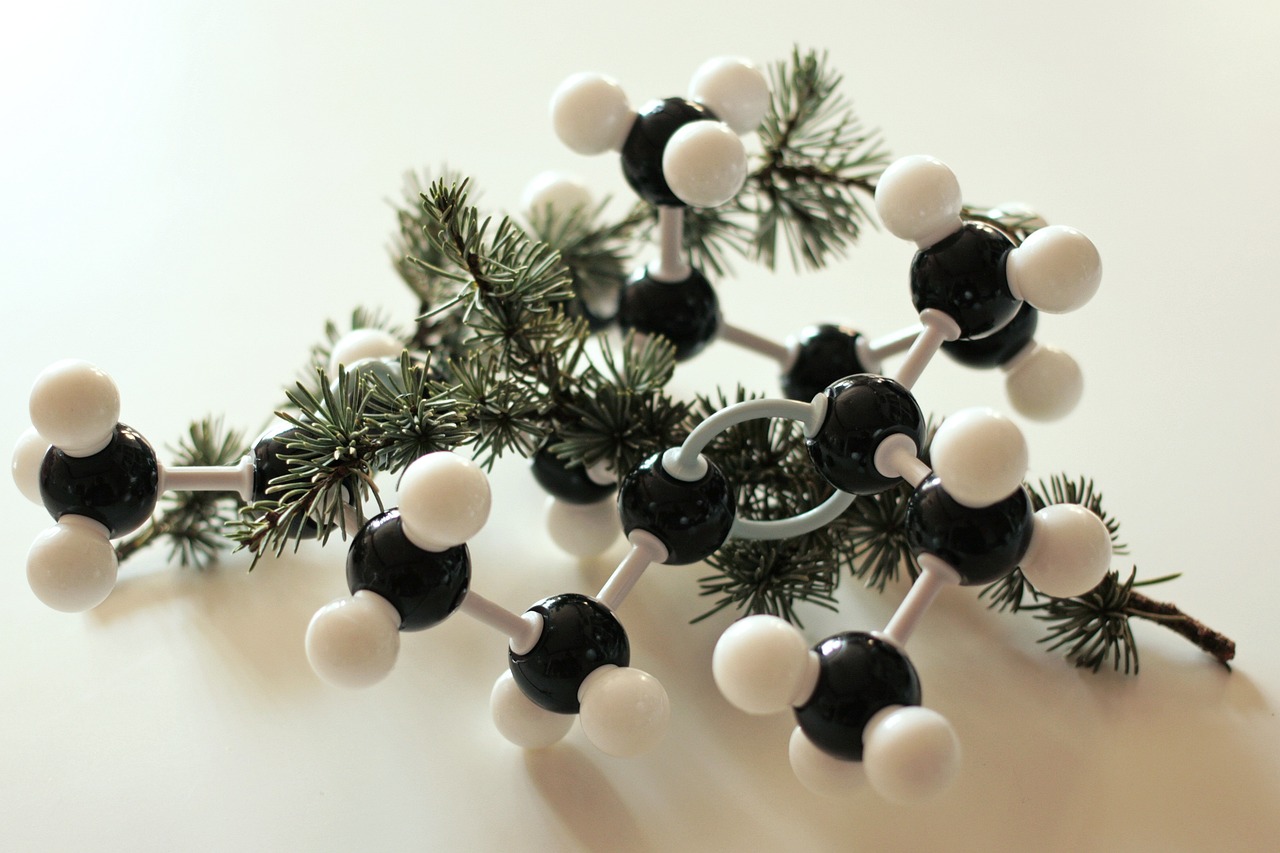
Most consumers searching for information on what is HHC weed are looking for a straightforward answer about its effects and legal standing. Yet, the reality of hexahydrocannabinol (HHC) is far more complex than simple marketing claims suggest, often existing in a legal gray area that compromises consumer safety and product consistency. While often touted as a ‘light’ or ‘legal’ form of weed, HHC is a semi-synthetic cannabinoid whose market presence raises significant questions about regulation and long-term health implications.
HHC, or hexahydrocannabinol, is a cannabinoid that has gained popularity as a hemp-derived alternative to traditional cannabis. Unlike Delta-9 THC, the primary psychoactive compound in marijuana, HHC is not found in significant concentrations naturally within the cannabis plant. Instead, it’s typically synthesized in a laboratory setting, most often from cannabidiol (CBD) extracted from legal hemp plants. When people refer to “HHC weed,” they are usually talking about hemp flower that has been infused or sprayed with HHC distillate, or other HHC products like vapes, edibles, and tinctures. It’s crucial to understand that HHC itself is not a naturally abundant component of “weed” in the way THC or CBD are; its market presence is entirely a result of chemical conversion.
The Science Behind HHC: Hydrogenation Explained
The creation of hexahydrocannabinol involves a chemical process known as hydrogenation. This is the same process used to turn vegetable oil into margarine, where hydrogen atoms are added to a compound’s molecular structure. In the case of HHC, CBD or sometimes Delta-8 THC is subjected to high pressure and a catalyst (such as palladium, platinum, or nickel) in the presence of hydrogen. This hydrogenation alters the chemical structure, breaking a double bond in the cannabinoid molecule and replacing it with two hydrogen atoms. The resulting molecule, HHC, is more stable and has a longer shelf life than its precursors. However, this process yields a mixture of different HHC isomers, primarily 9R HHC and 9S HHC. The ratio of these isomers can significantly impact the final product’s potency and effects, contributing to the variability seen in the market.
What Does HHC Feel Like? Effects and Potency
Users report that HHC produces psychoactive effects similar to Delta-9 THC, but often with a slightly different character. Many describe the HHC high as more uplifting, clear-headed, and less anxiety-inducing than Delta-9, while others find it to be a milder, more relaxing experience. The intensity of the effects can vary dramatically based on the product’s HHC concentration, the ratio of 9R to 9S isomers, and individual user tolerance. The 9R HHC isomer is believed to be more active, binding effectively to the cannabinoid receptors (CB1 and CB2) in the body’s endocannabinoid system, similar to THC. The 9S HHC isomer, in contrast, is thought to be less active. Products with a higher concentration of 9R HHC tend to be more potent. Due to the lack of standardization in manufacturing, the exact effects and potency of HHC products can be unpredictable, making consistent user experience challenging.
Navigating the HHC Market: Products and Consumption
The market for HHC products has expanded rapidly since its introduction, mirroring the diverse product lines seen with other hemp-derived cannabinoids. Consumers can find HHC in various forms, including vape cartridges, disposable vape pens, edibles (gummies, chocolates), tinctures, and even HTC-infused hemp flower. Each consumption method offers a different onset time and duration of effects. Vaping HHC provides rapid onset, typically within minutes, with effects lasting a few hours. Edibles, however, have a slower onset (30 minutes to 2 hours) but tend to produce longer-lasting and more intense effects. Tinctures offer a middle ground, with sublingual absorption leading to a relatively quick onset. The choice of product depends heavily on personal preference and desired experience.
The HHC Legality Labyrinth: A 2026 Overview
The legal status of HHC is complex and largely exploits a loophole in the 2018 Farm Bill. This federal legislation legalized hemp and its derivatives, provided they contain less than 0.3% Delta-9 THC on a dry weight basis. Since HHC is typically derived from hemp-sourced CBD and is not Delta-9 THC, many manufacturers argue it falls under this federal definition of legal hemp products. However, the legality remains contentious. Some states have explicitly banned or regulated synthetic and semi-synthetic cannabinoids, including HHC, effectively making it illegal within their borders. Others have taken a wait-and-see approach, leaving consumers and retailers in a gray area. As of August 2026, there’s no federal consensus or specific legislation addressing HHC, making interstate commerce and consumer protection a significant challenge. The lack of clear federal guidance creates a patchwork of state laws, making it difficult for consumers to discern what is legal where.
HHC vs. Other Cannabinoids: A Comparative Look
Understanding HHC often involves comparing it to its more well-known counterparts, particularly Delta-9 THC, Delta-8 THC, and CBD. Each cannabinoid interacts with the body’s endocannabinoid system in unique ways, producing distinct effects. HHC’s psychoactive profile is often placed between Delta-8 THC (milder) and Delta-9 THC (stronger). Many users find Delta-8 to be a more subtle, body-focused high, while Delta-9 is known for its potent cerebral effects. HHC typically offers a more balanced experience, though with significant product variability. CBD, in contrast, is non-intoxicating and primarily valued for its therapeutic potential without causing a ‘high.’ The key difference for HHC, beyond its effects, is its enhanced stability due to the hydrogenation process.
Safety Concerns and Unanswered Questions
Despite its growing popularity, significant safety concerns surround HHC due to the lack of complete research and regulatory oversight. The long-term health effects of consuming HHC are largely unknown, as most studies have been preclinical. The production process itself can be problematic. Unscrupulous manufacturers may use harsh chemicals or fail to properly purify the final product, leaving behind residual solvents, heavy metals, or unknown byproducts that could be harmful. The variability in the HHC isomer ratio (9R vs. 9S) means consumers can’t be certain of a product’s true potency or consistent effects. Unlike regulated cannabis markets, there are no federal standards for HHC product testing, labeling, or manufacturing practices. This absence of regulation puts the onus on consumers to find trustworthy brands, which can be difficult in a largely unregulated landscape.
How HHC Products Are Made and What to Look For
The journey from hemp to HHC product involves several crucial steps. It begins with extracting CBD from hemp, followed by the hydrogenation process to convert CBD into HHC. The resulting HHC distillate is then incorporated into various product formats. For example, to make HTC-infused flower, the distillate is sprayed onto dried hemp buds. For vapes, it’s mixed with carrier oils and terpenes. When considering HHC products, always prioritize third-party lab testing. Reputable brands will provide a Certificate of Analysis (COA) for each batch, detailing the cannabinoid profile (including HHC and Delta-9 THC levels), and confirming the absence of contaminants like heavy metals, pesticides, and residual solvents. Without a COA, you are essentially purchasing a product with unknown contents and potential risks. Look for brands that are transparent about their sourcing and manufacturing processes.
Comparing HHC with Delta-9 THC and Delta-8 THC
To truly understand HHC, it helps to see how it stacks up against the more established cannabinoids. This comparison highlights the unique properties and market position of HHC.
| Feature | HHC (Hexahydrocannabinol) | Delta-9 THC (Traditional THC) | Delta-8 THC (Delta-8 Tetrahydrocannabinol) |
|---|---|---|---|
| Origin | Semi-synthetic (hydrogenated from CBD/Delta-8) | Natural (primary psychoactive in cannabis) | Semi-synthetic (converted from CBD/Delta-9) |
| Psychoactive Potency | Moderate (often between Delta-8 and Delta-9) | High (strongest psychoactive cannabinoid) | Mild (less potent than HHC or Delta-9) |
| Legal Status (Federal, US, 2026) | Gray area; generally considered hemp-derived, but state-specific bans exist. | Federally illegal above 0.3% in hemp; legal in many states for medical/recreational use. | Gray area; generally considered hemp-derived, but state-specific bans exist. |
| Molecular Stability | High; longer shelf life due to hydrogenation. | Moderate; prone to degradation over time (oxidation). | Moderate; prone to degradation over time. |
| Regulatory Oversight | Minimal to none; consumer protection is limited. | Highly regulated in legal states; FDA oversight for pharmaceuticals. | Minimal to none; consumer protection is limited. |
Pros and Cons of HHC Consumption
Like any cannabinoid, HHC comes with its own set of advantages and disadvantages that consumers should weigh carefully.
Pros
- Legal Accessibility: Often available in states where Delta-9 THC is illegal, providing an alternative for those seeking psychoactive effects.
- Unique Effects Profile: Many users report a clear-headed, uplifting high that can be less anxiety-inducing than traditional THC.
- Enhanced Stability: HHC’s hydrogenated structure makes it more resistant to oxidation and degradation, potentially extending product shelf life.
- Potential for Milder Experience: Can offer a less intense high compared to Delta-9 THC, suitable for users seeking a more controlled experience.
Cons
- Lack of Regulation: Products are often unregulated, leading to inconsistent quality, purity, and potency, and potential presence of harmful contaminants.
- Unknown Long-Term Effects: Complete human studies on HHC are scarce, meaning the long-term health implications are not understood.
- Variable Potency: Differences in isomer ratios and manufacturing processes mean effects can be unpredictable from one product or batch to another.
- Drug Test Concerns: While not Delta-9 THC, HHC metabolites may trigger positive results on drug tests, particularly those designed to detect a broad range of cannabinoids.
Common Misconceptions and Risks
One prevalent misconception is that HHC is inherently safer than Delta-9 THC simply because it’s derived from hemp or marketed as ‘light.’ This ignores the crucial fact that its synthesis lacks the stringent regulatory oversight applied to pharmaceutical products or even recreational cannabis in legal markets. The primary risk isn’t necessarily HHC itself, but the unregulated environment in which it’s produced and sold. Consumers often assume HHC products undergo rigorous testing, but this is rarely the case outside of a few reputable brands. The absence of federal standards means that products can contain inaccurate cannabinoid concentrations, undisclosed cutting agents, or harmful byproducts from the chemical conversion process. The idea that HHC won’t show up on a drug test is a dangerous gamble; while the metabolites might differ, many standard drug screens are not specific enough to differentiate, potentially leading to failed tests.
Expert Insights for Responsible HHC Use
Given the current market landscape, responsible HHC use requires heightened vigilance. As an expert who has observed the cannabinoid market evolve since the 2018 Farm Bill, I advise prioritizing transparency and verifiable testing. Always seek out brands that openly publish their third-party lab results (COAs) for every product batch. These reports should detail not just cannabinoid content but also screenings for heavy metals, pesticides, and residual solvents. If a brand can’t provide this, it’s best to avoid their products. Start with a very low dose, especially if you are new to HHC or trying a new product, due to the variability in potency. Pay close attention to your body’s reaction before increasing your intake. Understand that while HHC may offer an alternative, it comes with a unique set of unknowns that necessitate a cautious and informed approach. For those seeking more controlled and quality-assured experiences, exploring regulated cannabis markets (where legal) or well-vetted CBD products might be a more prudent choice. AZCS: Your Guide to Arizona Cannabis Society Deals & Products for more on distinguishing reputable cannabinoid brands.
Frequently Asked Questions
Does HHC show up on a drug test?
it’s possible for HHC to trigger a positive result on a drug test. While HHC is not Delta-9 THC, its metabolites can be structurally similar enough to THC metabolites that standard drug screens may not differentiate them, leading to a false positive.
Is HHC legal in all states?
No, HHC is not legal in all states. While it may be federally compliant under the 2018 Farm Bill, many states have enacted specific legislation to ban or regulate HHC and other semi-synthetic cannabinoids, creating a complex and varying legal landscape.
How is HHC different from Delta-8 THC?
HHC is different from Delta-8 THC primarily due to its hydrogenated molecular structure, which makes it more stable and gives it a distinct psychoactive profile. While both are milder than Delta-9 THC, HHC is often described as slightly more potent than Delta-8.
What are the potential side effects of HHC?
Reported side effects of HHC can include dry mouth, red eyes, increased heart rate, anxiety, and paranoia, similar to other psychoactive cannabinoids. Due to limited research, the full spectrum of potential side effects, especially long-term, is not yet known.
Can HHC be considered natural?
HHC is best described as a semi-synthetic cannabinoid. While it’s derived from naturally occurring compounds like CBD found in hemp, it undergoes a significant chemical alteration (hydrogenation) in a lab to be produced in quantities sufficient for commercial products.
How potent is HHC compared to Delta-9 THC?
HHC is generally considered to be less potent than Delta-9 THC, though more potent than Delta-8 THC. Its effects are often described as being around 70-80% the strength of Delta-9, but this can vary significantly based on the specific HHC isomer ratio in a product.
Conclusion
HHC weed represents a fascinating, yet complex, development in the evolving cannabinoid market. While it offers a psychoactive experience that many find appealing, its unregulated nature and the absence of extensive research demand a cautious approach. Consumers must prioritize verifiable lab testing and transparency from brands to mitigate the inherent risks. Ultimately, making informed choices about HHC means looking beyond the ‘legal weed’ label and understanding the science, the market, and the critical gaps in safety oversight. Information current as of August 2026; pricing and product details may change.













Cannabinoids Explained
Arete Hemp: Unpacking Their Unique Approach to Cannabinoids
Arete Hemp has carved out a distinct niche in the hemp-derived cannabinoid market by focusing on high-quality THCa flower, CBD, and other minor cannabinoids. This article explores their offerings, commitment to transparency, and what makes them a notable choice for consumers.
Most readers searching for Arete Hemp want to understand what sets this brand apart in a crowded cannabinoid market. For many, it’s about finding reliable, high-quality hemp products that genuinely deliver on their promises, especially when exploring beyond traditional CBD. Arete Hemp has indeed distinguished itself, carving a significant niche by prioritizing specific cannabinoid profiles and offering a diverse product line that appeals to both newcomers and seasoned enthusiasts.
Key Takeaways
- Arete Hemp specializes in a wide range of hemp-derived cannabinoids, including high-quality THCa flour and various CBD products.
- The brand emphasizes transparency through complete third-party lab testing (COAs) for all its products, crucial for consumer trust and safety.
- Their unique selling proposition often lies in offering exotic and potent THCa flower strains that closely mimic traditional cannabis experiences while adhering to federal hemp guidelines.
- Choosing the right Arete Hemp product depends on individual needs, desired effects, and understanding the specific cannabinoid profiles.
- Customers should always verify local regulations regarding hemp-derived products, as laws can vary significantly by state and municipality.
What is Arete Hemp and Why It Matters
Arete Hemp isn’t just another name in the vast ocean of hemp brands; it’s a prominent online vendor known for its commitment to high-quality, hemp-derived cannabinoid products. They specialize in a diverse range, from popular CBD oils and edibles to more niche offerings like high-tech flower and various minor cannabinoid extracts. The brand’s philosophy centers on providing carefully cultivated and processed hemp, aiming for purity, potency, and a consistent user experience. This focus matters because the hemp market can be inconsistent. Consumers often struggle to find products that are accurately labeled and free from contaminants. Arete Hemp addresses this by emphasizing rigorous quality control and providing detailed information about their sourcing and processing methods. They offer a transparent window into what you’re consuming.
Navigating Arete Hemp’s Diverse Product Lineup
One of the core strengths of Arete Hemp is its extensive product catalog. They cater to a broad spectrum of preferences, whether you’re seeking the calming effects of CBD or the more pronounced experiences of THCa. Their offerings include:
- Hemp Flower: This is arguably where Arete Hemp shines, particularly with their high-tech flower strains. These varieties offer a unique experience, as THCa (tetrahydrocannabinolic acid) converts to Delta-9 THC when heated, providing effects similar to traditional cannabis, all while adhering to the legal definition of hemp (under 0.3% Delta-9 THC by dry weight).
- CBD Products: From full-spectrum tinctures and capsules to soothing topicals and delicious edibles, their CBD range is complete. They offer various potencies and formulations designed for different needs, such as relaxation, pain management, or sleep support.
- Concentrates and Vapes: For those who prefer more potent or fast-acting methods, Arete Hemp provides a selection of concentrates like live resin, crumble, and vape cartridges. These are often rich in specific cannabinoids and terpenes.
- Edibles: Gummies, chocolates, and other infused treats offer a discreet and enjoyable way to consume cannabinoids, with effects that typically last longer.
When exploring their inventory, it’s helpful to consider you’re desired outcome. Are you looking for relief without intoxication? CBD products are your go-to. If you’re seeking a more recreational or solid effect within legal hemp guidelines, their THCa flower is a strong contender.
The Critical Role of Lab Testing and Transparency
In the unregulated cannabinoid market, trust is paramount. Arete Hemp addresses this by placing a significant emphasis on third-party lab testing, a non-negotiable standard for any reputable hemp vendor. Every product batch undergoes rigorous analysis by independent laboratories to verify cannabinoid potency and ensure the absence of harmful contaminants like heavy metals, pesticides, and residual solvents. These Certificates of Analysis (COAs) are typically accessible on their website for each product. This level of transparency allows consumers to independently verify what they are purchasing, from the exact percentage of THCa or CBD to confirming that Delta-9 THC levels remain below the federal limit of 0.3%. According to the U.S. Department of Agriculture (USDA) guidelines for hemp production, such testing is crucial for legal compliance and consumer safety.
“Verifying third-party lab results isn’t just a recommendation; it’s an essential step for any responsible cannabinoid consumer. It’s your direct insight into a product’s purity and potency.”
Choosing the Right Arete Hemp Product: A Buying Guide
With so many options, selecting the ideal Arete Hemp product can feel overwhelming. Here’s a structured approach to guide your choice:
- Identify Your Goal: Are you seeking relaxation, pain relief, sleep aid, or a recreational experience? Your primary objective will narrow down the cannabinoid type (e.g., CBD for general wellness, THCa for a more potent effect).
- Consider Consumption Method: Flower for smoking/vaping offers fast onset; tinctures allow for precise sublingual dosing; edibles provide longer-lasting effects but slower onset; topicals target localized issues.
- Review Cannabinoid Profile: Check the COA for the specific percentages of CBD, THCa, CBG, CBN, and other minor cannabinoids. Some strains are higher in specific terpenes that can influence effects (e.g., Myrcene for relaxation, Limonene for uplift).
- Start Low and Go Slow: Especially if you’re new to cannabinoids or a specific product, begin with a small dose and gradually increase until you find your desired effect. This is crucial for managing individual tolerance.
- Check Legal Status: Always verify that the specific cannabinoid product you’re interested in is legal in your state or municipality. While federally compliant, local laws vary.
For beginners, starting with a low-potency CBD tincture or edible is often recommended before exploring more potent options like THCa flower.
Arete Hemp vs. The Market: What Sets Them Apart
In a burgeoning industry, Arete Hemp distinguishes itself through several key factors:
| Feature | Arete Hemp Approach | Typical Market Competitor |
|---|---|---|
| THCa Flower Focus | Extensive, high-quality, exotic strains with detailed terpene profiles. | Limited selection, often generic strains, less emphasis on THCa. |
| Transparency (COAs) | Readily available, detailed third-party lab reports for every batch. | Often generic or outdated COAs, sometimes difficult to find. |
| Product Diversity | Wide range: THCa flower, CBD flower/oils/edibles, concentrates, minor cannabinoids. | May focus heavily on one area (e.g., only CBD) or have a smaller, less varied catalog. |
| Cultivation Practices | Often highlights organic or sustainable practices, small-batch quality. | Less information on cultivation, potentially larger scale with less oversight. |
| Customer Support | Generally responsive and knowledgeable, active community engagement. | Varies widely, from excellent to non-existent. |
Their focus on high-quality THCa flower, in particular, sets them apart from many brands that primarily offer low-THC CBD products. This appeals to consumers seeking a legal alternative to cannabis that still offers a solid experience.
Common Mistakes to Avoid with Arete Hemp Products
Even with high-quality products like those from Arete Hemp, consumers can make mistakes that diminish their experience or raise concerns:
- Ignoring Lab Results: Trusting a brand’s claims without reviewing the COA is a common pitfall. Always check the third-party lab reports to confirm potency and purity.
- Incorrect Dosing: Starting with too high a dose, especially for potent THCa flower or concentrates, can lead to overwhelming effects. Begin with a minimal amount and patiently gauge your reaction.
- Misunderstanding Cannabinoid Effects: Assuming all hemp products will have the same effect. CBD is non-intoxicating, while THCa, when carboxylated (heated), will produce intoxicating effects. Knowing the difference is crucial.
- Neglecting Storage: Proper storage is vital for preserving the potency and freshness of hemp products. Exposure to light, heat, and air can degrade cannabinoids and terpenes. Store flower in airtight containers in a cool, dark place, and tinctures away from direct sunlight.
These simple steps can significantly enhance your experience and ensure you’re getting the most out of your purchase.
Expert Insights for Maximizing Your Arete Hemp Experience
Having navigated the cannabinoid market for several years, I’ve observed that the key to a satisfying experience with brands like Arete Hemp lies in informed decision-making and mindful consumption. Firstly, don’t just chase the highest THCa percentage. Terpene profiles play a massive role in the overall effect, often referred to as the ‘entourage effect.’ A strain with a balanced cannabinoid and terpene profile might offer a more nuanced and enjoyable experience than one with just sky-high THCa. Secondly, consider the method of consumption for different times of the day. Vaping a THCa concentrate might be ideal for rapid onset and a clear-headed experience, while a CBD edible could be perfect for sustained relief or relaxation before bed. Think of your cannabinoid products as tools, each suited for a specific purpose. Lastly, keep a simple journal of your experiences—product, dosage, method, and effects—to fine-tune what works best for your unique physiology.
Frequently Asked Questions
Is Arete Hemp legitimate and safe?
Yes, Arete Hemp is considered a legitimate and reputable brand within the hemp industry. They prioritize third-party lab testing for all their products, making Certificates of Analysis (COAs) readily available to verify purity, potency, and compliance with federal hemp regulations, ensuring consumer safety.
What kind of products does Arete Hemp offer?
Arete Hemp offers a broad range of hemp-derived cannabinoid products. This includes high-tech hemp flower, various CBD products like tinctures, edibles, and topicals, as well as potent concentrates and vape cartridges. They aim to cater to diverse needs and preferences.
Are Arete Hemp’s THCa products legal?
Arete Hemp’s THCa products are derived from hemp and comply with the 2018 Farm Bill, which defines hemp as cannabis with less than 0.3% Delta-9 THC by dry weight. While THCa itself is not Delta-9 THC, it converts upon heating. Consumers should still verify local and state laws, as regulations can vary.
How do I check Arete Hemp’s lab results?
You can typically find the Certificates of Analysis (COAs) for Arete Hemp’s products directly on their website. Look for a dedicated ‘Lab Results’ or ‘COA’ section, or check the product page itself. Each COA will correspond to a specific batch number, detailing cannabinoid content and contaminant screenings.
What is the average price range for Arete Hemp flower?
The price for Arete Hemp flower can vary significantly based on the strain, potency, and quantity purchased. Generally, you can expect prices to range from around $40 to $120 per ounce for their premium THCa and CBD flower strains, with special promotions potentially offering better value.
Does Arete Hemp ship to all states?
Arete Hemp typically ships to most states where hemp-derived products are legal. However, due to evolving state-specific regulations regarding certain cannabinoids like THCa or Delta-8, there may be restrictions for specific products or destinations. Always check their shipping policy and your local laws before ordering.
What’s the difference between THCa and CBD in Arete Hemp products?
THCa is the acidic precursor to Delta-9 THC, found abundantly in raw cannabis and hemp. When heated, THCa carboxylates into intoxicating Delta-9 THC. CBD, on the other hand, is a non-intoxicating cannabinoid known for its therapeutic effects without causing a ‘high.’ Arete Hemp offers both, catering to different user needs. Ultimately, navigating the world of hemp-derived cannabinoids requires careful consideration, and Arete Hemp offers a compelling option for those seeking quality and transparency. By understanding their product range, the importance of lab testing, and how to make informed choices, you’re well-equipped to explore what they have to offer. Remember to always prioritize personal well-being and legal compliance in your cannabinoid journey. Information current as of August 2026; pricing and product details may change.




Cannabinoids Explained
CBD Cartridge Essentials: Your Guide to Vaping CBD
Most readers searching for ‘cbd cartridge’ want to know how to choose and use these popular CBD products safely and effectively. This guide demystifies the options and provides practical tips.

A common frustration for those new to CBD vaping is the sheer volume of options and the lack of clear, concise guidance on what truly matters when choosing a cbd cartridge. Many beginners simply pick the first option they see, often leading to a less-than-ideal experience or wasted money. Understanding the nuances, from the type of CBD oil to the hardware itself, is crucial for a satisfying and effective journey.
Key Takeaways
- CBD cartridges offer rapid effects due to the high bioavailability of vaping, making them popular for quick relief.
- Distinguish between full-spectrum, broad-spectrum, and CBD isolate cartridges based on your desired cannabinoid profile and any THC sensitivity.
- Prioritize cartridges made with high-quality materials like ceramic coils and a standard 510-thread for optimal performance and safety.
- Always verify product quality by reviewing third-party lab reports (Certificates of Analysis) to confirm potency and purity.
- Proper storage and basic troubleshooting can significantly extend the life and performance of your CBD vape cartridge.
What Exactly is a CBD Cartridge? Unpacking the Basics
A CBD cartridge is a pre-filled container holding CBD oil designed for vaporization. These compact units typically consist of a glass or plastic reservoir, a heating element (coil), and a mouthpiece. They are engineered to attach seamlessly to a compatible battery, most commonly a ‘510-thread’ battery, which powers the heating element. When activated, the heating element gently vaporizes the CBD oil, allowing users to inhale the cannabinoid. This method bypasses the digestive system, leading to quicker absorption into the bloodstream compared to edibles or tinctures. It’s a convenient and discreet way to consume CBD, favored for its ease of use and portability. The CBD oil inside these cartridges is usually a concentrated extract derived from industrial hemp, ensuring it contains minimal to no THC, the psychoactive compound found in cannabis. Cbd cartridge allows users to experience the potential therapeutic benefits of CBD without any intoxicating effects.
The Science Behind the Vapor: How CBD Cartridges Work
The efficiency of a CBD vape cart lies in its delivery mechanism. When you activate your vape pen, the battery sends power to the atomizer within the cartridge. This atomizer, which houses the heating coil, rapidly heats the CBD oil to a specific temperature, converting it into an inhalable vapor. Inhaling CBD vapor allows the cannabinoids to enter the lungs, where they are quickly absorbed into the bloodstream through the vast network of capillaries. This direct route to the circulatory system results in high bioavailability, meaning a greater percentage of the CBD reaches your system compared to oral ingestion. For many, this translates to faster onset of effects, often within minutes. The rapid absorption makes CBD vape pens and cartridges popular for individuals seeking immediate relief from various discomforts. The effects tend to be noticeable quickly, though they might not last as long as orally ingested CBD, which undergoes a slower, sustained release.
Decoding CBD Types: Full-Spectrum, Broad-Spectrum, and Isolate Cartridges
The type of CBD extract within your cartridge significantly influences your experience. Understanding the differences between full-spectrum, broad-spectrum, and CBD isolate is key to choosing the right CBD oil cartridge for your needs. Full-spectrum CBD cartridges contain all the naturally occurring compounds found in the hemp plant, including other cannabinoids (like CBG, CBN, CBC), terpenes, and flavonoids, alongside CBD. Crucially, they also contain trace amounts of THC (up to 0.3% federally legal limit). This combination is believed to produce the ‘entourage effect,’ where the compounds work synergistically to enhance therapeutic benefits. Broad-spectrum CBD cartridges offer a similar profile to full-spectrum but have undergone an additional process to remove all detectable traces of THC. This is an excellent option for users who want to experience the entourage effect without any concern for THC, whether due to personal preference or drug testing requirements. CBD isolate cartridges contain 99% pure CBD, with all other cannabinoids, terpenes, and plant compounds removed. This is ideal for those who are sensitive to other cannabinoids, have strict zero-THC policies, or simply prefer the singular effects of CBD. While it lacks the entourage effect, it provides a potent dose of pure CBD.
Beyond the Oil: Understanding Cartridge Hardware
While the CBD oil itself is paramount, the hardware of your CBD vape cart plays a critical role in performance and safety. Most cartridges use a standard 510-thread connection, making them compatible with a wide range of vape batteries. However, the internal components vary significantly. Modern cartridges often feature ceramic heating elements, such as those found in CCELL technology, which are designed for even heating and better flavor preservation compared to older wick-based systems. Ceramic coils prevent dry hits and burnt tastes, offering a smoother vaping experience. Some cartridges may still use cotton or silica wicks, which can sometimes lead to inconsistent vapor or a burnt flavor if the oil runs low. The material of the cartridge reservoir also matters. Glass is generally preferred for its inertness and inability to react with the oil, preserving purity and flavor. Plastic cartridges, while more durable, can sometimes leach chemicals into the oil over time, especially with certain terpene profiles, though this is less common with high-quality, medical-grade plastics.
Choosing Your Ideal CBD Cartridge: A Practical Guide
Selecting the right CBD cartridge involves more than just picking a flavor. Consider these factors to ensure you make an informed choice:
- Potency: CBD cartridges come in various strengths, typically measured in milligrams (mg) of CBD. Beginners might start with lower potency (e.g., 200-500mg) and gradually increase as needed.
- Ingredients: Beyond CBD, check the ingredient list for carrier oils (like MCT, PG, or VG) and natural terpenes. Avoid cartridges with artificial additives, vitamin E acetate, or unknown thinning agents, as these can be harmful when vaped.
- Third-Party Lab Reports (COAs): Always look for a Certificate of Analysis from an independent, accredited lab. This document verifies the CBD content, confirms the absence of heavy metals, pesticides, residual solvents, and ensures THC levels are compliant.
- Terpene Profiles: Terpenes not only contribute to flavor and aroma but can also enhance CBD’s effects. Some cartridges list specific terpene profiles (e.g., indica, sativa, hybrid-like effects) that can guide your choice based on desired outcomes.
- Brand Reputation: Opt for reputable brands known for transparency and quality. Read reviews and check their website for information on hemp sourcing and manufacturing practices.
Mastering Your Vape: How to Use and Maintain Your CBD Cartridge
Using a CBD vape pen with a cartridge is straightforward, but proper technique and maintenance can enhance your experience and prolong the life of your products. Most CBD vape pen batteries are draw-activated or have a single button. If button-activated, typically five clicks turn it on/off, and two or three clicks cycle through voltage settings. Start with the lowest voltage setting to avoid burning the oil and to preserve flavor. Take slow, gentle draws, holding the vapor in for a few seconds before exhaling to maximize absorption. For maintenance, store your CBD cartridge upright in a cool, dark place away from direct sunlight and extreme temperatures, which can degrade the oil. Keep the battery charged, and clean the contact points between the cartridge and battery periodically with a cotton swab and rubbing alcohol to ensure a good connection. Avoid over-tightening the cartridge onto the battery, as this can damage the connection.
Common Hurdles: Troubleshooting CBD Cartridge Issues
Even with high-quality products, you might encounter minor issues with your CBD vape pen cartridge. Here are common problems and practical solutions:
- Clogging: This is a frequent issue, especially with thicker CBD oils or in colder temperatures. Try pre-heating your cartridge on a low setting for a few seconds before drawing, or take a few gentle, primer puffs without activating the battery. A toothpick can carefully clear blockages in the mouthpiece.
- Burnt Taste: A burnt taste usually indicates the coil is dry, the voltage is too high, or the cartridge is running low on oil. Ensure your cartridge is adequately filled, lower your battery’s voltage setting, and take shorter, less frequent draws to allow the coil to re-saturate with oil.
- Weak Vapor Production: If you’re getting little to no vapor, check if your battery is charged and properly connected to the cartridge. Ensure the contact points are clean. Sometimes, a faulty cartridge or an expired battery may be the culprit.
- Leaking: Leaking can occur if the cartridge is overfilled, stored improperly (e.g., on its side in a warm car), or if it has a manufacturing defect. Store upright and avoid extreme temperature fluctuations. If it continues to leak, it may be time to replace the cartridge.
The Bigger Picture: Safety, Legality, and Responsible Use
While CBD products are widely considered safe, responsible use is crucial. Potential side effects of vaping CBD can include dry mouth, drowsiness, or changes in appetite. If you’re on other medications, consult a healthcare professional before incorporating CBD, as it can interact with certain drugs. The legality of CBD vape cartridges generally aligns with broader CBD regulations. In the United States, federally legal CBD products must be derived from hemp and contain less than 0.3% Delta-9 THC. However, state laws can vary, so always check local regulations. For a deeper dive into these nuances, explore on CBD Laws & Regulations. Environmentally, the disposal of vape cartridges can be a concern. Many components are not easily recyclable. Look for brands that offer recycling programs or dispose of used cartridges responsibly according to local e-waste guidelines. This often means separating the battery from the cartridge and disposing of each appropriately.
How to Verify Quality: A Step-by-Step Guide to COAs
Ensuring the quality and safety of your CBD cartridge hinges on scrutinizing its Certificate of Analysis (COA). Here’s how to do it:
- Locate the COA: Reputable brands will provide a COA on their website, often accessible via a QR code on the product packaging.
- Check for Accreditation: Verify that the lab is ISO 17025 accredited. This signifies competence and reliability in testing.
- Match Product to Report: Ensure the batch number or product ID on the COA matches your specific CBD cartridge. COAs are batch-specific.
- Verify Cannabinoid Profile: Confirm the CBD content matches the label claims. Also, check for THC levels; for hemp-derived products, it should be below 0.3% Delta-9 THC.
- Screen for Contaminants: Look for sections testing for heavy metals (lead, mercury, cadmium, arsenic), pesticides, residual solvents (from the extraction process), and microbial contaminants (mold, bacteria). Ensure all are below detectable or safe limits.
- Review Terpene Profile (Optional): If your cartridge claims a specific terpene profile, this section will confirm its presence and concentration.
This diligent review process, as highlighted in on Lab Testing & Quality, protects you from mislabeled or contaminated products.
Comparison: CBD Cartridge Types
| Feature | Full-Spectrum CBD Cartridge | Broad-Spectrum CBD Cartridge | CBD Isolate Cartridge |
|---|---|---|---|
| Cannabinoid Profile | CBD + minor cannabinoids + terpenes + up to 0.3% THC | CBD + minor cannabinoids + terpenes (THC removed) | 99% Pure CBD (no other cannabinoids/terpenes) |
| Entourage Effect | Yes, strong potential | Yes, moderate potential | No |
| THC Content | Trace amounts (<0.3%) | Non-detectable | 0% |
| Ideal For | Users seeking full plant benefits, not sensitive to trace THC | Users wanting entourage effect without THC | Users needing pure CBD, sensitive to other cannabinoids, or subject to drug tests |
| Flavor/Aroma | Often more natural, earthy | Natural, varied by terpenes | Generally flavorless, or added botanical terpenes |
Pros & Cons of Vaping CBD with Cartridges
Using a CBD cartridge offers distinct advantages, but it’s important to consider the potential drawbacks as well.
Pros
- Rapid Onset: Effects are felt quickly, often within minutes, due to direct lung absorption.
- High Bioavailability: More CBD reaches the bloodstream compared to oral methods.
- Convenient & Discreet: Easy to use on-the-go with minimal setup and subtle vapor production.
- Precise Dosing: Easier to control intake with measured puffs than some other methods.
- Flavor Variety: Many options available with natural or botanical terpene profiles.
Cons
- Shorter Duration of Effects: Effects may dissipate faster than edibles or tinctures.
- Initial Investment: Requires purchasing a compatible battery in addition to cartridges.
- Potential for Hardware Issues: Risk of clogging, leaking, or battery malfunctions.
- Lung Irritation: Vaping, while generally safer than smoking, can still irritate some individuals’ lungs.
- Environmental Impact: Disposable cartridges contribute to electronic waste.
Common Mistakes to Avoid When Using CBD Cartridges
Even experienced users can fall into common traps. Avoiding these can ensure a smoother, more effective CBD vaping experience.
- Using an Incompatible Battery: Not all vape batteries are created equal. Ensure your battery’s voltage range is compatible with your CBD cartridge. Using too high a voltage can burn the oil and damage the coil, while too low a voltage won’t produce sufficient vapor. Always check the cartridge’s recommended voltage.
- Ignoring Storage Conditions: Leaving your CBD cartridge in a hot car or direct sunlight can degrade the cannabinoids and terpenes, altering the oil’s consistency and potency. Store it upright in a cool, dark place to maintain its integrity.
- Not Checking Lab Reports: Skipping the COA review is a significant oversight. Without it, you can’t verify the product’s CBD content, nor can you confirm the absence of harmful contaminants. This is your primary tool for ensuring product safety and quality.
- Over-Puffing: Taking excessively long or frequent draws can overheat the coil, leading to a burnt taste and potentially shortening the cartridge’s lifespan. Pacing yourself with moderate puffs allows the coil to cool and re-saturate.
- Disregarding Expiration Dates: CBD oil, like any organic product, has a shelf life. While cartridges don’t typically expire quickly, using a product well past its best-by date can result in diminished potency and an altered flavor profile.
Expert Tips for a Superior CBD Vaping Experience
Beyond the basics, these insights can elevate your CBD cartridge experience to the next level. In my experience working with various vape technologies, coil quality is often overlooked. Investing in cartridges with advanced ceramic coils, even if slightly pricier, tends to deliver a consistently smoother draw and better flavor retention throughout the cartridge’s life. Brands that openly state their coil material and design are often a good sign of quality. Consider the viscosity of the CBD oil. Thicker oils, often rich in natural terpenes, may perform better with batteries that offer a pre-heat function. This gently warms the oil, making it easier for the coil to vaporize without clogging. If you find your cartridge struggling in cooler environments, a quick pre-heat cycle can make a noticeable difference. For those sensitive to flavors, opt for cartridges that use natural, hemp-derived terpenes rather than artificial flavorings. These often provide a more authentic and less overwhelming taste. Some brands even offer strain-specific terpene profiles, allowing you to tailor your experience to specific moods or desired effects, much like traditional cannabis strains.
Frequently Asked Questions
How long does a CBD cartridge last?
The lifespan of a CBD cartridge varies significantly based on its size (typically 0.5ml or 1ml), the CBD concentration, and your frequency of use. A 0.5ml cartridge might last a casual user 1-2 weeks, while a frequent user could go through it in a few days. Larger 1ml cartridges will naturally last longer.
Can CBD cartridges get you high?
No, CBD cartridges derived from industrial hemp and containing less than 0.3% Delta-9 THC won’t get you high. CBD is non-intoxicating and doesn’t produce the euphoric effects associated with THC. Always check third-party lab reports to confirm THC levels.
What is a 510-thread battery?
A 510-thread battery is a universal standard for vape pen batteries. The ‘510’ refers to the specific threading size and pin configuration that allows it to connect with a wide array of pre-filled CBD and THC cartridges, making it highly versatile and popular in the vaping industry.
How should I store my CBD vape cartridge?
Store your CBD vape cartridge upright in a cool, dark place, away from direct sunlight, extreme heat, or freezing temperatures. This helps prevent oil degradation, maintains potency, and minimizes the risk of leaks or clogs. A drawer or cupboard is usually ideal.
Are CBD vape cartridges legal everywhere?
While federally legal in the United States if derived from hemp and containing less than 0.3% Delta-9 THC, state and local laws vary. Some states have stricter regulations on CBD products, including vaping. Always check your specific local laws before purchasing or using a CBD cartridge.
What should I do if my CBD cartridge is clogged?
If your CBD cartridge is clogged, try gently warming it up (e.g., by holding it in your hand for a minute) or using your battery’s pre-heat function if available. You can also take a few gentle ‘primer puffs’ without activating the battery. If persistent, carefully use a thin, clean object like a toothpick to clear the mouthpiece.
Conclusion
Navigating the world of CBD cartridges doesn’t have to be overwhelming. By understanding the different types of CBD extracts, recognizing the importance of quality hardware, and diligently checking third-party lab reports, you can make informed decisions that enhance your vaping experience. Ultimately, a high-quality CBD vape oil cartridge, coupled with proper usage and maintenance, can be a highly effective and enjoyable way to incorporate CBD into your wellness routine. Take the time to research, choose wisely, and enjoy the benefits of this versatile cannabinoid. Information current as of August 2026; pricing and product details may change.




The Essential Roach Clip: More Than Just a Smoking Accessory

DNA Genetics: Unlocking Value in Premium Cannabis Strains

The Ounce Decoded: What to Know Before You Buy a Zip of Weed

Tropic Thunder Strain: An Uplifting Hybrid Experience

AmeriCanna Rx: Your Guide to Portland’s Premier Cannabis Dispensary

Haze Purple: Unveiling a Cannabis Cultivar’s Unique Appeal
-
 Cannabis 1012 months ago
Tropic Thunder Strain: An Uplifting Hybrid Experience
-
 Product Guides2 months ago
AmeriCanna Rx: Your Guide to Portland’s Premier Cannabis Dispensary
-
 Cannabis 1012 months ago
Haze Purple: Unveiling a Cannabis Cultivar’s Unique Appeal
-

 Cannabis 1012 months ago
Purple Runtz Strain: Unpacking Its Potency and Sweet Appeal
-

 Culture & Lifestyle2 months ago
Collective Efforts Sacramento CA: Your Premier Cannabis
-

 Product Guides2 months ago
Identifying Top Shelf Cannabis: A Connoisseur’s Guide
-

 Cannabis 1012 months ago
Cookie Monster Strain: Unlocking Its Potent Calm
-

 Cannabis 1012 months ago
Peach Rings Strain: Unpacking the Sweet Hybrid Sensation