
Medicann Clinics: Challenging the Conventional Patient Journey
Many patients view medicann clinics as a straightforward path to medical cannabis. However, navigating these services effectively requires understanding eligibility, true costs, and diverse clinic models. This guide empowers you to make informed decisions.


Many patients believe finding a medicann clinic is the final step in accessing medical cannabis, assuming a single consultation will resolve their needs. However, the patient journey through these specialized clinics is often more intricate and nuanced than commonly portrayed, requiring careful consideration beyond the initial appointment.
- Not all medicann clinics offer the same level of integrated care; research their service models thoroughly.
- Initial consultation fees, often around $99, are just one component of the total cost, which includes follow-ups and product expenses.
- Eligibility criteria for medical cannabis vary significantly by region and clinic, demanding precise documentation and prior treatment history.
- Patients should critically evaluate whether an in-person or telehealth medicann clinic model best suits their specific health and logistical needs.
- Effective aftercare and ongoing support are crucial for optimizing medical cannabis treatment outcomes, extending beyond the initial prescription.
Beyond the Initial Consult: What Many Medicann Clinics Don’t Emphasize
Most medicann clinics highlight their streamlined process for obtaining a medical cannabis prescription. While efficient access is a major draw, the reality extends far beyond a single consultation. Patients often overlook the ongoing relationship, the need for regular follow-ups, and the importance of integrated care. A common scenario involves a patient, let’s call her Sarah, who experiences chronic pain. She books an initial appointment, pays a fee (often around $99 in Australia as of 2026, according to clinic websites), and receives a prescription. Sarah might then assume her journey is complete. However, successful long-term medical cannabis treatment requires consistent monitoring, dosage adjustments, and potentially managing side effects. Clinics that prioritize patient education and continuous support often yield better outcomes than those focused solely on prescription issuance. The true value lies in the sustained partnership with your cannabis doctor and clinic support staff.
Navigating Eligibility: It’s More Than Just a Condition
The journey to accessing medical cannabis through medicann clinics begins with eligibility, a factor often simplified in marketing materials. It’s not merely about having a qualifying condition; it involves a detailed medical history, prior treatment failures, and adherence to specific regulatory guidelines. For instance, in many regions, including Australia, patients must demonstrate that they have tried conventional treatments for their condition (e.g., chronic pain, anxiety, epilepsy) without adequate success or have experienced intolerable side effects. This often requires presenting complete medical records from previous physicians. According to the Therapeutic Goods Administration (TGA) in Australia, a patient’s eligibility for unapproved medical cannabis products is determined on a case-by-case basis through authorized prescribers, which often include medicann clinics. This rigorous process ensures that medical cannabis is considered a last-resort or complementary therapy rather than a first-line treatment for most conditions. Understanding these specific criteria before your consultation can save significant time and effort.
The True Cost of Care: Unpacking Fees and Follow-ups
While many medicann clinics advertise competitive initial consultation fees, it’s crucial for patients to understand the complete financial commitment involved. The initial fee is only one piece of the puzzle; ongoing costs for follow-up appointments, prescription reviews, and the medical cannabis products themselves can add up. Initial consultations might be priced at $99, as seen with some Australian clinics. However, subsequent follow-up appointments, essential for dose adjustments and treatment monitoring, typically incur additional fees, often in the range of $69 to $120. These follow-ups are not optional; they are integral to safe and effective treatment management. The cost of the medical cannabis product itself (flower, oil, capsules, etc.) is separate from clinic fees. These costs vary widely based on product type, dosage, and supplier, and are generally not covered by standard health insurance. Patients should factor in all these components when assessing the affordability of medical cannabis treatment through a clinic.
In-Person vs. Telehealth: Which Medicann Clinic Model Suits You?
The rise of telehealth has significantly expanded access to medicann clinics, offering both convenience and distinct considerations for patients. Deciding between an in-person or virtual consultation model hinges on individual preferences, medical complexity, and geographical location. Telehealth appointments provide unparalleled accessibility, particularly for patients in remote areas or those with mobility issues. They eliminate travel time and costs, making ongoing care more manageable. However, some patients prefer the direct interaction and physical examination possible with in-person visits, especially for complex conditions or if they feel more comfortable establishing rapport face-to-face. While a virtual consultation can be just as effective for initial assessments and follow-ups, certain diagnostic elements might still necessitate an in-person visit. Consider your personal comfort with technology and the need for a hands-on examination when making your choice. Both models have their strengths, and the best fit depends on your unique circumstances.
Decoding Clinic Services: From Prescriptions to Integrated Care
Not all medicann clinics offer the same spectrum of services. While all will facilitate medical cannabis prescriptions, their approach to patient care, product selection, and ongoing support can differ substantially. Understanding these variations is key to finding a clinic that aligns with your needs. Some clinics operate primarily as prescription hubs, focusing on efficient approval and minimal follow-up. Others adopt a more complete approach, integrating medical cannabis into a broader health management plan, including lifestyle advice, nutritional guidance, or complementary therapies. This complete model often means a longer initial consultation and more structured follow-up schedule. Clinics vary in their access to specific medical cannabis products. Some may have preferred pharmacies or a limited range of products, while others offer a wider selection through various suppliers. In my experience working with patients, clinics that provide clear guidance on product selection and dosage titration, often via dedicated patient support teams, tend to foster greater patient satisfaction and adherence to treatment. For deeper insight into product types, explore.
The Importance of Aftercare: Beyond the Prescription Pad
The true measure of a medicann clinic’s value often lies in its aftercare and ongoing patient support. Receiving a prescription is merely the first step; successful treatment hinges on effective management, monitoring, and adaptation over time. Quality aftercare includes regular check-ins, easy access to medical staff for questions, and clear pathways for dosage adjustments if efficacy changes or side effects emerge. Clinics that offer patient portals, dedicated nurse lines, or educational resources demonstrate a commitment to long-term patient wellbeing. Without solid aftercare, patients may find themselves struggling with self-management, leading to suboptimal outcomes or even discontinuing treatment. A clinic that views your journey as an ongoing partnership, not a one-off transaction, is crucial for sustained therapeutic benefit.
Choosing the Right Medicann Clinic: A Patient’s Guide
Selecting a medicann clinic requires careful consideration to ensure it meets your specific health and logistical requirements. This guide outlines the key criteria to evaluate before committing to a clinic.
- Assess Your Medical Needs: Identify your primary condition, previous treatments, and any specific concerns (e.g., desire for particular product forms, co-morbidities). Look for clinics with experience in your specific condition.
- Research Clinic Models: Determine if an in-person or telehealth model is preferable. Consider geographical proximity for in-person and technological comfort for virtual.
- Understand Fee Structures: Obtain a clear breakdown of all costs: initial consultation, follow-ups, and an estimated range for medical cannabis products. Inquire about any hidden fees.
- Verify Doctor Credentials & Specializations: Ensure the clinic’s doctors are registered and have specific experience or training in medical cannabis. Some may specialize in certain conditions.
- Evaluate Support Services: Ask about patient support (e.g., nurse support lines, patient portals, educational resources). Strong aftercare indicates a patient-centered approach.
- Review Product Access: Inquire about the range of medical cannabis products they can prescribe and their affiliated pharmacies. A broader selection offers more tailored treatment options.
- Check Patient Testimonials & Reviews: While individual experiences vary, aggregated feedback can offer insights into a clinic’s reputation and patient satisfaction.
Real-World Medicann Clinic Use Cases
Understanding how medicann clinics function in practice can help set realistic expectations. Here are two common scenarios demonstrating varying patient experiences. Case Study 1: The Chronic Pain Patient in a Rural Area Michael, living in rural Queensland, Australia, suffered from intractable back pain. Accessing specialists locally was challenging. He chose a telehealth medicann clinic that offered virtual consultations. His initial appointment cost $99, followed by a $69 follow-up a month later to fine-tune his dosage of medical cannabis oil. The convenience of not traveling long distances for appointments was a major benefit, and his clinic provided a dedicated patient portal for secure messaging with his prescribing doctor and support staff. Case Study 2: The Anxiety Patient Seeking Integrated Care Chloe, residing in London, UK, sought medical cannabis for severe anxiety, alongside existing talk therapy. She opted for an in-person clinic that advertised a more complete approach. Her initial consultation was slightly higher at £150, but it included a complete assessment and a discussion on integrating cannabis with her current wellness routine. The clinic also offered workshops on mindfulness and cannabis use, providing a supportive community she valued. Her follow-ups, costing £80, were quarterly and focused on both her medication and overall mental well-being.
Comparison: In-Person vs. Telehealth Medicann Clinics
| Feature | In-Person Clinic | Telehealth Clinic |
|---|---|---|
| Accessibility | Limited by geography; requires travel | Wider reach; accessible from anywhere with internet |
| Physical Examination | Possible for complete assessment | Limited or none; relies on patient reports |
| Rapport Building | Often easier for some patients; direct interaction | Can be challenging for some; relies on screen presence |
| Cost (Travel & Time) | Higher due to commuting, parking, time off work | Lower; no travel expenses or significant time away |
| Product Access | May have in-house dispensing or specific pharmacy partners | Relies on external pharmacies for delivery/pickup |
| Suitability | Complex cases, preference for face-to-face, local access to specific products | Remote patients, mobility issues, busy schedules, routine follow-ups |
Pros and Cons: The Medicann Clinic Approach
Engaging with medicann clinics offers distinct advantages, but it’s equally important to be aware of the potential drawbacks.
Pros
- Specialized Expertise: Doctors often have specific training and experience in medical cannabis, offering targeted treatment plans.
- Regulatory Navigation: Clinics are adept at handling complex legal and regulatory requirements for prescriptions, simplifying the process for patients.
- Structured Care: They provide a formal, medical framework for cannabis use, reducing risks associated with self-medication.
- Product Guidance: Access to a range of legal, quality-controlled products and guidance on appropriate strains or formulations.
- Ongoing Support: Many offer patient support systems for dosage adjustments, side effect management, and general inquiries.
Cons
- Cost Barriers: Initial and ongoing consultation fees, plus product costs, can be substantial and are rarely covered by insurance.
- Eligibility Hurdles: Strict criteria mean not all patients will qualify, even with genuine medical needs.
- Limited Autonomy: Prescribing doctors dictate product types and dosages, which may not always align with patient preferences.
- Potential for Over-Prescription: Some clinics might prioritize prescription volume over truly individualized, long-term patient care.
- Regional Variation: Service quality, product access, and regulatory compliance can vary significantly between clinics and regions.
Common Mistakes in Choosing a Medicann Clinic
Patients often make several avoidable errors when selecting and engaging with medicann clinics. Recognizing these can lead to a more positive and effective treatment journey. A frequent mistake is focusing solely on the cheapest initial consultation fee without inquiring about ongoing costs. This can lead to unexpected expenses for follow-ups and product procurement. Always request a complete fee schedule. Another common pitfall is failing to prepare adequate medical documentation. Arriving at an appointment without a detailed medical history, including previous treatments and their outcomes, can delay eligibility and prescription issuance significantly. Ensure all relevant specialist letters and medication lists are readily available. Finally, many patients don’t ask about the clinic’s aftercare policies. Assuming that a prescription is the end goal, they overlook the critical need for ongoing support, education, and accessibility to their medical team for questions or adjustments. A clinic that offers solid post-prescription support is often a better long-term choice.
Tips for Optimizing Your Medicann Clinic Experience
To truly get the most out of your engagement with medicann clinics, proactive steps can make a substantial difference. These insights go beyond generic advice, focusing on maximizing your therapeutic outcomes. Be an informed advocate for your health. Before your appointment, research potential medical cannabis products and their applications for your condition. While the doctor is the expert, a basic understanding allows for more productive dialogue and personalized treatment plans. This approach works best for patients willing to actively participate in their treatment decisions. Don’t hesitate to ask specific questions about potential side effects, drug interactions, and the expected timeline for therapeutic benefits. A transparent clinic will welcome these inquiries. It’s also wise to inquire about the clinic’s process for handling urgent concerns or unexpected reactions, as not all clinics offer 24/7 support. Maintain a detailed personal treatment diary, noting dosages, product types, times of administration, effects (both positive and negative), and any changes in your symptoms. This data is invaluable for your cannabis doctor during follow-up appointments, enabling precise adjustments and optimizing your treatment trajectory. It’s particularly useful for those new to medical cannabis, helping to identify effective protocols more quickly. For more on tracking your cannabis use, see.
Frequently Asked Questions
What conditions qualify for medical cannabis at medicann clinics?
Qualifying conditions vary by region and clinic, but commonly include chronic pain, anxiety, depression, epilepsy, multiple sclerosis, chemotherapy-induced nausea, and palliative care. Eligibility is always assessed on an individual basis, requiring documented evidence of the condition and, typically, prior failed conventional treatments.
How long does it take to get a prescription from a medicann clinic?
The timeline can vary. After an initial consultation, if deemed eligible, a prescription might be issued immediately. However, some cases require further documentation or specialist approval, which can extend the process by several days to weeks. Factors like regulatory approvals also play a role.
Are medicann clinic consultations covered by health insurance?
Generally, medical cannabis consultations and products are not covered by standard private health insurance or public health schemes in many countries. Patients should assume out-of-pocket expenses. It’s always advisable to check directly with your insurance provider for any specific, albeit rare, coverage options.
Can I choose my own medical cannabis products at a clinic?
While you can discuss your preferences, the prescribing doctor ultimately determines the appropriate medical cannabis product and dosage based on your condition and clinical judgment. Clinics typically offer a range of products, and doctors will guide you towards the most suitable option from their available formulary.
What is the difference between a medicann clinic and a general practitioner?
Medicann clinics specialize in medical cannabis, with doctors often having specific training and authorizations. General practitioners typically don’t possess the necessary training or regulatory approvals to prescribe medical cannabis, though they may provide referrals to specialized clinics. Clinics offer a more focused and streamlined pathway for cannabis treatment.
How often do I need follow-up appointments with a medicann clinic?
Follow-up frequency depends on your condition, treatment stability, and regional regulations. Initially, they might be monthly or quarterly to adjust dosage and monitor progress. Once stable, appointments may become less frequent, perhaps every six months. Your prescribing doctor will establish a personalized follow-up schedule. The journey through medicann clinics is a dynamic process, demanding patient engagement and a clear understanding of the services offered. By critically evaluating clinic models, understanding true costs, and advocating for complete aftercare, patients can navigate this path more effectively and optimize their medical cannabis treatment. Information current as of July 2026; pricing and product details may change.










Culture & Lifestyle
The Essential Roach Clip: More Than Just a Smoking Accessory
A roach clip is a simple yet indispensable tool for cannabis enthusiasts, ensuring no part of your joint or blunt goes to waste and protecting your fingers from heat. Discover its history, types, and how to pick the best one.
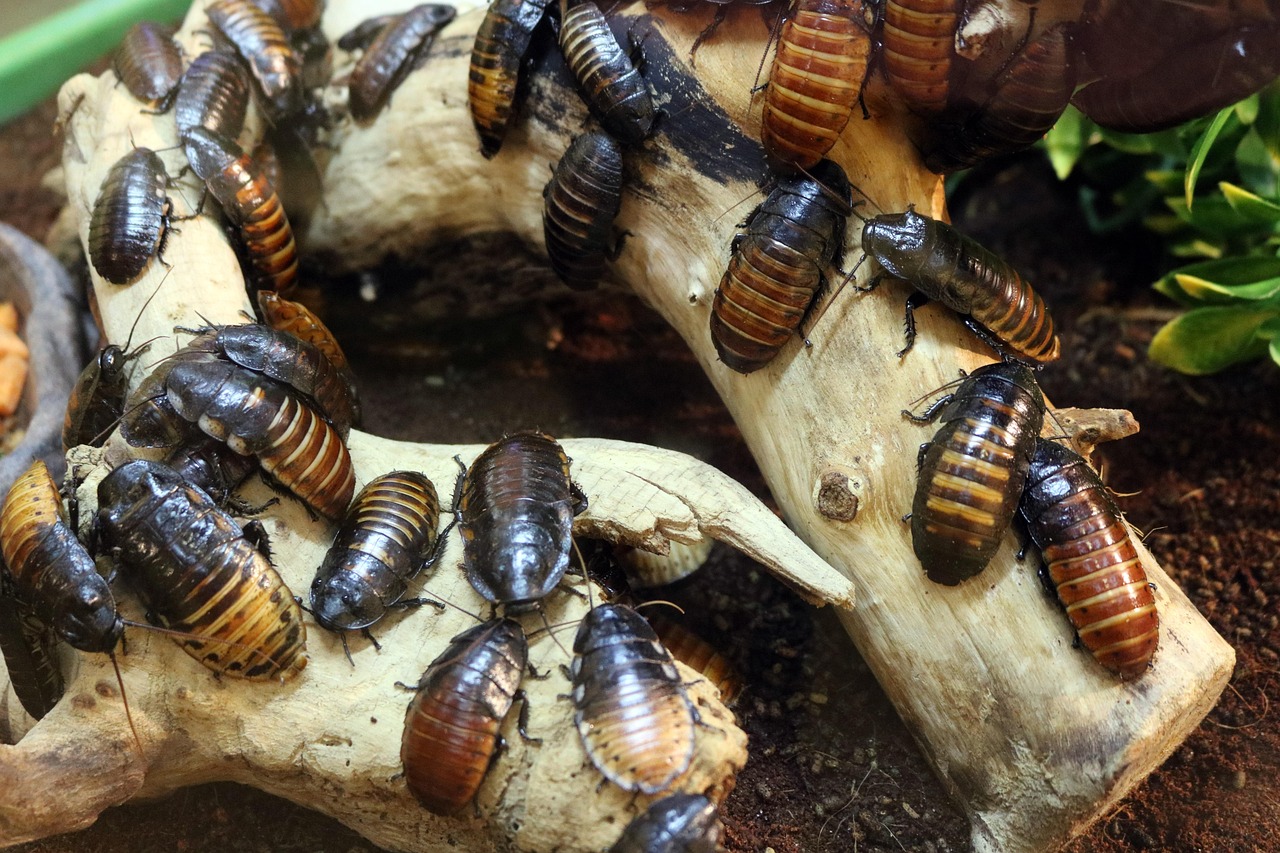
When you’re enjoying a joint or blunt, the last thing you want is burned fingertips or wasted material. That’s where the humble roach clip comes in — a simple yet highly effective tool designed to hold your cannabis cigarette once it burns down too short to comfortably hold. It’s an indispensable accessory that ensures you can savor every last bit of your session safely and comfortably. Most readers searching this topic want to know how to choose and use a roach clip effectively. I find that many people overlook the nuances of this small tool, defaulting to whatever is at hand. However, selecting the right joint holder can significantly enhance your smoking experience, preventing common frustrations like dropped embers or a harsh, finger-burning finale.
Key Takeaways
- A roach clip holds the end of a joint or blunt, preventing burned fingers and maximizing material use.
- They come in various materials like metal, glass, and wood, each offering distinct benefits in terms of heat resistance, grip, and aesthetics.
- Choosing the right clip depends on factors like joint size, material preference, portability needs, and personal style.
- Proper cleaning and maintenance extend the life of your clip and ensure a cleaner smoking experience.
- Beyond practical utility, roach clips have evolved into fashion statements and collectible pieces within cannabis culture.
What Exactly is a Roach Clip?
A roach clip is essentially a small clamp or holder used to grip the very end of a joint or blunt, often called the “roach,” as it becomes too short to hold comfortably without burning your fingers. This allows you to smoke the entire length of your cannabis product, ensuring nothing goes to waste. The term “roach” itself historically refers to the last, small part of a smoked cigarette, deriving from its resemblance to a cockroach. The primary purpose of this cannabis clip is twofold: heat protection and maximizing consumption. Without it, you risk singeing your fingertips or dropping the hot ember, which can be both painful and messy. It also keeps the smell and resin off your fingers, maintaining a cleaner experience.
The Evolution of the Joint Holder: From Utility to Style
Initially, a joint holder was often improvised from everyday items like tweezers, bobby pins, or even folded paper clips. The goal was purely functional: to hold the burning end. However, as cannabis culture grew and became more mainstream, so did the demand for specialized smoking accessories. Today, the roach clip has evolved far beyond simple utility. They are manufactured in a wide array of designs, materials, and artistic expressions. From minimalist metal designs to elaborate glass pieces and artisanal wooden carvings, these clips have become an extension of personal style for many enthusiasts, much like other fashion accessories.
Why Use a Roach Clip? The Practical Benefits
Using a roach clip offers several tangible advantages that contribute to a more enjoyable and efficient smoking session. The most obvious benefit is preventing direct contact with the hot end of the joint. This significantly reduces the risk of minor burns and discomfort as the material gets shorter. Beyond safety, a good roach clip ensures you can smoke your joint or blunt down to the absolute minimum, effectively maximizing the use of your cannabis. This is particularly valuable when you consider the cost of quality cannabis. Additionally, it keeps the distinctive odor and sticky resin from transferring to your fingers, which is a common complaint among those who don’t use a holder.
Types of Roach Clips: Material Matters
The material of your roach clip plays a crucial role in its performance, durability, and aesthetic appeal. I find that different materials cater to different preferences, each with its own set of characteristics.
- Metal Clips: These are arguably the most common, often resembling small alligator clips or tweezers. They are durable, offer a firm grip, and are generally inexpensive. Stainless steel is a popular choice for its resistance to corrosion and ease of cleaning.
- Glass Holders: Glass roach clips, sometimes called glass tips or filter holders, are designed for a cleaner aesthetic and often incorporate intricate designs. They are excellent for heat resistance and can be very easy to clean, but they are more fragile than metal options.
- Wooden Clips: Offering a natural, earthy feel, wooden clips are often handcrafted and unique. While they provide good grip and a comfortable hold, they may not be as heat-resistant as metal or glass and can absorb resin over time, making them harder to clean thoroughly.
- Novelty & Specialized Clips: This category includes everything from clips adorned with beads and charms to those integrated into necklaces or keychains, or even advanced designs that incorporate cooling elements. These often prioritize style and convenience.
Choosing Your Perfect Roach Clip: Factors to consider
Selecting the right roach clip goes beyond just picking the first one you see. Consider these factors to find a joint gripper that truly fits your needs:
- Grip Strength and Mechanism: Does it hold your joint securely without crushing it? Alligator clips offer strong, consistent pressure. Tweezer-style clips require manual pressure, giving you more control over the grip.
- Heat Resistance: How well does the material handle heat? Metal and glass excel here, while some plastics or softer woods may not be ideal for the very last puff.
- Size and Compatibility: Consider the typical size of your joints or blunts. Some clips are designed for thinner rolling papers, while others accommodate thicker blunts. A clip that’s too loose or too tight won’t be effective.
- Portability and Durability: If you’re often on the go, a compact, durable metal clip might be best. Fragile glass pieces are better suited for home use.
- Aesthetics and Personal Style: With so many designs available, your roach clip can be a statement piece. Don’t shy away from choosing one that reflects your personality.
- Ease of Cleaning: Resin buildup is inevitable. Opt for materials that are easy to clean, like metal or glass, to maintain hygiene and flavor purity.
How to Use a Roach Clip Effectively
Using a roach clip is straightforward, but a few pointers can optimize your experience. Once your joint or blunt has burned down to a point where it’s uncomfortable to hold, gently secure the remaining unsmoked portion in the jaws of your roach clip. I always advise gripping it firmly enough to hold, but not so tightly that you crush the paper or restrict airflow. Position the clip so that the burning end is safely away from your fingers, allowing you to take smooth draws. When you’re done, carefully extinguish the ember and store the clip. If you’re using a glass filter tip, you’d insert the rolled end into the glass holder, allowing you to smoke it down further.

Comparison of Common Roach Clip Materials
To help you decide, here’s a direct comparison of the most common materials for roach clips, highlighting their key characteristics.
| Feature | Metal (e.g., Alligator Clip) | Glass (e.g., Glass Tip) | Wood |
|---|---|---|---|
| Heat Resistance | Excellent; metal conducts heat, but clip design minimizes finger contact. | Superior; glass handles high temperatures very well. | Moderate; can char or burn if exposed to flame directly for too long. |
| Grip Strength | Very Strong; spring-loaded mechanism provides secure hold. | Good; relies on friction fit for the joint, can vary. | Good; often carved for a natural, ergonomic hold. |
| Durability | High; resistant to drops and bending. | Moderate; prone to breaking if dropped. | Moderate; can scratch or dent, may split if not cared for. |
| Aesthetics | Functional, often industrial; can be decorated. | Elegant, artistic; often clear or colored glass designs. | Natural, organic; often hand-carved, unique grains. |
| Ease of Cleaning | Very Easy; simple wipe-down or soak in isopropyl alcohol. | Very Easy; can be soaked and rinsed thoroughly. | Moderate; wood can absorb resin and odors, requiring more careful cleaning. |
| Price Range | Low to Moderate (e.g., $5 – $20) | Moderate to High (e.g., $10 – $50+) | Moderate to High (e.g., $15 – $60+) |
Pros and Cons of Different Roach Clip Types
Each material and design has its advantages and disadvantages. Weighing these can help you make an informed decision.
Pros
- Metal Clips: Highly durable, excellent grip, very affordable, widely available, easy to clean, compact and portable.
- Glass Holders: Superior heat resistance, provides a clean aesthetic, doesn’t impart flavor, very easy to clean thoroughly, often artful designs.
- Wooden Clips: Unique and natural aesthetic, comfortable to hold, often handcrafted and eco-friendly options available.
Cons
- Metal Clips: Can get hot to the touch if held incorrectly, less visually appealing than other options, can sometimes feel generic.
- Glass Holders: Fragile and prone to breaking, can be more expensive, specific sizes might be required for optimal fit.
- Wooden Clips: Less heat resistant, can absorb resin and odors over time, harder to deep clean, may not offer as firm a grip as metal.
Common Mistakes and Troubleshooting with Roach Clips
Even with a simple tool like a roach clip, there are common pitfalls I’ve seen. One frequent mistake is gripping the joint too tightly, which can crush the paper and restrict airflow, leading to an uneven burn or difficulty drawing. Conversely, a grip that’s too loose can result in the joint slipping out and potentially causing a mess or a burn. Make sure your clip size matches your rolling style. Another issue is neglecting cleaning. A dirty roach clip accumulates resin, which can make it sticky, less effective, and can affect the flavor of your smoke. Regularly cleaning your clip, especially after heavy use, is crucial. For metal and glass, a soak in isopropyl alcohol often does the trick. For wood, gentle scraping and wiping are better to avoid water damage.
Tips, Best Practices, and Expert Insights
To truly get the most out of your roach clip, I have a few specific recommendations. Consider having a few different types on hand: a sturdy metal clip for portability and everyday use, and perhaps a delicate glass piece for special occasions at home. This allows you to match the tool to the situation. When selecting a roach clip, pay attention to the jaw design. Some clips have serrated edges for a better grip on slick papers, while others have smooth, rubberized tips to prevent crushing delicate rolls. For those who frequently share, a longer clip can offer a bit more distance and comfort when passing. Finally, remember that the best roach clip is one that you enjoy using and that enhances your overall experience. It’s a small detail, but these details add up to a significant difference in comfort and satisfaction. For more on optimizing your sessions, explore on rolling techniques.

Frequently Asked Questions
What is the origin of the term ‘roach’?
The term ‘roach’ for the end of a joint or cigarette is believed to come from its resemblance to a cockroach, particularly its size and color after being smoked. This colloquialism has been in use for many decades within smoking culture.
Can I use any small clip as a roach clip?
While you can improvise with items like bobby pins or tweezers, dedicated roach clips are designed for better heat resistance and grip. Improvised clips might get hot, not hold securely, or even alter the flavor if made from inappropriate materials.
How do I clean a sticky roach clip effectively?
For metal or glass roach clips, soaking them in isopropyl alcohol for 15–30 minutes, followed by a rinse with warm water and a scrub with a pipe cleaner or cotton swab, is highly effective. Wooden clips require more gentle cleaning with a dry brush to avoid water damage.
Are there specific roach clips for blunts versus joints?
Yes, blunts are typically thicker than joints, so some roach clips are designed with wider jaws or a larger grip area to accommodate them. Conversely, smaller, more delicate clips are often preferred for thinner joints to avoid crushing.
Do roach clips cool the smoke?
Most standard roach clips don’t actively cool the smoke. Their primary function is to hold the burning end. However, some specialized glass or metal designs with longer pathways or unique materials might offer a slight cooling effect by extending the smoke’s travel distance.
Are roach clips legal to own?
Roach clips are generally considered smoking accessories and their legality usually aligns with local laws regarding cannabis paraphernalia. In many places where cannabis is legal, they are treated similarly to other smoking tools like pipes or rolling papers. Always check local regulations.
Conclusion
The roach clip, in its many forms, is a testament to the practical ingenuity within cannabis culture. Far from being a trivial item, it’s an essential tool that elevates the smoking experience by preventing waste, protecting your fingers, and maintaining cleanliness. I think investing in a quality joint holder that suits your personal style and usage habits is a small decision that yields significant returns in comfort and enjoyment. Choose wisely, keep it clean, and savor every moment. Information current as of September 2026; pricing and product details may change.



Cannabis 101
DNA Genetics: Unlocking Value in Premium Cannabis Strains
DNA Genetics has become a cornerstone in the cannabis world, known for its award-winning strains and commitment to genetic stability. I’ll guide you through understanding their value, selecting the right genetics, and cultivating them for optimal results, ensuring your investment truly pays off.

DNA Genetics has carved out a formidable reputation in the cannabis industry, becoming synonymous with top-tier, stable genetics. Most growers, whether hobbyists or commercial cultivators, want to understand how a company like DNA Genetics consistently delivers award-winning strains and, more importantly, how that translates into value for their own operations.
- DNA Genetics, founded by Don Morris and Aaron Yarkoni, is a Dutch company celebrated for its genetically stable, award-winning cannabis strains.
- Their meticulous breeding focuses on phenotype hunting and backcrossing to ensure consistent cannabinoid and terpene profiles.
- Investing in premium genetics often yields better consistency, potency, and disease resistance, justifying a higher initial cost.
- Successful cultivation of DNA Genetics strains requires precise environmental control, tailored nutrient regimens, and careful phenotype selection.
- Verifying authenticity through reputable seed banks and official distributors is crucial to avoid counterfeit products.
I’ve seen firsthand how the right genetics can transform a cultivation project, and DNA Genetics stands out for its commitment to consistency and quality. My aim here is to provide a complete guide, from understanding their breeding philosophy to practical tips for cultivating their renowned strains, helping you make informed, budget-conscious decisions. DNA Genetics is a Dutch cannabis company established by two visionary breeders, Don Morris and Aaron Yarkoni, often referred to as “D” and “A.” Their journey began with a passion for collecting and cross-breeding diverse cannabis strains, leading to a seed bank recognized globally for its exceptional quality and consistent performance. Since its inception, DNA Genetics has garnered numerous awards, cementing its position as a leader in the genetic development space. What sets them apart is their dedication to creating stable and potent genetics. This isn’t just about high THC; it’s about predictable growth patterns, solid resistance, and desirable cannabinoid and terpene profiles. Their work has not only produced popular strains but has also influenced cultivation practices worldwide, offering a benchmark for genetic excellence.
The Science Behind Their Strains: Genetic Stability and Phenotype Hunting
The cornerstone of DNA Genetics’ success lies in its rigorous breeding methodology. They don’t just cross two plants and call it a day; they engage in intensive phenotype hunting and backcrossing. Phenotype hunting involves growing many seeds from a cross to identify the individual plants (phenotypes) that best express desired traits – whether it’s specific aromas, growth structures, or cannabinoid ratios. Once a superior phenotype is identified, backcrossing is often employed. This process involves repeatedly crossing the chosen plant back to one of its parent strains to stabilize those desirable characteristics. This meticulous work ensures that when you plant a seed from DNA Genetics, you have a much higher probability of getting a plant that performs predictably, an invaluable trait for any cultivator. This commitment to genetic stability is what minimizes surprises in the grow room, leading to more consistent yields and quality. It means less time troubleshooting unexpected issues and more time focusing on optimizing your crop.
Navigating Strain Selection: Matching Genetics to Your Goals
Choosing the right DNA Genetics strain means aligning their genetic strengths with your cultivation goals and environment. Are you looking for high THC, specific terpene profiles for a unique flavor, or solid plants that handle stress well? DNA Genetics offers a diverse portfolio, each with distinct characteristics. For instance, strains like `Chocolope` are known for their uplifting effects and distinct chocolatey aroma, while `24K Gold` often boasts a potent, relaxing experience with citrus notes. `LA Confidential` is celebrated for its deep indica effects and earthy, pine flavors. Each strain has a genetic blueprint that dictates its potential and optimal growing conditions. I recommend researching the specific growth habits of a chosen strain – its flowering time, typical height, and nutrient requirements – before you commit. This foresight can prevent common cultivation pitfalls and ensure you’re setting yourself up for success. For detailed strain breakdowns, exploring resources that provide complete descriptions of their popular offerings is a smart move.
The Cost vs. Value of Premium Genetics: Is the Investment Worth It?
Premium cannabis genetics, such as those from DNA Genetics, often come with a higher upfront cost compared to generic seeds. A pack of high-quality seeds might range from $70 to $150 or more, depending on the strain and pack size. This initial investment can deter some growers, but I believe it’s crucial to look at the long-term value. The value proposition isn’t just about the seed itself; it’s about the consistency, potency, and yield potential that stable genetics provide. When you invest in DNA Genetics, you’re buying into years of careful breeding, ensuring traits like disease resistance, uniform growth, and predictable cannabinoid expression. This reduces the risk of crop failure, inconsistent quality, and lower yields, which ultimately saves money and time in the long run. In my view, the added cost is often justified by the reduced variability and higher quality of the final product. Consider a scenario where a generic seed pack costs half as much but only 50% of the plants thrive, and their quality varies wildly. In contrast, a premium pack might have 90% viability with consistent, high-quality output. The initial saving quickly vanishes with wasted resources and inferior product.

Cultivating DNA Genetics: Practical Tips for Optimal Results
Once you’ve invested in `dna genetics` seeds, successful cultivation involves optimizing your environment to let their genetic potential shine. Here are a few practical tips:
Environmental Control
Stable genetics still require stable conditions. Maintain consistent temperature and humidity levels, mimicking the ideal conditions for the specific strain. For example, some Sativa-dominant hybrids prefer warmer, more humid conditions during vegetative growth, while Indica-dominant strains might thrive in slightly cooler environments during flowering. Small fluctuations can stress plants and impact genetic expression.
Tailored Nutrient Regimen
While DNA Genetics strains are solid, they aren’t immune to improper feeding. Provide a balanced nutrient schedule appropriate for each growth stage. Overfeeding can lead to nutrient burn, while underfeeding can stunt growth and reduce yield. Always start conservatively and observe your plants’ responses.
Phenotype Selection in Your Grow
Even with highly stable genetics, some variation between individual plants (phenotypes) from the same seed pack is normal. Be prepared to identify and select the best performers. Look for plants exhibiting vigorous growth, desirable aroma, resin production, and resistance to pests or disease. I often advise growers to take clones of promising phenotypes early, just in case they want to preserve that specific expression for future grows.
Beyond Seeds: DNA Genetics’ Consulting and Market Impact
DNA Genetics isn’t just a seed bank; they’ve expanded their expertise into consulting for other cannabis professionals and large-scale cultivators. Don Morris and Aaron Yarkoni lend their deep understanding of `cannabis breeding` and cultivation to help businesses optimize their operations, develop new strains, and Handle the complexities of the industry. This consulting work further establishes their authority and influence. Their market impact is undeniable. Many of their strains have become industry standards, influencing consumer preferences and setting trends for what constitutes high-quality cannabis. The brand itself carries significant recognition, often signaling a product that growers and consumers can trust for its consistency and potent effects. According to their official website, DNA Genetics (2026) remains committed to pushing the boundaries of genetic innovation, ensuring their legacy continues to grow.
Common Mistakes to Avoid with Premium Genetics
Even with the best `dna genetics` seeds, mistakes can happen. Here are some common pitfalls and how to steer clear of them:
- Buying from Unverified Sources: The popularity of DNA Genetics makes them a target for counterfeiters. Always purchase seeds from their official website or a reputable, authorized distributor. Check for holographic seals or unique batch numbers if available, which can help verify authenticity.
- Neglecting Environmental Factors: Expecting premium genetics to perform perfectly in suboptimal conditions is a common error. Even the most stable genetics can’t overcome poor lighting, incorrect pH, or pest infestations.
- Skipping Phenotype Selection: While their genetics are stable, ignoring the slight variations within a seed batch means you might miss out on the absolute best expression of that strain. Take the time to observe and select your keeper phenotypes.
- Overfeeding/Underfeeding: Believing that more nutrients equal better results, or conversely, being too cautious, can hinder a plant’s development. Follow a proper feeding schedule and adjust based on plant observation.
Tips for Maximizing Your DNA Genetics Investment
To truly get the most out of your `premium cannabis seeds`, I’ve found a few practices make a significant difference: Start with a Clean Slate: Ensure your grow space is sterile, and your medium (soil, coco, hydro) is fresh and properly buffered. This minimizes early-stage issues and allows the genetics to express themselves without external stressors. Master Your Environment: Before even dropping seeds, dial in your environmental controls. Consistent temperature, humidity, and airflow are paramount. This foundation allows the `genetic stability` to truly shine through, leading to healthier plants and better yields. Cloning for Consistency: Once you find a pheno you love, clone it. This ensures you can replicate that exact genetic expression in future grows, guaranteeing consistent quality and eliminating the variability that comes with growing from seed every time. Learn from Each Grow: Keep detailed notes on each strain you cultivate. Document flowering times, nutrient uptake, stress responses, and final yield. This invaluable data helps you refine your approach for future cycles and better understand the nuances of each DNA Genetics strain. This iterative process is how truly expert cultivators develop their touch.
Frequently Asked Questions
What makes DNA Genetics strains so popular?
DNA Genetics strains are popular due to their exceptional genetic stability, consistent potency, and unique terpene profiles. Their rigorous breeding processes, including extensive phenotype hunting, ensure that growers receive reliable and high-quality results, leading to award-winning varieties that resonate with both cultivators and consumers.
How can I verify the authenticity of DNA Genetics seeds?
To verify authenticity, always purchase DNA Genetics seeds directly from their official website or through their list of authorized, reputable seed banks and distributors. Be wary of unusually low prices or unofficial resellers. Look for any unique packaging features, holographic stickers, or batch codes that might be present on genuine products.
Are DNA Genetics strains suitable for beginner growers?
Many DNA Genetics strains are solid and resilient, making them a good choice for beginners who want to learn with quality genetics. However, some advanced strains might require more precise environmental control or specific feeding regimens. I recommend researching individual strain characteristics to choose one that matches your experience level and setup.
What is phenotype hunting in cannabis breeding?
Phenotype hunting is the process of growing out a large number of seeds from a genetic cross to identify and select individual plants (phenotypes) that exhibit the most desirable traits. These traits can include specific aromas, flavors, growth patterns, potency, or resistance to pests. It’s a critical step in stabilizing and refining new strains.
Do DNA Genetics offer feminized seeds?
Yes, DNA Genetics offers a wide selection of feminized seeds, which are bred to produce only female plants. This is a significant advantage for many cultivators as it eliminates the need to identify and remove male plants, maximizing grow space and resources dedicated to flower production. They also offer regular seeds for breeders.
What is the average flowering time for DNA Genetics strains?
The average flowering time for DNA Genetics strains varies significantly depending on the specific genetics. Indica-dominant strains might finish in 8-9 weeks, while Sativa-dominant varieties could take 10-12 weeks or even longer. Always check the specific strain’s details on their website or reputable seed bank listings for accurate flowering durations.
Conclusion: Investing in Genetic Excellence
Investing in `dna genetics` is more than just buying seeds; it’s a strategic decision to prioritize quality, consistency, and a predictable outcome for your cultivation efforts. While the initial cost might be higher, the benefits of stable `cannabis genetics`—from enhanced potency and solid growth to reliable yields—often far outweigh the expenditure in the long run. By understanding their breeding philosophy, selecting strains carefully, and applying sound cultivation practices, you can unlock the full potential of these renowned genetics and truly elevate your grow. Information current as of September 2026; pricing and product details may change.




Cannabis 101
The Ounce Decoded: What to Know Before You Buy a Zip of Weed
A ‘zip of weed’ refers to an ounce of cannabis, typically 28 grams. Learning to identify quality, understand pricing, and store it correctly can save you money and ensure freshness.

Most readers searching for ‘zip of weed‘ want to know not just what it’s, but how to confidently buy and store it without falling into common pitfalls. A ‘zip’ refers to an ounce of cannabis, typically 28 grams, and while it often offers better value, I’ve seen countless people make simple errors that compromise their purchase. My aim here is to equip you with the knowledge to make smart decisions, ensuring you get the quality and quantity you expect.
- A ‘zip of weed’ is precisely one ounce, or 28 grams, of cannabis.
- Buying a zip often provides significant cost savings and convenience compared to smaller purchases.
- Always visually inspect for quality indicators like vibrant color, trichome density, and a rich aroma before buying.
- Proper storage in airtight, opaque containers with humidity control is crucial to maintain freshness and potency.
- Understanding local cannabis laws regarding possession limits is essential to avoid legal issues.
What Exactly is a “Zip of Weed”?
When you hear the term “zip of weed,” it simply refers to one ounce of cannabis. This measurement is globally recognized, equating to approximately 28 grams. The slang term “zip” is widely believed to originate from the Ziploc bags often used to package this quantity back in the day, though its exact etymology is a fun debate. Understanding this standard measurement is the first step to becoming a savvy cannabis consumer. Whether you’re in a regulated market or navigating other avenues, knowing that a zip should always be 28 grams is your baseline for value. The precise weight matters significantly. A gram here or there might not seem like much, but over an entire ounce, those missing grams add up, costing you money. I always advise people to think of it as a quality control measure for their purchase.
Why Buy a Zip? Understanding the Value Proposition
For many cannabis enthusiasts, opting for a full zip of weed is a strategic move. The primary driver is often cost-effectiveness. Just like buying in bulk at a grocery store, purchasing a larger quantity like an ounce typically results in a lower per-gram price than buying smaller amounts, such as eighths (3.5 grams) or quarters (7 grams). Beyond the financial savings, convenience plays a huge role. Buying an ounce means fewer trips to the dispensary or fewer transactions, which saves time and effort. For regular consumers, having a steady supply on hand ensures they don’t run out unexpectedly. Plus, acquiring a larger quantity allows you to secure a consistent batch of a preferred strain. If you find a strain you particularly enjoy, buying a zip ensures you have enough to last, avoiding the frustration of a dispensary running out or the quality fluctuating between batches. This consistency is a major benefit that I value personally.
Navigating the Market: What Impacts a Zip’s Price?
The price of a zip of weed can vary wildly, influenced by a complex interplay of factors. Understanding these elements is key to knowing if you’re getting a fair deal. I always tell people that the advertised price is just one piece of the puzzle. Firstly, location is paramount. In states or countries with mature legal cannabis markets, prices tend to be more competitive and transparent. In contrast, regions where cannabis remains illicit often see higher prices due to increased risk. Even within legal markets, prices can differ significantly between states or even cities due to local taxes, regulations, and cultivation costs. Strain, quality, and potency also heavily dictate cost. Premium, high-potency strains with exotic terpene profiles will naturally command higher prices than more common or lower-grade flower. Just like fine wine, rarity and cultivation effort play a part. As of 2026, I’ve seen prices for a zip range anywhere from $150 for more common strains to $400+ for top-shelf, boutique offerings in regulated markets. Market trends, supply and demand, and even the cultivator’s reputation can also influence pricing. A new harvest or an oversupply can drive prices down, while a limited release or high demand for a particular strain can push them up.
How to Spot a Quality Zip: Beyond “Bag Appeal”
When you’re inspecting a zip of weed, it’s easy to be swayed by mere “bag appeal” – how good it looks at first glance. However, true quality runs deeper than just vibrant colors. I encourage everyone to develop a more discerning eye. Start with the visual. Look for dense, well-formed buds that aren’t overly stemmy or full of seeds. The color should be vibrant, often green with hints of purple or orange pistils, indicating healthy growth. Avoid anything that looks dull, overly brown, or has visible mold (fuzzy white or gray spots) or mildew. Next, the aroma. A high-quality zip will have a rich, complex scent, often described as pungent, earthy, citrus, or piney – thanks to its terpenes. A weak smell or, worse, a hay-like or chemical odor, is a red flag. The texture should be slightly sticky and dense, but not overly dry or crumbly. When you gently squeeze a bud, it should have a slight spring to it, not immediately crumble to dust. Finally, examine the trichomes. These tiny, mushroom-shaped glands covering the buds contain the cannabinoids and terpenes responsible for the plant’s effects and aroma. They should be visible to the naked eye, appearing milky white or amber, indicating maturity. Clear trichomes often suggest premature harvest, while dark, brittle ones can mean it’s past its prime.
The Crucial Art of Storing Your Ounce for Freshness
Proper storage is paramount for maintaining the potency, flavor, and overall quality of your zip of weed. Neglecting storage can lead to your cannabis drying out, losing its terpenes, or even developing mold. My rule of thumb is: treat your cannabis like a fine herb, not just a commodity. The best method involves airtight glass jars. These create an optimal environment, preventing air exposure that degrades cannabinoids like THC and terpenes. Mason jars are a fantastic, affordable option. Avoid plastic bags or containers for long-term storage, as plastic can leach chemicals and has a static charge that can strip trichomes from your buds. Controlling humidity is another critical factor. Cannabis thrives in a relative humidity range of 58-62%. Specialized humidity control packs, like those from Boveda or Integra Boost, can be placed directly in your storage jar to maintain ideal moisture levels. This prevents your weed from becoming too dry (harsh smoke, degraded terpenes) or too wet (risk of mold). Lastly, store your jars in a cool, dark place. Light, especially UV rays, accelerates the degradation of THC into CBN, reducing potency. Heat also speeds up this process and can dry out your cannabis. A cupboard, drawer, or dedicated storage box works perfectly. Avoid direct sunlight or storing near heat sources like electronics.
Common Mistakes When Buying or Handling a Zip
Even seasoned consumers can make errors when dealing with a zip of weed. Knowing these common missteps can save you from disappointment, wasted money, or even legal trouble. I’ve compiled a list of the most frequent issues I see.
- Not Verifying Weight: This is perhaps the most common mistake. A “street ounce” might sometimes be short of the full 28 grams. Always verify the weight if possible, especially from new sources. Even a slight discrepancy can mean you’re paying full price for less product.
- Prioritizing Price Over Quality: While buying a zip is about value, going for the absolute cheapest option without considering quality indicators (smell, visual, texture) can lead to a disappointing experience with harsh, ineffective, or improperly cured flower.
- Improper Storage: As discussed, tossing your ounce in a plastic bag or leaving it exposed to light and air is a fast track to degradation. This mistake reduces potency and flavor, making the experience less enjoyable.
- Ignoring Local Laws: Cannabis laws vary drastically. Buying or possessing an ounce in one state might be perfectly legal, while in another, it could lead to significant penalties. Always know your local possession limits and transport regulations.
- Buying from Untrusted Sources: This is particularly true in unregulated markets. Unverified sources might sell contaminated products, mislabeled strains, or short weights. Establishing trust is crucial.
- Over-Handling: Constantly touching your buds strips off trichomes, reducing potency and flavor. Minimize handling and use tools like small scoops or scissors when necessary.
Legal Landscape: What to Know About an Ounce
The legal status of cannabis, and specifically the possession of an ounce, is a patchwork across different jurisdictions. What’s permissible in one area might be strictly prohibited in another. I always stress that ignorance of the law is not a defense, so a quick check of local statutes is non-negotiable. In the United States, for example, many states have legalized recreational cannabis, often setting possession limits at one ounce or more for adults over 21. States like Colorado, California, and Michigan allow adults to possess up to an ounce or even more for personal use. However, federal law still classifies cannabis as a Schedule I controlled substance, creating a complex legal dichotomy. According to the National Conference of State Legislatures (2026), recreational cannabis is legal in nearly half of U.S. states, but possession limits can differ. NCSL For medical cannabis patients, limits can often be higher, allowing for several ounces to be possessed to meet therapeutic needs. If you’re traveling, remember that cannabis can’t be transported across state lines, even between two legal states, due to federal prohibition. Similarly, transporting it on federal land (like national parks) is also illegal. Before you purchase a zip of weed, take a moment to confirm the current laws in your specific location, including possession limits, public consumption rules, and any restrictions on where you can purchase it. This vigilance is your best protection against unforeseen legal complications.
Practical Tips for a Smart Purchase
Armed with knowledge, you can approach buying a zip of weed with confidence. Here are my top practical tips to ensure a smart, satisfying purchase:
- Invest in a Scale: If you plan to buy ounces regularly, a small, accurate digital scale is an invaluable tool. It quickly verifies you’re getting the full 28 grams and helps you portion out your cannabis precisely.
- Ask Questions: Don’t be shy about asking your budtender or source about the strain’s genetics, harvest date, terpene profile, and any lab testing results (especially in legal markets). Reputable sources will be happy to provide this information.
- Inspect Thoroughly: Before you complete the transaction, take a moment to look, smell, and gently feel the flower. Check for the quality indicators I mentioned earlier – vibrant color, strong aroma, proper texture, and visible trichomes.
- Prioritize Airtight Storage: Have your storage solution ready before you even bring your zip home. Glass jars with airtight seals and humidity packs are your best friends for preserving freshness.
- Understand Your Needs: Consider how quickly you’ll consume the ounce. If it takes you months, invest even more in solid storage to prevent degradation. For more on optimizing your storage environment, explore .
- Seek Reputable Sources: In legal markets, stick to licensed dispensaries. In other situations, rely on trusted personal networks built on reliability and transparency.
Frequently Asked Questions
What is the exact weight of a zip of weed?
A zip of weed refers to precisely one ounce of cannabis. In metric units, this translates to approximately 28 grams. This is a universal measurement used across the cannabis industry, making it a standard benchmark for quantity.
Is it cheaper to buy a zip compared to smaller quantities?
Yes, buying a zip (an ounce) of weed is almost always more cost-effective per gram than purchasing smaller amounts like eighths or quarters. This bulk discount is a primary reason many regular consumers opt for a zip.
How long does a zip of weed last when stored properly?
When stored correctly in an airtight, opaque container with humidity control, a zip of weed can maintain its potency and freshness for 6 months to a year, and often even longer. Improper storage will significantly shorten this lifespan.
What is the best container for storing an ounce?
Airtight glass jars, such as Mason jars, are considered the gold standard for storing an ounce of cannabis. They are inert, don’t leach chemicals, and create a good seal to protect against air and moisture fluctuations.
Are there different “types” of zips available?
While a “zip” always refers to an ounce by weight, the quality and form can vary. You might find zips of full-size buds, “smalls” (smaller buds), or even “shake” (loose leaf and trim), with prices reflecting these differences.
What are typical prices for a zip of weed in 2026?
As of 2026, prices for a zip of weed vary widely based on location, quality, and strain. In legal markets, you might expect to pay anywhere from $150 to $400, with illicit markets potentially showing different ranges.
Is buying a zip legal everywhere?
No, buying and possessing a zip of weed is not legal everywhere. Cannabis laws are state-specific in the U.S. and vary internationally. Always check the current regulations in your specific location before purchasing.
Conclusion
Navigating the world of cannabis, especially when it comes to larger quantities like a zip of weed, requires a blend of knowledge, vigilance, and practical wisdom. By understanding what a zip truly represents, recognizing the factors that influence its price and quality, and committing to proper storage, you empower yourself to make informed decisions. My final actionable takeaway for you is this: never compromise on verifying weight or assessing quality, and always prioritize airtight, light-proof storage. Do these things consistently, and your experience with a zip of weed will consistently be a positive and rewarding one. Information current as of September 2026; pricing and product details may change.





The Essential Roach Clip: More Than Just a Smoking Accessory

DNA Genetics: Unlocking Value in Premium Cannabis Strains

The Ounce Decoded: What to Know Before You Buy a Zip of Weed

Tropic Thunder Strain: An Uplifting Hybrid Experience

AmeriCanna Rx: Your Guide to Portland’s Premier Cannabis Dispensary

Purple Runtz Strain: Unpacking Its Potency and Sweet Appeal
-
 Cannabis 1012 months ago
Tropic Thunder Strain: An Uplifting Hybrid Experience
-
 Product Guides2 months ago
AmeriCanna Rx: Your Guide to Portland’s Premier Cannabis Dispensary
-
 Cannabis 1012 months ago
Purple Runtz Strain: Unpacking Its Potency and Sweet Appeal
-

 Cannabis 1012 months ago
Haze Purple: Unveiling a Cannabis Cultivar’s Unique Appeal
-

 Culture & Lifestyle2 months ago
Collective Efforts Sacramento CA: Your Premier Cannabis
-

 Product Guides2 months ago
Identifying Top Shelf Cannabis: A Connoisseur’s Guide
-

 Cannabis 1012 months ago
Cookie Monster Strain: Unlocking Its Potent Calm
-

 Cannabis 1012 months ago
Peach Rings Strain: Unpacking the Sweet Hybrid Sensation