
Product Guides
Choosing the Best Bong Brands for Your Ideal Experience
Navigating the vast market of water pipes can be overwhelming, but choosing from the best bong brands ensures a superior experience. This guide will help you identify quality, durability, and the perfect hit for your preferences.


looking these details can lead to disappointment, fragility, and a less-than-optimal session. Best bong brands: What Makes a Bong Brand Stand Out? A truly exceptional bong brand distinguishes itself through a combination of superior materials, meticulous craftsmanship, and innovative design. It’s not enough for a piece to simply look good; it must perform flawlessly and withstand regular use. Beyond the visual appeal, the best brands focus on the functional aspects: how smoothly the smoke filters, how comfortable the mouthpiece feels, and how easy it’s to clean.
For instance, a brand like GRAV prioritizes scientific precision, ensuring optimal airflow and percolation, while Empire Glassworks might captivate with intricate, themed designs that are equally functional. Ultimately, a standout brand provides a consistent, high-quality experience that justifies its price. They often back their products with a reputation for durability and customer satisfaction, building a loyal following among discerning users. Decoding Bong Materials and Construction The foundation of any high-quality bong lies in its materials and construction.
The vast majority of premium bongs are made from borosilicate glass, known for its thermal shock resistance and durability. However, not all borosilicate glass is created equal. Look for glass thickness, typically measured in millimeters (mm). A thickness of 5mm or more offers significantly better durability than thinner glass, making it less prone to accidental breakage. Joint integrity is also crucial; a well-constructed joint (where the downstem or accessories connect) will be thick, perfectly aligned, and smoothly ground, preventing air leaks and ensuring a secure fit.
Precise welds and even glass distribution throughout the piece are hallmarks of expert craftsmanship. Brands like ROOR are renowned for their meticulous attention to these details, ensuring that each piece is perfectly balanced and structurally sound. Cheaply made bongs often have uneven glass, weak joints, and rough edges, compromising both performance and longevity.

Top-Tier Brands for Scientific Perfection For those who prioritize an exceptionally smooth, filtered hit, scientific glass brands are the go-to. These brands focus on engineering advanced percolation and diffusion systems to cool and clean smoke efficiently. ROOR: Hailing from Germany, ROOR is arguably one of the most iconic scientific glass brands. Known for their minimalist design, superior borosilicate glass, and precise craftsmanship, ROOR bongs deliver incredibly clean and smooth hits.
Their classic beaker bongs with ice pinches are a staple for a reason, offering solid filtration and a timeless aesthetic. GRAV: Based in Austin, Texas, GRAV is synonymous with innovation and function. They produce a wide range of scientific glass pieces, from straightforward beakers to intricate upright bubblers and recyclers. GRAV’s commitment to consistent quality and functional design, often incorporating unique percolator styles, makes them a favorite for daily users and connoisseurs alike.
According to their published specifications as of 2026, many of their flagship pieces feature 7mm thick glass. Zob Glass: With a strong reputation for heavy-duty scientific glass, Zob Glass (ZOB) offers solid bongs featuring various advanced percolators like Zobello, Zobello 2.0, and tree percs. Their pieces are built for durability and serious filtration, often with thicker glass and stable bases that appeal to users seeking a reliable workhorse. The Artisans: Best Brands for Unique Designs For many, a bong is more than just a tool; it’s a piece of art.
Artisanal brands blend functionality with intricate aesthetics, often creating unique, collectible pieces known as ‘heady glass.’ Empire Glassworks: This California-based brand is celebrated for its incredibly detailed and imaginative themed bongs. From elaborate alien landscapes to vibrant underwater scenes, Empire Glassworks transforms water pipes into sculptural art. While highly artistic, their pieces maintain good functionality and are crafted from quality borosilicate glass. Illadelph Glass: While also recognized for scientific prowess, Illadelph often incorporates distinctive aesthetic elements like colored glass accents, unique coil percolators, and signature logos that elevate their pieces into the realm of high-end art.
Their limited edition drops and collaborations are highly sought after by collectors, commanding premium prices due to their blend of scientific function and artistic flair. Sesh Supply: Offering a balance between artistic innovation and practical design, Sesh Supply features unique perc designs and often incorporates vibrant color accents. While not as overtly ‘heady’ as Empire Glassworks, they provide distinctive aesthetics that stand out from more minimalist scientific pieces, often at a more accessible price point.

Reliable Brands for Everyday Durability and Value Not every purchase needs to be a high-end investment. Many excellent brands offer a great balance of quality, durability, and value, perfect for daily use without breaking the bank. Pulsar: Pulsar is known for its extensive range of functional and aesthetically pleasing glass bongs that often include popular percolator types at competitive prices. They offer everything from simple beakers to complex rigs, making them a versatile choice for users seeking reliable performance and a good selection of designs without the premium price tag. Diamond Glass: This brand focuses on producing sturdy, functional glass bongs that deliver excellent value.
Diamond Glass pieces typically feature thick borosilicate glass and effective percolation systems, providing smooth hits and good durability for their price point. They are a solid choice for those looking for quality without excessive frills. Black Leaf: A German brand, Black Leaf offers a wide array of glass bongs known for their solid construction and effective filtration. They often incorporate unique features like matrix percs and showerhead diffusers, providing a satisfying experience that punches above its weight class in terms of value.
How to Spot a Fake and Ensure Authenticity The success of premium bong brands has unfortunately led to a rampant counterfeit market. Buying a fake not only means you’re getting an inferior product, but it also deprives the original artists and manufacturers of their rightful earnings. Protecting your investment means knowing how to identify genuine pieces. Always purchase from authorized retailers. Many top brands, such as ROOR and Illadelph, provide lists of approved dealers on their official websites.
Look for specific authenticity markers: ROOR.de, for example, uses unique serial numbers and holographic tags on their genuine products. Illadelph often has very specific joint sizes, logos, and packaging that are difficult for counterfeiters to replicate perfectly. Beware of prices that seem too good to be true, especially for highly coveted brands. A significantly discounted premium bong is almost always a red flag. Pay attention to the quality of the glass, the precision of the welds, and the clarity of the brand’s logo.
Fakes often have rougher edges, thinner glass, and blurry or misspelled branding. Choosing the Right Bong for Your Lifestyle: A Buying Guide Selecting the perfect bong involves more than just picking a popular brand. It requires considering your personal preferences and how you intend to use the piece. Think about your budget, the kind of material you prefer, the ideal size for your space, and your desired level of smoke filtration.
For daily users seeking durability, a classic beaker bong from a brand like GRAV or Diamond Glass is often a reliable choice. If smoothness is paramount, explore brands known for intricate percolators like Zob Glass. Collectors or those who appreciate visual artistry might gravitate towards Empire Glassworks or high-end Illadelph pieces. Consider whether you need portability, a large capacity for group sessions, or a compact design for discreet use. Your lifestyle dictates the best fit.
| Brand | Key Feature | Average Price Range (USD) | Ideal User |
|---|---|---|---|
| ROOR | Scientific precision, thick glass | $250 – $800+ | Connoisseur, daily user, durability seeker |
| GRAV | Innovative designs, consistent function | $100 – $400 | Everyday user, those seeking varied designs |
| Empire Glassworks | Intricate artistic themes | $300 – $1000+ | Collectors, art enthusiasts |
| Pulsar | Value, wide range of designs | $70 – $200 | Beginners, budget-conscious users |

Pros of Premium Bong Brands
- Superior Durability: Thicker, higher-quality borosilicate glass resists breakage better.
- Exceptional Filtration: Advanced percolators deliver smoother, cleaner hits.
- Consistent Performance: Precise engineering ensures optimal airflow and function.
- Resale Value: Collectible or high-end brands can maintain or increase value.
- Aesthetic Appeal: Often feature unique designs and artistic craftsmanship.
Cons of Premium Bong Brands
- Higher Initial Cost: Significant upfront investment compared to budget options.
- Risk of Counterfeits: Popularity attracts fake products, requiring careful purchasing.
- Heavier Weight: Thicker glass can make larger pieces cumbersome to handle.
- Specific Cleaning Needs: Intricate percs may require specialized cleaning tools.
- Less Forgiving: While durable, they are still glass and can break if mishandled.
Common Mistakes When Buying Bong Brands Even seasoned enthusiasts can make missteps when purchasing a new bong. One of the most frequent errors is buying solely based on brand reputation or visual appeal without considering personal usage habits. Another common mistake is neglecting to check joint sizes. Bongs come with various joint sizes (e.g., 10mm, 14mm, 18mm) and genders (male/female). Incompatible accessories can be frustrating. Always confirm the joint size of your bong and any attachments you plan to use.
Underestimating the importance of cleaning and maintenance can quickly degrade even the best bong brands’ performance and appearance. Investing in appropriate cleaning solutions and brushes from the start is essential for longevity and optimal function. Expert Tips for Maintaining Your Premium Bong A high-quality bong is an investment, and proper maintenance is key to preserving its performance and aesthetic appeal. Regular cleaning is non-negotiable; aim to clean your bong after every few uses, or daily if you’re a frequent user.
For stubborn buildup, a mixture of isopropyl alcohol and coarse salt is highly effective, especially for intricate percolators. Always handle your bong with care, particularly when disassembling for cleaning. Glass-on-glass joints should be lubricated with a tiny amount of joint wax or water to prevent sticking and breakage. Store your bong in a safe, stable location where it won’t be easily knocked over. For larger or more intricate pieces, a padded case can offer added protection during transport or storage. For more detailed cleaning guides.

Frequently Asked Questions
What’s the best glass thickness for a durable bong?
For optimal durability, aim for a bong with at least 5mm thick borosilicate glass. While 3-4mm can work for smaller pieces, 7mm or even 9mm glass offers significantly increased resistance to accidental knocks and drops, making it a safer long-term investment for daily users.
How often should I clean my high-quality bong?
Ideally, you should clean your bong after every few uses to maintain optimal flavor and prevent resin buildup. For heavy daily users, a quick rinse with hot water and salt can be done daily, with a deeper clean using isopropyl alcohol every 2–3 days.
Are more expensive bongs always better?
Not always, but generally, higher prices correlate with better materials, craftsmanship, and advanced filtration. While a budget bong can suffice, investing in premium bong brands often means superior durability, smoother hits, and unique designs that justify the cost for discerning users.
What’s the difference between scientific and heady glass?
Scientific glass prioritizes function, using clear borosilicate glass and precise engineering for optimal filtration and diffusion. Heady glass emphasizes artistic expression, often featuring vibrant colors, intricate sculpting, and unique designs, where aesthetic appeal can sometimes take precedence over complex scientific percs.
Can I use any percolator with any bong?
No, percolators are typically integrated into the bong’s design. While some bongs allow for interchangeable downstems with different diffusers, you can’t simply add any percolator to any bong. The type and placement of percolators are specific to the bong’s internal structure and airflow.
How can I ensure I’m buying an authentic bong?
To ensure authenticity, always purchase from authorized retailers listed on the brand’s official website. Look for specific authenticity markers like serial numbers, holographic tags, or unique packaging. Be wary of significantly discounted prices for premium brands, as these are often indicators of counterfeits. Conclusion Choosing among the best bong brands is a journey that balances personal preference with an understanding of quality and craftsmanship. By prioritizing durability, filtration, and authenticity, you can Handle the market confidently. Invest wisely, select a piece that truly enhances your experience, and remember that proper care will ensure your chosen bong remains a cherished part of your collection for years to come.


Product Guides
Green Dragon CBD: Your Guide to Products and Potency
Green Dragon CBD is a recognized brand in the hemp-derived product space, offering a diverse range of CBD options. This guide helps you understand their offerings, from full spectrum to isolate, and how to choose what’s right for you.

A Year 4 teacher in Birmingham emailed me last week — her interactive whiteboard had stopped registering touch input and she had a science lesson in 20 minutes. Here’s what to check first. tures, gummies, and topicals is crucial for effective and responsible use.
What Exactly is Green Dragon CBD?
Green Dragon CBD refers primarily to a specific brand that operates an online store and physical locations, particularly noted in areas like St. Louis, MO, for offering a diverse selection of hemp-derived products. While the name might evoke images of a powerful cannabis strain for some, in the context of commercial products, it denotes a retailer and curator of various CBD, THC, kratom, and mushroom alternatives. The brand emphasizes sourcing from licensed hemp manufacturers and ensuring products are tested by accredited ISO 17025 labs. This commitment to quality and transparency is crucial in the evolving market of cannabinoids and related wellness products. When I consider a brand, I always look for this level of detail.
Understanding Green Dragon CBD Product Types
Green Dragon CBD, like many reputable brands, offers a range of CBD formulations to cater to different user preferences and needs. It’s essential to understand the distinctions between these types to select the best product for you.
Full Spectrum Green Dragon CBD
Full spectrum products contain all the naturally occurring compounds found in the hemp plant, including CBD, minor cannabinoids (like CBG, CBN, CBC), terpenes, and flavonoids. This also includes trace amounts of THC, typically up to the federally legal limit of 0.3% by dry weight in the United States. The combination of these compounds is often referred to as the “entourage effect,” where they are believed to work together to enhance the overall therapeutic benefits. For someone seeking the most complete plant experience, full spectrum Green Dragon CBD options like their tinctures or gummies might be ideal. However, Keep in mind that even trace amounts of THC could potentially show up on highly sensitive drug tests.
Broad Spectrum Green Dragon CBD
Broad spectrum CBD products offer a middle ground. They contain many of the same beneficial cannabinoids and terpenes as full spectrum, but the THC has been almost entirely removed during the extraction process. This means you can still experience a version of the entourage effect without the concern of THC presence. If you’re sensitive to THC or need to avoid it due to employment drug testing, broad spectrum Green Dragon CBD options, such as their broad spectrum gummies or oils, present a compelling alternative. They aim to deliver enhanced benefits over isolate without the THC.
CBD Isolate
CBD isolate is the purest form of CBD, containing 99% pure cannabidiol and absolutely no other cannabinoids, terpenes, or plant compounds, including THC. It’s typically a white, odorless powder that can be added to various products or consumed directly. Isolate products are suitable for individuals who only want to experience the effects of CBD itself, or who must strictly avoid THC for any reason. Green Dragon CBD offers isolate options like certain topicals or specialized capsules, providing a straightforward CBD experience.

The Importance of Third-Party Testing and Lab Results
One of the most critical factors when choosing any CBD product, including those from Green Dragon CBD, is the availability and transparency of third-party lab results, often called Certificates of Analysis (CoAs). This isn’t just a marketing claim; it’s a non-negotiable safety and quality measure. These independent lab tests verify several key aspects: the accurate cannabinoid profile and potency (ensuring the product contains the CBD and other compounds advertised), and the absence of harmful contaminants like heavy metals, pesticides, residual solvents, and microbial impurities.
According to the FDA’s current stance (as of 2026), these tests are crucial because CBD products are not yet uniformly regulated, leading to significant variations in product quality. My advice is to always look for a QR code on the product packaging or a direct link on the brand’s website that leads to these lab reports. If a company doesn’t provide them readily, I’d avoid that product entirely. Green Dragon CBD states that certified lab results are available for all products, a practice I fully endorse.
Choosing the Right Green Dragon CBD Product for Your Needs
With various options available, selecting the ideal Green Dragon CBD product can feel daunting. I think it comes down to understanding your personal goals and preferences. Consider the following:
- Desired Effects: Are you seeking general wellness, relaxation, discomfort relief, or improved sleep? Full spectrum may offer a broader range of benefits due to the entourage effect, while isolate is a targeted CBD experience.
- THC Sensitivity/Avoidance: If you must avoid THC, broad spectrum or isolate products are your safest bet. If a trace amount isn’t a concern, full spectrum is an option.
- Consumption Method: Tinctures offer fast absorption and precise dosing, gummies provide a discreet and tasty option with slower onset, and topicals are excellent for localized relief.
- Potency: Products come in various strengths (e.g., 500mg, 1500mg). Start with a lower potency if you’re new to CBD and gradually increase as needed, observing your body’s response.
For example, if a customer named Alex is looking for evening relaxation without any THC, I would suggest a broad spectrum Green Dragon CBD gummy with a moderate potency. If Sarah needs localized relief for muscle soreness after a workout, a Green Dragon CBD topical balm would be my recommendation.
Green Dragon CBD Dosage and Consumption Methods
Finding the right CBD dosage is highly individual. There’s no one-size-fits-all answer, and it depends on factors like body weight, metabolism, the severity of your symptoms, and the product’s concentration. My advice is always to start low and go slow. Here’s a general guide to common consumption methods:
- Tinctures (Oils): These are taken sublingually (under the tongue). You hold the oil there for 60–90 seconds before swallowing. This allows CBD to be absorbed directly into the bloodstream through capillaries, leading to faster effects (typically within 15-45 minutes). Green Dragon CBD offers various flavored tinctures.
- Gummies & Edibles: These are ingested and processed through the digestive system. Effects take longer to appear (30 minutes to 2 hours) but tend to last longer. They’re discreet and pre-dosed, making them easy to use. Green Dragon CBD features an array of CBD gummies, often with specific formulations like CBN for sleep.
- Topicals (Creams, Balms): Applied directly to the skin for localized relief. CBD in topicals interacts with cannabinoid receptors in the skin but generally doesn’t enter the bloodstream. These are excellent for muscle soreness or skin irritation.
- Capsules & Softgels: Like edibles, these are ingested. They offer precise, consistent dosing without any taste, but also have a slower onset of effects.
When starting with a Green Dragon CBD tincture, for instance, you might begin with 5-10mg of CBD once or twice a day. Monitor how you feel for several days before considering a slight increase. Patience is key when exploring CBD’s effects.
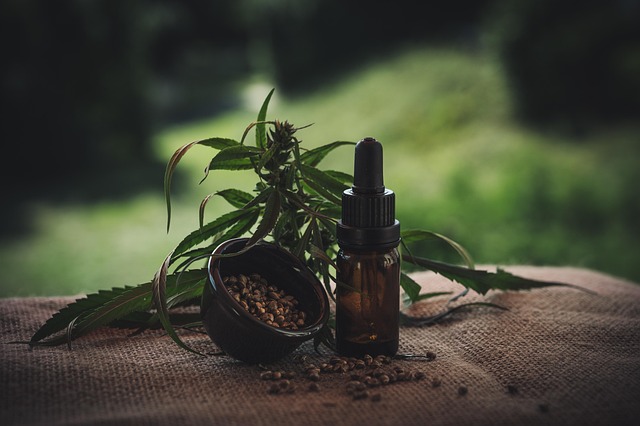
Common Mistakes to Avoid When Using Green Dragon CBD
Even with good intentions, some common missteps can hinder your Green Dragon CBD experience. Being aware of these can help you maximize benefits and ensure safety.
Overdosing Initially
A frequent mistake is taking too much CBD too soon, hoping for immediate, dramatic results. While CBD is generally well-tolerated, excessive doses, especially for new users, can lead to mild side effects like drowsiness or digestive upset. The solution is to adhere to the “start low, go slow” mantra I mentioned earlier.
Ignoring Lab Results
As covered, skipping the Certificate of Analysis (CoA) is a significant oversight. Without it, you can’t be sure of the product’s purity or potency. Always take the time to review the third-party lab reports for your Green Dragon CBD products to confirm what you’re consuming.
Inconsistent Use
CBD works best when taken consistently. Missing doses or using it sporadically might prevent you from experiencing its full potential benefits, as cannabinoids can build up in your system over time. Try to incorporate your Green Dragon CBD routine into your daily schedule for optimal results.
Misunderstanding Full Spectrum vs. THC
Some users confuse full spectrum with high-THC products. While full spectrum contains trace THC (under 0.3%), it’s not psychoactive. Others might mistakenly believe broad spectrum or isolate will have the same effects as full spectrum if they are sensitive to minor cannabinoids. Understand the nuances of each type before purchasing.
Expert Tips for Maximizing Your Green Dragon CBD Experience
Beyond the basics, a few expert insights can help you get the most out of your Green Dragon CBD products. My first tip is to keep a journal. Documenting your dosage, the time of day you take it, the product type, and any effects you notice can be incredibly valuable. This helps you pinpoint what works best for your unique physiology and goals. For example, you might discover that a specific Green Dragon CBD full spectrum tincture at a certain dose is perfect for nighttime relaxation.
Next, consider the timing of your doses. If you’re using CBD for sleep, taking it an hour or two before bed makes sense. For general wellness or discomfort, spreading doses throughout the day might be more effective. The Green Dragon CBD product range, with its various forms, allows for this flexibility. Finally, remember that CBD can interact with certain medications. If you are on prescription drugs, I strongly advise consulting with a healthcare professional before incorporating Green Dragon CBD or any new supplement into your regimen. They can provide personalized guidance based on your health profile.
Frequently Asked Questions
Is Green Dragon CBD legal?
Yes, Green Dragon CBD products derived from hemp with less than 0.3% Delta-9 THC are federally legal in the United States, thanks to the 2018 Farm Bill. However, state laws can vary, so it’s always wise to check your local regulations. Green Diamond Group offers various articles on state-specific cannabis laws, which you can explore further.
What kind of products does Green Dragon CBD offer?
Green Dragon CBD offers a wide array of products, including CBD oils (tinctures), gummies, capsules, topicals, and even pet products. They also stock a range of other hemp-derived alternatives like THC products, kratom, and mushroom-based supplements, aiming to be a complete source for wellness alternatives.
How quickly will I feel the effects of Green Dragon CBD?
The onset of effects depends on the consumption method. Tinctures taken sublingually can work within 15-45 minutes. Edibles like gummies take longer, typically 30 minutes to 2 hours, as they need to be digested. Topicals provide localized effects and generally don’t enter the bloodstream.
Can Green Dragon CBD products make me high?
CBD itself is non-intoxicating and won’t produce a “high.” Full spectrum Green Dragon CBD products contain trace amounts of THC (below 0.3%), which is not enough to cause psychoactive effects. Broad spectrum and isolate products contain virtually no THC, ensuring no intoxicating effects.
How do I know the Green Dragon CBD products are high quality?
High-quality Green Dragon CBD products should always come with easily accessible third-party lab results (Certificates of Analysis). These reports verify the product’s cannabinoid content and confirm it’s free from contaminants like heavy metals, pesticides, and mold. Always check these before purchasing.
Are there any side effects from using Green Dragon CBD?
CBD is generally well-tolerated, but some individuals may experience mild side effects, especially with higher doses. These can include drowsiness, dry mouth, changes in appetite, or diarrhea. Starting with a low dose and gradually increasing it can help minimize these potential effects.
Conclusion
Navigating the world of hemp-derived products, especially from a complete brand like Green Dragon CBD, requires clear information and a thoughtful approach. By understanding the different types of CBD—full spectrum, broad spectrum, and isolate—and prioritizing products with transparent third-party lab testing, you empower yourself to make informed choices. My main actionable takeaway is to always prioritize your research and personal needs. Whether you’re seeking relaxation, discomfort relief, or general wellness, approaching Green Dragon CBD products with knowledge of their composition, proper dosage, and potential interactions will lead to a more effective and satisfying experience. Remember, consistency and careful observation are your best allies on this journey. Information current as of September 2026; pricing and product details may change.
Product Guides
Simplifying Cannabis Delivery: Your Guide to Weedmaps Service
Navigating the world of cannabis delivery can be complex, but Weedmaps delivery service simplifies the process. I’ll guide you through finding local dispensaries, placing orders, and ensuring a smooth, discreet experience, helping you make informed choices.

Finding convenient and reliable cannabis access is a top priority for many consumers today. Most readers searching this topic want to know how the Weedmaps delivery service actually works, what to expect, and how to get their products efficiently and legally. I’ve spent time understanding the intricacies of these platforms, and I can tell you that Weedmaps plays a key role in connecting you with licensed dispensaries offering delivery right to your door.
- Weedmaps delivery service acts as a marketplace, connecting you with local, licensed dispensaries that offer home delivery.
- The process involves verifying your age and location, browsing menus, placing an, order, and tracking its progress until it arrives.
- Understanding your state’s specific cannabis delivery laws is crucial, as regulations vary significantly across different regions.
- Delivery fees, minimum order requirements, and payment methods are important factors to consider before finalizing your purchase.
- Always ensure you have a valid ID ready for verification upon delivery to avoid any complications.
How Weedmaps Delivery Service Connects You Weedmaps serves as a complete online marketplace, acting as an intermediary between you and hundreds of licensed cannabis dispensaries that offer delivery services. It’s not a delivery company itself, but rather a platform where retailers list their menus, prices, and delivery zones, allowing you to browse and order from local providers. This model simplifies access by consolidating options. Instead of searching individual dispensary websites, you can find a wide array of products from multiple retailers in one place.
It’s particularly useful for discovering new dispensaries in your area that might not be immediately obvious. My view is that this aggregation offers unparalleled convenience, especially in regions with a competitive cannabis market. It empowers consumers to compare products and prices easily before making a choice. Navigating the Weedmaps Platform for Delivery Using the Weedmaps delivery service is a straightforward process, designed to be intuitive for both new and experienced cannabis consumers.
The first step involves setting your location to see available dispensaries that deliver to your address. Once your location is set, you can filter by delivery, browse menus, and add items to your cart. The platform typically requires you to create an account and verify your age, ensuring compliance with legal purchasing requirements. I find that paying attention to minimum order requirements and estimated delivery times during this stage can save you hassle later on. Each dispensary will have its own policies clearly listed.

Understanding Cannabis Delivery Regulations and Zones The legality and operational specifics of cannabis delivery vary significantly by state, and even by local municipality. Weedmaps operates within these complex legal frameworks, only listing licensed retailers in jurisdictions where delivery is permitted. For instance, in California, both medical and adult-use cannabis delivery is broadly legal, while in states like New York, regulations are still evolving for widespread recreational delivery as of 2026. According to the National Organization for the Reform of Marijuana Laws (NORML), the patchwork of state laws means consumers must always verify local regulations.
I can’t stress enough the importance of checking your specific area’s rules. Delivery zones are often strictly enforced by dispensaries, and attempting to order outside a legal zone will simply result in your order being rejected. Beyond the Order: Tracking and Receiving Your Delivery After you place an order through Weedmaps, the selected dispensary receives it directly and begins preparation. Many dispensaries offer real-time tracking, allowing you to monitor your delivery’s progress from the moment it leaves the store until it arrives at your doorstep.
Upon arrival, the delivery driver will typically require you to show a valid government-issued ID to verify your age and identity, matching the details provided during your online order. This is a non-negotiable step to ensure legal compliance. My advice is to have your ID ready and be prepared for a brief interaction. Drivers are often on tight schedules, and a smooth handover benefits everyone involved. Weedmaps Delivery Fees and Pricing Structures Delivery fees can vary widely based on the dispensary, your location, and the size of your order.
Some dispensaries offer free delivery over a certain purchase amount, while others apply a flat fee, which can range from $5 to $20, for example. I’ve seen some services offer free delivery for first-time customers or during promotional periods. Beyond the delivery fee, you’ll also encounter state and local cannabis taxes, which are often added at checkout. According to Leafly’s 2026 analysis of cannabis markets, taxes on cannabis can range significantly, sometimes adding an additional 15% to 20% to the total cost, depending on the product type and jurisdiction.
Always review the total cost, including all fees and taxes, before confirming your order. Transparency in pricing is something I value highly when using any delivery service, and Weedmaps usually provides a clear breakdown.

Choosing the Right Products for Your Delivery Weedmaps offers an extensive range of cannabis products available for delivery, mirroring what you’d find in a physical dispensary. This includes various strains of flower (indica, sativa, hybrid), concentrates, edibles, vape cartridges, tinctures, and topicals. The platform’s filters allow you to narrow down your search by product type, potency, brand, and even specific effects or terpenes. This is particularly helpful if you have a specific need or preference, such as a high-CBD product or a specific strain for relaxation.
I find that reading product descriptions and customer reviews on Weedmaps can be incredibly insightful. They often provide real-world perspectives on effects, flavors, and overall quality, helping you make an informed decision. Troubleshooting Common Weedmaps Delivery Issues While Weedmaps delivery service aims for a smooth experience, issues can sometimes arise. Common problems include delayed deliveries, incorrect orders, or issues with age verification. If your delivery is running significantly late, the first step is to check the order tracking on the Weedmaps app or the dispensary’s direct communication.
For incorrect or missing items, you should contact the dispensary directly using the contact information provided on Weedmaps. Most reputable dispensaries are committed to customer satisfaction and will work to resolve the issue promptly, often offering replacements or refunds. My experience suggests that clear communication with the dispensary is key. Keep screenshots of your order and any communication, as this can facilitate a quicker resolution. Mary Mart: Navigating Tacoma’s Premier Cannabis Dispensary for more on navigating dispensary customer service.
Tips for a smooth Weedmaps Delivery Experience To maximize your Weedmaps delivery experience, I recommend a few key practices. First, always double-check your delivery address and contact information before finalizing an order to prevent misdeliveries. Second, prepare your payment method and valid ID in advance. Many services still prefer cash, but more are accepting digital payments. Having everything ready minimizes delays for both you and the driver. Finally, use the review system.
Honest feedback helps other consumers and encourages dispensaries to maintain high service standards. If you had a great experience, let them know!

Delivery Service Models: A Comparison When considering cannabis delivery, it’s helpful to understand the different models. While Weedmaps primarily functions as an aggregator, the actual delivery can be handled in a few ways.
| Feature | Retailer-Direct Delivery | Third-Party Aggregator (e.g., Weedmaps) |
|---|---|---|
| Provider | Dispensary’s own staff | Dispensary lists on platform; delivery by dispensary staff or third-party logistics |
| Product Range | Limited to one dispensary’s menu | Vast, aggregated from many dispensaries |
| Pricing | Direct from dispensary; potentially lower fees | Dispensary pricing + platform fees/delivery fees (can vary) |
| Convenience | Requires searching multiple sites | One-stop shop for comparison and ordering |
| Customer Support | Directly with the dispensary | Primarily with the dispensary, Weedmaps can mediate disputes |
Pros and Cons of Using Weedmaps for Delivery
Pros
- Extensive Selection: Access to numerous dispensaries and a wide variety of products in one place.
- Convenience: Easy comparison shopping and ordering from the comfort of your home.
- User Reviews: Benefit from other users’ experiences and product ratings.
- Regulatory Compliance: Connects you only with licensed, legal operators in your area.
- Order Tracking: Many listed dispensaries offer real-time updates on your delivery status.
Cons
- Variable Fees: Delivery fees and minimums can differ significantly between dispensaries.
- Third-Party Dependence: Customer service issues often require direct communication with the dispensary, not Weedmaps itself.
- Geographic Limitations: Availability is strictly tied to legal delivery zones and dispensary coverage.
- Potential for Markups: Some items might have slightly higher prices or include platform fees compared to direct pickup.
- ID Verification Strictness: Requires strict adherence to age and identity verification protocols, which can sometimes feel cumbersome.
Common Mistakes to Avoid with Cannabis Delivery One common mistake I see consumers make is not thoroughly checking the dispensary’s operating hours and delivery windows. While Weedmaps shows general availability, specific delivery slots can fill up quickly, especially during peak times. Another pitfall is assuming all products listed are available for immediate delivery. Sometimes, popular items go out of stock or are only available for pickup. Always confirm stock before ordering if an item is critical. Finally, neglecting to have your exact payment ready (especially cash) can cause delays and frustration for both you and the driver. Many drivers carry limited change, so having the precise amount is often appreciated. On choosing cannabis payment methods. Frequently Asked Questions
Is Weedmaps delivery legal everywhere?
No, Weedmaps delivery is not legal everywhere. It operates in compliance with state and local cannabis laws. Availability depends on whether your specific jurisdiction permits cannabis delivery and if licensed dispensaries in your area offer the service. Always check your local regulations before placing an order.
How do I know if a dispensary is licensed on Weedmaps?
Weedmaps has a strong focus on listing licensed dispensaries to ensure legal and safe transactions. Look for badges or indicators on dispensary profiles that confirm their licensing status. If you have any doubts, you can usually cross-reference the dispensary’s license number with your state’s cannabis regulatory agency.
Can I pay with a credit card for Weedmaps delivery?
Payment options vary by dispensary and state regulations. While some dispensaries may accept debit cards, ACH transfers, or other digital payment methods, credit card processing for cannabis is still complex due to federal banking laws. Cash on delivery remains a common option. Always check the accepted payment methods before ordering.
What if my Weedmaps delivery is late or never arrives?
If your delivery is late, first check the order tracking feature on Weedmaps or any direct communication from the dispensary. If there’s no update or it’s significantly delayed, contact the dispensary directly using the phone number or messaging system provided. They are best equipped to resolve delivery issues.
Do I need a medical marijuana card to use Weedmaps delivery?
Whether you need a medical marijuana card depends on your state’s laws and the type of product you’re ordering. In adult-use (recreational) states, a medical card is generally not required for recreational products if you’re over 21. In medical-only states, a valid medical card is necessary. Weedmaps will guide you based on your location.
Are there minimum order requirements for delivery?
Yes, most dispensaries offering delivery services on Weedmaps have minimum order requirements. These typically range from $40 to $100, varying by retailer and location. Checking the minimum order amount before you start adding items to your cart can help you avoid surprises at checkout. Conclusion The Weedmaps delivery service has undeniably transformed how many of us access cannabis, offering a blend of convenience, variety, and reliability. By understanding how the platform works, navigating local regulations, and employing smart ordering practices, you can ensure a smooth and satisfying experience. I believe that for most consumers, it’s an invaluable tool for exploring the cannabis market and receiving products discreetly at home. My actionable takeaway is to always start by verifying local delivery laws and the specific dispensary’s policies to avoid any surprises. Happy browsing!
Product Guides
Finding Reliable Weed Delivery Near Me
Looking for weed delivery near me? This guide cuts through the confusion, helping you find reliable, legal, and discreet cannabis delivery services. Discover how to ensure safety and convenience.

When you’re searching for “weed delivery near me,” what you’re really looking for is convenience, reliability, and peace of mind. The cannabis market has evolved dramatically, making it easier than ever to get your favorite products delivered right to your doorstep. Yet, navigating the options and ensuring you’re choosing a legitimate, safe service can feel overwhelming. Many consumers, like Maya in Los Angeles who just finished a long shift, want to relax without the extra trip to a dispensary. She knows what she wants but needs to trust the service and understand the process. I think understanding the legal framework and best practices is crucial to a smooth experience.
- Always verify a delivery service‘s license through your state’s official cannabis regulatory body.
- Be prepared with a valid government-issued ID and the exact payment method specified by the service.
- Delivery offers unmatched convenience and discretion, but may have minimum orders and delivery fees.
- Avoid common mistakes like using unlicensed services or not checking your order upon arrival.
- The cannabis delivery landscape continues to expand, driven by evolving regulations and consumer demand.
How Legal Weed Delivery Works Near You Legal weed delivery services operate under strict state and local regulations, ensuring that products are safely and responsibly distributed. For instance, in California, licensed dispensaries are permitted to deliver cannabis directly to adult consumers and qualified patients across most of the state, provided they adhere to specific rules set by the Department of Cannabis Control (DCC). This means you’re generally receiving products from a regulated source, unlike the gray market alternatives.
The process typically starts with browsing an online menu, similar to any e-commerce experience. You select your desired flower, edibles, concentrates, or accessories, add them to your cart, and proceed to checkout. Most platforms require you to create an account and verify your age (21+ for adult-use, 18+ with a medical recommendation) before placing your first order. This is a critical step in maintaining legality and responsible consumption. Finding Licensed Cannabis Delivery Services The most important step in finding reliable weed delivery near you is to ensure the service is fully licensed.
This protects you as a consumer, guarantees product quality, and supports the legal cannabis industry. Unlicensed operators often sell untested products that may contain contaminants, or they might engage in deceptive pricing. I would always start by checking your state’s official cannabis regulatory website. For example, California’s DCC provides a searchable database of licensed businesses. If a service claims to deliver, their license number should be clearly visible on their website, and you should be able to cross-reference it there.
Don’t just take their word for it. Many reputable platforms like Leafly also list licensed delivery services, often with reviews from other customers. These platforms act as aggregators, making it easier to compare options and ensure you’re dealing with a legitimate business. What to Expect From Your First Cannabis Delivery Your first cannabis delivery experience should be straightforward and professional. Once your order is placed, you’ll usually receive an estimated delivery window, often ranging from 30 minutes to a few hours for same-day services.
Many services will send text message updates when the driver is en route or nearing your location. Upon arrival, the delivery driver, who is typically an employee of the licensed dispensary, will verify your ID. This isn’t just a quick glance; they often use a scanner or take a photo of your ID to confirm your age and identity matches the order. Be sure to have the exact ID you used to sign up for the service readily available.
Most services prioritize discrete packaging, often in unmarked bags or boxes, to maintain your privacy. Payment methods vary, but cash is still a prevalent option, as federal banking regulations often complicate digital payments for cannabis businesses. Some services may offer debit card processing or alternative payment apps. Always confirm the accepted payment methods when placing your order to avoid delays. I’ve found it’s always best to have exact change if paying with cash, as drivers may carry limited amounts.
Benefits and Drawbacks of Cannabis Delivery Choosing between a physical dispensary and a delivery service involves weighing several factors. Delivery services offer unparalleled convenience, bringing your products directly to your home, which is ideal for those with limited mobility, busy schedules, or simply a preference for staying in. They also often provide a greater sense of discretion, as you avoid the public nature of visiting a storefront. However, delivery might come with a few trade-offs.
You generally won’t get the immediate gratification of an in-store purchase; there’s a waiting period. Delivery fees can range from a few dollars (e.g., $3.99 to $5, as seen with some services in August 2026) to being waived with a minimum purchase (often around $50). Selection might also be slightly more limited compared to a large dispensary’s full inventory, though many delivery services have extensive menus. In contrast, in-store pickup offers immediate access, the ability to physically inspect products, and personalized recommendations from budtenders.
However, it requires travel and less privacy. For specific product comparisons or strain profiles, you might find our guide on AZCS: Your Guide to Arizona Cannabis Society Deals & Products helpful.
| Feature | Cannabis Delivery | In-Store Dispensary Pickup |
|---|---|---|
| Convenience | High (doorstep service) | Moderate (requires travel) |
| Privacy/Discretion | High (unmarked vehicles/packaging) | Moderate (public storefront) |
| Immediate Access | No (waiting period) | Yes (instant purchase) |
| Product Selection | Good (online menu) | Excellent (full inventory, physical inspection) |
| Cost Implications | Delivery fees, minimum orders | Travel costs, no fees |
| Expert Interaction | Limited (driver for ID/payment) | High (budtender consultations) |
Common Mistakes to Avoid with Weed Delivery While cannabis delivery is convenient, several common pitfalls can lead to frustration or even legal issues. The biggest mistake is ordering from an unlicensed service. These operators often bypass rigorous testing, selling products that could contain pesticides, heavy metals, or inaccurately labeled cannabinoid content. Always verify their license. Another frequent error is not having the correct identification or payment ready. Drivers can’t complete a delivery without proper ID verification.
If you’re paying cash, having the exact amount simplifies the transaction and avoids delays. I’ve seen customers surprised when a driver can’t break a large bill, leading to rescheduled deliveries. Also, failing to check your order upon arrival is a common oversight. While rare with licensed services, mistakes can happen. Quickly confirm the strains, quantities, and product types match your order before the driver leaves. Resolving discrepancies immediately is far easier than trying to fix them hours later.
Payment and Pricing for Marijuana Delivery Understanding payment and pricing structures is key to a smooth marijuana delivery experience. As of August 2026, cash remains the most universally accepted payment method due to federal banking restrictions on cannabis. However, a growing number of licensed services are finding workarounds, offering compliant debit card processing or cashless ATM solutions. Delivery fees typically range from minimal (e.g., $3.99 to $7.50) to free with a qualifying minimum order, which can be anywhere from $25 to $50, depending on the service and your location.
Some premium or expedited services might have higher fees. I’d advise checking these details clearly on the service’s website before you add items to your cart. Tipping your delivery driver is also customary and appreciated, similar to food delivery services. Some services, particularly those catering to medical patients, might offer discounts or loyalty programs. Always inquire about these when you sign up or place your order. For a deeper dive into cannabis pricing trends, you might want to read our article on Biscotti Strain: A Deep Dive into Its Effects and Cultivation.
The Future of Local Weed Delivery The world of local weed delivery is dynamic and rapidly expanding. Regulatory environments are continually evolving, with more states and municipalities considering or implementing legal cannabis delivery options. This expansion is driven by consumer demand for convenience and the potential for increased tax revenue for local governments. Technological advancements are also playing a significant role. We’re seeing more sophisticated online ordering platforms, better inventory management systems, and improved logistics for faster, more efficient deliveries.
Integrated mapping and tracking features mean you can often watch your delivery driver’s progress in real-time, much like a food delivery app. The push for more smooth digital payment solutions continues, though federal changes are needed for widespread adoption. As the market matures, I anticipate more specialized services, such as subscriptions for curated product boxes or dedicated medical cannabis delivery with advanced patient support. The focus will remain on compliance, security, and enhancing the overall customer experience, further solidifying weed delivery as a mainstream way to access cannabis. Tips for a Smooth Cannabis Delivery Experience
- Verify Licensing: Always double-check the delivery service’s license on your state’s official cannabis regulatory website. This is non-negotiable for safety and legality.
- Read Reviews: Before placing an order, look at customer reviews on platforms like Leafly or Weedmaps to gauge reliability and product quality.
- Have ID Ready: Keep your valid government-issued photo ID (driver’s license, state ID, passport) easily accessible for verification upon delivery.
- Prepare Payment: Confirm accepted payment methods beforehand. If paying cash, have the exact amount or smaller denominations ready.
- Understand Delivery Zones: Many services have specific geographic limits. Confirm they deliver to your exact address before ordering.
- Communicate Clearly: If you have specific delivery instructions (e.g., gate code, apartment number), include them in your order notes.
- Check Your Order: Briefly inspect your products for accuracy and quality before the driver departs.
- Be Patient: Delivery times can vary, especially during peak hours. Plan your order accordingly.
Frequently Asked Questions
Is weed delivery legal in all states?
No, weed delivery is not legal in all states. Legality varies significantly by state and even by local municipality. Most states with legal adult-use or medical cannabis programs permit some form of delivery, but it’s crucial to check your specific state and local laws. Always verify a service’s license.
What documents do I need for weed delivery?
For weed delivery, you will need a valid government-issued photo ID that proves you are 21 years or older (or 18+ with a medical recommendation in some states). This includes a driver’s license, state ID card, or passport. The ID must match the name on the order.
Can I get same-day cannabis delivery?
Yes, many licensed cannabis delivery services offer same-day delivery, often within a few hours of placing your order. Availability depends on your location, the service’s operating hours, and current demand. Checking the estimated delivery time on the service’s website is always a good idea.
How much does weed delivery cost?
Weed delivery costs typically include a small delivery fee, often ranging from $3 to $8. Many services waive this fee if your order meets a minimum purchase amount, which can be between $25 and $50. Tipping your driver is also customary.
Is cannabis delivery discreet?
Yes, licensed cannabis delivery services generally prioritize discretion. Drivers typically use unmarked vehicles, and products are packaged in plain, opaque bags or boxes. The goal is to ensure your privacy while adhering to all legal requirements for secure transport.
What if my delivery is late or incorrect?
If your delivery is late, contact the service’s customer support line. For incorrect orders, it’s best to check your products before the driver leaves. If you notice an error afterward, contact customer service immediately with your order details and any photographic evidence. Finding reliable weed delivery near me doesn’t have to be a guessing game. By prioritizing licensed services, understanding the process, and avoiding common mistakes, you can enjoy the convenience and discretion that cannabis delivery offers. I firmly believe that an informed consumer is a safer and happier one in this evolving market.

Maui Wowie Strain: Unearthing the Legendary Hawaiian Sativa

Green Dragon CBD: Your Guide to Products and Potency

Super Boof Strain: Unpacking Its Potency, Flavor

AmeriCanna Rx: Your Guide to Portland’s Premier Cannabis Dispensary

Tropic Thunder Strain: An Uplifting Hybrid Experience

Haze Purple: Unveiling a Cannabis Cultivar’s Unique Appeal
-
 Product Guides2 months ago
AmeriCanna Rx: Your Guide to Portland’s Premier Cannabis Dispensary
-
 Cannabis 1012 months ago
Tropic Thunder Strain: An Uplifting Hybrid Experience
-
 Cannabis 1012 months ago
Haze Purple: Unveiling a Cannabis Cultivar’s Unique Appeal
-

 Cannabis 1012 months ago
Purple Runtz Strain: Unpacking Its Potency and Sweet Appeal
-

 Product Guides2 months ago
Identifying Top Shelf Cannabis: A Connoisseur’s Guide
-

 Culture & Lifestyle2 months ago
Collective Efforts Sacramento CA: Your Premier Cannabis
-

 Cannabis 1012 months ago
Peach Rings Strain: Unpacking the Sweet Hybrid Sensation
-

 2 months ago
Medicann Clinics: Challenging the Conventional Patient Journey