
Laws & Regulations
Can You Bring CBD Gummies on a Domestic Flight? TSA Rules
You can bring hemp-derived CBD gummies with less than 0.3% THC on domestic U.S. flights, while Canadian rules require keeping products within domestic borders.


You can legally bring hemp-derived CBD gummies containing 0.3% THC or less on domestic flights within the United States in both your carry-on bag and checked luggage. Canadian federal law similarly permits adult passengers to travel domestically with up to 30 grams of cannabis edibles.
Security screeners follow specific protocols when encountering these items. The 2018 Farm Bill removed hemp from the Controlled Substances Act based on delta-9 THC content. While TSA officers focus on aviation security rather than searching for illegal drugs, they refer any suspicious substances to local law enforcement officers, who then determine if the item violates state or federal law.
The rest of this article explains TSA packing rules for different CBD form factors, including whether you can bring CBD gummies on a domestic flight, steps for resolving checkpoint issues, and practical tips like keeping original product packaging.
Can You Bring CBD Gummies on a Domestic Flight? TSA Rules and Travel Verdict
Yes, you can legally bring hemp-derived CBD gummies containing 0.3% THC or less on domestic flights within the United States. Furthermore, you can travel with up to 30 grams of cannabis edibles on domestic flights within Canada. Federal law permits compliant hemp products in both your carry-on bag and checked luggage, provided you follow standard security guidelines.

The legality of flying with hemp products traces back to the 2018 Farm Bill. This legislation removed hemp from the Controlled Substances Act. Because federal law distinguishes industrial hemp from marijuana based on delta-9 THC content, travellers often ask if you can bring CBD gummies on a domestic flight when facing TSA screeners.
How the TSA handles CBD gummies at airport security
TSA officers focus on security threats rather than checking if you can bring CBD gummies on a domestic flight. However, if an officer detects a suspicious substance during screening, regulations require them to refer the matter to local law enforcement. Police officers then determine whether the product violates state or federal law.
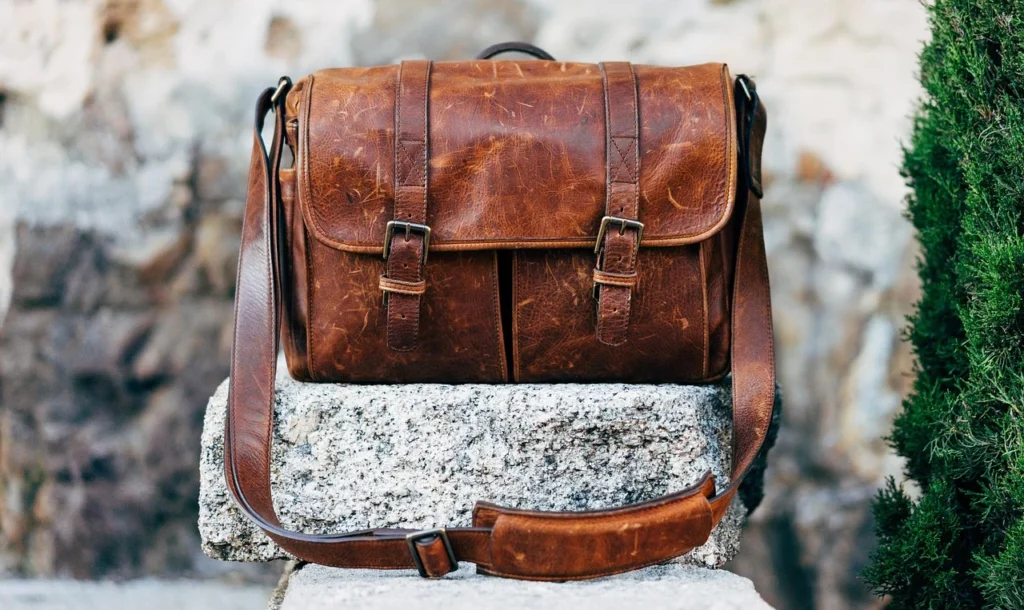
If you wonder if you can bring CBD gummies on a domestic flight, keep them in original commercial packaging. Clear labels showing the manufacturer, ingredients, and explicit hemp derivation or zero THC help prevent confusion during TSA inspections.
If you carry liquid or gel-based CBD products like tinctures in your carry-on, standard liquid limits apply. Liquids must be in containers of 3.4 ounces (100 milliliters) or smaller and fit into a single quart-sized bag. Solid gummies do not fall under the liquid rule, making them much easier to pack.
Comparing CBD form factors and travel rules
Different types of CBD items require different packing approaches at security checkpoints. Review this quick comparison before packing your luggage:
| CBD Product Type | TSA Form Category | Carry-on Allowance | Checked Bag Allowance |
|---|---|---|---|
| Solid Gummies & Edibles | Solid Food | No quantity restrictions | No quantity restrictions |
| Tinctures & Oils | Liquid / Gel | 3.4 oz (100ml) or smaller | Unrestricted liquid volume |
| Topical Creams & Lotions | Liquid / Gel | 3.4 oz (100ml) or smaller | Unrestricted liquid volume |
| Vape Cartridges | Electronic / Liquid | Carry-on only (3.4 oz limit) | Prohibited in checked bags |
Is it illegal to fly with CBD gummies?
Flying with CBD gummies derived from hemp is legal under U.S. federal law. Airports operate under federal jurisdiction. Bringing high-THC products into a terminal creates legal risks regardless of state laws at your destination.
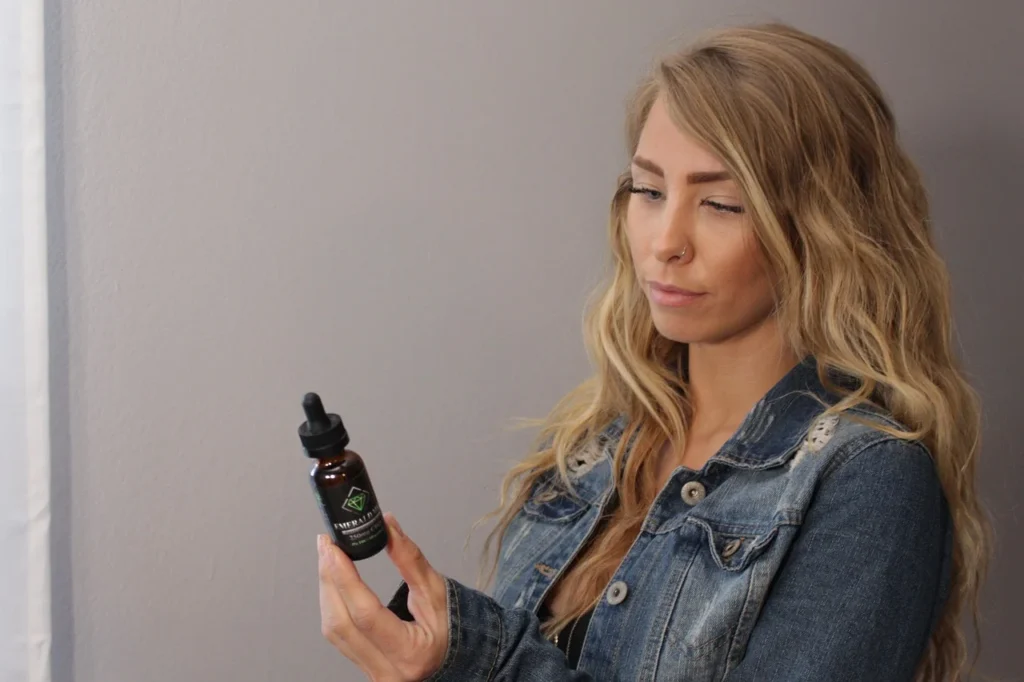
State laws can also create subtle complications. While the federal government permits compliant hemp nationwide, individual states occasionally enforce stricter regulations on specific cannabinoids. For instance, if traveling to a state with tight hemp regulations, researching local possession laws ensures compliance once you land.
We suggest downloading a Certificate of Analysis (COA) from the manufacturer’s website onto your phone. A COA provides third-party laboratory verification of the batch’s exact THC percentage. This offers clear evidence if any questions arise during a law enforcement referral.
Who this travel advice does not suit
While hemp-derived CBD rules protect most domestic air travelers, certain groups face unique legal restrictions. These individuals must avoid flying with CBD gummies:
- International Passengers: Crossing international borders with any CBD product remains illegal under U.S. and foreign federal customs laws.
- Active-Duty Military Personnel: Department of Defense regulations strictly prohibit service members from consuming or possessing hemp and CBD products regardless of THC content.
- Medical Marijuana Cardholders Carrying High-THC Edibles: Federal law does not recognize state-level medical cards inside federal airport airspace.
Can you take CBD gummies on a domestic flight in Canada?
Yes, can you bring CBD gummies on a domestic flight in Canada? Under the Canadian Cannabis Act, adult passengers may travel domestically with up to 30 grams of cannabis. This limit applies regardless of whether it is derived from hemp or marijuana.

The critical factor for Canadian travel is staying strictly within national borders. Crossing borders with any cannabis product—including CBD derived from hemp—remains illegal under Canadian law. This applies even when traveling to or from a U.S. state where cannabis is legal.
Your flight within Canada might be diverted unexpectedly into U.S. airspace or require an emergency landing. Carrying cannabis products in that scenario could expose you to U.S. federal law enforcement. Keep this edge case in mind when planning domestic air travel in border regions.
Comparing U.S. and Canadian domestic flight regulations
Understand how legal frameworks change when flying domestically within each country:
| Regulation Rule | United States Domestic Flights | Canada Domestic Flights |
|---|---|---|
| Legal Basis | 2018 Farm Bill (Hemp definition) | 2018 Cannabis Act |
| Max Allowable THC Content | 0.3% Delta-9 THC by dry weight | No THC percentage cap (within 30g legal limit) |
| Edible Limit | Personal use amounts | Equivalent of 30g dried cannabis |
| International Border Crossings | Strictly Prohibited | Strictly Prohibited |
Practical packing recommendations for flying with CBD
Packing solid edibles like gummies is straightforward, but taking a few practical steps reduces potential friction at the security checkpoint.

- Keep items in original packaging: Retain the original bottle or pouch showing third-party testing badges, ingredient lists, and hemp details.
- Download digital COA documentation: Save the batch lab test results on your smartphone for instant access during physical screening.
- Separate liquids from solids: Place CBD oils or drops alongside your standard toiletries in a clear quart-sized bag, while storing gummies in carry-on pockets.
- Pack reasonable quantities: Keep total quantities aligned with personal use to prevent security questions regarding commercial intent.
- Store gummies in cool compartments: Avoid placing gummies near hot electronics inside your bag to prevent them from melting together during transit.
If you are preparing for workplace drug testing after your travel, note that even compliant hemp products can sometimes lead to ambiguous results depending on the test sensitivity. You can learn more about testing protocols in our guide on .
Common security problems and how to resolve them
Even when following all security rules, unexpected interactions can occur during screening. Here is how you handle common TSA checkpoint challenges:
Problem 1: TSA selects your gummies for manual bag inspection
Solution: Remain calm and inform the TSA officer if you can bring CBD gummies on a domestic flight. Point out the clear product labeling and offer to display the QR code or lab report on your phone.
Problem 2: You transferred gummies into an unmarked pill organizer
Solution: Avoid unlabeling your gummies before flying. If an officer flags unlabeled gummies, open the manufacturer’s website or digital receipt on your phone to show proof of purchase for compliant hemp gummies.
Problem 3: TSA calls local airport police for evaluation
Solution: Local law enforcement officers assess whether your item violates local state statutes. Present your government ID along with the batch COA showing less than 0.3% THC content. Police officers verify the documentation and release compliant items back to you.
Related guides
Frequently asked questions
Can TSA tell the difference between CBD and THC gummies?
TSA officers cannot visually distinguish between CBD gummies and marijuana-derived THC gummies. If security personnel suspect a product contains illegal levels of THC, they refer the item to local law enforcement for further evaluation.
Should I check my CBD gummies or put them in carry-on baggage?
You can put solid CBD gummies in either carry-on or checked baggage. Keeping them in your carry-on alongside original packaging and lab documentation allows you to address any screening questions directly.
What happens if local police are called regarding CBD gummies?
Local law enforcement officers assess whether the product violates state or federal standards. Officers check your identification, examine the product packaging, inspect your COA lab documentation, and release compliant hemp items back to you once verified.
Can you take CBD gummies on a domestic flight in Canada if you are under 19?
No, age restrictions apply to cannabis possession in Canada. You must meet the legal age requirement of the province or territory you depart from and land in, which is 18 or 19 depending on the region.









Laws & Regulations
Can Police Officers Take CBD? Rules and Drug Test Risks
Police officers generally face strict bans or high risks when taking CBD due to potential drug test failures from trace THC.

No, police officers cannot safely take CBD because commercial hemp products frequently contain trace amounts of THC that trigger positive workplace drug screens. Standard law enforcement drug panels do not distinguish between legal CBD and illicit marijuana, leading to failed urinalysis and immediate administrative action.
While hemp-derived cannabidiol became federally legal under the 2018 Farm Bill, employment policies for law enforcement agencies remain far stricter than civil law. If you serve as an active officer, work in court security, or apply to a public safety agency, understanding how departments evaluate these compounds is essential to protecting your career and POST certification.
Can police officers take CBD?
Most police departments explicitly prohibit officers from taking CBD in any form. Law enforcement agencies maintain zero-tolerance drug policies regarding tetrahydrocannabinol (THC). Because the Food and Drug Administration (FDA) does not certify over-the-counter hemp products for purity, manufacturers regularly mislabel their THC concentrations.
When you take a commercial CBD product, you run the risk of introducing trace amounts of delta-9 THC into your body. While a single dose might fall below initial screening thresholds, repeated use causes lipophilic THC metabolites to build up in human fat tissue. During random workplace drug testing, these accumulated metabolites release back into your urine, causing a positive result on standard immunoassay screens.
Can police officers take CBD oil?
Police officers cannot safely take CBD oil. CBD oils typically enter the bloodstream through sublingual absorption or digestive processing. Full-spectrum CBD oils lawfully contain up to 0.3% delta-9 THC by dry weight. While 0.3% sounds minor, regular administration of a full-spectrum tincture delivers several milligrams of THC to your system every week.

Consider this practical scenario: an officer takes 30 milligrams of full-spectrum CBD oil twice daily to manage joint stiffness. At a 0.3% THC limit, that daily regimen delivers up to 0.18 milligrams of pure THC. Over 30 days, the officer ingests over 5 milligrams of total THC. Because the body stores THC metabolites slowly, the concentration in urine steadily rises until it breaches standard laboratory cutoff thresholds.
Urinalysis panels scan for 11-nor-9-carboxy-THC (THC-COOH). Initial immunoassay tests usually trigger a positive flag at 50 nanograms per milliliter (ng/mL). Confirmation testing via Gas Chromatography-Mass Spectrometry (GC-MS) or Liquid Chromatography-Tandem Mass Spectrometry (LC-MS/MS) lowers the cutoff to 15 ng/mL. Ingesting full-spectrum CBD oil over consecutive weeks easily pushes an officer’s urine concentration above these limits (see How to Beat a UA for Pot: Understanding Cannabis Drug Tests for details on urinalysis cutoffs and detection windows).
Can police officers take CBD gummies?
Police officers must avoid CBD gummies for the same reasons they avoid oral oils. Edible gummies pass through your gastrointestinal tract and metabolic pathways in your liver. First-pass liver metabolism processes delta-9 THC into 11-hydroxy-THC, an active compound that eventually degrades into the detectable metabolite THC-COOH.
Gummies present additional quality-control hazards compared to standard tinctures:
- Uneven ingredient distribution: Batch mixing in gelatin products often results in inconsistent dosing. Consequently, one gummy in a package might contain significantly higher THC levels than the rest.
- Degradation over time: Exposure to heat, light, or extended shelf storage can degrade cannabinoids into residual compounds. As a result, these trigger false positives or cross-react on rapid immunoassay test strips.
- Sugar-masking and incorrect labeling: Unregulated edible manufacturers frequently use raw hemp extracts without batch-specific laboratory verification.
Can police officers use CBD?
Officers often ask whether non-ingestible methods make CBD usage acceptable. Across federal, state, county, and municipal agencies, executive leadership bans CBD usage outright regardless of how you apply or consume it. Chiefs of police and county sheriffs write general orders to remove all ambiguity during internal affairs investigations.

Law enforcement agencies maintain a restrictive stance on hemp derivatives for three primary operational reasons:
- Lack of FDA regulation: Over-the-counter CBD items do not undergo mandatory pre-market approval by federal regulators. This leads to widespread cross-contamination during commercial extraction and manufacturing.
- Strict zero-tolerance policies: Departmental regulations rarely distinguish between full-spectrum hemp extracts and illicit marijuana. Any detected THC metabolite constitutes a direct policy violation.
- Liability and readiness: Chiefs and sheriffs enforce blanket rules to eliminate legal ambiguity surrounding officer sobriety, reaction time, and decision-making on duty.
I always advise officers to check their specific general orders before purchasing any hemp supplement. Even if a brand promises “zero THC” or provides a Certificate of Analysis (COA), batch variations mean those documents offer zero legal defense during internal affairs investigations.
Can police officers use CBD products?
Police officers cannot use any category of CBD products without taking on serious career risk. The table below outlines how different hemp formulations compare under standard workplace drug testing conditions.

Prohibited due to mislabeling risks
| Product Category | THC Presence | Drug Test Risk Level | Operational Policy Status |
|---|---|---|---|
| Full-Spectrum CBD | Contains up to 0.3% THC legally | Extreme Risk | Prohibited by almost all agencies |
| Broad-Spectrum CBD | Trace / Variable levels | High Risk | |
| CBD Isolate | Pure CBD (Theoretical 0% THC) | Moderate Risk | Prohibited due to cross-contamination |
| Topical Balms / Salves | Variable levels | Low Risk (Minimal systemic absorption) | Prohibited if agency bans all hemp derivatives |
Topical lotions carry lower systemic absorption risks because cannabinoids applied to skin generally do not cross the blood-brain barrier or enter blood vessels in large quantities. However, if your agency maintains a total ban on all hemp derivatives, applying a topical balm still violates explicit general order phrasing.
Can police officers use CBD in the UK?
In the UK, police officers face similar prohibitions under Home Office guidance and individual force regulations. The UK College of Policing and regional police forces enforce strict substance misuse standards. Home Office policy demands that officers remain completely free from controlled drugs and unauthorized substances.

Consumer CBD items sold in the UK market often contain controlled cannabinoids such as Cannabinol (CBN), Cannabigerol (CBG), or Delta-9 THC. UK testing facilities use low analytical cutoffs during random officer screens. If a UK officer tests positive for trace controlled cannabinoids from an over-the-counter CBD product, the force treats the event as misconduct, initiating formal disciplinary hearings under Police Conduct Regulations.
Canadian law enforcement agencies follow similar strict standards. Despite national recreational cannabis legalization across Canada, individual services enforce strict “fit-for-duty” directives. Many Canadian forces require complete abstinence for days or weeks prior to reporting for shift work, while others maintain total bans on non-prescription hemp and cannabis extracts.
Can cops use CBD?
Cops cannot use CBD because Medical Review Officers (MROs) treat positive urine tests strictly. When a certified laboratory detects THC-COOH above the 15 ng/mL confirmation threshold, an MRO contacts the officer to conduct an interview. The officer must supply a valid medical explanation, such as a legally binding federal prescription (for example, Marinol or Epidiolex).

An over-the-counter CBD oil, gummy, or tea bag does not qualify as a valid medical explanation under federal or state drug testing guidelines. Consequently, the MRO marks the result as a “Confirmed Positive for THC” and notifies the department’s internal affairs bureau or human resources division.
Can law enforcement use CBD?
Law enforcement personnel across all roles—including municipal officers, deputy sheriffs, state troopers, federal agents, and corrections staff—must avoid CBD usage entirely. The administrative consequences of a positive drug screen extend far beyond immediate workplace suspension.

Once an agency receives a confirmed positive test from an MRO, the administrative process follows a swift trajectory:
- Immediate relief from duty: The department surrenders the officer’s badge, service weapon, and police powers, placing them on administrative leave.
- Internal Affairs investigation: Investigators review the lab results, chain of custody forms, and officer statements to verify policy non-compliance.
- Termination of employment: Because zero-tolerance policies govern illegal drug use and non-prescribed controlled substances, agencies routinely terminate the officer’s employment contract.
- POST Board notification: The agency reports the termination to the state Police Officer Standards and Training (POST) board or licensing body.
- Decertification: State boards conduct independent reviews. As a result, they routinely revoke the officer’s peace officer license, permanently barring them from law enforcement employment nationwide.
How officers can check general orders and find safe alternatives
If you serve in law enforcement and want to manage job-related stress, physical pain, or sleep disturbances, follow these safe steps to protect your health and career:
- Review agency general orders: Open your department’s policy manual and search for terms like “Hemp,” “Cannabidiol,” “THC,” or “Controlled Substances.” Look specifically for language banning “all hemp derivatives” or “unregulated supplements.”
- Consult your union or legal representative: Ask your labor union or legal counsel how local arbitrators and civil service boards rule on off-duty supplement use and MRO procedures.
- Avoid rely on Certificates of Analysis (COAs): Do not assume a manufacturer’s third-party lab report protects you. Internal affairs divisions do not accept private COA documents to overturn laboratory-confirmed urinalysis results.
- Adopt non-cannabinoid wellness protocols: Replace CBD with safe, zero-risk alternatives for physical recovery and stress relief:
- Sleep support: Use pure magnesium glycinate or doctor-approved melatonin supplements that carry NSF Certified for Sport or Informed-Choice trust marks.
- Pain management: Use physical therapy, targeted mobility work, targeted cold/heat therapy, or traditional anti-inflammatory medications cleared by your department physician.
- Stress reduction: Access peer support teams, confidential Employee Assistance Programs (EAP), or tactical breathwork routines.
Who this advice does not apply to
The guidance in this article targets active-duty sworn police officers, deputy sheriffs, federal law enforcement agents, state troopers, corrections officers, and recruits subject to mandatory agency drug testing.

This advice does not apply to private-sector employees working in non-safety-sensitive roles where state employment law explicitly protects off-duty cannabis or hemp consumption. It also does not apply to individuals who hold a valid, FDA-approved prescription for synthetic THC or purified CBD (such as Epidiolex) that has been vetted and cleared in writing by their department’s official medical director prior to testing.
Sources: Victoria Police
Frequently asked questions
Can police officers take CBD oil if it has no THC?
No, police officers cannot take CBD oil even if labeled “THC-free.” Unregulated commercial products frequently suffer from cross-contamination, and third-party labels often fail to reflect trace THC levels that cause positive urine drug screens.
Can cops use CBD gummies for sleep or recovery?
Cops should avoid CBD gummies entirely. Ingesting gummies causes trace cannabinoids to accumulate in body fat over time, which can trigger a positive result on standard departmental urinalysis screens.
Can law enforcement use topical CBD creams?
Topical creams carry lower systemic absorption than oils or edibles, but most department policies prohibit all hemp derivatives regardless of how you apply them. Officers must treat topicals as restricted unless explicit agency policy states otherwise.
Will a third-party Certificate of Analysis protect me during an internal affairs investigation?
No. Internal affairs units and Medical Review Officers rely strictly on certified laboratory urine results. A private company’s Certificate of Analysis holds no legal weight during disciplinary proceedings or POST decertification hearings.
Laws & Regulations
Weed Decriminalized in Wisconsin: What It Means for You
Weed decriminalized in Wisconsin marks a complex landscape where state law clashes with local ordinances. Knowing what this means for possession and penalties in your specific area is crucial to avoid legal trouble.

Cannabis is not legal statewide in Wisconsin. However, weed is decriminalized in several major cities and counties through local municipal ordinances. In cities like Milwaukee, Madison, and Green Bay, possessing up to 25 or 28 grams typically results in a civil ticket fine between $1 and $50 rather than a criminal record or jail time.
Because Wisconsin state law still treats marijuana possession as a crime, your legal outcome depends entirely on where you are stopped, who stops you, and the specific form of cannabis you have. Understanding how municipal ordinances interact with state statutes is essential for anyone living in or traveling through the state.
How Wisconsin Cannabis Laws Work: State Statutes vs. Local Ordinances
To understand how Wisconsin decriminalized weed, look at the legal conflict between state law and municipal codes. Under state law, possessing any amount of cannabis remains illegal. The state framework establishes strict criminal penalties. However, Wisconsin gives local governments the authority to pass civil ordinances that law enforcement officers can enforce instead.

According to Wisconsin State Legislature statutes on controlled substances under Chapter 961, penalties for marijuana possession at the state level include:
- First Offense Possession: Classed as an unclassified misdemeanor. Penalties include up to six months in county jail, a fine of up to $1,000, or both.
- Second and Subsequent Offenses: Classed as a Class I felony, regardless of the amount. Penalties include up to 3.5 years in state prison, a fine of up to $10,000, or both.
When a city passes an ordinance to have weed decriminalized in wisconsin, it creates a local civil forfeiture rule. Instead of arresting you and sending the case to a district attorney for criminal prosecution, a police officer can write a municipal ticket. This works like a speeding ticket: you pay a fine, you do not go to jail, and no criminal conviction appears on your record. However, local ordinances do not erase state law. A police officer or Sheriff’s deputy retains full legal discretion to charge you under state law rather than the municipal code, particularly if they suspect intent to distribute or if the encounter happens outside a city limit.
Where Is Weed Decriminalized in Wisconsin?
Wisconsin has a patchwork of local cannabis laws. What is treated as a minor civil infraction on one side of a county line can trigger a misdemeanor arrest on the other. Municipalities have set different limits, leaving weed decriminalized in parts of Wisconsin.
The table below compares how key cities and counties in Wisconsin handle minor cannabis possession under local ordinances:
| Jurisdiction | Possession Limit | Local Ordinance Fine | Triggers Criminal Record? |
|---|---|---|---|
| Madison & Dane County | Up to 28 grams (1 oz) | $1 (plus court costs) | No (Civil Ticket) |
| City of Milwaukee | Up to 25 grams | $1 (plus court costs) | |
| Green Bay | Up to 28 grams | $0 to $50 | No (Civil Ticket) |
| Eau Claire | Up to 25 grams | $1 to $100 | No (Civil Ticket) |
| Appleton | Up to 14 grams | $50 to $200 | No (Civil Ticket) |
| La Crosse | Up to 25 grams | $1 to $100 | No (Civil Ticket) |
| Waukesha County (Unincorporated) | Any amount | Charged under State Law | Yes (State Misdemeanor) |

In Madison and Dane County, local rules are among the most lenient in the Midwest. Ordinance provisions allow adults to possess up to 28 grams of cannabis in private spaces without facing significant financial penalties. In contrast, surrounding suburban counties like Waukesha, Ozaukee, and Washington routinely enforce state misdemeanor statutes. They do so even for first-time possession of less than a single gram.
Misdemeanor Convictions vs. Civil Citations: What Changes?
Local decriminalization helps residents avoid a formal criminal conviction. Knowing the difference between civil citations and criminal charges explains why having weed decriminalized in Wisconsin matters so much.

A criminal misdemeanor conviction creates a permanent record on the Wisconsin Circuit Court Access (CCAP) database and national criminal record databases. That criminal record triggers long-term obstacles:
- Employment: Many employers conduct mandatory background checks that filter out candidates with drug misdemeanor convictions.
- Housing: Property managers frequently reject lease applications from individuals with open or past drug records.
- Financial Aid: Federal student aid and state grant eligibility can be compromised by drug-related criminal convictions.
- Professional Licenses: Nursing, teaching, legal, and trade licenses often require mandatory reporting of misdemeanor convictions.
A civil municipal citation, by contrast, is a civil forfeiture. It does not go on a criminal record, and it does not result in jail time. You resolve it by paying the designated municipal fine or appearing in municipal court to dispute the ticket. It may appear on local municipal court dockets. However, it does not show up as a criminal drug conviction on standard employment screening reports.
What Local Decriminalization Does Not Protect You From
Decriminalization is not legalization. Even within cities like Milwaukee or Madison, local decriminalization rules come with strict boundaries. Exceeding these boundaries exposes you directly to state felony or misdemeanor prosecution.

1. Public Consumption and Open Use
Decriminalization ordinances almost never permit public consumption. Smoking or consuming cannabis on public sidewalks, in city parks, inside vehicles parked on public roads, or outside commercial venues remains prohibited statewide. Consuming in public usually leads to separate municipal citations or disorderly conduct charges.
2. Driving Under the Influence (OWI / DUI)
Operating a motor vehicle under the influence of cannabis is illegal across all 72 counties in Wisconsin. Wisconsin enforces a zero-tolerance policy for detectable traces of restricted controlled substances in your system while driving. A first-offense Operating While Intoxicated (OWI) charge carries license suspension, heavy monetary fines, and mandatory assessments. Mandatory ignition interlock requirements also apply in specific scenarios. Subsequent OWI offenses involve mandatory jail time.
3. Cannabis Concentrates, Vape Pens, and Edibles
Local ordinances focus on raw cannabis flower. This shows how weed was decriminalized in Wisconsin municipalities. However, processed cannabis products face different state statutes. THC wax, resin, vapes, and high-potency edibles carry harsher penalties. Prosecutors charge concentrates under extract laws. These laws carry stiffer state misdemeanor or felony charges regardless of local weight thresholds.
4. Drug Paraphernalia Charges
Carrying pipes, bongs, grinders, or vape batteries triggers independent drug paraphernalia charges. Even with weed decriminalized in parts of Wisconsin, state law differs. Under Wis. Stat. § 961.573, possessing paraphernalia is a misdemeanor. It carries up to 30 days in jail and a $500 fine, unless local civil ordinances apply.
5. Federal Lands, State Parks, and Transportation Hubs
Local decriminalization offers zero legal protection on state or federal property. If you carry cannabis into federal lands—such as the Apostle Islands National Lakeshore or Chequamegon-Nicolet National Forest—federal law applies. Federal possession charges carry distinct court proceedings and federal penalties. Similarly, airports like Milwaukee Mitchell International Airport and Green Bay Austin Straubel International Airport fall under Transportation Security Administration (TSA) screening guidelines and county airport authority rules.
6. Selling, Distributing, or Cultivating Cannabis
Selling cannabis or growing plants is prosecuted as a felony. Having large quantities implies intent to deliver. Examples include carrying individual baggies, digital scales, and cash with plants. Local ordinances for weed decriminalized in Wisconsin never apply to sales or distribution.
Hemp, CBD, and Alternative Cannabinoids in Wisconsin
The legal landscape is further complicated by federal and state hemp legislation. Following the 2018 Federal Farm Bill and state laws, hemp-derived products containing up to 0.3% Delta-9 THC are legal. Even without weed decriminalized in Wisconsin, these products remain legal across the state on a dry weight basis.
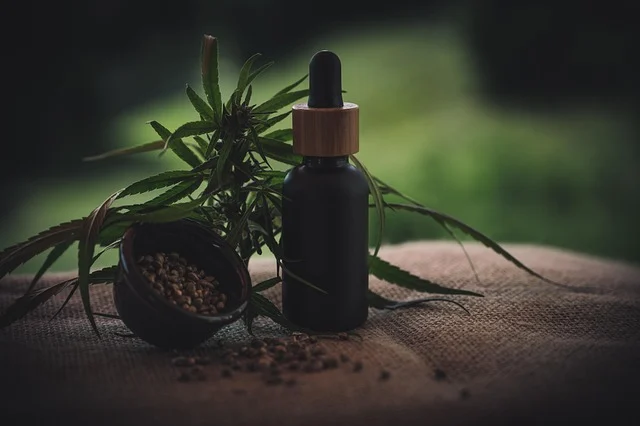
This statutory loophole has created a massive market for alternative hemp-derived products. These include CBD, Delta-8 THC, Delta-10 THC, HHC, and THCA flower. Smoke shops and gas stations across the state widely sell these products. Still, they create practical complications during police encounters:
- Testing Limitations: Standard police roadside chemical field tests cannot distinguish between legal hemp-derived Delta-8/THCA flower and illegal Delta-9 marijuana. Both trigger positive field test results for THC.
- Chain of Custody and Lab Costs: If police suspect your product is illegal marijuana, they can seize the item. They will send it to the state crime laboratory for quantitative gas chromatography testing. If the lab finds Delta-9 THC exceeding 0.3%, you face standard state or local penalties.
- State Line Crossing: Purchasing full-potency recreational marijuana from neighboring states like Illinois or Michigan and transporting it back into Wisconsin remains illegal under both state and federal law. Marijuana bought legally in Chicago or Upper Michigan becomes illegal the moment you cross the Wisconsin state line.
Understanding how cannabinoids are explained in state statutes helps consumers evaluate product safety and legal risk. Consumers must keep products in their original retail packaging with accessible Certificate of Analysis (COA) QR codes. These codes verify that Delta-9 concentrations remain under legal limits. Products with higher Delta-9 concentrations remain illegal in Wisconsin and subject to enforcement.
What to Do If Law Enforcement Stops You with Cannabis in Wisconsin
If police or sheriff’s deputies stop you while carrying cannabis in Wisconsin, following these steps helps protect your legal rights. Doing so reduces the chance of escalating to state misdemeanor charges.

- Remain Calm and Keep Hands Visible: Pull over safely if driving, turn off the engine, turn on interior lights at night, and place your hands on the steering wheel. Avoid sudden movements.
- Provide Required Identification: Hand over your driver’s license, vehicle registration, and proof of insurance when asked. State law requires drivers to identify themselves during a traffic stop.
- Exercise Your Right to Remain Silent: You are not obligated to answer questions about where you are going, where you bought a product, or whether you have smoked. Politely state: “I am choosing to remain silent and would like to speak to an attorney before answering questions.”
- Do Not Consent to Searches: Police need probable cause, a warrant, or your explicit permission to search your vehicle or personal belongings. If asked for permission to search, state clearly and calmly: “I do not consent to any search.” If officers search anyway, do not physically resist. State your objection verbally so the court can note it.
- Do Not Admit to Product Contents: Admitting that a bag contains “weed” or “real marijuana” gives officers immediate probable cause and confession evidence. Let chemical tests and defense counsel address product contents later.
- Address Citations Promptly: If an officer issues a civil municipal citation, review the court date and fine amount carefully. Pay the forfeiture by the deadline or contact a qualified Wisconsin criminal defense lawyer to represent you in municipal court. Ignoring a citation leads to default judgments, license suspensions, or bench warrants.
Political Outlook: Will Wisconsin Legalize Cannabis?
As of late 2026, Wisconsin has not fully decriminalized weed or created comprehensive cannabis programs. Neighboring Minnesota, Illinois, and Michigan operate regulated adult-use markets. These programs draw millions in tax revenue from Wisconsin residents crossing state borders.
Statewide political momentum remains divided along party lines:
- Executive Branch Position: Governor Tony Evers has repeatedly introduced executive budget provisions to fully legalize adult-use recreational cannabis and establish a state taxing structure. The governor’s proposals project hundreds of millions of dollars in tax revenue designated for public school funding and infrastructure improvements.
- Legislative Assembly and Senate: Republican leadership in the Assembly and Senate has consistently stripped recreational cannabis legalization from executive state budgets. Legislative debates have focused instead on tightly restricted, state-administered medical cannabis programs. These proposed programs prohibit smokable flower and limit dispensaries to non-profit medical centers.
Because statewide legislative compromise moves slowly, local city councils and county boards will continue relying on local ordinances to manage minor possession enforcement. For broader tracking of state-by-state legislative updates and criminal justice data, consult resources like the National Conference of State Legislatures (NCSL) and general educational frameworks under cannabis 101. Until statewide statutory reform occurs, Wisconsin’s regional patchwork system will remain the law of the land.
Frequently asked questions
Is recreational marijuana legal anywhere in Wisconsin?
No, recreational marijuana is not legal under state law anywhere in Wisconsin. Cities like Madison and Milwaukee have decriminalized weed in Wisconsin through civil ordinances reducing penalties for minor possession. However, cannabis remains an illegal controlled substance under state statute.
What happens if I cross state lines into Wisconsin with weed bought legally in Michigan or Illinois?
Bringing cannabis across state lines into Wisconsin is illegal under both Wisconsin state law and federal interstate trafficking laws. Even if you purchased the product legally at a licensed dispensary in Michigan or Illinois, possessing it once inside Wisconsin borders subjects you to Wisconsin state charges or local municipal citations.
Can I get a medical marijuana card in Wisconsin?
Wisconsin does not have a medical marijuana program, so it issues no medical cards. Wisconsin law does not recognize out-of-state cards. Even with weed decriminalized in parts of Wisconsin, visitors can still face possession charges.
Does a civil cannabis citation show up on a criminal background check?
A civil municipal citation for cannabis possession is a civil forfeiture, not a criminal conviction. Therefore, it does not appear on official criminal background checks. However, the record of the municipal court filing may still appear on public court databases like Wisconsin Circuit Court Access (CCAP) depending on local court reporting rules.
What are the penalties for possessing cannabis concentrates like wax or vape carts in Wisconsin?
Possessing cannabis concentrates, extracts, or oils carries harsher enforcement than raw flower. Prosecutors apply state statutes even where local laws have weed decriminalized in Wisconsin. This brings potential jail time and significant criminal fines.
Laws & Regulations
Marijuana Lawyer: Navigating Cannabis Law
Navigating the complex and rapidly evolving world of cannabis law requires specialized expertise. A marijuana lawyer provides critical legal guidance for individuals and businesses dealing with state and federal cannabis regulations, especially after recent federal rescheduling.

A marijuana lawyer is a licensed attorney specializing in cannabis regulations, criminal defense, state business licensing, and federal compliance issues. Hiring one helps individuals defend against charges like possession or impaired driving. They also clear past convictions through expungement and structure compliant dispensaries or cultivation operations.
Although federal administrative changes in April 2026 reclassified state-regulated medical cannabis to Schedule III of the Controlled Substances Act, the plant remains illegal for adult recreational use under federal law. This dual federal-state framework creates friction for business owners, medical patients, and individuals facing state or federal drug charges. Working with an experienced attorney ensures you understand your rights, state licensing mandates, local municipal ordinances, and federal tax or banking restrictions.
What core services does a marijuana lawyer provide?
Cannabis law spans multiple distinct practice areas. Standard attorneys handle broad civil or criminal matters. Meanwhile, a specialized marijuana attorney focuses on unique administrative, commercial, and penal rules that apply to plant-touching businesses and consumers.

Criminal defense and traffic enforcement
Individuals charged with illegal possession, unauthorized cultivation, distribution, or driving under the influence need experienced defense counsel. They require attorneys familiar with drug testing protocols and search-and-seizure laws. Cannabis DUI cases frequently hinge on challenging THC blood concentration tests or field sobriety evaluations. Chemical presence in blood or urine does not automatically prove active impairment. Specialized defense attorneys review traffic stops, evaluate whether law enforcement had probable cause, and file motions to suppress illegally obtained evidence.
Commercial licensing and state regulatory compliance
Commercial operators face complex application procedures established by state regulatory boards, such as state cannabis control commissions or health departments. Attorneys prepare license applications for cultivators, processors, testing laboratories, distributors, microbusinesses, and retail dispensaries. They manage local zoning hearings, conditional use permits, background check disclosures, social equity applicant documentation, and ongoing operational audits. Lawyers also draft compliant standard operating procedures. These cover seed-to-sale tracking systems like METRC, security requirements, packaging and labeling mandates, and mandatory inventory reconciliation.
Corporate transactions, leases, and contracts
Setting up a legal business requires specialized corporate documents tailored to state ownership limits and investor rules. Attorneys draft operating agreements, joint venture contracts, management services agreements, and real estate leases. Real estate agreements for dispensaries or grow facilities must include specialized language. Clauses must cover potential federal seizure, surrender conditions, zoning contingencies, and utility allocation requirements. Additionally, lawyers assist in structuring funding rounds to ensure non-licensed investors do not violate state disclosure regulations.
Expungement and criminal record clearing
For individuals with past arrests or convictions for simple possession or low-level distribution, a marijuana lawyer files formal petitions. They ask state courts to expunge, seal, or vacate those records. Record relief opens doors to employment, housing, state licensing, and professional credentials. Attorneys review court dockets, verify eligibility under state-specific social equity or decriminalization statutes, file the necessary legal motions, and represent clients in court hearings to ensure officials permanently remove old convictions from public view.
Intellectual property and brand protection
Cannabis strains, proprietary extraction processes, specialized formulations, and retail brand names carry significant commercial value. However, federal trademark protections under the U.S. Patent and Trademark Office remain limited for plant-touching products directly violating federal law. Cannabis attorneys establish multi-layered protections using state-level trademark registrations and trade secret agreements. They also use copyright filings and non-disclosure contracts to safeguard proprietary genetics and consumer branding.
How federal Schedule III rescheduling affects legal exposure
In April 2026, the U.S. Department of Justice published a final rule moving medical cannabis from Schedule I to Schedule III under the Controlled Substances Act. This structural administrative shift recognized the accepted medical use of cannabis under federal oversight. However, it did not legalize state-sanctioned adult-use markets across the country.
This reclassification means state-authorized medical cannabis programs gain reduced federal enforcement priority. However, recreational dispensaries and adult-use cultivators remain prohibited under federal law. Understanding these boundary lines is essential for avoiding unexpected federal prosecution, asset seizure, or financial penalties.
Taxation remains a primary pain point for commercial operators. Under Section 280E of the IRS code, federal law historically prohibited businesses trafficking in Schedule I or II substances from claiming standard gross income deductions. Operational expenses like rent, payroll, utilities, and marketing were non-deductible. While Schedule III reclassification opens discussions for 280E tax relief for licensed medical businesses, state-legal adult-use retailers still operate under uncertain federal tax guidelines until agencies establish formal administrative regulations and tax court precedents.
Banking and financial transactions present another ongoing hurdle. Federal anti-money laundering statutes and Financial Crimes Enforcement Network (FinCEN) guidance still place strict reporting requirements on banks serving state-licensed dispensaries. Attorneys help cannabis businesses negotiate financial services agreements, establish compliant treasury practices, and prepare merchant processing compliance documentation.

Comparing fee structures for cannabis legal services
Attorneys charge for services based on matter complexity and the local legal market. Costs also depend on whether representation involves a single project or ongoing general counsel. Reviewing fee options before signing an engagement agreement prevents budget surprises.
| Fee Structure | Typical Rate or Cost Range | Best Used For | Trade-offs and Risks |
|---|---|---|---|
| Hourly Rate | $300 – $850 per hour | Complex litigation, regulatory defense, corporate negotiations | Total cost depends on duration; requires upfront retainer deposit |
| Flat Fee | $1,500 – $25,000 per project | Expungement petitions, license applications, entity formation | Scope is strictly limited; out-of-scope work requires additional fees |
| Monthly Retainer | $3,000 – $12,000 per month | Established dispensaries and commercial growers needing ongoing counsel | Fixed recurring expense regardless of monthly legal usage volume |
| Equity or Contingency | 1% – 10% equity stake (rare) | Early-stage startups with limited liquid capital | Strict state bar ethical limits; requires state licensing board disclosure |
When working under an hourly arrangement, law firms typically bill in six-minute increments (0.1 hours). Firms usually ask clients to deposit an initial retainer—often between $5,000 and $25,000—into a client trust account. The law firm draws from this account as attorneys complete billable work. The firm must refund unused retainer funds to the client upon conclusion of the matter.
Flat fee arrangements are standard for well-defined administrative tasks, such as filing a petition for expungement or drafting a baseline commercial lease agreement. Ensure that flat fee agreements clearly define what happens if a state agency requests additional documentation. Clarify what occurs if an application requires formal administrative appeals.
How to hire the right marijuana lawyer step by step
Selecting an attorney requires systematic research to confirm that the professional possesses direct regulatory or court experience in your jurisdiction.

- Identify your precise legal requirement: Determine your primary need first. Options include criminal defense, commercial licensing, regulatory audit response, expungement, or trademark protection. Criminal defense attorneys require court trial experience, whereas commercial lawyers need expertise in municipal zoning and administrative law.
- Verify state bar standing and local experience: Check your state bar association website to verify that the attorney holds an active license with no disciplinary history. Confirm that the lawyer actively practices in the specific state and city where your business operates or where prosecutors filed charges.
- Evaluate specific cannabis practice history: Ask how long the lawyer has handled plant-touching business compliance or cannabis criminal defense. Request details on state license applications they have submitted or regulatory hearings they have managed before state boards.
- Schedule an initial consultation: Prepare concise questions regarding fee structures, estimated project timelines, and firm staffing. Bring all relevant documents, including citation notices, lease agreements, or corporate paperwork.
- Review the formal engagement agreement: Before paying any fees, carefully review the engagement letter. Verify billing rates, billing increments, fee arrangements, cost reimbursements (such as filing fees or expert witnesses), and scope of representation.
Who needs a cannabis attorney and who does not?
Not every situation involving cannabis requires expensive legal representation. Clear rules dictate when professional counsel is necessary versus when self-management or standard legal services suffice.

Who requires a specialized marijuana lawyer
- Commercial license applicants: Individuals or business entities submitting state applications for cultivation, processing, distribution, testing, or retail licenses.
- Operational business owners: Dispensary and cultivation owners facing regulatory audits, state compliance citations, seed-to-sale discrepancies, or municipal zoning disputes.
- Defendants facing criminal charges: Persons arrested for felony possession, unlicensed distribution, unlawful home cultivation exceeding legal plant limits, or cannabis-involved driving offenses.
- Individuals with past criminal records: Former offenders seeking expungements in states where record clearing is not automatic and requires formal judicial filings.
- Commercial landlords and investors: Real estate owners leasing premises to cannabis operations or investors funding plant-touching enterprises.
Who does not need a specialized marijuana lawyer
- Standard retail consumers: Individuals purchasing legal quantities of adult-use or medical cannabis from licensed dispensaries for personal consumption within state possession limits.
- Compliant personal growers: Individuals cultivating within their state’s explicit personal cultivation limits (e.g., six plants per adult) who face no local code enforcement disputes.
- Non-executive employees: Budtenders, trimmers, or retail clerks working for a fully licensed, state-compliant business who hold no management liability or financial ownership stake.
- General civil disputes: Standard civil litigation attorneys can handle unrelated contract disputes or minor slip-and-fall claims that do not involve state cannabis statutes or regulatory boards.
Common mistakes when working with cannabis attorneys and how to avoid them
Avoiding frequent missteps saves time, lowers legal costs, and prevents avoidable administrative rejections or criminal exposure.

Delaying legal counsel until citations or rejections occur
Many entrepreneurs wait to hire a lawyer until a municipal board denies a zoning permit or state regulators issue a formal violation notice. Engaging counsel prior to entering lease agreements or submitting applications prevents costly regulatory mistakes. Such errors can delay commercial launches by months.
Ignoring federal and state jurisdictional boundaries
Assuming that full state-level adult-use authorization shields a business from federal jurisdiction is a common mistake. Transporting cannabis across state lines or operating on federal land can invite federal scrutiny regardless of state legality. The same risks apply when using federal banking channels without strict compliance steps or failing to maintain proper tax records.
Withholding operational facts from your legal team
Attorney-client privilege binds attorneys, meaning information shared during legal representation remains confidential. Concealing past regulatory warnings, unapproved financial backers, or operational compliance errors prevents your attorney from constructing an effective defense. It also prevents filing accurate disclosures with state agencies.
Choosing a general lawyer over an industry specialist
While a family attorney or general corporate lawyer may offer lower rates, they often lack familiarity with rapidly shifting administrative codes, METRC inventory protocols, municipal setback distances, or specific state cannabis board regulations. Hiring a specialist prevents costly re-work and compliance oversights.
Sources: John Morgan (lawyer)
Related guides
Frequently asked questions
Is cannabis legal federally after the April 2026 Schedule III rescheduling?
No, cannabis is not fully legal under federal law. Moving medical cannabis to Schedule III reduced federal enforcement priority for state-authorized medical programs and recognized medical utility, but recreational adult-use cannabis remains prohibited under federal statute.
What is the difference between a general criminal defense lawyer and a marijuana lawyer?
A specialized marijuana lawyer possesses detailed knowledge of cannabis-specific statutes, field sobriety testing limits for active THC versus inactive metabolites, state licensing board rules, and seed-to-sale compliance regulations that general criminal attorneys do not typically handle.
How much does a cannabis lawyer cost for a dispensary license application?
Legal fees for preparing and submitting a commercial dispensary license application typically range from $5,000 to $25,000 depending on the state’s regulatory complexity, local zoning requirements, and social equity documentation needs.
Can a marijuana lawyer help expunge a past felony drug conviction?
Yes, in states that permit record relief for past cannabis convictions, an attorney can evaluate your eligibility, draft court petitions, handle prosecutor objections, and attend judicial hearings to have past charges expunged or sealed.
Can an attorney prevent state regulators from inspecting my dispensary?
No, state licensing boards hold legal authority to conduct unannounced regulatory compliance audits. However, an attorney can prepare your staff, review audit findings, draft administrative responses, and protect your business against unjust license suspensions or fines.

Can Cats Have Dog CBD Oil? Safe Usage and Key Risks

Can You Bring CBD Gummies on a Domestic Flight? TSA Rules

Is Dabwoods Legit? Vape Options, Hardware Troubleshooting, and Safety Check

AmeriCanna Rx: Your Guide to Portland’s Premier Cannabis Dispensary

Tropic Thunder Strain: An Uplifting Hybrid Experience

Collective Efforts Sacramento CA: Your Premier Cannabis
-
 Product Guides3 months ago
AmeriCanna Rx: Your Guide to Portland’s Premier Cannabis Dispensary
-
 Cannabis 1014 months ago
Tropic Thunder Strain: An Uplifting Hybrid Experience
-
 Culture & Lifestyle3 months ago
Collective Efforts Sacramento CA: Your Premier Cannabis
-

 Cannabis 1014 months ago
Haze Purple: Unveiling a Cannabis Cultivar’s Unique Appeal
-
 Industry News3 months ago
Your Guide to Silver State Relief: Maximizing Value
-
 Cannabis 1014 months ago
Purple Runtz Strain: Unpacking Its Potency and Sweet Appeal
-

 Cannabis 1013 months ago
Medicann Clinics: Challenging the Conventional Patient Journey
-

 Culture & Lifestyle3 months ago
Your Guide to the Greenside Recreational Experience