
Laws & Regulations
Weed Decriminalized in Wisconsin: What It Means for You
Weed decriminalized in Wisconsin marks a complex landscape where state law clashes with local ordinances. Knowing what this means for possession and penalties in your specific area is crucial to avoid legal trouble.

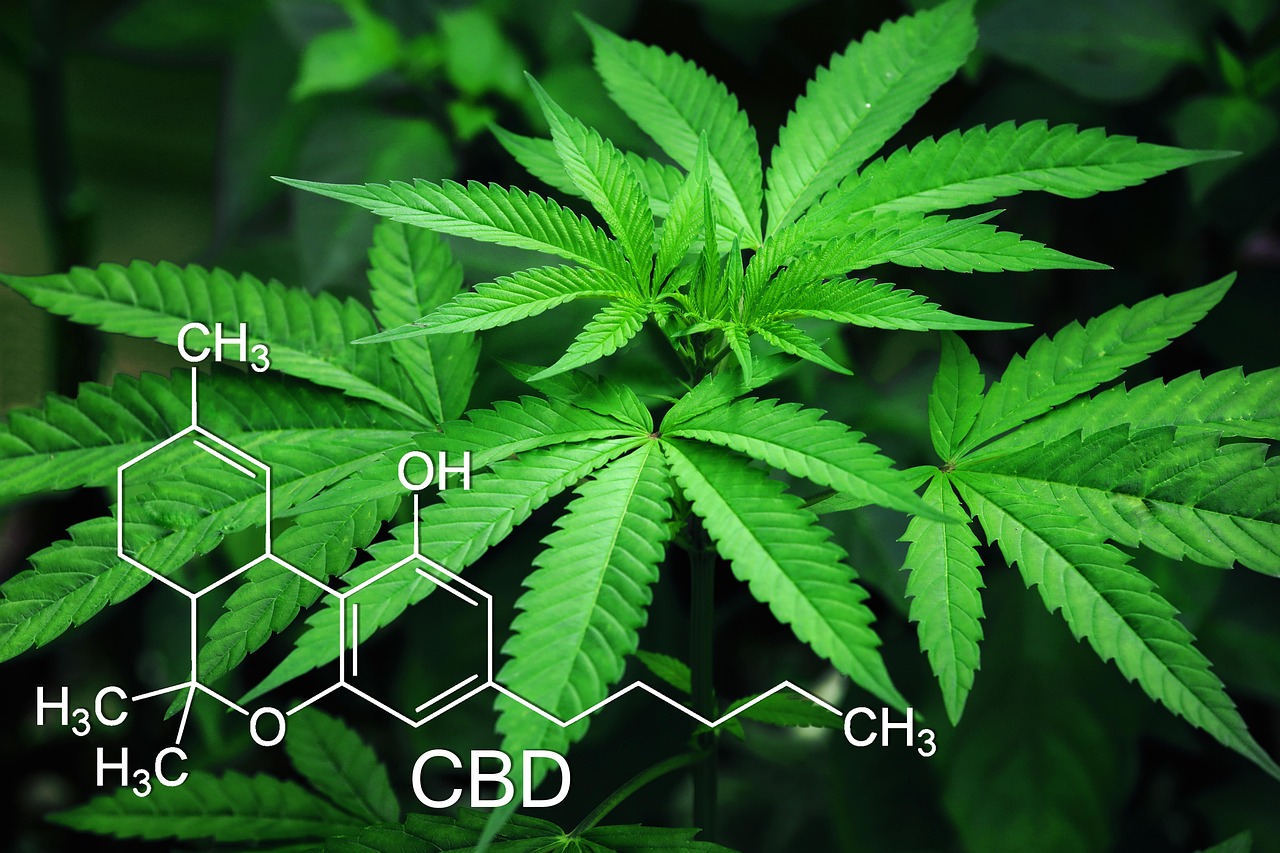
Cannabis is not legal statewide in Wisconsin, but weed is decriminalized in several major cities and counties through local municipal ordinances. In cities like Milwaukee, Madison, and Green Bay, possessing up to 25 or 28 grams typically results in a civil ticket fine between $1 and $50 rather than a criminal record or jail time.
Because Wisconsin state law still treats marijuana possession as a crime, your legal outcome depends entirely on where you are stopped, who stops you, and the specific form of cannabis you have. Understanding how municipal ordinances interact with state statutes is essential for anyone living in or traveling through the state.
How Wisconsin Cannabis Laws Work: State Statutes vs. Local Ordinances
To understand how weed is decriminalized in Wisconsin, you must look at the legal conflict between state law and municipal codes. Under state law, possessing any amount of cannabis remains illegal. The state framework establishes strict criminal penalties, but Wisconsin gives cities, villages, and counties the authority to pass local civil ordinances that law enforcement officers can choose to enforce instead.
According to Wisconsin State Legislature statutes on controlled substances under Chapter 961, penalties for marijuana possession at the state level include:
- First Offense Possession: Classed as an unclassified misdemeanor. Penalties include up to six months in county jail, a fine of up to $1,000, or both.
- Second and Subsequent Offenses: Classed as a Class I felony, regardless of the amount. Penalties include up to 3.5 years in state prison, a fine of up to $10,000, or both.
When a city passes a decriminalization ordinance, it creates a local civil forfeiture rule. Instead of arresting you and sending the case to a district attorney for criminal prosecution, a police officer can write a municipal ticket. This works like a speeding ticket: you pay a fine, you do not go to jail, and no criminal conviction appears on your record. However, local ordinances do not erase state law. A police officer or Sheriff’s deputy retains full legal discretion to charge you under state law rather than the municipal code, particularly if they suspect intent to distribute or if the encounter happens outside a city limit.
Where Is Weed Decriminalized in Wisconsin?
Wisconsin has a patchwork of local cannabis laws. What is treated as a minor civil infraction on one side of a county line can trigger a misdemeanor arrest on the other side. Municipalities across Wisconsin have set widely different possession limits and fine structures.
The table below compares how key cities and counties in Wisconsin handle minor cannabis possession under local ordinances:
| Jurisdiction | Possession Limit | Local Ordinance Fine | Triggers Criminal Record? |
|---|---|---|---|
| Madison & Dane County | Up to 28 grams (1 oz) | $1 (plus court costs) | No (Civil Ticket) |
| City of Milwaukee | Up to 25 grams | $1 (plus court costs) | |
| Green Bay | Up to 28 grams | $0 to $50 | No (Civil Ticket) |
| Eau Claire | Up to 25 grams | $1 to $100 | No (Civil Ticket) |
| Appleton | Up to 14 grams | $50 to $200 | No (Civil Ticket) |
| La Crosse | Up to 25 grams | $1 to $100 | No (Civil Ticket) |
| Waukesha County (Unincorporated) | Any amount | Charged under State Law | Yes (State Misdemeanor) |

In Madison and Dane County, local rules are among the most lenient in the Midwest. Ordinance provisions allow adults to possess up to 28 grams of cannabis in private spaces without facing significant financial penalties. In contrast, surrounding suburban counties like Waukesha, Ozaukee, and Washington routinely enforce state misdemeanor statutes, even for first-time possession of less than a single gram.
Misdemeanor Convictions vs. Civil Citations: What Changes?
The core benefit of local decriminalization is avoiding a formal criminal conviction. Understanding the technical difference between a civil citation and a criminal charge explains why local decriminalization matters so much to residents.
A criminal misdemeanor conviction creates a permanent record on the Wisconsin Circuit Court Access (CCAP) database and national criminal record databases. That criminal record triggers long-term obstacles:
- Employment: Many employers conduct mandatory background checks that filter out candidates with drug misdemeanor convictions.
- Housing: Property managers frequently reject lease applications from individuals with open or past drug records.
- Financial Aid: Federal student aid and state grant eligibility can be compromised by drug-related criminal convictions.
- Professional Licenses: Nursing, teaching, legal, and trade licenses often require mandatory reporting of misdemeanor convictions.
A civil municipal citation, by contrast, is a civil forfeiture. It does not go on a criminal record, and it does not result in jail time. You resolve it by paying the designated municipal fine or appearing in municipal court to dispute the ticket. While the citation may appear on local municipal court dockets, it does not show up as a criminal drug conviction on standard employment screening reports.
What Local Decriminalization Does Not Protect You From
Decriminalization is not legalization. Even within cities like Milwaukee or Madison, local decriminalization rules come with strict boundaries. Exceeding these boundaries exposes you directly to state felony or misdemeanor prosecution.

1. Public Consumption and Open Use
Decriminalization ordinances almost never permit public consumption. Smoking or consuming cannabis on public sidewalks, in city parks, inside vehicles parked on public roads, or outside commercial venues remains prohibited statewide. Consuming in public usually leads to separate municipal citations or disorderly conduct charges.
2. Driving Under the Influence (OWI / DUI)
Operating a motor vehicle under the influence of cannabis is illegal across all 72 counties in Wisconsin. Wisconsin enforces a zero-tolerance policy for detectable traces of restricted controlled substances in your system while driving. A first-offense Operating While Intoxicated (OWI) charge in Wisconsin carries license suspension, heavy monetary fines, mandatory alcohol and drug assessment, and mandatory ignition interlock requirements in specific scenarios. Subsequent OWI offenses involve mandatory jail time.
3. Cannabis Concentrates, Vape Pens, and Edibles
Local decriminalization ordinances were written primarily around raw cannabis plant material (flower). Processed cannabis products—such as THC wax, shatter, resin, liquid vape cartridges, and high-potency THC edibles—are frequently treated differently under state statute. Prosecutors often charge possession of concentrates under chemical manufacturing and extract laws, which carry stiffer state misdemeanor or felony penalties regardless of municipal weight thresholds.
4. Drug Paraphernalia Charges
Carrying items used to consume cannabis, such as pipes, bongs, grinders, or vape batteries, can trigger independent drug paraphernalia charges. Under Wis. Stat. § 961.573, possessing drug paraphernalia is a state misdemeanor punishable by up to 30 days in jail and a $500 fine, unless the local municipality has passed a parallel civil paraphernalia ordinance.
5. Federal Lands, State Parks, and Transportation Hubs
Local decriminalization offers zero legal protection on state or federal property. If you carry cannabis into federal lands—such as the Apostle Islands National Lakeshore or Chequamegon-Nicolet National Forest—federal law applies. Federal possession charges carry distinct court proceedings and federal penalties. Similarly, airports like Milwaukee Mitchell International Airport and Green Bay Austin Straubel International Airport fall under Transportation Security Administration (TSA) screening guidelines and county airport authority rules.
6. Selling, Distributing, or Cultivating Cannabis
Selling any amount of cannabis, growing cannabis plants, or possessing quantities large enough to imply intent to deliver (such as carrying individual baggies, digital scales, and large amounts of cash alongside plant material) is automatically prosecuted as a felony under state law. Local decriminalization ordinances never apply to sales or distribution.
Hemp, CBD, and Alternative Cannabinoids in Wisconsin
The legal landscape in Wisconsin is further complicated by federal and state hemp legislation. Following the 2018 Federal Farm Bill and corresponding state legislation, hemp-derived products containing no more than 0.3% Delta-9 THC on a dry weight basis are legal across Wisconsin.
This statutory loophole has created a massive market for alternative hemp-derived products, including CBD, Delta-8 THC, Delta-10 THC, HHC, and THCA flower. While these products are widely sold in smoke shops and gas stations across the state, they create practical complications during police encounters:
- Testing Limitations: Standard police roadside chemical field tests cannot distinguish between legal hemp-derived Delta-8/THCA flower and illegal Delta-9 marijuana. Both trigger positive field test results for THC.
- Chain of Custody and Lab Costs: If police suspect your product is illegal marijuana, they can seize the item and send it to the state crime laboratory for quantitative gas chromatography testing. If the lab finds Delta-9 THC exceeding 0.3%, you face standard state or local penalties.
- State Line Crossing: Purchasing full-potency recreational marijuana from neighboring states like Illinois or Michigan and transporting it back into Wisconsin remains illegal under both state and federal law. Marijuana bought legally in Chicago or Upper Michigan becomes illegal the moment you cross the Wisconsin state line.
Understanding how cannabinoids are explained in state statutes helps consumers evaluate product safety and legal risk. Consumers must keep products in their original retail packaging with accessible Certificate of Analysis (COA) QR codes to verify that Delta-9 concentrations remain under legal limits. Products with higher Delta-9 concentrations remain illegal in Wisconsin and subject to enforcement.
What to Do If Law Enforcement Stops You with Cannabis in Wisconsin
If you are stopped by police or sheriff’s deputies while carrying cannabis in Wisconsin, following these steps helps protect your legal rights and reduces the chance of escalating to state misdemeanor charges.
- Remain Calm and Keep Hands Visible: Pull over safely if driving, turn off the engine, turn on interior lights at night, and place your hands on the steering wheel. Avoid sudden movements.
- Provide Required Identification: Hand over your driver’s license, vehicle registration, and proof of insurance when asked. State law requires drivers to identify themselves during a traffic stop.
- Exercise Your Right to Remain Silent: You are not obligated to answer questions about where you are going, where you bought a product, or whether you have smoked. Politely state: “I am choosing to remain silent and would like to speak to an attorney before answering questions.”
- Do Not Consent to Searches: Police need probable cause, a warrant, or your explicit permission to search your vehicle or personal belongings. If asked for permission to search, state clearly and calmly: “I do not consent to any search.” If officers search anyway, do not physically resist; state your objection verbally so it can be noted in court.
- Do Not Admit to Product Contents: Admitting that a bag contains “weed” or “real marijuana” gives officers immediate probable cause and confession evidence. Let chemical tests and defense counsel address product contents later.
- Address Citations Promptly: If an officer issues a civil municipal citation, review the court date and fine amount carefully. Pay the forfeiture by the deadline or contact a qualified Wisconsin criminal defense lawyer to represent you in municipal court. Ignoring a citation leads to default judgments, license suspensions, or bench warrants.
Political Outlook: Will Wisconsin Legalize Cannabis?
As of late 2026, Wisconsin remains one of the few upper Midwestern states without a fully operational recreational or comprehensive medical cannabis program. Neighboring Minnesota, Illinois, and Michigan have all established regulated adult-use markets, drawing millions of dollars in tax revenue from Wisconsin residents crossing state borders.
Statewide political momentum remains divided along party lines:
- Executive Branch Position: Governor Tony Evers has repeatedly introduced executive budget provisions to fully legalize adult-use recreational cannabis and establish a state taxing structure. The governor’s proposals project hundreds of millions of dollars in tax revenue designated for public school funding and infrastructure improvements.
- Legislative Assembly and Senate: Republican leadership in the Assembly and Senate has consistently stripped recreational cannabis legalization from executive state budgets. Legislative debates have focused instead on tightly restricted, state-administered medical cannabis programs that prohibit smokable flower and limit dispensaries to non-profit medical centers.
Because statewide legislative compromise moves slowly, local city councils and county boards will continue relying on local ordinances to manage minor possession enforcement. For broader tracking of state-by-state legislative updates and criminal justice data, consult resources like the National Conference of State Legislatures (NCSL) and general educational frameworks under cannabis 101. Until statewide statutory reform occurs, Wisconsin’s regional patchwork system will remain the law of the land.
Frequently asked questions
Is recreational marijuana legal anywhere in Wisconsin?
No, recreational marijuana is not legal under state law anywhere in Wisconsin. While cities like Madison and Milwaukee have passed civil ordinances that reduce penalties for minor possession to small fines, cannabis remains an illegal controlled substance under state statute.
What happens if I cross state lines into Wisconsin with weed bought legally in Michigan or Illinois?
Bringing cannabis across state lines into Wisconsin is illegal under both Wisconsin state law and federal interstate trafficking laws. Even if you purchased the product legally at a licensed dispensary in Michigan or Illinois, possessing it once inside Wisconsin borders subjects you to Wisconsin state charges or local municipal citations.
Can I get a medical marijuana card in Wisconsin?
Wisconsin does not currently have a comprehensive state medical marijuana program, so the state does not issue medical marijuana cards. Medical cards issued by other states are not recognized under Wisconsin law, meaning out-of-state medical patients can still face misdemeanor or civil possession charges in Wisconsin.
Does a civil cannabis citation show up on a criminal background check?
A civil municipal citation for cannabis possession is a civil forfeiture, not a criminal conviction, so it does not appear on official criminal background checks. However, the record of the municipal court filing may still appear on public court databases like Wisconsin Circuit Court Access (CCAP) depending on local court reporting rules.
What are the penalties for possessing cannabis concentrates like wax or vape carts in Wisconsin?
Possessing cannabis concentrates, extracts, or oils often carries harsher enforcement than raw flower. Prosecutors can charge concentrate possession under state misdemeanor or felony statutes regardless of local municipal decriminalization limits, leading to potential jail time and significant criminal fines.










Laws & Regulations
Marijuana Lawyer: Navigating Cannabis Law
Navigating the complex and rapidly evolving world of cannabis law requires specialized expertise. A marijuana lawyer provides critical legal guidance for individuals and businesses dealing with state and federal cannabis regulations, especially after recent federal rescheduling.

A marijuana lawyer is a licensed attorney specializing in cannabis regulations, criminal defense, state business licensing, and federal compliance issues. Hiring one helps individuals defend against possession or impaired driving charges, clear past convictions through expungement, and structure legal dispensaries or cultivation operations that comply with overlapping state and federal laws.
Although federal administrative changes in April 2026 reclassified state-regulated medical cannabis to Schedule III of the Controlled Substances Act, the plant remains illegal for adult recreational use under federal law. This dual federal-state framework creates friction for business owners, medical patients, and individuals facing state or federal drug charges. Working with an experienced attorney ensures you understand your rights, state licensing mandates, local municipal ordinances, and federal tax or banking restrictions.

What core services does a marijuana lawyer provide?
Cannabis law spans multiple distinct practice areas. While standard attorneys handle broad civil or criminal matters, a specialized marijuana attorney focuses on the unique administrative, commercial, and penal rules that apply specifically to plant-touching businesses and individual consumers.
Criminal defense and traffic enforcement
Individuals charged with illegal possession, unauthorized cultivation, possession with intent to distribute, or driving under the influence of cannabis require defense counsel familiar with drug testing protocols and search-and-seizure laws. Cannabis DUI cases frequently hinge on challenging THC blood concentration tests or field sobriety evaluations, as chemical presence in blood or urine does not automatically prove active impairment. Specialized defense attorneys review traffic stops, evaluate whether law enforcement had probable cause, and file motions to suppress illegally obtained evidence.
Commercial licensing and state regulatory compliance
Commercial operators face complex application procedures established by state regulatory boards, such as state cannabis control commissions or departments of health. Attorneys prepare license applications for cultivators, processors, testing laboratories, distributors, microbusinesses, and retail dispensaries. They manage local zoning hearings, conditional use permits, background check disclosures, social equity applicant documentation, and ongoing operational audits. Lawyers also draft compliant standard operating procedures covering seed-to-sale tracking systems like METRC, security requirements, packaging and labeling mandates, and mandatory inventory reconciliation.
Corporate transactions, leases, and contracts
Setting up a legal business requires specialized corporate documents tailored to state ownership limits and investor rules. Attorneys draft operating agreements, joint venture contracts, management services agreements, and real estate leases. Real estate agreements for dispensaries or grow facilities must include specialized language covering potential federal seizure clauses, surrender conditions, zoning contingencies, and utility allocation requirements. Additionally, lawyers assist in structuring funding rounds to ensure non-licensed investors do not violate state disclosure regulations.
Expungement and criminal record clearing
For individuals with past arrest records or convictions for simple possession or low-level distribution, a marijuana lawyer files formal petitions with state courts to expunge, seal, or vacate those records. Record relief opens doors to employment, housing, state licensing, and professional credentials. Attorneys review court dockets, verify eligibility under state-specific social equity or decriminalization statutes, file the necessary legal motions, and represent clients in court hearings to ensure old convictions are permanently removed from public view.
Intellectual property and brand protection
Cannabis strains, proprietary extraction processes, specialized formulations, and retail brand names carry significant commercial value. However, federal trademark protections under the U.S. Patent and Trademark Office remain limited for plant-touching products directly violating federal law. Cannabis attorneys establish multi-layered protections using state-level trademark registrations, trade secret agreements, copyright filings, and non-disclosure contracts to safeguard proprietary genetics and consumer branding.
How federal Schedule III rescheduling affects legal exposure
In April 2026, the U.S. Department of Justice published a final rule moving medical cannabis from Schedule I to Schedule III under the Controlled Substances Act. This structural administrative shift recognized the accepted medical use of cannabis under federal oversight, but it did not legalize state-sanctioned adult-use markets across the country.
This reclassification means that while state-authorized medical cannabis programs gain reduced federal enforcement priority, recreational dispensaries and adult-use cultivators remain prohibited under federal law. Understanding these boundary lines is essential for avoiding unexpected federal prosecution, asset seizure, or financial penalties.
Taxation remains a primary pain point for commercial operators. Under Section 280E of the IRS code, businesses trafficking in Schedule I or Schedule II substances were historically prohibited from claiming standard gross income deductions for operational expenses, such as rent, payroll, utilities, and marketing. While Schedule III reclassification opens discussions for 280E tax relief for licensed medical businesses, state-legal adult-use retailers still operate under uncertain federal tax guidelines until formal administrative regulations and tax court precedents are established.
Banking and financial transactions present another ongoing hurdle. Federal anti-money laundering statutes and Financial Crimes Enforcement Network (FinCEN) guidance still place strict reporting requirements on banks serving state-licensed dispensaries. Attorneys help cannabis businesses negotiate financial services agreements, establish compliant treasury practices, and prepare merchant processing compliance documentation.

Comparing fee structures for cannabis legal services
Attorneys charge for services based on the complexity of the matter, the local legal market, and whether the representation involves a single project or ongoing general counsel. Reviewing fee options before signing an engagement agreement prevents budget surprises.
| Fee Structure | Typical Rate or Cost Range | Best Used For | Trade-offs and Risks |
|---|---|---|---|
| Hourly Rate | $300 – $850 per hour | Complex litigation, regulatory defense, corporate negotiations | Total cost depends on duration; requires upfront retainer deposit |
| Flat Fee | $1,500 – $25,000 per project | Expungement petitions, license applications, entity formation | Scope is strictly limited; out-of-scope work requires additional fees |
| Monthly Retainer | $3,000 – $12,000 per month | Established dispensaries and commercial growers needing ongoing counsel | Fixed recurring expense regardless of monthly legal usage volume |
| Equity or Contingency | 1% – 10% equity stake (rare) | Early-stage startups with limited liquid capital | Strict state bar ethical limits; requires state licensing board disclosure |
When working under an hourly arrangement, law firms typically bill in six-minute increments (0.1 hours). Clients are usually asked to deposit an initial retainer—often between $5,000 and $25,000—into a client trust account. The law firm draws from this account as billable work is completed. Unused retainer funds must be refunded to the client upon conclusion of the matter.
Flat fee arrangements are standard for well-defined administrative tasks, such as filing a petition for expungement or drafting a baseline commercial lease agreement. Ensure that flat fee agreements clearly define what happens if a state agency requests additional documentation or if an application requires formal administrative appeals.

How to hire the right marijuana lawyer step by step
Selecting an attorney requires systematic research to confirm that the professional possesses direct regulatory or court experience in your jurisdiction.
- Identify your precise legal requirement: Determine whether your primary need is criminal defense, commercial licensing, regulatory audit response, expungement, or trademark protection. Criminal defense attorneys require court trial experience, whereas commercial lawyers need expertise in municipal zoning and administrative law.
- Verify state bar standing and local experience: Check your state bar association website to verify that the attorney holds an active license with no disciplinary history. Confirm that the lawyer actively practices in the specific state and city where your business operates or where charges were filed.
- Evaluate specific cannabis practice history: Ask how long the lawyer has handled plant-touching business compliance or cannabis criminal defense. Request details on state license applications they have submitted or regulatory hearings they have managed before state boards.
- Schedule an initial consultation: Prepare concise questions regarding fee structures, estimated project timelines, and who within the firm will manage the day-to-day work. Bring all relevant documents, including citation notices, lease agreements, or corporate paperwork.
- Review the formal engagement agreement: Before paying any fees, carefully review the engagement letter. Verify billing rates, billing increments, fee arrangements, cost reimbursements (such as filing fees or expert witnesses), and scope of representation.
Who needs a cannabis attorney and who does not?
Not every situation involving cannabis requires expensive legal representation. Clear rules dictate when professional counsel is necessary versus when self-management or standard legal services suffice.
Who requires a specialized marijuana lawyer
- Commercial license applicants: Individuals or business entities submitting state applications for cultivation, processing, distribution, testing, or retail licenses.
- Operational business owners: Dispensary and cultivation owners facing regulatory audits, state compliance citations, seed-to-sale discrepancies, or municipal zoning disputes.
- Defendants facing criminal charges: Persons arrested for felony possession, unlicensed distribution, unlawful home cultivation exceeding legal plant limits, or cannabis-involved driving offenses.
- Individuals with past criminal records: Former offenders seeking expungements in states where record clearing is not automatic and requires formal judicial filings.
- Commercial landlords and investors: Real estate owners leasing premises to cannabis operations or investors funding plant-touching enterprises.
Who does not need a specialized marijuana lawyer
- Standard retail consumers: Individuals purchasing legal quantities of adult-use or medical cannabis from licensed dispensaries for personal consumption within state possession limits.
- Compliant personal growers: Individuals cultivating within their state’s explicit personal cultivation limits (e.g., six plants per adult) who face no local code enforcement disputes.
- Non-executive employees: Budtenders, trimmers, or retail clerks working for a fully licensed, state-compliant business who hold no management liability or financial ownership stake.
- General civil disputes: Unrelated contract disputes or minor slip-and-fall claims that do not involve state cannabis statutes or regulatory boards can be handled by standard civil litigation attorneys.
Common mistakes when working with cannabis attorneys and how to avoid them
Avoiding frequent missteps saves time, lowers legal costs, and prevents avoidable administrative rejections or criminal exposure.
Delaying legal counsel until citations or rejections occur
Many entrepreneurs wait to hire a lawyer until a municipal board denies a zoning permit or state regulators issue a formal violation notice. Engaging counsel prior to entering lease agreements or submitting applications prevents costly regulatory mistakes that can delay commercial launches by months.
Ignoring federal and state jurisdictional boundaries
Assuming that full state-level adult-use authorization shields a business from federal jurisdiction is a common mistake. Transporting cannabis across state lines, operating on federal land, using federal banking channels without strict compliance steps, or failing to maintain proper tax records can invite federal scrutiny regardless of state legality.
Withholding operational facts from your legal team
Attorneys are bound by attorney-client privilege, meaning information shared during legal representation remains confidential. Concealing past regulatory warnings, unapproved financial backers, or operational compliance errors prevents your attorney from constructing an effective defense or filing accurate disclosures with state agencies.
Choosing a general lawyer over an industry specialist
While a family attorney or general corporate lawyer may offer lower rates, they often lack familiarity with rapidly shifting administrative codes, METRC inventory protocols, municipal setback distances, or specific state cannabis board regulations. Hiring a specialist prevents costly re-work and compliance oversights.
Sources: John Morgan (lawyer)
Frequently asked questions
Is cannabis legal federally after the April 2026 Schedule III rescheduling?
No, cannabis is not fully legal under federal law. Moving medical cannabis to Schedule III reduced federal enforcement priority for state-authorized medical programs and recognized medical utility, but recreational adult-use cannabis remains prohibited under federal statute.
What is the difference between a general criminal defense lawyer and a marijuana lawyer?
A specialized marijuana lawyer possesses detailed knowledge of cannabis-specific statutes, field sobriety testing limits for active THC versus inactive metabolites, state licensing board rules, and seed-to-sale compliance regulations that general criminal attorneys do not typically handle.
How much does a cannabis lawyer cost for a dispensary license application?
Legal fees for preparing and submitting a commercial dispensary license application typically range from $5,000 to $25,000 depending on the state’s regulatory complexity, local zoning requirements, and social equity documentation needs.
Can a marijuana lawyer help expunge a past felony drug conviction?
Yes, in states that permit record relief for past cannabis convictions, an attorney can evaluate your eligibility, draft court petitions, handle prosecutor objections, and attend judicial hearings to have past charges expunged or sealed.
Can an attorney prevent state regulators from inspecting my dispensary?
No, state licensing boards hold legal authority to conduct unannounced regulatory compliance audits. However, an attorney can prepare your staff, review audit findings, draft administrative responses, and protect your business against unjust license suspensions or fines.
Laws & Regulations
Is Weed Illegal in Georgia? The Reality for Residents
Is weed illegal in Georgia? The short answer is yes, for recreational use, with strict penalties. However, the situation is nuanced, involving a limited medical cannabis program and varying local ordinances that create a complex landscape.
Yes, recreational weed is illegal in Georgia, and possessing any amount of high-THC marijuana remains a criminal offense under state law. However, Georgia allows registered medical patients with qualifying conditions to legally possess low-THC cannabis oil containing no more than 5% THC.
While several states across the country permit adult-use recreational dispensaries or comprehensive medical marijuana programs, Georgia maintains strict prohibition on raw cannabis flower, high-THC concentrates, edibles, and home cultivation. Under the Official Code of Georgia Annotated (O.C.G.A. § 16-13-30), possessing any form of cannabis with a Delta-9 THC concentration exceeding 0.3% without a state-issued registry card is a crime. Understanding how state statutes interact with municipal regulations makes navigating local legal risks complex. Differing statutes across state lines means residents and travelers often hold incorrect assumptions about what is permitted inside Georgia borders.
What are the criminal penalties for marijuana possession in Georgia?
Georgia classifies marijuana possession penalties based primarily on the weight of the material seized and whether law enforcement suspects intent to distribute. Penalties range from misdemeanor fines for minor amounts to mandatory prison sentences for larger quantities.
Possessing 1 ounce or less of raw marijuana is charged as a misdemeanor under state law. Conviction carries up to 1 year in county jail, a fine of up to $1,000, or both. Judges may also impose mandatory probation, community service, and substance abuse evaluation programs. Repeat misdemeanor convictions frequently result in active jail time rather than probation.
Possessing more than 1 ounce up to 10 pounds of marijuana is classified as a felony offense. A conviction carries a mandatory minimum sentence of 1 year in state prison, with maximum terms reaching up to 10 years, alongside fines up to $5,000. Possessing quantities in excess of 10 pounds elevates the charge to drug trafficking, triggering severe mandatory minimum prison sentences and massive statutory fines.
Additional penalties apply if possession occurs near protected zones. Manufacturing, selling, or possessing marijuana within 1,000 feet of school grounds, public parks, or housing authority properties triggers separate felony charges under O.C.G.A. § 16-13-32.5, carrying mandatory prison time served consecutively to underlying possession charges.
| Category | Amount of Marijuana | Penalty |
|---|---|---|
| Misdemeanor | 1 ounce or less | Up to 1 year jail, up to $1,000 fine |
| Felony (Tier 1) | Over 1 ounce, less than 10 pounds | 1-10 years prison, up to $5,000 fine |
| Felony (Tier 2) | 10 pounds to 2,000 pounds | 5-30 years prison, up to $100,000 fine |
| Felony (Tier 3) | 2,000 pounds to 10,000 pounds | 10-30 years prison, up to $250,000 fine |
| Felony (Tier 4) | 10,000 pounds or more | 15-30 years prison, up to $1,000,000 fine |
Drug paraphernalia penalties
Under O.C.G.A. § 16-13-32.2, possessing drug paraphernalia—including pipes, grinders, bongs, or vaporizers intended for illegal cannabis—is a separate misdemeanor charge. A conviction carries up to 1 year in jail and fines up to $1,000. Paraphernalia charges are frequently added alongside simple possession charges during arrests.
Driving Under the Influence (DUI) of marijuana
Operating a motor vehicle while under the influence of marijuana is a serious offense under O.C.G.A. § 40-6-391(a)(2). Georgia law prohibits driving if you are under the influence of any drug to the extent that it is “less safe” for you to drive. Officers rely on field sobriety tests, blood tests, and physical observations to initiate DUI arrests. A first DUI conviction carries mandatory minimum jail time, driver’s license suspension, mandatory DUI risk reduction courses, community service, and substantial fines.
How does local decriminalization work in Georgia cities?
To reduce arrests and lower court backlogs, several municipalities in Georgia have enacted local ordinances decriminalizing small amounts of marijuana. Cities that have passed local reform measures include Atlanta, Savannah, Augusta, Clarkston, Macon-Bibb, South Fulton, Forest Park, Tybee Island, and Statesboro.

Within these city limits, municipal ordinances typically reduce the penalty for possessing 1 ounce or less of marijuana from a criminal misdemeanor to a civil infraction. City police officers issuing citations under municipal codes generally impose a fine between $75 and $150, eliminating mandatory jail time and municipal criminal records for minor possession.
However, local decriminalization does not change Georgia state law. Municipal ordinances apply solely to municipal police officers enforcing city codes within municipal boundaries. State law enforcement officers—including the Georgia State Patrol, county sheriff deputies, GBI agents, and university police forces—retain full statutory authority to charge individuals under state law (O.C.G.A. § 16-13-30), even inside decriminalized cities like Atlanta or Savannah. A driver stopped by a state trooper on Interstate 20 or Interstate 75 within Atlanta city limits can still be arrested and booked into county jail under state misdemeanor charges.
How does Georgia’s medical cannabis program work?
Georgia operates a highly restricted medical cannabis program established under the Haleigh’s Hope Act (O.C.G.A. § 31-2A-18) and regulated by the Georgia Access to Medical Cannabis Commission (GMCC). The program does not allow legal purchase or possession of traditional high-THC medical marijuana, smokable flower, or high-potency vape cartridges.
Registered medical patients are permitted to possess up to 20 fluid ounces of low-THC cannabis oil. To qualify, the liquid oil must contain no more than 5% Delta-9 THC by weight and must contain an equal or greater amount of cannabidiol (CBD). Possessing any other product form—such as raw flower, gummies containing over 0.3% THC, or liquid oil exceeding the 5% THC threshold—remains illegal for medical registry cardholders.
To qualify for Georgia’s Low THC Oil Registry, a patient must be a legal resident of Georgia diagnosed with one of the statutory qualifying conditions certified by a licensed physician:
- Cancer (end-stage or severe/debilitating treatment side effects)
- Amyotrophic lateral sclerosis (ALS)
- Seizure disorders associated with epilepsy or trauma
- Multiple sclerosis (severe or debilitating)
- Crohn’s disease
- Mitochondrial disease
- Parkinson’s disease
- Post-traumatic stress disorder (PTSD)
- Sickle cell disease
- Tourette’s syndrome
- Autism spectrum disorder (severe)
- Epidermolysis bullosa
- Alzheimer’s disease (severe or end-stage)
- Intractable pain
- Terminal illness with a medical prognosis under 12 months
Steps to obtain a Low THC Oil Registry Card in Georgia
- Consult a certified physician: Schedule an evaluation with a board-certified doctor licensed in Georgia who actively treats your qualifying condition.
- Submit physician certification: Your physician completes and submits the official waiver and physician certification form to the state registry portal.
- Complete state registration: Apply directly through the Georgia Department of Public Health online portal and pay the $25 card processing fee.
- Pick up your registry card: Once approved, collect your physical Low THC Oil Registry Card from one of Georgia’s designated county public health centers.
- Purchase low-THC oil: Visit a state-licensed medical dispensary operated by a GMCC-authorized licensee to purchase approved low-THC oil formulations.
Caregiver registration and packaging regulations
Parents, legal guardians, or designated legal caregivers of minor qualifying patients can apply through the Georgia Department of Public Health to obtain caregiver cards. Caregiver status allows authorized adults to purchase, transport, and administer low-THC oil to minors in their care.
All low-THC oil must remain stored in its original, state-approved child-resistant container featuring official dispensary labeling. Transporting low-THC oil in unapproved or unlabelled bottles strips away legal protection, exposing patients to potential seizure of products and misdemeanor charges during traffic stops.
Georgia law strictly prohibits home cultivation of cannabis plants for medical or personal use. All medical products must be obtained through licensed dispensaries. Additionally, Georgia does not extend reciprocity to out-of-state medical marijuana cards; holding a medical card from Florida, California, or any other state provides no legal protection inside Georgia borders.
What is the legal status of hemp, CBD, and Delta-8 in Georgia?
Following the federal 2018 Farm Bill, Georgia enacted the Georgia Hemp Farming Act (O.C.G.A. § 2-23-1 et seq.), legalizing the cultivation, processing, and sale of industrial hemp and hemp-derived products containing no more than 0.3% Delta-9 THC on a dry-weight basis.
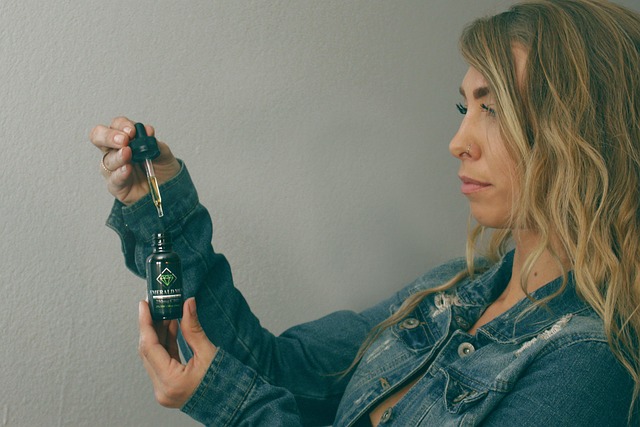
Non-intoxicating CBD products—including oils, tinctures, topicals, and capsules—are legal to purchase throughout Georgia without a prescription or registry card, provided their Delta-9 THC content remains at or below 0.3%. Consumers should verify product purity and compliance by checking a third-party Certificate of Analysis (COA) issued by an accredited testing laboratory.
Hemp-derived cannabinoids like Delta-8 THC, Delta-10 THC, and HHC occupy a regulated market in Georgia. State legislation regulates the sale of hemp-derived psychoactive cannabinoids, setting a minimum purchasing age of 21, establishing mandatory laboratory testing standards, and requiring clear packaging that prevents sales to minors. Products that comply with these dry-weight limits remain legal for consumer purchase.
Despite legal status, hemp and Delta-8 products create distinct risks during police interactions. Field-testing kits utilized by roadside law enforcement officers measure the presence of cannabinoids but usually cannot differentiate between illegal Delta-9 THC marijuana and legal Delta-8 or hemp products. If police suspect product illegality, they may seize items and arrest drivers pending laboratory confirmation from the Georgia Bureau of Investigation (GBI) crime lab, a process that can take several months to resolve.
What legal options exist for first-time offenders in Georgia?
If you face a first-time misdemeanor charge for possessing 1 ounce or less of marijuana, Georgia law offers alternative sentencing paths to avoid a permanent criminal record.
Under O.C.G.A. § 16-13-2, judges may grant Conditional Discharge to first-time drug possession defendants. Instead of entering a formal conviction, the court places the defendant on probation, requiring completion of drug awareness classes, community service hours, and random drug screening. Upon successful completion of all conditions, the court dismisses the criminal charges entirely, preventing a conviction from appearing on public criminal records.
For qualifying misdemeanor or felony charges, defendants may also apply for sentencing under the Georgia First Offender Act (O.C.G.A. § 42-8-60). Under this program, a guilty or no-contest plea is accepted without an entry of conviction. If the defendant successfully completes probation or sentence requirements, the court discharges the defendant without an adjudication of guilt, clearing official criminal history databases.
Drug convictions in Georgia carry collateral administrative consequences, including automatic driver’s license suspension. A first conviction under state drug laws results in a mandatory six-month driver’s license suspension by the Georgia Department of Driver Services (DDS), though eligible drivers may apply for a limited driving permit for work, school, or medical appointments.
How do Georgia’s rules compare to surrounding states?
Georgia sits within a Southeastern region characterized by conservative cannabis policies, though specific laws vary significantly across state lines:
- Florida: Operates a broad medical marijuana program permitting raw flower, concentrates, edibles, and high-THC products for qualifying patients. Recreational marijuana remains illegal.
- Alabama: Permits a medical cannabis program restricted to tablets, capsules, creams, and suppositories, while prohibiting raw flower and edibles. Recreational marijuana is illegal.
- Tennessee: Maintains strict prohibition on recreational marijuana and high-THC medical programs, permitting only narrow low-THC CBD use for specific conditions.
- South Carolina: Prohibits recreational marijuana and limits medical cannabis access to restricted low-THC formulations.
- North Carolina: Strictly limits medical and recreational marijuana statewide, though adult-use sales operate independently on sovereign Eastern Band of Cherokee Indians tribal lands.
Transporting cannabis across state lines remains a federal crime under Title 21 of the United States Code, regardless of whether you travel between states with legal medical programs. Also, federal law applies strictly on federal property within Georgia—including national parks like the Chattahoochee-Oconee National Forest, federal courthouses, military bases, and TSA security checkpoints at Hartsfield-Jackson Atlanta International Airport.
What should you do during a law enforcement encounter?
If stopped by law enforcement officers in Georgia while in possession of cannabis or hemp products, knowing your legal rights helps protect your defense in court:
- Exercise your right to remain silent: You must state your name and provide identification when requested, but under the Fifth Amendment, you are not required to answer questions about where you traveled, what is inside your vehicle, or whether you have used cannabis.
- Do not consent to searches: If an officer asks to search your person, vehicle, or personal belongings, state clearly: “I do not consent to any search.” Under the Fourth Amendment, officers must have probable cause, a search warrant, or voluntary consent to search.
- Keep documentation for legal hemp: If carrying legal CBD or Delta-8 products, keep them in their original retail packaging with intact labels and printed Certificates of Analysis showing QR codes linked to lab reports.
- Remain calm and polite: Do not argue, physically resist, or flee from law enforcement. Physical resistance or verbal confrontation can result in additional state charges under O.C.G.A. § 16-10-24 for obstruction of an officer, regardless of whether underlying drug charges are dismissed.
Frequently asked questions
Is Delta-8 THC legal in Georgia?
Yes, Delta-8 THC derived from hemp containing no more than 0.3% Delta-9 THC on a dry-weight basis is legal under Georgia hemp law. However, products must comply with state testing, labeling, and age-verification requirements (21+), and field law enforcement officers may still inspect unverified products.
Can I get a medical marijuana card in Georgia?
Yes, Georgia offers a Low THC Oil Registry Card for patients certified by a licensed physician with a qualifying medical condition. The card permits authorized holders to possess up to 20 fluid ounces of low-THC oil containing 5% THC or less.
What are the penalties for selling marijuana in Georgia?
Selling marijuana in Georgia is a felony offense regardless of the quantity involved. Penalties range from a mandatory minimum 1-year prison term for small sales up to 30 years in prison and $100,000 or more in fines for sales involving large amounts or transactions near school zones.
Is CBD oil legal in Georgia?
Yes, CBD oil derived from industrial hemp containing 0.3% Delta-9 THC or less is fully legal across Georgia under state and federal law. Consumers should purchase products from vendors that supply verifiable third-party Certificates of Analysis.
How does Georgia compare to neighboring states regarding cannabis laws?
Georgia maintains stricter laws than Florida, which permits high-THC medical flower, but provides broader low-THC oil access than Tennessee or South Carolina. Recreational marijuana remains illegal across all states bordering Georgia.
Are there any efforts to legalize recreational weed in Georgia?
Legislation to legalize recreational marijuana or expand medical access is introduced in every legislative session of the Georgia General Assembly. However, these bills face substantial political resistance and have not passed into law.
Can I grow my own cannabis for medical use in Georgia?
No, Georgia law prohibits home cultivation of cannabis plants for personal or medical use under any circumstances. Medical registry cardholders must purchase low-THC oil exclusively from state-licensed dispensaries.

What to Know Before Visiting Zen Leaf Dispensaries

What is Sunnyside? Your Guide to This Cannabis Dispensary Chain

Maui Wowie Strain: Unearthing the Legendary Hawaiian Sativa

AmeriCanna Rx: Your Guide to Portland’s Premier Cannabis Dispensary

Haze Purple: Unveiling a Cannabis Cultivar’s Unique Appeal

Collective Efforts Sacramento CA: Your Premier Cannabis
-
 Product Guides3 months ago
AmeriCanna Rx: Your Guide to Portland’s Premier Cannabis Dispensary
-
 Cannabis 1013 months ago
Haze Purple: Unveiling a Cannabis Cultivar’s Unique Appeal
-
 Culture & Lifestyle3 months ago
Collective Efforts Sacramento CA: Your Premier Cannabis
-

 Cannabis 1013 months ago
Purple Runtz Strain: Unpacking Its Potency and Sweet Appeal
-

 Cannabis 1013 months ago
Tropic Thunder Strain: An Uplifting Hybrid Experience
-

 Cannabis 1013 months ago
Medicann Clinics: Challenging the Conventional Patient Journey
-

 Product Guides3 months ago
Identifying Top Shelf Cannabis: A Connoisseur’s Guide
-

 Industry News3 months ago
Your Guide to Silver State Relief: Maximizing Value