
Cannabis 101
Off the Charts: Mastering This Potent Idiom
The phrase “off the charts” describes something so exceptional or extreme that it exceeds all conventional measures. I’ll explain its fascinating origin, how to use it effectively, and why it’s more than just a synonym for ‘excellent’.


When a value on a statistical graph rises past the maximum y-axis limit, it literally goes off the charts. As a common English idiom, saying something is “off the charts” means its level, quality, or intensity has far exceeded normal expectations, standard measurements, or predictable boundaries.
What does off the charts mean in everyday speech?
In everyday conversation, “off the charts” describes something that exists at an extreme end of a scale. It signals that standard words like “high,” “great,” or “intense” are insufficient to capture the magnitude of a situation. The phrase implies that if you tried to plot the value on a line graph, the data point would land beyond the physical top edge of the paper or display.
Understanding this idiom requires recognizing the difference between a high metric and a boundary-breaking metric. If that same store receives five thousand phone calls in ten minutes, crashing the switchboard and driving demand past all historical models, that demand is off the charts. The idiom is reserved for spikes that shatter expectations rather than simply reaching the upper range of normal.
While the term often refers to quantitative data like sales figures or web traffic, it carries strong qualitative and emotional weight. When you describe a person’s performance, energy, or mood as off the charts, you communicate astonishment, awe, or shock. It acts as an emphatic marker in spoken English, converting a simple statement into a vivid description of an extraordinary event.
Where did the idiom come from?
The expression originated directly from data visualization tools used in science, finance, and technical graphing. On a printed line graph or bar chart, the vertical y-axis is drawn with pre-set intervals representing minimum and maximum anticipated values. When an unexpected surge occurs—such as a sudden stock price spike or a dramatic temperature shift—the plotted line physically exits the printed grid at the top of the page.

As The Idioms explains, it pictures a value so high that it literally cannot be plotted within the defined boundaries of a graph. This visual metaphor gained widespread traction during the mid-20th century as technical charting became standard practice across corporate America, research laboratories, and financial markets.
The popularity of music popularity charts in the 1940s and 1950s, such as the Billboard record charts, helped cement the phrase in public discourse. When a hit record generated sales that broke tracking systems or stayed at the top spot with unprecedented sales velocity, commentators described its popularity as off the charts. Over the following decades, sports commentators, broadcasters, and the general public adopted the phrase for any situation involving an extraordinary surge.
Can off the charts describe negative situations?
Although people most frequently use the phrase to deliver enthusiastic praise, “off the charts” is neutral regarding tone. It measures magnitude rather than positive or negative value. You can use it whenever a measurement or emotion vastly exceeds baseline expectations, regardless of whether the result is desirable.
In negative contexts, the idiom emphasizes severity, overwhelm, or danger. For example, medical professionals might describe a patient’s stress or blood pressure as off the charts during an acute health crisis. Environmental monitors might report that toxic air particles after an industrial accident were off the charts. In financial contexts, corporate debt, supply chain delays, or inflation spikes can also reach off-the-charts levels.
The reason positive uses outnumber negative ones in casual speech comes down to conversational habits. People naturally look for dramatic ways to express excitement, enthusiasm, and admiration. However, using the idiom to highlight an alarming spike is fully accurate and idiomatic.
When should you use this phrase?
Because “off the charts” is an informal idiom, matching your audience and register is essential. Using it in the wrong setting can make professional writing sound overly dramatic or hyper-casual, while using rigid technical terms in social settings can sound detached.

In spoken workplace settings, the phrase works well during casual team meetings, verbal praise, or internal review sessions. Telling a team member that their dedication during a product launch was off the charts provides memorable encouragement. Similarly, in social conversations, describing a concert or dining experience as off the charts effectively conveys genuine enthusiasm.
In formal written communications—such as executive summaries, peer-reviewed scientific papers, legal filings, or audited financial reports—avoid using “off the charts.” Objective analysis requires precise figures and neutral tone. In those documents, replace the idiom with precise language like “unprecedented,” “substantially exceeding projected baselines,” or “statistically anomalous.”
How does off the charts compare to similar expressions?
English contains several idioms and adjectives used to describe extreme values or exceptional quality. Choosing the right term depends on whether you are emphasizing visual boundaries, physical limits, social excitement, or historical precedent.
| Phrase or Term | Formality Level | Specific Nuance | Best Usage Context |
|---|---|---|---|
| Off the charts | Informal | Exceeds standard visual limits or expected graphical metrics | Surging sales, extreme personal energy, unexpected success or stress |
| Off the scale | Informal / Semi-formal | Exceeds the maximum capacity of a physical measuring instrument | Scientific readings, seismic activity, extreme heat or noise |
| Off the hook | Informal slang | Extremely exciting, enjoyable, or freed from an obligation | Parties, music venues, casual social gatherings |
| Unprecedented | Formal | Has no recorded historical parallel or previous comparison | Business reports, news broadcasts, academic studies |
| Exceptional | Formal / Semi-formal | Standing out clearly from average performance or standards | Employee performance reviews, candidate evaluations |
| Astronomical | Semi-formal | Extremely large in physical size, quantity, or monetary cost | Prices, national budgets, vast physical distances |
While “off the charts” and “off the scale” are close in meaning, “off the scale” specifically evokes physical instruments like thermometers, Geiger counters, or weighing scales. In contrast, “off the hook” is casual social slang that carries an additional, completely distinct meaning regarding escaping responsibility.
What are the most common mistakes when using this phrase?
To keep your communication sharp and believable, avoid these common errors when using the idiom:

- Overusing it for mundane occurrences: Applying the phrase to minor everyday successes—like a routine cup of coffee or a slightly fast commute—dilutes its impact. Reserve it for genuine outliers.
- Confusing it with related idioms: Writers sometimes mix up “off the charts” with “off the grid” (living without public utilities or internet connections), “off the record” (speaking confidentially), or “off the wall” (eccentric or bizarre).
- Using it in formal academic writing: Including informal idioms in research papers or official legal complaints reduces professional authority. Use specific figures or formal adjectives instead.
- Ignoring context and audience: When communicating across global teams or with non-native speakers, figurative idioms can occasionally cause confusion. Pairing the idiom with a specific factual detail ensures your point is clear.
How to use off the charts in realistic sentences
Reviewing realistic examples illustrates how to integrate the phrase smoothly across different subjects:
- Business and Sales: “First-week pre-orders for the electric vehicle were off the charts, forcing the plant to add a second night shift.”
- Workplace Culture: “Morale was off the charts after the executive team announced profit-sharing bonuses across all departments.”
- Healthcare and Wellness: “During the final weeks of medical residency, her fatigue levels were off the charts, making proper rest essential.”
- Live Events: “The crowd’s energy at the stadium was off the charts from the opening act until the final encore.”
- Environmental Science (Casual commentary): “Pollen counts across the valley were off the charts this spring, triggering severe allergy warnings.”
In each example, the phrase highlights a dramatic departure from the baseline that standard language fails to capture entirely.
Frequently asked questions
Is “off the charts” always positive?
No, while it frequently describes positive achievements like surging sales or exceptional performances, it is also used to describe extreme negative conditions. You can accurately apply it to overwhelming stress levels, environmental pollution spikes, or soaring operating costs.
Can I use “off the charts” in formal writing?
It is best avoided in formal academic papers, legal documents, and official executive reports because it is an informal idiom. In those settings, opt for objective language like “unprecedented,” “substantially above baseline,” or “exceptional.”
What is the difference between “off the charts” and “off the scale”?
Both idioms mean that something exceeds standard limits, but their visual metaphors differ slightly. “Off the charts” comes from graphical data representation on paper or screens, while “off the scale” comes from physical measuring devices like thermometers, weighing scales, or gauges.
How does “off the charts” differ from “off the grid”?
“Off the charts” means an extreme measurement or performance that surpasses normal expectations. In contrast, “off the grid” refers to living without connections to public utilities, electricity grids, or digital tracking systems.
Cannabis 101
What to Know Before Visiting Zen Leaf Dispensaries
Zen Leaf is a prominent chain of cannabis dispensaries offering both medical and recreational products. Knowing what to expect before you visit can make your experience smoother and more informed.

Zen Leaf dispensaries are regulated retail stores operated by Verano Holdings where medical marijuana patients and adult-use consumers can purchase lab-tested cannabis products after passing mandatory ID verification. Visitors browse these storefronts to consult with knowledgeable budtenders regarding product options, cannabinoid balances, and local regulatory requirements.
Before planning a visit, understanding check-in procedures, payment options, and legal guidelines helps ensure a seamless shopping experience. This overview details what to expect upon arrival, how medical and recreational customer pathways compare, the main product categories available, and essential steps to prepare for your first visit.
What Exactly Is Zen Leaf?
Zen Leaf is a chain of cannabis dispensaries that serves both medical marijuana patients and recreational adult-use consumers, depending on the state and local regulations. Think of them as a retail store specifically for cannabis products. These dispensaries aim to provide a comfortable and educational environment for you to explore and purchase various cannabis strains, edibles, concentrates, and more.
Operated by multi-state operator Verano Holdings, Zen Leaf storefronts exist across numerous legal cannabis markets in the United States. While individual store layouts and menus vary based on localized municipal codes and state regulatory frameworks, every Zen Leaf location functions under strict compliance mandates. These establishments are designed to bridge the gap between technical cannabis science and accessible retail shopping, offering structured environments where beginners and experienced consumers alike can purchase lab-tested products.
How Does a Zen Leaf Dispensary Work?
Visiting a Zen Leaf, or any dispensary, involves a few key steps. It’s a regulated environment, so the experience is different from a typical retail store. Here’s what you can generally expect when you arrive:
Checking In and Verification
Upon arrival, you’ll typically be greeted by a staff member at a reception area. You’ll need to present a valid government-issued ID to prove you are of legal age (21+ for recreational, or 18+ with a medical card in some states). If you’re a medical patient, you’ll also need your state-issued medical marijuana card. This is a standard procedure to ensure compliance with cannabis laws.
In many locations, this step occurs in a secure check-in vestibule before you are admitted to the main sales floor. Staff will scan your identification into their point-of-sale system to verify authenticity, check age requirements, and confirm that medical registration numbers are active within state registry databases.
Consulting with a Budtender
After checking in, you’ll usually enter the main retail area. Here, you’ll be able to browse products and speak with a budtender. These knowledgeable staff members are there to guide you through the selection, answer your questions about different strains, product types, consumption methods, and potential effects. Don’t hesitate to ask them anything you’re curious about, especially if you’re new to cannabis or trying something different.
Budtenders can explain technical details such as cannabinoid percentages (like THC and CBD balances) and dominant terpene profiles (which influence aroma, taste, and subtle differences in user experience). While budtenders offer valuable product guidance, they operate under regulatory boundaries: they can describe typical product experiences and store offerings, but they cannot diagnose conditions or offer official medical advice.
Making Your Purchase
Once you’ve made your selections, the budtender will typically process your order. Payment methods can vary; many dispensaries are cash-only due to federal banking regulations, though some may accept debit cards or have ATMs on site. It’s always a good idea to check their specific payment policies beforehand. Your products will be packaged in compliant, often child-resistant, containers.
In addition to physical product packaging, state regulations require all purchases to be placed inside an opaque, exit-sealed bag before you leave the store. You must keep this packaging closed until you reach a private residence or legal consumption space.
Worked Example: A First-Time Walk-in Scenario
To see how this process operates in practice, consider a first-time consumer visiting a hybrid (medical and recreational) Zen Leaf location looking for evening relaxation:
- Arrival: The visitor enters the outer lobby, shows a valid driver’s license to the security host, and gets checked into the queue.
- Consultation: Once called into the showroom, the visitor explains to the budtender that they want a mild product to unwind after work without heavy smoking.
- Selection: The budtender recommends a low-dose edible (5 mg THC per gummy) featuring an indica-dominant terpene blend, along with a high-CBD tincture for balanced effects.
- Checkout: The order total comes to $45 plus applicable local adult-use excise tax. The visitor pays using cash drawn from the lobby ATM, receives the receipt, and leaves with the items sealed inside an exit bag.
Comparing Shopping Experiences at Zen Leaf
Depending on your legal status and shopping goals, your interaction with a Zen Leaf store will differ. The table below outlines key operational distinctions between customer pathways:
| Shopping Parameter | Medical Marijuana Patients | Recreational Adult-Use Customers | Express Online Pickup |
|---|---|---|---|
| Age Requirement | Typically 18+ (or younger with caregiver) | Strictly 21+ | Varies by medical vs. rec status |
| Documentation Needed | Government ID + Active State Med Card | Valid Government Photo ID | Government ID (+ Med Card if medical) |
| Taxation Rate | Exempt from recreational excise taxes | Subject to full state and local retail taxes | Determined by patient/customer classification |
| Product Access & Limits | Higher potency thresholds & higher purchase limits | Standard state consumer limits per day | Subject to standard stock reserve limits |
| Consultation Time | In-depth individual consultation available | Standard showroom consultation available | Minimal; quick counter pickup |
What Types of Products Can I Find at Zen Leaf?
Zen Leaf dispensaries, like many others, offer a broad spectrum of cannabis products designed to meet various preferences and needs. You’ll typically find categories such as:
- Flower: This is the classic form of cannabis, referring to the dried and cured buds. You’ll often see a variety of strains, each with unique cannabinoid and terpene profiles, leading to different aromas, flavors, and potential effects. Inhalation provides rapid onset (usually within minutes), with effects typically lasting 1 to 3 hours.
- Edibles: These are food products infused with cannabis, ranging from gummies and chocolates to baked goods. Edibles offer a discreet consumption method and typically have a delayed but longer-lasting effect compared to inhalation. Because processing occurs through the liver, onset can take 30 to 90 minutes, with duration extending up to 6 to 8 hours.
- Concentrates: These are highly potent cannabis extracts, such as oils, waxes, shatters, and live resins. They are usually consumed by dabbing or vaping and are known for their fast-acting and intense effects. High potency means small quantities yield strong responses, making them ideal for experienced users.
- Vaporizer Cartridges: Pre-filled cartridges containing cannabis oil designed for use with a vape pen battery. They offer a convenient and discreet way to consume cannabis, often with specific cannabinoid ratios like high-THC or CBD-rich options. Onset matches flower (1-5 minutes), without the smoke smell associated with combustion.
- Tinctures and Topicals: Tinctures are liquid cannabis extracts applied sublingually (under the tongue) for systemic effects with intermediate onset (15 to 45 minutes). Topicals, such as lotions and balms, are applied to the skin for localized relief without typically causing psychoactive effects.
Preparing for Your First Visit
If you’re new to the dispensary experience, a little preparation can go a long way in making your visit enjoyable and productive. Here are practical steps to streamline your visit:
Check State and Local Laws
Cannabis laws vary significantly from state to state, and even within different municipalities. Before heading to a Zen Leaf location, confirm whether recreational or medical cannabis is legal in that area and what the purchasing limits are. This information is typically available on the dispensary’s website or through state government resources.
Bring the Right Identification and Payment
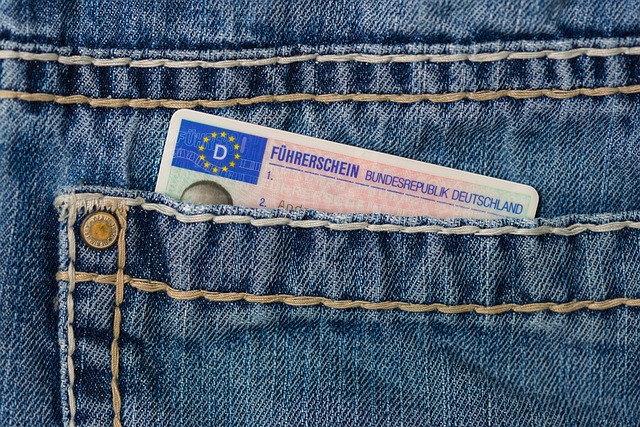
Always bring a valid, unexpired government-issued photo ID. Acceptable forms include a state driver’s license, state ID card, passport, or military ID. Student IDs or expired licenses are not accepted by verification software. For medical patients, your state-issued medical marijuana card is essential. As mentioned, cash is often preferred or required, so having some on hand is a good idea. Some dispensaries might have ATMs, but it’s best not to rely solely on them.
Know Your Desired Effects (or Be Ready to Ask)
Consider what you hope to achieve with cannabis. Are you looking for relaxation, energy, pain relief, or help with sleep? Having a general idea can help your budtender narrow down the options. If you’re unsure, that’s perfectly fine; tell your budtender you’re looking for guidance, and they can explain different product categories and strains.
Allocate Enough Time
Especially for your first visit, set aside enough time to browse, ask questions, and consult with a budtender without feeling rushed. Dispensaries can sometimes be busy—particularly on weekends, holidays, or late afternoons—and a relaxed approach will allow you to learn more and make informed choices.
Review the Menu Online if Possible
Many Zen Leaf locations provide their current menu online. Browsing it beforehand can give you an idea of available products and pricing, helping you create a wishlist or formulate specific questions for your budtender. This can also speed up your in-store experience if you opt to place an express pre-order online.
Common Problems at Zen Leaf and How to Solve Them
Even smooth dispensary trips can run into technical or logistical hurdles. Here is how to navigate frequent issues consumers encounter:
- Problem: Payment rejection or lack of credit card acceptance.
Cause: Federal banking restrictions prevent major credit card processing for state-legal cannabis transactions.
Solution: Bring cash in advance, use an on-site debit ATM, or enroll in PIN-based cashless ATM/debit systems where offered by the store. - Problem: Long wait times during peak store hours.
Cause: High foot traffic during late afternoons, Friday evenings, and weekend hours.
Solution: Place an express order on the Zen Leaf website prior to arriving, or plan walk-in consultations during mid-morning hours on weekdays. - Problem: Overwhelming choice and selection fatigue.
Cause: Dispensaries carry hundreds of unique SKUs across multiple intake channels.
Solution: Tell the budtender your primary goal (e.g., “I want a low-potency evening edible”) rather than trying to evaluate every strain individually. - Problem: Overconsumption due to delayed edible onset.
Cause: Consuming a second edible dose before the first dose has fully metabolized through the digestive system.
Solution: Follow the rule to “start low and go slow.” Wait at least 90 to 120 minutes before considering any secondary edible dose.
Who This Advice and Dispensary Model Does Not Suit
While Zen Leaf offers a structured retail model, this environment is not appropriate for all circumstances:

- Individuals seeking formal clinical medical diagnoses: Budtenders are retail customer service professionals, not physicians. If you require targeted medical treatment plans, consult a qualified medical marijuana doctor before shopping.
- Consumers expecting credit card loyalty points or credit payments: Federal restrictions mean credit cards cannot be processed, so consumers who refuse to use cash or PIN debit must seek alternative arrangements.
- Out-of-state medical cardholders in non-reciprocal states: Medical marijuana cards are governed by individual state rules. If you hold a medical card from one state and visit a Zen Leaf location in a state without reciprocity or adult-use access, your medical card will not be recognized.
- Shoppers in non-legal jurisdictions: Zen Leaf operates exclusively within legal state markets. Attempting to purchase or transport cannabis into areas where it remains illegal under local law is unlawful.
Understanding the “Zen” in Zen Leaf
While the name “Zen Leaf” evokes a sense of calm and balance, it’s primarily a brand name for a cannabis retail operation. The experience itself is designed to be comfortable and straightforward, aiming to demystify cannabis for consumers. The focus is on providing access to a wide range of products in a professional and compliant setting.
By blending verified safety standards, physical security, customer consultation, and digital menu integration, the dispensary framework eliminates guesswork. Ultimately, a visit to a Zen Leaf dispensary is about exploring cannabis in a guided, legal environment. With a little preparation and an open mind, you can find the products that best suit your needs and preferences.
Frequently asked questions
Can I pay with a major credit card at Zen Leaf?
No, due to federal banking rules, cannabis dispensaries across the United States generally cannot process standard credit card transactions. You must pay using cash or an approved PIN-debit payment method. On-site ATMs are typically available for cash withdrawals.
What is the difference between shopping as a medical patient versus a recreational customer?
Medical marijuana patients typically receive tax exemptions or lower tax rates, access to medical-only product inventories or higher potency caps, and separate customer queues. Recreational customers buy adult-use products subject to full local retail cannabis taxes and standard daily purchase limits set by the state.
Can I buy cannabis online and have it shipped to my house from Zen Leaf?
Direct home mail delivery via interstate postal services is illegal under federal law. However, depending on state and local laws, certain Zen Leaf locations offer local, state-regulated home delivery services or online pre-ordering for in-store express pickup.
What should I do if my government ID has expired?
State compliance software requires unexpired identification to grant entry into dispensary showrooms. If your driver’s license or passport is expired, bring a current, valid temporary paper ID along with your official renewal documents, or wait until your updated physical ID arrives before visiting.
Cannabis 101
What is Sunnyside? Your Guide to This Cannabis Dispensary Chain
When you hear “Sunnyside,” it often refers to a prominent chain of cannabis dispensaries. This guide explains what Sunnyside offers, how to find their locations, and what to expect from your visit.
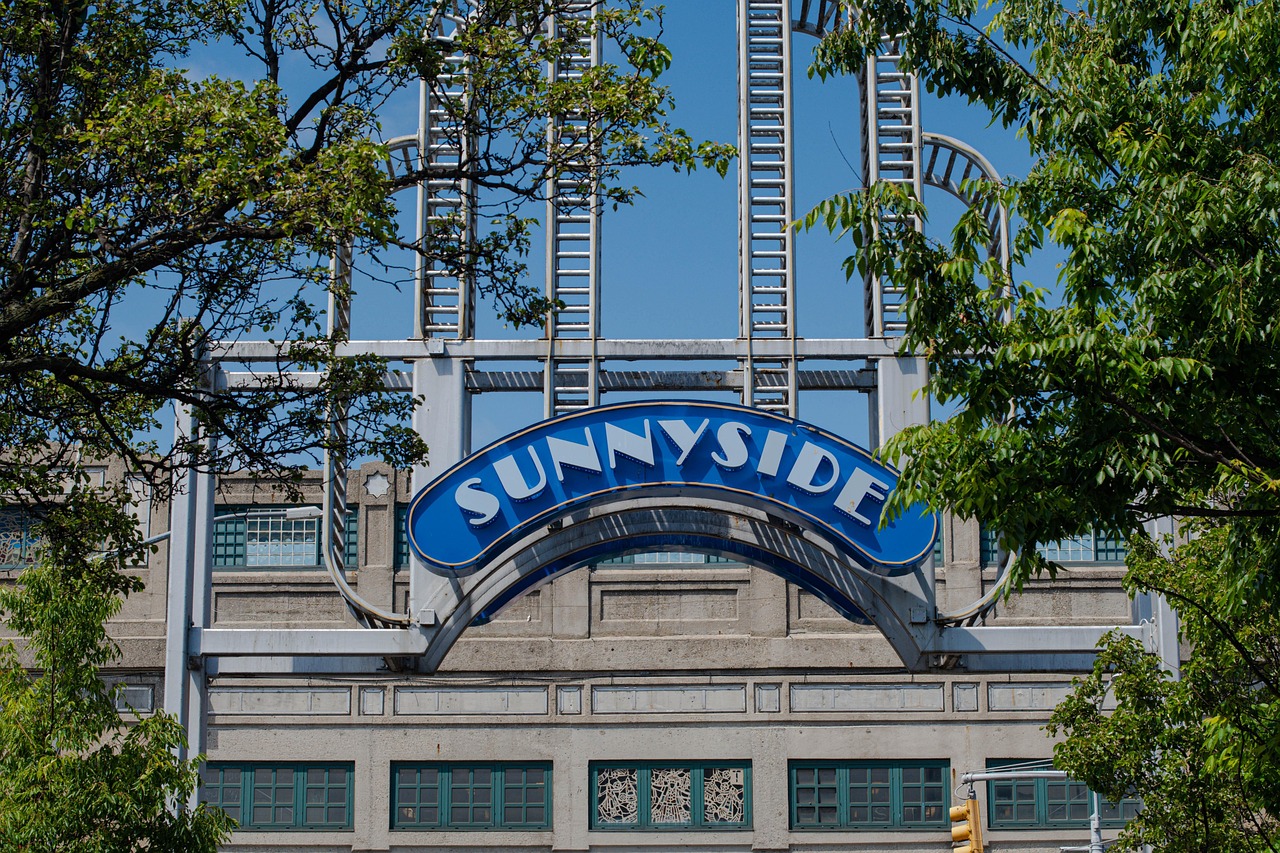
Sunnyside is a prominent cannabis dispensary chain and retail brand under Cresco Labs that provides medical and recreational marijuana in a modern, boutique-style setting. Designed with bright lighting and open floor plans, these stores aim to offer a welcoming environment where trained advisors guide customers through cannabis products for wellness or recreational use.
This guide details the selection available at Sunnyside locations, including house brands like High Supply and FloraCal Farms across product categories such as flower, vapes, edibles, and topicals. It also explains how to locate stores, place an online express order, prepare for your first visit, and understand product dosing formats.
What is Sunnyside? Understanding the Dispensary Chain
When you hear the name “Sunnyside,” it might bring to mind a few different things, but for many in the cannabis community, it refers to a prominent chain of cannabis dispensaries. These dispensaries play a significant role in providing both recreational and medical marijuana products to consumers across various states, aiming to make cannabis accessible and understood.
Sunnyside is a retail brand under Cresco Labs, one of the largest vertically integrated cannabis companies in the United States. Its primary goal is to offer a welcoming and educational environment for individuals exploring cannabis for wellness or recreational purposes. They focus on guiding customers through a diverse range of products, ensuring an informed and comfortable experience. Unlike older dispensaries that often featured sterile or industrial layouts, Sunnyside stores are specifically designed to resemble modern wellness boutiques, utilizing bright lighting, organized product displays, and open floor plans to simplify product exploration.
What You’ll Find at Sunnyside Dispensaries
A visit to a Sunnyside dispensary means encountering a broad selection of cannabis products designed to meet different preferences and needs. You can typically expect to find:
- Flower: A variety of cannabis strains, categorized by their potential effects (e.g., energizing sativas, relaxing indicas, balanced hybrids). Flower is sold in various quantities ranging from single-gram packages to full ounces, as well as pre-rolls for convenience.
- Vapes & Concentrates: Pre-filled vape cartridges, disposable vape pens, and various forms of concentrates like live resin, rosin, wax, or shatter for those seeking different consumption methods and higher cannabinoid concentrations.
- Edibles: A wide array of cannabis-infused foods and beverages, from chocolates and gummies to tinctures and dissolvable strips, offering a smoke-free option for consumption with precise milligram dosing.
- Topicals: Creams, balms, lotions, transdermal patches, and bath salts infused with cannabinoids, designed for localized application without psychoactive effects.
- Accessories: You might also find essential accessories like batteries for vape pens, rolling papers, grinders, storage containers, and other consumption tools.
Each Sunnyside location aims to provide a consistent experience, emphasizing product quality and customer education. The staff, often called “wellness advisors” or “budtenders,” are prepared to discuss product options and help you make choices tailored to your specific interests. Because Sunnyside is operated by Cresco Labs, stores prominently feature Cresco’s house brand portfolio alongside select third-party products. Notable house brands include Cresco (liquid live resin cartridges and premium flower), High Supply (value-oriented bulk flower, concentrates, and vapes), FloraCal Farms (hand-trimmed artisanal craft flower), and Mindy’s Edibles (chef-led artisanal gummies and chocolates).
Comparing Product Formats at a Glance
| Product Category | Typical Onset Time | Average Duration | Best Suited For |
|---|---|---|---|
| Flower | 1 to 5 minutes | 1 to 3 hours | Users wanting flexible dosing and traditional whole-plant inhalation. |
| Vapes & Concentrates | 1 to 3 minutes | 1 to 3 hours | Discreet, fast-acting relief without burning plant material; high potency seekers. |
| Edibles & Tinctures | 30 to 120 minutes (15–30 min for sublingual) | 4 to 8 hours | Long-lasting effects, discreet consumption, and precise milligram dosing without inhalation. |
| Topicals | 15 to 30 minutes | 2 to 4 hours | Targeted relief for localized physical discomfort without psychoactive intoxicating effects. |
Finding a Sunnyside Location Near You
Sunnyside has expanded its footprint considerably, operating across multiple states. To find a dispensary, the easiest way is to visit the official Sunnyside website, where you can use a location finder tool. You’ll typically enter your zip code or city, and the site will show you nearby dispensaries. It will also show their operating hours and whether they offer medical or recreational cannabis, or both.
For instance, Cresco Labs, the parent company, indicates that Sunnyside has numerous dispensaries in states like Florida, Illinois, Pennsylvania, Massachusetts, Ohio, and New York. When searching, checking the specific details for each location is recommended, as product availability, operational rules, and state regulations can vary significantly. Some locations offer online ordering for in-store pickup, which reduces wait times during busy hours.
How to Place an Online Express Order Step-by-Step
- Select Your Specific Store Location: Navigate to the store locator on the official site and choose your local store. Select either the “Medical” or “Recreational” menu, as tax rates and product availability often differ between the two.
- Filter and Search the Real-Time Menu: Filter products by brand, price, category, strain type (Sativa, Indica, Hybrid), or cannabinoid potency (THC/CBD percentages).
- Add Items to Cart and Review Purchase Limits: Add your chosen products to the cart. The online portal automatically calculates state purchase allowances to ensure your order remains within legal possession limits.
- Choose Pickup Time and Confirm: Select a preferred pickup window and submit your contact details. You will receive an SMS or email notification when your order is gathered and ready for pickup at the dedicated express counter.
What to Expect During Your Visit
Your first visit to a Sunnyside dispensary, or any dispensary, is usually a straightforward process, but it helps to know what to expect:
- Identification: You’ll need a valid, government-issued photo ID (such as a driver’s license or passport) to enter and make a purchase. If you are shopping as a medical patient, you will also need to present your state-issued medical marijuana card.
- Check-in: Upon arrival, you’ll typically check in with a front desk staff member who will verify your ID and patient status if applicable. This step ensures full compliance with state law tracking systems.
- Consultation: Once inside, a wellness advisor or budtender will greet you. This is your opportunity to ask questions, explain what you’re looking for, or describe any specific effects you’re hoping to achieve. They can guide you through the available products and their potential benefits.
- Product Selection: Based on your conversation, you can browse products. Many dispensaries have display cases, while others might use digital menus. The staff will retrieve your chosen items from secure storage.
- Purchase: After selecting your products, you’ll complete your purchase. Be aware that most cannabis dispensaries operate on a cash-only basis due to federal banking rules, though some might offer debit card options (cashless ATM transactions). Bringing cash or checking if an ATM is available on-site is recommended.
- Exit: Your products will be packaged discreetly, often in an opaque, child-resistant exit bag, according to state regulations. State rules require keeping these packages sealed until you reach your private residence.
Going in with an open mind and asking questions helps ensure a smooth visit. Staff members are trained to assist customers regardless of their prior experience level.
Understanding Product Types, Cannabinoids, and Dosing Strategies
Sunnyside, like other reputable dispensaries, offers products with varying cannabinoid profiles. Here is a brief overview:
- Flower and Vapes: These offer immediate effects, as cannabinoids are absorbed quickly into the bloodstream through the lungs. Strains are often classified as indica, sativa, or hybrid, each associated with different potential experiences. Inhalation formats allow users to gauge effects within minutes.
- Edibles: When consuming edibles, the effects typically take longer to manifest (30 minutes to 2 hours) because the THC must pass through the digestive system and liver before entering the bloodstream. This metabolizes THC into 11-hydroxy-THC, which produces longer-lasting and often more potent effects. Starting with a low dose (e.g., 2.5–5 mg of THC) and waiting at least two hours before considering more is advisable.
- Concentrates: Concentrates are generally recommended for experienced users due to their high cannabinoid content (often 60% to 90%+ THC). These are potent forms of cannabis, offering strong and rapid effects with small amounts.
Worked Dosing Examples for Beginners
Calculating dosage accurately prevents uncomfortable experiences, especially with oral consumption methods. Below are two practical dosing scenarios:
Example 1: Microdosing Edibles for Beginners
If you purchase a package of gummies containing 100 mg total THC divided into 10 individual gummies (10 mg THC per piece), taking a full piece as a beginner may produce stronger effects than desired. To achieve a gentle 2.5 mg starting dose, use a clean knife to cut a single 10 mg gummy into four equal quarters. Consume one quarter (2.5 mg THC) and wait a full 120 minutes before deciding whether additional dosing is necessary.
Example 2: Sublingual Tincture Dosing
A 30 ml bottle of balanced 1:1 CBD to THC tincture contains 150 mg of CBD and 150 mg of THC in total, which equals 5 mg CBD and 5 mg THC per 1 ml dropper. To administer a mild 2.5 mg dose of each cannabinoid, draw liquid up to the calibrated 0.5 ml mark on the dropper. Hold the liquid under your tongue for 60 seconds prior to swallowing to allow sublingual membrane absorption before gastrointestinal ingestion.
Common In-Store Challenges and Practical Fixes
Shopping at a high-volume dispensary can sometimes present practical minor hurdles. Here are solutions to common shopping issues:

- Payment Processing and Banking Fees: Credit cards are not accepted due to federal restrictions on cannabis transactions. Solution: Bring cash directly to avoid third-party ATM fees. If paying via a debit card at the terminal, understand that transactions are processed as “cashless ATM transactions,” which round up to the nearest $10 increment and disburse remaining cash balance as change.
- Long Lines During Peak Hours: Foot traffic peaks on Friday afternoons, weekends, and holidays. Solution: Submit an online order via the Sunnyside website several hours in advance and pick it up during early morning weekday hours.
- Out-of-Stock Items: Popular, limited-run craft strains sell out quickly. Solution: Check real-time store inventory online before making the trip, or ask your wellness advisor for alternatives with matching terpene profiles (such as myrcene for relaxation or limonene for elevation).
- State Purchasing Limits: State tracking software flags transactions that exceed legal daily or monthly allotments. Solution: Medical patients can review their available allotment on their state portal before shopping. Recreational consumers should keep in mind that total flower, concentrate, and edible purchases are converted into a unified equivalency limit by staff during checkout.
Who Sunnyside Is Best For — and Who Might Prefer Alternatives
While Sunnyside offers a streamlined shopping experience, it is helpful to consider whether its store model fits your preferences:
Ideal For:
- New consumers and wellness shoppers: Buyers who want a clean, well-lit retail setting with structured guidance from trained staff.
- Fans of major house brands: Shoppers who regularly consume Cresco, High Supply, FloraCal, or Mindy’s products and want reliable direct-from-producer supply.
- Express pickup shoppers: Customers who prefer browsing inventory online, placing digital reservations, and completing quick in-and-out transactions.
May Not Suit:
- Boutique craft-only buyers: Consumers exclusively searching for small-batch micro-cultivators or regional boutique growers that may not be available in corporate retail catalog networks.
- Shoppers requiring credit card payment: Consumers who refuse to use cash or pay debit processing fees.
- Home cultivators: Individuals seeking live clones, seeds, or specialized home-growing hardware, as Sunnyside focuses strictly on finished consumer products.
Frequently asked questions
Is Sunnyside open to both medical patients and recreational consumers?
It depends on the state and specific location. In adult-use states like Illinois or Massachusetts, many Sunnyside stores serve both medical cardholders and recreational customers (ages 21+), often offering dedicated lines, prioritized stock, or tax benefits for medical cardholders. In medical-only states such as Florida or Pennsylvania, access is strictly limited to registered medical marijuana cardholders.
What valid forms of ID are accepted at Sunnyside?
Customers must present a physical, non-expired government-issued photo ID, such as a state driver’s license, state identification card, U.S. military ID, or passport. Recreational buyers must be 21 or older. Medical patients must present their active, unexpired state-issued medical marijuana card along with their valid government photo ID.
Can I pay with a credit card at Sunnyside dispensaries?
No, credit cards are not accepted due to federal banking regulations regarding cannabis. Sunnyside accepts cash, and stores feature on-site ATMs. Most locations also support debit card transactions at the counter through a cashless ATM processing system.
What is the difference between Cresco and High Supply products?
Cresco is the company’s flagship premium brand, specializing in whole-flower strains and premium liquid live resin vapes. High Supply is Cresco Labs’ value brand, offering quality cannabis in larger, bulk quantities (such as half-ounce and full-ounce flower packages, popcorn buds, and pre-ground option) at budget-conscious price points.
Cannabis 101
DNA Genetics: Unlocking Value in Premium Cannabis Strains
DNA Genetics has become a cornerstone in the cannabis world, known for its award-winning strains and commitment to genetic stability. I’ll guide you through understanding their value, selecting the right genetics, and cultivating them for optimal results, ensuring your investment truly pays off.
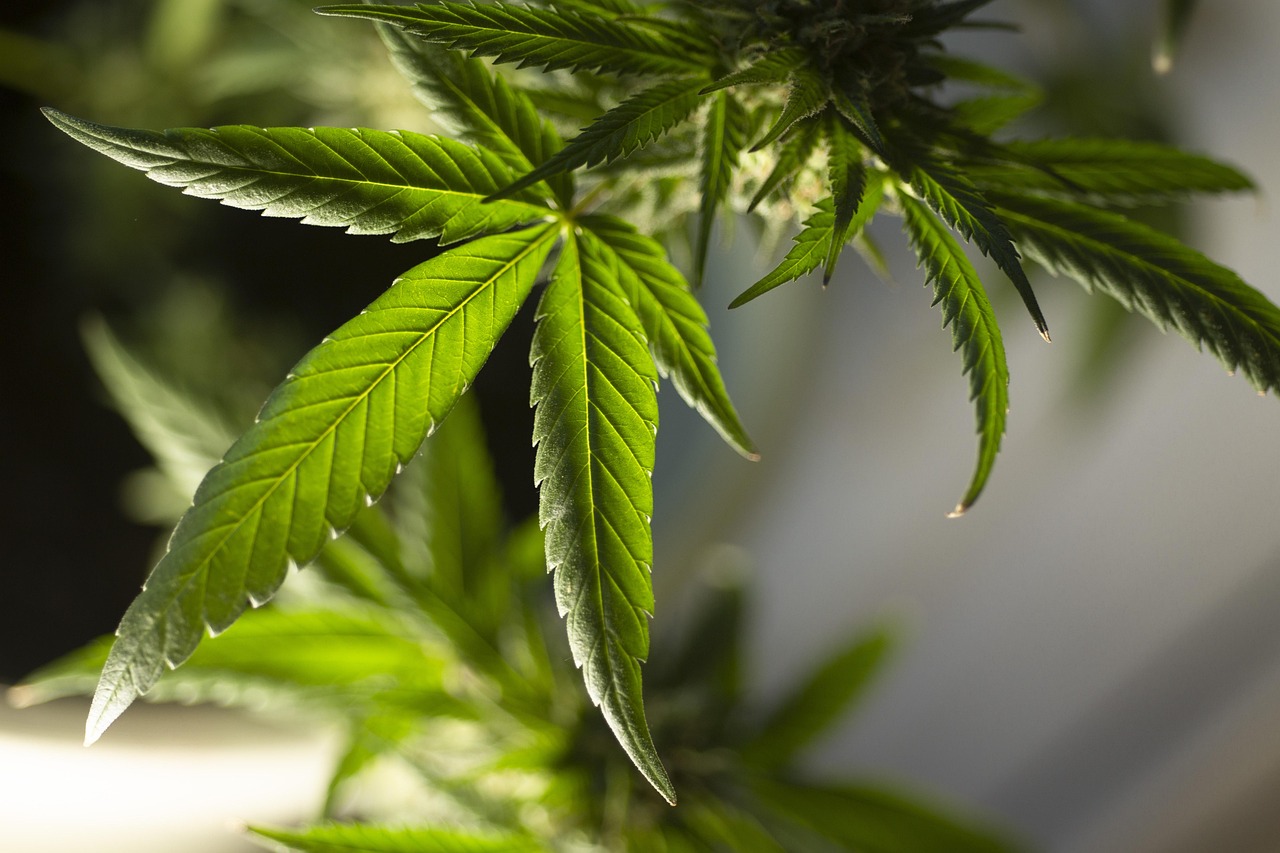
DNA Genetics is an award-winning cannabis seed bank and genetic breeding company founded by Don Morris and Aaron Yarkoni (‘D’ and ‘A’). Renowned for stable, high-potency strains like Chocolope, LA Confidential, and Kosher Kush, the company produces feminized, regular, and auto-flowering seeds bred through rigorous phenotype hunting and backcrossing.
Founded in Hollywood, California, during the late 1990s, Morris and Yarkoni relocated operations to Amsterdam in 2004 to establish an official seed company under Dutch commercial framework. Over more than two decades, the company has accumulated over 200 awards across global cannabis competitions, including multiple High Times Cannabis Cup titles. Their breeding work transformed how commercial cultivators and home hobbyists select mother plants, establish commercial crop consistency, and build signature terpene profiles.
What sets DNA Genetics apart in cannabis breeding?
Many seed suppliers package unpredictable polyhybrids that yield wild variation from a single seed pack. DNA Genetics established its reputation by focusing on lineage stability and parent selection. Rather than releasing unrefined first-generation crosses, their breeding program relies on extensive filial line development, backcrossing (crossing a hybrid back with one of its original parents), and selfing (S1 feminized lines) to fix specific recessive traits like distinct aromas, dense flower structures, and high resin production.
The company operates several distinct product lines catering to different grower requirements:
- DNA Genetics Official Line: Core photoperiod strains stabilized over multiple generations, available in feminized and regular formats.
- Reserva Privada: A specialized selection representing West Coast clone-only cuts crossed into seed form, designed for high resin yield and extract production.
- Crockett Family Farms Collaborations: Partnership lines bringing heirloom genetics like Tangie into mainstream production with heavy citrus terpene emphasis.
- Grow Your Own (GYO): Value-focused seed lines targeted at hobbyists seeking reliable genetic vigor without commercial price tags.
How phenotype hunting and backcrossing create genetic stability
The core of any top-tier breeding program is phenotype hunting. When two cannabis strains cross, the resulting seeds contain a mixture of genetic traits inherited from both parents. A single seed pack can produce plants that grow tall or stay short, flower early or late, or taste entirely different from one another unless the line has been stabilized.
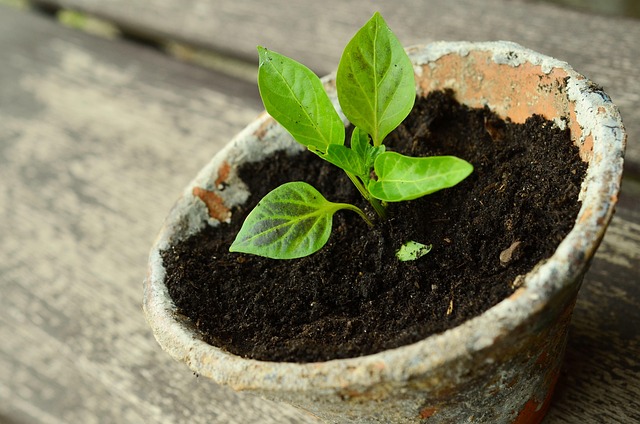
To fix desired traits across an entire seed line, breeders run hundreds of seeds under identical conditions. They identify plants exhibiting the strongest target characteristics—such as powdery mildew resistance, tight internodal spacing, or elevated cannabinoid ratios—and eliminate the weak candidates. By repeatedly backcrossing these winning individual phenotypes back to parent stock, DNA Genetics locks in genetic expression so growers get uniform results canopy-wide.
For commercial facilities, this uniformity translates directly into profitability. A crop with identical heights and flowering windows allows automated lighting and fertigation schedules to work efficiently without tall branches shading out neighboring plants or individual specimens maturing weeks apart.
Comparing popular DNA Genetics strains
Selecting the right strain requires balancing your grow space height, total flowering time, lighting intensity, and target terpene preferences. Below is a detailed breakdown of the most widely cultivated strains in the DNA Genetics catalog.
| Strain Name | Genetics / Dominance | Flowering Time | Primary Terpenes | Best Environment & Skill Level |
|---|---|---|---|---|
| LA Confidential | 90% Indica / 10% Sativa | 45–56 Days | Myrcene, Caryophyllene, Pinene | Indoor / Low Ceiling / Beginner to Intermediate |
| Chocolope | 95% Sativa / 5% Indica | 63–70 Days | Terpinolene, Myrcene, Ocimene | High-Clearance Indoor or Greenhouse / Intermediate |
| Kosher Kush | 80% Indica / 20% Sativa | 63–70 Days | Limonene, Caryophyllene, Myrcene | Indoor or Controlled Greenhouse / Intermediate to Advanced |
| 24K Gold (Kosher Choco) | 60% Indica / 40% Sativa | 63–70 Days | Limonene, Myrcene, Linalool | Indoor SCROG or Outdoor / Intermediate |
| Tangie | 70% Sativa / 30% Indica | 63–70 Days | Terpinolene, Limonene, Myrcene | High-Light Indoor or Mediterranean Outdoor / Intermediate |
LA Confidential
LA Confidential is a heavy indica strain derived from OG LA Affie crossed with an Afghan indica. It grows short and dense, making it suitable for spaces with restricted vertical height. Its short flowering window of 7 to 8 weeks appeals to commercial growers needing rapid turnover. The flower buds develop deep purple hues under cooler night temperatures and produce an earthy, pine aroma with sedative physical effects.
Chocolope
Bred by crossing Chocolate Thai with Cannalope Haze, Chocolope pays homage to classic 1980s chocolate sativas. It exhibits extreme vegetative vigor and significant stretch during the first three weeks of flowering. Growers should use training techniques like topping or Screen of Green (SCROG) to manage its vertical height. It provides heavy yields of sweet, cocoa-flavored buds with an invigorating cerebral profile.
Kosher Kush
Originally originating as a Los Angeles clone-only strain, Kosher Kush became the first award-winning strain tested for unique potency and terpene output. It features a sharp fuel, earth, and citrus profile with dense, trichome-laden calyxes. While it demands precise nutrient balancing—specifically higher calcium and magnesium during early bloom—its heavy yields and premium dispensary demand make it a cornerstone choice for commercial growers looking for top-tier cannabis genetics.
Seed cost vs value: Is the price tag worth it?
A pack of 6 to 12 seeds from DNA Genetics typically costs between $70 and $150, compared to generic seed packs sold for $30 to $50. For new growers, this price difference raises questions about whether premium genetics justify the extra expense.

The financial return on premium genetics comes from reduced risk and higher harvest quality. Generic or poorly stabilized seeds frequently display genetic defects, including unpredictable hermaphroditism (spontaneous male flowers that ruin unpollinated crops), variable cannabinoid potency, slow growth rates, and weak pest resistance. A single male flower opening unnoticed in a crop room can seed an entire harvest, causing losses that far exceed the price of premium seeds.
When you buy stabilized genetics, you invest in predictable performance. If you select a keeper mother plant from a 6-pack of DNA Genetics seeds, you can take hundreds of identical clones over several years. That initial $100 seed investment spreads across thousands of grams of high-potency flower, dropping your true genetic cost per crop to pennies.
Who DNA Genetics is NOT for
Despite their quality, DNA Genetics strains are not ideal for every scenario:
- Ultra-low budget grows: If you lack environmental controls (humidity, temperature, light intensity), high-end genetics cannot overcome poor growing environments.
- Stealth micro-grows with tall sativas: Sativa-leaning options like Chocolope or Tangie will quickly outgrow small space buckets or low tent setups unless trained aggressively.
- Growers wanting pure autoflowers only: While DNA Genetics offers select autoflowering lines, their primary expertise lies in photoperiod genetics meant for mother plant selection and cloning.
How to grow DNA Genetics strains for optimal yield and potency
Unlocking the full genetic potential of these strains requires dialing in specific environmental parameters and nutrient schedules throughout the plant life cycle.
1. Seed germination and seedling care
Germinate seeds using the paper towel method or by planting directly into buffered peat or coco plugs at a depth of 0.5 inches (12 mm). Avoid soaking seedlings in heavy nutrient solutions; plain water adjusted to pH 6.2–6.5 in soil or pH 5.8–6.0 in hydroponic mediums provides the ideal starting foundation.
2. Controlling vegetative growth and canopy shape
Most DNA Genetics photoperiod strains display strong apical dominance (one main center cola). To maximize yield, top your plants above the 4th or 5th node during week 3 of vegetative growth. This encourages lateral branch development and builds a flat, multi-site canopy Maui Wowie Strain: Unearthing the Legendary Hawaiian Sativa.
- Indica Strains (LA Confidential): Keep vegetative periods slightly longer (4 to 5 weeks) because they do not stretch significantly after switching light cycles to 12/12.
- Sativa Hybrids (Chocolope, Tangie): Flip to flowering after 2 to 3 weeks of vegetative growth, as they often double or triple in height during early bloom.
3. Managing flowering environmental parameters
During flowering, keep day temperatures between 72°F and 80°F (22°C–26°C) and night temperatures within 8°F to 10°F of day settings. Manage relative humidity continuously to prevent mold in dense bud structures:
- Weeks 1–3 (Early Bloom): Maintain 55%–60% RH to support stretch and flower site formation.
- Weeks 4–6 (Mid Bloom): Drop RH to 45%–50% as trichome production accelerates.
- Weeks 7 to Harvest (Late Bloom): Lower RH to 40%–45% to protect dense colas from botrytis (bud rot) and powdery mildew.
4. Phenotype selection: How to hunt a mother plant
When growing from a fresh seed pack, label every seed with a unique identifier (e.g., Kosher Kush #1, #2, #3). Before flipping your main plants to a 12/12 lighting schedule, take two clones from the lower branches of each specimen. Label the clones to match the parent plants and keep them in vegetative growth under an 18/6 light schedule.
Flowering your seed plants lets you evaluate each phenotype for growth speed, internodal structure, pest resistance, flower density, aroma profile, and dry weight yield. Once you complete harvest and testing, retain the top-performing clone as your dedicated mother plant and retire the inferior phenotypes.
How to verify authentic DNA Genetics seeds and avoid fakes
Due to the commercial success of strains like Kosher Kush and LA Confidential, counterfeit seed packs are common on grey-market websites and unverified online seed banks. Fake seeds often yield inconsistent genetics, wild variation, or industrial hemp traits.
Protect your investment by taking these verification steps:
- Buy direct or from certified distributors: Purchase seeds directly from the official DNA Genetics site or authorized global distributors listed on their dealer locator.
- Inspect original packaging: Authentic seeds are shipped in sealed tamper-evident packaging featuring branded custom blister packs or metallic pouches. Avoid vendors selling loose seeds in plain plastic bags or unlabeled vials.
- Check for anti-counterfeit features: Authentic modern packs include holographic security seals, batch tracking codes, and official artwork detailing strain lineage and expected flowering windows.
- Beware of unrealistic discounts: Authentic packs maintain stable global pricing ($70–$150+). Deep discounts below half retail price are usually a red flag for old, non-viable, or counterfeit stock.
Common mistakes when growing premium genetics
Even stabilized genetics suffer under improper cultivation practices. Avoid these four common mistakes:
Overfeeding high-potency strains: Many growers assume premium genetics require high electrical conductivity (EC) levels. Excessive nitrogen during vegetative growth leads to dark, curled leaves (“clawing”), while excess phosphorus and potassium in early bloom burn fragile root hairs. Start with an EC of 1.2 to 1.6 during vegetative growth and max out at 1.8 to 2.2 during peak flowering unless plants explicitly display hunger signs Super Boof Strain: Unpacking Its Potency, Flavor.
Failing to monitor light intensity (PPFD): High-yielding strains thrive under intense lighting, but young vegetative growth or early flower sites can suffer light stress without gradual acclimation. Maintain photosynthetic photon flux density (PPFD) between 400–600 µmol/m²/s in vegetative stages and 800–1000 µmol/m²/s during flower peak.
Ignoring root zone pH: Incorrect pH prevents plant roots from absorbing available nutrients regardless of fertilizer quality. Keep media runoff and input water strictly within 6.0–6.5 for soil and 5.8–6.2 for coco coir or hydroponics.
Harvesting too early: Do not rely solely on the breeder’s estimated flowering window. Use a jeweler’s loupe or microscope to check trichome heads on the calyxes (not the leaves).
Frequently asked questions
What makes DNA Genetics strains so popular?
DNA Genetics built its reputation through rigorous phenotype hunting, line stabilization, and backcrossing, winning over 200 international industry awards. Strains like Kosher Kush, LA Confidential, and Chocolope offer consistent potency, distinct terpene profiles, and predictable growth characteristics that work well for both home and commercial growers.
How can I verify the authenticity of DNA Genetics seeds?
Purchase seeds directly from the official DNA Genetics website or authorized distributors verified on their official store locator. Look for original tamper-evident packaging, holographic security seals, clear batch codes, and custom blister packs rather than unbranded vials or plastic bags.
Are DNA Genetics strains suitable for beginner growers?
Yes, many DNA Genetics strains feature high genetic vigor and solid environmental resilience, making them accessible to beginners. Indica-dominant choices like LA Confidential are ideal starting strains due to their compact stature, short flowering duration, and forgiving growth habits.
What is phenotype hunting in cannabis breeding?
Phenotype hunting involves growing out a large population of seeds from a single genetic cross to select individual plants that exhibit desirable traits such as high yield, strong aroma, rapid flowering, or disease resistance. Breeders use these keeper individual plants for cloning or future backcrossing programs.
Do DNA Genetics offer feminized seeds?
Yes, DNA Genetics offers a wide catalog of feminized photoperiod seeds alongside regular seeds and select autoflowering varieties.
What is the average flowering time for DNA Genetics strains?
Flowering times vary depending on genetic lineage. Fast-finishing indica strains like LA Confidential require 7 to 8 weeks (45–56 days) of 12/12 light, while sativa-dominant varieties like Chocolope or Tangie require 9 to 10 weeks (63–70 days) to reach full maturity.

What to Know Before Visiting Zen Leaf Dispensaries

What is Sunnyside? Your Guide to This Cannabis Dispensary Chain

Maui Wowie Strain: Unearthing the Legendary Hawaiian Sativa

AmeriCanna Rx: Your Guide to Portland’s Premier Cannabis Dispensary

Haze Purple: Unveiling a Cannabis Cultivar’s Unique Appeal

Purple Runtz Strain: Unpacking Its Potency and Sweet Appeal
-
 Product Guides3 months ago
AmeriCanna Rx: Your Guide to Portland’s Premier Cannabis Dispensary
-
 Cannabis 1013 months ago
Haze Purple: Unveiling a Cannabis Cultivar’s Unique Appeal
-
 Cannabis 1013 months ago
Purple Runtz Strain: Unpacking Its Potency and Sweet Appeal
-

 Culture & Lifestyle3 months ago
Collective Efforts Sacramento CA: Your Premier Cannabis
-
 Cannabis 1013 months ago
Tropic Thunder Strain: An Uplifting Hybrid Experience
-

 Cannabis 1013 months ago
Medicann Clinics: Challenging the Conventional Patient Journey
-

 Product Guides3 months ago
Identifying Top Shelf Cannabis: A Connoisseur’s Guide
-
 Industry News2 months ago
Your Guide to Silver State Relief: Maximizing Value