
Product Guides
How Long Does It Take for CBD Gummies to Kick In?
CBD gummies usually take 30 to 90 minutes to start working. Discover how stomach contents, dosage, and gummy types alter onset time.

Standard CBD gummies usually take 30 to 90 minutes to work, reaching peak effects in 2 to 4 hours. How long does it take for a CBD gummy to kick in? The total experience lasts 4 to 8 hours depending on your stomach contents, metabolic rate, body weight, and gummy formulation.
Unlike tinctures placed directly under your tongue, oral gummies must navigate your digestive tract before entering your bloodstream. Your liver metabolizes a significant portion of the cannabinoids first. This creates a delayed onset compared to inhalation or sublingual oil drops. Consuming a gummy immediately after a heavy meal slows digestion even further. Eating one alongside healthy dietary fats speeds up compound absorption.
How your body processes edible cannabinoids
When you swallow a CBD gummy, your body processes the cannabinoids through a distinct multi-stage metabolic pathway known as first-pass metabolism:

-
- Mouth and esophagus: Chewing breaks down the physical pectin or gelatin structure. Small amounts of CBD absorb through the oral mucosa lining your mouth if you chew thoroughly before swallowing.
- Stomach digestion: Gastric acids break down the remaining candy mass. Fatty acids in your stomach help dissolve the hydrophobic CBD molecules so your digestive tract can prepare them for assimilation.
- Intestinal absorption: The dissolved cannabinoids pass into your small intestine. Specialized cells absorb lipid compounds and transport them directly into the hepatic portal system.
- Liver first-pass metabolism: Your liver filters the absorbed compounds. Hepatic enzymes break down up to 80% to 90% of the ingested CBD before releasing the remaining active molecules into your circulatory system.
- Systemic distribution: The remaining CBD circulates through your bloodstream. It interacts with CB1 and CB2 receptors in your endocannabinoid system, central nervous system, and immune tissue.
Dietary lipids play a vital role during intestinal absorption. Eating healthy fats like avocado, peanut butter, or full-fat yogurt alongside your gummy stimulates bile production. Bile emulsifies the fat-soluble CBD. This creates micellar structures that cross your intestinal wall much faster than CBD swallowed without dietary fat.
How long does it take for CBD gummies to fully kick in?
While subtle physical or mental relaxation begins around 30 to 45 minutes, CBD gummies take 2 to 3 hours to fully kick in. This timeframe marks the peak concentration of active cannabinoids in your blood plasma.
A common mistake occurs when users expect immediate results, feel nothing at the 45-minute mark, and swallow a second gummy. Because digestion requires steady processing time, both doses will hit peak concentration simultaneously at the 3-hour mark, leading to uncomfortably heavy drowsiness or mild gastrointestinal upset. Always wait at least two to three full hours before evaluating your initial dose.

Worked example: Metabolic timeline of a single dose
Consider a practical scenario where you consume one 25 mg CBD gummy at 6:00 PM on a light stomach:
| Time Elapsed | Metabolic Stage | What You Feel |
|---|---|---|
| 6:00 PM (0 min) | Ingestion and chewing | No physiological effect. |
| 6:35 PM (35 min) | Stomach breakdown to small intestine | First subtle signs of physical ease or mild calm. |
| 7:30 PM (90 min) | Hepatic clearance to bloodstream | Noticeable relief, muscle relaxation, and stress reduction. |
| 8:30 PM (2.5 hrs) | Peak blood plasma concentration | Full therapeutic impact; maximum effects take hold. |
| 10:00 PM (4 hrs) | Sustained circulating levels | Steady ongoing calm and physical balance. |
| 12:00 AM (6 hrs) | Metabolic clearance by liver | Effects gradually fade as kidney/liver eliminate metabolites. |
How long does it take for CBD sleep gummies to kick in?
CBD sleep gummies usually kick in within 30 to 60 minutes after swallowing. Sleep formulations work faster than basic CBD gummies because manufacturers typically blend CBD with rapid-acting sleep ingredients such as melatonin, L-thiamine, 5-HTP, or minor cannabinoids like cannabinol (CBN).
To maximize sleep quality, take your sleep gummies 45 to 60 minutes before bedtime. This window allows your body to digest active ingredients. Consequently, the initial calming serge aligns directly with your intended sleep schedule.
Step-by-step sleep gummy routine
- Eat a light evening snack: Consume a small spoonful of peanut butter or a handful of almonds at 9:00 PM to supply dietary fats.
- Take your sleep gummy: Swallow your serving at 9:15 PM with water.
- Dim screen lighting: Turn off bright electronics to allow natural melatonin synthesis.
- Get into bed: Lie down at 10:00 PM as the peak effects of the CBD and added sleep aids combine to induce natural drowsiness.
If you take a sleep gummy immediately after a heavy 8:30 PM dinner, stomach digestion slows drastically. The delayed absorption can shift the peak onset to midnight or 1:00 AM, making waking up early the next morning difficult due to residual morning grogginess.
How long does it take for CBD THC gummies to kick in?
Combination CBD THC gummies take approximately 45 to 90 minutes to kick in. Both cannabinoids process through your digestive system at the exact same rate, but you will often notice the psychological effects of Delta-9 THC slightly before you perceive the subtle grounding physical balance of CBD.

When your liver metabolizes THC, it converts Delta-9 THC into 11-hydroxy-THC. This affects how long it takes for CBD gummies to kick in and produces stronger physical and mental effects. CBD dampens some intensity by partially blocking CB1 receptors, creating a balanced entourage effect.
Full-spectrum gummies contain trace amounts of THC (under 0.3% by dry weight). Because of this, they exhibit slightly faster systemic binding than pure CBD isolate gummies. Expect peak effects between 2 and 4 hours after consumption.
How long does it take for Wyld CBD gummies to kick in?
Wyld CBD gummies typically kick in within 30 to 60 minutes. Wyld uses tapioca syrup and fruit pectin rather than animal-derived gelatin to form their gummies.
Pectin-based edibles dissolve faster in gastric acid than gelatin-based candies. They control how long it takes for CBD gummies to kick in after ingestion. Wyld incorporates real fruit purées and specific botanical terpenes. Ingredients like limonene in lemon or linalool in elderberry support absorption speed and targeted physical outcomes.

How long does it take for CBD gummies to kick in for dogs?
CBD treats, chews, or gummies formulated specifically for dogs generally kick in within 45 to 90 minutes. While canine digestive systems process simple starches faster than human stomachs, dense solid treats still require considerable digestive processing time.
Canine metabolic rate varies significantly by breed size, age, and activity level:
- Small breeds (under 20 lbs): Process chews rapidly; initial onset often occurs within 30 to 45 minutes.
- Medium to large breeds (20 to 75 lbs): Digest chews within 45 to 60 minutes.
- Giant breeds (over 75 lbs): Require 60 to 90 minutes for full intestinal transit and systemic distribution.
Safety Warning: Never give human CBD gummies to dogs. Pet owners often ask how long it takes for human CBD gummies to kick in, but these products frequently contain xylitol (an artificial sweetener highly toxic and lethal to dogs), high sugar levels, or elevated doses of THC. Always purchase veterinary-formulated dog chews and consult your veterinarian before introducing cannabinoids to your pet.
Onset comparison: Gummies vs. other CBD delivery methods
How quickly you feel CBD depends heavily on your choice of intake method. Comparing edible gummies to alternative delivery formats highlights the metabolic trade-offs between speed and duration:

| Delivery Method | Onset Time | Peak Effects | Duration | Bioavailability |
|---|---|---|---|---|
| CBD Gummies | 30–90 mins | 2–4 hours | 4–8 hours | 6%–20% |
| Sublingual Tinctures | 15–45 mins | 1–2 hours | 4–6 hours | 13%–35% |
| VapeIncapablesbles | 1–5 mins | 30 mins | 1–3 hours | 31%–56% |
| Topical Creams | 15–30 mins | 1 hour | 2–4 hours | Localized only |
Gummies offer lower bioavailability than vapes or tinctures. Users often ask how long does it take for CBD gummies to kick in naturally. Your digestive system slowly releases cannabinoids over several hours, providing long relief.
Factors that speed up or delay CBD gummy absorption
Six core physiological and environmental variables dictate how fast your body processes an edible serving:

- Stomach contents: Taking a gummy on an empty stomach yields faster onset (30–45 minutes). Taking it alongside healthy fats improves overall absorption rate and total circulating CBD.
- Fat content of companion foods: Triglycerides in foods like olive oil, salmon, eggs, or nuts stimulate bile salts, increasing lipophilic compound absorption.
- Metabolic speed: Individuals with higher resting metabolic rates clear digestive contents quickly, speeding up cannabinoid delivery.
- Body composition: Cannabinoid compounds store readily in lipophilic adipose tissue. Body fat mass influences how efficiently CBD distributes across your tissue network.
- Chewing duration: Holding masticated gummy material under your tongue for 60 seconds before swallowing allows sublingual tissue to absorb active compounds directly into your bloodstream.
- Individual tolerance: Consistent daily usage builds receptor familiarity. Regular consumers may feel subtle effects faster or recognize subtle systemic shifts earlier than novice users.
Common problems and how to fix delayed onset
If your CBD gummy takes longer than expected to produce noticeable results, review these common problems and actionable solutions:
Problem 1: “I felt nothing after 60 minutes.”
Cause: Dense stomach contents or slow gastric motility slowed digestive transit.
Fix: Drink a glass of warm water or take a short 10-minute walk to stimulate intestinal motility. Do not take a second gummy for at least two full hours.
Problem 2: “The effects feel weak every time.”
Cause: Poor bioavailability due to eating gummies without dietary lipids.
Fix: Consume your gummy alongside 10 to 15 grams of healthy fat, such as a tablespoon of peanut butter, half an avocado, or full-fat yogurt.
Problem 3: “My sleep gummy kicks in after I wake up.”
Cause: Eating heavy, late-night dinners delays gastric emptying past your intended sleep time.
Fix: Take your sleep gummy 60 minutes before bed on a mostly empty stomach, or eat a lighter dinner earlier in the evening.
Who should avoid CBD gummies or exercise caution
While CBD gummies are widely tolerated, specific individuals must proceed with caution or avoid oral cannabinoids entirely:

- People taking prescription blood thinners: CBD inhibits Cytochrome P450 (CYP450) liver enzymes, specifically CYP2C9 and CYP3A4. This inhibition slows down the metabolism of medications like warfarin, raising drug concentration levels in your blood.
- Individuals with chronic liver conditions: First-pass liver metabolism places processing demands on hepatic tissue. Speak with a physician before introducing daily oral cannabinoids if you suffer from liver dysfunction.
- Pregnant or nursing individuals: Medical authorities advise against using cannabinoids during pregnancy or lactation due to potential developmental risks for infants.
- People undergoing drug screening: Full-spectrum gummies contain up to 0.3% THC. Regular daily intake of full-spectrum edibles can accumulate THC metabolites, causing false-positive or true-positive drug test results. Switch to CBD isolate or broad-spectrum formulations if drug testing is a concern.
Related guides
Sources: Cannabidiol (CBD): What we know and what we don’t
Frequently asked questions
What happens if I eat a CBD gummy on an empty stomach?
Eating a CBD gummy on an empty stomach usually leads to faster onset, often within 30 to 45 minutes. However, overall bioavailability decreases because your stomach lacks dietary lipids needed to stimulate optimal bile production and lipophilic compound absorption.
Why do tinctures work faster than gummies?
Tinctures placed under the tongue absorb directly through oral mucous membranes into your bloodstream, bypassing digestive first-pass metabolism. Gummies must pass through your stomach and liver before entering systemic circulation, adding 30 to 60 minutes to the total onset time.
Can I chew a CBD gummy longer to speed up the process?
Yes. Masticating the gummy thoroughly and holding the dissolved contents in your mouth for 60 to 90 seconds allows sublingual tissue to absorb a small fraction of the active CBD directly into your bloodstream, yielding slightly faster initial effects before you swallow the remaining mass.
Does drinking water help CBD gummies kick in faster?
Drinking a glass of room-temperature water helps dissolve pectin or gelatin faster in your stomach and encourages normal gastric emptying. Avoid freezing drinks or excessively hot liquids immediately after swallowing your gummy, as extreme temperatures can alter digestion speed.










Product Guides
CBD Oil Under Tongue: How Long to Hold for Maximum Absorption
Learn exactly how long to hold CBD oil under your tongue for optimal sublingual absorption, faster onset times, and maximum cannabinoid uptake.
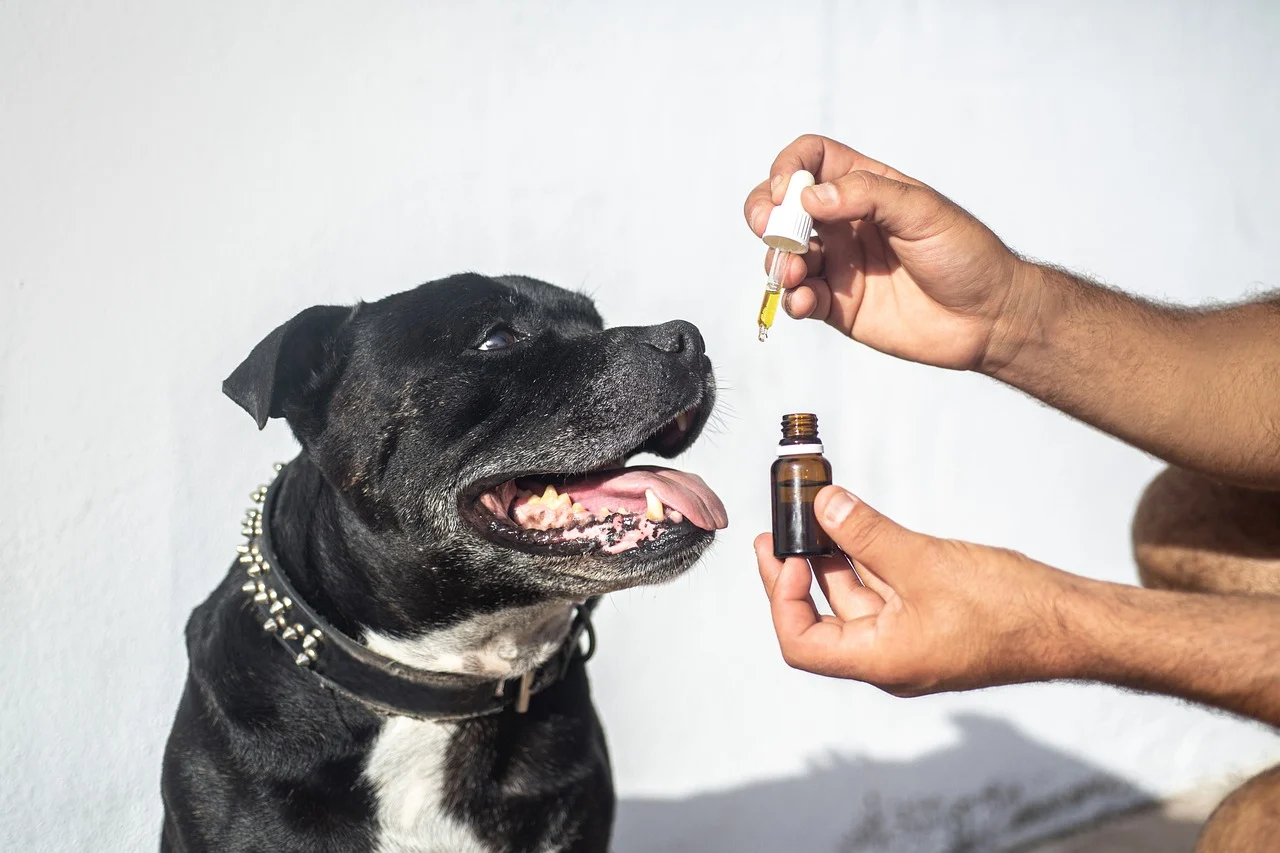
Hold CBD oil under your tongue for 60 to 90 seconds before swallowing. Holding the drops for how long—at least a full minute—gives tissue enough time to absorb cannabinoids into your capillaries.
When you take CBD oil orally, the route it takes through your body dictates how much of the active compound reaches your system and how quickly you feel it. Placing drops under your tongue—a technique known as sublingual administration—bypasses your digestive tract entirely. If you swallow the oil immediately, your liver processes the cannabinoids through first-pass metabolism, breaking down a significant portion before it ever reaches your blood. Holding the oil in place gives the active compounds a direct pathway into circulation.
How long to hold CBD oil under tongue for best results
For maximum results with CBD oil under the tongue, know how long to hold it: aim for 60 to 90 seconds. While holding the oil for 30 seconds offers some sublingual absorption, extending that time allows the mucous membrane to uptake a much higher ratio of active cannabinoids.
If you swallow after only 10 or 15 seconds, your body treats the tincture almost identically to an edible or a swallowed softgel capsule. Conversely, holding the liquid under your tongue for longer than two minutes yields diminishing returns. Once the mucosal layer saturates, remaining drops simply mix with saliva and get swallowed anyway.
We recommend setting a timer on your phone for the first few doses. Most people overestimate 60 seconds for how long to hold CBD oil under a tongue. They often swallow after just 20 seconds without realizing it.
The mechanics of sublingual absorption
To understand cbd oil under the tongue and how long to hold it, look at the anatomy beneath it. The bottom of your mouth is lined with a thin mucous membrane permeable to lipophilic (fat-soluble) molecules like cannabidiol. Directly beneath this membrane lies the sublingual gland and a rich network of small blood vessels known as capillaries.
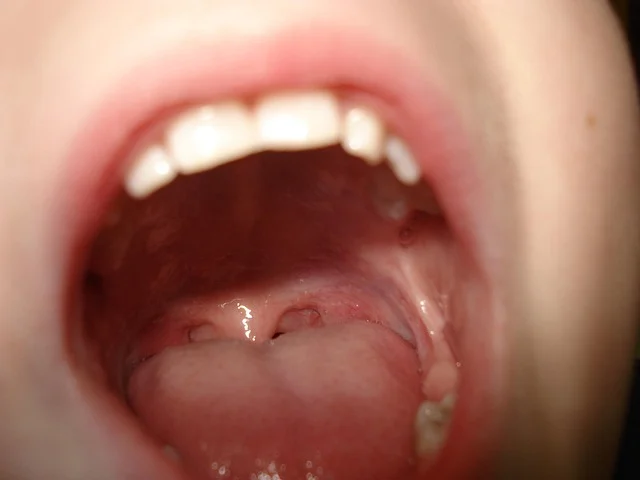
Because cannabinoids are fat-soluble, they readily diffuse through lipid membranes once they come into direct contact with sublingual mucosa. Once inside the capillaries, the compounds enter the internal jugular vein and flow straight into systemic circulation. This process bypasses hepatic first-pass metabolism, where liver enzymes such as cytochrome P450 break down non-absorbed cannabinoids into inactive metabolites.
Sublingual delivery preserves more of the plant’s natural cannabinoid spectrum by preventing initial liver clearance. This provides a higher yield per milligram of oil consumed.
Step-by-step guide to applying CBD oil sublingually
Getting the application right requires care. When using CBD oil under the tongue, learn how long to hold it for better absorption:
-
- Swish or swallow saliva first: Clear excess saliva from beneath your tongue. Too much liquid dilutes the carrier oil and reduces direct contact with the tissue.
- Measure your exact dose: Fill the dropper to your targeted milligram mark. Holding the dropper vertically prevents drops from clinging to the outside of the pipette tip.
- Lift your tongue to the roof of your mouth: Curl your tongue upward and backward to expose the sublingual frenulum and the tissue on either side.
- Dispense the drops directly beneath the tongue: Squeeze the bulb slowly. Aim for the soft tissue on the floor of the mouth rather than the underside of the tongue itself.
- Keep your mouth still for 60 to 90 seconds: Lower your tongue gently without pressing down hard. Breathe calmly through your nose. Avoid talking, swishing, or swallowing while the timer runs.
- Swallow the remaining oil: Once your time is up, swallow whatever liquid remains. Any residual CBD will be processed through your normal digestive system.
How carrier oils affect your sublingual hold time
Not all CBD tinctures absorb at the exact same rate. The carrier oil used to dissolve the cannabinoid extract plays a vital role in viscosity, absorption velocity, and overall taste.
| Carrier Oil Type | Viscosity Level | Recommended Hold Time | Key Characteristics |
|---|---|---|---|
| Medium-Chain Triglyceride (MCT) Oil | Low (Thin) | 60 seconds | Rapid absorption, neutral flavor, highly stable lipid structure. |
| Hemp Seed Oil | Medium | 60–90 seconds | Nutty flavor, contains omega fatty acids, slightly slower diffusion. |
| Extra Virgin Olive Oil | High (Thick) | 90 seconds | Stronger taste, thick texture, requires full 90 seconds for uptake. |
MCT oil, typically derived from coconut oil, is the industry standard carrier for good reason. Its short carbon chain length allows rapid transport across biological membranes, meaning a 60-second hold time is more than sufficient. Thicker carriers like hemp seed oil or extra virgin olive oil move more slowly across the mucosa. Knowing how long to hold CBD oil under the tongue for 90 seconds helps achieve comparable uptake.
Comparing sublingual administration to other intake methods
Understanding how sublingual hold time compares to other delivery methods helps clarify why keeping drops under your tongue is so popular among cannabinoid users.
Oral ingestion—such as swallowing CBD capsules, gummies, or baked goods—requires full digestion. Food passes through the stomach into the small intestine before nutrients are absorbed into the portal vein leading to the liver. This cycle takes anywhere from 45 to 120 minutes, and liver enzymes filter out a substantial portion of the original compound.
Sublingual hold times hit an ideal middle ground: fast 15-to-45-minute onset, high bioavailability, and zero pulmonary exposure.
Who should avoid holding CBD oil under the tongue?
While holding CBD oil under your tongue is effective for most people, this specific method is not suitable for everyone. Certain physical factors or preferences make alternative administration routes a better choice.

-
-
- People with intense flavor sensitivity: Unflavored full-spectrum CBD oils often carry a strong, earthy, or bitter taste due to natural hemp terpenes. If holding liquid under your tongue triggers a gag reflex, swallowed capsules or flavored gummies are better options.
- Individuals with oral open sores or recent dental surgery: Holding oil over healing gums, fresh incisions, or open mouth ulcers can cause irritation or disrupt delicate tissue clotting.
- Those targeting gastrointestinal conditions: If your primary reason for taking CBD involves localized digestive support, swallowing an encapsulated formula directly delivers the active compounds straight into the gut tract rather than absorbing them into systemic bloodstream capillaries.
- Young children or individuals unable to hold liquid still: Maintaining liquid under the tongue without swallowing requires conscious motor control for up to 90 seconds. If a user cannot follow this instruction safely, sublingual application should be skipped.
-
Common mistakes that ruin sublingual absorption
Even if you hold the oil under your tongue for the full 60 seconds, simple mechanical mistakes can undermine your results. Avoid these frequent errors to ensure complete uptake.

The most widespread mistake is talking or laughing during how long you hold CBD oil under your tongue. Moving your mouth contracts sublingual muscles, forcing saliva to flood the floor of your mouth. This washes the oil back toward your throat where it is involuntarily swallowed. Keep your jaw relaxed and mouth shut.
Another issue is applying drops directly onto the upper surface of the tongue instead of beneath it. The top surface of your tongue is covered in dense keratinized papillae designed to resist fluid passage. Oil placed on top simply sits there until you swallow. This converts your sublingual dose into a standard swallowed oral dose.
Finally, drinking water or hot beverages immediately before or during application can flush the lipid layer away before absorption completes. Wait at least five minutes after drinking before placing drops under your tongue. Refrain from drinking anything for two minutes after swallowing the remaining liquid.
Related guides
Sources: Cannabidiol (CBD): What we know and what we don’t
Frequently asked questions
Frequently asked questions
How long hold CBD oil under tongue?
Hold CBD oil under your tongue for 60 to 90 seconds before swallowing. This window lets sublingual capillaries absorb active cannabinoids into your bloodstream without unnecessary delay.
What happens if you swallow CBD oil immediately?
If you swallow CBD oil immediately, it passes into your stomach and liver for first-pass metabolism. This delays onset time up to two hours and reduces total absorption compared to sublingual uptake.
Can you hold CBD oil under your tongue for too long?
Holding CBD oil under your tongue longer than two minutes does not cause harm, but it offers no extra benefit. Once your sublingual membranes absorb available compounds, remaining oil simply mixes with saliva.
Does drinking water right after CBD oil wash it away?
Drinking water right after swallowing your hold-time oil does not clear cannabinoids already absorbed into blood vessels. However, drinking during the 60-second hold period washes liquid into your stomach early.
Product Guides
How Much CBD to Give a Dog for Fireworks: Dosage Guide
Calculate the exact CBD dose for your dog during fireworks based on body weight, learn optimal timing, and understand safety considerations.

To calm a dog during fireworks, learn how much CBD to give for a dog. Start with a dose of 1 to 2 milligrams of CBD for every 10 pounds of body weight. A 30-pound dog needs an initial dose of 3 mg to 6 mg of CBD. Give the full dose 45 to 60 minutes before the fireworks begin.
Noise phobias trigger severe distress in canine companions. When firecrackers and mortar shells detonate overhead, the sudden auditory shocks elevate cortisol levels, accelerate heart rates, and trigger panting or destructive escape behavior. Cannabidiol, or CBD, works by interacting with your dog’s endocannabinoid system to regulate stress responses without producing an intoxicating high. Determining the correct amount requires an understanding of weight-based calculations, administration timing, oil concentration math, and clear boundaries regarding when CBD needs supplementation from a veterinarian.
How to calculate the right CBD dosage for your dog’s weight
Determining how much CBD to give your dog for fireworks relies on weight and noise sensitivity. Veterinary clinical trials evaluate doses ranging from 1 mg to 2 mg per kilogram (approx. 0.45 mg to 0.9 mg per pound) twice daily for therapeutic effects. These studies include research from Cornell University College of Veterinary Medicine on canine osteoarthritis and anxiety. However, for acute situational anxiety, starting at the low end of standard consumer guidelines ensures you do not over-sedate your pet.

Sticking to a base calculation of 0.1 mg to 0.2 mg of CBD per pound helps mild anxiety. Scale up to 0.5 mg per pound for severe phobias if your dog tolerates lower doses.
- 10-pound dog: Low dose is 1 mg; moderate dose is 2 mg; high dose is 5 mg.
- 20-pound dog: Low dose is 2 mg; moderate dose is 4 mg; high dose is 10 mg.
- 30-pound dog: Low dose is 3 mg; moderate dose is 6 mg; high dose is 15 mg.
- 50-pound dog: Low dose is 5 mg; moderate dose is 10 mg; high dose is 25 mg.
- 70-pound dog: Low dose is 7 mg; moderate dose is 14 mg; high dose is 35 mg.
- 90-pound dog: Low dose is 9 mg; moderate dose is 18 mg; high dose is 45 mg.
Always verify the total milligrams of CBD per bottle and per milliliter (mL) on your product label. A standard 30 mL tincture containing 300 mg of total CBD yields 10 mg of CBD per 1 mL dropper. In contrast, a high-potency 30 mL bottle with 1,200 mg of total CBD yields 40 mg per 1 mL. Mistaking a high-potency drop for a standard drop dramatically alters the dose. This mistake can lead to temporary stomach distress or lethargy.
How much CBD to give a dog for fireworks and when
Learn how much CBD to give a dog for fireworks 45 to 60 minutes before noise starts. Cannabidiol absorbed through oral mucous membranes needs time to enter the bloodstream. It must interact with cannabinoid receptors in the central nervous system.

Giving CBD during active fireworks while your dog is shivering, hyperventilating, or pacing frantically makes the supplement far less effective. High adrenaline levels override mild calming agents. Pre-empting the stress spike is critical.
On major holidays like New Year’s Eve or the Fourth of July, noise usually begins early at dusk. We advise administering a baseline dose in the late afternoon, followed by a second scheduled dose 4 to 6 hours later if festivities extend long into the night. Check your product to see how much CBD to give a dog for fireworks. Full-spectrum hemp extracts generally remain active in a dog’s system for 4 to 8 hours depending on metabolism and age.
Choosing between CBD oil drops and dog treats
The delivery method alters absorption speed and how much CBD to give a dog for fireworks accurately. CBD oil drops administered directly into the dog’s mouth or applied to the gums offer the highest bioavailability and fastest onset. Soft chews or baked treats must pass through the gastrointestinal tract. This delays onset and reduces the total amount of active compound that reaches circulation.
If your dog tolerates having their mouth handled, drop the liquid directly onto their inner cheek or lower gums. The mucous membranes absorb the cannabinoids directly into the vascular system within 20 to 40 minutes. If you mix liquid CBD into a large bowl of kibble, the food slows stomach emptying. This means peak blood levels might not occur for 90 to 120 minutes.
| Formulation | Average Onset Time | Duration of Effect | Dosing Accuracy |
|---|---|---|---|
| Direct Sublingual Oil Drops | 20 to 40 minutes | 4 to 6 hours | High (dropper calibrated in fractional mL) |
| Oil Drops on Food | 45 to 90 minutes | 6 to 8 hours | Moderate (depends on meal completion) |
| Soft Chews / Baked Treats | 60 to 90 minutes | 4 to 6 hours | Fixed (limited to preset mg per treat) |
For a deeper understanding of cannabinoid extraction methods, see Arete Hemp: Unpacking Their Unique Approach to Cannabinoids for details on hemp processing.
What to do if the initial CBD dose does not calm your dog
If 60 minutes pass after the initial dose and your dog remains noticeably anxious, you can safely administer a booster dose equal to half of the initial amount. CBD possesses a wide therapeutic window in canine biology, meaning light adjustments carry a very low risk of adverse toxicity.
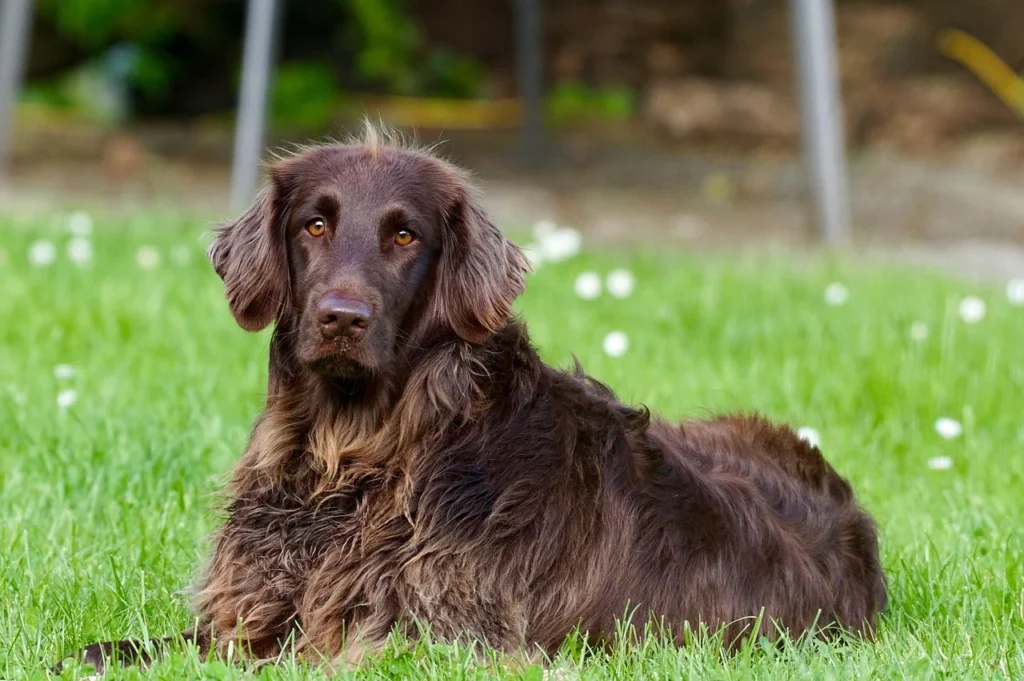
Instead of relying solely on higher chemical amounts, combine the booster dose with physical soothing techniques. Move your pet to an interior room without exterior windows, turn on a fan or television for background white noise, and close all blinds tightly to block light flashes. Do not force an anxious dog into a tight space if they feel trapped. Allow them to choose their safe space, whether that is under a bed or inside a closet.
If you suspect your dog has taken too high a dose—usually characterized by pronounced unsteadiness on their feet, severe lethargy, excessive dribbling, or vomiting—keep them in a quiet, dark room to sleep off the effects. Contact your veterinarian or a pet poison helpline if symptoms persist beyond 12 hours.
When CBD is not enough and when to avoid it
CBD works well for mild to moderate situational anxiety, but it is not a panacea for severe canine phobias. Severe panic can cause dogs to break through glass windows, self-mutilate, salivate heavily, or eliminate uncontrollably. These cases require veterinary intervention and prescription pharmaceutical sedatives or anxiolytics such as dexmedetomidine or trazodone.
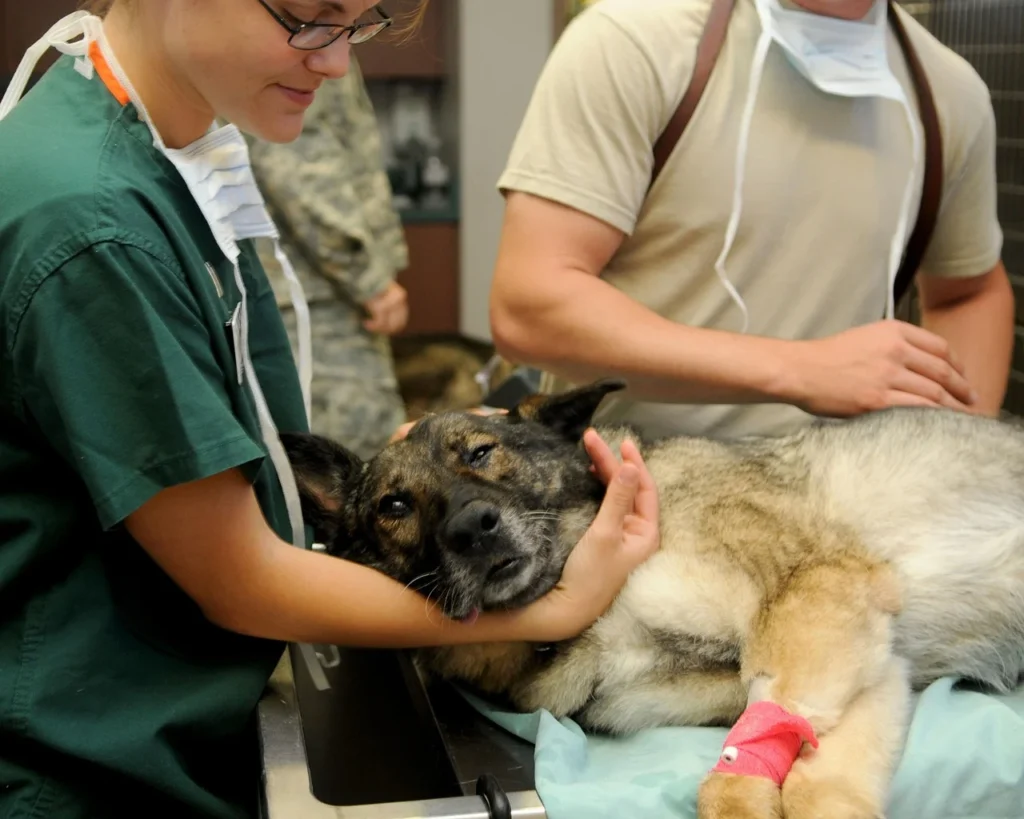
You should exercise caution or avoid giving CBD under specific clinical scenarios:
- Dogs taking prescription medications: CBD inhibits hepatic cytochrome P450 enzymes. This liver pathway metabolizes many standard veterinary medications, including anti-seizure drugs (phenobarbital) and heart medications. Inhibiting P450 can raise blood concentrations of these prescription drugs to unsafe levels.
- Dogs with diagnosed liver dysfunction: Because the liver metabolizes cannabinoids, pets with compromised liver disease may experience slowed processing and potential enzyme elevation.
- Pregnant or nursing dogs: Cannabinoid safety profiles have not been established for developing canine embryos or lactating pups.
We always suggest testing how much CBD to give a dog for fireworks a few days before the event. Give a baseline low dose on a calm afternoon. This test run lets you check for unexpected stomach sensitivity or unusual drowsiness before the high-stress evening arrives.
Creating a comprehensive noise management strategy
Relying exclusively on a bottle of CBD oil rarely solves a deep-seated noise phobia completely. The most effective approach treats cannabinoids as one element in a multi-layered calming protocol.
Start physical preparation early in the day. Take your dog on a long, vigorous walk before dusk so they expend excess physical energy. A tired dog experiences lower baseline arousal and responds more readily to mild calming aids. Ensure they have eaten a light meal an hour before dosing CBD to prevent stomach upset.
Equip your indoor environment with sound-dampening elements. Heavy curtains, thick blankets thrown over crate frames, and continuous brown noise reduce the impact of exterior explosions. Brown noise covers low bass rumbles better than standard white noise. Learn how much CBD to give a dog for fireworks, then pair it with pressure wraps or anxiety vests.
For more detailed information on raw cannabinoid science and safety profiles, read CBD Carts: Making Informed Choices in a Growing Market to stay informed on safety standards.
Frequently asked questions
Can I give my dog human CBD oil for fireworks?
You can calculate how much CBD to give a dog for fireworks using unflavored human broad-spectrum or full-spectrum oil. Never use human CBD products containing xylitol, artificial flavorings, high THC levels, or added essential oils, as these additives are toxic to dogs.
How long does CBD stay in a dog’s system?
CBD typically stays in a dog’s system for 12 to 24 hours, though visible behavioral effects generally fade after 4 to 8 hours. Factors such as your dog’s metabolic rate, age, food intake, and liver function influence how quickly they clear the compound.
Can a dog overdose on CBD during fireworks?
Fatal overdoses from pure hemp-derived CBD are extremely rare in dogs because CBD does not suppress respiratory centers in the brainstem. However, giving too high a dose can cause severe drowsiness, unsteady walking, vomiting, or diarrhea.
Can I give my dog CBD and prescription anxiety medication together?
You should only combine CBD with prescription medications like trazodone or gabapentin under direct guidance from your veterinarian. CBD alters liver enzymes that process pharmaceutical drugs, potentially magnifying their sedative effects.
Product Guides
Can Cats Have Dog CBD Oil? Safe Usage and Key Risks
Discover whether dog CBD oil is safe for cats, the potential risks of cross-using pet formulas, and how to manage proper cannabinoid dosing for felines.

Can cats have CBD oil for a dog? They can, but only if it contains zero added flavorings, zero essential oils, and an exact CBD concentration for micro-dosing. Because cats lack the liver enzyme glucuronyl transferase, terpenes and aromatic additives in canine tinctures pose serious toxicity risks to felines.
Converting high-potency dog tinctures for a cat often leads to improper dosing, causing severe sedation or digestive upset. This guide details the specific risks of canine additives, compares feline and canine CBD formulations, explains how to calculate safe micro-doses, outlines high-risk health conditions, and provides immediate steps to take if your cat ingests dog CBD oil.
Can Cats Have Dog CBD Oil? Safety, Risks, and Dosing Guidelines
You must check ingredients and concentration before asking, can cats have CBD oil for a dog? Pure CBD interacts with both species’ endocannabinoid system. However, many dog CBD products contain added flavorings, terpenes, or carrier oils toxic to felines.
If you wonder, can cats have dog CBD oil, analyzing the product details is vital before giving a dose. Dogs and cats process compounds through their digestive systems and livers in fundamentally different ways. What functions as a helpful relief supplement for a sixty-pound canine can easily overwhelm a feline’s delicate physiology.

can cats have dog cbd oil
Pet owners often ask if cats can have dog CBD oil safely. However, you must confirm that the product contains zero added flavorings, zero essential oils, and an exact CBD concentration that allows for micro-dosing. Most pet owners make mistakes when converting high-potency canine tinctures down to tiny feline servings. A single full dropper of high-strength dog tincture delivers a dose intended for a large animal. This can cause severe sedation or stomach upset in a cat.
Always check if cats can have dog CBD oil by verifying the carrier liquid inside the bottle. Safe canine formulas use neutral carrier oils like medium-chain triglyceride (MCT) oil. However, others rely on hempseed oil, which some cats find difficult to digest. If the product label lists any flavoring agent other than plain animal fat, keep it away from your cat completely.
Is CBD safe for dogs and cats?
Pure CBD is generally tolerated by both species, but can cats have CBD oil for dogs? Safety depends entirely on formulation, pure ingredient profiles, and proper dosing. Both species possess an endocannabinoid system. It uses CB1 and CB2 receptors throughout the nervous system and immune system to help regulate homeostasis. However, the clearance rates and metabolic pathways in the liver differ significantly between felines and canines.
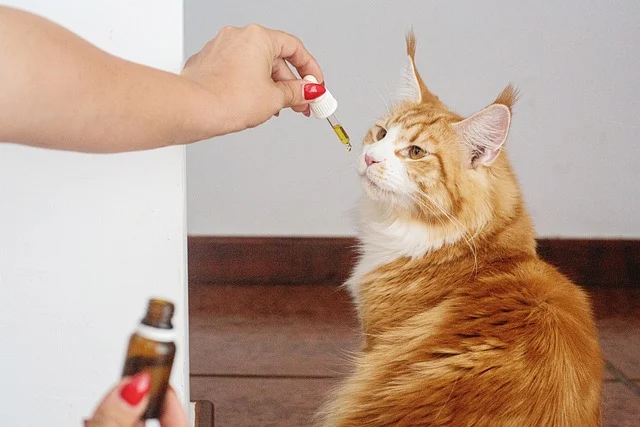
Cats lack specific liver enzymes—most notably glucuronyl transferase—which makes them far more sensitive to certain chemical compounds. This enzymatic deficiency impairs a cat’s ability to clear plant compounds via glucuronidation. When owners ask if cats can have dog CBD oil, extra ingredients added for canine palates pose serious toxicity risks. While hemp-derived CBD itself does not trigger this deficiency issue, the additives found alongside it frequently do.
Clinical observations show that cats clear CBD from their bloodstreams faster than dogs do, but they process secondary phytochemicals far slower. A dose of pure CBD may stay active in a dog for eight to twelve hours, whereas a cat metabolizes the cannabinoid rapidly while retaining any aromatic terpenes or carrier compounds in liver tissue for much longer periods.
The dangers of giving dog CBD oil to a cat
The primary concern with cross-using canine CBD formulations is not necessarily the hemp extract. Instead, it is the secondary ingredients included in the bottle. Manufacturers frequently add ingredients tailored specifically to dogs, many of which cause adverse reactions in cats.
- Harmful Essential Oils and Flavorings: Many dog CBD tinctures use peppermint, pine, eucalyptus, cinnamon, or citrus extracts to mask the natural earthiness of hemp. These essential oils contain phenols and monoterpenes that cats cannot metabolize efficiently. This leads to potential liver toxicity, central nervous system depression, or severe gastrointestinal upset.
- Toxicity from Artificial Sweeteners: Xylitol (often listed as birch sugar) is toxic to dogs and should never be given to pets, but other flavor enhancers and artificial preservatives present in dog supplements can cause severe gastric inflammation or allergic reactions in cats.
- THC Sensitivity: Full-spectrum CBD oil contains trace amounts of tetrahydrocannabinol (THC), up to 0.3%. While low concentrations are usually harmless to dogs, cats are particularly sensitive to THC’s neurological effects. High levels can lead to ataxia (loss of coordination), excessive vocalization, agitation, hypothermia, or extreme hypersalivation.
- Inaccurate Concentration and Dosing: Dog CBD oil is typically formulated in higher concentrations (such as 300 mg, 600 mg, or 1000 mg per bottle) to accommodate larger body weights. A standard dropper measure meant for a medium-sized dog will contain far too much CBD for an eight-pound cat.

How cat CBD oil differs from dog CBD oil
Pet product manufacturers formulate cat-specific tinctures to accommodate feline biochemistry and dietary preferences. Understanding these key differences helps illustrate why swapping products between species can be problematic.
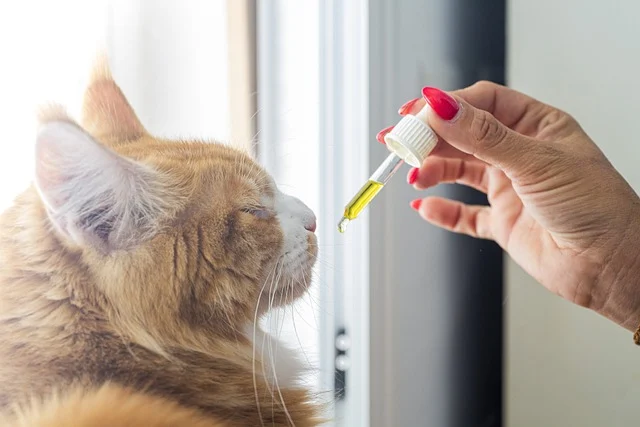
| Feature | Cat CBD Oil Formulations | Dog CBD Oil Formulations |
|---|---|---|
| Common Carrier Oils | Unflavored MCT oil, salmon oil, anchovy oil | MCT oil, hempseed oil, coconut oil |
| Flavoring Additives | Fowl, fish, or completely unflavored | Peanut butter, bacon, beef, peppermint |
| Concentration | Low (usually 75 mg to 150 mg per bottle) | Moderate to High (300 mg to 1500+ mg per bottle) |
| Spectrum Type | Broad-spectrum or CBD isolate (zero THC) | Full-spectrum, broad-spectrum, or isolate |
| Dropper Volumetric Size | Micro-calibrated (0.25 mL gradient marks) | Standard 1.0 mL graduations |
Cat formulas rely heavily on animal-based fats like fish oil to boost palatability. People often ask, can cats have CBD oil for a dog? However, cats typically reject plant-heavy flavor profiles or suffer upset stomachs from them. Feline formulations restrict cannabinoid profiles to exclude heavy aromatic terpenes. These terpenes can irritate a cat’s upper respiratory tract and digestive lining.
How to calculate feline CBD doses: A worked example
Veterinary research suggests a conservative starting dose of 0.1 mg to 0.5 mg of CBD per kilogram of body weight for cats, administered twice daily. Converting a dog product to this micro-dose requires precise mathematical calculations to avoid accidental over-administration.
Follow this step-by-step worked example to see how concentration changes volume requirements:
Step 1: Calculate your cat’s weight in kilograms
Divide your cat’s weight in pounds by 2.2. If your cat weighs 8.8 pounds:
8.8 lbs ÷ 2.2 = 4.0 kg
Step 2: Determine the target dose in milligrams
Using a standard starting target of 0.25 mg per kilogram for a 4.0 kg cat:
4.0 kg × 0.25 mg/kg = 1.0 mg of CBD
Step 3: Compare product concentrations
Now analyze the volume required when using a cat-specific bottle versus a dog bottle:
- Dedicated Cat CBD Bottle (150 mg total CBD in a 30 mL bottle): Concentration = 5 mg of CBD per 1 mL. To give 1.0 mg, calculate: 1.0 mg ÷ 5 mg/mL = 0.20 mL (easily measured on a small dropper).
- High-Strength Dog CBD Bottle (600 mg total CBD in a 30 mL bottle): Concentration = 20 mg of CBD per 1 mL. To give 1.0 mg, calculate: 1.0 mg ÷ 20 mg/mL = 0.05 mL (approximately 1 single drop).
Measuring 0.05 mL with standard commercial droppers is extremely difficult. Liquid drops vary in size based on oil viscosity. A slight hand slip can deliver three drops instead of one, instantly tripling your cat’s intended dose.
Who this advice does not suit: High-risk feline candidates
CBD administration is not safe for every feline. Avoid giving CBD oil to pets with these conditions unless a veterinarian oversees treatment:
- Cats with Diagnosed Liver Disease: The liver metabolizes cannabinoids through cytochrome P450 enzymes. Therefore, cats with compromised hepatic function cannot process CBD effectively. This can cause compound accumulation and elevated liver enzyme levels.
- Cats Taking Prescription Medications: CBD inhibits cytochrome P450 enzymes in the liver. This action changes how your cat’s body breaks down pharmaceuticals like anti-seizure drugs (phenobarbital), blood pressure regulators, cardiac medications, and sedatives.
- Pregnant or Lactating Queens: Cannabinoids cross the placental barrier and transfer into milk. This presents developmental risks to unborn or nursing kittens.
- Kittens Under Six Months Old: Young kittens possess underdeveloped metabolic systems. Their rapidly growing neurological frameworks should not receive exogenous cannabinoid therapy.
What to do if you already gave your cat dog CBD oil
If you administered dog CBD oil to your cat, do not panic. Take immediate steps to assess the risk instead. Review the product packaging line by line before deciding on your next action.

- Check the ingredient list: Look specifically for essential oils (peppermint, tea tree, eucalyptus, citrus), artificial sweeteners, added terpenes, or high THC content. If any of these ingredients appear on the label, contact a veterinarian or a pet poison helpline immediately.
- Calculate the exact dose given: Determine how many milligrams of CBD your cat ingested based on the bottle’s milligram-per-milliliter strength and the fraction of the dropper used.
- Monitor for physical symptoms: Keep your cat in a calm, enclosed room with low lighting and watch for signs of distress over the next 4 to 12 hours.
Watch closely for common warning signs of adverse reactions or accidental overdose: severe lethargy, unsteadiness on their feet (ataxia), vomiting, diarrhea, intense drooling, or sudden changes in body temperature. If your cat displays severe drowsiness, head tilting, or lack of balance, consult your veterinarian right away for guidance.
Common problems with pet CBD and how to fix them
Pet owners frequently encounter challenges when administering cannabinoid supplements to felines. Here is how to troubleshoot the most frequent issues safely:
Problem 1: Your cat refuses to eat food laced with CBD oil
Cats possess acute scent receptors and often detect hemp compounds even when mixed into wet food, causing them to abandon their food bowls completely.
The Fix: Switch to an unflavored broad-spectrum isolate mixed into salmon oil or anchovy oil rather than standard coconut MCT oil. Apply the liquid drop directly to the top of your cat’s paw; their natural grooming instincts will force them to lick the area clean.
Problem 2: Your cat develops loose stools or mild vomiting after a dose
Feline digestive tracts often react poorly to sudden introductions of concentrated fats or carrier oils.
The Fix: Pause administration for 48 hours until digestive function normalizes.
Problem 3: Your cat becomes unusually lethargic after taking dog CBD oil
Excessive drowsiness indicates that the dog formula delivered a dose higher than your cat’s metabolic threshold, or that trace THC is affecting their central nervous system.
The Fix: Provide a warm, quiet environment free from bright lights or loud noises. Keep fresh water easily accessible at floor level. Do not give additional doses. Allow 12 to 24 hours for the compound to clear your cat’s system completely. If lethargy turns into unresponsiveness, seek veterinary emergency care immediately.
How to choose a safe CBD oil specifically for cats
Selecting a dedicated feline CBD formula minimizes health risks and ensures consistent dosing. When shopping for high-quality pet cannabinoids, use specific evaluation criteria to verify safety and transparency.

Always demand a Certificate of Analysis (COA) from an independent third-party laboratory. This document verifies the exact concentration of CBD. It confirms THC levels are below 0.3% and proves the batch is free from contaminants. Pet owners asking can cats have dog CBD oil should always demand these safety standards, as discussed in our overview of The Essential Roach Clip: More Than Just a Smoking Accessory.
Opt for broad-spectrum extracts or pure CBD isolates rather than full-spectrum products when purchasing for felines. Ensure the carrier oil is simple—such as pure coconut-derived MCT oil or wild Alaskan salmon oil—without extra herbal flavorings. Owners asking if cats can have dog CBD oil should start with a clear, lab-tested product designed specifically for cats.
Frequently asked questions
Can cats have dog CBD oil in small amounts?
Cats should only be given dog CBD oil if the tincture contains zero harmful essential oils, artificial flavorings, or high THC concentrations. You must also carefully scale the dose down to the cat’s exact body weight. However, using a formula specifically made for cats is always the safer choice. Feline products eliminate harmful additives and feature lower concentrations that prevent dosing errors.
What happens if a cat takes dog CBD?
If the dog CBD oil contains essential oils (like peppermint or citrus) or high THC, your cat may experience gastrointestinal distress, lethargy, drooling, loss of balance (ataxia), or toxic reactions requiring veterinary care. If the formula contains pure CBD in a safe carrier oil like MCT oil, the cat may simply experience mild sleepiness or soft stools.
Is CBD safe for dogs and cats together?
Pure hemp-derived CBD is safe for both dogs and cats when properly dosed, but the safest approach is to buy separate products formulated for each species. Dogs tolerate herbal ingredients, essential oil flavorings, full-spectrum profiles, and higher concentrations that are unsuitable or toxic for cats.
How long does CBD take to clear out of a cat’s system?
Cats metabolize pure CBD rapidly, with blood plasma concentrations dropping significantly within 4 to 6 hours. However, full clearance of secondary compounds and metabolic byproducts through the liver and kidneys can take anywhere from 12 to 24 hours depending on the cat’s age, weight, hydration level, and overall liver function.

Can CBD Make You Feel Dizzy? Causes and Prevention

CBD Gummies for Teeth Grinding: Do They Actually Work?

How Long Does It Take for CBD Gummies to Kick In?

AmeriCanna Rx: Your Guide to Portland’s Premier Cannabis Dispensary

Tropic Thunder Strain: An Uplifting Hybrid Experience

Collective Efforts Sacramento CA: Your Premier Cannabis
-
 Product Guides4 months ago
AmeriCanna Rx: Your Guide to Portland’s Premier Cannabis Dispensary
-
 Cannabis 1014 months ago
Tropic Thunder Strain: An Uplifting Hybrid Experience
-
 Culture & Lifestyle4 months ago
Collective Efforts Sacramento CA: Your Premier Cannabis
-

 Cannabis 1014 months ago
Haze Purple: Unveiling a Cannabis Cultivar’s Unique Appeal
-
 Industry News3 months ago
Your Guide to Silver State Relief: Maximizing Value
-
 Cannabis 1014 months ago
Purple Runtz Strain: Unpacking Its Potency and Sweet Appeal
-

 Cannabis 1014 months ago
Medicann Clinics: Challenging the Conventional Patient Journey
-

 Culture & Lifestyle3 months ago
Your Guide to the Greenside Recreational Experience