
Cannabinoids Explained
How Many mg of CBD Should a Beginner Start With?
A beginner should start with a low daily dose of 5 mg to 10 mg of CBD, or up to 2.5 mg to 10 mg per day according to low-end product guidelines. Learn how to start safely and track your response.

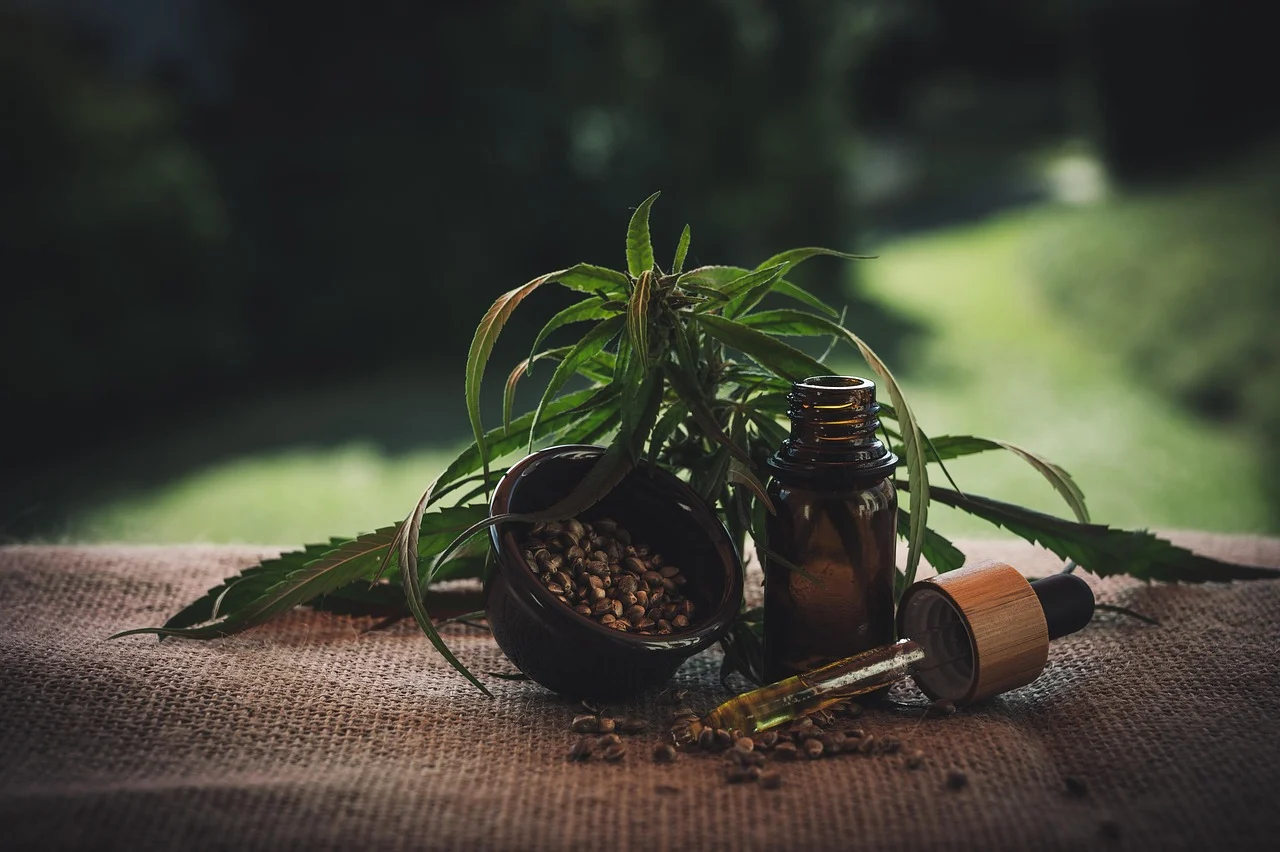
A beginner should start with how many mg of CBD per day? You should start with a low daily dose of 5 mg to 10 mg. Low-end starting guidelines recommend beginning with 2.5 mg to 10 mg per day according to Mary’s Medicinals. This conservative baseline lets you evaluate your natural sensitivity to cannabidiol before increasing intake.
Cannabidiol (CBD) is a non-intoxicating, non-psychoactive, and non-addictive compound extracted from cannabis. It interacts with the body’s endocannabinoid system, according to Goodrays. Because CBD does not produce a intoxicating feeling or “high,” finding your ideal dosage relies entirely on tracking subtle physical and mental changes over time. Clinical research trials evaluated by Healthline have tested daily CBD dosages ranging from 10 mg up to 1,500 mg per day. However, taking high doses immediately is unnecessary and often leads to wasted product.
How much CBD should a beginner start with for anxiety?
For general stress support or anxiety, a beginner should start with 5 mg to 10 mg of CBD taken once per day. Take this preferably in the morning or early afternoon. Maintaining a low dose consistently for several days gives your body time to adapt before deciding whether to increase it.

Many beginners looking for calm ask how many mg of CBD a beginner should start with. Labels default to 25 mg or 30 mg. Guidelines suggest 10 mg to 20 mg per day for 3 to 5 days (according to Pure Shenandoah). However, jumping to 25 mg can make sensitive individuals feel overly drowsy. Starting at 5 mg or 10 mg ensures you find the smallest effective dose.
If you take CBD oil sublingually—holding drops under your tongue for 60 to 90 seconds—the active compounds absorb directly into the bloodstream through mucus membranes. This method produces faster onset than swallowed gummies. Sublingual tinctures are therefore easier to monitor when testing an initial dose for daily tension.
How much CBD should a beginner start with for pain?
When starting CBD for localized discomfort or physical pain, a beginner should begin with 10 mg to 15 mg per day. Split this into two small doses taken morning and evening. Physical discomfort often responds best to consistent daily levels in the bloodstream rather than single sporadic doses.
Higher-range starting guidelines suggest beginning with 20 mg to 40 mg daily before evaluating effects, according to Healthline. However, we suggest reserving doses above 20 mg until you have completed at least one full week of lower daily administration. If physical discomfort persists after seven days on a 10 mg daily routine, you can step up your total intake gradually.
Delivery methods alter absorption drastically, especially when deciding how many mg of CBD a beginner should start with. Sublingual application under the tongue absorbs significantly faster and more efficiently than digestive consumption through edibles or drinks, according to Head & Heal. If you consume a CBD edible for muscle soreness, it must clear the stomach and liver first. This reduces total systemic availability and delays onset by 45 to 90 minutes.
How much CBD should a beginner start with reddit users recommend?
Discussions on how many mg of CBD a beginner should start with often highlight 5 mg to 15 mg daily. Many experienced users caution newcomers against taking entire 25 mg gummies on day one. Community feedback frequently emphasizes that starting lower than package instructions prevents unwanted lethargy.
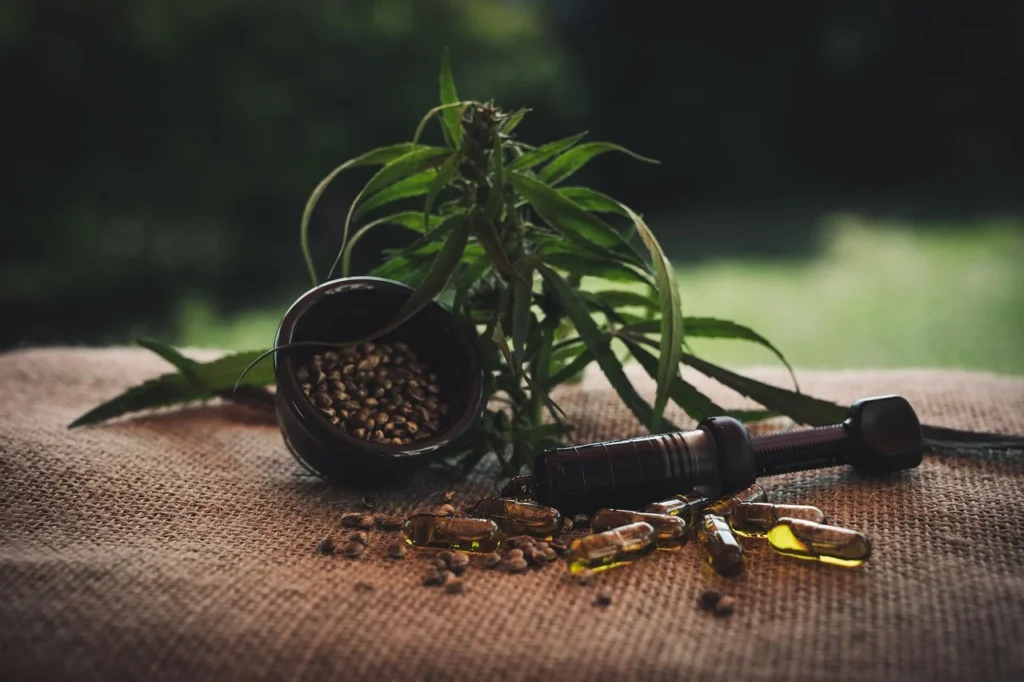
Interestingly, user survey results published in November 2024 indicated that beginners start low at 20 mg to 30 mg daily. However, overall satisfaction was highest among consumers taking 60 mg or more daily, according to British CBD. This difference highlights a core reality of cannabinoid use: your starting dose is merely a safe entry point, not necessarily your final maintenance level.
Many online forum users emphasize trying liquid tinctures first because single gummies cannot always be split accurately. Splitting a 25 mg gummy in half yields roughly 12.5 mg. Liquid oil dropped from a calibrated pipette gives you exact control over single-milligram increments.
How to step up your daily dose with the titration method
The titration method involves maintaining a starting dose consistently for several days to a week. Then, increase incrementally by roughly 5 mg steps, according to Appalachian Standard. Titration prevents you from overshooting your ideal threshold and wasting broad-spectrum or full-spectrum oil.

To titrate effectively, follow this step-by-step sequence:
- Select your starting product and calculate the exact milligrams per single drop or half-dropper mark.
- Take a fixed baseline dose (such as 5 mg) at the same time each day for 5 consecutive days.
- Record your general physical feelings, sleep quality, and comfort levels in a simple journal.
- If your target relief is not achieved after day 5, increase your total daily intake by 5 mg.
- Hold this new elevated dose (e.g., 10 mg daily) for another 5 to 7 days before deciding whether to add another 5 mg step.
When you reach a dose where you feel comfortable and clear-headed without excessive tiredness, maintain that exact level. There is no benefit to increasing your daily intake beyond what delivers your desired baseline state.
Calculating your exact dose: liquid droppers vs gummies
Calculating your milligram dose requires dividing the total CBD listed on the bottle by the liquid volume in the container. Assuming a standard 30 mL (1 fluid ounce) bottle containing 750 mg of total CBD, one full dropper (1 mL) delivers 25 mg of CBD.

| Total Bottle Strength (30 mL) | CBD per 1 mL (Full Dropper) | CBD per 0.25 mL (Quarter Dropper) | Best Suited For |
|---|---|---|---|
| 300 mg | 10 mg | 2.5 mg | Absolute beginners seeking micro-doses |
| 600 mg | 20 mg | 5 mg | Standard initial testing and gradual titration |
| 1200 mg | 40 mg | 10 mg | Experienced users or higher baseline needs |
If you purchase a 600 mg strength bottle, a quarter-dropper (0.25 mL) provides exactly 5 mg of CBD. If you purchase gummies containing 25 mg per piece, cutting the gummy into quarters delivers approximately 6.25 mg per quarter piece. Knowing these conversions prevents accidental over-consumption during your first week.
Why body weight is not the only factor for dosing
Metabolism and sensitivity matter more than body weight when asking how many mg of CBD a beginner should start with, according to Levels Cannabis. A larger individual may experience pronounced effects from a modest 5 mg dose, while a smaller individual might require 20 mg to notice subtle baseline benefits.

Single standardized CBD doses do not work identically for everyone. Individual endocannabinoid system responses vary widely across individuals, according to Goodrays. Factors like fat consumption, liver enzyme activity, stress, and personal receptors dictate how many mg of CBD a beginner should start with. (For details on how broad-spectrum compounds remain in the body, see Will Full Spectrum CBD Show Up on a Drug Test? What to Expect for system duration).
Additionally, pay attention to product safety and how many mg of CBD a beginner should start with. If you undergo routine employment screenings, see Can Police Officers Take CBD? Rules and Drug Test Risks for drug test risks associated with daily hemp consumption.
Who should avoid starting CBD without a doctor
Anyone currently taking prescription medications metabolized by the cytochrome P450 enzyme system should consult a healthcare professional before taking CBD. CBD can alter how the liver processes pharmaceuticals—including certain blood thinners, anti-seizure medications, and blood pressure therapies—potentially altering active blood levels of those drugs.

Pregnant women, nursing mothers, and liver patients must consult a doctor regarding how many mg of CBD a beginner should start with. While CBD is generally well-tolerated, maintaining safety requires addressing your specific health profile with a qualified medical practitioner.
Frequently asked questions
How many mg of CBD should a beginner start with?
A beginner should start with 5 mg to 10 mg of CBD per day. Low-end starting guidelines suggest beginning with 2.5 mg to 10 mg daily to safely evaluate individual sensitivity before increasing intake.
Can I take 25 mg of CBD my first time?
While taking 25 mg is unlikely to cause serious harm, it is higher than necessary for a first dose. This amount may cause noticeable drowsiness or lethargy in sensitive individuals. Starting with 5 mg or 10 mg allows you to assess your tolerance comfortably.
How long does it take to feel the effects of a starting dose?
Sublingual tinctures taken under the tongue usually take effect within 15 to 45 minutes, whereas swallowed gummies or capsules take 45 to 90 minutes to digest. For long-term balance, consistent daily use over several days yields the clearest results.









Cannabinoids Explained
Can CBD Make You Feel Dizzy? Causes and Prevention
Discover why CBD can make you feel dizzy or lightheaded, how drop in blood pressure plays a role, and simple ways to prevent dizzy spells when taking CBD.

Yes, CBD can make you feel dizzy, especially if you take a high dose or have naturally low blood pressure. This lightheadedness usually happens because cannabidiol temporarily causes a small drop in blood pressure or interacts with certain medications. However, it typically passes within a short period.
While millions of people take cannabidiol daily for stress, sleep, or discomfort without issues, feeling unstable or faint after a dose can be unsettling. Dizziness is one of the most misunderstood side effects of hemp extracts. Understanding why this reaction happens makes it far easier to avoid without giving up on CBD entirely.
Why CBD causes lightheadedness and dizzy spells
The primary reason CBD can make you feel dizzy involves how cannabinoids interact with your cardiovascular system. When CBD enters your bloodstream, it triggers vasodilation—a process where your blood vessels relax and widen. As the vessels expand, resistance decreases, leading to a temporary drop in blood pressure. If your blood pressure drops quickly, less blood reaches your brain. This brief change leaves you feeling unsteady or lightheaded.
This blood pressure response is particularly noticeable when rising quickly from a seated or lying position. Medical professionals call this phenomenon orthostatic hypotension. For most healthy adults, this shift is slight and causes no issues. However, if you already have lower blood pressure, CBD can easily make you feel dizzy.
Another factor is product quality and cannabinoid spectrum.
Can CBD gummies make you feel dizzy?
Yes, CBD gummies can make you feel dizzy just like oils, tinctures, or capsules. In fact, gummies sometimes lead to unexpected dizzy spells because of how your digestive system processes them.
Unlike sublingual oils that absorb directly through mucous membranes within 15 to 30 minutes, gummies pass through your stomach and liver. This digestion process takes anywhere from 45 minutes to two hours. People often assume a gummy is not working when they feel nothing after 30 minutes, leading them to take a second dose. Once both servings digest together in the liver, the total cannabinoid load spikes dramatically. This surge explains how CBD can make you feel dizzy or faint.
If you prefer edibles, we recommend starting with a low strength—such as 5mg or 10mg of CBD per gummy. You should wait at least two full hours before considering an additional serving.
Can CBD make you feel faint?
Feeling faint happens when blood pressure drops sharply or when CBD interacts with drugs; can CBD make you feel dizzy? While passing out from CBD is uncommon, some users report approaching syncope after taking heavy doses on an empty stomach.
When you consume CBD without food, your body absorbs the compound rapidly while your blood sugar may already be sitting low. Low blood sugar combined with CBD-induced vasodilation doubles the physical strain, making you feel weak, clammy, or faint. If you start to feel this way, sitting down immediately and elevating your feet helps restore steady blood flow to your head.
Drug interactions are another critical trigger for feeling faint. CBD inhibits key enzymes in the liver—specifically the cytochrome P450 system—that process many prescription drugs. If you take blood pressure medications (such as beta-blockers or ACE inhibitors) alongside CBD, the hemp extract can cause your prescription drug to remain in your system longer at higher concentrations. This compounding effect causes blood pressure to plunge lower than intended.
Who is most susceptible to dizziness from CBD?
Not everyone experiences side effects from cannabinoids in the same way. Specific physical traits and medical circumstances make certain people much more likely to experience lightheadedness when using CBD products:

- People with naturally low blood pressure: If your baseline reading sits low, any extra vasodilation will cause noticeable symptoms.
- Individuals taking cardiac or blood pressure drugs: CBD amplifies the effect of antihypertensive medications.
- Beginners who start with high doses: Taking 50mg or more on your first try significantly increases the chance of adverse reactions.
- THC-sensitive individuals: Full-spectrum products contain trace THC, which can provoke dizziness in sensitive systems.
- Dehydrated individuals: Dehydration reduces total blood volume, making blood pressure drops far more severe.
If you fit into any of these groups, we advise taking extra precautions with your dosage. You should speak with a medical professional before starting hemp extracts.
How to stop CBD dizziness when it happens
If a dose of CBD leaves you feeling lightheaded, you do not need to panic. The effect is temporary and generally fades as your body metabolizes the compound. Here are practical steps to restore balance immediately:

- Sit or lie down right away: Prevent falls and help blood flow return to your brain. Lower your head relative to your heart.
- Drink a glass of water: Dehydration lowers blood pressure further; hydrating quickly boosts blood volume.
- Eat a small snack: A small piece of fruit, a spoonful of honey, or some crackers will boost your blood sugar level and stabilize your system.
- Consume a small amount of caffeine: A few sips of tea or coffee can temporarily constrict blood vessels. This raises blood pressure slightly, counteracting the Vasodilation from CBD.
- Rest quietly: Close your eyes and breathe deeply through your nose until the sensation clears. Recovery usually takes between 20 and 60 minutes.
How to prevent dizziness when taking CBD in the future
You do not necessarily have to stop using CBD if you experience lightheadedness once or twice. Adjusting how and when you consume hemp extracts usually solves the issue entirely.

| Prevention Strategy | How It Helps | Best For |
|---|---|---|
| Lower the Dose | Reduces total vasodilation force on blood vessels | Beginners and sensitive users |
| Take with Meals | Slowing absorption prevents sudden spikes in blood levels | Gummies and oral capsules |
| Switch to Broad-Spectrum or Isolate | Removes trace THC that might trigger lightheadedness | Users sensitive to THC |
| Hydrate Beforehand | Maintains healthy blood volume and baseline pressure | Daily CBD consumers |
We always suggest starting with a micro-dose—such as 5mg to 10mg daily—and maintaining that dose for several days before making any increase. If you want to understand more about how different extraction types impact your body, read our guide on How to Beat a UA for Pot: Understanding Cannabis Drug Tests to choose between full-spectrum, broad-spectrum, and pure isolate.
Sources: Cannabidiol (CBD): What we know and what we don’t
Frequently asked questions
Can CBD make you feel light headed?
Yes, CBD can make you feel lightheaded due to its ability to temporarily lower blood pressure by expanding blood vessels. This effect is most common when taking higher doses or consuming CBD on an empty stomach.
Can CBD make you feel faint?
CBD can make you feel faint if it causes a sharp drop in blood pressure. This is likely if you already have hypotension or take blood pressure medications. Sitting down, hydrating, and eating a quick snack usually restores balance.
Can CBD gummies make you feel dizzy?
Yes, CBD gummies can cause dizziness if you take a high dose. This also happens if you re-dose too quickly before the first serving has digested. Wait at least two hours after eating a gummy to gauge its full effects.
Does CBD cause dizzy spells after long-term use?
CBD does not typically cause sudden dizzy spells after months of safe use unless your health status, dosage, or prescription medications have changed. If dizziness suddenly begins out of nowhere, evaluate your daily hydration, meal habits, or medication changes.
Cannabinoids Explained
CBD Gummies for Teeth Grinding: Do They Actually Work?
Explore how CBD gummies may help manage stress-induced teeth grinding, how they compare to dental guards, and what limitations to expect.

CBD gummies for teeth grinding can reduce nocturnal jaw tension primarily when stress or elevated nervous system arousal triggers the habit. Cannabidiol interacts with your body’s endocannabinoid system to lower central nervous system stress and relax tight masseter muscles. However, it cannot repair structural dental misalignment, bite defects, or airway blockages causing physical bruxism.
If you wake up with a tender jaw, worn enamel, or a dull morning headache, you are likely dealing with nocturnal bruxism. While dentists rely on nightguards to protect teeth from physical friction, many people turn to hemp extract edibles to stop nighttime jaw clenching at the neuromuscular level. You should examine how CBD works in your digestive system and muscles before replacing proven dental appliances with gummies.
How CBD interacts with jaw muscle tension and stress
To evaluate CBD gummies for teeth grinding, you must distinguish between mental stress triggers and mechanical jaw strain. Nocturnal bruxism often surges when daytime stress elevates your sympathetic nervous system activity into the evening. When your nervous system stays in a heightened state, your body stores muscular tension in strong facial muscles like the masseters and temporalis muscles.

CBD (cannabidiol) interacts with CB1 and CB2 receptors within your endocannabinoid system, as well as 5-HT1A serotonin receptors. By slowing the enzymatic breakdown of natural endocannabinoids like anandamide, CBD helps regulate your baseline stress response. Using CBD gummies for teeth grinding dampens central nervous system signals, which lowers subconscious motor impulses during deep sleep cycles. However, if your jaw clenching stems from a misaligned bite (malocclusion) or structural jaw joint damage, calming your nervous system will not alter those physical mechanics.
The mechanics of masseter muscle fatigue
The masseter is one of the strongest muscles in the human body relative to its size. During nighttime bruxism episodes, a person can exert up to 250 pounds of force per square inch across their molars. This continuous isometric contraction starves the muscle tissue of oxygen, generating lactic acid buildup. That metabolic byproduct creates the characteristically sore jaw, neck stiffness, and temporal tension headaches you feel upon waking. CBD aids muscle recovery by dampening inflammatory cascades while reducing the frequency of involuntary clenching signals sent from the brain stem.
Why CBD gummies take longer to work than oils
If you use CBD gummies for teeth grinding and jaw tension, timing determines your success. Sublingual CBD drops absorb directly through the oral mucosa beneath your tongue, entering your bloodstream within 15 to 30 minutes. Gummies must travel down your esophagus into your stomach and pass through your liver before distribution.
This metabolic pathway, called first-pass metabolism, delays the physical effects of active cannabinoids. Consuming CBD gummies for your teeth grinding requires 45 minutes to two hours before peak cannabinoid levels hit your blood. To align maximum muscle relaxation with your initial sleep cycles, eat your edible roughly 60 to 90 minutes before bedtime. Edibles offer a clear advantage in duration: sublingual oil levels drop off rapidly, but digested CBD gummies release cannabinoids continuously over six to eight hours, keeping your jaw relaxed throughout the night.
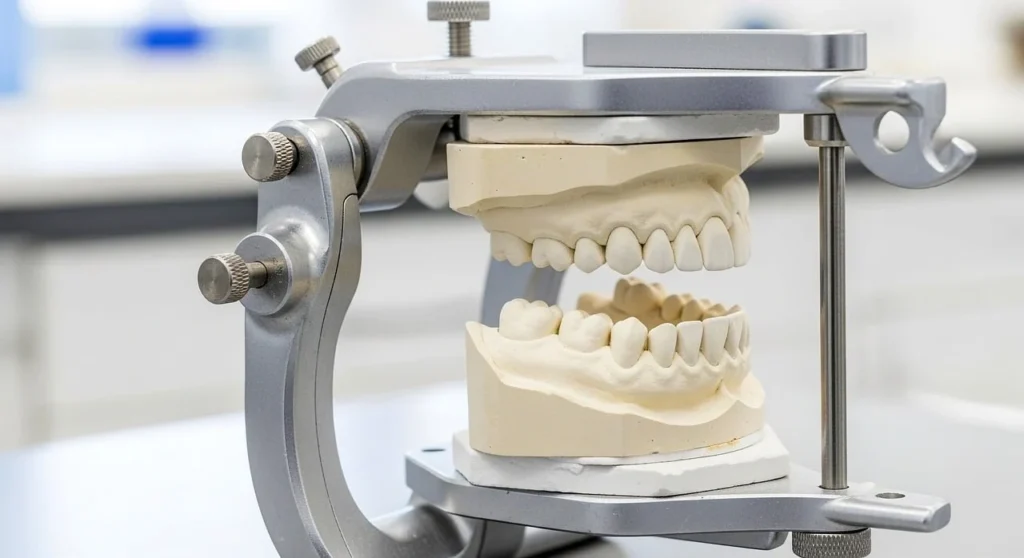
Worked example: Timing your evening CBD routine
Consider a typical evening scenario for someone managing stress-induced bruxism. If you plan to turn off the lights at 10:00 PM, take your CBD gummies for teeth grinding between 8:30 PM and 9:00 PM alongside a light snack containing healthy fats, such as a spoonful of peanut butter or a handful of almonds. Lipids accelerate cannabinoid absorption in the digestive tract.
By 9:45 PM, digested cannabinoids enter systemic circulation, right as your brain begins producing melatonin. You brush your teeth thoroughly at 9:50 PM to remove leftover sugars from the CBD gummies for teeth grinding, insert your dental guard, and lie down. The steady absorption curve ensures peak plasma concentrations occur between midnight and 4:00 AM—the period when deep sleep rapid eye movement (REM) cycles typically trigger intense involuntary jaw contractions.
Comparing CBD gummies to traditional nightguards
You should not view CBD gummies as a complete replacement for custom dental appliances. They address distinct aspects of bruxism.

A custom acrylic nightguard crafted by a dentist forms a durable physical shield over your teeth. It prevents enamel abrasion, protects expensive restorations like crowns or veneers, and spreads bite forces evenly across your arch. However, a nightguard does not stop your masseter muscle from contracting; it simply absorbs the mechanical wear. Using CBD gummies for teeth grinding targets the nervous system signal that triggers masseter contractions. They deliver zero physical defense if clenching occurs despite lower stress levels.
| Factor | CBD Gummies | Custom Dental Nightguard |
|---|---|---|
| Primary Function | Promotes muscle relaxation and stress reduction | Protects teeth from physical wear and friction |
| Mechanism | Systemic interaction with serotonin and cannabinoid receptors | Physical barrier between upper and lower arches |
| Onset Time | 45 to 90 minutes after eating | Immediate upon insertion |
| Addresses Root Cause? | Yes, if the cause is stress or muscle strain | No, only manages physical damage |
| Enamel Protection | None (requires separate protection) | Direct armor against attrition |
| Duration of Action | 6 to 8 hours per dose | Indefinite (lasts years with proper care) |
Finding the right CBD type and starting dosage
Not all hemp edibles provide the same muscular relief. When shopping for products to minimize night grinding, check the extract classification on the manufacturer’s third-party certificate of analysis (COA):
- Full-spectrum CBD: Contains all naturally occurring cannabinoids, terpenes, and trace amounts of THC (under 0.3%). These compounds work synergistically through the entourage effect, delivering maximum muscle relaxation and stress reduction.
- Broad-spectrum CBD: Preserves beneficial minor cannabinoids and natural terpenes while removing detectable THC. This option works well if workplace drug testing limits your compound intake (see Arete Hemp: Unpacking Their Unique Approach to Cannabinoids for details on drug testing mechanics).
- CBD Isolate: Consists purely of isolated cannabidiol. It lacks minor cannabinoids like CBN or CBG and plant terpenes like myrcene. This makes it noticeably less effective for severe nocturnal muscle tension.

Step-by-step dosage titration protocol
Calculate and adjust your daily dose using a conservative, structured schedule rather than guessing:
- Days 1–4 (Baseline): Consume 15 mg to 20 mg of broad- or full-spectrum CBD 60 minutes before bed. Record your morning jaw soreness on a scale of 1 to 10 upon waking.
- Days 5–8 (Initial Evaluation): If morning tension persists, increase your night dose by 5 mg to 10 mg (total 25 mg to 30 mg). Maintain this level for four nights to let your tissue levels stabilize.
- Days 9–14 (Therapeutic Target): Adjust upward in 5 mg increments every few days until you wake up without jaw fatigue. Most individuals find their effective relief window between 25 mg and 50 mg nightly.
Common problems when using CBD gummies for bruxism and how to fix them
Using CBD gummies incorrectly can lead to poor results or unexpected dental problems. Below are common pitfalls users encounter along with practical fixes.
Problem 1: Sugar trapped under your nightguard causes cavities
Chewing sugar-laden gummies right before popping in a mouthguard traps residual glucose against your enamel all night. Saliva cannot wash away these sugars under a tight plastic guard, creating an ideal environment for rapid tooth decay.
Fix: Consume your CBD gummy 60 to 90 minutes before bedtime. Finish your night routine, brush your teeth thoroughly with fluoride toothpaste, and floss out residual gel. Then place your nightguard over clean teeth.
Problem 2: Morning grogginess or head fog
Taking too high a dose or choosing gummies infused with excessive melatonin can leave you feeling disoriented when your alarm rings.
Fix: Shift to pure CBD gummies without added sleep sedatives. Lower your dosage by 10 mg and consume the gummy earlier in the evening (closer to dinner) so your body metabolizes the compound before morning.
Problem 3: The gummies stopped working after several weeks
Continuous daily use of high-dose hemp extracts can cause mild receptor desensitization, reducing the physical muscle-relaxing impact.
Fix: Practice a short tolerance break. Step down your CBD dose over three days, take 48 to 72 hours off entirely, and then restart at your initial starting dose (15 mg to 20 mg).
Who should avoid CBD gummies for teeth grinding
While most adults tolerate hemp extracts well, CBD gummies are not suitable for every bruxism sufferer.

Sleep apnea patients
If central or obstructive sleep apnea (OSA) drives your night grinding, taking muscle relaxants or high-dose cannabinoids can exacerbate your condition. Relaxing your upper airway muscles increases airway collapse risks during sleep. If you snore loudly, wake up gasping for air, or feel exhausted despite sleeping eight hours, seek a formal sleep study before using CBD gummies for teeth grinding.
Individuals on specific prescription medications
CBD inhibits cytochrome P450 enzymes in the liver—specifically the CYP3A4 and CYP2C19 pathways. These enzymes metabolize common medications such as blood thinners (warfarin), certain blood pressure remedies, anti-seizure drugs, and selective serotonin reuptake inhibitors (SSRIs). Taking CBD gummies for teeth grinding alongside these drugs can cause elevated serum medication levels. Consult your physician before combining hemp products with prescription therapies.
Pregnant or nursing mothers
Health authorities strongly advise pregnant or breastfeeding individuals against consuming cannabinoid products. Compounds cross the placental barrier and pass into breast milk, posing potential risks to fetal and infant neurological development.
Practical steps to reduce nighttime jaw clenching
Integrate your CBD gummies into a complete night hygiene protocol rather than treating edibles as a standalone solution. Combining systemic muscle relaxation with active physical therapy yields superior jaw relief.
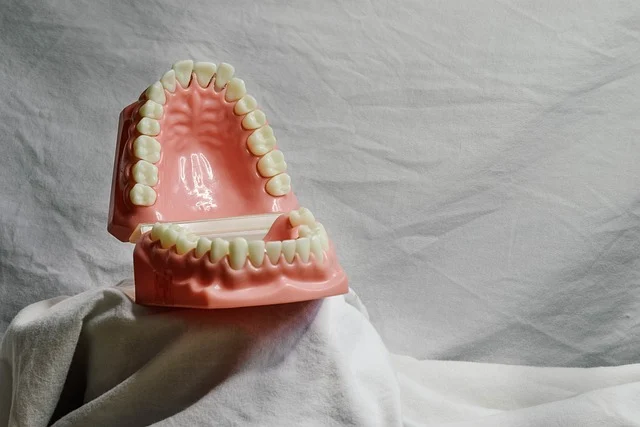
- Establish a rigid timing schedule: Eat your selected CBD gummy 60 to 90 minutes before sleep. Pair it with a small lipid snack to maximize intestinal absorption rates.
- Apply targeted heat therapy: Place a warm wet cloth or heating pad against both cheeks for 10 to 15 minutes before bed. Heat expands local microcirculation, releasing tight masseter muscle knots.
- Perform gentle jaw stretching exercises: Open your mouth comfortably wide, place the tip of your tongue against the roof of your mouth behind your front teeth, and slowly open and close your jaw five times. This resets proper mouth posture.
- Adopt the resting palate posture: Train yourself to sleep with your lips gently closed, your teeth slightly parted, and your tongue resting flat against the roof of your mouth. Teeth should only touch when you chew food.
- Maintain nightguard use: Continue wearing your custom nightguard during your CBD trial. The guard acts as vital insurance against tooth fractures while you optimize your hemp dosage.
Related guides
Sources: Teeth Grinding | MouthHealthy
Frequently asked questions
Can CBD stop teeth grinding permanently?
No, CBD cannot permanently eliminate teeth grinding because it acts as a temporary muscle relaxant and stress reducer rather than a structural fix. If underlying psychological stress or jaw alignment issues persist after you stop taking CBD, nighttime jaw clenching will resume.
How many mg of CBD gummies should I take for jaw pain?
A sensible starting dose is 15 mg to 25 mg of broad-spectrum or full-spectrum CBD taken 60 to 90 minutes before bed. If morning jaw soreness persists after four days, increase your intake by 5 mg to 10 mg increments until you wake up comfortably.
Will CBD gummies ruin my teeth guard?
CBD gummies will not harm acrylic nightguards directly, but eating sugary edibles before putting in your guard damages your teeth. Sugar trapped under plastic causes tooth decay overnight. Always brush and floss your teeth thoroughly after eating gummies before inserting your guard.
How long does it take for CBD gummies to relieve jaw tension?
CBD gummies take 45 to 90 minutes to digest and enter your bloodstream. Peak muscle relaxation occurs between two and four hours after consumption, providing six to eight hours of continuous systemic relief while you sleep.
Should I stop using my nightguard if CBD gummies work?
No, you should keep wearing your nightguard. CBD helps reduce the urge to clench, but a nightguard provides guaranteed physical protection against accidental tooth grinding, enamel fractures, and damaged dental work if breakthrough clenching occurs.
Cannabinoids Explained
CBD Treats for Dogs With Arthritis: Dose, Safety, and Results
Discover how CBD treats help manage canine arthritis pain, how to determine proper dosing by weight, and what to look for when choosing safe joint supplements.

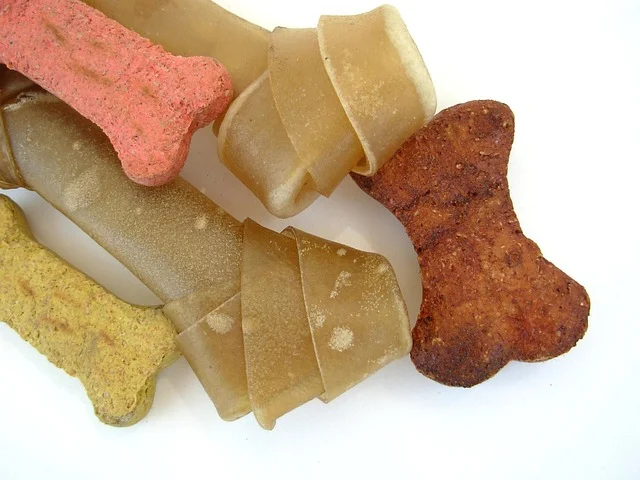
CBD treats for dogs with arthritis ease daily joint stiffness by delivering pre-measured doses of cannabidiol in chewable bites. They reduce inflammation without causing an intoxicating high. Owners often use these hemp-derived edibles when pets struggle to stand, climb stairs, or keep up on routine walks due to cartilage breakdown.
The rest of this article explains how cannabidiol relieves joint soreness, outlines weight-based dosing guidelines, and compares soft chews to liquid CBD oil. It also covers key safety criteria to look for when buying treats, solutions for common dosing or digestive issues, and potential side effects.
What are CBD treats for dogs with arthritis and how do they work?
CBD treats for dogs with arthritis ease daily joint stiffness by delivering pre-measured doses of cannabidiol in palatable chewable bites. You give your dog these edible chews to reduce joint inflammation, manage chronic ache, and restore comfortable daily mobility without causing an intoxicating high.
If you notice your dog struggling to get up in the morning, osteoarthritic joint inflammation is often the cause. This also applies if they hesitate before climbing stairs or lag behind on routine walks. While traditional NSAIDs remain a standard veterinary prescription, many owners use CBD treats for dogs with arthritis to improve mobility.

How dog cbd treats for arthritis pain offer relief
When a dog suffers from arthritis, the protective cartilage lining their joints breaks down. This causes bone-to-bone friction, local inflammation, and persistent aching. Cannabidiol acts on CB1 and CB2 receptors found in the canine nervous system, immune cells, and synovial tissues surrounding the joint. By binding to or influencing these pathways, cannabidiol helps suppress inflammatory cytokine production and slows down tissue irritation.
Unlike THC, cannabidiol does not cause intoxication. Full-spectrum and broad-spectrum hemp extracts used in quality dog treats retain beneficial minor cannabinoids like CBG and terpenes like beta-caryophyllene. These natural compounds work together to soothe soreness, helping stiff dogs move more comfortably during daily activities.
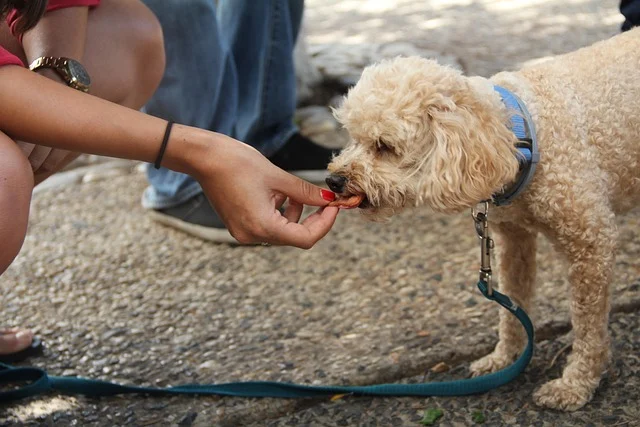
How to dose CBD treats for dog joint stiffness
Finding the right amount of CBD treats for dogs with arthritis depends heavily on your dog’s body weight. It also depends on the severity of mobility issues and individual metabolic sensitivity. A widely accepted starting guideline is 1 milligram to 2 milligrams of active cannabidiol for every 10 pounds of body weight, administered twice daily.
Follow these steps to establish a safe routine:
-
- Weigh your dog: Obtain an accurate current body weight at your home or veterinary clinic.
- Calculate the starting baseline: Multiply your dog’s weight by 0.1 mg for a conservative low starting dose or 0.2 mg for a standard starting dose.
- Divide into two doses: Split the calculated daily milligram total into morning and evening doses roughly 12 hours apart.
- Monitor mobility for 7 days: Keep a daily log tracking morning stiffness, stair climbing ability, and willingness to walk.
- Adjust slowly: If your dog shows no improvement after 7 days, increase the total daily dose by 1 mg to 2 mg per 10 pounds until you notice joint relief.
For example, if you have a 30-pound dog starting on hemp chews, a safe starting dose is 3 mg to 6 mg of cannabidiol per day, split into morning and evening doses. If your dog weighs 60 pounds, the baseline range moves up to 6 mg to 12 mg daily. We recommend starting at the lower end of the range for the first 5 to 7 days. Evaluate how your dog responds before increasing the amount gradually.
| Dog Weight (lbs) | Low Starting Dose (Daily) | Target Moderate Dose (Daily) | High Relief Dose (Daily) |
|---|---|---|---|
| 10 to 20 lbs | 1 – 2 mg | 2 – 4 mg | 5 mg |
| 21 to 40 lbs | 2 – 4 mg | 4 – 8 mg | 10 mg |
| 41 to 60 lbs | 4 – 6 mg | 8 – 12 mg | 15 mg |
| 61 to 80 lbs | 6 – 8 mg | 12 – 16 mg | 20 mg |
| 81+ lbs | 8 – 10 mg | 16 – 20 mg | 25+ mg |

CBD chews vs CBD oil: Which is better for arthritic dogs?
Choosing between baked treats and liquid oil droplets depends on your dog’s eating habits, stomach sensitivity, and your daily schedule. Both methods deliver functional cannabinoids, but they absorb differently and require distinct administration routines.
| Feature | CBD Treats / Soft Chews | CBD Liquid Tinctures |
|---|---|---|
| Ease of Use | Very easy; dogs eat them directly like regular treats. | Requires dropping liquid into mouth or mixing with food. |
| Dose Precision | Fixed per chew (e.g., 5 mg per bite). Harder to split finely. | Exact drop-by-drop control for custom milligram amounts. |
| Onset Time | 45 to 90 minutes (digests through stomach and liver). | 20 to 45 minutes (faster absorption via oral membranes). |
| Palatability | High; flavored with bacon, chicken, or peanut butter. | Moderate to low; carries an earthy, natural hemp flavor. |
| Added Joint Formula | Frequently includes glucosamine, chondroitin, and MSM. | Usually contains only carrier oil (MCT or hemp seed oil). |
CBD treats for dogs with arthritis offer precise pre-measured milligram counts per chew. They are usually flavored with peanut butter, chicken, or beef, making administration effortless for most pets. However, treats take longer to digest—usually between 45 and 90 minutes. The active extract must pass through the stomach and liver.
Liquid CBD oil tincture, when applied directly under the tongue or onto the gums, absorbs faster into the bloodstream. This method allows fine-tuned adjustments drop by drop. The drawback is that many dogs dislike the earthy hemp taste of raw liquid tinctures. If your pet eats treats eagerly, chewables are generally the easiest option to maintain a consistent daily routine without stress.
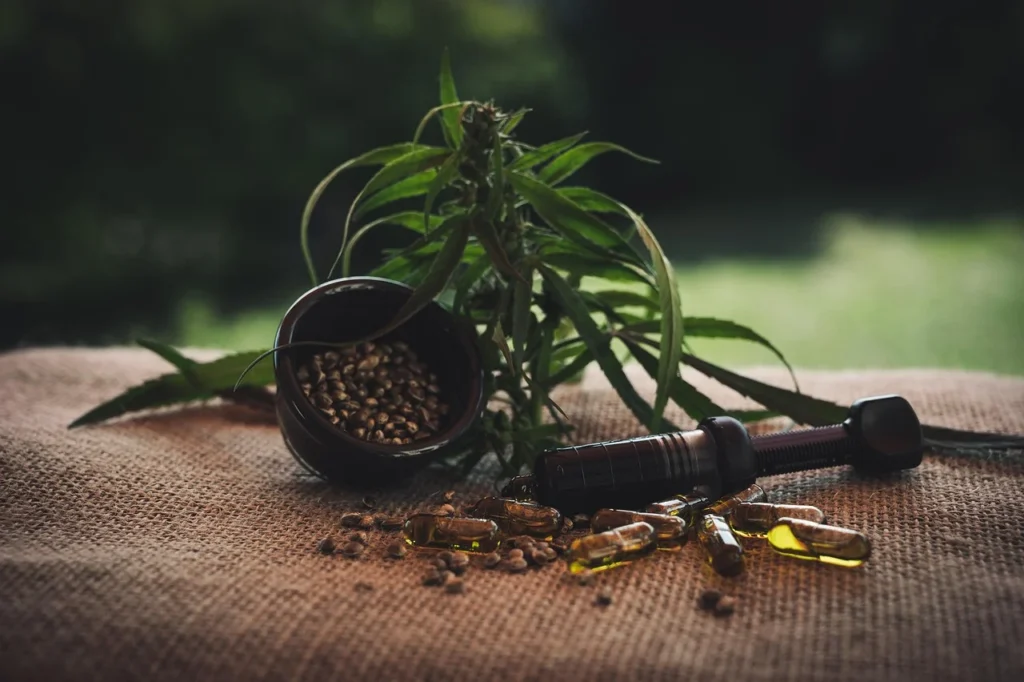
What to look for when picking the best cbd treats for dog arthritis
Not all hemp products on pet store shelves meet safety standards. To ensure you choose safe, active chews that genuine joint support requires, check the product details against these vital criteria:
-
-
- Certificate of Analysis (COA): Always select brands that publish up-to-date third-party lab testing. The report should verify the exact milligram count of cannabidiol and confirm the chew is free of heavy metals, pesticides, and residual solvents.
- Broad-spectrum or full-spectrum extract: Avoid products made with pure isolate where possible. Full and broad-spectrum extracts contain secondary terpenes that aid joint relief through synergistic activity.
- Added joint health ingredients: Look for chews that pair cannabinoids with proven structural compounds such as glucosamine HCl, chondroitin sulfate, methylsulfonylmethane (MSM), or green-lipped mussel.
- Zero delta-9 THC or legal limits: Verify on the lab sheet that THC levels remain below 0.3% for full-spectrum items. Choose 0.0% broad-spectrum chews to eliminate any risk of toxicity.
- Organically grown hemp source: Ensure the hemp originates from farms that avoid synthetic pesticides. The hemp plant absorbs soil contaminants rapidly.
- Clear milligram labelling: Reject brands that list only total “hemp oil extract” on the front package. Avoid products that omit the exact active cannabidiol milligrams per chew.
-

Common problems when giving CBD treats and how to fix them
Even when you follow standard guidelines, you may encounter obstacles during your dog’s daily supplement routine. Here is how to resolve the most frequent issues:
Your dog experiences loose stools or digestive upset
Rich fats or natural flavorings in soft chews can trigger stomach irritation in sensitive senior dogs. Reduce the dosage by half for 3 to 5 days, and give the chew alongside a full meal rather than on an empty stomach. If digestive upset continues, switch to a plain hypoallergenic chew formula or a pure liquid carrier oil.
Your dog shows no mobility improvement after two weeks
If joint stiffness remains unchanged, you may be under-dosing. Increase the daily dosage gradually by 2 mg to 3 mg steps every 5 days, staying within the recommended weight limits. Alternatively, verify your brand’s lab report; low-quality products often contain far less active cannabidiol than their label claims.
Your dog becomes excessively sluggish or sleepy
Drowsiness indicates your dog receives more cannabidiol than their nervous system requires. Scale back the daily dose by 25% to 50%. You can also shift the higher portion of the daily dose to the evening. This ensures the sedating effect occurs while your dog sleeps overnight.
Your dog refuses to eat the soft chew
Picky senior dogs might reject the natural hemp aroma. Break the chew into small pieces and wrap them in a spoon of wet food, plain canned pumpkin, or low-sodium peanut butter to mask the smell.
Safety, potential side effects, and when CBD is not suitable
While CBD treats for dogs with arthritis are widely tolerated, minor side effects can occur. This is particularly true when starting a new routine or using higher dosages. Common mild reactions include dry mouth, slight lethargy, temporary drowsiness, or mild soft stools if the chew contains rich oil bases.
Importantly, cannabidiol inhibits cytochrome P450 liver enzymes, which break down many common veterinary pharmaceutical drugs. If your dog takes prescription heart or anti-seizure drugs, consult your veterinarian before adding CBD chews or treats for dogs with arthritis. Also, dogs with active liver disease or severe pancreatitis require direct veterinary oversight before taking oily dietary supplements.
Avoid giving CBD treats to the following canine populations:
-
-
- Pregnant or nursing female dogs, as safety studies on developing fetuses remain incomplete.
- Puppies under six months of age whose internal metabolic pathways are still developing.
- Dogs with acute liver impairment or significantly elevated liver enzyme values.
- Dogs undergoing active surgical procedures requiring general anesthesia, unless cleared by your veterinary surgeon.
-

Related guides
Sources: Pharmacokinetics, Safety, and Clinical Efficacy of Cannabidiol Treatment in Oste, CBD Oil for Dogs: What Is It and What Does It Do?
Frequently asked questions
How long does it take for CBD treats to work on a dog’s arthritis pain?
Most dogs begin to feel noticeable relief within 45 to 90 minutes after eating a hemp chew. However, peak inflammatory relief and maximum joint comfort typically require consistent daily administration over two to three weeks.
Can I give my dog CBD treats along with joint supplements like glucosamine?
Yes, combining cannabidiol with structural joint supplements like glucosamine, chondroitin, and MSM is generally safe and often highly effective. Many premium mobility chews intentionally formulate these ingredients together.
Will CBD treats make my dog high or sleepy?
They will not make your dog high, as legal hemp treats contain negligible or zero intoxicating THC. They may cause mild drowsiness if given in higher amounts, but proper weight-based dosing keeps dogs alert while reducing joint aching.
How many CBD treats can I give my dog each day?
You should calculate your dog’s total count based on the milligram strength per chew and your dog’s body weight. Most owners divide the daily calculated milligrams into two equal treats—one in the morning and one at night.
### Can I give my dog human CBD products for joint pain?
You should avoid human products. Human edibles often contain ingredients toxic to dogs, such as the artificial sweetener xylitol, chocolate, or high levels of THC. Always choose hemp chews specifically formulated and safety-tested for dogs.

How Many mg of CBD Should a Beginner Start With?

Can CBD Make You Feel Dizzy? Causes and Prevention

CBD Gummies for Teeth Grinding: Do They Actually Work?

AmeriCanna Rx: Your Guide to Portland’s Premier Cannabis Dispensary

Tropic Thunder Strain: An Uplifting Hybrid Experience

Collective Efforts Sacramento CA: Your Premier Cannabis
-
 Product Guides4 months ago
AmeriCanna Rx: Your Guide to Portland’s Premier Cannabis Dispensary
-
 Cannabis 1014 months ago
Tropic Thunder Strain: An Uplifting Hybrid Experience
-
 Culture & Lifestyle4 months ago
Collective Efforts Sacramento CA: Your Premier Cannabis
-
 Industry News4 months ago
Your Guide to Silver State Relief: Maximizing Value
-

 Cannabis 1014 months ago
Haze Purple: Unveiling a Cannabis Cultivar’s Unique Appeal
-
 Cannabis 1014 months ago
Purple Runtz Strain: Unpacking Its Potency and Sweet Appeal
-

 Cannabis 1014 months ago
Medicann Clinics: Challenging the Conventional Patient Journey
-
 Cannabis 1014 months ago
Memory Loss Strain: Unveiling This Paradoxical Cannabis Hybrid