
Laws & Regulations
Can You Fly with CBD Gummies Internationally to Europe?
A complete guide to international rules, country-specific bans, and border safety when flying to Europe with CBD gummies.

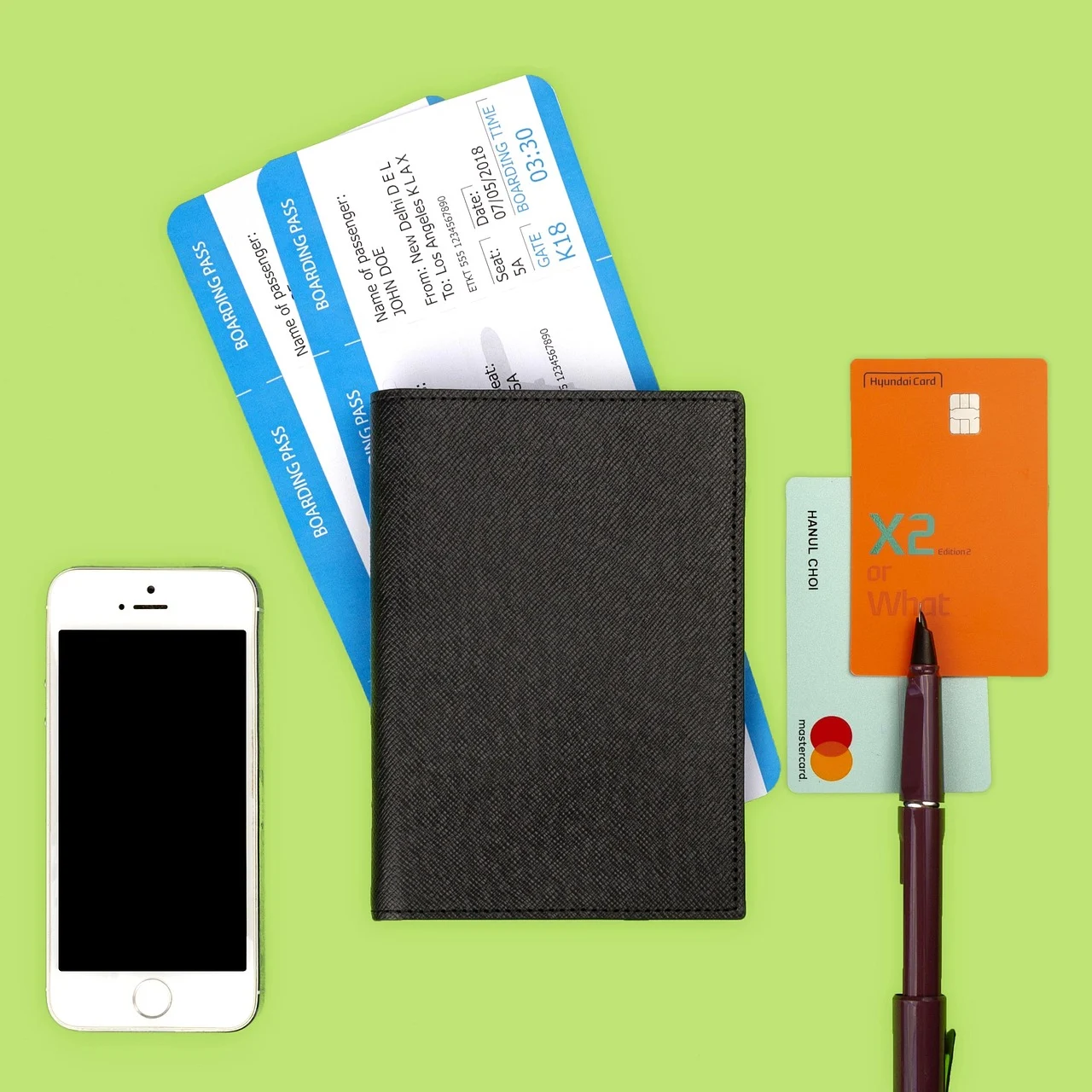
You should generally avoid flying with CBD gummies internationally to Europe because local country regulations vary sharply. Border officials can confiscate ingestible hemp products regardless of your home country’s laws. While the European Union recognizes pure CBD as a non-narcotic, individual member states strictly enforce their own laws on hemp extracts, novel foods, and trace THC levels at international customs ports.
Many travelers assume that carrying legally purchased hemp edibles on a flight to Europe is completely safe. However, navigating cross-border aviation rules means balancing international customs declarations, destination-specific drug acts, and changing regulations across different European nations. Can You Bring CBD Gummies on a Domestic Flight? TSA Rules
Is it legal to bring CBD gummies on international flights to Europe?
It is legally risky to fly with CBD gummies internationally to Europe. Individual European countries set their own restrictions on hemp-derived edibles and novel foods. Even if your gummies contain zero THC, airport customs officers cannot test products instantly and may seize them for chemical verification.

At the international level, the legal status of hemp relies heavily on national jurisdiction. In the EU Court of Justice 2020 landmark Kanavape ruling, the court determined that CBD extracted from the entire Cannabis sativa plant is not a narcotic, supporting free movement of legally produced CBD between member states. Also, the European Union updated its agricultural standard in January 2023 to permit a 0.3% THC limit for industrial hemp varieties eligible for direct payments. [eur-lex.europa.eu]
However, these overarching rulings cover industrial raw hemp and commercial trade rather than personal possession of edible products brought from outside the EU. CBD added to food, drinks, or dietary supplements is categorized as an unauthorized “novel food” across the EU. Because no ingestible CBD food product has cleared full authorization across all member states, enforcement at airport checkpoints varies greatly from country to country.
Which European countries strictly ban ingestible CBD products?
France strictly prohibits ingestible CBD products from its market. Italy classifies industrial hemp flower extracts as controlled substances under Decree-Law 48/2025. Entering these countries with CBD gummies risks border confiscation, administrative fines, or legal detention depending on product composition.

If you plan to fly to Europe, understanding local enforcement patterns is important before packing any gummies into your carry-on luggage:
- France: In May 2026, French authorities began actively removing CBD foods, sublingual food oils, and ingestible supplements from retail shelves. Carrying CBD gummies into French jurisdiction exposes you to seizure risk, because France’s ban applies to sales rather than personal possession. [darwin-nutrition.fr]
- Italy: Decree-Law 48/2025 classified industrial hemp flowers and derived products as controlled substances in April 2025. As a result, Italian law restricts authorization primarily to prescription pharmaceutical preparations.
- Germany and the Netherlands: While cannabis laws have evolved locally, strict novel food standards still apply to imported hemp edibles. Trace amounts of THC in non-certified products can easily trigger customs seizures.
We always advise travelers that relying on your home country’s legal status is a major mistake. International customs agents follow local statutes, not foreign domestic law.
What is the difference between broad-spectrum, full-spectrum, and isolate gummies at customs?
CBD isolate contains pure cannabidiol with no detectable THC, broad-spectrum contains multiple hemp compounds without THC, and full-spectrum contains up to 0.3% residual THC. Border security officials treat full-spectrum gummies as potential controlled narcotics if the THC level exceeds national legal limits.
| Gummy Type | THC Content | European Border Risk | Best Suited For |
|---|---|---|---|
| CBD Isolate | Moderate (Novel food scrutiny) | Travelers seeking minimal drug risk | |
| Broad-Spectrum | Moderate (Customs verification needed) | Non-THC entourage effect users | |
| Full-Spectrum | Up to 0.3% (or local 0.2%) | High (Risk of narcotic drug seizure) | Domestic use only; do not fly internationally |
The primary issue during airport screenings comes down to chemical testing. Border agents cannot differentiate between a legal broad-spectrum hemp gummy and a illegal cannabis edible simply by looking at it. If your gummies contain even trace amounts of full-spectrum THC, border authorities in strict countries may detain the product for forensic analysis.
How do airport security and TSA handle CBD gummies on international flights?
The Transportation Security Administration (TSA) focuses primarily on security threats rather than searching for drugs. They permit hemp-derived CBD under 0.3% THC on outbound US flights. However, international customs officers at your destination airport rigorously inspect luggage for non-compliant agricultural products and controlled substances.

If you choose to travel with legally compliant broad-spectrum or isolate CBD gummies, following a clear preparation protocol minimizes friction during customs checks:
- Keep the CBD gummies inside their original, sealed retail packaging with clear labeling of all ingredients.
- Pack your purchase receipt alongside the COA to document legitimacy and proof of purchase.
- Check the destination country’s government portal to confirm that broad-spectrum hemp extracts are permitted.
- Declare the product openly at international customs if requested, rather than attempting to hide unverified edibles.
Following these steps ensures that if an inspector questions your items, you have immediate documentation to substantiate your claims. What Happens If You Take Too Many CBD Gummies? Symptoms and Steps
What are the health authority intake guidelines for ingested CBD?
On February 9, 2026, the European Food Safety Authority (EFSA) established a provisional safe intake guideline of approximately 2 mg of CBD per day for a 70 kg adult, applicable only to qualifying highly purified food supplements. [efsa.europa.eu] Commercial CBD gummies often contain 10 mg to 25 mg per serving, far exceeding these conservative European intake recommendations.
Understanding this guidance helps explain why European border and health authorities scrutinize high-potency edibles. While taking a high-dose gummy might be standard practice at home, European regulators maintain far lower intake baselines for food safety evaluations. If you are managing your wellness routine, buy verified local products upon arrival rather than risking international transit complications.
Can you fly to Europe with CBD gummies internationally
Avoid flying with CBD gummies if you transit through zero-tolerance countries, visit France or Italy, or carry unlabeled full-spectrum products. Travelers taking daily medications should also exercise extreme caution due to regulatory variations in oral supplements.

Also, if your flight itinerary includes layovers in non-EU nations (such as Middle Eastern or Asian hub airports), carrying any cannabis-derived product can lead to severe legal penalties including immediate arrest. We strongly recommend leaving all hemp edibles at home when crossing multiple international borders.
Frequently asked questions
Can TSA stop you from flying out of the US with CBD gummies?
TSA permits hemp-derived CBD products containing under 0.3% THC on domestic and international outbound flights. However, TSA officers are required to report any suspected illegal substances to airport law enforcement officials.
What happens if customs seizes your CBD gummies in Europe?
If customs officials determine your gummies violate local laws or novel food rules, they will confiscate the item. In strict jurisdictions like Italy or France, carrying unauthorized full-spectrum edibles can result in administrative fines or legal questioning.
Can you buy CBD gummies locally in Europe instead of flying with them?
You can purchase legal CBD products locally in several European countries. However, availability varies based on local novel food rules and health regulations. Purchasing locally ensures your product complies with the exact laws of your destination.
Sources



Laws & Regulations
Can Military Members Use CBD Topical Cream? Official Rules
Active-duty service members, Reservists, and National Guard personnel cannot use CBD topical creams under Department of Defense regulations.
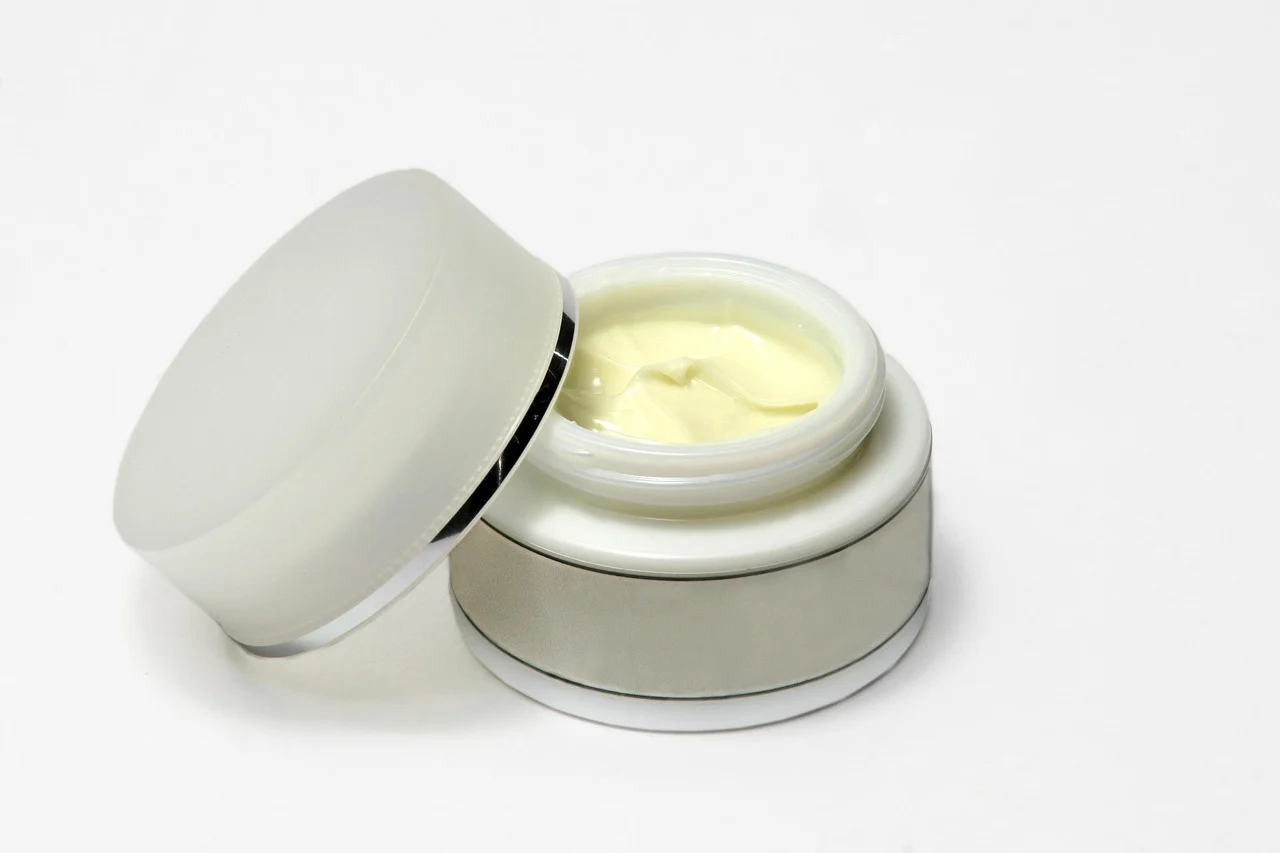
Civilian markets sell topical cannabidiol (CBD) products for localized joint and muscle discomfort. However, military regulations treat these products as prohibited substances. Understanding how this ban works helps service members avoid unintentional career-ending policy violations.

Why does the Department of Defense ban CBD topicals?
The Department of Defense bans CBD topical creams because transdermal absorption can transfer trace amounts of tetrahydrocannabinol (THC) into the bloodstream. This creates a risk of testing positive on military drug screens. Military drug testing panels detect THC metabolites. However, they cannot distinguish whether those metabolites originated from illicit cannabis use or a legal hemp lotion.
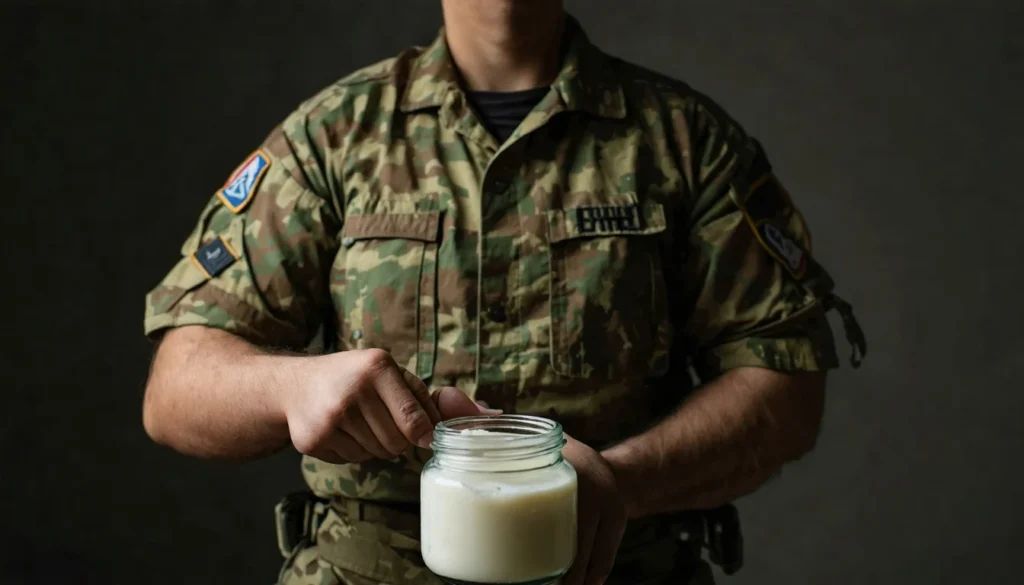
A Department of Defense memorandum issued on February 26, 2020, formally established a service-wide prohibition on all hemp products, effective March 1, 2020. Individual branches subsequently updated their own regulations to reflect this policy. For example, the Department of the Air Force published DAFMAN 44-197 on September 5, 2023, prohibiting the use and ingestion of products derived from hemp. Similarly, the U.S. Navy and Marine Corps treat the use of topical hemp products like lotions and shampoos as a general intent offense. In May 2026, the U.S. Army publicly reiterated its zero-tolerance policy on CBD products. They explicitly warned soldiers that topicals and lotions pose direct risks to unit readiness and individual service records.
Do THC-free labels protect military members from drug tests?
Products labeled as THC-free or pure CBD isolate do not protect military members from disciplinary action. Commercial labeling is largely unregulated and often inaccurate. Independent testing frequently reveals trace amounts of THC in products sold as completely THC-free. This makes any hemp application a major risk for service personnel.
Military policy accounts for this lack of market oversight by instituting a blanket prohibition. Under military regulations, claiming ignorance of a product’s contents or relying on a commercial product label does not excuse a positive drug test result. Even if a product has zero THC, can military members use CBD topical cream under these strict orders?
What happens if a military member uses CBD cream?
Using prohibited CBD creams exposes service members to administrative separation, non-judicial punishment, and formal UCMJ charges. Commanding officers enforce these regulations strictly to preserve unit readiness and administrative compliance across all branches.
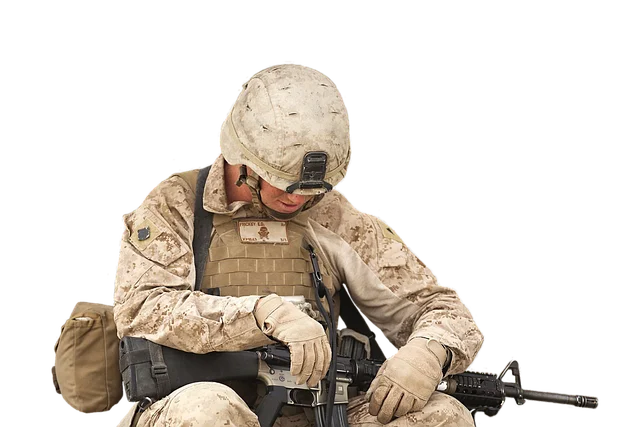
Service members who violate the ban face disciplinary action under Article 92 of the UCMJ. This applies when military members use a topical CBD cream against regulations. If a drug screening detects THC metabolites from topical application, the service member may face charges under Article 112a for wrongful use. Disciplinary outcomes frequently include administrative separation with a characterization of service. That outcome can strip away veterans’ benefits, security clearances, and future re-enlistment eligibility.
Comparing military policies and civilian availability
The stark difference between civilian availability and military regulations often creates confusion for service members and their families. The following comparison table outlines how legal status, drug testing standards, and consequences differ across these environments.

| Category | Military Service Members | Civilian Population |
|---|---|---|
| Legal Status of CBD Topicals | Strictly Prohibited (Zero-Tolerance Policy) | Legal federally under the 2018 Farm Bill (if <0.3% THC) |
| Enforcement Standard | Strict Liability / General Intent Offense | Consumer Discretion / State and Federal Regulations |
| Drug Screening Risk | High (THC metabolites trigger positive UCMJ screens) | Variable (Depends on employer drug testing policies) |
| Consequences of Violation | UCMJ Charges (Art. 92, 112a), Administrative Separation | Employer-specific disciplinary action or termination |
Concrete steps to audit household and personal care products
Service members can prevent accidental exposure to prohibited hemp compounds by systematically auditing their personal care routines. Follow these actionable steps to ensure full compliance with DoD directives:
-
- Read Ingredient Labels Carefully: Inspect all lotions, salves, soaps, balms, and shampoos for terms such as cannabidiol, CBD, hemp seed oil, cannabis sativa seed oil, or full-spectrum hemp extract.
- Discard or Segregate Hemp Products: Remove all hemp-containing products from your immediate living quarters, barracks, or vehicle to eliminate any chance of accidental application.
- Verify Grooming and Hygiene Items: Check specialty items like beard oils, lip balms, body washes, and massage oils. Manufacturers commonly add hemp extracts to consumer cosmetic lines.
- Consult Military Medical Personnel: Report persistent joint or muscle pain directly to a military healthcare provider to receive approved, compliant alternative treatments.
Who this policy affects and who it does not suit
The DoD policy applies universally across specific military categories while leaving fully separated individuals under civilian jurisdiction:

-
-
- Applies To: Active-duty personnel in all branches (Army, Navy, Air Force, Marine Corps, Space Force, Coast Guard), Reservists (on or off duty), National Guard members, and Department of Defense civilian employees subject to workplace drug-testing programs.
- Does Not Suit / Exempted: Honorably discharged veterans who have completely separated from military service and hold no ongoing military status. Separated veterans are governed by state and federal civilian law, though VA doctors still cannot prescribe CBD topicals.
-
Common problems and practical fixes
Service members frequently encounter misunderstandings regarding CBD topicals. Below are common scenarios and how to address them correctly:
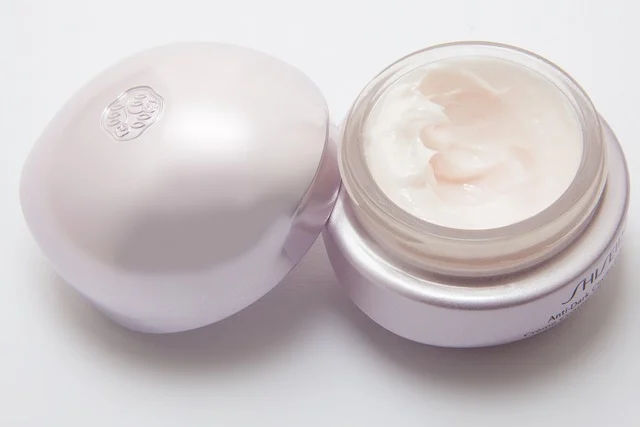
Problem: Spouses or family members buy CBD products for shared household use.
Fix: Store family members’ CBD products separately or keep them entirely out of shared spaces. Direct skin contact with a partner’s topical cream can absorb trace THC. Physical contact can also transfer residues, so can military members use a CBD topical cream safely?
Problem: Unintentional application of a lotion containing hemp oil, when military members can use a CBD topical cream instead.
Fix: Wash the application area immediately with warm soap and water. Report the unintentional exposure to your chain of command or legal assistance officer right away. This documents the timeline and demonstrates full transparency.
Problem: Searching for safe relief for physical soreness during heavy training.
Fix: Use military-approved physical therapy, over-the-counter NSAIDs (like ibuprofen), or ice/heat therapy. Alternatively, choose standard topical analgesics like menthol or capsaicin creams that contain no hemp ingredients.
Are there any official exceptions for service members?
Exceptions to the Department of Defense hemp ban include FDA-approved prescription cannabinoid medications, as well as specified law-enforcement and medical-duty uses and reasonable lack of knowledge that a product is hemp-derived. [me.ng.mil] Off-the-shelf over-the-counter creams, salves, or cosmetic products do not qualify for this exception under any circumstances.
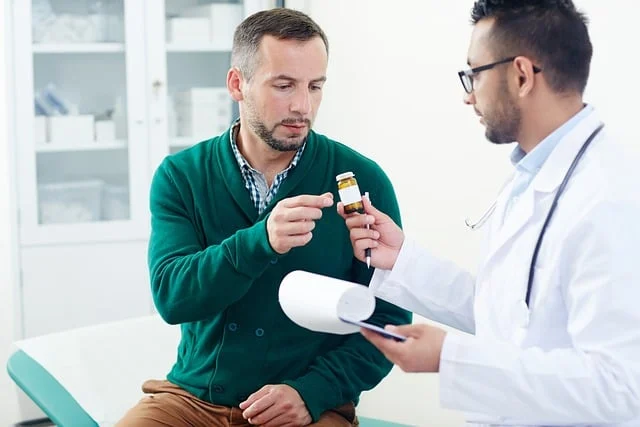
This strict rule applies uniformly across active duty, Reserve components, and National Guard units. While state laws across the country have legalized various cannabis and hemp topicals, federal military law overrides state legislation. Veterans who have completely separated from military service are free to use CBD under state laws. However, they cannot receive CBD prescriptions directly through the U.S. Department of Veterans Affairs (VA).
Frequently asked questions
Can military members use CBD topical cream?
No, military members cannot use CBD topical cream under strict Department of Defense policies that prohibit all hemp-derived products. This ban applies to active duty, Reserve, National Guard, and DoD civilian personnel regardless of civilian state laws.
Why are topical CBD lotions banned if you do not ingest them?
Topical CBD lotions are banned because cannabinoids can absorb through the skin into the bloodstream and trigger a positive result on standard military drug screenings. Military drug tests cannot verify whether detected THC came from a topical lotion or forbidden cannabis intake.
Can military veterans use CBD cream?
Yes, honorably discharged military veterans who are no longer subject to the UCMJ or DoD regulations can use legal CBD creams according to their state laws. However, VA doctors cannot prescribe CBD products to veterans.
Can family members of military personnel use CBD topicals in military housing?
Civilian family members are not subject to the UCMJ, but service members must ensure they do not accidentally use or physically contact their family member’s CBD topicals. Cross-contamination or inadvertent application still places the service member at risk of administrative or disciplinary action.
What should a service member do if they accidentally use a CBD lotion?
Wash the product off immediately with soap and water, notify your chain of command, and consult a military legal assistance attorney. Promptly reporting inadvertent exposure provides evidence of lack of intent, though military regulations maintain strict zero-tolerance enforcement standards.
Sources
- 230731 eGuardian
- Adoption of Punitive General Orders to Address Use of Hemp Products
Laws & Regulations
Can You Bring CBD Gummies on a Domestic Flight? TSA Rules
You can bring hemp-derived CBD gummies with less than 0.3% THC on domestic U.S. flights, while Canadian rules require keeping products within domestic borders.
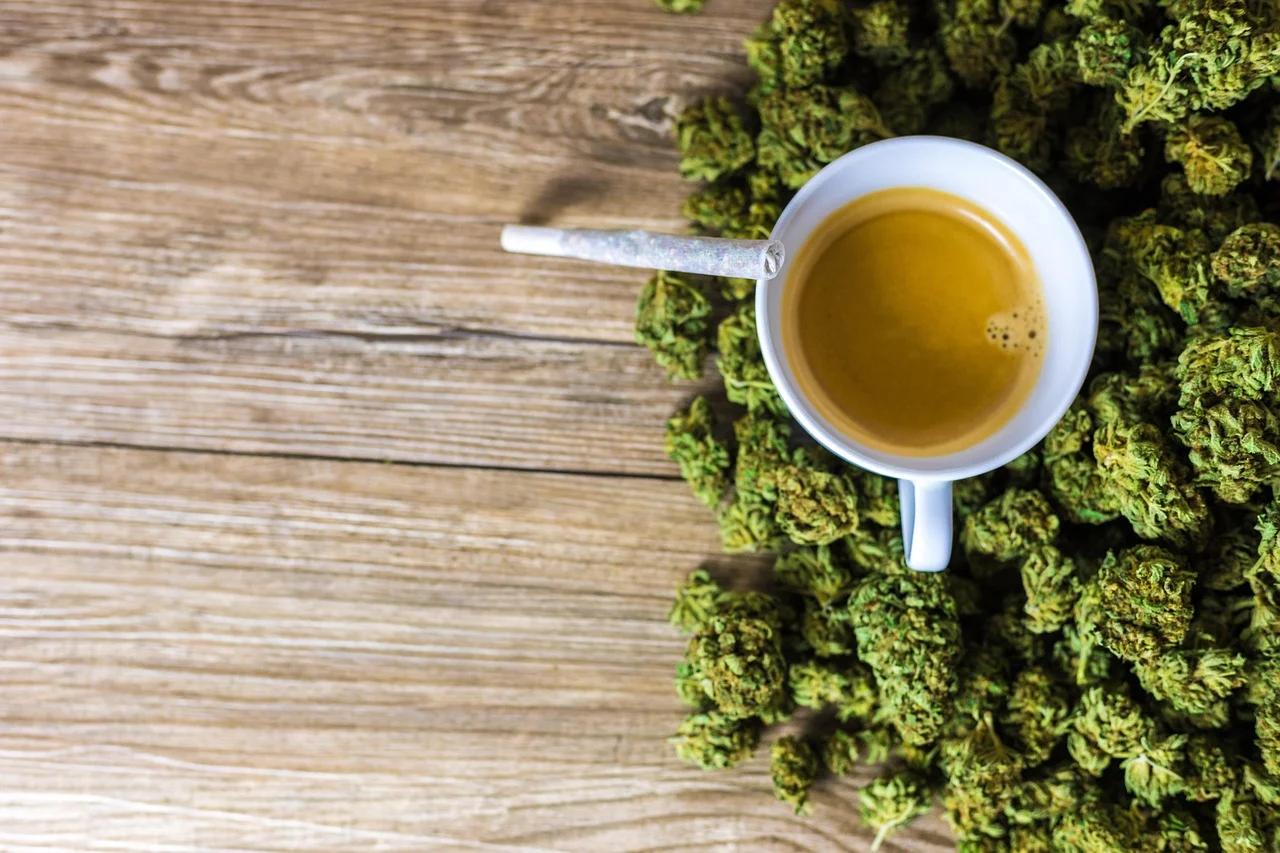
Security screeners follow specific protocols when encountering these items. The 2018 Farm Bill removed hemp from the Controlled Substances Act based on delta-9 THC content. While TSA officers focus on aviation security rather than searching for illegal drugs, they refer any suspicious substances to local law enforcement officers, who then determine if the item violates state or federal law.
The rest of this article explains TSA packing rules for different CBD form factors, including whether you can bring CBD gummies on a domestic flight, steps for resolving checkpoint issues, and practical tips like keeping original product packaging.
Can You Bring CBD Gummies on a Domestic Flight? TSA Rules and Travel Verdict
Yes, until December 11, 2026, you can legally bring hemp-derived CBD gummies containing 0.3% delta-9 THC or less on domestic flights within the United States. [vicentellp.com] Furthermore, you can travel with up to 30 grams of dried cannabis or its equivalent on domestic flights within Canada. [canada.ca] Federal law permits compliant hemp products in both your carry-on bag and checked luggage, provided you follow standard security guidelines.
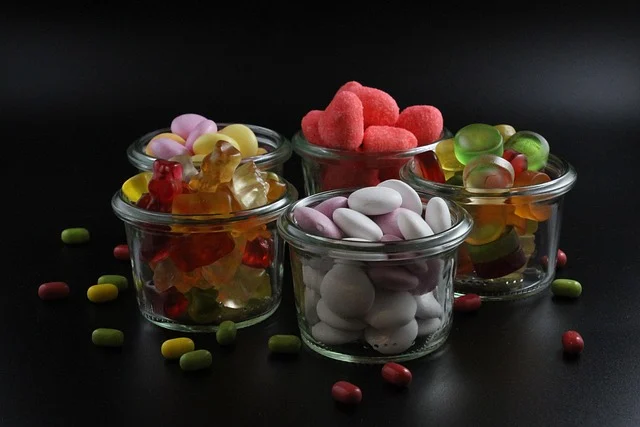
The legality of flying with hemp products traces back to the 2018 Farm Bill. This legislation removed hemp from the Controlled Substances Act. Because federal law distinguishes industrial hemp from marijuana based on delta-9 THC content, travellers often ask if you can bring CBD gummies on a domestic flight when facing TSA screeners.
How the TSA handles CBD gummies at airport security
TSA officers focus on security threats rather than checking if you can bring CBD gummies on a domestic flight. However, if an officer detects a suspicious substance during screening, regulations require them to refer the matter to local law enforcement. Police officers then determine whether the product violates state or federal law.

If you wonder if you can bring CBD gummies on a domestic flight, keep them in original commercial packaging. Clear labels showing the manufacturer, ingredients, and explicit hemp derivation or zero THC help prevent confusion during TSA inspections.
If you carry liquid or gel-based CBD products like tinctures in your carry-on, standard liquid limits apply. Liquids must be in containers of 3.4 ounces (100 milliliters) or smaller and fit into a single quart-sized bag. Solid gummies do not fall under the liquid rule, making them much easier to pack.
Comparing CBD form factors and travel rules
Different types of CBD items require different packing approaches at security checkpoints. Review this quick comparison before packing your luggage:
| CBD Product Type | TSA Form Category | Carry-on Allowance | Checked Bag Allowance |
|---|---|---|---|
| Solid Gummies & Edibles | Solid Food | No quantity restrictions | No quantity restrictions |
| Tinctures & Oils | Liquid / Gel | 3.4 oz (100ml) or smaller | Unrestricted liquid volume |
| Topical Creams & Lotions | Liquid / Gel | 3.4 oz (100ml) or smaller | Unrestricted liquid volume |
| Vape Cartridges | Electronic / Liquid | Carry-on only (3.4 oz limit) | Prohibited in checked bags |
Is it illegal to fly with CBD gummies?
Flying with CBD gummies derived from hemp is legal under U.S. federal law. Airports operate under federal jurisdiction. Bringing high-THC products into a terminal creates legal risks regardless of state laws at your destination.
State laws can also create subtle complications. While the federal government permits compliant hemp nationwide, individual states occasionally enforce stricter regulations on specific cannabinoids. For instance, if traveling to a state with tight hemp regulations, researching local possession laws ensures compliance once you land.
We suggest downloading a Certificate of Analysis (COA) from the manufacturer’s website onto your phone. A COA provides third-party laboratory verification of the batch’s exact THC percentage. This offers clear evidence if any questions arise during a law enforcement referral.
Who this travel advice does not suit
While hemp-derived CBD rules protect most domestic air travelers, certain groups face unique legal restrictions. These individuals must avoid flying with CBD gummies:
- International Passengers: Crossing international borders with any CBD product remains illegal under U.S. and foreign federal customs laws.
- Active-Duty Military Personnel: Department of Defense regulations strictly prohibit service members from consuming or possessing hemp and CBD products regardless of THC content.
- Medical Marijuana Cardholders Carrying High-THC Edibles: Federal law does not recognize state-level medical cards inside federal airport airspace.
Can you take CBD gummies on a domestic flight in Canada?
Yes, can you bring CBD gummies on a domestic flight in Canada? Under the Canadian Cannabis Act, adult passengers may travel domestically with up to 30 grams of cannabis. This limit applies regardless of whether it is derived from hemp or marijuana.

The critical factor for Canadian travel is staying strictly within national borders. Crossing borders with any cannabis product—including CBD derived from hemp—remains illegal under Canadian law. This applies even when traveling to or from a U.S. state where cannabis is legal.
Your flight within Canada might be diverted unexpectedly into U.S. airspace or require an emergency landing. Carrying cannabis products in that scenario could expose you to U.S. federal law enforcement. Keep this edge case in mind when planning domestic air travel in border regions.
Comparing U.S. and Canadian domestic flight regulations
Understand how legal frameworks change when flying domestically within each country:
| Regulation Rule | United States Domestic Flights | Canada Domestic Flights |
|---|---|---|
| Legal Basis | 2018 Farm Bill (Hemp definition) | 2018 Cannabis Act |
| Max Allowable THC Content | 0.3% Delta-9 THC by dry weight | No THC percentage cap (within the 30g dried-cannabis-equivalent legal limit) [canada.ca] |
| Edible Limit | Personal use amounts | Equivalent of 30g dried cannabis |
| International Border Crossings | Strictly Prohibited | Strictly Prohibited |
Practical packing recommendations for flying with CBD
Packing solid edibles like gummies is straightforward, but taking a few practical steps reduces potential friction at the security checkpoint.

- Keep items in original packaging: Retain the original bottle or pouch showing third-party testing badges, ingredient lists, and hemp details.
- Download digital COA documentation: Save the batch lab test results on your smartphone for instant access during physical screening.
- Separate liquids from solids: Place CBD oils or drops alongside your standard toiletries in a clear quart-sized bag, while storing gummies in carry-on pockets.
- Pack reasonable quantities: Keep total quantities aligned with personal use to prevent security questions regarding commercial intent.
- Store gummies in cool compartments: Avoid placing gummies near hot electronics inside your bag to prevent them from melting together during transit.
If you are preparing for workplace drug testing after your travel, note that even compliant hemp products can sometimes lead to ambiguous results depending on the test sensitivity. You can learn more about testing protocols in our guide on .
Common security problems and how to resolve them
Even when following all security rules, unexpected interactions can occur during screening. Here is how you handle common TSA checkpoint challenges:
Problem 1: TSA selects your gummies for manual bag inspection
Solution: Remain calm and inform the TSA officer if you can bring CBD gummies on a domestic flight. Point out the clear product labeling and offer to display the QR code or lab report on your phone.
Problem 2: You transferred gummies into an unmarked pill organizer
Solution: Avoid unlabeling your gummies before flying. If an officer flags unlabeled gummies, open the manufacturer’s website or digital receipt on your phone to show proof of purchase for compliant hemp gummies.
Problem 3: TSA calls local airport police for evaluation
Solution: Local law enforcement officers assess whether your item violates local state statutes. Present your government ID along with the batch COA showing less than 0.3% THC content. Police officers verify the documentation and release compliant items back to you.
Related guides
Frequently asked questions
Can TSA tell the difference between CBD and THC gummies?
TSA officers cannot visually distinguish between CBD gummies and marijuana-derived THC gummies. If security personnel suspect a product contains illegal levels of THC, they refer the item to local law enforcement for further evaluation.
Should I check my CBD gummies or put them in carry-on baggage?
You can put solid CBD gummies in either carry-on or checked baggage. Keeping them in your carry-on alongside original packaging and lab documentation allows you to address any screening questions directly.
What happens if local police are called regarding CBD gummies?
Local law enforcement officers assess whether the product violates state or federal standards. Officers check your identification, examine the product packaging, inspect your COA lab documentation, and release compliant hemp items back to you once verified.
Can you take CBD gummies on a domestic flight in Canada if you are under 19?
No, age restrictions apply to cannabis possession in Canada. You must meet the legal age requirement of the province or territory you depart from and land in, which is 18 or 19 depending on the region.
Sources
Laws & Regulations
Can Police Officers Take CBD? Rules and Drug Test Risks
Police officers generally face strict bans or high risks when taking CBD due to potential drug test failures from trace THC.

No, police officers cannot safely take CBD because commercial hemp products frequently contain trace amounts of THC. These impurities trigger positive workplace drug screens. Standard law enforcement drug panels do not distinguish between legal CBD and illicit marijuana. Consequently, use leads to failed urinalysis and immediate administrative action.
Hemp-derived cannabidiol became federally legal under the 2018 Farm Bill. However, employment policies for law enforcement agencies remain far stricter than civil law. Understanding how departments evaluate these compounds is essential to protecting your career and POST certification if you serve as an active officer, work in court security, or apply to a public safety agency.
Can police officers take CBD?
Most police departments explicitly prohibit officers from taking CBD in any form. Law enforcement agencies maintain zero-tolerance drug policies regarding tetrahydrocannabinol (THC). Because the Food and Drug Administration (FDA) does not certify over-the-counter hemp products for purity, manufacturers regularly mislabel their THC concentrations.
When you take a commercial CBD product, you risk introducing trace amounts of delta-9 THC into your body. While a single dose might fall below initial screening thresholds, repeated use causes lipophilic THC metabolites to build up in human fat tissue. During random workplace drug testing, these accumulated metabolites release back into your urine. This causes a positive result on standard immunoassay screens.
Can police officers take CBD oil?
Police officers cannot safely take CBD oil. CBD oils typically enter the bloodstream through sublingual absorption or digestive processing. Full-spectrum CBD oils lawfully contain up to 0.3% delta-9 THC by dry weight. While 0.3% sounds minor, regular administration of a full-spectrum tincture delivers several milligrams of THC to your system every week.

Consider this practical scenario: an officer takes 30 milligrams of full-spectrum CBD oil twice daily to manage joint stiffness. At a 0.3% THC limit, that daily regimen delivers up to 0.18 milligrams of pure THC. Over 30 days, the officer ingests over 5 milligrams of total THC. Because the body stores THC metabolites slowly, the concentration in urine steadily rises until it breaches standard laboratory cutoff thresholds.
Urinalysis panels scan for 11-nor-9-carboxy-THC (THC-COOH). Initial immunoassay tests usually trigger a positive flag at 50 nanograms per milliliter (ng/mL). Confirmation testing via Gas Chromatography-Mass Spectrometry (GC-MS) or Liquid Chromatography-Tandem Mass Spectrometry (LC-MS/MS) lowers the cutoff to 15 ng/mL. Ingesting full-spectrum CBD oil over consecutive weeks may push an officer’s urine concentration above these limits. [samhsa.gov]
Can police officers take CBD gummies?
Police officers must avoid CBD gummies for the same reasons they avoid oral oils. Edible gummies pass through your gastrointestinal tract and metabolic pathways in your liver. First-pass liver metabolism processes delta-9 THC into 11-hydroxy-THC, an active compound that eventually degrades into the detectable metabolite THC-COOH.
Gummies present additional quality-control hazards compared to standard tinctures:
- Uneven ingredient distribution: Batch mixing in gelatin products often results in inconsistent dosing. Consequently, one gummy in a package might contain significantly higher THC levels than the rest.
- Degradation over time: Exposure to heat, light, or extended shelf storage can degrade cannabinoids into residual compounds. As a result, these trigger false positives or cross-react on rapid immunoassay test strips.
- Sugar-masking and incorrect labeling: Unregulated edible manufacturers frequently use raw hemp extracts without batch-specific laboratory verification.
Can police officers use CBD?
Officers often ask whether non-ingestible methods make CBD usage acceptable. Across federal, state, county, and municipal agencies, executive leadership bans CBD usage outright regardless of application method. Chiefs of police and county sheriffs write general orders to remove all ambiguity during internal affairs investigations.
Law enforcement agencies maintain a restrictive stance on hemp derivatives for three primary operational reasons:
- Lack of FDA regulation: Over-the-counter CBD items do not undergo mandatory pre-market approval by federal regulators. This leads to widespread cross-contamination during commercial extraction and manufacturing.
- Strict zero-tolerance policies: Departmental regulations rarely distinguish between full-spectrum hemp extracts and illicit marijuana. Any detected THC metabolite constitutes a direct policy violation.
- Liability and readiness: Chiefs and sheriffs enforce blanket rules. This eliminates legal ambiguity surrounding officer sobriety, reaction time, and decision-making on duty.
We always advise officers to check their specific general orders before purchasing any hemp supplement. Even if a brand promises “zero THC” or provides a Certificate of Analysis (COA), batch variations mean those documents offer zero legal defense during internal affairs investigations.
Can police officers use CBD products?
Police officers cannot use any category of CBD products without taking on serious career risk. The table below outlines how different hemp formulations compare under standard workplace drug testing conditions.
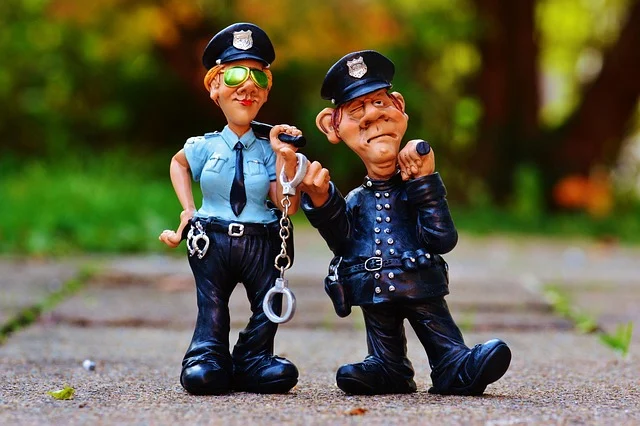
Prohibited due to mislabeling risks
| Product Category | THC Presence | Drug Test Risk Level | Operational Policy Status |
|---|---|---|---|
| Full-Spectrum CBD | Contains up to 0.3% THC legally | Extreme Risk | Prohibited by almost all agencies |
| Broad-Spectrum CBD | Trace / Variable levels | High Risk | |
| CBD Isolate | Pure CBD (Theoretical 0% THC) | Moderate Risk | Prohibited due to cross-contamination |
| Topical Balms / Salves | Variable levels | Low Risk (Minimal systemic absorption) | Prohibited if agency bans all hemp derivatives |
Topical lotions carry lower systemic absorption risks because cannabinoids applied to skin generally do not cross the blood-brain barrier. Furthermore, they rarely enter blood vessels in large quantities. However, if your agency maintains a total ban on all hemp derivatives, applying a topical balm still violates explicit general order phrasing.
Can police officers use CBD in the UK?
In the UK, police officers face similar prohibitions under Home Office guidance and individual force regulations. The UK College of Policing and regional police forces enforce strict substance misuse standards. Home Office policy demands that officers remain completely free from controlled drugs and unauthorized substances.

UK consumer CBD items often contain controlled cannabinoids like Cannabinol (CBN), Cannabigerol (CBG), or Delta-9 THC. Regarding whether police officers can take CBD, facilities use low analytical cutoffs during random officer screens. Testing positive for trace cannabinoids from over-the-counter CBD triggers force misconduct hearings under Police Conduct Regulations.
Canadian law enforcement agencies follow similar strict standards. Despite national recreational cannabis legalization across Canada, individual services enforce strict “fit-for-duty” directives. Many Canadian forces require complete abstinence for days or weeks prior to reporting for shift work, while others maintain total bans on non-prescription hemp and cannabis extracts.
Can cops use CBD?
Police officers cannot take CBD because Medical Review Officers (MROs) treat positive urine tests strictly. When a certified laboratory detects THC-COOH above the 15 ng/mL confirmation threshold, an MRO contacts the officer to conduct an interview. The officer must supply a valid medical explanation, such as a legally binding federal prescription (for example, Marinol or Epidiolex).

An over-the-counter CBD oil, gummy, or tea bag does not qualify as a valid medical explanation under federal or state drug testing guidelines. Consequently, the MRO marks the result as a “Confirmed Positive for THC” and notifies the department’s internal affairs bureau or human resources division.
Can law enforcement use CBD?
Law enforcement personnel across all roles—including municipal officers, deputy sheriffs, state troopers, federal agents, and corrections staff—must avoid CBD usage entirely. The administrative consequences of a positive drug screen extend far beyond immediate workplace suspension.
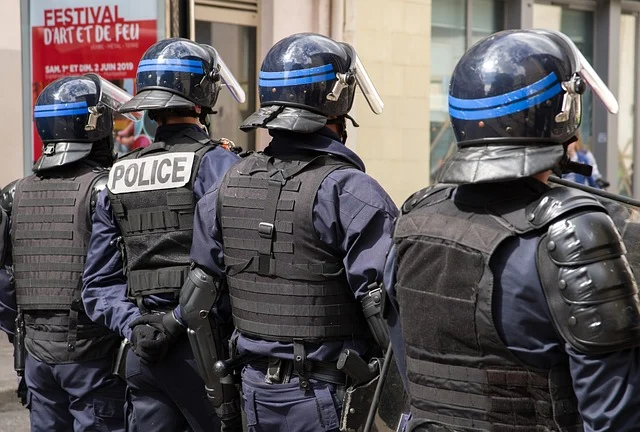
Once an agency receives a confirmed positive test from an MRO, the administrative process follows a swift trajectory:
- Immediate relief from duty: The department surrenders the officer’s badge, service weapon, and police powers, placing them on administrative leave.
- Internal Affairs investigation: Investigators review the lab results, chain of custody forms, and officer statements to verify policy non-compliance.
- Termination of employment: Zero-tolerance policies govern illegal drug use and non-prescribed controlled substances. Therefore, agencies routinely terminate the officer’s employment contract.
- POST Board notification: The agency reports the termination to the state Police Officer Standards and Training (POST) board or licensing body.
- Decertification: State boards conduct independent reviews. As a result, they routinely revoke the officer’s peace officer license, permanently barring them from law enforcement employment nationwide.
How officers can check general orders and find safe alternatives
If you serve in law enforcement and want to manage job-related stress, physical pain, or sleep disturbances, follow these safe steps to protect your health and career:
- Review agency general orders: Open your department’s policy manual and search for terms like “Hemp,” “Cannabidiol,” “THC,” or “Controlled Substances.” Look specifically for language banning “all hemp derivatives” or “unregulated supplements.”
- Consult your union or legal representative: Ask your labor union or legal counsel how local arbitrators and civil service boards rule on off-duty supplement use and MRO procedures.
- Avoid rely on Certificates of Analysis (COAs): Do not assume a manufacturer’s third-party lab report protects you. Internal affairs divisions do not accept private COA documents to overturn laboratory-confirmed urinalysis results.
- Adopt non-cannabinoid wellness protocols: Replace CBD with safe, zero-risk alternatives for physical recovery and stress relief:
- Sleep support: Use pure magnesium glycinate or doctor-approved melatonin supplements that carry NSF Certified for Sport or Informed-Choice trust marks.
- Pain management: Use physical therapy, targeted mobility work, targeted cold/heat therapy, or traditional anti-inflammatory medications cleared by your department physician.
- Stress reduction: Access peer support teams, confidential Employee Assistance Programs (EAP), or tactical breathwork routines.
Who this advice does not apply to
The guidance in this article targets active-duty sworn police officers, deputy sheriffs, federal law enforcement agents, state troopers, corrections officers, and recruits subject to mandatory agency drug testing.

This advice does not apply to private-sector employees working in non-safety-sensitive roles where state employment law explicitly protects off-duty cannabis or hemp consumption. It also does not apply when asking can police officers take CBD if they hold a valid, FDA-approved prescription for synthetic THC or purified CBD (such as Epidiolex) that has been vetted and cleared in writing by their department’s official medical director prior to testing.
Frequently asked questions
Can police officers take CBD oil if it has no THC?
No, police officers cannot take CBD oil even if labeled “THC-free.” Unregulated commercial products frequently suffer from cross-contamination. Third-party labels often fail to reflect trace THC levels that cause positive urine drug screens.
Can cops use CBD gummies for sleep or recovery?
Cops should avoid CBD gummies entirely. Ingesting gummies causes trace cannabinoids to accumulate in body fat over time, which can trigger a positive result on standard departmental urinalysis screens.
Can law enforcement use topical CBD creams?
Topical creams carry lower systemic absorption than oils or edibles, but most department policies prohibit all hemp derivatives regardless of how you apply them. Officers must treat topicals as restricted unless explicit agency policy states otherwise.
Will a third-party Certificate of Analysis protect an officer during an internal affairs investigation?
No. Internal affairs units and Medical Review Officers rely strictly on certified laboratory urine results. A private company’s Certificate of Analysis holds no legal weight during disciplinary proceedings or POST decertification hearings.
Sources

Can You Fly with CBD Gummies Internationally to Europe?

Does Broad Spectrum CBD Contain Any Trace THC? What Labs Show

Can Military Members Use CBD Topical Cream? Official Rules

AmeriCanna Rx: Your Guide to Portland’s Premier Cannabis Dispensary

Tropic Thunder Strain: An Uplifting Hybrid Experience

Collective Efforts Sacramento CA: Menu, Pricing and Delivery
-
 Product Guides4 months ago
AmeriCanna Rx: Your Guide to Portland’s Premier Cannabis Dispensary
-
 Cannabis 1014 months ago
Tropic Thunder Strain: An Uplifting Hybrid Experience
-
 Culture & Lifestyle4 months ago
Collective Efforts Sacramento CA: Menu, Pricing and Delivery
-

 Cannabis 1014 months ago
Haze Purple: Unveiling a Cannabis Cultivar’s Unique Appeal
-
 Industry News4 months ago
Your Guide to Silver State Relief: Maximizing Value
-
 Cannabis 1014 months ago
Purple Runtz Strain: Unpacking Its Potency and Sweet Appeal
-
 Product Guides4 months ago
Identifying Top Shelf Cannabis: A Connoisseur’s Guide
-

 Cannabis 1014 months ago
Medicann Clinics: Challenging the Conventional Patient Journey