
Cannabinoids Explained
Can You Take CBD Gummies on an Empty Stomach?
Yes, you can take CBD gummies on an empty stomach, but consuming them with dietary fats increases absorption rates and reduces the risk of mild stomach discomfort.


While taking a gummy without eating will not cause serious harm, understanding how your digestive system processes orally ingested cannabinoids helps you achieve consistent results while protecting your stomach lining from potential irritation.
Do You Take CBD Gummies on an Empty Stomach or With Food?
If you wonder if you can take CBD gummies on an empty stomach, eat food with healthy fats first. Cannabidiol (CBD) is lipophilic, meaning it dissolves in lipids and fats rather than water. Your liver processes it far more efficiently when fats are present in the digestive tract.

When you chew and swallow a CBD gummy, the active ingredient passes down the esophagus and enters the stomach. If the stomach is completely empty, the gummy breaks down rapidly in digestive acids. The liver than metabolizes the isolated CBD via first-pass metabolism before the compound enters systemic circulation. First-pass metabolism degrades a large portion of orally consumed cannabinoids. Consequently, taking CBD gummies on an empty stomach yields a lower overall bioavailable percentage. Less CBD reaches your bloodstream compared to taking it alongside dietary lipids.
When consuming a gummy alongside fatty meals—like avocados, nuts, eggs, or full-fat yogurt—the fats stimulate bile acid secretion. Bile emulsifies the fats and the dissolved CBD together, forming tiny droplets called micelles. These micelles transport cannabidiol through intestinal walls into the lymphatic system, bypassing substantial liver degradation. This mechanism delivers a higher concentration of active compound to your systemic receptors.
How Empty vs. Fed States Change CBD Timing and Bioavailability
Taking CBD gummies without food leads to faster onset times but lower total cannabinoid absorption. Eating first delays onset because the stomach must digest the meal alongside the gummy, but total absorption increases noticeably.
The trade-offs between empty and fed stomach consumption affect onset speed, duration of effects, and overall efficiency:
| Factor | Empty Stomach | With a Meal (Containing Fats) |
|---|---|---|
| Onset Time | 30 to 45 minutes | 60 to 120 minutes |
| Bioavailability | Lower (Higher hepatic clearance) | Higher (Enhanced micellar transport) |
| Duration of Effects | Shorter (3 to 5 hours) | Longer (6 to 8 hours) |
| Stomach Upset Risk | Moderate (Gelatin, sugars, or carriers may irritate) | Low (Buffer present in gastrointestinal tract) |
When considering if you can take CBD gummies on an empty stomach at 8:00 AM, onset starts by 8:35 AM. However, the body absorbs only a modest portion of the milligram strength printed on the product label. If you take that same gummy after eating breakfast containing eggs and whole-wheat toast with butter at 8:00 AM, the effects may not peak until around 9:30 AM, but the functional uptake will be considerably stronger and longer-lasting.

Can Taking CBD Gummies Without Food Cause Stomach Irritation?
Yes, taking CBD gummies on an empty stomach can cause mild gastrointestinal irritation, including nausea, bloating, abdominal cramping, or loose stools. This irritation is usually caused by secondary ingredients in the gummy rather than the cannabidiol itself.
Commercial CBD gummies rely on various carrier bases, sweeteners, and texturizing agents. Understanding these ingredients helps isolate the cause of digestive issues:
- Carrier Oils: Raw CBD extract is typically diluted in carrier liquids like Medium-Chain Triglyceride (MCT) coconut oil or hempseed oil. Concentrated MCT oil on an empty stomach frequently triggers nausea or digestive cramping in sensitive individuals.
- Artificial Sweeteners and Sugar Alcohols: Sugar-free gummies often use sugar alcohols such as xylitol, sorbitol, or mannitol. When digested without other food, sugar alcohols pull water into the intestines, causing gas, bloating, or diarrhea.
- Gelatin and Pectin: Gelatin (derived from animal collagen) and pectin (fruit-based carbohydrate) are gelling agents. Digesting concentrated gelatin or pectin without food can cause light stomach heaviness or acid reflux in sensitive stomachs.
- Citric Acid and Flavorings: Many sour or fruit-flavored gummies rely on citric acid coatings. Pure citric acid hitting an empty stomach lining can elevate gastric acidity, causing mild heartburn.
Experiencing nausea shortly after eating a gummy? Switching to a brand that uses simple organic cane sugar rather than sugar alcohols often resolves stomach distress. Switching from MCT-based extracts to hempseed-based options also helps.
Who Should Not Take CBD Gummies on an Empty Stomach?
You should avoid taking CBD gummies on an empty stomach if you have a history of sensitive digestive conditions, severe acid reflux, or irritable bowel syndrome (IBS). Individuals managing metabolic conditions or taking specific prescription pharmaceuticals should also use caution.

We advise avoiding fasting consumption in the following specific scenarios:
- People with Gastroesophageal Reflux Disease (GERD): Citric acid coatings and concentrated fats (like MCT oil) on an empty stomach lower esophageal sphincter pressure, encouraging acid reflux.
- Individuals Prone to Hypoglycemia: High-sugar gummies swallowed without real food trigger rapid insulin spikes followed by sharp blood sugar crashes. These drops can cause dizziness or tremors.
- People Using Daily Medications Metabolized by CYP450 Enzymes: Cannabidiol inhibits cytochrome P450 enzymes in the liver. Taking high doses of CBD on an empty stomach alters hepatic clearance rates differently than taking it with food. That shift could impact prescription medication blood concentrations.
Determining your baseline tolerance requires starting with a lower dosage before modifying your food timing. For guidelines on establishing your starting point, see How Many mg of CBD Should a Beginner Start With? for dosage details.
Steps for Taking CBD Gummies Safely When Fasting
Your daily routine, intermittent fasting schedule, or personal preference may require taking CBD gummies without eating a full meal. Following a structured process helps minimize digestive irritation while preserving effect consistency.
- Choose a simple formulation: Select a standard cane-sugar gummy rather than sour or sugar-free varieties. Heavy amounts of citric acid or sorbitol can cause stomach distress.
- Drink 8 to 12 ounces of room-temperature water first: Hydrating dilutes stomach acid. It also provides a liquid buffer inside the gastric lining before the gummy arrives.
- Chew the gummy thoroughly: Break the edible down completely in your mouth for 30 to 60 seconds before swallowing. Thorough chewing begins mechanical breakdown and exposes the gummy to salivary enzymes, making digestion smoother.
- Incorporate a tiny lipid source if your diet permits: If strict fasting is not mandatory, consume a single spoon of peanut butter, a half-ounce of almonds, or a teaspoon of olive oil right alongside the gummy. This minor fat dose activates bile secretion without triggering a heavy digestive workload.
- Monitor for 60 minutes before taking more: Wait at least one hour to gauge onset speed and stomach comfort before assessing whether your dose was effective.
Frequently asked questions
Do you take CBD gummies on an empty stomach?
You can take CBD gummies on an empty stomach. However, taking them with a fat-containing meal or snack increases absorption and reduces the likelihood of mild stomach irritation.
Does taking CBD on an empty stomach make it work faster?
Yes, taking CBD gummies without food generally results in faster onset. Your stomach digests the gummy immediately without having to process complex meal solids first.
What happens if CBD gummies make your stomach hurt?
If CBD gummies cause stomach pain, it is usually due to carrier oils, sugar alcohols, or acidic flavorings. Consuming the gummy with a small snack or switching formulations typically resolves the discomfort.




Cannabinoids Explained
What Happens If You Take Too Many CBD Gummies? Symptoms and Steps
Taking too many CBD gummies leads to mild to moderate symptoms like severe drowsiness, diarrhea, nausea, and dry mouth, but pure CBD is not lethal.
What happens if you take too many CBD gummies?
When you consume high doses of CBD gummies, excess cannabidiol interacts heavily with your endocannabinoid system. Meanwhile, your digestive tract processes heavy sugars and carrier oils in the candy. The most common physical outcomes are pronounced lethargy, upset stomach, diarrhea, lightheadedness, and dry mouth. In clinical studies, human subjects tolerated single high doses of pure CBD up to 1,500 mg per day without fatal toxicity. However, well-tolerated does not mean free of unpleasant side effects.
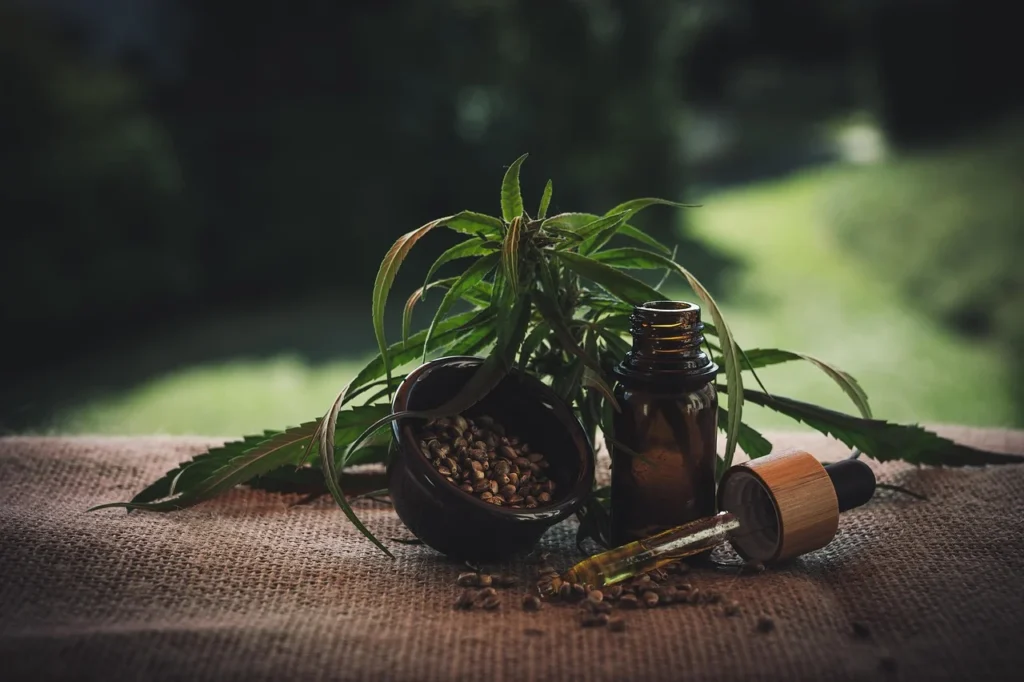
It helps to separate physical reactions to CBD from your body’s reaction to the gummy itself. Many reports of stomach distress and diarrhea after eating too many gummies stem from carrier oils and sugar alcohols. Ingesting dozens of gummy candies introduces a sudden overload of gelatin, pectin, and oils into your tract. This naturally speeds up digestion and triggers loose stools, showing what happens if you take too many CBD gummies.
In extreme situations, heavy overconsumption requires medical intervention to handle what happens if you take too many CBD gummies. A published 2020 medical case report documented a 56-year-old male who ingested 370 mg of CBD gummies at once. He experienced severe lethargy, slurred speech, vomiting, and temporary respiratory acidosis. His condition resolved within 24 hours through supportive hospital care and intravenous hydration. This case highlights that pure CBD does not shut down brainstem breathing centers like opioids or alcohol do. Even so, very high doses still place temporary strain on metabolic and respiratory systems.
Can you dangerously overdose on CBD gummies?
You cannot suffer a fatal respiratory overdose from pure CBD. Cannabidiol does not bind directly to the brainstem receptors that control automatic breathing. However, what happens if you take too many CBD gummies involves real risks like drug interactions and liver strain. Over-the-counter CBD gummies lack standardized regulatory oversight from the U.S. FDA. This means the agency does not guarantee exact label accuracy.

The FDA has only approved Epidiolex, a prescription liquid for seizures from Lennox-Gastaut syndrome, Dravet syndrome, and tuberous sclerosis complex. Because the FDA has not approved over-the-counter gummies as dietary supplements or food additives, unregulated products frequently contain trace amounts of unlabeled THC (tetrahydrocannabinol). If you wonder what happens if you take too many CBD gummies, those accumulated trace amounts of THC can produce unexpected intoxication, anxiety, paranoia, or impairment.
Another serious concern with what happens if you take too many CBD gummies is hepatic enzyme inhibition. Oral CBD alters how your liver metabolizes other standard pharmaceuticals by inhibiting cytochrome P450 enzymes. This mechanism mirrors the well-known ‘grapefruit warning’ found on prescription medications. Taking a large volume of CBD alongside medications like blood thinners, sedatives, or anti-seizure drugs (such as clobazam) can cause those prescription drugs to build up to dangerous levels in your bloodstream. Long-term, repeated excessive consumption of oral CBD also carries established risks of liver injury, known medically as hepatotoxicity.
What to do if you took too many CBD gummies
If you or someone else accidentally ate far more CBD gummies than intended, following a direct step-by-step approach helps reduce discomfort and ensures safety throughout the digestion process.

- Stop consuming any additional CBD products immediately. Put away all gummy containers, tinctures, or edibles to prevent further intake.
- Read the product label carefully to assess your total dose. Calculate the approximate total milligrams of CBD you ingested by multiplying the number of candies eaten by the CBD dose listed per gummy. Check if the product contains full-spectrum hemp extract, delta-9 THC, or pure CBD isolate.
- Drink plenty of water. Hydration helps soothe gastrointestinal irritation, counteracts dry mouth, and aids your kidneys and liver as your body clears the ingredients.
- Rest in a quiet, low-stimulation environment. Lie down on a comfortable bed or couch. Severe drowsiness is common, so allowing your body to sleep is often the fastest way to recover.
- Monitor your symptoms and seek help if needed. If you experience persistent vomiting, extreme confusion, chest pain, or slurred speech, contact a local poison control center or seek urgent emergency medical evaluation.
Why CBD gummy overconsumption happens so easily
The delayed onset rate of oral cannabis products causes people to take too many CBD gummies. When you chew and swallow a gummy, the active ingredients must pass through your stomach and enter the small intestine. They then undergo first-pass metabolism in the liver before entering your bloodstream.

This digestive process typically takes between 30 minutes and 2 hours. A common mistake occurs when a person expects immediate relief. They feel nothing after 40 minutes and eat several more gummies, assuming the first dose failed. Once the entire combined dose digests 90 minutes later, the individual experiences a heavy, overwhelming wave of fatigue and stomach upset. We always advise waiting a full two to three hours after eating an edible before evaluating whether you need any additional dose.
Another factor is taste and presentation. Manufacturers formulate gummy candies to mask the natural bitter, earthy taste of hemp extract using sugars, artificial flavorings, and citric acid. Because they look and taste identical to ordinary store-bought candy, users—especially those unfamiliar with hemp dosing—can easily eat them absentmindedly while watching television or working at a desk.
Symptoms and recommended actions by dose level
The intensity of adverse reactions depends directly on your personal tolerance, body weight, stomach contents, and the total milligram amount ingested. Below is a practical reference table breaking down what happens across different intake levels.

| CBD Dose Level | Expected Physical Symptoms | Recommended Action |
|---|---|---|
| Low to Moderate (10 mg – 50 mg) | Mild relaxation, light drowsiness, calm mood, subtle dry mouth. | No action needed; standard intended therapeutic range for most adults. |
| High (100 mg – 300 mg) | Noticeable fatigue, sleepiness, dry mouth, mild stomach cramps, reduced blood pressure. | Drink water, avoid driving or operating machinery, and rest at home until effects fade. |
| Very High (300 mg – 600+ mg) | Severe lethargy, disorientation, diarrhea, nausea, vomiting, potential lightheadedness. | Stop intake, consume fluids, lie down in a quiet room, and monitor symptoms closely. |
| Accidental Pediatric Intake | Profound sedation, unresponsiveness, ataxia (loss of coordination), respiratory changes. | Seek immediate emergency medical care or call Poison Control straight away. |
It is crucial to highlight that this advice does not apply equally to everyone. People taking daily prescription medications, pregnant or breastfeeding individuals, and people with pre-existing liver disease should exercise extreme caution. If you fall into any of those categories, taking excessive CBD is not merely uncomfortable. It carries specific clinical risks that warrant immediate consultation with a primary care physician.
Frequently asked questions
How long do the side effects of too many CBD gummies last?
Most side effects peak between 2 and 4 hours if you take too many CBD gummies. They fully resolve within 6 to 24 hours. Because your digestive system and liver must process oral CBD, staying hydrated and sleeping helps you pass what happens comfortably.
Can eating too many CBD gummies make you feel high?
Pure CBD isolate will not make you feel high because cannabidiol is non-intoxicating. However, if your gummies use full-spectrum hemp extract or contain mislabeled trace amounts of THC, taking a massive quantity can deliver enough accumulated THC to cause unexpected intoxication and lightheadedness.
Should you throw up if you take too many CBD gummies?
You should not induce vomiting unless specifically instructed to do so by a medical professional or poison control specialist. Inducing vomiting can cause esophageal irritation or fluid aspiration, especially if you are feeling heavily sedated or dizzy. Drinking water and resting in a safe position is generally the safest initial approach.
Cannabinoids Explained
Can You Swallow CBD Oil Directly or Hold It?
You can take CBD oil either by holding it under your tongue or swallowing it directly, but each method changes how quickly and efficiently your body absorbs it.
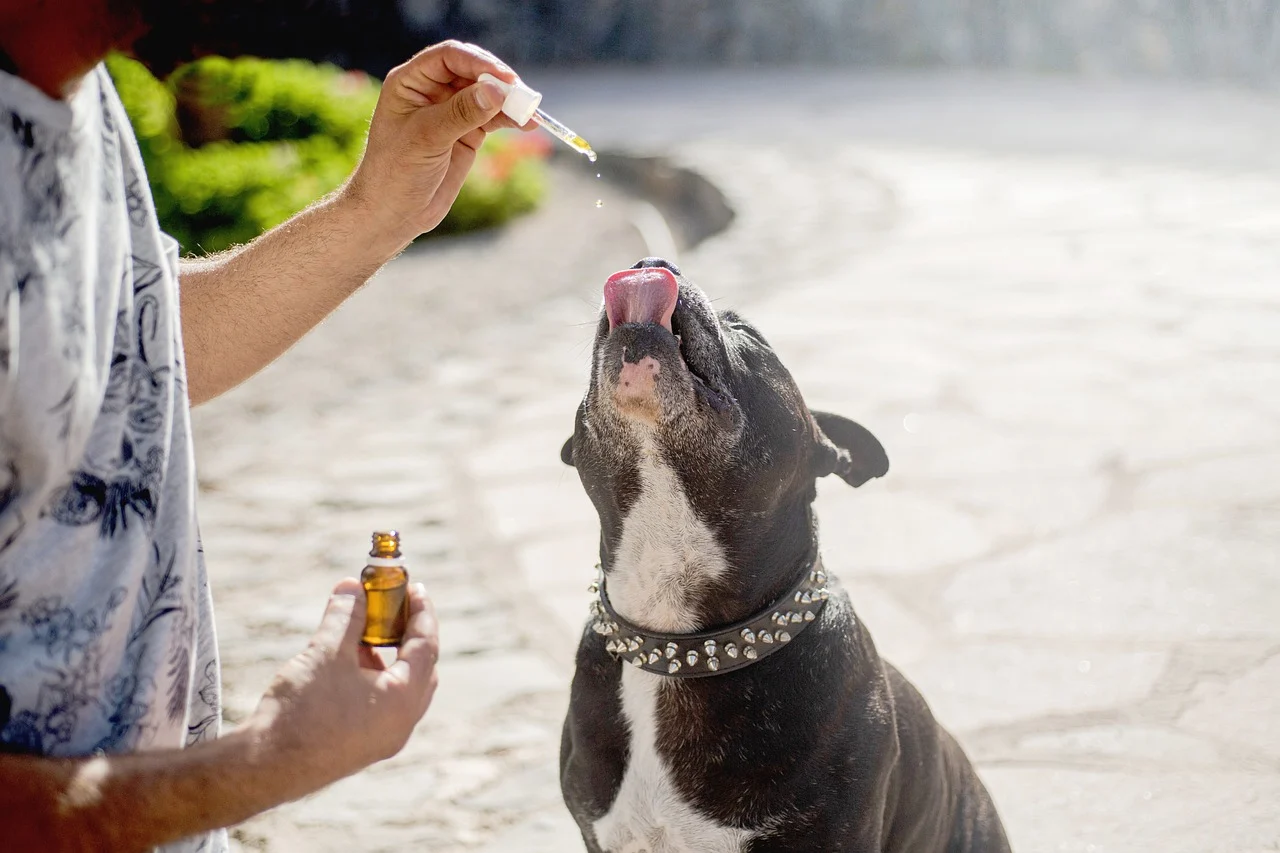
Choosing between these two administration methods depends on your personal preferences, your tolerance for the natural taste of hemp, and how quickly you want to feel the effects. Both methods work, but they follow entirely different biological pathways inside your body. This guide will walk you through the precise physiological mechanics, the differences in absorption efficiency, and how to execute each technique for optimal results.
How holding CBD oil under your tongue works
Holding CBD oil under your tongue allows active phytocannabinoids to enter your bloodstream through direct vascular absorption. The area beneath your tongue contains a thin layer of mucous membrane rich in tiny blood vessels known as capillaries.
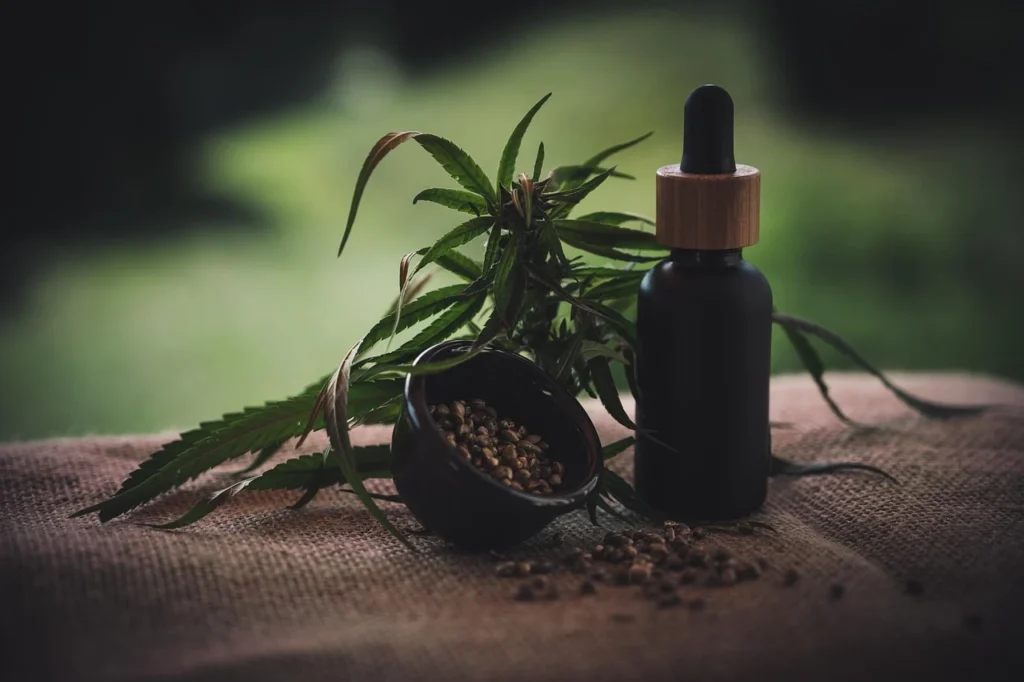
Sublingual administration relies on absorbing cannabinoids directly through thin oral tissues under the tongue.
When liquid CBD sits against this membrane, non-intoxicating active compounds diffuse across tissue walls and straight into your circulatory system. People often wonder if you can swallow CBD oil directly or hold it under your tongue. Because your liver breaks down non-intoxicating compounds before releasing them into circulation, skipping this initial organ filter delivers a higher percentage of intact active cannabinoids to your body.
According to consumer guides, whether you can swallow CBD oil directly or hold it sublingually affects bioavailability, which reaches around 6% to 13%. [ncbi.nlm.nih.gov] Bioavailability refers to the proportion of active compound that reaches systemic circulation unchanged. Sublingual onset is not established as typically occurring within 15 to 45 minutes; in one human study, peak CBD concentration occurred at about 4 hours for both sublingual drops and oral capsules. [pubmed.ncbi.nlm.nih.gov]
To perform sublingual delivery, drop your chosen dose underneath your tongue and keep your mouth still. Avoid swallowing saliva immediately. Historical consumer guidelines previously advised holding drops for 30 to 60 seconds, but updated industry standards recommend maintaining contact for 60 to 90 seconds to maximize capillary permeability. Once that duration passes, swallow whatever liquid remains.
What happens when you swallow CBD oil directly?
Swallowing CBD oil directly routes the cannabinoids through your stomach, small intestine, and liver. Once swallowed, the oil enters your gastrointestinal tract where digestive enzymes begin processing the carrier oil and active phytocannabinoids.
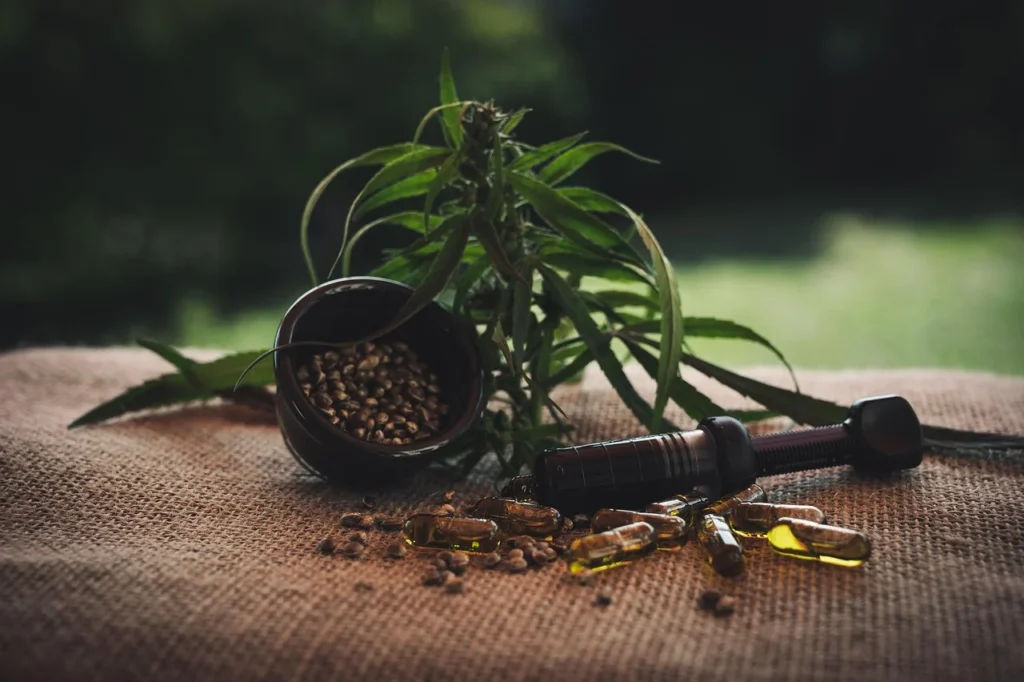
Swallowing CBD oil routes active compounds through digestion and hepatic first-pass metabolism.
After stomach transit, the oil enters the small intestine, where lipids break down for intestinal absorption. You can swallow CBD oil directly or hold it, but active compounds travel to the liver. This process is known as first-pass liver metabolism or hepatic first-pass loss. Liver enzymes break down a substantial portion of cannabinoids into secondary metabolites before the rest reaches circulation.
Because of liver metabolism and gastrointestinal degradation, direct oral ingestion delivers an estimated oral bioavailability of around 10%. Also, onset takes anywhere from 1 to 2 hours because the liquid must navigate stomach emptying and intestinal transit.
Whether you can swallow CBD oil directly or hold it, swallowing offers distinct advantages over sublingual delivery. Digestive delivery produces a steady, extended release of active compounds into your system. While sublingual delivery peaks quickly and tapers off after 2 to 4 hours, swallowed CBD remains active within your body for 6 to 8 hours as digestion unfolds slowly.
How sublingual holding and direct swallowing compare
Sublingual holding delivers active cannabinoids faster and at higher concentrations, whereas direct swallowing offers a slower release that lasts longer throughout the day. Neither method is strictly superior; your choice depends on whether you value rapid onset or extended duration.
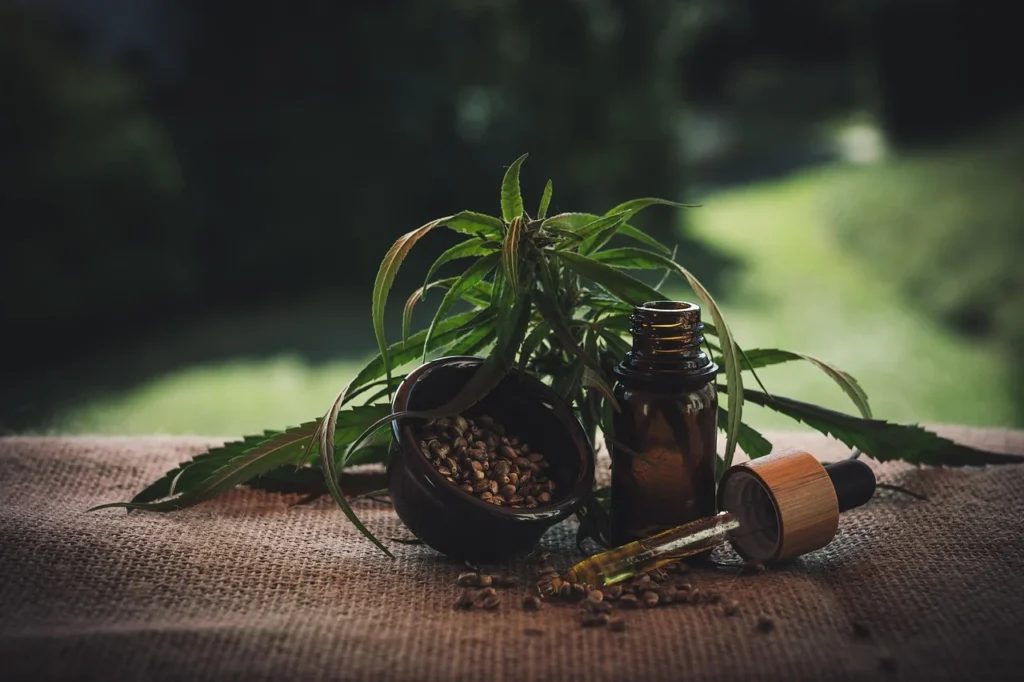
Comparing sublingual holding and direct swallowing reveals clear differences in onset, duration, and bioavailability.
A human clinical study published on PubMed evaluated oral delivery forms and found that total plasma absorption and peak concentration values between swallowed oral capsules and sublingual drops did not show a statistically massive divergence in every subject, highlighting that individual human metabolism plays a substantial role in ultimate uptake.
The core practical differences between sublingual holding and direct swallowing center on speed, uptake percentage, and release duration:
| Feature | Holding Under Tongue (Sublingual) | Swallowing Directly (Oral) |
|---|---|---|
| Estimated Bioavailability | 13% to 20% | Around 10% |
| Onset Time | 15 to 45 minutes | 1 to 2 hours |
| Duration of Effects | 2 to 4 hours | 6 to 8 hours |
| Bypasses First-Pass Metabolism | Yes (partial to major bypass) | No (processed fully by liver) |
| Ease of Use | Requires holding liquid 60-90 seconds | Immediate swallowing or mixing with food |
If you want quick absorption and maximum potency per drop, we recommend holding the liquid under your tongue. If you dislike the earthy flavor of raw hemp extract or want consistent support across a full 8-hour workday, direct swallowing serves your needs better.
How dietary fats alter swallowed CBD absorption
Co-ingesting swallowed CBD oil with high-fat meals dramatically increases oral bioavailability and total plasma absorption. Cannabinoids are lipophilic molecules, meaning they dissolve readily in fats rather than water.

Taking CBD oil alongside healthy dietary fats helps active compounds pass through digestive tissue more efficiently.
When you consume CBD oil—whether you can swallow it directly or hold it—alongside dietary healthy fats (such as avocados, peanut butter, eggs, full-fat yogurt, or coconut oil), your gallbladder releases bile acids to emulsify the lipids. This emulsification creates mixed micelles within your digestive lumen, which transport dissolved phytocannabinoids across the intestinal mucosal barrier far more effectively.
Research on oral cannabinoid formulations shows that consuming CBD alongside fatty foods increases overall absorption up to 4-fold. Whether you hold CBD oil or can you swallow it directly, taking doses after fatty meals boosts bioavailability.
Step-by-step guide to taking CBD oil sublingually
Holding CBD oil under your tongue requires proper technique to ensure maximum contact with your sublingual blood vessels. Following a structured procedure helps avoid swallowing the liquid prematurely.
-
- Measure your exact dose. Squeeze the rubber bulb of your glass dropper to draw your desired volume of oil into the clear pipette, checking the milliliter markings on the side.
- Clear excess saliva from your mouth. Swallow any pooled saliva in your mouth before dispensing drops so that liquid oil rests directly against tissue rather than floating on saliva.
- Lift your tongue to expose sublingual tissue. Tilt your head slightly backward, lift your tongue toward the roof of your mouth, and position the dropper tip directly above the sublingual mucosa without touching the applicator to your mouth.
- Dispense the oil drops beneath your tongue. Express the measured oil drops beneath your tongue, keeping your mouth gently open or closed softly without pressing your tongue down aggressively.
- Hold liquid without swallowing for 60 to 90 seconds. Maintain position for 60 to 90 seconds to permit continuous capillary diffusion. Breathe through your nose during this holding period.
- Swallow the remaining fluid. Swallow the lingering fluid after 90 seconds expire; unabsorbed oil will digest naturally through your gastrointestinal tract.
When executed correctly, can you swallow CBD oil directly or hold it under the tongue as tissue absorbs it? If you swallowed early due to salivation, you will still receive digestive benefit, though onset will take longer.
Common misconceptions about holding versus swallowing CBD oil
Several persistent myths confuse consumers regarding sublingual holding and direct ingestion of hemp extracts. Misunderstanding how your body metabolizes oil leads to unnecessary waste or unrealistic expectations.
The first widespread misconception is whether you can swallow CBD oil directly or hold it under the tongue. This is inaccurate. Swallowing oil routes active compounds into normal human gastrointestinal digestion. Although stomach acids and liver enzymes filter out a higher percentage than sublingual administration, the unabsorbed portion processes steadily, delivering sustained effects over 6 to 8 hours. Swallowing never destroys the entire dose.
The second misconception is that holding CBD oil under your tongue indefinitely increases absorption. Holding oil beyond 90 seconds produces minimal additional uptake because the sublingual capillary bed reaches saturated absorption capacity. Residual oil that remains under your tongue after 90 seconds is intended to be swallowed so digestive pathways can collect the remainder.
The third misconception is that sublingual drops completely eliminate liver processing. Sublingual absorption delivers active compounds directly into the superior vena cava, bypassing initial first-pass liver transit. However, once those compounds circulate through your body, your liver eventually metabolizes them during subsequent circulatory cycles.
Who should hold CBD oil versus swallow it directly?
Choosing your ideal administration route depends on your lifestyle, physical sensitivities, and functional goals. Certain conditions make one method clearly superior to the other.
We recommend sublingual holding for individuals who:
-
-
- Require rapid onset of action within 15 to 45 minutes.
- Want maximum potency per drop without increasing their fluid dose volume.
- Do not mind the distinct, grassy flavor of raw hemp extracts and carrier oils like hemp seed oil or MCT oil.
- Have lower stomach tolerance or experience mild gastric upset when digesting raw oil directly on an empty stomach.
-
Conversely, direct swallowing suits individuals who:
-
-
- Dislike the earthy or bitter taste of unflavored broad-spectrum or full-spectrum hemp formulations.
- Prefer mixing CBD oil directly into food, coffee, tea, or morning smoothies.
- Want slow, sustained systemic release that spans an entire 6 to 8 hour workday or night of sleep.
- Find holding liquid beneath their tongue uncomfortable or difficult due to excessive salivation reflexes.
-
If you are unsure where to start, try sublingual holding for one week. Should you find the taste unpalatable or struggle to hold liquid under your tongue for 60 to 90 seconds, transition to swallowing your oil directly alongside a meal rich in healthy fats.
Frequently asked questions
What happens if you swallow CBD oil right away?
If you swallow CBD oil right away, the liquid travels into your stomach and intestines for standard digestive absorption. Your liver processes the active compounds through first-pass metabolism, yielding around 10% bioavailability with onset occurring in 1 to 2 hours.
How long should you hold CBD oil under your tongue?
You should hold CBD oil under your tongue for 60 to 90 seconds before swallowing. This holding window allows sublingual capillary membranes to absorb active cannabinoids directly into your bloodstream.
Is CBD oil more effective when swallowed or held under the tongue?
Holding CBD oil under your tongue provides plasma levels similar to swallowing in one 2024 crossover trial, with peak concentrations around 4 hours for both routes. [journals.sagepub.com] Swallowing delivers lower initial uptake (~10%) but offers longer-lasting systemic release spanning 6 to 8 hours.
Sources
Cannabinoids Explained
Can CBD Make You Feel Dizzy? Causes and Prevention
Discover why CBD can make you feel dizzy or lightheaded, how drop in blood pressure plays a role, and simple ways to prevent dizzy spells when taking CBD.

While millions of people take cannabidiol daily for stress, sleep, or discomfort without issues, feeling unstable or faint after a dose can be unsettling. Dizziness is one of the most misunderstood side effects of hemp extracts. Understanding why this reaction happens makes it far easier to avoid without giving up on CBD entirely.
Why CBD causes lightheadedness and dizzy spells
The primary reason CBD can make you feel dizzy involves how cannabinoids interact with your cardiovascular system. When CBD enters your bloodstream, it triggers vasodilation—a process where your blood vessels relax and widen. As the vessels expand, resistance decreases, leading to a temporary drop in blood pressure. If your blood pressure drops quickly, less blood reaches your brain. This brief change leaves you feeling unsteady or lightheaded.
This blood pressure response is particularly noticeable when rising quickly from a seated or lying position. Medical professionals call this phenomenon orthostatic hypotension. For most healthy adults, this shift is slight and causes no issues. However, if you already have lower blood pressure, CBD can easily make you feel dizzy.
Another factor is product quality and cannabinoid spectrum.
Can CBD gummies make you feel dizzy?
Yes, CBD gummies can make you feel dizzy just like oils, tinctures, or capsules. In fact, gummies sometimes lead to unexpected dizzy spells because of how your digestive system processes them.
Unlike sublingual oils that absorb directly through mucous membranes within 15 to 30 minutes, gummies pass through your stomach and liver. This digestion process takes anywhere from 45 minutes to two hours. People often assume a gummy is not working when they feel nothing after 30 minutes, leading them to take a second dose. Once both servings digest together in the liver, the total cannabinoid load spikes dramatically. This surge explains how CBD can make you feel dizzy or faint.
If you prefer edibles, we recommend starting with a low strength—such as 5mg or 10mg of CBD per gummy. You should wait at least two full hours before considering an additional serving.
Can CBD make you feel faint?
Feeling faint happens when blood pressure drops sharply or when CBD interacts with drugs; can CBD make you feel dizzy? While passing out from CBD is uncommon, some users report approaching syncope after taking heavy doses on an empty stomach.
When you consume CBD without food, your body may absorb the compound differently, while your blood sugar may already be sitting low. [evopure.co.uk] Low blood sugar combined with CBD-induced vasodilation doubles the physical strain, making you feel weak, clammy, or faint. If you start to feel this way, sitting down immediately and elevating your feet helps restore steady blood flow to your head.
Drug interactions are another critical trigger for feeling faint. CBD can inhibit key enzymes in the liver—specifically the cytochrome P450 system—that process many prescription drugs. [merckmanuals.com] If you take blood pressure medications (such as beta-blockers or ACE inhibitors) alongside CBD, the hemp extract may add to blood-pressure-lowering effects; a clinically established increase in these drugs' concentrations is not shown. [pmc.ncbi.nlm.nih.gov] This compounding effect causes blood pressure to plunge lower than intended.
Who is most susceptible to dizziness from CBD?
Not everyone experiences side effects from cannabinoids in the same way. Specific physical traits and medical circumstances make certain people much more likely to experience lightheadedness when using CBD products:

- People with naturally low blood pressure: If your baseline reading sits low, any extra vasodilation will cause noticeable symptoms.
- Individuals taking cardiac or blood pressure drugs: CBD amplifies the effect of antihypertensive medications.
- Beginners who start with high doses: Taking 50mg or more on your first try significantly increases the chance of adverse reactions.
- THC-sensitive individuals: Full-spectrum products contain trace THC, which can provoke dizziness in sensitive systems.
- Dehydrated individuals: Dehydration reduces total blood volume, making blood pressure drops far more severe.
If you fit into any of these groups, we advise taking extra precautions with your dosage. You should speak with a medical professional before starting hemp extracts.
How to stop CBD dizziness when it happens
If a dose of CBD leaves you feeling lightheaded, you do not need to panic. The effect is temporary and generally fades as your body metabolizes the compound. Here are practical steps to restore balance immediately:

- Sit or lie down right away: Prevent falls and help blood flow return to your brain. Lower your head relative to your heart.
- Drink a glass of water: Dehydration lowers blood pressure further; hydrating quickly boosts blood volume.
- Eat a small snack: A small piece of fruit, a spoonful of honey, or some crackers will boost your blood sugar level and stabilize your system.
- Consume a small amount of caffeine: A few sips of tea or coffee can temporarily constrict blood vessels. This raises blood pressure slightly, counteracting the Vasodilation from CBD.
- Rest quietly: Close your eyes and breathe deeply through your nose until the sensation clears. Recovery usually takes between 20 and 60 minutes.
How to prevent dizziness when taking CBD in the future
You do not necessarily have to stop using CBD if you experience lightheadedness once or twice. Adjusting how and when you consume hemp extracts usually solves the issue entirely.

| Prevention Strategy | How It Helps | Best For |
|---|---|---|
| Lower the Dose | Reduces total vasodilation force on blood vessels | Beginners and sensitive users |
| Take with Meals | Slowing absorption prevents sudden spikes in blood levels | Gummies and oral capsules |
| Switch to Broad-Spectrum or Isolate | Removes trace THC that might trigger lightheadedness | Users sensitive to THC |
| Hydrate Beforehand | Maintains healthy blood volume and baseline pressure | Daily CBD consumers |
We always suggest starting with a micro-dose—such as 5mg to 10mg daily—and maintaining that dose for several days before making any increase. If you want to understand more about how different extraction types impact your body, read our guide to Green Dragon CBD products to choose between full-spectrum, broad-spectrum, and pure isolate.
Sources: Cannabidiol (CBD): What we know and what we don’t
Frequently asked questions
Can CBD make you feel light headed?
Yes, CBD can make you feel lightheaded due to its ability to temporarily lower blood pressure by expanding blood vessels. This effect is most common when taking higher doses or consuming CBD on an empty stomach.
Can CBD make you feel faint?
CBD can make you feel faint if it causes a sharp drop in blood pressure. This is likely if you already have hypotension or take blood pressure medications. Sitting down, hydrating, and eating a quick snack usually restores balance.
Can CBD gummies make you feel dizzy?
Yes, CBD gummies can cause dizziness if you take a high dose. This also happens if you re-dose too quickly before the first serving has digested. Wait at least two hours after eating a gummy to gauge its full effects.
Does CBD cause dizzy spells after long-term use?
CBD does not typically cause sudden dizzy spells after months of safe use unless your health status, dosage, or prescription medications have changed. If dizziness suddenly begins out of nowhere, evaluate your daily hydration, meal habits, or medication changes.

Can You Take CBD Gummies on an Empty Stomach?

How Long Does a 1000mg CBD Vape Last?

What Happens If You Take Too Many CBD Gummies? Symptoms and Steps

AmeriCanna Rx: Your Guide to Portland’s Premier Cannabis Dispensary

Tropic Thunder Strain: An Uplifting Hybrid Experience

Collective Efforts Sacramento CA: Menu, Pricing and Delivery
-
 Product Guides4 months ago
AmeriCanna Rx: Your Guide to Portland’s Premier Cannabis Dispensary
-
 Cannabis 1014 months ago
Tropic Thunder Strain: An Uplifting Hybrid Experience
-
 Culture & Lifestyle4 months ago
Collective Efforts Sacramento CA: Menu, Pricing and Delivery
-
 Industry News4 months ago
Your Guide to Silver State Relief: Maximizing Value
-

 Cannabis 1014 months ago
Haze Purple: Unveiling a Cannabis Cultivar’s Unique Appeal
-
 Cannabis 1014 months ago
Purple Runtz Strain: Unpacking Its Potency and Sweet Appeal
-

 Cannabis 1014 months ago
Medicann Clinics: Challenging the Conventional Patient Journey
-
 Product Guides4 months ago
Identifying Top Shelf Cannabis: A Connoisseur’s Guide