
Product Guides
Best Time of Day to Take CBD Oil for Anxiety
The best time of day to take CBD oil for anxiety depends on when your stress peaks. Learn how to time sublingual doses, split daily amounts, and manage daily symptoms.


CBD, or cannabidiol, is a non-psychoactive natural chemical compound extracted from the hemp plant. It interacts with the body’s endocannabinoid system to help regulate mood and stress responses. Because everyone processes hemp extracts differently, finding your ideal schedule requires matching the compound’s absorption speed to your specific routine.
What is the best time of day to take CBD oil for anxiety?
The best time of day to take CBD oil for anxiety depends on whether symptoms surface during morning routines, workday pressure, or evening restlessness. Taking sublingual CBD oil 30 to 60 minutes before a stressful event targets specific moments. Morning and afternoon split doses provide consistent daily support.

Morning is the best time of day to take your dose for immediate workday tension and dread. Placing tincture drops under your tongue allows CBD to enter your bloodstream rapidly without heavy digestive processing. We recommend starting your morning routine so the compound peaks right as your daily activities begin.
However, if your stress builds gradually throughout the afternoon, morning timing might wear off right when you need relief most. According to educational resource Medical News Today, health sources disagree on a time of day to take CBD oil. Instead, research aggregators like HealthMatch note that matching your dose to personal symptom patterns yields far better results than adhering to a rigid clock time.
Comparing Morning, Afternoon, and Evening Schedules
To help you decide which window matches your daily routine, consider how different timing strategies interact with your body and schedule throughout the day.
| Timing Window | Best Suited For | Expected Onset | Typical Duration |
|---|---|---|---|
| Morning (7:00 AM – 9:00 AM) | Morning nervousness, anticipatory work stress | 30 to 60 minutes | 4 to 6 hours |
| Mid-Afternoon (1:00 PM – 3:00 PM) | Post-lunch stress spikes, afternoon burnout | 30 to 60 minutes | 4 to 6 hours |
| Evening (8:00 PM – 10:00 PM) | Nighttime rumination, racing thoughts before bed | 30 to 60 minutes | 4 to 6 hours |
| Split Dosing (Morning & Afternoon) | All-day generalized tension and fluctuating stress | 30 to 60 minutes after each drop | 8 to 12 hours total coverage |
Selecting the right schedule comes down to monitoring when your nervous system feels most overstimulated. If your mind races at 2:00 PM during demanding meetings, an early morning dose alone will likely leave a gap in support when your stress reaches its peak.
Should you take CBD oil in the morning or at night for anxiety?
You should take CBD oil in the morning if anxiety interferes with your focus and daily tasks. Take it at night if intrusive thoughts prevent your mind from settling down before sleep. Morning intake helps cushion daytime stressors, while evening intake targets late-day tension.

Taking CBD oil in the morning helps cushion your nervous system against commuting stress, crowded workspaces, and tight deadlines. Because CBD oil does not produce an intoxicating high or impair motor control like THC (tetrahydrocannabinol), daytime use generally does not interfere with clear thinking. Many individuals find that taking their dose alongside breakfast provides a smooth transition into high-demand work environments.
Conversely, the evening time of day to take CBD oil benefits those who experience late-day anxiety or mental rumination. When you carry the weight of daily responsibilities into the evening, your body stays in a heightened state of alertness. Taking your oil an hour after dinner gives your body time to absorb the compound before you attempt to unwind.
It is important to understand a common misconception regarding evening use. Knowing the best time of day to take CBD for evening use is not a scientifically proven sleep aid. Single-dose clinical trials in healthy adults showed no clear change in sleep-wake cycles compared to a placebo. Easing anxiety can make getting to sleep easier. However, CBD oil directly regulates stress responses rather than knocking you out like a traditional sedative product. For broader insight on sleep mechanisms, see Verywell Health’s analysis on brain health support.
How fast does sublingual CBD oil work compared to edibles?
Sublingual CBD oil placed under the tongue reaches peak concentration in approximately 1 hour and lasts about 4 to 6 hours. Swallowed edibles require 45 minutes to 2 hours to absorb through digestion and last roughly 6 to 8 hours.

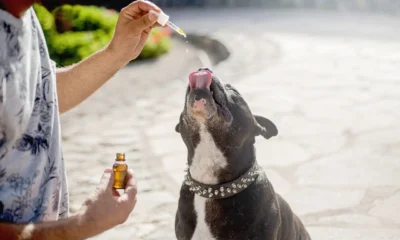
When you take CBD oil sublingually, you hold the liquid beneath your tongue for 60 to 90 seconds before swallowing. This method allows the active cannabinoids to diffuse directly through the mucous membranes into the capillary network under the tongue. Bypassing the liver’s first-pass metabolism allows your body to absorb a higher proportion of the active compound much faster.
If you choose to swallow CBD oil directly or consume CBD gummies, your digestive tract must break down the carrier oil before your liver processes the cannabinoids. This digestive step slows down the initial effect significantly. Edibles offer extended relief over 6 to 8 hours. Their delayed onset makes them less ideal when sudden anxiety requires timely support.
Why oil timing differs from standard oral products
Understanding these biological pathways helps you plan exact dose timing:
- Sublingual tincture drops: Hold under the tongue for 60 seconds. Onset occurs within 15 to 30 minutes, peaking around 60 minutes. Use this method when you need quick adjustments before scheduled stress triggers.
- Swallowed oil or softgels: Swallowing immediately sends cannabinoids into the stomach. Onset takes 45 to 120 minutes. Use this method if you want gradual release throughout a long work shift.
- CBD with high-fat meals: Consuming your CBD oil alongside healthy fats like avocado, eggs, or coconut oil increases overall systemic absorption, though it slightly delays initial onset.
How to structure your daily CBD oil schedule for constant stress
To structure a daily CBD oil schedule for constant stress, split your total target daily amount into two equal doses. Take them roughly eight hours apart. Split-dosing strategies maintain consistent cannabinoid levels throughout your waking hours without causing mid-day crashes.

If you deal with continuous baseline anxiety rather than sudden spikes, taking a single dose in the morning might leave you feeling unassisted by late afternoon. Establishing a consistent daily routine prevents cannabinoid levels from dropping completely before your day finishes.
Here is a step-by-step process we recommend for setting up an effective split-dosing routine:
- Establish your benchmark starting dose: Start with a modest daily amount. Manufacturer specifications, such as those from NuLeaf Naturals, list benchmark starting doses of 10 drops (30 mg) per day. Notes state actual required amounts vary by individual metabolism.
- Divide your daily total into two equal portions: If your target starting amount is 30 mg per day, prepare to take 15 mg (5 drops) in the morning and 15 mg (5 drops) in the late afternoon.
- Take your first dose with breakfast: Administer your sublingual drops approximately 30 minutes after waking up. Ideally, do this after eating a small meal containing healthy fats to aid absorption. Hold the oil for 60 seconds before swallowing.
- Administer your second dose mid-afternoon: Take your second 15 mg dose around 2:00 PM or 3:00 PM, before your evening travel or peak late-day workload. You should notice steady baseline tension management without feeling overly fatigued.
- Track your response for seven days: Keep a simple written log noting the time you took your oil, when you felt relief, and whether your anxiety returned before your next scheduled dose. Adjust timing by an hour in either direction based on your log entries.
Who should avoid taking CBD oil or exercise caution?
People taking prescription blood thinners, anti-seizure medications, or liver-metabolized drugs should exercise caution or avoid CBD oil due to potential drug interactions. Individuals who experience severe drowsiness or stomach upset should reduce their dose or adjust their timing.
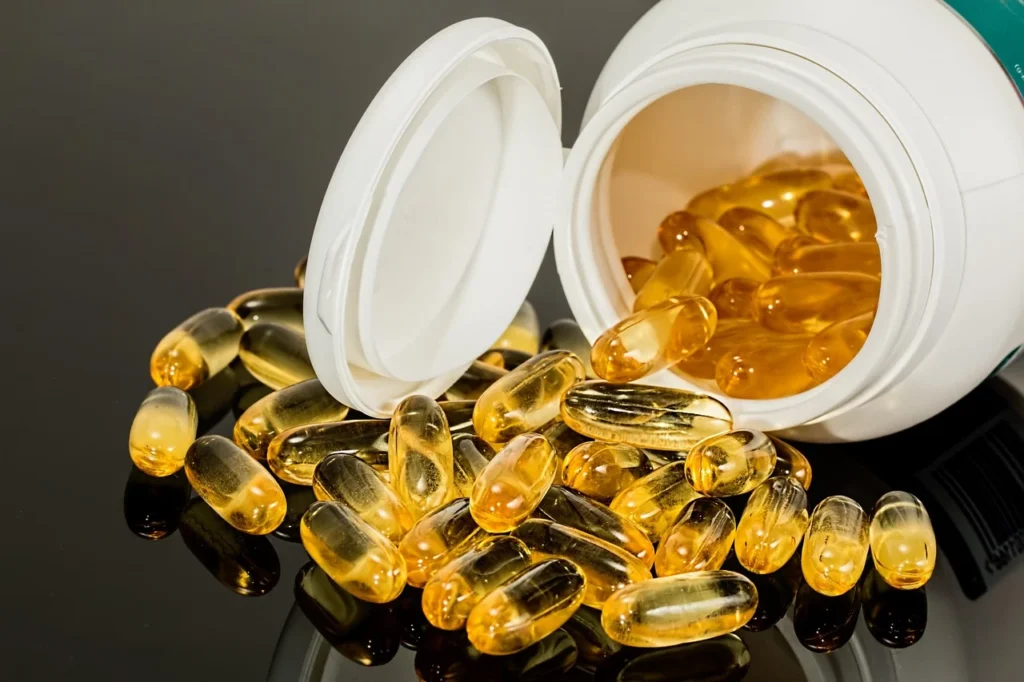
Although CBD oil is generally well tolerated, official safety notices from the Food and Drug Administration (FDA) remind consumers that non-prescription CBD products are not FDA-evaluated or approved to diagnose, treat, prevent, or cure anxiety or any other medical condition. The FDA notes that CBD can cause side effects including drowsiness, altered alertness, and gastrointestinal upset.
Because CBD oil can cause sedation at higher amounts or when combined with fatigue, you must gauge your personal physical response before driving, operating power tools, or performing complex machinery tasks. If morning doses make you feel lethargic or mentally foggy during work, shift your time of day to take your dose to the late afternoon or evening.
Additionally, scientific research through September 2026 confirms over-the-counter CBD lacks a proven time of day to take for populations. Metabolism, liver enzymes, and stress profiles vary widely; personal trial periods remain the safest approach to determine your ideal window.
If you take prescription medications, always consult a qualified healthcare professional before adding hemp extracts to your routine. Cannabidiol inhibits certain cytochrome P450 enzymes in the liver, which can alter how your body metabolizes common pharmaceuticals.
Finding your personal timing baseline
Finding the best time of day to take CBD oil for anxiety ultimately comes down to tracking how your body reacts over a full week of consistent use. You may choose a morning routine for daily work pressures, an evening schedule before sleep, or a twice-daily split strategy. Consistency yields the most reliable outcomes.

We advise starting low with your chosen dose and holding sublingual drops under your tongue for a full minute. Observe how long the soothing effects last in your system. Adjusting your timing by an hour or two based on actual stress triggers will help you establish a sustainable routine tailored to your personal health goals.
Frequently asked questions
Should I take CBD oil for anxiety on an empty stomach?
Taking CBD oil with food, especially meals containing healthy fats like yogurt or avocado, enhances systemic absorption in your body. While taking oil on an empty stomach delivers slightly faster results, it can cause mild stomach upset in sensitive individuals.
How long does it take for CBD oil to work for anxiety?
Sublingual CBD oil placed beneath the tongue typically takes 15 to 30 minutes to begin working, reaching peak blood concentration within 1 hour. Swallowed capsules or edibles take between 45 minutes and 2 hours to deliver noticeable effects.
Can taking CBD oil in the morning make you sleepy during the day?
CBD oil can cause drowsiness or altered alertness in some individuals, particularly at high doses. If taking your oil in the morning makes you feel sluggish at work, lower your dosage or shift your intake to late afternoon or evening.






Product Guides
How Long Does a 1000mg CBD Vape Last?
A 1000mg CBD vape generally yields 100 to over 300 puffs, lasting from several days to two weeks depending on your daily usage and draw length.
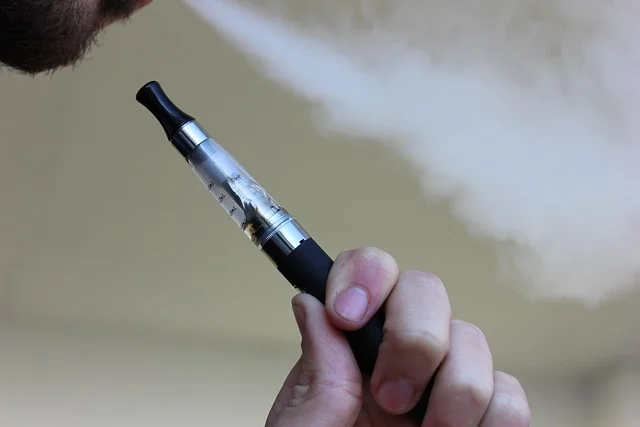
Understanding how long a 1000mg CBD vape lasts involves looking at two distinct timelines: how quickly you consume the liquid volume through physical inhalation, and how long the felt effects of cannabidiol remain active in your body after a session. Knowing these details helps you manage your supply, budget effectively, and maintain consistent daily routines.
How many puffs can you expect from a 1000mg CBD vape?
Users often ask how long a 1000mg CBD vape does last, as a standard cartridge delivers 100 to 300+ puffs. Most commercial 1000mg products contain 1 mL or 2 mL of extract liquid, dictating total physical vapor production.
The total puff count depends primarily on the duration of each draw and the power output of your battery device. A short, one-second puff vaporizes far less liquid than a sustained three-to-five-second draw. High-voltage settings on variable batteries also burn through liquid faster by heating the ceramic element to higher temperatures.
To estimate your individual daily usage schedule, consider these typical consumption patterns:
- Light user (3 to 5 short puffs per day): A 1000mg vape typically lasts 20 to 30 days.
- Moderate user (10 to 15 short-to-medium puffs per day): A 1000mg vape typically lasts 7 to 14 days.
- Heavy user (20 to 30+ long puffs per day): A 1000mg vape typically lasts 3 to 6 days.
Comparing 1000mg CBD vape lifespans by volume and draw length
Because hardware design and extract formulation vary across brands, physical volume directly influences total device longevity. The table below outlines standard lifespan metrics based on standard extract volumes and user habit profiles.

| Extract Volume | Average Puff Count | Daily Frequency | Estimated Lifespan |
|---|---|---|---|
| 1 mL (1000mg extract) | 100–150 long draws | 10 draws / day | 10–15 days |
| 1 mL (1000mg extract) | 200–250 short draws | 5 draws / day | 40–50 days |
| 2 mL (1000mg diluted extract) | 250–350+ medium draws | 15 draws / day | 16–23 days |
We recommend checking whether your 1000mg label refers to total extract concentration inside a 1 mL tank or a diluted formula spread across 2 mL. How long a 1000mg CBD vape does last often depends on whether that milligram count is in a dense 1 mL tank or spread into 2 mL of carrier juice.
How long do the felt effects of a CBD vape last?

The felt effects of vaped CBD typically last between 2 and 6 hours depending on individual metabolism, body mass, and total inhaled dosage. Inhalation offers fast systemic absorption because cannabidiol enters bloodstream circulation rapidly through lungs without passing through digestive breakdown.
While peak noticeable sensations usually plateau within the first 30 to 60 minutes, the chemical presence of cannabidiol lingers far longer inside your metabolic system. According to empirical data compiled by industry researchers, active CBD remains detectable within the body for 2 to 4 days in occasional users, 1 to 2 weeks in regular daily users, and up to 30 days in heavy, high-dose users due to accumulation in lipid stores.
It is also essential to consider drug testing risks. Routine occupational drug screens do not target CBD directly. However, using full-spectrum CBD vapes containing up to 0.3 percent THC can trigger positive test results. This risk increases over extended periods of consistent use.
Worked example: Calculating your cost and daily dosage
To determine your exact daily consumption rate, you can calculate your expected cartridge lifespan using simple arithmetic. If you wonder how long a 1000mg CBD vape does last, consider a standard $25.00 USD 1 mL cartridge.

- Determine puff capacity: Assume an average output of 200 total two-second puffs for the entire 1 mL volume.
- Calculate dose per puff: Divide total milligrams by total puffs (1000mg / 200 puffs = 5mg of CBD per puff).
- Next, calculate daily consumption: If you take 8 puffs daily, multiply your daily puff count by dose per puff (8 puffs × 5mg = 40mg daily intake).
- Calculate overall longevity: Divide total cartridge puffs by daily puffs (200 puffs / 8 puffs per day = 25 days of total use).
- Also, calculate daily cost: Divide initial retail price by total usage days ($25.00 / 25 days = $1.00 per day).
This step-by-step breakdown allows you to budget your daily routine accurately while tracking your daily active intake of cannabinoids.
Why CBD vape oil crystallizes and how to fix it
High-concentration CBD extract crystallization at room temperature is a natural physical reaction of uncut CBD rather than product failure. It occurs when pure cannabidiol separates from liquid carrier terpenes. Products featuring dense, full-spectrum concentrations frequently form cloudiness or solid sugary structures inside the glass chamber over time.
Many users mistakenly assume a crystallized vape cartridge is spoiled or defective. You can easily restore crystallized extract back to liquid form without damaging the hardware:
- Place the sealed cartridge inside a watertight, zip-top plastic bag.
- Submerge the bagged cartridge into a bowl of warm (not boiling) water for 5 to 10 minutes.
- Alternatively, warm the exterior glass chamber gently using a low-setting hair dryer held 6 inches away.
- Once warm, roll the cartridge upright between your palms until the solid crystals melt back into clear liquid.
Avoid placing your CBD vape inside a refrigerator. Storing CBD vape juice in a cold environment does not prolong usability and actually accelerates aggressive crystallization.
What causes a 1000mg CBD vape to run out faster than expected?

Several hardware factors and user habits affect how long a 1000mg CBD vape does last in practice. Identifying these issues prevents premature liquid burn and extends hardware health.
- Excessive Battery Voltage: Running variable-voltage 510-thread batteries above 3.7 volts vaporizes liquid at an accelerated rate. This also risks burning ceramic heating wicks. Keep settings low (between 2.4V and 3.2V).
- Chain Vaping: Taking consecutive long draws without allowing 30 seconds for the ceramic coil to re-saturate causes premature wick scorching. It also leads to wasteful liquid evaporation.
- Sub-Ohm Hardware: High-wattage tank systems consume several milligrams of dense CBD vape liquid per second. This is much faster than standard slim vape pens.
- Improper Oral Consumption: CBD vape liquid is formulated specifically for thermal atomization. Although it uses food-grade ingredients, it should never be consumed orally or sublingually like an oil tincture. See Can Cats Have Dog CBD Oil? Safe Usage and Key Risks for proper tincture usage.
Storage tips to protect shelf life and potency
The standard shelf life for CBD vape liquid is 12 to 24 months when stored correctly. Keep it away from direct sunlight, oxygen exposure, and excessive heat. Over extended timeframes, light and oxygen break down active cannabinoids into secondary compounds like CBN, reducing overall effectiveness.
According to updated industry shelf-life guidance, degraded CBD vape oil past its expiration date loses potency and alters flavor. However, it is not inherently toxic or harmful to inhale. Proper storage ensures peak strength and flavor quality throughout its entire lifespan.
To protect your device, store cartridges upright to prevent leakage. Keep hardware stored at stable room temperature (around 68°F to 72°F). Store translucent glass tanks out of direct sunlight inside a drawer or storage box.
Who should avoid high-potency 1000mg CBD vapes?
High-concentration 1000mg CBD vapes deliver solid active cannabinoid doses quickly, making them less suitable for certain individuals. Beginners who have never tried cannabinoids should avoid starting with dense inhaled concentrates. A high initial dose can lead to mild side effects like drowsiness, dry mouth, or lightheadedness. For beginner dosing guidance, see How Many mg of CBD Should a Beginner Start With?.

Additionally, individuals subject to strict workplace drug screening protocols should exercise caution with full-spectrum 1000mg vapes. These products must contain no more than 0.3 percent total THC, and from December 11, 2026 no more than 0.4 mg total THC per container, to remain federal hemp. [vicentellp.com] Even so, cumulative daily use can cause trace THC metabolites to trigger standard drug screening assays.
Frequently asked questions
How long does a 1000mg CBD vape last?
A 1000mg CBD vape cartridge typically yields between 100 and 300+ puffs. It lasts anywhere from 3 days to a month depending on draw length, battery power, and your daily usage frequency.
Can a 1000mg CBD vape expire or go bad?
CBD vape liquid maintains peak quality for 12 to 24 months when kept away from heat and light. Expired liquid may lose potency or turn dark brown, but degraded CBD oil is not inherently toxic.
Why is my 1000mg CBD vape liquid turning cloudy or hard?
High concentrations of pure CBD naturally crystallize at room temperature. This physical process does not mean the product is defective. You can re-liquefy the extract by warming the cartridge in a sealed plastic bag under warm water.
Product Guides
How Long Does It Take for CBD Gummies to Kick In?
CBD gummies usually take 30 to 90 minutes to start working. Discover how stomach contents, dosage, and gummy types alter onset time.
Unlike tinctures placed directly under your tongue, oral gummies must navigate your digestive tract before entering your bloodstream. Your liver metabolizes a significant portion of the cannabinoids first. This creates a delayed onset compared to inhalation or sublingual oil drops. Consuming a gummy immediately after a heavy meal slows digestion even further. Eating one alongside healthy dietary fats speeds up compound absorption.
How your body processes edible cannabinoids
When you swallow a CBD gummy, your body processes the cannabinoids through a distinct multi-stage metabolic pathway known as first-pass metabolism:
-
- Mouth and esophagus: Chewing breaks down the physical pectin or gelatin structure. Small amounts of CBD absorb through the oral mucosa lining your mouth if you chew thoroughly before swallowing.
- Stomach digestion: Gastric acids break down the remaining candy mass. Fatty acids in your stomach help dissolve the hydrophobic CBD molecules so your digestive tract can prepare them for assimilation.
- Intestinal absorption: The dissolved cannabinoids pass into your small intestine. Specialized cells absorb lipid compounds and transport them directly into the hepatic portal system.
- Liver first-pass metabolism: Your liver filters the absorbed compounds. Hepatic enzymes break down up to 80% to 90% of the ingested CBD before releasing the remaining active molecules into your circulatory system.
- Systemic distribution: The remaining CBD circulates through your bloodstream. It interacts with CB1 and CB2 receptors in your endocannabinoid system, central nervous system, and immune tissue.
Dietary lipids play a vital role during intestinal absorption. Eating healthy fats like avocado, peanut butter, or full-fat yogurt alongside your gummy stimulates bile production. Bile emulsifies the fat-soluble CBD. This creates micellar structures that cross your intestinal wall much faster than CBD swallowed without dietary fat.
How long does it take for CBD gummies to fully kick in?
While subtle physical or mental relaxation begins around 30 to 45 minutes, CBD gummies take 2 to 3 hours to fully kick in. This timeframe marks the peak concentration of active cannabinoids in your blood plasma.
A common mistake occurs when users expect immediate results, feel nothing at the 45-minute mark, and swallow a second gummy. Because digestion requires steady processing time, both doses will hit peak concentration simultaneously at the 3-hour mark, leading to uncomfortably heavy drowsiness or mild gastrointestinal upset. Always wait at least two to three full hours before evaluating your initial dose.

Worked example: Metabolic timeline of a single dose
Consider a practical scenario where you consume one 25 mg CBD gummy at 6:00 PM on a light stomach:
| Time Elapsed | Metabolic Stage | What You Feel |
|---|---|---|
| 6:00 PM (0 min) | Ingestion and chewing | No physiological effect. |
| 6:35 PM (35 min) | Stomach breakdown to small intestine | First subtle signs of physical ease or mild calm. |
| 7:30 PM (90 min) | Hepatic clearance to bloodstream | Noticeable relief, muscle relaxation, and stress reduction. |
| 8:30 PM (2.5 hrs) | Peak blood plasma concentration | Full therapeutic impact; maximum effects take hold. |
| 10:00 PM (4 hrs) | Sustained circulating levels | Steady ongoing calm and physical balance. |
| 12:00 AM (6 hrs) | Metabolic clearance by liver | Effects gradually fade as kidney/liver eliminate metabolites. |
How long does it take for CBD sleep gummies to kick in?
CBD sleep gummies usually kick in within 30 to 60 minutes after swallowing. Sleep formulations work faster than basic CBD gummies because manufacturers typically blend CBD with rapid-acting sleep ingredients such as melatonin, L-thiamine, 5-HTP, or minor cannabinoids like cannabinol (CBN).
To maximize sleep quality, take your sleep gummies 45 to 60 minutes before bedtime. This window allows your body to digest active ingredients. Consequently, the initial calming serge aligns directly with your intended sleep schedule.
Step-by-step sleep gummy routine
- Eat a light evening snack: Consume a small spoonful of peanut butter or a handful of almonds at 9:00 PM to supply dietary fats.
- Take your sleep gummy: Swallow your serving at 9:15 PM with water.
- Dim screen lighting: Turn off bright electronics to allow natural melatonin synthesis.
- Get into bed: Lie down at 10:00 PM as the peak effects of the CBD and added sleep aids combine to induce natural drowsiness.
If you take a sleep gummy immediately after a heavy 8:30 PM dinner, stomach digestion slows drastically. The delayed absorption can shift the peak onset to midnight or 1:00 AM, making waking up early the next morning difficult due to residual morning grogginess.
How long does it take for CBD THC gummies to kick in?
Combination CBD THC gummies take approximately 45 to 90 minutes to kick in. Both cannabinoids process through your digestive system at the exact same rate, but you will often notice the psychological effects of Delta-9 THC slightly before you perceive the subtle grounding physical balance of CBD.

When your liver metabolizes THC, it converts Delta-9 THC into 11-hydroxy-THC. This affects how long it takes for CBD gummies to kick in and produces stronger physical and mental effects. CBD dampens some intensity by partially blocking CB1 receptors, creating a balanced entourage effect.
Full-spectrum gummies contain trace amounts of THC (under 0.3% by dry weight). Because of this, they exhibit slightly faster systemic binding than pure CBD isolate gummies. Expect peak effects between 2 and 4 hours after consumption.
How long does it take for Wyld CBD gummies to kick in?
Wyld CBD gummies typically kick in within 30 to 60 minutes. Wyld uses tapioca syrup and fruit pectin rather than animal-derived gelatin to form their gummies.
Pectin-based edibles dissolve faster in gastric acid than gelatin-based candies. They control how long it takes for CBD gummies to kick in after ingestion. Wyld incorporates real fruit juice concentrates, and its published ingredient lists show no added botanical terpenes. [wyldhemp.com] Wyld's published ingredient lists for its lemon and elderberry gummies name neither limonene nor linalool, so no absorption benefit from these terpenes can be attributed to the product. [wyldhemp.com]

How long does it take for CBD gummies to kick in for dogs?
CBD treats, chews, or gummies formulated specifically for dogs generally kick in within 45 to 90 minutes. While canine digestive systems process simple starches faster than human stomachs, dense solid treats still require considerable digestive processing time.
Canine metabolic rate varies significantly by breed size, age, and activity level:
- Small breeds (under 20 lbs): Process chews rapidly; initial onset often occurs within 30 to 45 minutes.
- Medium to large breeds (20 to 75 lbs): Digest chews within 45 to 60 minutes.
- Giant breeds (over 75 lbs): Require 60 to 90 minutes for full intestinal transit and systemic distribution.
Safety Warning: Never give human CBD gummies to dogs. Pet owners often ask how long it takes for human CBD gummies to kick in, but these products frequently contain xylitol (an artificial sweetener highly toxic and lethal to dogs), high sugar levels, or elevated doses of THC. Always purchase veterinary-formulated dog chews and consult your veterinarian before introducing cannabinoids to your pet.
Onset comparison: Gummies vs. other CBD delivery methods
How quickly you feel CBD depends heavily on your choice of intake method. Comparing edible gummies to alternative delivery formats highlights the metabolic trade-offs between speed and duration:

| Delivery Method | Onset Time | Peak Effects | Duration | Bioavailability |
|---|---|---|---|---|
| CBD Gummies | 30–90 mins | 2–4 hours | 4–8 hours | 6%–20% |
| Sublingual Tinctures | 15–45 mins | 1–2 hours | 4–6 hours | 13%–35% |
| VapeIncapablesbles | 1–5 mins | 30 mins | 1–3 hours | 31%–56% |
| Topical Creams | 15–30 mins | 1 hour | 2–4 hours | Localized only |
Gummies offer lower bioavailability than vapes or tinctures. Users often ask how long does it take for CBD gummies to kick in naturally. Your digestive system slowly releases cannabinoids over several hours, providing long relief.
Factors that speed up or delay CBD gummy absorption
Six core physiological and environmental variables dictate how fast your body processes an edible serving:

- Stomach contents: Taking a gummy on an empty stomach yields faster onset (30–45 minutes). Taking it alongside healthy fats improves overall absorption rate and total circulating CBD.
- Fat content of companion foods: Triglycerides in foods like olive oil, salmon, eggs, or nuts stimulate bile salts, increasing lipophilic compound absorption.
- Metabolic speed: Individuals with higher resting metabolic rates clear digestive contents quickly, speeding up cannabinoid delivery.
- Body composition: Cannabinoid compounds store readily in lipophilic adipose tissue. Body fat mass influences how efficiently CBD distributes across your tissue network.
- Chewing duration: Holding masticated gummy material under your tongue for 60 seconds before swallowing allows sublingual tissue to absorb active compounds directly into your bloodstream.
- Individual tolerance: Consistent daily usage builds receptor familiarity. Regular consumers may feel subtle effects faster or recognize subtle systemic shifts earlier than novice users.
Common problems and how to fix delayed onset
If your CBD gummy takes longer than expected to produce noticeable results, review these common problems and actionable solutions:
Problem 1: “I felt nothing after 60 minutes.”
Cause: Dense stomach contents or slow gastric motility slowed digestive transit.
Fix: Drink a glass of warm water or take a short 10-minute walk to stimulate intestinal motility. Do not take a second gummy for at least two full hours.
Problem 2: “The effects feel weak every time.”
Cause: Poor bioavailability due to eating gummies without dietary lipids.
Fix: Consume your gummy alongside 10 to 15 grams of healthy fat, such as a tablespoon of peanut butter, half an avocado, or full-fat yogurt.
Problem 3: “My sleep gummy kicks in after I wake up.”
Cause: Eating heavy, late-night dinners delays gastric emptying past your intended sleep time.
Fix: Take your sleep gummy 60 minutes before bed on a mostly empty stomach, or eat a lighter dinner earlier in the evening.
Who should avoid CBD gummies or exercise caution
While CBD gummies are widely tolerated, specific individuals must proceed with caution or avoid oral cannabinoids entirely:

- People taking prescription blood thinners: CBD inhibits Cytochrome P450 (CYP450) liver enzymes, specifically CYP2C9 and CYP3A4. This inhibition slows down the metabolism of medications like warfarin, raising drug concentration levels in your blood.
- Individuals with chronic liver conditions: First-pass liver metabolism places processing demands on hepatic tissue. Speak with a physician before introducing daily oral cannabinoids if you suffer from liver dysfunction.
- Pregnant or nursing individuals: Medical authorities advise against using cannabinoids during pregnancy or lactation due to potential developmental risks for infants.
- People undergoing drug screening: Full-spectrum gummies contain up to 0.3% THC. Regular daily intake of full-spectrum edibles can accumulate THC metabolites, causing false-positive or true-positive drug test results. Switch to CBD isolate or broad-spectrum formulations if drug testing is a concern.
Related guides
Sources: Cannabidiol (CBD): What we know and what we don’t
Frequently asked questions
What happens if I eat a CBD gummy on an empty stomach?
Eating a CBD gummy on an empty stomach usually leads to faster onset, often within 30 to 45 minutes. However, overall bioavailability decreases because your stomach lacks dietary lipids needed to stimulate optimal bile production and lipophilic compound absorption.
Why do tinctures work faster than gummies?
Tinctures placed under the tongue absorb directly through oral mucous membranes into your bloodstream, bypassing digestive first-pass metabolism. Gummies must pass through your stomach and liver before entering systemic circulation, adding 30 to 60 minutes to the total onset time.
Can I chew a CBD gummy longer to speed up the process?
Yes. Masticating the gummy thoroughly and holding the dissolved contents in your mouth for 60 to 90 seconds allows sublingual tissue to absorb a small fraction of the active CBD directly into your bloodstream, yielding slightly faster initial effects before you swallow the remaining mass.
Does drinking water help CBD gummies kick in faster?
Drinking a glass of room-temperature water helps dissolve pectin or gelatin faster in your stomach and encourages normal gastric emptying. Avoid freezing drinks or excessively hot liquids immediately after swallowing your gummy, as extreme temperatures can alter digestion speed.
Product Guides
CBD Oil Under Tongue: How Long to Hold for Maximum Absorption
Learn exactly how long to hold CBD oil under your tongue for optimal sublingual absorption, faster onset times, and maximum cannabinoid uptake.
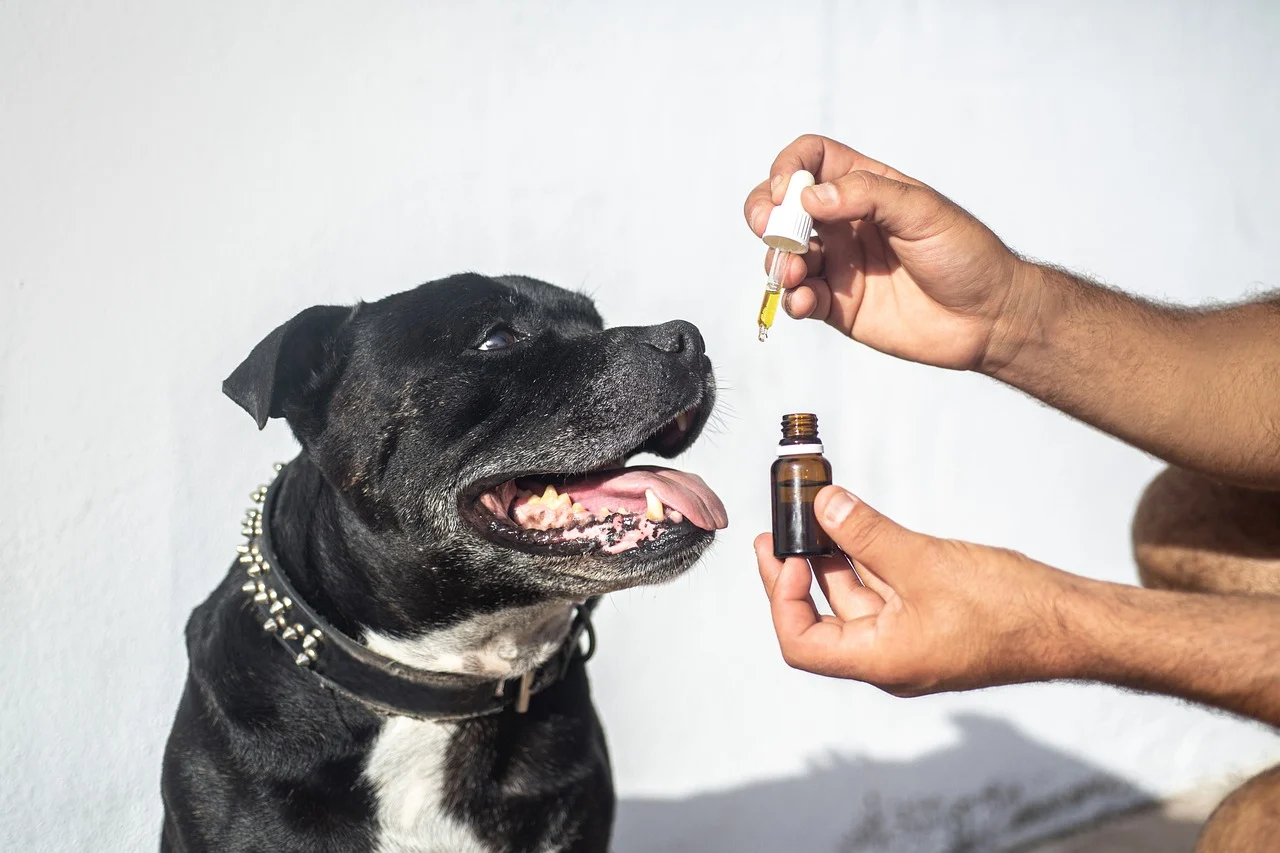
When you take CBD oil orally, the route it takes through your body dictates how much of the active compound reaches your system and how quickly you feel it. Placing drops under your tongue—a technique known as sublingual administration—bypasses your digestive tract entirely. If you swallow the oil immediately, your liver processes the cannabinoids through first-pass metabolism, breaking down a significant portion before it ever reaches your blood. Holding the oil in place gives the active compounds a direct pathway into circulation.
How long to hold CBD oil under tongue for best results
For maximum results with CBD oil under the tongue, know how long to hold it: aim for 60 to 90 seconds. While holding the oil for 30 seconds offers some sublingual absorption, extending that time allows the mucous membrane to uptake a much higher ratio of active cannabinoids.
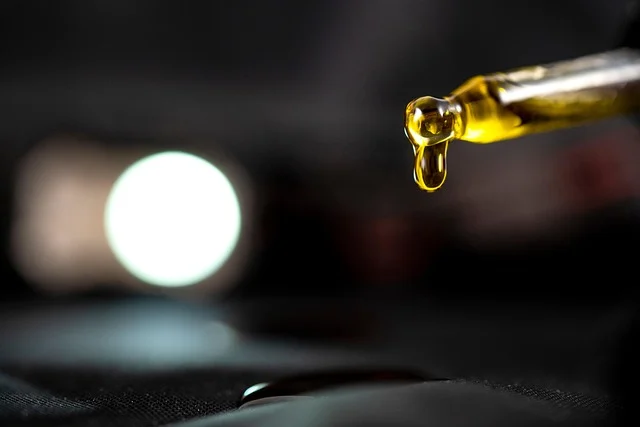
If you swallow after only 10 or 15 seconds, your body treats the tincture almost identically to an edible or a swallowed softgel capsule. Conversely, holding the liquid under your tongue for longer than two minutes yields diminishing returns. Once the mucosal layer saturates, remaining drops simply mix with saliva and get swallowed anyway.
We recommend setting a timer on your phone for the first few doses. Most people overestimate 60 seconds for how long to hold CBD oil under a tongue. They often swallow after just 20 seconds without realizing it.
The mechanics of sublingual absorption
To understand cbd oil under the tongue and how long to hold it, look at the anatomy beneath it. The bottom of your mouth is lined with a thin mucous membrane permeable to lipophilic (fat-soluble) molecules like cannabidiol. Directly beneath this membrane lies the sublingual gland and a rich network of small blood vessels known as capillaries.
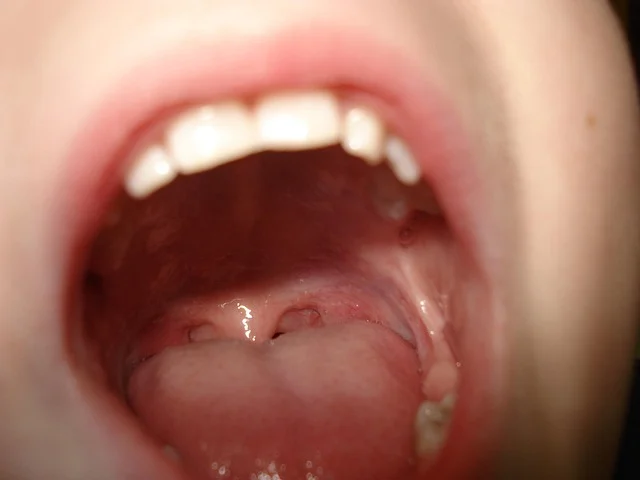
Because cannabinoids are fat-soluble, they readily diffuse through lipid membranes once they come into direct contact with sublingual mucosa. Once inside the capillaries, the compounds enter the internal jugular vein and flow straight into systemic circulation. This process bypasses hepatic first-pass metabolism, where liver enzymes such as cytochrome P450 break down non-absorbed cannabinoids into inactive metabolites.
Sublingual delivery preserves more of the plant’s natural cannabinoid spectrum by preventing initial liver clearance. This provides a higher yield per milligram of oil consumed.
Step-by-step guide to applying CBD oil sublingually
Getting the application right requires care. When using CBD oil under the tongue, learn how long to hold it for better absorption:
-
- Swish or swallow saliva first: Clear excess saliva from beneath your tongue. Too much liquid dilutes the carrier oil and reduces direct contact with the tissue.
- Measure your exact dose: Fill the dropper to your targeted milligram mark. Holding the dropper vertically prevents drops from clinging to the outside of the pipette tip.
- Lift your tongue to the roof of your mouth: Curl your tongue upward and backward to expose the sublingual frenulum and the tissue on either side.
- Dispense the drops directly beneath the tongue: Squeeze the bulb slowly. Aim for the soft tissue on the floor of the mouth rather than the underside of the tongue itself.
- Keep your mouth still for 60 to 90 seconds: Lower your tongue gently without pressing down hard. Breathe calmly through your nose. Avoid talking, swishing, or swallowing while the timer runs.
- Swallow the remaining oil: Once your time is up, swallow whatever liquid remains. Any residual CBD will be processed through your normal digestive system.
How carrier oils affect your sublingual hold time
Not all CBD tinctures absorb at the exact same rate. The carrier oil used to dissolve the cannabinoid extract plays a vital role in viscosity, absorption velocity, and overall taste.
| Carrier Oil Type | Viscosity Level | Recommended Hold Time | Key Characteristics |
|---|---|---|---|
| Medium-Chain Triglyceride (MCT) Oil | Low (Thin) | 60 seconds | Rapid absorption, neutral flavor, highly stable lipid structure. |
| Hemp Seed Oil | Medium | 60–90 seconds | Nutty flavor, contains omega fatty acids, slightly slower diffusion. |
| Extra Virgin Olive Oil | High (Thick) | 90 seconds | Stronger taste, thick texture, requires full 90 seconds for uptake. |
MCT oil, typically derived from coconut oil, is the industry standard carrier for good reason. Its short carbon chain length allows rapid transport across biological membranes, meaning a 60-second hold time is more than sufficient. Thicker carriers like hemp seed oil or extra virgin olive oil move more slowly across the mucosa. Knowing how long to hold CBD oil under the tongue for 90 seconds helps achieve comparable uptake.
Comparing sublingual administration to other intake methods
Understanding how sublingual hold time compares to other delivery methods helps clarify why keeping drops under your tongue is so popular among cannabinoid users.
Oral ingestion—such as swallowing CBD capsules, gummies, or baked goods—requires full digestion. Food passes through the stomach into the small intestine before nutrients are absorbed into the portal vein leading to the liver. This cycle takes anywhere from 45 to 120 minutes, and liver enzymes filter out a substantial portion of the original compound.
Sublingual hold times hit an ideal middle ground: fast 15-to-45-minute onset, high bioavailability, and zero pulmonary exposure.
Who should avoid holding CBD oil under the tongue?
While holding CBD oil under your tongue is effective for most people, this specific method is not suitable for everyone. Certain physical factors or preferences make alternative administration routes a better choice.

-
-
- People with intense flavor sensitivity: Unflavored full-spectrum CBD oils often carry a strong, earthy, or bitter taste due to natural hemp terpenes. If holding liquid under your tongue triggers a gag reflex, swallowed capsules or flavored gummies are better options.
- Individuals with oral open sores or recent dental surgery: Holding oil over healing gums, fresh incisions, or open mouth ulcers can cause irritation or disrupt delicate tissue clotting.
- Those targeting gastrointestinal conditions: If your primary reason for taking CBD involves localized digestive support, swallowing an encapsulated formula directly delivers the active compounds straight into the gut tract rather than absorbing them into systemic bloodstream capillaries.
- Young children or individuals unable to hold liquid still: Maintaining liquid under the tongue without swallowing requires conscious motor control for up to 90 seconds. If a user cannot follow this instruction safely, sublingual application should be skipped.
-
Common mistakes that ruin sublingual absorption
Even if you hold the oil under your tongue for the full 60 seconds, simple mechanical mistakes can undermine your results. Avoid these frequent errors to ensure complete uptake.

The most widespread mistake is talking or laughing during how long you hold CBD oil under your tongue. Moving your mouth contracts sublingual muscles, forcing saliva to flood the floor of your mouth. This washes the oil back toward your throat where it is involuntarily swallowed. Keep your jaw relaxed and mouth shut.
Another issue is applying drops directly onto the upper surface of the tongue instead of beneath it. The top surface of your tongue is covered in dense keratinized papillae designed to resist fluid passage. Oil placed on top simply sits there until you swallow. This converts your sublingual dose into a standard swallowed oral dose.
Finally, drinking water or hot beverages immediately before or during application can flush the lipid layer away before absorption completes. Wait at least five minutes after drinking before placing drops under your tongue. Refrain from drinking anything for two minutes after swallowing the remaining liquid.
Related guides
Sources: Cannabidiol (CBD): What we know and what we don’t
Frequently asked questions
Frequently asked questions
How long hold CBD oil under tongue?
Hold CBD oil under your tongue for 60 to 90 seconds before swallowing. This window lets sublingual capillaries absorb active cannabinoids into your bloodstream without unnecessary delay.
What happens if you swallow CBD oil immediately?
If you swallow CBD oil immediately, it passes into your stomach and liver for first-pass metabolism. This delays onset time up to two hours and reduces total absorption compared to sublingual uptake.
Can you hold CBD oil under your tongue for too long?
Holding CBD oil under your tongue longer than two minutes does not cause harm, but it offers no extra benefit. Once your sublingual membranes absorb available compounds, remaining oil simply mixes with saliva.
Does drinking water right after CBD oil wash it away?
Drinking water right after swallowing your hold-time oil does not clear cannabinoids already absorbed into blood vessels. However, drinking during the 60-second hold period washes liquid into your stomach early.

Does CBD Cause Vivid Dreams or Nightmares?

Can Athletes Use CBD for Muscle Soreness Under Wada Rules?

Best Time of Day to Take CBD Oil for Anxiety

AmeriCanna Rx: Your Guide to Portland’s Premier Cannabis Dispensary

Tropic Thunder Strain: An Uplifting Hybrid Experience

Haze Purple: Unveiling a Cannabis Cultivar’s Unique Appeal
-
 Product Guides4 months ago
AmeriCanna Rx: Your Guide to Portland’s Premier Cannabis Dispensary
-
 Cannabis 1014 months ago
Tropic Thunder Strain: An Uplifting Hybrid Experience
-

 Culture & Lifestyle4 months ago
Collective Efforts Sacramento CA: Menu, Pricing and Delivery
-
 Cannabis 1014 months ago
Haze Purple: Unveiling a Cannabis Cultivar’s Unique Appeal
-
 Industry News4 months ago
Your Guide to Silver State Relief: Maximizing Value
-
 Cannabis 1014 months ago
Purple Runtz Strain: Unpacking Its Potency and Sweet Appeal
-

 Cannabis 1014 months ago
Medicann Clinics: Challenging the Conventional Patient Journey
-
 Product Guides4 months ago
Identifying Top Shelf Cannabis: A Connoisseur’s Guide