
Laws & Regulations
Can Athletes Use CBD for Muscle Soreness Under Wada Rules?
Yes, athletes can use purified cannabidiol (CBD) for muscle soreness, as WADA removed it from the Prohibited List.


The World Anti-Doping Agency removed purified cannabidiol, so can athletes use CBD for muscle soreness under WADA rules? Yes safely. Experts urge checking labels; accidental THC triggers positive tests.
CBD, or cannabidiol, is a naturally occurring compound found in the Cannabis sativa plant. Unlike THC, or tetrahydrocannabinol, CBD is non-intoxicating and does not cause a high. Because of these distinct properties, WADA officially removed CBD from its Prohibited List, with the change taking effect on January 1, 2019. Under the current rules, purified cannabidiol remains permitted for athletic use both in-competition and out-of-competition.
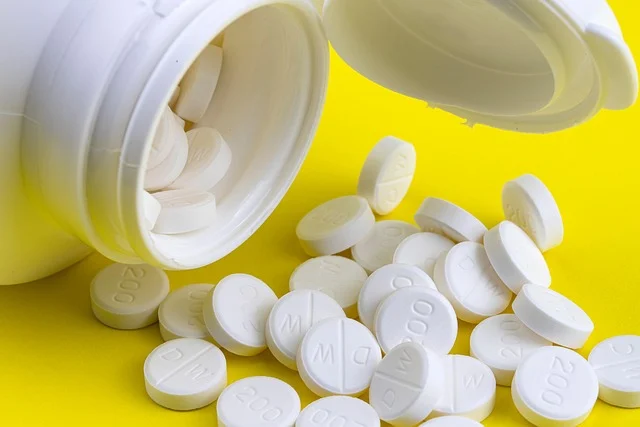
Can athletes use CBD for muscle soreness under WADA rules?
Under the 2026 and 2027 WADA Prohibited Lists, purified cannabidiol is fully permitted when athletes use CBD for muscle soreness WADA rules, while THC and semi-synthetic or synthetic cannabinoids that mimic its effects remain prohibited during the in-competition period. [ukad.org.uk] We remind athletes that the in-competition period generally starts at 11:59 p.m. the day before a competition and ends with sample collection.

As athletes can use CBD for muscle soreness under WADA rules, you must handle other cannabis compounds carefully. All other cannabinoids, including THC, remain prohibited in-competition. Also, WADA sets the in-competition carboxy-THC urine threshold at 150 nanograms per milliliter, with a 180 nanogram decision limit. If a test detects levels above the decision limit, the laboratory reports an adverse analytical finding, which may lead to sanctions. [wada-ama.org]
Recent updates to the regulations provide additional clarity for competitors. The 2027 WADA Prohibited List, which was approved on September 10, 2026, and takes effect on January 1, 2027, clarifies that naturally occurring cannabinoids that do not possess THC-like effects, such as cannabinol will no longer be prohibited in-competition. [ukad.org.uk] However, Delta-9-tetrahydrocannabinol and semi-synthetic or synthetic cannabinoids that mimic its effects remain strictly banned.
How to select and verify safe CBD products
You must implement a strict verification process before bringing any CBD product into your training environment. Because supplement regulations lack rigid oversight, you carry the burden of proof to ensure absolute purity.
-
- Locate the batch number on the product packaging or bottle.
- Visit the manufacturer website and search for the corresponding Certificate of Analysis (COA) issued by an independent, accredited third-party laboratory.
- Review the COA to confirm that Delta-9-THC registers as “non-detectable” or shows zero parts per million.
- Verify that the testing laboratory holds ISO/IEC 17025 accreditation for cannabis testing.
- Store the COA digitally so you maintain an audit trail of your supplement usage.
Comparing CBD product types for athletes
Athletes choose between different formulations based on personal preference and anti-doping risk tolerance. Understanding the structural differences prevents accidental ingestion of banned substances.
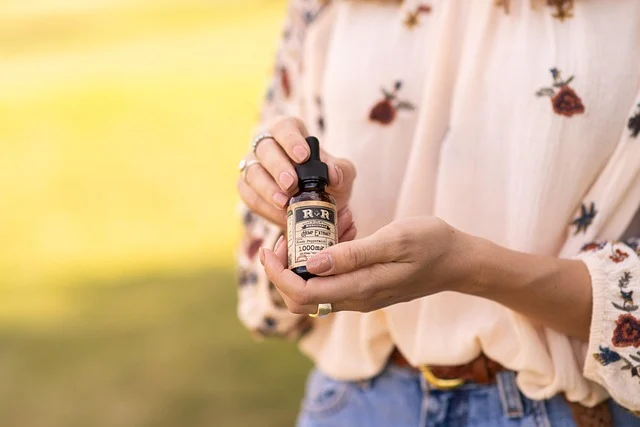
| Product Type | THC Content Risk | WADA Status | Best Use Case |
|---|---|---|---|
| Pure CBD Isolate | Zero (pure crystalline CBD) | Permitted | Athletes wanting absolute zero THC exposure |
| Broad-Spectrum CBD | Low (minor cannabinoids present, THC removed) | Permitted if THC-free | Athletes seeking entourage effects without THC |
| Full-Spectrum CBD | High (contains legal trace amounts of THC) | High Risk In-Competition | Off-season use only (carries anti-doping risk) |
Why is product contamination a major risk for athletes?
CBD products, particularly full-spectrum and broad-spectrum extracts, often contain detectable levels of THC or other prohibited cannabinoids even when packaging states they are THC-free. Strict liability remains the biggest professional hazard here, because can athletes use CBD for muscle soreness WADA rules govern their responsibility for any prohibited substance found in biological samples.
Manufacturing facilities often process multiple cannabis strains using shared equipment, which frequently leads to cross-contamination. If you purchase an over-the-counter tincture or topical cream that was not third-party tested, trace amounts of THC can accumulate in your system. Over time, regular use of a contaminated product can push your urinary carboxy-THC levels past the 150 nanograms per milliliter threshold when athletes use CBD for muscle soreness WADA rules apply during an in-competition testing window.
The United States Anti-Doping Agency and other global sports authorities warn that dietary supplements lack strict federal oversight. The Food and Drug Administration has not evaluated or approved most CBD products for medical use, and manufacturers cannot legally market them to treat specific diseases or injuries. Therefore, relying on marketing claims on a bottle label offers zero legal protection if you fail a drug test.
What does science say about CBD for muscle recovery?
Current scientific research on CBD for muscle recovery and athletic performance remains limited. Available evidence is not strong enough to prove that CBD reliably speeds up post-workout healing. Experts view current clinical data with caution, as many existing studies feature small sample sizes or rely heavily on subjective surveys rather than objective physiological measurements.

While many athletes report feeling subjective relief from joint stiffness or general fatigue after applying topical CBD or taking oral drops, researchers have not yet established a standardized dosage or delivery method that guarantees physical benefits. If you choose to incorporate CBD into your recovery routine to manage everyday training aches, you should treat it as an experimental personal choice rather than a scientifically proven performance enhancer.
Common problems with CBD use and how to fix them
Athletes often run into predictable pitfalls when introducing cannabinoids into a structured training regimen. Recognizing these issues early prevents costly testing errors.

-
-
- Problem: Trusting front-label marketing claims like “THC-free.”
Fix: Ignore front-label text and refuse to use any product that lacks a batch-specific third-party COA confirming zero THC. - Problem: Using full-spectrum oils close to an in-competition window.
Fix: Cease all oral cannabinoid use at least two weeks prior to the start of the in-competition period to clear residual metabolites. - Problem: Applying untested topical balms over large areas of skin.
Fix: Restrict topical applications strictly to pure isolate formulations or certified THC-free creams.
- Problem: Trusting front-label marketing claims like “THC-free.”
-
Who this CBD guidance does not suit
Certain competitors must avoid CBD entirely, regardless of WADA rule modifications or third-party testing assurances.

-
-
- Athletes competing under sports organizations that enforce a zero-tolerance policy for all cannabinoids, regardless of WADA harmonization.
- Competitors who undergo random, unannounced year-round testing where even trace accumulation from legal trace-THC products poses an unacceptable career risk.
- Individuals with known sensitivities or adverse liver enzyme reactions to cannabinoid processing.
-
Frequently asked questions
Does topical CBD cream cause a positive drug test?
Topical CBD products rarely enter the bloodstream in quantities high enough to trigger a systemic positive test, but contaminated full-spectrum topicals could theoretically pose a minor risk if applied heavily over broken skin. Most sports organizations view transdermal absorption of pure CBD as safe under current anti-doping guidelines.
Can I use full-spectrum CBD oil during the off-season?
Off-season full-spectrum products carry risks as THC metabolites accumulate in fatty tissues and stay in urine for weeks. Athletes asking if they can use CBD for muscle soreness under WADA rules must exercise caution with trace THC extracts.
How can athletes ensure their CBD products are safe?
Athletes should only use products that feature batch-specific third-party laboratory certificates of analysis confirming the complete absence of THC. Checking for certifications from independent testing programs helps minimize the risk of accidental anti-doping rule violations.
Sources









Laws & Regulations
Can CDL Drivers Take Broad Spectrum CBD Oil? DOT Rules
CDL drivers cannot safely take broad-spectrum CBD oil. Even trace amounts of THC or mislabeled products can cause a failed DOT drug test and career suspension.
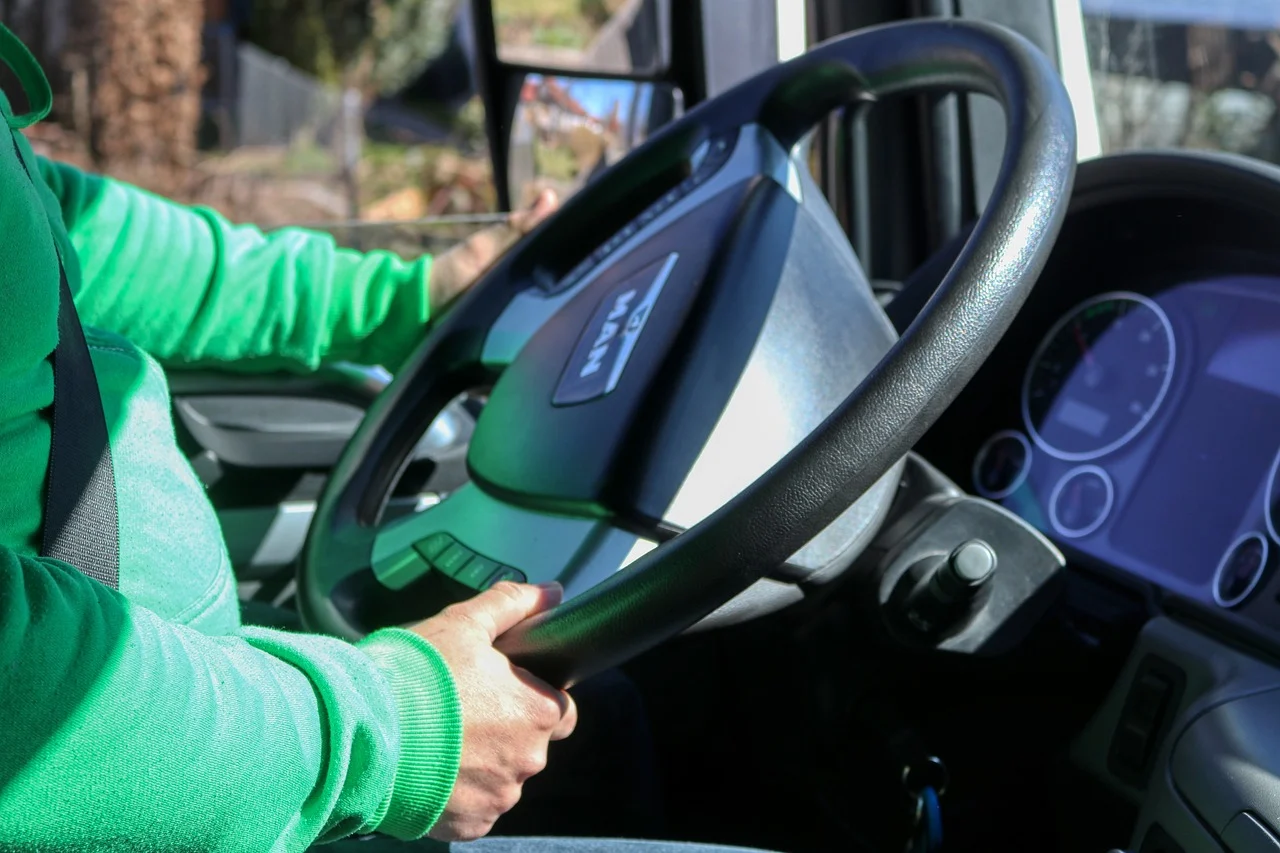
While broad-spectrum CBD is manufactured to remove tetrahydrocannabinol (THC), the reality for commercial drivers is far more complicated. It retains other hemp cannabinoids and terpenes. If you hold a CDL, taking any hemp-derived supplement carries an immediate career risk. We recommend avoiding these products entirely while operating under federal safety standards.
Why CDL drivers can take broad spectrum CBD oil?
Department of Transportation drug tests do not screen for cannabidiol (CBD) itself, but they screen strictly for marijuana metabolites, specifically THCA. [transportation.gov] Broad-spectrum CBD products are intended to have THC removed to non-detectable levels, but manufacturing processes vary and trace amounts often remain.

Under 49 CFR Part 40, federal drug testing standards for safety-sensitive transportation workers mandate strict cutoff thresholds. As CDL drivers can take broad spectrum CBD oil, daily use causes THC buildup in body fat. Eventually, those accumulated metabolites clear through urine. They can breach the 50 ng/mL initial screening threshold or the 15 ng/mL confirmatory threshold.
Also, federal oversight of the CBD marketplace remains limited. The Food and Drug Administration (FDA) does not currently certify THC levels in off-the-shelf CBD products. Independent lab analyses frequently reveal that products advertised as “THC-free” or “broad-spectrum” actually contain measurable amounts of delta-9 THC. If CDL drivers can take broad spectrum CBD oil, trusting an unregulated label claim is a dangerous gamble.
What happens if a Medical Review Officer finds THC in your urine test?
If your urine test confirms THC metabolites above cutoffs, a Medical Review Officer (MRO) will contact you. However, claiming you used broad-spectrum CBD oil will not change the outcome. Federal guidelines prohibit MROs from accepting CBD consumption, dietary supplements, or state-issued medical marijuana cards as legitimate medical explanations for a positive test.

The DOT’s Office of Drug and Alcohol Policy and Compliance (ODAPC) has issued clear, repeated guidance on this matter. The official stance is definitive: safety-sensitive employees are responsible for what enters their bodies. If the laboratory finds THC, the MRO must report the test as a verified positive result to your employer and the FMCSA Commercial Driver’s License Drug and Alcohol Clearinghouse.
Once a positive test enters the Clearinghouse database, the legal consequences are immediate:
- You must be relieved of all safety-sensitive functions right away.
- Your violation becomes visible to current and prospective employers across the country.
- You must hire an qualified Substance Abuse Professional (SAP) at your own expense.
- Next, you must complete a formal education or treatment program mandated by the SAP.
- You must pass a directly observed return-to-duty drug test before driving commercially again.
- Also, you will undergo mandatory, unannounced follow-up testing for up to five years.
How federal laws compare for CDL drivers
Understanding the distinction between state laws, federal farm legislation, and DOT rules helps clarify why broad-spectrum CBD remains so risky for commercial operators. State legalizations do not alter federal safety mandates.

| Regulatory Framework | THC Allowance Standard | Impact on CDL Drivers |
|---|---|---|
| Federal DOT Rules (49 CFR Part 40) | Zero tolerance (Screening cutoff: 50 ng/mL) | Strictly prohibited; positive tests lead to immediate suspension. |
| 2018 Farm Bill (Hemp Standards) | Legal to buy nationwide, but trace THC can still trigger DOT test failures. | |
| State Medical / Recreational Laws | Varies by state (Legal consumption allowed locally) | Invalid for CDL holders; federal regulations explicitly override state permissions. |
Even with recent discussions about federal rescheduling of marijuana, the DOT confirmed that its testing protocol for safety-sensitive workers remains unaffected. The zero-tolerance standard stays fully enforced regardless of changes to general controlled substance schedules.
Can you trust third-party certificates of analysis (COAs)?
Many CBD manufacturers provide a Certificate of Analysis (COA) from an independent laboratory showing zero percent THC. While a COA is helpful for general consumers, it does not offer legal protection or a safety guarantee for CDL drivers.

Laboratory testing equipment has specific limits of detection (LOD) and limits of quantitation (LOQ). A lab report that lists THC as “Not Detected” (ND) simply means any THC present fell below that specific laboratory’s equipment threshold. It does not mean the oil contains absolute zero THC molecules. If you consume multiple doses daily over several weeks or months, those undetectable traces accumulate in your body’s fat tissues.
Additionally, batch-to-batch consistency varies widely in the hemp industry. A manufacturer might test one batch clean. However, a subsequent batch might contain slightly higher residual cannabinoids due to extraction variances. Because the FDA does not audit these commercial products for batch accuracy, wondering whether can cdl drivers take broad spectrum cbd oil to protect your career is an unnecessary hazard.
What are the safe alternatives for commercial drivers seeking wellness support?
If you want relief from long hours on the road, joint stiffness, or sleep issues, choose non-cannabis alternatives. These options carry zero risk of drug test contamination.

For muscular discomfort and joint flexibility, standard over-the-counter anti-inflammatory options or supplements like turmeric (curcumin) and omega-3 fatty acids offer support without touching the cannabinoid system. For sleep quality, options like melatonin, valerian root, or magnesium glycinate are widely used and carry no risk of cross-contaminating a drug screen.
If you prefer topical support, look carefully at ingredients. Arica gels and menthol-based rubs provide targeted cooling relief for tired muscles without using hemp extracts. Always read labels completely to ensure no hemp seed oil, broad-spectrum hemp extract, or CBD appears in the ingredient list.
Frequently asked questions
Unregulated manufacturing means trace amounts of THC can still exist, accumulate in fat cells over time, and trigger a positive DOT drug test.
Does the DOT test specifically for CBD during routine drug screens?
No, DOT drug panels test for THC metabolites rather than CBD itself. However, because broad-spectrum CBD oil often contains trace THC or unlisted cannabinoids, taking it can still cause you to test positive for THC.
Will a Medical Review Officer accept a broad-spectrum CBD receipt as an excuse?
No, Medical Review Officers cannot clear a positive THC test result based on CBD use, product receipts, or third-party lab reports. Drivers often ask if CDL drivers take broad spectrum CBD oil, but federal regulations require the MRO to report any laboratory-confirmed THC result at or above the applicable cutoffs as a drug test failure. [transportation.gov]
Sources
Laws & Regulations
Can You Fly with CBD Gummies Internationally to Europe?
A complete guide to international rules, country-specific bans, and border safety when flying to Europe with CBD gummies.
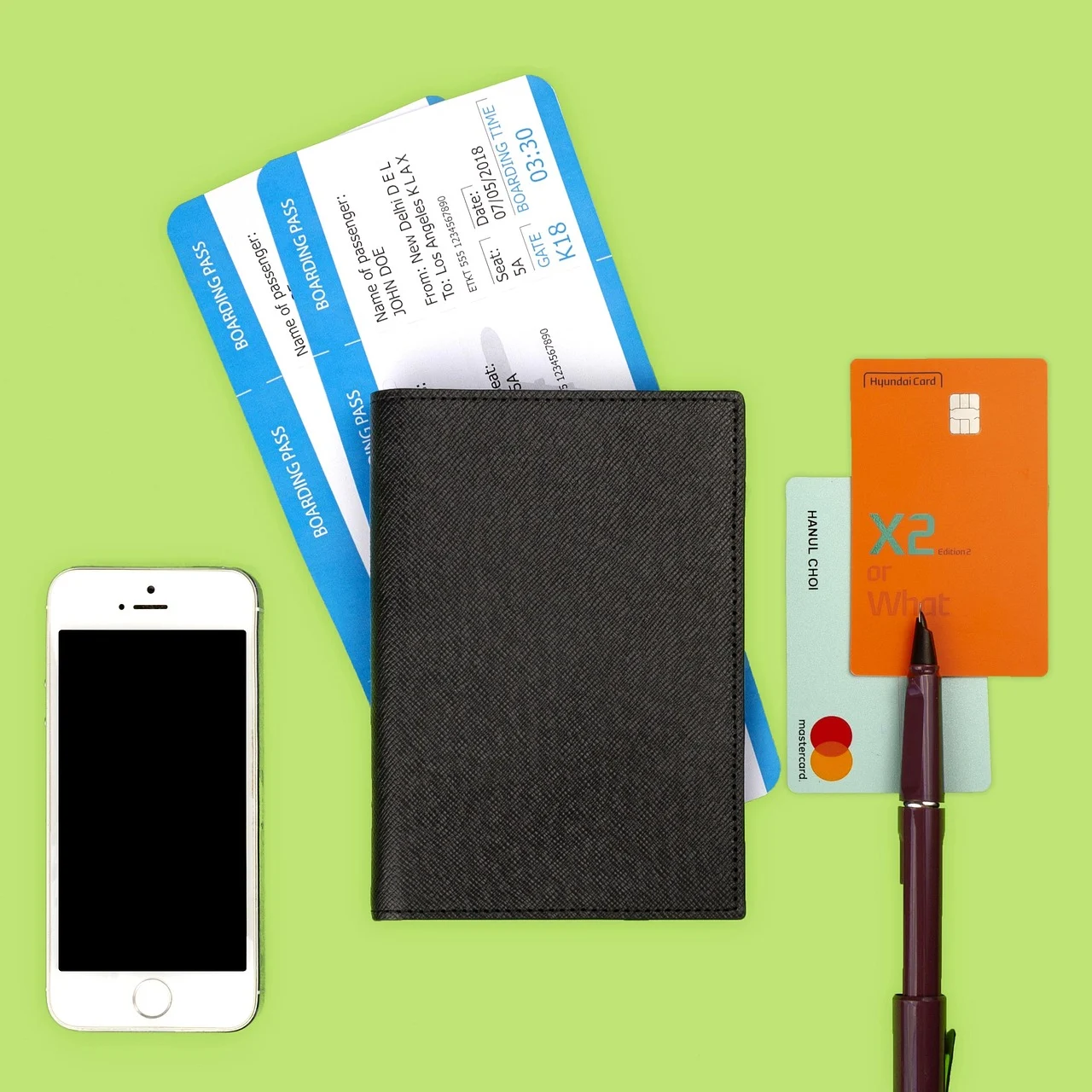
You should generally avoid flying with CBD gummies internationally to Europe because local country regulations vary sharply. Border officials can confiscate ingestible hemp products regardless of your home country’s laws. While the European Union recognizes pure CBD as a non-narcotic, individual member states strictly enforce their own laws on hemp extracts, novel foods, and trace THC levels at international customs ports.
Many travelers assume that carrying legally purchased hemp edibles on a flight to Europe is completely safe. However, navigating cross-border aviation rules means balancing international customs declarations, destination-specific drug acts, and changing regulations across different European nations. Can You Bring CBD Gummies on a Domestic Flight? TSA Rules
Is it legal to bring CBD gummies on international flights to Europe?
It is legally risky to fly with CBD gummies internationally to Europe. Individual European countries set their own restrictions on hemp-derived edibles and novel foods. Even if your gummies contain zero THC, airport customs officers cannot test products instantly and may seize them for chemical verification.

At the international level, the legal status of hemp relies heavily on national jurisdiction. In the EU Court of Justice 2020 landmark Kanavape ruling, the court determined that CBD extracted from the entire Cannabis sativa plant is not a narcotic, supporting free movement of legally produced CBD between member states. Also, the European Union updated its agricultural standard in January 2023 to permit a 0.3% THC limit for industrial hemp varieties eligible for direct payments. [eur-lex.europa.eu]
However, these overarching rulings cover industrial raw hemp and commercial trade rather than personal possession of edible products brought from outside the EU. CBD added to food, drinks, or dietary supplements is categorized as an unauthorized “novel food” across the EU. Because no ingestible CBD food product has cleared full authorization across all member states, enforcement at airport checkpoints varies greatly from country to country.
Which European countries strictly ban ingestible CBD products?
France strictly prohibits ingestible CBD products from its market. Italy classifies industrial hemp flower extracts as controlled substances under Decree-Law 48/2025. Entering these countries with CBD gummies risks border confiscation, administrative fines, or legal detention depending on product composition.

If you plan to fly to Europe, understanding local enforcement patterns is important before packing any gummies into your carry-on luggage:
- France: In May 2026, French authorities began actively removing CBD foods, sublingual food oils, and ingestible supplements from retail shelves. Carrying CBD gummies into French jurisdiction exposes you to seizure risk, because France’s ban applies to sales rather than personal possession. [darwin-nutrition.fr]
- Italy: Decree-Law 48/2025 classified industrial hemp flowers and derived products as controlled substances in April 2025. As a result, Italian law restricts authorization primarily to prescription pharmaceutical preparations.
- Germany and the Netherlands: While cannabis laws have evolved locally, strict novel food standards still apply to imported hemp edibles. Trace amounts of THC in non-certified products can easily trigger customs seizures.
We always advise travelers that relying on your home country’s legal status is a major mistake. International customs agents follow local statutes, not foreign domestic law.
What is the difference between broad-spectrum, full-spectrum, and isolate gummies at customs?
CBD isolate contains pure cannabidiol with no detectable THC, broad-spectrum contains multiple hemp compounds without THC, and full-spectrum contains up to 0.3% residual THC. Border security officials treat full-spectrum gummies as potential controlled narcotics if the THC level exceeds national legal limits.
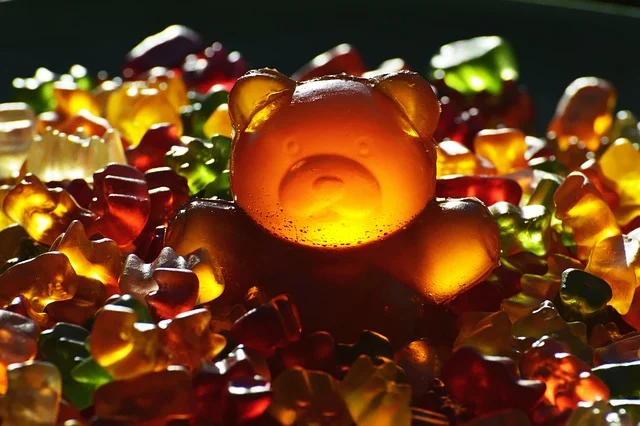
| Gummy Type | THC Content | European Border Risk | Best Suited For |
|---|---|---|---|
| CBD Isolate | Moderate (Novel food scrutiny) | Travelers seeking minimal drug risk | |
| Broad-Spectrum | Moderate (Customs verification needed) | Non-THC entourage effect users | |
| Full-Spectrum | Up to 0.3% (or local 0.2%) | High (Risk of narcotic drug seizure) | Domestic use only; do not fly internationally |
The primary issue during airport screenings comes down to chemical testing. Border agents cannot differentiate between a legal broad-spectrum hemp gummy and a illegal cannabis edible simply by looking at it. If your gummies contain even trace amounts of full-spectrum THC, border authorities in strict countries may detain the product for forensic analysis.
How do airport security and TSA handle CBD gummies on international flights?
The Transportation Security Administration (TSA) focuses primarily on security threats rather than searching for drugs. They permit hemp-derived CBD under 0.3% THC on outbound US flights. However, international customs officers at your destination airport rigorously inspect luggage for non-compliant agricultural products and controlled substances.

If you choose to travel with legally compliant broad-spectrum or isolate CBD gummies, following a clear preparation protocol minimizes friction during customs checks:
- Keep the CBD gummies inside their original, sealed retail packaging with clear labeling of all ingredients.
- Pack your purchase receipt alongside the COA to document legitimacy and proof of purchase.
- Check the destination country’s government portal to confirm that broad-spectrum hemp extracts are permitted.
- Declare the product openly at international customs if requested, rather than attempting to hide unverified edibles.
Following these steps ensures that if an inspector questions your items, you have immediate documentation to substantiate your claims. What Happens If You Take Too Many CBD Gummies? Symptoms and Steps
What are the health authority intake guidelines for ingested CBD?
On February 9, 2026, the European Food Safety Authority (EFSA) established a provisional safe intake guideline of approximately 2 mg of CBD per day for a 70 kg adult, applicable only to qualifying highly purified food supplements. [efsa.europa.eu] Commercial CBD gummies often contain 10 mg to 25 mg per serving, far exceeding these conservative European intake recommendations.
Understanding this guidance helps explain why European border and health authorities scrutinize high-potency edibles. While taking a high-dose gummy might be standard practice at home, European regulators maintain far lower intake baselines for food safety evaluations. If you are managing your wellness routine, buy verified local products upon arrival rather than risking international transit complications.
Can you fly to Europe with CBD gummies internationally
Avoid flying with CBD gummies if you transit through zero-tolerance countries, visit France or Italy, or carry unlabeled full-spectrum products. Travelers taking daily medications should also exercise extreme caution due to regulatory variations in oral supplements.

Also, if your flight itinerary includes layovers in non-EU nations (such as Middle Eastern or Asian hub airports), carrying any cannabis-derived product can lead to severe legal penalties including immediate arrest. We strongly recommend leaving all hemp edibles at home when crossing multiple international borders.
Frequently asked questions
Can TSA stop you from flying out of the US with CBD gummies?
TSA permits hemp-derived CBD products containing under 0.3% THC on domestic and international outbound flights. However, TSA officers are required to report any suspected illegal substances to airport law enforcement officials.
What happens if customs seizes your CBD gummies in Europe?
If customs officials determine your gummies violate local laws or novel food rules, they will confiscate the item. In strict jurisdictions like Italy or France, carrying unauthorized full-spectrum edibles can result in administrative fines or legal questioning.
Can you buy CBD gummies locally in Europe instead of flying with them?
You can purchase legal CBD products locally in several European countries. However, availability varies based on local novel food rules and health regulations. Purchasing locally ensures your product complies with the exact laws of your destination.
Sources
Laws & Regulations
Can Military Members Use CBD Topical Cream? Official Rules
Active-duty service members, Reservists, and National Guard personnel cannot use CBD topical creams under Department of Defense regulations.
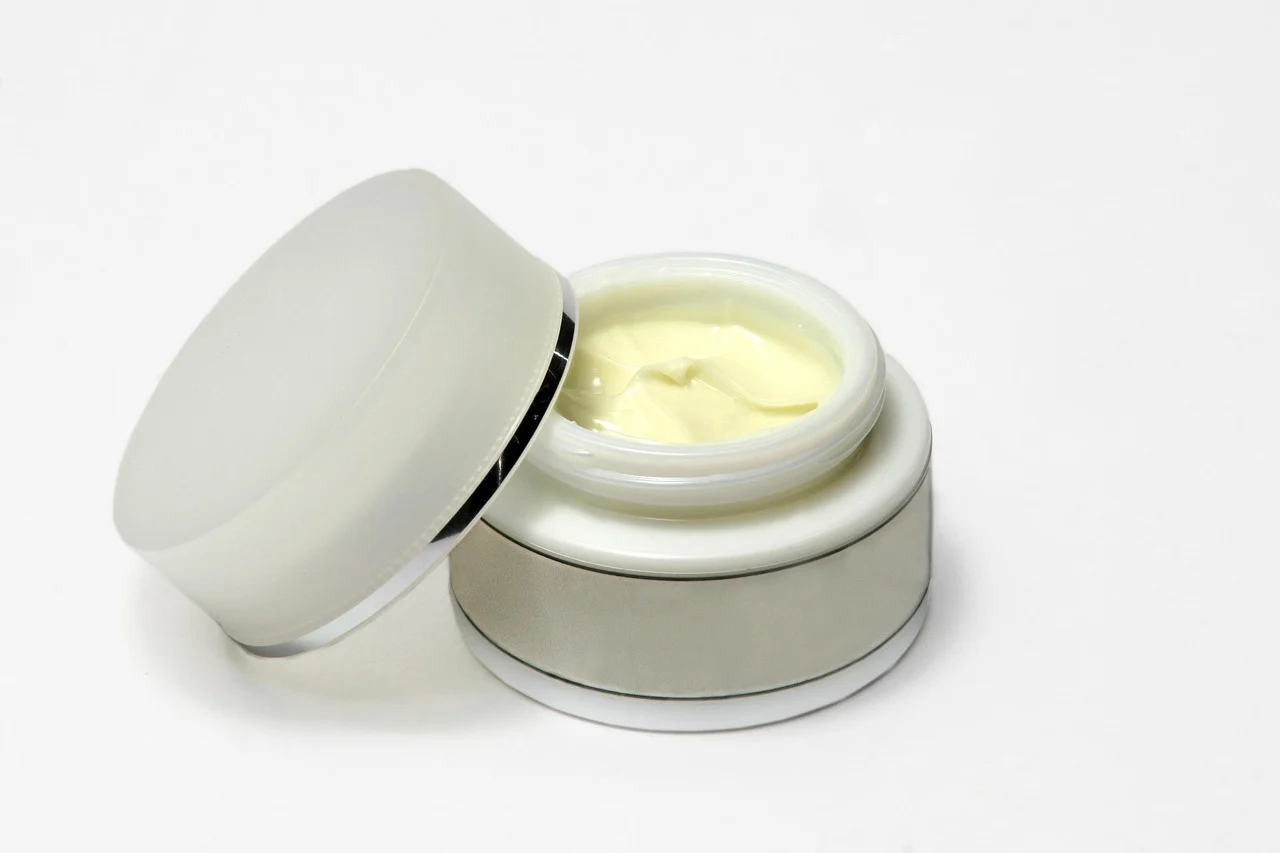
Civilian markets sell topical cannabidiol (CBD) products for localized joint and muscle discomfort. However, military regulations treat these products as prohibited substances. Understanding how this ban works helps service members avoid unintentional career-ending policy violations.

Why does the Department of Defense ban CBD topicals?
The Department of Defense bans CBD topical creams because transdermal absorption can transfer trace amounts of tetrahydrocannabinol (THC) into the bloodstream. This creates a risk of testing positive on military drug screens. Military drug testing panels detect THC metabolites. However, they cannot distinguish whether those metabolites originated from illicit cannabis use or a legal hemp lotion.
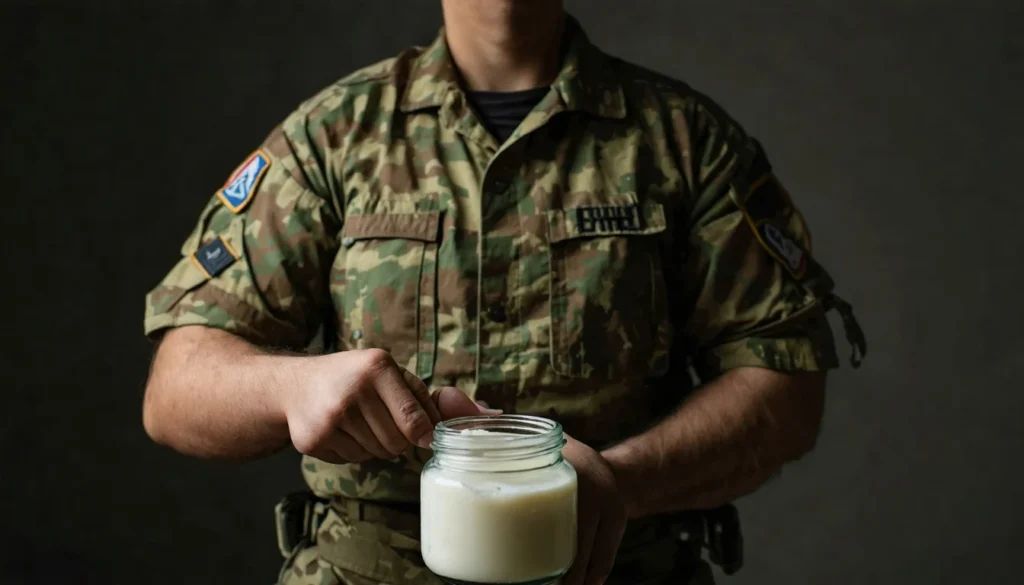
A Department of Defense memorandum issued on February 26, 2020, formally established a service-wide prohibition on all hemp products, effective March 1, 2020. Individual branches subsequently updated their own regulations to reflect this policy. For example, the Department of the Air Force published DAFMAN 44-197 on September 5, 2023, prohibiting the use and ingestion of products derived from hemp. Similarly, the U.S. Navy and Marine Corps treat the use of topical hemp products like lotions and shampoos as a general intent offense. In May 2026, the U.S. Army publicly reiterated its zero-tolerance policy on CBD products. They explicitly warned soldiers that topicals and lotions pose direct risks to unit readiness and individual service records.
Do THC-free labels protect military members from drug tests?
Products labeled as THC-free or pure CBD isolate do not protect military members from disciplinary action. Commercial labeling is largely unregulated and often inaccurate. Independent testing frequently reveals trace amounts of THC in products sold as completely THC-free. This makes any hemp application a major risk for service personnel.
Military policy accounts for this lack of market oversight by instituting a blanket prohibition. Under military regulations, claiming ignorance of a product’s contents or relying on a commercial product label does not excuse a positive drug test result. Even if a product has zero THC, can military members use CBD topical cream under these strict orders?
What happens if a military member uses CBD cream?
Using prohibited CBD creams exposes service members to administrative separation, non-judicial punishment, and formal UCMJ charges. Commanding officers enforce these regulations strictly to preserve unit readiness and administrative compliance across all branches.
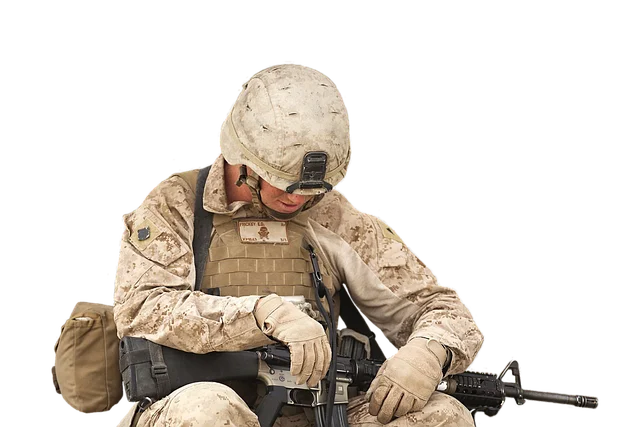
Service members who violate the ban face disciplinary action under Article 92 of the UCMJ. This applies when military members use a topical CBD cream against regulations. If a drug screening detects THC metabolites from topical application, the service member may face charges under Article 112a for wrongful use. Disciplinary outcomes frequently include administrative separation with a characterization of service. That outcome can strip away veterans’ benefits, security clearances, and future re-enlistment eligibility.
Comparing military policies and civilian availability
The stark difference between civilian availability and military regulations often creates confusion for service members and their families. The following comparison table outlines how legal status, drug testing standards, and consequences differ across these environments.

| Category | Military Service Members | Civilian Population |
|---|---|---|
| Legal Status of CBD Topicals | Strictly Prohibited (Zero-Tolerance Policy) | Legal federally under the 2018 Farm Bill (if <0.3% THC) |
| Enforcement Standard | Strict Liability / General Intent Offense | Consumer Discretion / State and Federal Regulations |
| Drug Screening Risk | High (THC metabolites trigger positive UCMJ screens) | Variable (Depends on employer drug testing policies) |
| Consequences of Violation | UCMJ Charges (Art. 92, 112a), Administrative Separation | Employer-specific disciplinary action or termination |
Concrete steps to audit household and personal care products
Service members can prevent accidental exposure to prohibited hemp compounds by systematically auditing their personal care routines. Follow these actionable steps to ensure full compliance with DoD directives:
-
- Read Ingredient Labels Carefully: Inspect all lotions, salves, soaps, balms, and shampoos for terms such as cannabidiol, CBD, hemp seed oil, cannabis sativa seed oil, or full-spectrum hemp extract.
- Discard or Segregate Hemp Products: Remove all hemp-containing products from your immediate living quarters, barracks, or vehicle to eliminate any chance of accidental application.
- Verify Grooming and Hygiene Items: Check specialty items like beard oils, lip balms, body washes, and massage oils. Manufacturers commonly add hemp extracts to consumer cosmetic lines.
- Consult Military Medical Personnel: Report persistent joint or muscle pain directly to a military healthcare provider to receive approved, compliant alternative treatments.
Who this policy affects and who it does not suit
The DoD policy applies universally across specific military categories while leaving fully separated individuals under civilian jurisdiction:
-
-
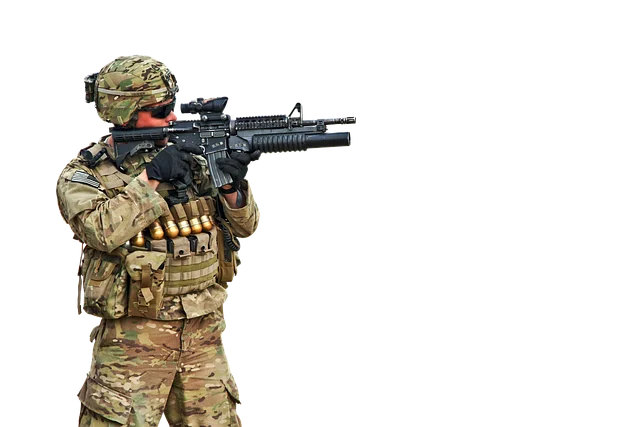
- Applies To: Active-duty personnel in all branches (Army, Navy, Air Force, Marine Corps, Space Force, Coast Guard), Reservists (on or off duty), National Guard members, and Department of Defense civilian employees subject to workplace drug-testing programs.
- Does Not Suit / Exempted: Honorably discharged veterans who have completely separated from military service and hold no ongoing military status. Separated veterans are governed by state and federal civilian law, though VA doctors still cannot prescribe CBD topicals.
-
Common problems and practical fixes
Service members frequently encounter misunderstandings regarding CBD topicals. Below are common scenarios and how to address them correctly:
Problem: Spouses or family members buy CBD products for shared household use.
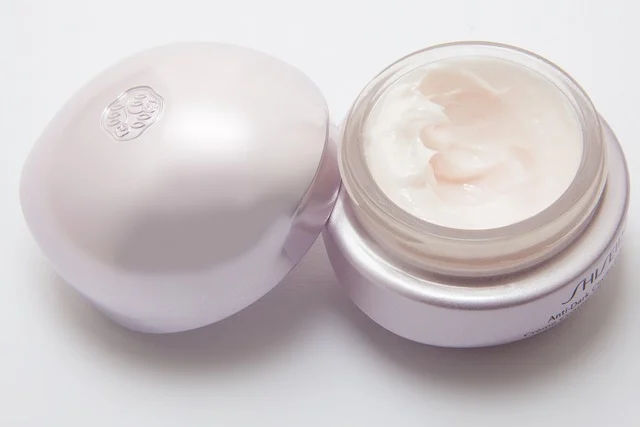
Fix: Store family members’ CBD products separately or keep them entirely out of shared spaces. Direct skin contact with a partner’s topical cream can absorb trace THC. Physical contact can also transfer residues, so can military members use a CBD topical cream safely?
Problem: Unintentional application of a lotion containing hemp oil, when military members can use a CBD topical cream instead.
Fix: Wash the application area immediately with warm soap and water. Report the unintentional exposure to your chain of command or legal assistance officer right away. This documents the timeline and demonstrates full transparency.
Problem: Searching for safe relief for physical soreness during heavy training.
Fix: Use military-approved physical therapy, over-the-counter NSAIDs (like ibuprofen), or ice/heat therapy. Alternatively, choose standard topical analgesics like menthol or capsaicin creams that contain no hemp ingredients.
Are there any official exceptions for service members?
Exceptions to the Department of Defense hemp ban include FDA-approved prescription cannabinoid medications, as well as specified law-enforcement and medical-duty uses and reasonable lack of knowledge that a product is hemp-derived. [me.ng.mil] Off-the-shelf over-the-counter creams, salves, or cosmetic products do not qualify for this exception under any circumstances.

This strict rule applies uniformly across active duty, Reserve components, and National Guard units. While state laws across the country have legalized various cannabis and hemp topicals, federal military law overrides state legislation. Veterans who have completely separated from military service are free to use CBD under state laws. However, they cannot receive CBD prescriptions directly through the U.S. Department of Veterans Affairs (VA).
Frequently asked questions
Can military members use CBD topical cream?
No, military members cannot use CBD topical cream under strict Department of Defense policies that prohibit all hemp-derived products. This ban applies to active duty, Reserve, National Guard, and DoD civilian personnel regardless of civilian state laws.
Why are topical CBD lotions banned if you do not ingest them?
Topical CBD lotions are banned because cannabinoids can absorb through the skin into the bloodstream and trigger a positive result on standard military drug screenings. Military drug tests cannot verify whether detected THC came from a topical lotion or forbidden cannabis intake.
Can military veterans use CBD cream?
Yes, honorably discharged military veterans who are no longer subject to the UCMJ or DoD regulations can use legal CBD creams according to their state laws. However, VA doctors cannot prescribe CBD products to veterans.
Can family members of military personnel use CBD topicals in military housing?
Civilian family members are not subject to the UCMJ, but service members must ensure they do not accidentally use or physically contact their family member’s CBD topicals. Cross-contamination or inadvertent application still places the service member at risk of administrative or disciplinary action.
What should a service member do if they accidentally use a CBD lotion?
Wash the product off immediately with soap and water, notify your chain of command, and consult a military legal assistance attorney. Promptly reporting inadvertent exposure provides evidence of lack of intent, though military regulations maintain strict zero-tolerance enforcement standards.
Sources
- 230731 eGuardian
- Adoption of Punitive General Orders to Address Use of Hemp Products

Does CBD Cause Vivid Dreams or Nightmares?

Can Athletes Use CBD for Muscle Soreness Under Wada Rules?

Best Time of Day to Take CBD Oil for Anxiety

AmeriCanna Rx: Your Guide to Portland’s Premier Cannabis Dispensary

Tropic Thunder Strain: An Uplifting Hybrid Experience

Haze Purple: Unveiling a Cannabis Cultivar’s Unique Appeal
-
 Product Guides4 months ago
AmeriCanna Rx: Your Guide to Portland’s Premier Cannabis Dispensary
-
 Cannabis 1014 months ago
Tropic Thunder Strain: An Uplifting Hybrid Experience
-
 Cannabis 1014 months ago
Haze Purple: Unveiling a Cannabis Cultivar’s Unique Appeal
-

 Culture & Lifestyle4 months ago
Collective Efforts Sacramento CA: Menu, Pricing and Delivery
-
 Industry News4 months ago
Your Guide to Silver State Relief: Maximizing Value
-
 Cannabis 1014 months ago
Purple Runtz Strain: Unpacking Its Potency and Sweet Appeal
-

 Cannabis 1014 months ago
Medicann Clinics: Challenging the Conventional Patient Journey
-
 Product Guides4 months ago
Identifying Top Shelf Cannabis: A Connoisseur’s Guide