
Cannabinoids Explained
How Long Does Full Spectrum CBD Stay in Urine?
Full-spectrum CBD contains trace THC that can remain detectable in urine anywhere from 3 to 30 days depending on your dosage and usage frequency.


If you use full-spectrum CBD, trace amounts of THC accumulate in your fat tissue over time. Even though CBD itself is non-intoxicating, daily consumption of full-spectrum extracts can build up enough THC metabolite in your body to trigger a positive result on standard immunoassay urine drug screens.
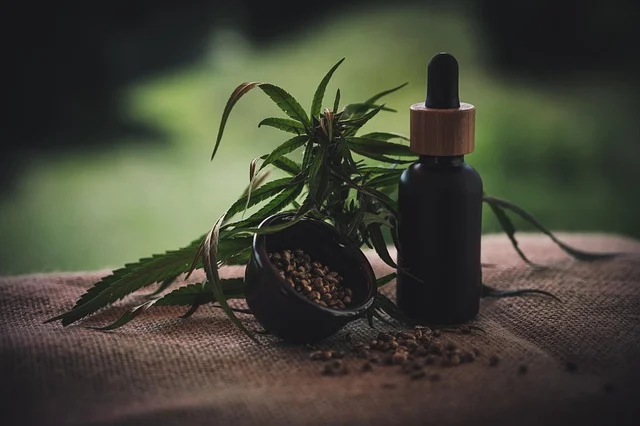
How long does full spectrum CBD stay in urine
Full-spectrum CBD stays in your system for 3 to 30 days in urine, 1 to 7 days in blood, and up to 72 hours in saliva. Clearance windows vary significantly. Trace THC metabolites store themselves in adipose (fat) tissue before your kidneys gradually eliminate them through urine.
When you consume full-spectrum CBD, liver enzymes process small amounts of delta-9 THC alongside CBD. Because THC is lipophilic (fat-soluble), your body stores THC in fat cells, where it is slowly released back into your bloodstream. [pmc.ncbi.nlm.nih.gov] As your body naturally burns fat for energy, it releases these metabolites back into your bloodstream, where your kidneys filter them into urine.
Your total clearance window depends directly on how often you take full-spectrum products:
- Single or occasional use (1–2 total doses): Clears urine in 3 to 5 days.
- Moderate use (2–4 times per week): Clears urine in 7 to 14 days.
- Daily or heavy use (daily for several weeks or months): Clears urine in 15 to 30 days or longer.
The following table compares detection windows across different testing methods and user profiles for full-spectrum CBD:
| Testing Method | Occasional User (1-2 doses) | Moderate User (2-4x/week) | Daily Heavy User (Daily for weeks) |
|---|---|---|---|
| Urine Screen (50 ng/mL cutoff) | 3 to 5 days | 7 to 14 days | 15 to 30+ days |
| Blood Screen | 1 to 2 days | 2 to 4 days | 5 to 7 days |
| Saliva Screen | 24 hours | 24 to 48 hours | 48 to 72 hours |

How long does broad spectrum CBD stay in your system?
Learning how long does full spectrum CBD stay in urine reveals broad-spectrum CBD generally stays for 2 to 5 days. Because manufacturers filter out THC during processing, pure broad-spectrum extracts typically clear your urine without triggering standard 11-nor-9-carboxy-THC screens. Trace cross-contamination in unverified products can occasionally extend this detection window.
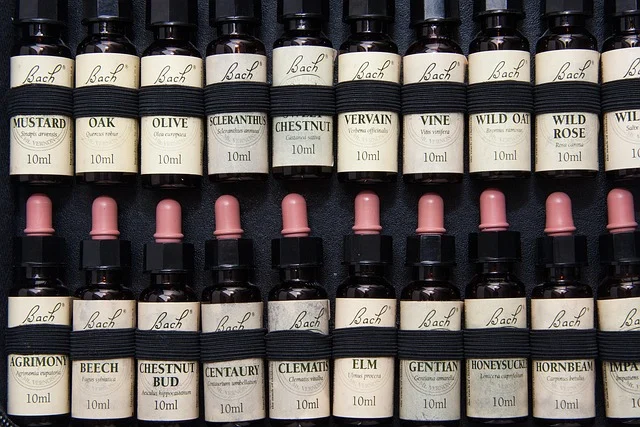
Refining broad-spectrum hemp extracts requires extra processing steps to isolate and remove THC. This process preserves minor cannabinoids like CBG, CBN, and native terpenes. Because workplace drug panels check specifically for THC metabolites, properly processed broad-spectrum extracts carry minimal risk of failing a drug screen.
Unverified broad-spectrum products pose unexpected risks. Mislabeling remains an issue in the hemp marketplace, and products marked “THC-free” can still contain residual THC concentrations. Over weeks of daily intake, these undeclared trace amounts store in your fat tissue and increase your detection window.
Full-spectrum vs. broad-spectrum vs. CBD isolate comparison
Choosing the right CBD formulation depends on your tolerance for drug testing risk and your desired cannabinoid profile. The table below outlines how the three primary types of CBD compare in THC content, clearance speed, and drug test risk:
| CBD Product Type | THC Concentration | Average Urine Clearance | Drug Test Risk Level |
|---|---|---|---|
| Full-Spectrum CBD | Up to 0.3% Delta-9 THC | 3 to 30+ days | High (Risk of THC metabolite accumulation) |
| Broad-Spectrum CBD | Non-detectable / Trace (<0.01%) | 2 to 5 days | Low (Unless mislabeled or contaminated) |
| CBD Isolate | 0.0% THC (Pure CBD) | 1 to 3 days | Very Low (Contains pure CBD only) |
Worked examples: Calculating estimated clearance timelines
To understand how dose accumulation works in real life, consider these two distinct user scenarios:

Scenario A: The Occasional User
Sarah takes a single 25 mg full-spectrum CBD gummy on Friday night to help with sleep. Her bottle contains 0.25% THC, delivering roughly 0.6 mg of total THC in that single serving. Sarah has an average body metabolic rate and does not take CBD daily. Her liver breaks down the small amount of THC rapidly. Her urine metabolite levels peak within 8 to 24 hours at levels near or slightly above the 50 ng/mL screening cutoff. Then, levels decline below detectable limits within 3 to 4 days.
Scenario B: The Daily User
Marcus takes 50 mg of full-spectrum CBD oil twice daily (100 mg total daily dose) for six months. Each daily dose supplies approximately 2 mg of trace THC. Marcus consumes this dose daily. His fat stores absorb THC metabolites faster than his liver and kidneys can eliminate them. After six months, his body fat stores hold a persistent reservoir of 11-nor-9-carboxy-THC. Marcus stops taking CBD today. Still, his fat cells release trace metabolites into his bloodstream as he burns energy, showing how long does full spectrum CBD stay in urine for 20 to 30 days or longer.
Factors that alter CBD clearance timelines
Individual metabolic rates, body composition, dosage volume, and product quality directly control how fast your body filters out cannabinoid metabolites. Two people taking the exact same daily dose often clear metabolites on completely different schedules.

Body fat percentage and tissue storage
Because THC metabolites bind to fat, your body fat percentage plays a major role in clearance speed. Individuals with higher body fat store metabolites longer than individuals with higher lean muscle mass. Daily physical activity and high baseline metabolism help break down and clear stored compounds more rapidly over time.
Dosage volume and frequency of use
Higher daily doses introduce more trace THC into your digestive system. Taking a high-dose full-spectrum tincture daily leads to faster metabolite accumulation than taking a low-dose capsule every few days. You might wonder how long does full spectrum CBD stay in urine as your clearance timeline extends.
Hydration levels and sample concentration
If you research how long full spectrum CBD stays in urine, hydration alters urine sample concentration temporarily. Drinking extra fluids right before a drug screen dilutes the concentration of metabolites in your sample. However, it does not remove fat-stored metabolites from your body. Testing facilities regularly flag overly diluted samples as invalid, requiring you to retake the test.
Common problems and how to fix them
Navigating CBD use alongside drug testing often creates unexpected challenges. Below are common problems users encounter and practical steps to fix them.

Problem 1: You face an unexpected drug test after using full-spectrum CBD
Fix: Stop taking all full-spectrum CBD products immediately. Purchase an over-the-counter home urine drug test panel calibrated to the standard 50 ng/mL THC cutoff. Test your urine using your first morning void to understand how long full spectrum CBD stays in urine. If the home test shows a positive line, avoid taking your workplace test until your body clears the metabolites. Alternatively, consult your employer’s HR policy regarding hemp supplements.
Problem 2: You received an invalid or “dilute” drug test result
Fix: Avoid drinking extreme amounts of water when wondering how long does full spectrum CBD stay in urine. Moderate your fluid intake to standard daily hydration levels (roughly 8 to 10 glasses of water per day) so your urine maintains normal creatinine levels and specific gravity, preventing automated testing equipment from flagging your sample as diluted.
Problem 3: You suspect your broad-spectrum or isolate product contains unlisted THC
Fix: Stop using the product and locate the batch number or QR code on the packaging. Search the manufacturer’s official database for the batch-specific Certificate of Analysis (COA). If the vendor fails to provide a COA showing non-detectable THC levels from an accredited laboratory, discard the product and switch to a verified brand.
Regulatory changes and hemp THC caps
Federal regulations govern the maximum permitted THC content in legal full-spectrum products. Signed on November 12, 2025, Public Law 119-37 (Section 781) updated the legal hemp definition. It includes “total THC” (combining delta-9 THC and THCA) under the existing 0.3% dry weight limit.
Additionally, President Trump signed H.R. 6500 on September 2, 2026, setting an effective date of December 11, 2026, for a strict cap of 0.4 milligrams of total THC and other cannabinoids with similar effects per container for finished hemp-derived products. [congress.gov] This limit applies to the total content of an entire container rather than per single serving size.
Many traditional full-spectrum tinctures and gummies contain several milligrams of total THC per bottle. Consequently, many current full-spectrum formulations will exceed the 0.4 mg per-container cap after December 11, 2026, effectively restricting their federal availability.
How to verify your CBD product using COAs
Reviewing a product’s batch-specific Certificate of Analysis (COA) from an accredited third-party laboratory is the only reliable way to confirm exact THC levels. Reading third-party lab reports protects you from unlisted ingredients or mislabeled concentrations.

- Locate the QR code or batch number printed on your product packaging.
- Scan the QR code or enter the batch code directly into the manufacturer’s official lab database.
- Open the PDF report and locate the Cannabinoid Profile section.
- Find the percentage and mg/g columns for Delta-9 THC and THCA.
- Calculate total THC (Delta-9 THC + [THCA x 0.877]) and verify that the concentration matches the label claims.
- Check the test date and ensure the laboratory carries ISO 17025 accreditation.
If a brand does not publish batch-specific third-party test results, choose an alternative vendor immediately. Recent recall events illustrate why verification matters. On April 21, 2026, Standard Farms Ohio LLC recalled 40 cannabis-infused gummy products due to undeclared soy allergens. Extract Labs also experienced a Class II FDA recall on September 25, 2025, due to potential peanut protein cross-contact.
Who should avoid full-spectrum CBD?
You should avoid full-spectrum CBD entirely if your job, legal status, or athletic standing requires mandatory drug testing. The trace THC in full-spectrum products accumulates in body fat and routinely triggers positive urine drug screens.

Specific groups who should avoid full-spectrum CBD include:
- Employees subject to workplace drug testing: Standard commercial panels (including 5-panel and 10-panel screens) set their initial screening threshold at 50 ng/mL for THC metabolites, a level easily exceeded by daily full-spectrum CBD use.
- Military service members: Armed forces branches enforce zero-tolerance policies for THC metabolites, and testing panels often clear samples at lower cutoff thresholds.
- Professional and collegiate athletes: Anti-doping agencies enforce strict rules regarding cannabinoid metabolites in competition samples.
- Individuals on probation or parole: Court-ordered drug monitoring programs flag trace THC metabolites as violations.
- Healthcare workers and commercial drivers (DOT cardholders): Safety-sensitive positions enforce strict testing protocols where full-spectrum hemp products pose direct employment risks.
If you belong to any of these groups but still want to use CBD, switch to certified CBD isolate—which contains pure CBD with zero minor cannabinoids or THC—or choose verified broad-spectrum products tested by accredited independent laboratories.
Frequently asked questions
how long does full spectrum cbd stay in your system
Full-spectrum CBD stays in your system for 3 to 30 days for urine testing, up to 7 days in blood, and roughly 72 hours in saliva. Frequent, daily consumption lengthens clearance times because trace THC stores itself in fat tissue.
how long does broad spectrum cbd stay in your system
Broad-spectrum CBD generally clears your system within 2 to 5 days. Because processors remove THC during manufacturing, broad-spectrum products rarely trigger positive results on standard urine drug panels unless the product suffers from cross-contamination or mislabeling.
Will full-spectrum CBD make you fail a drug test?
Yes, full-spectrum CBD can cause a failed drug test because it contains trace amounts of THC that build up in body fat over time. Standard drug tests target 11-nor-9-carboxy-THC metabolites rather than CBD itself.
How can you speed up CBD clearance from your body?
You speed up CBD clearance by stopping all cannabinoid intake immediately, staying well hydrated, eating a balanced diet, and engaging in regular cardiovascular exercise to burn fat cells where THC metabolites lodge. Detox drinks and extreme flushing methods rarely alter how long does full spectrum CBD stay in urine significantly.
What urine test cutoff level flags THC from full-spectrum CBD?
Standard workplace urine screens use an initial immunoassay cutoff threshold of 50 ng/mL for 11-nor-9-carboxy-THC. Confirmatory testing (GC-MS or LC-MS) typically lowers the cutoff threshold to 15 ng/mL, which easily detects cumulative trace THC when wondering how long does full spectrum CBD stay in urine.
Sources










Cannabinoids Explained
Calming Treats vs CBD for Dogs Difference Explained
Discover how traditional botanical calming treats compare to active CBD chews for dog anxiety, including mechanisms, dosing, and key label traps.

The main calming treats vs CBD for dogs difference comes down to active ingredients and how they target stress: standard calming chews rely on soothing botanicals and amino acids like L-theanine or chamomile, whereas CBD treats contain measurable milligrams of hemp-derived cannabidiol that directly interacts with your dog’s endocannabinoid system.
Choosing the right option for your dog means understanding what is inside the tub. Many dog owners buy products labeled as hemp chews, expecting the therapeutic effects of cannabidiol, only to find the recipe relies entirely on nutritional hemp seed oil mixed with herb extracts. We recommend reading the active ingredient list carefully before making a purchase, as these two product categories perform very differently during stressful situations.
What is the difference between dog calming treats and CBD?
Traditional dog calming treats rely on botanical herbs and amino acids to reduce mild nervous tension, while CBD products use active cannabinoids extracted from hemp flowers to alter stress signalling across the endocannabinoid system. Botanical chews work primarily through localized digestive absorption of nutrients like L-tryptophan, while CBD provides broader systemic regulation.

Checking label ingredients helps distinguish botanical calming bites from true CBD products.
When you spot the calming treats vs CBD for dogs difference, you find chamomile, valerian root, passionflower, and L-theanine. These compounds target pathways, offering gentle support for mild everyday stressors like minor car rides or routine grooming visits.
Active CBD treats list specific milligrams on the product label, showing the calming treats vs CBD for dogs difference. According to a clinical study by Cornell University, 83% of dogs given CBD chews before stress showed decreased anxiety-related behaviors. This impact occurs because CBD engages your dog’s ECS, which regulates mood, sleep, pain perception, and inflammatory responses.
How do active ingredients compare side by side?
Comparing active ingredients shows that botanical calming treats use herb extracts and nutritional seeds. Full-spectrum or broad-spectrum CBD treats deliver explicit milligram dosages of cannabinoids extracted from industrial hemp. Hemp seed oil alone contains healthy fatty acids but virtually no active cannabinoids.
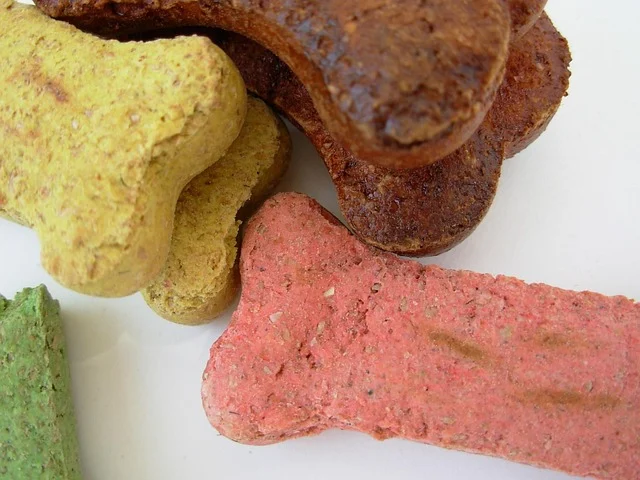
To help you evaluate your choices, we have organized the primary features and key differences between these two chew formats below.
| Feature | Botanical Calming Treats | Hemp-Derived CBD Chews |
|---|---|---|
| Primary Active Ingredients | L-theanine, chamomile, valerian root, L-tryptophan | Cannabidiol (CBD), minor cannabinoids, terpenes |
| Primary Mechanism | Nutritional support for neurotransmitter balance | Direct interaction with the endocannabinoid system |
| Hemp Content | Hemp seed oil or hemp seed powder (0 mg CBD) | Extract from hemp flowers (specific mg of CBD listed) |
| Legal THC Standard | Less than 0.3% total THC standard | |
| Best Suited For | Mild situational nerves and routine maintenance | Moderate to severe stress, joint stiffness, chronic anxiety |
Botanical chews suit dogs needing basic nutritional comfort during minor routine changes. CBD chews suit dogs experiencing deep-seated environmental stress, noise phobias, or age-related discomfort that requires solid systemic support.
Why does the hemp seed oil label trap confuse pet owners?
The hemp seed oil label trap occurs when brands market products as hemp chews with illustrations of hemp leaves. This leads buyers to assume the treats contain active cannabidiol, even though hemp seeds contain virtually zero CBD. True CBD chews always disclose explicit milligram doses of cannabidiol on the guaranteed analysis panel.
Product labels specifying hemp seed oil or powder deliver omega fatty acids rather than therapeutic CBD.
Hemp seed oil is an excellent nutritional supplement packed with omega-3 and omega-6 fatty acids, but it is pressed strictly from the seeds of the industrial hemp plant. Cannabinoids like CBD are secreted in the trichomes of the plant’s flowers and leaves. If a label lists 500 mg of organic hemp seed oil per chew, your dog receives zero milligrams of active cannabidiol.
We advise checking the front package and supplement facts for the difference in calming treats vs CBD for dogs. If the label does not state active CBD per treat (for example, 5 mg or 10 mg of CBD per chew), you are looking at a botanical chew using hemp seeds as a dietary base, not a cannabinoid supplement.
How fast do calming treats work compared to CBD?
Both standard calming chews and CBD treats take roughly 30 to 60 minutes to take effect. Both soft bites must pass through your dog’s digestive tract before active compounds enter the bloodstream. Liquid CBD tincture oils absorb faster when administered directly into the mouth.

Soft chew formulations require 30 to 60 minutes for gastrointestinal absorption.
Because soft chew treats require breakdown in the stomach, timing is critical when preparing for known stress triggers like thunderstorms or fireworks displays. If you give your dog a chew right as the noise begins, the digestive process may delay relief until after the main stress event passes, highlighting the calming treats vs CBD for dogs difference.
To maximize effectiveness, give your dog their chew at least 45 minutes before an anticipated event. Liquid CBD tinctures applied under the tongue bypass first-pass liver metabolism for faster absorption during sudden emergencies. They take effect more quickly than digestible treats.
How do you choose between calming chews and CBD for your dog?
To choose between traditional calming chews and CBD treats, evaluate the intensity of your dog’s anxiety. Check for co-occurring joint issues, and verify that the product fits your dog’s daily routine without triggering stomach sensitivity. Follow this step-by-step decision framework to understand the calming treats vs CBD for dogs difference.

Evaluating your dog’s specific stress triggers helps determine whether botanicals or CBD fit best.
- Assess stress intensity and triggers: Identify whether your dog experiences mild restlessness during routine events like car rides or severe phobias during fireworks. Select botanical chews for low-level tension and CBD chews for high-level distress.
- Check for secondary health needs: Consider whether your dog suffers from physical discomfort alongside nervousness. Dogs managing both joint stiffness and stress often respond better to CBD due to its broader systemic action. If you are exploring joint relief options, see CBD Oil Under Tongue: How Long to Hold for Maximum Absorption for dosage details.
- Inspect the product label carefully: Search the back panel for explicit cannabidiol content in milligrams. Verify that hemp-derived products adhere to legal standards, staying under 0.3% THC to prevent psychoactive effects.
- Review independent laboratory reports: Look for a Certificate of Analysis (COA) from an accredited third-party lab. The COA confirms cannabinoid potency and tests for contaminants like pesticides or heavy metals.
- Start with a lower initial dose: Introduce half the recommended daily dose for the first three days. Observe your dog’s response for any signs of mild drowsiness or digestive changes.
Once you follow these steps, you should see your dog achieve a stable, relaxed posture without heavy sedation or gastrointestinal distress during stressful events.
What side effects and trade-offs should pet owners consider?
While both botanical chews and CBD products are generally safe for canine consumption, they carry distinct side effects and potential medication interactions that require careful consideration. The most common side effects reported by dog owners using CBD products are mild sedation and an increased appetite.

Drowsiness is a common mild reaction when introducing higher dosages of calming supplements.
botanical ingredients like valerian root or high doses of L-tryptophan can occasionally cause loose stools or mild stomach upset in dogs with sensitive digestive systems. CBD products can interact with liver enzymes—specifically the cytochrome P450 pathway—which may alter how your dog metabolizes certain prescription veterinary medications.
Consult your veterinarian before introducing CBD treats to know the difference in calming treats vs CBD for dogs if your dog currently takes prescription medications for seizures, cardiac health, or severe behavioral conditions. Also, check CBD Treats for Dogs With Arthritis: Dose, Safety, and Results to understand systemic clearance times if your dog has an upcoming procedure.
Who should avoid CBD calming treats?
CBD calming treats are not suitable for pregnant or lactating dogs, young puppies under eight weeks old, or dogs with known liver dysfunction unless specifically directed by a licensed veterinarian. Dogs taking blood thinners or anti-seizure medications also require veterinary clearance before using cannabinoid products.

Botanical chews or training offer cheap support, revealing the difference in calming treats vs CBD for dogs facing minor restlessness. Additionally, ensure all hemp products remain far below federal THC boundaries. Federal limits keep hemp-derived total THC under 0.3%, guaranteeing your dog suffers no intoxication or psychoactive side effects.
Frequently asked questions
Can I give my dog regular calming treats and CBD together?
Combining traditional botanical chews with low-dose CBD is generally safe for healthy dogs, but combining multiple products increases the risk of heavy drowsiness or upset stomach. We recommend starting with a single active product first to see how your dog reacts before combining supplements.
Are hemp calming treats the exact same thing as CBD chews?
No, hemp calming treats often use hemp seed oil or powder, which contain omega fatty acids but zero active CBD. True CBD chews explicitly list the exact milligrams of cannabidiol per serving on their packaging label.
What happens if a dog takes too many calming chews?
If a dog consumes an accidental overdose of calming chews, they may experience severe drowsiness, unsteadiness, vomiting, or diarrhea. Contact your veterinarian or a pet poison helpline immediately if your dog consumes an entire container of supplements.
Cannabinoids Explained
Does Broad Spectrum CBD Contain Any Trace THC? What Labs Show
Broad-spectrum CBD is formulated to eliminate THC, but trace amounts below a laboratory’s detection limit can occasionally remain. Learn how lab testing works and what COAs reveal.
You might choose broad-spectrum CBD to avoid THC entirely for personal preference, job requirements, or sensitivity. Understanding how companies manufacture and test these products is essential. We always advise readers to look closely at third-party lab reports rather than taking front-label claims at face value.
Does broad spectrum CBD contain any trace THC?
Broad-spectrum CBD generally contains no detectable THC because manufacturers refine hemp extract through processes like chromatography to remove delta-9 THC. Trace micro-amounts may still exist below the laboratory’s limit of quantitation.
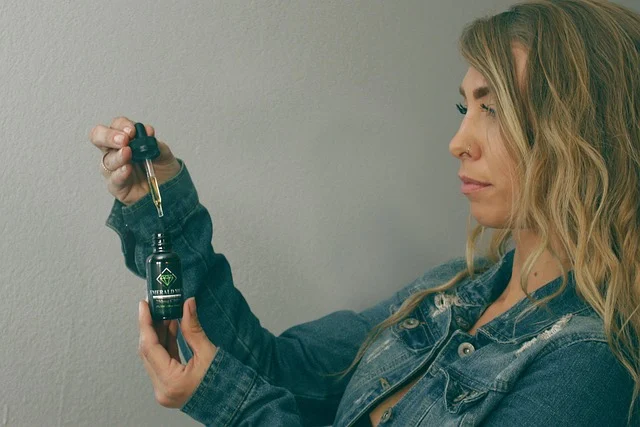
When farmers harvest hemp plants, the crop naturally contains a full spectrum of cannabinoids. These include cannabidiol (CBD), cannabigerol (CBG), cannabinol (CBN), and up to 0.3% delta-9 THC by dry weight. [pmc.ncbi.nlm.nih.gov] To create a broad-spectrum extract, processors begin with full-spectrum oil and apply flash chromatography or centrifugal partition chromatography. These techniques separate individual cannabinoid compounds based on chemical weight and polarity. Operators can isolate and strip out THC molecules while keeping remaining cannabinoids, terpenes, and flavonoids intact.
The explicit goal of this process is to push the final THC concentration below 0.005% by weight. For context, 0.005% represents a microscopic ratio. However, extracting every single molecule is technically difficult at scale, so does broad spectrum CBD contain any trace THC? Minute traces can occasionally linger in the batch.
What does “non-detectable” mean on a CBD lab report?
A non-detect Certificate of Analysis result shows whether broad spectrum CBD does contain any trace of THC. It indicates the compound is absent or present only below the threshold the lab can reliably measure.

Every third-party laboratory uses analytical instruments like High-Performance Liquid Chromatography (HPLC) to measure cannabinoid profiles. Every testing method has two critical baseline figures:
- Limit of Detection (LOD): The absolute minimum concentration of a substance that the equipment can differentiate from background noise.
- Limit of Quantitation (LOQ): The lowest concentration at which the laboratory can reliably and accurately measure the exact amount of the substance.
It does not prove whether broad spectrum CBD does contain any trace THC. It proves the instrument cannot measure that tiny amount with mathematical certainty. We recommend checking the LOQ section on any lab report you review to understand the exact sensitivity of that test.
Broad spectrum vs full spectrum vs isolate
Choosing hemp extract types depends on whether broad spectrum CBD does contain any trace THC, all compounds, or pure isolated CBD. Each format offers a distinct profile of cannabinoids and residual compounds.

| Extract Type | Expected THC Level | Key Feature | Who It Suits |
|---|---|---|---|
| Full Spectrum | Up to 0.3% by dry weight | Contains all natural hemp compounds including trace THC | Those seeking the complete entourage effect who do not face drug testing |
| Broad Spectrum | Undetectable / Below LOQ (typically <0.005%) | Preserves minor cannabinoids and terpenes with THC refined out | Those wanting multi-cannabinoid benefits with minimal THC exposure risk |
| CBD Isolate | Individuals needing zero risk of minor cannabinoids or terpenes |
Broad-spectrum extracts cater to people who want the natural combination of minor cannabinoids—like CBG and CBN—alongside plant terpenes, without introducing meaningful amounts of THC. If your circumstances require a product completely free of all secondary plant compounds, pure CBD isolate is the alternative option.
Can broad spectrum CBD cause a positive drug test?
Broad-spectrum CBD substantially reduces the risk of triggering a positive drug test compared to full-spectrum CBD. However, it does not completely eliminate the possibility. Trace amounts below lab quantitation limits or mislabeled products can occasionally cause issues.
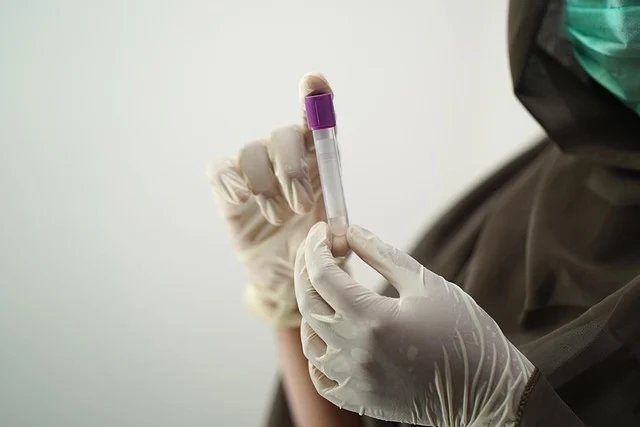
Standard workplace drug screens look for 11-nor-9-carboxy-THC, a metabolic byproduct created after processing delta-9 THC. These tests do not screen for CBD. Because manufacturers refine broad spectrum products so CBD does not contain any trace THC, typical daily use is unlikely to trigger a standard immunoassay screening cut-off (which labs commonly set at 50 nanograms per milliliter for initial workplace tests).
However, risk remains under specific edge cases:
- Extremely high daily consumption: Consuming massive quantities of broad-spectrum oil daily could hypothetically lead to an accumulation of background trace amounts over extended periods.
- Poor quality control: Products that are mislabeled as broad-spectrum when they are actually unrefined full-spectrum oils can expose you to standard levels of THC.
- Cross-reactivity: In rare cases, initial urine screening tests can cross-react with high concentrations of other non-THC cannabinoid metabolites. Confirmation tests using gas chromatography-mass spectrometry (GC-MS) usually resolve false positives.
If your employment, military status, or professional license depends on strict drug screening outcomes, see our detailed guide on Will Full Spectrum CBD Show Up on a Drug Test? What to Expect to understand how testing thresholds work across different product types.
How federal regulations impact THC limits in broad spectrum products
Federal hemp regulations set maximum allowable thresholds for total THC content in commercial products to ensure legal compliance. Recent statutory changes establish stricter rules for overall package contents.

Under Public Law 119-37, enacted on November 12, 2025, federal law redefined hemp and updated requirements for hemp-derived cannabinoid products. Key provisions established by this legislation include:
- Total THC Calculation: Hemp is defined by “total THC” (which combines delta-9 THC and THCA) at no more than 0.3% on a dry-weight basis.
- Per-Container Cap: Following an extension enacted on September 2, 2026, finished hemp-derived cannabinoid products taking effect on December 11, 2026, must contain no more than 0.4 milligrams of combined total tetrahydrocannabinols per retail container.
Legitimate broad-spectrum products aim for undetectable levels of THC. High-quality broad-spectrum formulas with verified non-detect lab results should be least affected by these per-container total THC limits.
How to verify your broad spectrum CBD is THC-free
You can verify whether a broad-spectrum product contains trace THC by checking its batch-specific Certificate of Analysis from an accredited third-party laboratory. Never rely exclusively on the front label statement.

- Locate the QR code or batch number: Look on the packaging or bottle label for a scannable code or a batch number matching the physical container.
- Open the third-party COA: Access the lab report hosted on the manufacturer’s website or an independent lab portal. Ensure the test comes from an ISO 17025-accredited laboratory.
- Navigate to the Cannabinoid Profile: Find the table listing individual cannabinoids, specifically looking for Delta-9 THC, Delta-8 THC, and THCA.
- Check the result and LOQ column: Confirm that the report lists “ND” (Non-Detect) or “<LOQ” for all forms of THC.
Frequently asked questions
Can broad spectrum CBD show up on a drug test?
Broad-spectrum CBD is unlikely to show up on a standard drug test because manufacturers remove THC to undetectable levels. However, if a product contains unverified trace amounts or poor manufacturing occurs, a minimal risk remains.
Broad-spectrum CBD is formulated to be free of THC. However, it may contain minute trace amounts below a lab’s limit of quantitation. A non-detect lab result means THC levels fall below what the testing equipment can reliably measure.
What is the difference between broad spectrum and CBD isolate?
Broad-spectrum CBD contains multiple cannabinoids, terpenes, and flavonoids from the hemp plant with the THC removed.
Sources
Cannabinoids Explained
Can You Take CBD Gummies on an Empty Stomach?
Yes, you can take CBD gummies on an empty stomach, but consuming them with dietary fats increases absorption rates and reduces the risk of mild stomach discomfort.

While taking a gummy without eating will not cause serious harm, understanding how your digestive system processes orally ingested cannabinoids helps you achieve consistent results while protecting your stomach lining from potential irritation.
Do You Take CBD Gummies on an Empty Stomach or With Food?
If you wonder if you can take CBD gummies on an empty stomach, eat food with healthy fats first. Cannabidiol (CBD) is lipophilic, meaning it dissolves in lipids and fats rather than water. Your liver processes it far more efficiently when fats are present in the digestive tract.

When you chew and swallow a CBD gummy, the active ingredient passes down the esophagus and enters the stomach. If the stomach is completely empty, the gummy breaks down rapidly in digestive acids. The liver than metabolizes the isolated CBD via first-pass metabolism before the compound enters systemic circulation. First-pass metabolism degrades a large portion of orally consumed cannabinoids. Consequently, taking CBD gummies on an empty stomach yields a lower overall bioavailable percentage. Less CBD reaches your bloodstream compared to taking it alongside dietary lipids.
When consuming a gummy alongside fatty meals—like avocados, nuts, eggs, or full-fat yogurt—the fats stimulate bile acid secretion. Bile emulsifies the fats and the dissolved CBD together, forming tiny droplets called micelles. These micelles transport cannabidiol through intestinal walls into the lymphatic system, bypassing substantial liver degradation. This mechanism delivers a higher concentration of active compound to your systemic receptors.
How Empty vs. Fed States Change CBD Timing and Bioavailability
Taking CBD gummies without food leads to faster onset times but lower total cannabinoid absorption. Eating first delays onset because the stomach must digest the meal alongside the gummy, but total absorption increases noticeably.
The trade-offs between empty and fed stomach consumption affect onset speed, duration of effects, and overall efficiency:
| Factor | Empty Stomach | With a Meal (Containing Fats) |
|---|---|---|
| Onset Time | 30 to 45 minutes | 60 to 120 minutes |
| Bioavailability | Lower (Higher hepatic clearance) | Higher (Enhanced micellar transport) |
| Duration of Effects | Shorter (3 to 5 hours) | Longer (6 to 8 hours) |
| Stomach Upset Risk | Moderate (Gelatin, sugars, or carriers may irritate) | Low (Buffer present in gastrointestinal tract) |
When considering if you can take CBD gummies on an empty stomach at 8:00 AM, onset starts by 8:35 AM. However, the body absorbs only a modest portion of the milligram strength printed on the product label. If you take that same gummy after eating breakfast containing eggs and whole-wheat toast with butter at 8:00 AM, the effects may not peak until around 9:30 AM, but the functional uptake will be considerably stronger and longer-lasting.

Can Taking CBD Gummies Without Food Cause Stomach Irritation?
Yes, taking CBD gummies on an empty stomach can cause mild gastrointestinal irritation, including nausea, bloating, abdominal cramping, or loose stools. This irritation is usually caused by secondary ingredients in the gummy rather than the cannabidiol itself.
Commercial CBD gummies rely on various carrier bases, sweeteners, and texturizing agents. Understanding these ingredients helps isolate the cause of digestive issues:
- Carrier Oils: Raw CBD extract is typically diluted in carrier liquids like Medium-Chain Triglyceride (MCT) coconut oil or hempseed oil. Concentrated MCT oil on an empty stomach frequently triggers nausea or digestive cramping in sensitive individuals.
- Artificial Sweeteners and Sugar Alcohols: Sugar-free gummies often use sugar alcohols such as xylitol, sorbitol, or mannitol. When digested without other food, sugar alcohols pull water into the intestines, causing gas, bloating, or diarrhea.
- Gelatin and Pectin: Gelatin (derived from animal collagen) and pectin (fruit-based carbohydrate) are gelling agents. Digesting concentrated gelatin or pectin without food can cause light stomach heaviness or acid reflux in sensitive stomachs.
- Citric Acid and Flavorings: Many sour or fruit-flavored gummies rely on citric acid coatings. Pure citric acid hitting an empty stomach lining can elevate gastric acidity, causing mild heartburn.
Experiencing nausea shortly after eating a gummy? Switching to a brand that uses simple organic cane sugar rather than sugar alcohols often resolves stomach distress. Switching from MCT-based extracts to hempseed-based options also helps.

Who Should Not Take CBD Gummies on an Empty Stomach?
You should avoid taking CBD gummies on an empty stomach if you have a history of sensitive digestive conditions, severe acid reflux, or irritable bowel syndrome (IBS). Individuals managing metabolic conditions or taking specific prescription pharmaceuticals should also use caution.

We advise avoiding fasting consumption in the following specific scenarios:
- People with Gastroesophageal Reflux Disease (GERD): Citric acid coatings and concentrated fats (like MCT oil) on an empty stomach lower esophageal sphincter pressure, encouraging acid reflux.
- Individuals Prone to Hypoglycemia: High-sugar gummies swallowed without real food trigger rapid insulin spikes followed by sharp blood sugar crashes. These drops can cause dizziness or tremors.
- People Using Daily Medications Metabolized by CYP450 Enzymes: Cannabidiol inhibits cytochrome P450 enzymes in the liver. Taking high doses of CBD on an empty stomach alters hepatic clearance rates differently than taking it with food. That shift could impact prescription medication blood concentrations.
Determining your baseline tolerance requires starting with a lower dosage before modifying your food timing. For guidelines on establishing your starting point, see How Many mg of CBD Should a Beginner Start With? for dosage details.
Steps for Taking CBD Gummies Safely When Fasting
Your daily routine, intermittent fasting schedule, or personal preference may require taking CBD gummies without eating a full meal. Following a structured process helps minimize digestive irritation while preserving effect consistency.
- Choose a simple formulation: Select a standard cane-sugar gummy rather than sour or sugar-free varieties. Heavy amounts of citric acid or sorbitol can cause stomach distress.
- Drink 8 to 12 ounces of room-temperature water first: Hydrating dilutes stomach acid. It also provides a liquid buffer inside the gastric lining before the gummy arrives.
- Chew the gummy thoroughly: Break the edible down completely in your mouth for 30 to 60 seconds before swallowing. Thorough chewing begins mechanical breakdown and exposes the gummy to salivary enzymes, making digestion smoother.
- Incorporate a tiny lipid source if your diet permits: If strict fasting is not mandatory, consume a single spoon of peanut butter, a half-ounce of almonds, or a teaspoon of olive oil right alongside the gummy. This minor fat dose activates bile secretion without triggering a heavy digestive workload.
- Monitor for 60 minutes before taking more: Wait at least one hour to gauge onset speed and stomach comfort before assessing whether your dose was effective.
Frequently asked questions
Do you take CBD gummies on an empty stomach?
You can take CBD gummies on an empty stomach. However, taking them with a fat-containing meal or snack increases absorption and reduces the likelihood of mild stomach irritation.
Does taking CBD on an empty stomach make it work faster?
Yes, taking CBD gummies without food generally results in faster onset. Your stomach digests the gummy immediately without having to process complex meal solids first.
What happens if CBD gummies make your stomach hurt?
If CBD gummies cause stomach pain, it is usually due to carrier oils, sugar alcohols, or acidic flavorings. Consuming the gummy with a small snack or switching formulations typically resolves the discomfort.

Calming Treats vs CBD for Dogs Difference Explained

Can CDL Drivers Take Broad Spectrum CBD Oil? DOT Rules

How Long Does Full Spectrum CBD Stay in Urine?

AmeriCanna Rx: Your Guide to Portland’s Premier Cannabis Dispensary

Tropic Thunder Strain: An Uplifting Hybrid Experience

Collective Efforts Sacramento CA: Menu, Pricing and Delivery
-
 Product Guides4 months ago
AmeriCanna Rx: Your Guide to Portland’s Premier Cannabis Dispensary
-
 Cannabis 1014 months ago
Tropic Thunder Strain: An Uplifting Hybrid Experience
-
 Culture & Lifestyle4 months ago
Collective Efforts Sacramento CA: Menu, Pricing and Delivery
-

 Cannabis 1014 months ago
Haze Purple: Unveiling a Cannabis Cultivar’s Unique Appeal
-
 Industry News4 months ago
Your Guide to Silver State Relief: Maximizing Value
-
 Cannabis 1014 months ago
Purple Runtz Strain: Unpacking Its Potency and Sweet Appeal
-

 Cannabis 1014 months ago
Medicann Clinics: Challenging the Conventional Patient Journey
-
 Product Guides4 months ago
Identifying Top Shelf Cannabis: A Connoisseur’s Guide