
Laws & Regulations
Can You Take CBD Across State Lines in Your Car?
Learn whether you can take CBD across state lines in your car, covering federal hemp laws, state restrictions, and how to transport products legally.

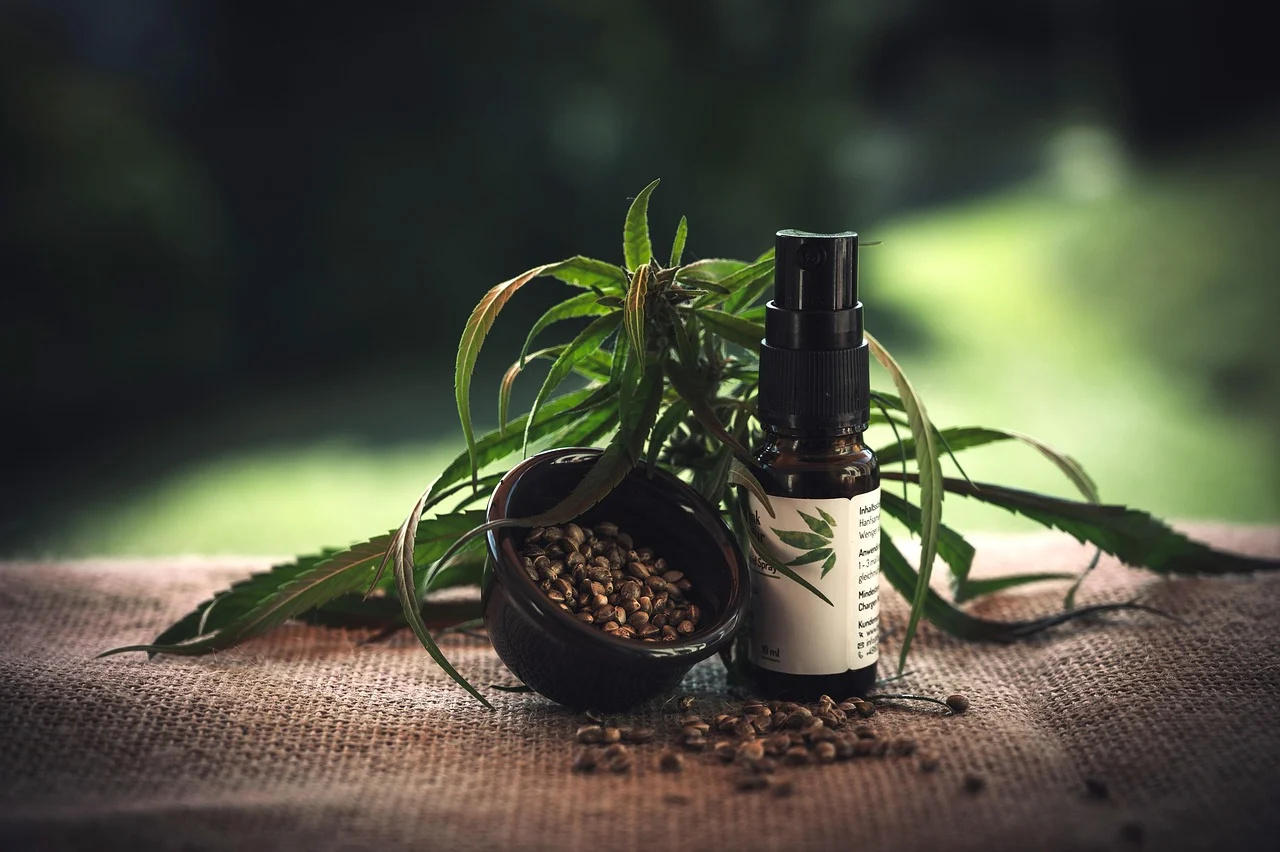
CBD, or cannabidiol, is a non-intoxicating chemical compound found naturally in the Cannabis sativa plant. Under the 2018 Farm Bill, federally legal hemp-derived CBD is defined as cannabis containing no more than 0.3% delta-9 THC on a dry-weight basis. Because lawful hemp may move in interstate commerce, transporting compliant products in your car across state borders is generally permitted at the federal level. Yet, relying solely on federal rules can cause trouble if you drive through states with stricter regulations.
What do federal laws say about transporting CBD?
Under federal law, transporting hemp-derived CBD across state lines is legal as long as the product meets strict federal definitions for hemp and originates from licensed growers. You must keep in mind that upcoming legislative changes introduce stricter potency caps that affect many common products.
A new federal law, Public Law 119-37, signed November 12, 2025, narrows hemp status using total THC standards and excludes specified manufactured cannabinoids, with rules taking effect in late 2026. From December 11, 2026, the federal definition of hemp shifts to a total THC standard, which includes THCA rather than just delta-9 THC. Additionally, finished hemp products must contain no more than 0.4 mg of total THC per container to remain federally legal. Most full-spectrum CBD products are unlikely to meet this 0.4 mg per container limit and will be treated as marijuana under federal law, while CBD isolate and broad-spectrum products with no detectable THC should be least affected.
Which states ban or restrict CBD products?
Federal legality does not override stricter state laws. Individual states can adopt their own rules on cannabinoids, product forms, potency, and sales. Hemp-derived CBD is legal with state-specific limits in Idaho, Kansas, Nebraska, North Carolina, South Carolina, and Wyoming. [alllawsdecoded.com] Driving your car into any of these jurisdictions with CBD may cause local enforcement actions regardless of where you purchased the product.
Also, individual states continuously update their local frameworks. Ohio enacted Senate Bill 56 in December 2025 to ban intoxicating hemp products while keeping non-intoxicating CBD compliant. California restricted hemp flower and inhalable products as of January 2026 under Assembly Bill 8. Texas introduced rules effective January 21, 2026, requiring buyers of consumable hemp from TABC-licensed sellers to be 21 or older; mandatory DSHS retailer licensing and registration requirements are separate. [sos.texas.gov] Always check local statutes before crossing any state boundary.
Can you take CBD across state lines in your car?
You reduce your legal exposure during a road trip by following a structured checklist before you turn the ignition. Take these concrete steps to verify your inventory:

-
- Inspect every product label to confirm it lists ingredients, cannabinoid potency, and batch numbers clearly.
- Pull up the manufacturer’s Certificate of Analysis (COA) online using the batch number or QR code, and print a physical copy to keep in your glove box.
- Leave products in their original, sealed, and unopened retail packaging to show law enforcement that you did not tamper with or alter the goods.
- Map your entire driving route ahead of time to identify every state line you cross, checking each state’s current Department of Agriculture or attorney general website for cannabinoid bans.
- Pack your CBD items in the trunk or rear cargo area rather than the center console or passenger seat to ensure they remain out of immediate reach and avoid suspicion during a routine traffic stop.
Comparing CBD product types for travel compliance
Not all CBD formulations carry the same risk profile when you cross state lines. You evaluate your travel risk by comparing how different extracts measure up against federal and state regulations:
| Product Type | THC Profile | Interstate Travel Risk |
|---|---|---|
| CBD Isolate | Zero detectable THC | Lowest risk; contains no cannabinoids other than pure CBD. |
| Broad-Spectrum CBD | Trace THC detected, no delta-9 above 0.3% | Low to moderate risk; may still trigger sensitive roadside drug screenings if total THC limits shift. |
| Full-Spectrum CBD | Contains delta-9 THC and THCA up to legal caps | Higher risk; unlikely to meet the upcoming 0.4 mg total THC container limit under Public Law 119-37. |
| Marijuana-Derived CBD | High THC content | Illegal; classified as a Schedule I controlled substance under federal law. |
How can you prove your CBD product is legal during travel?
To prove a CBD product’s legality during a traffic stop or inspection, carrying a Certificate of Analysis from an independent laboratory for the specific batch is the most reliable proof. Keep this documentation easily accessible alongside the original, unopened product packaging.

A Certificate of Analysis provides third-party verification of the cannabinoid profile. It confirms that your product stays under the legal delta-9 THC and upcoming total THC thresholds. If a product lacks proper labeling or lab testing, law enforcement may treat it as an unregulated substance. This risk is especially high if you travel through restrictive states or areas where marijuana-derived CBD remains a Schedule I controlled substance federally.
Common problems when traveling with CBD and how to fix them
Drivers frequently encounter specific hurdles when transporting cannabinoid products across state lines. You resolve these issues quickly by applying targeted fixes:
-
-
- Missing or unreadable product labels: If your bottle lacks a clear ingredient list or batch number, leave it at home. Buy a replacement product at your destination that features transparent labeling.
- Unlabeled homemade extracts or loose flowers: Never transport unsealed or homemade tinctures in your car. Discard them before your trip to avoid presumptive field tests by law enforcement that cannot instantly distinguish hemp from marijuana.
- Driving through zero-tolerance states unexpectedly: If your GPS reroutes you through a ban state like Idaho or Nebraska, pull over safely before the border and ship your CBD products to your final destination via a commercial carrier instead of carrying them in the car.
-
Who this travel advice does not suit
This guidance on interstate car travel with CBD does not apply to everyone. You should ignore these suggestions and consult a qualified attorney if you fall into the following categories:

-
-
- Commercial transport drivers, such as interstate semi-truck operators, must follow strict federal Department of Transportation (DOT) drug and substance regulations. These rules often prohibit any cannabis derivatives regardless of state laws.
- Individuals driving across international borders, such as entering Canada or Mexico, face strict rules. Federal customs laws completely supersede domestic hemp laws and treat all cannabis products as contraband.
- Minors driving without adult supervision face restrictions. Therefore, state laws frequently restrict the possession and transport of consumable hemp products to adults aged 18 or 21 and older.
-
Related guides
Frequently asked questions
Can I drive across state lines with marijuana-derived CBD?
No, marijuana-derived CBD remains a Schedule I controlled substance federally, regardless of its THC content, and cannot cross state lines legally.
Does a Certificate of Analysis guarantee safety in every state?
No, a lab report proves cannabinoid content, but it does not protect you if you enter one of the states where all CBD products remain classified as illegal.
Are online sales affected by new interstate transport rules?
Yes, evolving state guidance, such as 2026 rules in New Jersey, increasingly restricts hemp-derived product online sales and channels certain items into licensed cannabis frameworks.
What should I do if law enforcement questions my CBD during a traffic stop?
Answer questions calmly, state clearly that the product is federally legal hemp containing less than 0.3% THC, and present your printed Certificate of Analysis alongside the unopened product packaging.
Sources

Laws & Regulations
Is CBD Legal in All 50 States Without a Prescription?
Hemp-derived CBD is federally legal under the 2018 Farm Bill, but state laws and upcoming December 2026 rules create significant variations across the country.
Is CBD legal in all 50 states without a prescription?
Hemp-derived CBD containing less than 0.3 percent Delta-9 THC is not controlled as a substance under federal law, but FDA rules restrict some CBD products. [fda.gov] While the 2018 Farm Bill opened the door for industrial hemp, individual state legislatures retain the power to enforce stricter rules or ban certain products entirely.
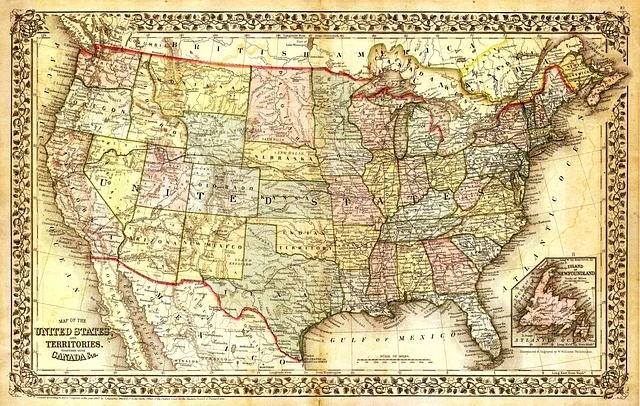
When you look closely at the map, the legal status of cannabidiol changes dramatically depending on where you stand. Many consumers assume federal approval guarantees nationwide access, but local statutes create real barriers. You must check your specific state regulations before buying or traveling with these products, as enforcement varies widely.
How state laws divide the country on CBD access
Twenty-four states and the District of Columbia broadly allow consumer CBD products without state-level restrictions beyond federal hemp standards, while twenty states classify CBD as conditionally legal. Six states maintain strict bans or severe restrictions.
Understanding how your state classifies these extracts prevents legal trouble. The following breakdown shows how different jurisdictions handle hemp and cannabis derivatives:
| State Category | Number of States | Key Legal Restrictions |
|---|---|---|
| Broadly Legal | 24 states plus DC | Follows federal hemp standards without extra state-level consumer bans. |
| Conditionally Legal | 20 states | Access often limited to medical patients or specific formulations. |
| Illegal or Restricted | 6 states | Severe restrictions or flat bans; Idaho maintains a zero-THC standard. |
We always advise looking beyond basic state lines to see how local law enforcement interprets these rules. If you live in Idaho, Kansas, Nebraska, South Carolina, or Wyoming, you face the strictest legal environments regarding hemp extracts. [ncdhhs.gov] Idaho enforces a strict zero-THC standard, meaning even trace amounts can cause legal complications.
Navigating the gray areas in conditionally legal states
In the twenty states where CBD occupies a conditionally legal status, you face a web of conflicting rules. These rules often depend on how the extract was sourced. State health departments sometimes permit topical CBD lotions while banning consumable oils, or they restrict sales to state-licensed medical dispensaries only.

You must examine the source plant before purchasing in these jurisdictions. If a state agricultural department requires special registration for retail sellers, local convenience stores might stock illegal inventory without realizing it. You protect yourself by purchasing exclusively from vendors who explicitly list compliance credentials for your specific zip code.
What changes with federal hemp laws and total THC limits?
A major shift in federal policy redefines hemp based on total THC, including THCA. It introduces a strict limit of 0.4 milligrams of total THC per finished product container. Scheduled for December 11, 2026, this upcoming federal change replaces the older Delta-9-only measurement and alters what qualifies as legal hemp.
You will notice that many full-spectrum products currently on shelves will no longer meet federal hemp standards once these rules take effect. Also, products containing cannabinoids that cannot be naturally produced by the cannabis plant lost federal hemp status on November 12, 2026. These updates mean manufacturers must reformulate their extracts, and you will likely see lower amounts of total cannabinoids in available consumer goods.
Comparing CBD product types and their legal compliance
Different extract types carry varying degrees of regulatory scrutiny. Understanding the chemical distinction helps you select products that align with both federal guidelines and strict state statutes.
- Full-spectrum CBD: Contains a full profile of cannabinoids, including up to 0.3 percent Delta-9 THC. This type faces the highest risk in zero-THC states like Idaho.
- Broad-spectrum CBD: Contains multiple cannabinoids and terpenes, but manufacturers filter out the THC. This option works well if you want entourage benefits while minimizing legal exposure in restrictive states.
- CBD isolate: Consists of pure cannabidiol with all other plant compounds removed. This format offers maximum legal safety because it completely eliminates THC content.
Where to buy CBD safely under new payment and retail rules
Major payment processors and online platforms have updated their policies, with Square ending support for CBD and hemp-derived products and Stripe restricting sales over local THC limits. These corporate shifts mean you must find alternative purchase routes or buy directly from transparent brand websites that maintain independent merchant accounts.

When you purchase CBD products, we recommend following these practical steps to verify quality and compliance:
- Review the brand’s independent third-party laboratory reports to confirm the product contains less than 0.3 percent Delta-9 THC and complies with dry weight limits.
- Check the ingredient list to ensure the extract comes from industrial hemp rather than marijuana, which remains federally illegal.
- Verify your local state age requirements, noting that jurisdictions like Texas require consumers to be 21 or older for consumable hemp purchases.
- Confirm that the retailer ships legally to your specific zip code without violating state-level restrictions.
When you complete these checks successfully, you should see clear batch numbers and accessible certificates of analysis on the retailer platform.
Common problems when buying CBD online and how to fix them
You may encounter roadblocks when ordering CBD online due to shifting payment processor rules and regional shipping restrictions. Merchants frequently update their checkout systems, which can cause sudden payment declines.
- Problem: Your credit card payment fails at checkout on a trusted CBD website.
Fix: Switch to an alternative payment method accepted by the merchant, such as an e-check or bank transfer. Alternatively, look for a brand that uses a specialized high-risk merchant processor. - Next, Problem: An online retailer cancels your order after realizing your shipping address is in a restricted state.
Fix: Check the brand’s shipping policy page before ordering to confirm they service your state. Consumers may also choose an isolate-based product if local laws permit non-THC hemp derivatives. - Problem: The product arrives without an easily accessible certificate of analysis.
Fix: Contact customer support to request the batch-specific lab report. Buyers should return the product if the company cannot provide third-party testing verification.
Who this advice does not suit
This guide focuses entirely on federally compliant hemp-derived CBD for general adult consumers in the United States. If you are a medical cannabis patient enrolled in a state-specific medical marijuana program, your access relies on state-licensed dispensaries rather than standard retail hemp laws. Similarly, if you live outside the United States, international customs regulations and foreign drug laws supersede the US Farm Bill completely.

Frequently asked questions
Does CBD show up on a drug test?
Standard drug tests target THC rather than CBD. Full-spectrum CBD products contain trace amounts of Delta-9 THC that can accumulate and trigger a positive result. If you face regular drug screenings, isolate-based products or avoiding hemp extracts altogether is the safest approach.
Can you fly domestically with CBD oil in the US?
The Transportation Security Administration permits hemp-derived CBD products that contain less than 0.3 percent THC in carry-on and checked bags. However, TSA agents hand matters over to local law enforcement if they suspect a substance violates state laws.
Is there a federal minimum age to buy CBD?
Federal law does not set a minimum age for purchasing hemp-derived CBD. A growing number of states require buyers to be at least 21 years old.
What should you do if your state changes its CBD laws?
Monitor updates from your state department of agriculture or state health department. If your state enacts stricter bans, you must stop purchasing and safely dispose of non-compliant products to avoid local penalties.
Are synthetic cannabinoids legal under the Farm Bill?
No. Cannabinoids created through chemical modification or synthesized in a lab do not qualify as legal industrial hemp, even if derived from the cannabis plant.
Sources
Laws & Regulations
Can Athletes Use CBD for Muscle Soreness Under Wada Rules?
Yes, athletes can use purified cannabidiol (CBD) for muscle soreness, as WADA removed it from the Prohibited List.

The World Anti-Doping Agency removed purified cannabidiol, so can athletes use CBD for muscle soreness under WADA rules? Yes safely. Experts urge checking labels; accidental THC triggers positive tests.
CBD, or cannabidiol, is a naturally occurring compound found in the Cannabis sativa plant. Unlike THC, or tetrahydrocannabinol, CBD is non-intoxicating and does not cause a high. Because of these distinct properties, WADA officially removed CBD from its Prohibited List, with the change taking effect on January 1, 2019. Under the current rules, purified cannabidiol remains permitted for athletic use both in-competition and out-of-competition.
Can athletes use CBD for muscle soreness under WADA rules?
Under the 2026 and 2027 WADA Prohibited Lists, purified cannabidiol is fully permitted when athletes use CBD for muscle soreness WADA rules, while THC and semi-synthetic or synthetic cannabinoids that mimic its effects remain prohibited during the in-competition period. [ukad.org.uk] We remind athletes that the in-competition period generally starts at 11:59 p.m. the day before a competition and ends with sample collection.

As athletes can use CBD for muscle soreness under WADA rules, you must handle other cannabis compounds carefully. All other cannabinoids, including THC, remain prohibited in-competition. Also, WADA sets the in-competition carboxy-THC urine threshold at 150 nanograms per milliliter, with a 180 nanogram decision limit. If a test detects levels above the decision limit, the laboratory reports an adverse analytical finding, which may lead to sanctions. [wada-ama.org]
Recent updates to the regulations provide additional clarity for competitors. The 2027 WADA Prohibited List, which was approved on September 10, 2026, and takes effect on January 1, 2027, clarifies that naturally occurring cannabinoids that do not possess THC-like effects, such as cannabinol will no longer be prohibited in-competition. [ukad.org.uk] However, Delta-9-tetrahydrocannabinol and semi-synthetic or synthetic cannabinoids that mimic its effects remain strictly banned.
How to select and verify safe CBD products
You must implement a strict verification process before bringing any CBD product into your training environment. Because supplement regulations lack rigid oversight, you carry the burden of proof to ensure absolute purity.
-
- Locate the batch number on the product packaging or bottle.
- Visit the manufacturer website and search for the corresponding Certificate of Analysis (COA) issued by an independent, accredited third-party laboratory.
- Review the COA to confirm that Delta-9-THC registers as “non-detectable” or shows zero parts per million.
- Verify that the testing laboratory holds ISO/IEC 17025 accreditation for cannabis testing.
- Store the COA digitally so you maintain an audit trail of your supplement usage.
Comparing CBD product types for athletes
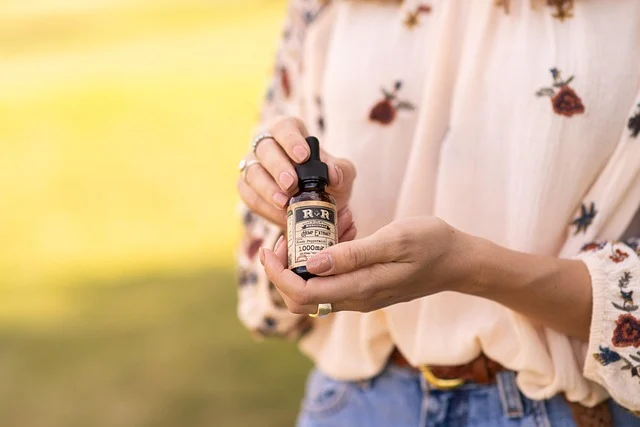
Athletes choose between different formulations based on personal preference and anti-doping risk tolerance. Understanding the structural differences prevents accidental ingestion of banned substances.
| Product Type | THC Content Risk | WADA Status | Best Use Case |
|---|---|---|---|
| Pure CBD Isolate | Zero (pure crystalline CBD) | Permitted | Athletes wanting absolute zero THC exposure |
| Broad-Spectrum CBD | Low (minor cannabinoids present, THC removed) | Permitted if THC-free | Athletes seeking entourage effects without THC |
| Full-Spectrum CBD | High (contains legal trace amounts of THC) | High Risk In-Competition | Off-season use only (carries anti-doping risk) |
Why is product contamination a major risk for athletes?
CBD products, particularly full-spectrum and broad-spectrum extracts, often contain detectable levels of THC or other prohibited cannabinoids even when packaging states they are THC-free. Strict liability remains the biggest professional hazard here, because can athletes use CBD for muscle soreness WADA rules govern their responsibility for any prohibited substance found in biological samples.
Manufacturing facilities often process multiple cannabis strains using shared equipment, which frequently leads to cross-contamination. If you purchase an over-the-counter tincture or topical cream that was not third-party tested, trace amounts of THC can accumulate in your system. Over time, regular use of a contaminated product can push your urinary carboxy-THC levels past the 150 nanograms per milliliter threshold when athletes use CBD for muscle soreness WADA rules apply during an in-competition testing window.
The United States Anti-Doping Agency and other global sports authorities warn that dietary supplements lack strict federal oversight. The Food and Drug Administration has not evaluated or approved most CBD products for medical use, and manufacturers cannot legally market them to treat specific diseases or injuries. Therefore, relying on marketing claims on a bottle label offers zero legal protection if you fail a drug test.
What does science say about CBD for muscle recovery?
Current scientific research on CBD for muscle recovery and athletic performance remains limited. Available evidence is not strong enough to prove that CBD reliably speeds up post-workout healing. Experts view current clinical data with caution, as many existing studies feature small sample sizes or rely heavily on subjective surveys rather than objective physiological measurements.

While many athletes report feeling subjective relief from joint stiffness or general fatigue after applying topical CBD or taking oral drops, researchers have not yet established a standardized dosage or delivery method that guarantees physical benefits. If you choose to incorporate CBD into your recovery routine to manage everyday training aches, you should treat it as an experimental personal choice rather than a scientifically proven performance enhancer.
Common problems with CBD use and how to fix them
Athletes often run into predictable pitfalls when introducing cannabinoids into a structured training regimen. Recognizing these issues early prevents costly testing errors.

-
-
- Problem: Trusting front-label marketing claims like “THC-free.”
Fix: Ignore front-label text and refuse to use any product that lacks a batch-specific third-party COA confirming zero THC. - Problem: Using full-spectrum oils close to an in-competition window.
Fix: Cease all oral cannabinoid use at least two weeks prior to the start of the in-competition period to clear residual metabolites. - Problem: Applying untested topical balms over large areas of skin.
Fix: Restrict topical applications strictly to pure isolate formulations or certified THC-free creams.
- Problem: Trusting front-label marketing claims like “THC-free.”
-
Who this CBD guidance does not suit
Certain competitors must avoid CBD entirely, regardless of WADA rule modifications or third-party testing assurances.

-
-
- Athletes competing under sports organizations that enforce a zero-tolerance policy for all cannabinoids, regardless of WADA harmonization.
- Competitors who undergo random, unannounced year-round testing where even trace accumulation from legal trace-THC products poses an unacceptable career risk.
- Individuals with known sensitivities or adverse liver enzyme reactions to cannabinoid processing.
-
Frequently asked questions
Does topical CBD cream cause a positive drug test?
Topical CBD products rarely enter the bloodstream in quantities high enough to trigger a systemic positive test, but contaminated full-spectrum topicals could theoretically pose a minor risk if applied heavily over broken skin. Most sports organizations view transdermal absorption of pure CBD as safe under current anti-doping guidelines.
Can I use full-spectrum CBD oil during the off-season?
Off-season full-spectrum products carry risks as THC metabolites accumulate in fatty tissues and stay in urine for weeks. Athletes asking if they can use CBD for muscle soreness under WADA rules must exercise caution with trace THC extracts.
How can athletes ensure their CBD products are safe?
Athletes should only use products that feature batch-specific third-party laboratory certificates of analysis confirming the complete absence of THC. Checking for certifications from independent testing programs helps minimize the risk of accidental anti-doping rule violations.
Sources
Laws & Regulations
Can CDL Drivers Take Broad Spectrum CBD Oil? DOT Rules
CDL drivers cannot safely take broad-spectrum CBD oil. Even trace amounts of THC or mislabeled products can cause a failed DOT drug test and career suspension.
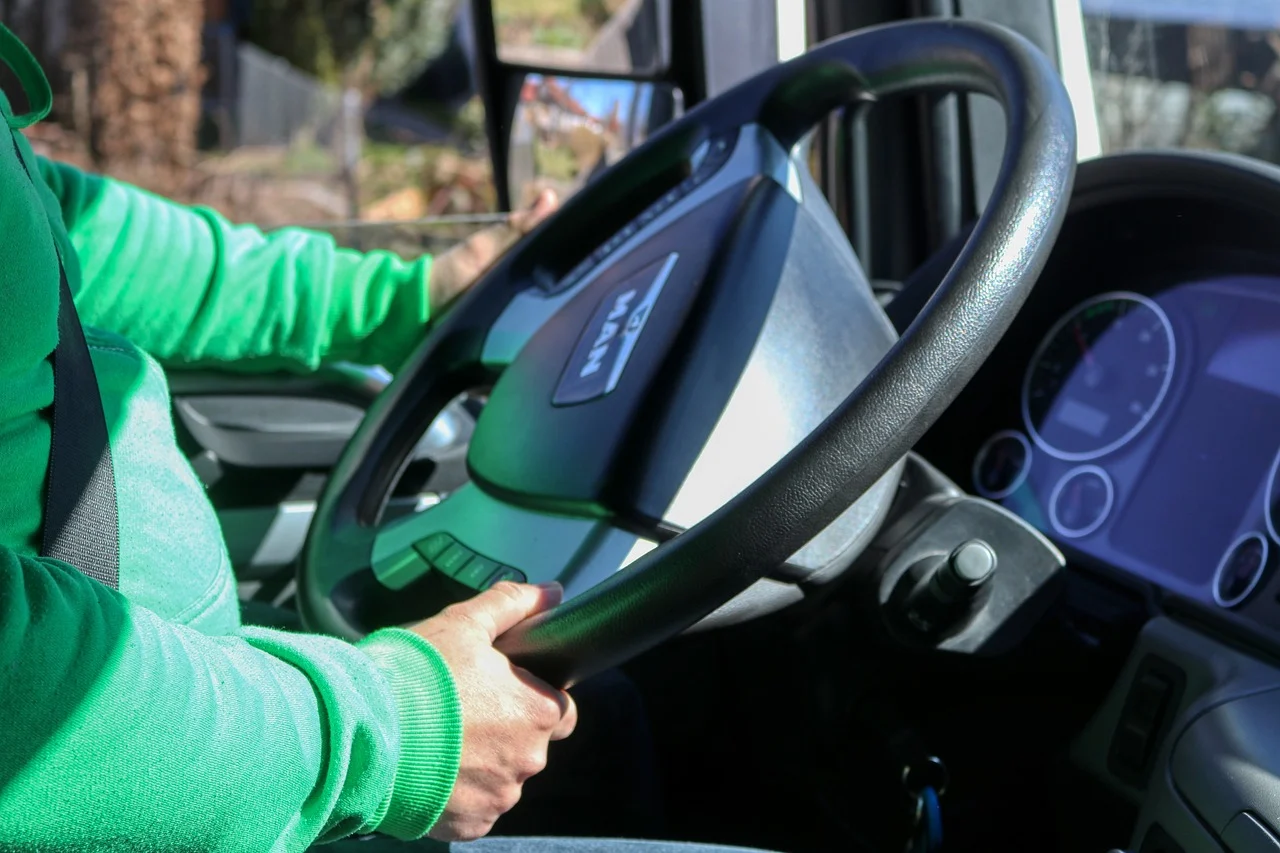
While broad-spectrum CBD is manufactured to remove tetrahydrocannabinol (THC), the reality for commercial drivers is far more complicated. It retains other hemp cannabinoids and terpenes. If you hold a CDL, taking any hemp-derived supplement carries an immediate career risk. We recommend avoiding these products entirely while operating under federal safety standards.
Why CDL drivers can take broad spectrum CBD oil?
Department of Transportation drug tests do not screen for cannabidiol (CBD) itself, but they screen strictly for marijuana metabolites, specifically THCA. [transportation.gov] Broad-spectrum CBD products are intended to have THC removed to non-detectable levels, but manufacturing processes vary and trace amounts often remain.

Under 49 CFR Part 40, federal drug testing standards for safety-sensitive transportation workers mandate strict cutoff thresholds. As CDL drivers can take broad spectrum CBD oil, daily use causes THC buildup in body fat. Eventually, those accumulated metabolites clear through urine. They can breach the 50 ng/mL initial screening threshold or the 15 ng/mL confirmatory threshold.
Also, federal oversight of the CBD marketplace remains limited. The Food and Drug Administration (FDA) does not currently certify THC levels in off-the-shelf CBD products. Independent lab analyses frequently reveal that products advertised as “THC-free” or “broad-spectrum” actually contain measurable amounts of delta-9 THC. If CDL drivers can take broad spectrum CBD oil, trusting an unregulated label claim is a dangerous gamble.
What happens if a Medical Review Officer finds THC in your urine test?
If your urine test confirms THC metabolites above cutoffs, a Medical Review Officer (MRO) will contact you. However, claiming you used broad-spectrum CBD oil will not change the outcome. Federal guidelines prohibit MROs from accepting CBD consumption, dietary supplements, or state-issued medical marijuana cards as legitimate medical explanations for a positive test.

The DOT’s Office of Drug and Alcohol Policy and Compliance (ODAPC) has issued clear, repeated guidance on this matter. The official stance is definitive: safety-sensitive employees are responsible for what enters their bodies. If the laboratory finds THC, the MRO must report the test as a verified positive result to your employer and the FMCSA Commercial Driver’s License Drug and Alcohol Clearinghouse.
Once a positive test enters the Clearinghouse database, the legal consequences are immediate:
- You must be relieved of all safety-sensitive functions right away.
- Your violation becomes visible to current and prospective employers across the country.
- You must hire an qualified Substance Abuse Professional (SAP) at your own expense.
- Next, you must complete a formal education or treatment program mandated by the SAP.
- You must pass a directly observed return-to-duty drug test before driving commercially again.
- Also, you will undergo mandatory, unannounced follow-up testing for up to five years.
How federal laws compare for CDL drivers
Understanding the distinction between state laws, federal farm legislation, and DOT rules helps clarify why broad-spectrum CBD remains so risky for commercial operators. State legalizations do not alter federal safety mandates.

| Regulatory Framework | THC Allowance Standard | Impact on CDL Drivers |
|---|---|---|
| Federal DOT Rules (49 CFR Part 40) | Zero tolerance (Screening cutoff: 50 ng/mL) | Strictly prohibited; positive tests lead to immediate suspension. |
| 2018 Farm Bill (Hemp Standards) | Legal to buy nationwide, but trace THC can still trigger DOT test failures. | |
| State Medical / Recreational Laws | Varies by state (Legal consumption allowed locally) | Invalid for CDL holders; federal regulations explicitly override state permissions. |
Even with recent discussions about federal rescheduling of marijuana, the DOT confirmed that its testing protocol for safety-sensitive workers remains unaffected. The zero-tolerance standard stays fully enforced regardless of changes to general controlled substance schedules.
Can you trust third-party certificates of analysis (COAs)?
Many CBD manufacturers provide a Certificate of Analysis (COA) from an independent laboratory showing zero percent THC. While a COA is helpful for general consumers, it does not offer legal protection or a safety guarantee for CDL drivers.

Laboratory testing equipment has specific limits of detection (LOD) and limits of quantitation (LOQ). A lab report that lists THC as “Not Detected” (ND) simply means any THC present fell below that specific laboratory’s equipment threshold. It does not mean the oil contains absolute zero THC molecules. If you consume multiple doses daily over several weeks or months, those undetectable traces accumulate in your body’s fat tissues.
Additionally, batch-to-batch consistency varies widely in the hemp industry. A manufacturer might test one batch clean. However, a subsequent batch might contain slightly higher residual cannabinoids due to extraction variances. Because the FDA does not audit these commercial products for batch accuracy, wondering whether can cdl drivers take broad spectrum cbd oil to protect your career is an unnecessary hazard.
What are the safe alternatives for commercial drivers seeking wellness support?
If you want relief from long hours on the road, joint stiffness, or sleep issues, choose non-cannabis alternatives. These options carry zero risk of drug test contamination.

For muscular discomfort and joint flexibility, standard over-the-counter anti-inflammatory options or supplements like turmeric (curcumin) and omega-3 fatty acids offer support without touching the cannabinoid system. For sleep quality, options like melatonin, valerian root, or magnesium glycinate are widely used and carry no risk of cross-contaminating a drug screen.
If you prefer topical support, look carefully at ingredients. Arica gels and menthol-based rubs provide targeted cooling relief for tired muscles without using hemp extracts. Always read labels completely to ensure no hemp seed oil, broad-spectrum hemp extract, or CBD appears in the ingredient list.
Frequently asked questions
Unregulated manufacturing means trace amounts of THC can still exist, accumulate in fat cells over time, and trigger a positive DOT drug test.
Does the DOT test specifically for CBD during routine drug screens?
No, DOT drug panels test for THC metabolites rather than CBD itself. However, because broad-spectrum CBD oil often contains trace THC or unlisted cannabinoids, taking it can still cause you to test positive for THC.
Will a Medical Review Officer accept a broad-spectrum CBD receipt as an excuse?
No, Medical Review Officers cannot clear a positive THC test result based on CBD use, product receipts, or third-party lab reports. Drivers often ask if CDL drivers take broad spectrum CBD oil, but federal regulations require the MRO to report any laboratory-confirmed THC result at or above the applicable cutoffs as a drug test failure. [transportation.gov]
Sources

Is CBD Legal in All 50 States Without a Prescription?

Can You Take CBD Across State Lines in Your Car?

Does CBD Oil Help Restless Legs at Night?

AmeriCanna Rx: Your Guide to Portland’s Premier Cannabis Dispensary

Tropic Thunder Strain: An Uplifting Hybrid Experience

Haze Purple: Unveiling a Cannabis Cultivar’s Unique Appeal
-
 Product Guides4 months ago
AmeriCanna Rx: Your Guide to Portland’s Premier Cannabis Dispensary
-
 Cannabis 1014 months ago
Tropic Thunder Strain: An Uplifting Hybrid Experience
-
 Cannabis 1014 months ago
Haze Purple: Unveiling a Cannabis Cultivar’s Unique Appeal
-

 Culture & Lifestyle4 months ago
Collective Efforts Sacramento CA: Menu, Pricing and Delivery
-
 Industry News4 months ago
Your Guide to Silver State Relief: Maximizing Value
-
 Cannabis 1014 months ago
Purple Runtz Strain: Unpacking Its Potency and Sweet Appeal
-

 Cannabis 1014 months ago
Medicann Clinics: Challenging the Conventional Patient Journey
-
 Product Guides4 months ago
Identifying Top Shelf Cannabis: A Connoisseur’s Guide