
Cannabinoids Explained
Does CBD Oil Help Restless Legs at Night?
Find out whether CBD oil helps restless legs at night, what current research reveals about cannabis compounds, and why pure CBD may fall short.

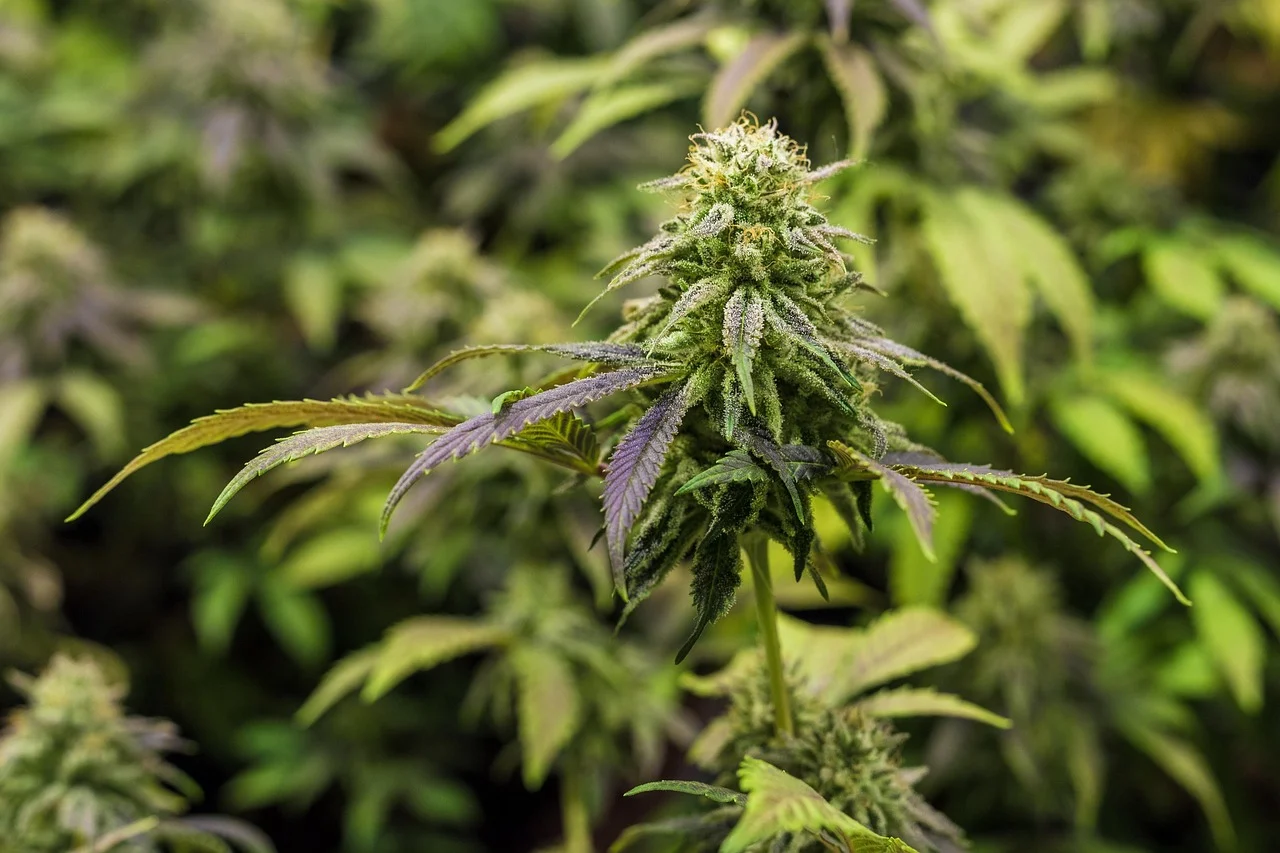
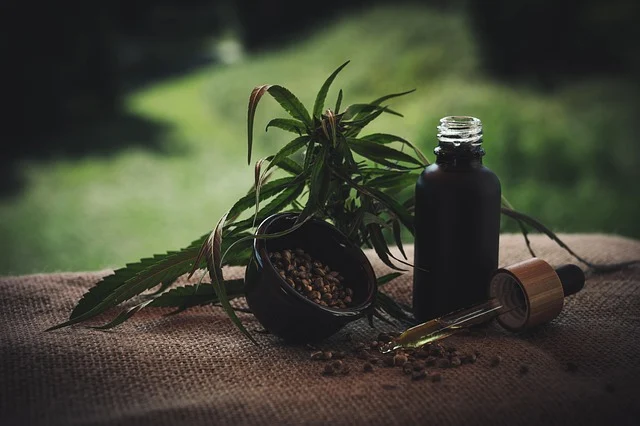
If you experience an irresistible urge to move your legs accompanied by uncomfortable sensations when trying to sleep, you might wonder if cannabidiol can bring relief. Navigating nighttime muscle twitches and sleep disruptions requires looking past marketing claims to examine what science actually demonstrates about cannabinoids and neurological comfort.
What is restless legs syndrome and how do cannabinoids interact with it?
Restless legs syndrome is a neurological sensory disorder characterized by uncomfortable sensations in the limbs and an overwhelming urge to move them, typically worsening in the evening or at night. Cannabinoids interact with the human endocannabinoid system, a vast network of receptors influencing movement, pain perception, and sleep regulation.

Researchers study whether activating these receptors can calm overactive nervous system signaling. However, current evidence indicates that while combined THC and CBD formulations show potential in preliminary observations, pure CBD isolate often fails to provide the same targeted relief.
You feel the hallmark crawling, pulling, or aching deep within your calves or thighs primarily during periods of inactivity. When you lie down to sleep, the lack of movement triggers the nervous system response. Cannabinoids bind to CB1 and CB2 receptors scattered throughout the central and peripheral nervous systems. Modulation of neurotransmitter release potentially answers whether CBD oil helps restless legs at night by dampening these overactive sensory signals.
Why does pure CBD isolate differ from THC and CBD combinations?
Pure CBD isolate lacks the specific synergistic effects found in combination products containing both delta-9-tetrahydrocannabinol and cannabidiol. Researchers testing does CBD oil help restless legs at night used THC alongside CBD, not pure cannabidiol alone.
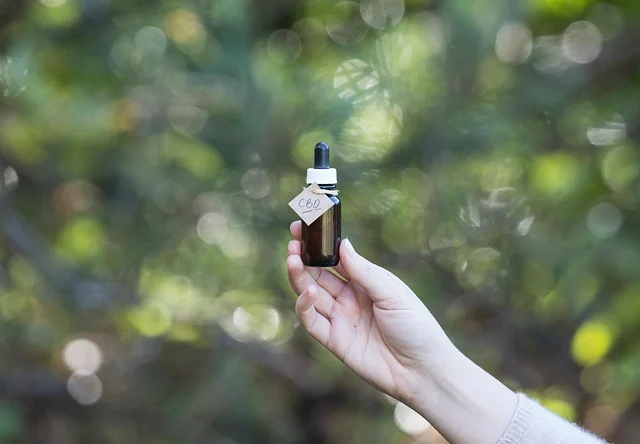
One placebo-controlled trial evaluating does cbd oil help restless legs at night found no significant benefit for restless legs symptoms. If you choose a THC-free product to avoid intoxicating effects or legal complications, you may not experience the same physiological response recorded in trials involving dual-cannabinoid therapies.
The entourage effect plays a critical role here. When multiple cannabinoids and terpenes work in tandem, they alter how receptors absorb individual compounds. Clinical trials that reported symptom reduction often used pharmaceutical-grade extracts featuring exact, balanced ratios of THC to CBD. Over-the-counter hemp oils rarely match these specific chemical profiles, leaving you with unpredictable results.
What are the legal and regulatory changes affecting CBD products?
Federal law changes, including provisions under Public Law 119-37 and subsequent legislative updates, redefine hemp standards and introduce strict total THC caps for finished products. These regulations mean many traditional full-spectrum CBD oils face new legal restrictions or potential bans depending on their total THC content, raising questions about whether CBD oil helps restless legs at night.

You must also consider state-specific rules. For instance, Texas requires consumers of consumable hemp to be twenty-one or older, while other states enforce strict limits on inhalable extracts or intoxicating hemp derivatives. Always check your local regulations before purchasing.
Navigating these shifting laws demands careful reading of product labels. Manufacturers now reformulate popular lines to comply with lower total THC thresholds. If you rely on online shipments across state lines, you must verify that the retailer complies with both origin and destination state laws regarding cannabinoid caps, including whether does CBD oil help restless legs at night.
Does CBD oil help restless legs at night
Evaluating your options helps you choose an appropriate strategy for managing evening limb discomfort. Review this breakdown to see how different interventions stack up against each other.

| Treatment Type | Primary Mechanism | Evidence Level | Common Drawbacks |
|---|---|---|---|
| Pure CBD Oil | Endocannabinoid modulation | Low for RLS specifically | Mixed clinical results, variable product quality |
| THC/CBD Blends | Synergistic receptor activation | Moderate in small trials | Intoxication risk, legal restrictions |
| Dopamine Agonists | Dopamine receptor binding | High, clinically established | Augmentation (worsening symptoms over time) |
| Iron Supplements | Corrects central nervous iron deficiency | High if deficiency exists | Gastrointestinal distress, slow response time |
Concrete steps to evaluate a CBD product safely
If you still decide to test a CBD product for your nighttime symptoms, you need a methodical approach to sourcing and dosing. Follow these steps to protect your health and wallet.

-
- Locate the batch-specific Certificate of Analysis (COA) on the manufacturer website before buying anything.
- Check the cannabinoid profile on the lab report to confirm whether the oil contains isolate, broad-spectrum, or full-spectrum extracts.
- Verify that the heavy metal, pesticide, and residual solvent panels show “pass” results from an ISO-accredited laboratory.
- Start with a low dose, such as ten milligrams of CBD taken one hour before bedtime, to monitor how your body reacts.
- Keep a daily sleep and symptom log tracking your leg sensations, wake times, and any morning grogginess.
Common problems and practical fixes
Trying new supplements often brings unexpected hurdles. Apply these targeted fixes when common issues arise during your trial.

-
-
- Problem: The oil causes mild stomach upset or nausea when taken on an empty stomach. Fix: Take your dose alongside a small, fat-containing snack like a spoonful of peanut butter or yogurt to improve tolerability.
- Problem: You experience next-day drowsiness and struggle to wake up. Fix: Shift your dosing time two hours earlier in the evening or reduce your serving size by half.
- Problem: The product label lacks batch testing data or clear cannabinoid breakdowns. Fix: Stop using the product immediately and purchase from a transparent brand that publishes third-party lab reports.
-
When should you avoid using CBD for nighttime leg discomfort?
You should avoid using CBD if you take prescription medications for restless legs syndrome, such as dopamine agonists or pregabalin, unless your general practitioner approves it. Cannabinoids can interact with liver enzymes responsible for processing pharmaceutical drugs, potentially altering medication levels in your bloodstream.

Also, pregnant individuals, nursing mothers, and anyone subject to strict workplace drug screenings should exercise extreme caution. Broad-spectrum products can occasionally contain trace amounts of banned compounds. Common side effects like drowsiness or dry mouth may complicate your nightly routine.
Treat severe iron deficiency anemia or kidney disease instead of trying botanical supplements. Consult a neurologist or sleep specialist to answer: does CBD oil help restless legs at night, before adding cannabinoids to your regimen.
Frequently asked questions
Can CBD oil cure restless legs syndrome permanently?
No, CBD oil cannot cure restless legs syndrome. The condition is a chronic neurological disorder with no permanent cure currently available.
Will full-spectrum CBD oil make you feel intoxicated?
Hemp-derived products containing less than the legal limit of delta-9 THC generally do not produce a high, though individual sensitivities and product potency vary.
How do you verify the quality of a CBD oil purchase?
You should review an independent third-party Certificate of Analysis to confirm cannabinoid potency, verify THC limits, and check for contaminant screens.
Can you take CBD oil alongside prescription restless legs medication?
Next, you must consult your doctor first, because cannabinoids inhibit specific liver enzymes that metabolize pharmaceutical drugs. This risks dangerous drug interactions.
What time of day should you take CBD oil for nighttime symptoms?
You should take your dose roughly thirty to sixty minutes before bedtime to allow adequate time for digestion and systemic absorption.











Cannabinoids Explained
Does CBD Cause Vivid Dreams or Nightmares?
There is no strong scientific evidence that CBD directly causes vivid dreams or nightmares. Discover why your sleep patterns might change when taking cannabinoids.
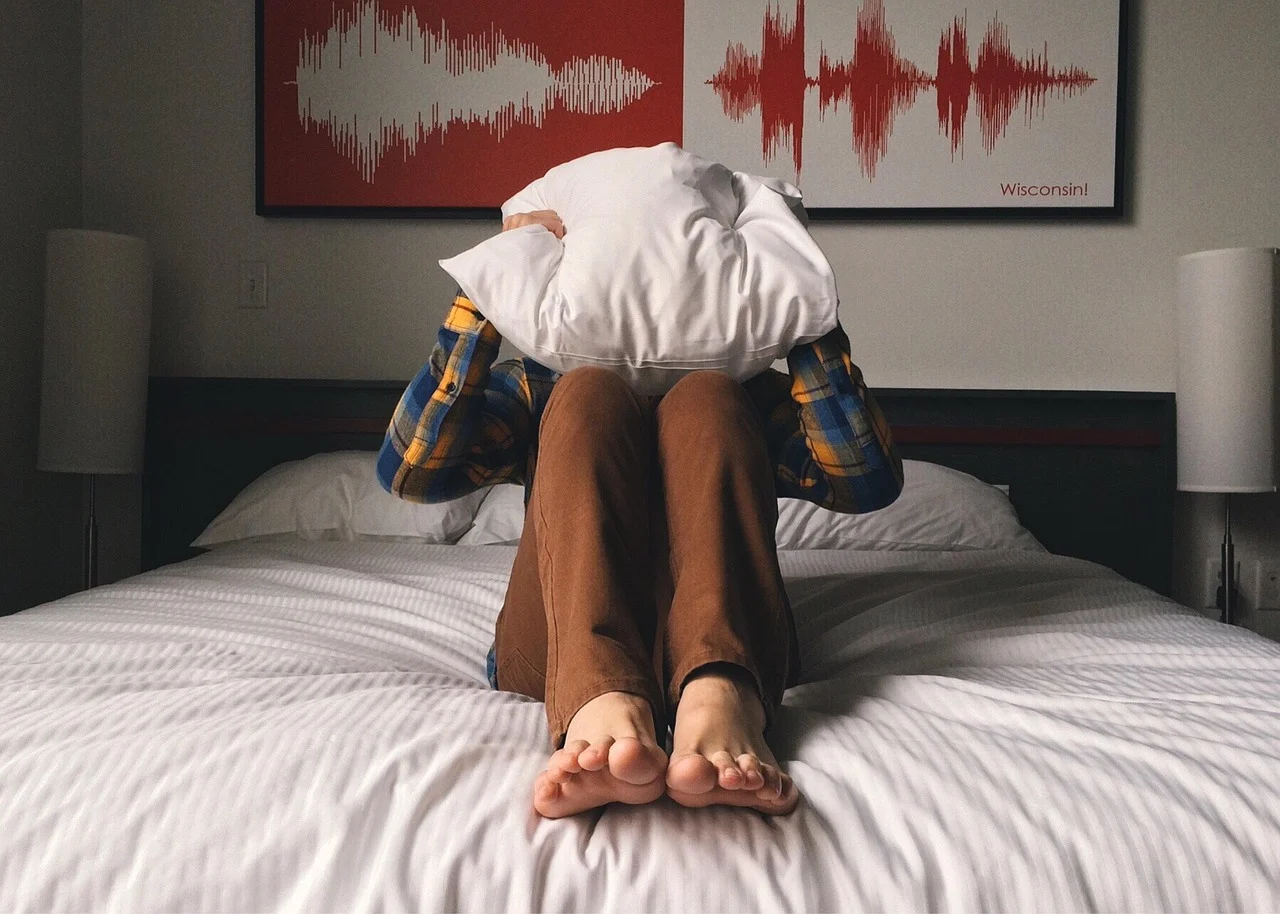
There is no strong scientific evidence that cannabidiol (CBD) directly causes strange, vivid dreams or nightmares. Instead, any changes you notice in your dream life usually stem from improved sleep architecture and how your body processes cannabinoids.

When you explore how plant compounds interact with your nightly rest, understanding the underlying science helps clear up common misconceptions. Scientists are still learning how CBD affects the body, and while the compound itself is non-intoxicating, its influence on overall relaxation can shift how deeply you sleep.
Why does CBD cause vivid dreams or nightmares?
Some individuals report more vivid or memorable dreams after taking CBD, particularly in the evening, while others experience no change. If you notice a shift in your dream intensity, the most likely explanation for more vivid dreams when using CBD is improved sleep quality, leading to more undisturbed REM sleep and better dream recall.

When anxiety or physical discomfort wakes you up frequently throughout the night, you may remember more dreams because awakenings, especially from REM sleep, often facilitate dream recall. [ncbi.nlm.nih.gov] By promoting a calmer state, CBD may help you stay asleep longer. When you finally wake up from a longer, uninterrupted REM stage, your brain remembers those vivid cinematic sequences much more clearly than it would after fragmented sleep.
Consider a practical comparison between two typical nights of rest:
- Fragmented Sleep Night: You toss and turn due to mild physical tension. You wake up four times before morning. Your brain truncates your REM cycles, leaving you with patchy dream fragments that vanish the moment your alarm rings.
- Consolidated Sleep Night: You take your CBD serving an hour before bed. Your body relaxes, and you sleep through the night without waking up prematurely. Your final REM cycle runs its full, uninterrupted course of twenty to thirty minutes. Upon waking, your working memory captures those elaborate dream narratives instantly.
This contrast explains why many users mistake an increase in dream clarity for a direct stimulant effect of the cannabinoid. Your brain produces dreams every night; you simply notice them better when your sleep architecture functions without frequent interruptions.
Could full-spectrum products be responsible for intense dreams?
Full-spectrum CBD products containing THC might contribute to vivid dreams due to the THC content, not the CBD itself. Tetrahydrocannabinol (THC) is known to suppress REM sleep when present in significant amounts. When you stop consuming THC or use products containing trace amounts alongside your CBD, your brain often experiences a rebound effect, resulting in unusually intense or vivid dreams as REM sleep catches up.

If you prefer to avoid any potential THC-related effects on your sleep architecture, checking product labels carefully is essential. As federal regulations evolve, keeping an eye on product formulation standards becomes even more important. Under recent federal updates taking full effect by December 11, 2026, finished hemp-derived products face stricter total THC limits. These new limits may change what you find on store shelves.
You can evaluate your product type by looking at the extract category:
- Full-Spectrum Extracts: Contain a full profile of cannabinoids, including trace amounts of THC (up to 0.3%). These carry the highest likelihood of triggering REM rebound effects if your body reacts sensitively to cannabinoids.
- Broad-Spectrum Extracts: Contain multiple cannabinoids and terpenes, but the manufacturer removes the detectable THC. These offer a middle ground for users wanting extra plant compounds without active THC exposure.
- CBD Isolate: Contains pure cannabidiol with all other plant compounds filtered out. This option eliminates THC variables entirely, making it ideal if you want to test how pure CBD affects your rest without cannabinoid interference.
If you experience unsettling nightmares rather than pleasant vivid dreams, switching from a full-spectrum extract to a broad-spectrum or isolate product serves as a direct fix to isolate the variable.
Who does the CBD dream effect NOT suit?
While improved sleep architecture benefits most users, certain individuals should approach evening CBD use with caution or avoid it entirely if dream disturbances interfere with their well-being.

If you live with post-traumatic stress disorder (PTSD), severe anxiety disorders, or a history of recurrent parasomnias and distressing nightmares, any compound that extends or intensifies REM sleep can exacerbate your symptoms. When your brain processes intense emotional memories during longer REM cycles, vivid recall can turn a normal dream into a distressing psychological experience. If you fall into this group, taking CBD earlier in the afternoon rather than right before bed helps you avoid modifying your late-night REM architecture.
Common problems with evening CBD routines and their fixes
Adjusting your cannabinoid intake requires careful timing and product selection to avoid unwanted sleep disruptions. Review these common missteps and their practical corrections:

- Problem: Taking products too late at night. Consuming a heavy oil or gummy right as your head hits the pillow delays peak absorption until the early morning hours, jarring your sleep cycle midway through the night. Fix: Take your serving 60 to 90 minutes before your planned bedtime to let absorption peak before you fall asleep.
- Problem: Overlooking hidden cannabinoid potency. Assuming all products affect your system equally leads to erratic sleep changes. Fix: Read the certificate of analysis (CoA) for your specific batch to verify exact cannabinoid breakdowns instead of relying solely on front-label marketing claims.
- Problem: Ignoring the adjustment window. Panicking after a single strange dream causes you to abandon a routine that might otherwise benefit your overall rest. Fix: Give your body a full week to adapt to a consistent evening serving before evaluating its impact on your sleep stages.
How can you manage disturbing dreams from your routine?
If dreams become disturbing and persist beyond the first 1–2 weeks of CBD use, it might indicate that the dose is affecting REM sleep architecture, and reducing the dose may help. We recommend keeping a simple sleep journal for a few days to track your intake times, product types, and dream intensity. If adjustments to your evening routine do not resolve persistent sleep disturbances, consulting a healthcare professional is always a wise step.

Follow these concrete steps to implement your sleep journal effectively:
- Record your intake: Note the exact time, product formulation (isolate, broad-spectrum, or full-spectrum), and milligram amount you consumed each evening.
- Rate your sleep depth: Note how many times you woke up during the night and how rested you felt upon waking.
- Log your dream characteristics: Write down whether your dreams were neutral, vivid, or genuinely disturbing immediately upon waking before your memory fades.
- Adjust one variable at a time: If nightmares persist, reduce your serving size by half for three consecutive days while keeping all other bedtime habits identical. Compare your journal entries to see if lower potency eliminates the disturbance.
Frequently asked questions
Does pure isolate CBD cause nightmares?
Pure CBD isolate contains no THC and is unlikely to cause the REM rebound effect associated with full-spectrum extracts. Individual responses to relaxation vary.
Why are my dreams more memorable since starting CBD?
Better overall sleep quality and fewer middle-of-the-night awakenings allow you to transition naturally out of REM sleep, making your dreams much easier to remember upon waking.
Can the time of day I take CBD affect my dreams?
Taking your serving closer to bedtime often aligns the compound’s peak relaxation effects with your sleep cycle, which may make morning dream recall more distinct.
What should you do if reducing your dose does not stop vivid nightmares?
If lowering your serving size and switching to an isolate product fail to resolve disturbing dreams, stop taking the product entirely and consult a healthcare professional to evaluate underlying sleep or health factors.
Sources
Cannabinoids Explained
How Many CBD Gummies Can You Eat in a Day? Safe Dosing Guide
Learn how many CBD gummies you can safely eat in a day based on your body weight, desired effects, and individual potency per piece.
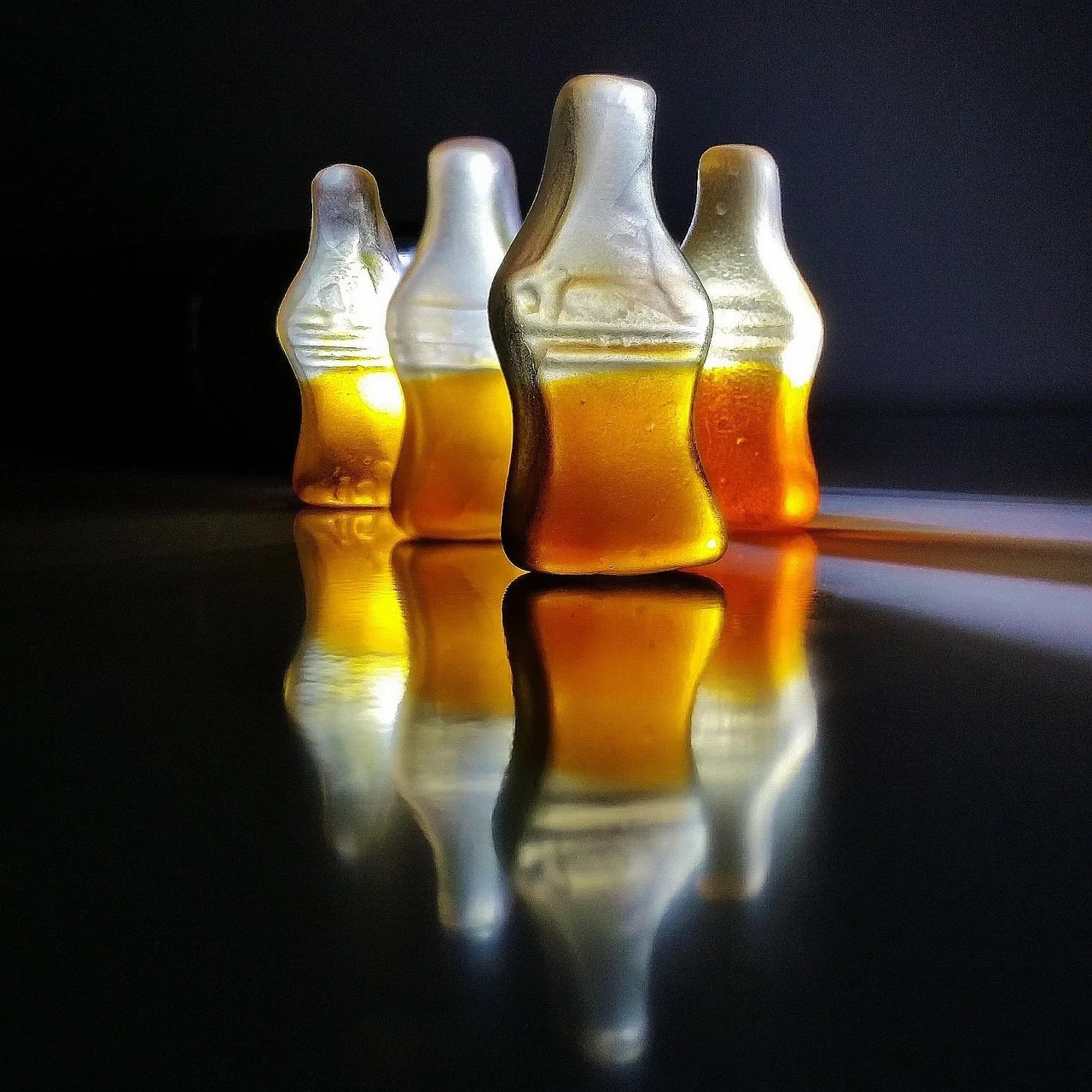
How many CBD gummies can you eat in a day? Most adults eat one to two, totaling 10 mg to 50 mg of cannabidiol (CBD). Your body weight, tolerance, and active CBD concentration in each individual piece determine the exact amount.
The U.S. Food and Drug Administration (FDA) has not set official daily intake guidelines for non-prescription hemp products. Determining your ideal intake requires matching your body chemistry with the milligram strength printed on the product label. Knowing how to calculate this balance prevents accidental overuse and helps you achieve consistent results.
How many CBD gummies can you eat in a day?
You can safely eat between 1 and 4 CBD gummies per day, assuming standard market strength of 10 mg to 25 mg per gummy. Beginners should start with a daily ceiling of 10 mg to 40 mg total, while experienced users may take more based on personal tolerance.

When asking how many CBD gummies can you eat in a day, the answer depends on the concentration per piece rather than total piece count. Commercial gummies vary widely: a light gummy might carry only 5 mg of CBD, whereas high-potency options can contain 50 mg or more in a single piece. If your bottle contains 50 mg gummies, eating two pieces delivers 100 mg of CBD. This is a substantial amount for a beginner.
Clinical trials evaluated daily CBD intake from 10 mg up to 1,500 mg. Your body tolerates higher amounts, but excess edibles offer no added benefit. Evaluate your total milligram target to see how many CBD gummies you can eat in a day.
Calculating your daily CBD gummy intake by body weight
Calculate your starting daily CBD dose by multiplying 1 mg of CBD for every 10 pounds of body weight. A 150-pound adult would target a baseline of 15 mg of CBD daily, which equals one standard 15 mg gummy.

Weight plays a substantial role in how your digestive system absorbs and distributes active cannabinoids. A baseline formula of 1 mg of CBD per 10 pounds of body weight gives a practical entry point for figuring out how many CBD gummies you can eat in a day before adjusting upward over several weeks.
Consider a person weighing 200 pounds who purchases a bottle of gummies containing 25 mg of CBD per piece. Following the baseline formula, their target starting dosage is calculated as follows:
200 lbs ÷ 10 = 20 mg of CBD per day.
Since each gummy in their bottle contains 25 mg of CBD, taking one full piece per day places them slightly above their baseline calculation. This is acceptable. Alternatively, they could split the gummy in half to take 12.5 mg twice a day. If that same individual weighs 120 pounds, their baseline intake would be 12 mg per day. Half of a 25 mg gummy per day is the optimal starting point.
How long do CBD gummies take to take effect?
Edible CBD gummies take between 45 minutes and 2 hours to take effect. Cannabinoids must pass through your digestive system and metabolic pathway before entering the bloodstream. You should wait at least 90 minutes before eating an additional gummy.

Deciding how many CBD gummies you can eat in a day avoids taking a second piece too quickly. Unlike sublingual tinctures that absorb through tissues under the tongue, chewable edibles require breakdown in the stomach. First-pass metabolism in the liver slows down the onset while extending the duration of action.
If you take a gummy on an empty stomach, metabolic processing may occur faster. Taking one right after a heavy meal can extend the onset time to two full hours. If you feel no change after 30 minutes, wait until the full two-hour window passes before consuming another serving.
What factors alter how many gummies you need?
Your daily gummy intake depends on extract type, individual metabolic speed, food consumption, and individual body chemistry. Broad-spectrum, full-spectrum, and isolate extracts interact differently with your body’s endocannabinoid receptors, altering total required milligrams.

Not all hemp extracts function identically. Understanding the differences helps explain why two gummies with identical milligram counts might yield different experiences:
- Full-Spectrum CBD: Contains all naturally occurring hemp compounds, including trace amounts of THC (up to 0.3%). These compounds work together in what researchers call the entourage effect, often requiring fewer total milligrams for noticeability.
- Broad-Spectrum CBD: Contains terpenes and secondary cannabinoids but has 0.0% THC removed through extra filtration. It offers multi-compound support without THC exposure.
- CBD Isolate: Pure isolated CBD without extra plant compounds or terpenes. Some individuals find they require slightly higher milligram amounts of pure isolate to achieve their personal goals.
If you want to understand how full-spectrum formulas affect drug screenings, see Will Full Spectrum CBD Show Up on a Drug Test? What to Expect for detailed testing thresholds.
CBD gummy intake by potency level
Comparing product strength across different serving sizes helps you determine your daily serving. This prevents you from exceeding your target intake.

| Gummy Potency | CBD per Piece | Suggested Starting Intake | Who It Suits Best |
|---|---|---|---|
| Low Potency | 5 mg – 10 mg | 1 to 2 gummies per day | Complete beginners and micro-doses |
| Medium Potency | 15 mg – 25 mg | 1 gummy per day | Regular daily users with basic experience |
| High Potency | 30 mg – 50 mg+ | 1/2 to 1 gummy per day | Experienced users with higher tolerance |
Low-potency options suit individuals who want subtle daily consistency. High-potency gummies suit those who prefer taking fewer individual pieces while maintaining a elevated milligram target.
Common label mistakes to avoid
A frequent consumer error is mistaking the total milligram count printed on the front jar label for the per-gummy dosage. A jar labeled ‘1000 mg’ contains the total amount across the whole bottle, not per piece.

Always flip the jar over to examine the Supplement Facts panel. If a bottle claims 1,000 mg of total CBD and contains 40 gummies, each piece carries exactly 25 mg of CBD (1,000 mg ÷ 40 pieces = 25 mg per piece). If you misread that total as a single-serving amount, your daily calculation will be completely incorrect.
Also, ensure you distinguish between CBD gummies and standard hemp seed oil gummies sold in mass retail stores. Hemp seed oil contains beneficial fatty acids but zero active CBD cannabinoids. Eating multiple hemp seed gummies will not deliver cannabidiol benefits.
Step-by-step method to build a daily routine
Finding your exact daily intake requires a systematic approach over several weeks to prevent overconsumption while establishing ideal biological balance.
- Check the single-piece milligram rating: Read the back of your bottle to confirm how many milligrams of CBD sit inside one individual piece.
- Start with a single daily low serving: Begin with one low-dose piece (or half of a medium-dose piece) around 10 mg to 15 mg per day for the first 4 to 7 days.
- Track your response: Note how you feel over a week of consistent intake. Look for subtle balance rather than rapid sensory changes.
- Adjust in small increments: If after one full week your baseline dose feels insufficient, increase your daily intake by 5 mg to 10 mg. Hold that new dose for another 5 days before evaluating again.
Who should avoid CBD gummies?
People taking prescription medications metabolized by the cytochrome P450 enzyme system, pregnant or nursing individuals, and children should avoid taking CBD gummies without explicit physician guidance. CBD can interfere with how your liver breaks down certain prescription drugs.

Additionally, individuals subject to strict workplace drug testing should exercise caution with full-spectrum gummies. Although 0.3% THC is non-intoxicating, trace amounts can accumulate over weeks of daily use. If you need details on how many CBD gummies can you eat in a day for workplace policies, see How Many mg of CBD Should a Beginner Start With? for safety guidance.
If you consume too many gummies by accident, see How Many Mg of CBD Should a Beginner Take? for warning signs and physical remedies.
Frequently asked questions
How many CBD gummies can you eat in a day?
Most people can consume 1 to 2 CBD gummies per day, totaling between 10 mg and 50 mg of CBD. Beginners should stick to a lower daily threshold around 10 mg to 20 mg until their tolerance is established.

Can you eat 2 CBD gummies at once?
Yes, you can eat 2 CBD gummies at once if their combined milligram strength matches your targeted daily dose. However, if you are using high-potency gummies (30 mg to 50 mg per piece), taking two at once may cause mild drowsiness.
Can you take CBD gummies every single day?
Yes, you can take CBD gummies daily because cannabidiol is non-addictive and non-intoxicating. Many individuals maintain a regular daily schedule to support ongoing body systems consistently.
Cannabinoids Explained
Calming Treats vs CBD for Dogs Difference Explained
Discover how traditional botanical calming treats compare to active CBD chews for dog anxiety, including mechanisms, dosing, and key label traps.

The main calming treats vs CBD for dogs difference comes down to active ingredients and how they target stress: standard calming chews rely on soothing botanicals and amino acids like L-theanine or chamomile, whereas CBD treats contain measurable milligrams of hemp-derived cannabidiol that directly interacts with your dog’s endocannabinoid system.
Choosing the right option for your dog means understanding what is inside the tub. Many dog owners buy products labeled as hemp chews, expecting the therapeutic effects of cannabidiol, only to find the recipe relies entirely on nutritional hemp seed oil mixed with herb extracts. We recommend reading the active ingredient list carefully before making a purchase, as these two product categories perform very differently during stressful situations.
What is the difference between dog calming treats and CBD?
Traditional dog calming treats rely on botanical herbs and amino acids to reduce mild nervous tension, while CBD products use active cannabinoids extracted from hemp flowers to alter stress signalling across the endocannabinoid system. Botanical chews work primarily through localized digestive absorption of nutrients like L-tryptophan, while CBD provides broader systemic regulation.

Checking label ingredients helps distinguish botanical calming bites from true CBD products.
When you spot the calming treats vs CBD for dogs difference, you find chamomile, valerian root, passionflower, and L-theanine. These compounds target pathways, offering gentle support for mild everyday stressors like minor car rides or routine grooming visits.
Active CBD treats list specific milligrams on the product label, showing the calming treats vs CBD for dogs difference. According to a clinical study by Cornell University, 83% of dogs given CBD chews before stress showed decreased anxiety-related behaviors. This impact occurs because CBD engages your dog’s ECS, which regulates mood, sleep, pain perception, and inflammatory responses.
How do active ingredients compare side by side?
Comparing active ingredients shows that botanical calming treats use herb extracts and nutritional seeds. Full-spectrum or broad-spectrum CBD treats deliver explicit milligram dosages of cannabinoids extracted from industrial hemp. Hemp seed oil alone contains healthy fatty acids but virtually no active cannabinoids.

To help you evaluate your choices, we have organized the primary features and key differences between these two chew formats below.
| Feature | Botanical Calming Treats | Hemp-Derived CBD Chews |
|---|---|---|
| Primary Active Ingredients | L-theanine, chamomile, valerian root, L-tryptophan | Cannabidiol (CBD), minor cannabinoids, terpenes |
| Primary Mechanism | Nutritional support for neurotransmitter balance | Direct interaction with the endocannabinoid system |
| Hemp Content | Hemp seed oil or hemp seed powder (0 mg CBD) | Extract from hemp flowers (specific mg of CBD listed) |
| Legal THC Standard | Less than 0.3% total THC standard | |
| Best Suited For | Mild situational nerves and routine maintenance | Moderate to severe stress, joint stiffness, chronic anxiety |
Botanical chews suit dogs needing basic nutritional comfort during minor routine changes. CBD chews suit dogs experiencing deep-seated environmental stress, noise phobias, or age-related discomfort that requires solid systemic support.
Why does the hemp seed oil label trap confuse pet owners?
The hemp seed oil label trap occurs when brands market products as hemp chews with illustrations of hemp leaves. This leads buyers to assume the treats contain active cannabidiol, even though hemp seeds contain virtually zero CBD. True CBD chews always disclose explicit milligram doses of cannabidiol on the guaranteed analysis panel.

Product labels specifying hemp seed oil or powder deliver omega fatty acids rather than therapeutic CBD.
Hemp seed oil is an excellent nutritional supplement packed with omega-3 and omega-6 fatty acids, but it is pressed strictly from the seeds of the industrial hemp plant. Cannabinoids like CBD are secreted in the trichomes of the plant’s flowers and leaves. If a label lists 500 mg of organic hemp seed oil per chew, your dog receives zero milligrams of active cannabidiol.
We advise checking the front package and supplement facts for the difference in calming treats vs CBD for dogs. If the label does not state active CBD per treat (for example, 5 mg or 10 mg of CBD per chew), you are looking at a botanical chew using hemp seeds as a dietary base, not a cannabinoid supplement.
How fast do calming treats work compared to CBD?
Both standard calming chews and CBD treats take roughly 30 to 60 minutes to take effect. Both soft bites must pass through your dog’s digestive tract before active compounds enter the bloodstream. Liquid CBD tincture oils absorb faster when administered directly into the mouth.

Soft chew formulations require 30 to 60 minutes for gastrointestinal absorption.
Because soft chew treats require breakdown in the stomach, timing is critical when preparing for known stress triggers like thunderstorms or fireworks displays. If you give your dog a chew right as the noise begins, the digestive process may delay relief until after the main stress event passes, highlighting the calming treats vs CBD for dogs difference.
To maximize effectiveness, give your dog their chew at least 45 minutes before an anticipated event. Liquid CBD tinctures applied under the tongue bypass first-pass liver metabolism for faster absorption during sudden emergencies. They take effect more quickly than digestible treats.
How do you choose between calming chews and CBD for your dog?
To choose between traditional calming chews and CBD treats, evaluate the intensity of your dog’s anxiety. Check for co-occurring joint issues, and verify that the product fits your dog’s daily routine without triggering stomach sensitivity. Follow this step-by-step decision framework to understand the calming treats vs CBD for dogs difference.

Evaluating your dog’s specific stress triggers helps determine whether botanicals or CBD fit best.
- Assess stress intensity and triggers: Identify whether your dog experiences mild restlessness during routine events like car rides or severe phobias during fireworks. Select botanical chews for low-level tension and CBD chews for high-level distress.
- Check for secondary health needs: Consider whether your dog suffers from physical discomfort alongside nervousness. Dogs managing both joint stiffness and stress often respond better to CBD due to its broader systemic action. If you are exploring joint relief options, see CBD Oil Under Tongue: How Long to Hold for Maximum Absorption for dosage details.
- Inspect the product label carefully: Search the back panel for explicit cannabidiol content in milligrams. Verify that hemp-derived products adhere to legal standards, staying under 0.3% THC to prevent psychoactive effects.
- Review independent laboratory reports: Look for a Certificate of Analysis (COA) from an accredited third-party lab. The COA confirms cannabinoid potency and tests for contaminants like pesticides or heavy metals.
- Start with a lower initial dose: Introduce half the recommended daily dose for the first three days. Observe your dog’s response for any signs of mild drowsiness or digestive changes.
Once you follow these steps, you should see your dog achieve a stable, relaxed posture without heavy sedation or gastrointestinal distress during stressful events.
What side effects and trade-offs should pet owners consider?
While both botanical chews and CBD products are generally safe for canine consumption, they carry distinct side effects and potential medication interactions that require careful consideration. The most common side effects reported by dog owners using CBD products are mild sedation and an increased appetite.

Drowsiness is a common mild reaction when introducing higher dosages of calming supplements.
botanical ingredients like valerian root or high doses of L-tryptophan can occasionally cause loose stools or mild stomach upset in dogs with sensitive digestive systems. CBD products can interact with liver enzymes—specifically the cytochrome P450 pathway—which may alter how your dog metabolizes certain prescription veterinary medications.
Consult your veterinarian before introducing CBD treats to know the difference in calming treats vs CBD for dogs if your dog currently takes prescription medications for seizures, cardiac health, or severe behavioral conditions. Also, check CBD Treats for Dogs With Arthritis: Dose, Safety, and Results to understand systemic clearance times if your dog has an upcoming procedure.
Who should avoid CBD calming treats?
CBD calming treats are not suitable for pregnant or lactating dogs, young puppies under eight weeks old, or dogs with known liver dysfunction unless specifically directed by a licensed veterinarian. Dogs taking blood thinners or anti-seizure medications also require veterinary clearance before using cannabinoid products.

Botanical chews or training offer cheap support, revealing the difference in calming treats vs CBD for dogs facing minor restlessness. Additionally, ensure all hemp products remain far below federal THC boundaries. Federal limits keep hemp-derived total THC under 0.3%, guaranteeing your dog suffers no intoxication or psychoactive side effects.
Frequently asked questions
Can I give my dog regular calming treats and CBD together?
Combining traditional botanical chews with low-dose CBD is generally safe for healthy dogs, but combining multiple products increases the risk of heavy drowsiness or upset stomach. We recommend starting with a single active product first to see how your dog reacts before combining supplements.
Are hemp calming treats the exact same thing as CBD chews?
No, hemp calming treats often use hemp seed oil or powder, which contain omega fatty acids but zero active CBD. True CBD chews explicitly list the exact milligrams of cannabidiol per serving on their packaging label.
What happens if a dog takes too many calming chews?
If a dog consumes an accidental overdose of calming chews, they may experience severe drowsiness, unsteadiness, vomiting, or diarrhea. Contact your veterinarian or a pet poison helpline immediately if your dog consumes an entire container of supplements.

Is CBD Legal in All 50 States Without a Prescription?

Can You Take CBD Across State Lines in Your Car?

Does CBD Oil Help Restless Legs at Night?

AmeriCanna Rx: Your Guide to Portland’s Premier Cannabis Dispensary

Tropic Thunder Strain: An Uplifting Hybrid Experience

Haze Purple: Unveiling a Cannabis Cultivar’s Unique Appeal
-
 Product Guides4 months ago
AmeriCanna Rx: Your Guide to Portland’s Premier Cannabis Dispensary
-
 Cannabis 1014 months ago
Tropic Thunder Strain: An Uplifting Hybrid Experience
-
 Cannabis 1014 months ago
Haze Purple: Unveiling a Cannabis Cultivar’s Unique Appeal
-

 Culture & Lifestyle4 months ago
Collective Efforts Sacramento CA: Menu, Pricing and Delivery
-
 Industry News4 months ago
Your Guide to Silver State Relief: Maximizing Value
-
 Cannabis 1014 months ago
Purple Runtz Strain: Unpacking Its Potency and Sweet Appeal
-

 Cannabis 1014 months ago
Medicann Clinics: Challenging the Conventional Patient Journey
-
 Product Guides4 months ago
Identifying Top Shelf Cannabis: A Connoisseur’s Guide