
Cannabinoids Explained
Side Effects of CBD in Dogs: Panting and Dry Mouth Explained
Panting and dry mouth are common, mild side effects of CBD in dogs caused by reduced saliva production and temporary blood pressure drops. Here is how to handle them.

Seeing your dog pant heavily or constantly lick their lips after receiving a dose of cannabidiol can feel alarming. Cannabidiol (CBD) interacts directly with the endocannabinoid system present in all mammals. It influences bodily functions ranging from pain perception to salivary gland secretion. Understanding why these symptoms happen and how to address them helps you keep your dog comfortable without unnecessary panic.
Side effects of CBD in dogs include panting or dry mouth
CBD causes dry mouth and panting in dogs primarily because cannabinoids inhibit salivary gland receptors, reducing saliva production. It also induces mild vascular relaxation that can trigger cooling or compensatory respiratory responses like panting.

The mammalian endocannabinoid system contains cannabinoid receptors, specifically CB1 and CB2 receptors, located throughout the central nervous system, immune cells, and peripheral organs. Cannabinoid physiology research shows that CB1 and CB2 receptors are heavily expressed inside the submandibular and parotid salivary glands. When CBD enters your dog’s bloodstream, it binds to these receptors. It then temporarily inhibits the nerve signals that tell the glands to produce saliva. This inhibition causes xerostomia, among the side effects of CBD in dogs like panting or dry mouth.
Side effects of CBD in dogs panting or dry mouth have a slightly different physiological pathway. CBD acts as a mild vasodilator, meaning it relaxes the smooth muscles surrounding blood vessels. When blood vessels expand, blood pressure drops slightly. In response to a mild drop in systemic blood pressure, a dog’s heart rate may temporarily increase. Their breathing rate may also quicken to maintain optimal oxygen delivery to tissues. Additionally, if a high dose of CBD makes a dog feel unusually sleepy or mildly disoriented, the dog may pant as a stress signal or as a natural mechanism to regulate body temperature while resting.
Is panting a normal side effect of CBD oil for dogs?
Panting is a recognized, mild side effect of CBD oil in dogs when it occurs in isolation without trembling, vomiting, or loss of balance, typically signaling either temporary blood pressure changes or a slightly high initial dosage.

Side effects of CBD in dogs include panting or dry mouth, but heavy panting warrants closer observation. In most cases, mild panting happens within 30 to 90 minutes of administering CBD oil or chews. Mild panting can be a sign that the dose is too high for your dog’s sensitivity, or the oil reached peak blood concentrations quickly.
However, you must differentiate simple CBD-induced panting from distress caused by product contamination. Dogs possess a higher density of CB1 receptors in their brains than humans. This makes them far more sensitive to THC toxicity. If a CBD product contains higher levels of THC than labeled—which occurs with low-quality or unverified brands—the panting may be accompanied by static ataxia (swaying while standing still), urinary incontinence, hypersensitivity to sound, or dilated pupils. Toxic exposure causes these severe signs instead of side effects of CBD in dogs panting or dry mouth.
How to treat CBD-induced dry mouth and panting at home

When your dog displays signs of thirst, sticky gums, lip-smacking, or light panting after receiving CBD, follow these practical steps to restore their comfort quickly:
-
- Provide immediate hydration access: Place fresh, cool water in multiple accessible spots near your dog’s resting area. If your dog hesitates to drink, add a splash of low-sodium chicken broth to entice them.
- Decrease ambient room temperature: Move your dog to an air-conditioned room or place a cool, damp towel near their bed. Lowering the ambient temperature reduces the metabolic need for thermoregulatory panting.
- Limit physical exertion: Encourage your dog to lie down calmly. Avoid playing fetch, taking long walks, or allowing excitement until the peak effects of the CBD diminish, which typically takes two to four hours.
- Moisten their food: If your dog is due for a meal while experiencing dry mouth, add warm water, bone broth, or wet canned food to their kibble to facilitate swallowing and digestion.
- Adjust the next dosage: Cut the dose in half for the next administration. For instance, if you gave 5 milligrams of CBD, drop to 2.5 milligrams until your dog builds tolerance without side effects.
We recommend keeping a daily log when introducing CBD to your pet. Track the exact milligram dose, the time given, whether food was present in the stomach, and any physical reactions observed over the following four hours.
How long do CBD side effects last in dogs?
CBD side effects in dogs typically last between 4 and 24 hours, depending on whether the product was administered as an oral oil droplet, mixed into meals, or given as baked chews.

The duration of side effects like panting or dry mouth correlates directly with how your dog’s body metabolizes the compound. CBD is metabolized primarily by hepatic enzymes in the liver and eliminated through feces and urine. The delivery method dictates both onset time and duration:
-
-
- Sublingual or oral liquid drops: Fast onset (20 to 45 minutes); total duration of action ranges from 4 to 8 hours. Dry mouth typically peaks around hour 2 and resolves as plasma concentrations drop.
- CBD treats and soft chews: Slower onset (60 to 90 minutes); total duration ranges from 8 to 12 hours. Because digestion slows absorption, dry mouth may linger longer at a low intensity.
- High-dose accidental ingestions: If a dog consumes an entire bag of treats, side effects like lethargy, dry mouth, and mild ataxia can persist for 12 to 24 hours while the liver processes the excess cannabinoids.
-
Older dogs or pets with compromised liver or kidney function take longer to process cannabinoids. In senior dogs, a single dose can produce effects that linger beyond 12 hours.
CBD side effects vs severe toxicity: Comparison guide
Distinguishing mild CBD side effects from severe toxic reactions relies on observing your dog’s coordination, responsiveness, and involuntary nervous system signs.

Use the following comparison guide to evaluate your dog’s condition accurately:
| Symptom Category | Mild CBD Side Effects (Normal) | Severe Toxicity / THC Exposure (Urgent) |
|---|---|---|
| Salvation & Mouth | Dry gums, lip-smacking, increased water intake | Excessive hypersalivation or complete inability to swallow |
| Breathing & Panting | Rhythmic, soft panting while resting comfortably | Rapid, distressed gasping or extremely slow, shallow breathing |
| Motor Skills | Mild drowsiness, slow movement, resting calmly | Static ataxia (swaying), stumbling, collapse, or tremors |
| Bladder Control | Normal urinary frequency and control | Involuntary dribbling of urine (urinary incontinence) |
| Behavioral State | Relaxed, sleepy, or quiet mood | Extreme agitation, startle responses to light/sound, or vocalizing |
If your dog demonstrates symptoms listed in the third column, seek immediate veterinary assessment. Bring the exact CBD product package with you. This allows the veterinary team to examine the third-party Certificate of Analysis (COA) for cannabinoid concentrations and potential contaminants.
When to stop giving your dog CBD oil
You should stop giving your dog CBD oil if panting persists across multiple reduced doses. Discontinue use if your dog shows signs of drug interactions, or if baseline liver enzyme levels are elevated.

CBD advice does not suit every dog. While many dogs tolerate hemp extract well, specific health conditions and medication regimens make CBD inappropriate or risky:
1. Concurrent Prescription Medications: CBD acts as a potent inhibitor of the cytochrome P450 (CYP450) enzyme system in the liver. This enzyme family metabolizes many common veterinary medications, including anti-seizure drugs (phenobarbital), anti-inflammatory drugs (carprofen), and blood pressure treatments. Inhibiting these enzymes can cause toxic accumulations of baseline prescription drugs in your dog’s bloodstream.
2. Pre-existing Liver Disease: Because liver enzymes process all exogenous cannabinoids, dogs with liver failure, hepatitis, or elevated alkaline phosphatase (ALP) levels should not receive CBD unless under strict veterinary monitoring.
3. Persistent Discomfort: If your dog continues panting, drinking excessively, or appearing lethargic even after you lower the dosage down to 0.1 milligrams per kilogram of body weight, stop administering the supplement entirely. Their body may display side effects of CBD in dogs, including panting or dry mouth, because it lacks metabolic capacity.
Frequently asked questions
Can CBD cause dehydration in dogs?
CBD does not cause systemic dehydration directly, but the dry mouth it creates can make dogs feel abnormally thirsty. As long as clean drinking water is accessible, your dog can manage their hydration naturally without health risks.
Why is my dog lip-smacking after taking CBD oil?
Lip-smacking is a primary indicator of dry mouth (xerostomia) in dogs. CBD reduces saliva flow from the salivary glands, causing the inside of the mouth and tongue to feel sticky, which prompts the dog to smack their lips to stimulate moisture.
How much CBD should I give my dog to avoid side effects?
Start with a low dose of 0.1 to 0.2 milligrams of CBD per pound of body weight once daily. Increase dose over two weeks if needed, avoiding side effects of CBD in dogs like panting or dry mouth.








Cannabinoids Explained
Does CBD Oil Help Restless Legs at Night?
Find out whether CBD oil helps restless legs at night, what current research reveals about cannabis compounds, and why pure CBD may fall short.
If you experience an irresistible urge to move your legs accompanied by uncomfortable sensations when trying to sleep, you might wonder if cannabidiol can bring relief. Navigating nighttime muscle twitches and sleep disruptions requires looking past marketing claims to examine what science actually demonstrates about cannabinoids and neurological comfort.
What is restless legs syndrome and how do cannabinoids interact with it?
Restless legs syndrome is a neurological sensory disorder characterized by uncomfortable sensations in the limbs and an overwhelming urge to move them, typically worsening in the evening or at night. Cannabinoids interact with the human endocannabinoid system, a vast network of receptors influencing movement, pain perception, and sleep regulation.

Researchers study whether activating these receptors can calm overactive nervous system signaling. However, current evidence indicates that while combined THC and CBD formulations show potential in preliminary observations, pure CBD isolate often fails to provide the same targeted relief.
You feel the hallmark crawling, pulling, or aching deep within your calves or thighs primarily during periods of inactivity. When you lie down to sleep, the lack of movement triggers the nervous system response. Cannabinoids bind to CB1 and CB2 receptors scattered throughout the central and peripheral nervous systems. Modulation of neurotransmitter release potentially answers whether CBD oil helps restless legs at night by dampening these overactive sensory signals.
Why does pure CBD isolate differ from THC and CBD combinations?
Pure CBD isolate lacks the specific synergistic effects found in combination products containing both delta-9-tetrahydrocannabinol and cannabidiol. Researchers testing does CBD oil help restless legs at night used THC alongside CBD, not pure cannabidiol alone.
One placebo-controlled trial evaluating does cbd oil help restless legs at night found no significant benefit for restless legs symptoms. If you choose a THC-free product to avoid intoxicating effects or legal complications, you may not experience the same physiological response recorded in trials involving dual-cannabinoid therapies.
The entourage effect plays a critical role here. When multiple cannabinoids and terpenes work in tandem, they alter how receptors absorb individual compounds. Clinical trials that reported symptom reduction often used pharmaceutical-grade extracts featuring exact, balanced ratios of THC to CBD. Over-the-counter hemp oils rarely match these specific chemical profiles, leaving you with unpredictable results.
What are the legal and regulatory changes affecting CBD products?
Federal law changes, including provisions under Public Law 119-37 and subsequent legislative updates, redefine hemp standards. These updates introduce strict total THC caps for finished products. These regulations mean many traditional full-spectrum CBD oils face new legal restrictions or potential bans depending on their total THC content, raising questions about whether CBD oil helps restless legs at night.

You must also consider state-specific rules. For instance, Texas requires consumers of consumable hemp to be twenty-one or older, while other states enforce strict limits on inhalable extracts or intoxicating hemp derivatives. Always check your local regulations before purchasing.
Navigating these shifting laws demands careful reading of product labels. Manufacturers now reformulate popular lines to comply with lower total THC thresholds. If you rely on online shipments across state lines, you must verify that the retailer complies with both origin and destination state laws regarding cannabinoid caps, including whether does CBD oil help restless legs at night.
Does CBD oil help restless legs at night
Evaluating your options helps you choose an appropriate strategy for managing evening limb discomfort. Review this breakdown to see how different interventions stack up against each other.
| Treatment Type | Primary Mechanism | Evidence Level | Common Drawbacks |
|---|---|---|---|
| Pure CBD Oil | Endocannabinoid modulation | Low for RLS specifically | Mixed clinical results, variable product quality |
| THC/CBD Blends | Synergistic receptor activation | Moderate in small trials | Intoxication risk, legal restrictions |
| Dopamine Agonists | Dopamine receptor binding | High, clinically established | Augmentation (worsening symptoms over time) |
| Iron Supplements | Corrects central nervous iron deficiency | High if deficiency exists | Gastrointestinal distress, slow response time |
Concrete steps to evaluate a CBD product safely
If you still decide to test a CBD product for your nighttime symptoms, you need a methodical approach to sourcing and dosing. Follow these steps to protect your health and wallet.

-
- Locate the batch-specific Certificate of Analysis (COA) on the manufacturer website before buying anything.
- Check the cannabinoid profile on the lab report to confirm whether the oil contains isolate, broad-spectrum, or full-spectrum extracts.
- Verify that the heavy metal, pesticide, and residual solvent panels show “pass” results from an ISO-accredited laboratory.
- Start with a low dose, such as ten milligrams of CBD taken one hour before bedtime. This helps monitor how your body reacts.
- Keep a daily sleep and symptom log tracking your leg sensations, wake times, and any morning grogginess.
Common problems and practical fixes
Trying new supplements often brings unexpected hurdles. Apply these targeted fixes when common issues arise during your trial.

-
-
- Problem: The oil causes mild stomach upset or nausea when taken on an empty stomach. Fix: Take your dose alongside a small, fat-containing snack like a spoonful of peanut butter or yogurt to improve tolerability.
- Problem: You experience next-day drowsiness and struggle to wake up. Fix: Shift your dosing time two hours earlier in the evening or reduce your serving size by half.
- Problem: The product label lacks batch testing data or clear cannabinoid breakdowns. Fix: Stop using the product immediately and purchase from a transparent brand that publishes third-party lab reports.
-
When should you avoid using CBD for nighttime leg discomfort?
You should avoid using CBD if you take prescription medications for restless legs syndrome, such as dopamine agonists or pregabalin, unless your general practitioner approves it. Cannabinoids can interact with liver enzymes responsible for processing pharmaceutical drugs, potentially altering medication levels in your bloodstream.

Also, pregnant individuals, nursing mothers, and anyone subject to strict workplace drug screenings should exercise extreme caution. Broad-spectrum products can occasionally contain trace amounts of banned compounds. Common side effects like drowsiness or dry mouth may complicate your nightly routine.
Treat severe iron deficiency anemia or kidney disease instead of trying botanical supplements. Consult a neurologist or sleep specialist to answer: does CBD oil help restless legs at night, before adding cannabinoids to your regimen.
Sources: Cannabis for Restless Legs Syndrome
Frequently asked questions
Can CBD oil cure restless legs syndrome permanently?
No, CBD oil cannot cure restless legs syndrome. The condition is a chronic neurological disorder with no permanent cure currently available.
Will full-spectrum CBD oil make you feel intoxicated?
Hemp-derived products containing less than the legal limit of delta-9 THC generally do not produce a high. Individual sensitivities and product potency vary.
How do you verify the quality of a CBD oil purchase?
You should review an independent third-party Certificate of Analysis to confirm cannabinoid potency and verify THC limits. Always check for contaminant screens as well.
Can you take CBD oil alongside prescription restless legs medication?
Next, you must consult your doctor first, because cannabinoids inhibit specific liver enzymes that metabolize pharmaceutical drugs. This risks dangerous drug interactions.
What time of day should you take CBD oil for nighttime symptoms?
You should take your dose roughly thirty to sixty minutes before bedtime to allow adequate time for digestion and systemic absorption.
Cannabinoids Explained
Does CBD Cause Vivid Dreams or Nightmares?
There is no strong scientific evidence that CBD directly causes vivid dreams or nightmares. Discover why your sleep patterns might change when taking cannabinoids.
| Extract Category | Characteristics | THC Content |
|---|---|---|
| Full-Spectrum Extracts | Contain a full profile of cannabinoids | Up to 0.3% |
| Broad-Spectrum Extracts | Contain multiple cannabinoids and terpenes | Detectable THC removed |
| CBD Isolate | Contains pure cannabidiol | All other plant compounds filtered out |

When you explore how plant compounds interact with your nightly rest, understanding the underlying science helps clear up common misconceptions. Scientists are still learning how CBD affects the body. While the compound itself is non-intoxicating, its influence on overall relaxation can shift how deeply you sleep.
Why does CBD cause vivid dreams or nightmares?
Some individuals report vivid dreams after taking CBD in the evening, while others notice no change. If you wonder if CBD does cause vivid dreams or nightmares, improved sleep quality leads to better dream recall.

When anxiety or physical discomfort wakes you up frequently throughout the night, you may remember more dreams because awakenings, especially from REM sleep, often facilitate dream recall. [ncbi.nlm.nih.gov] By promoting a calmer state, CBD may help you stay asleep longer, addressing concerns over whether does CBD cause vivid dreams or nightmares. When you finally wake up from a longer, uninterrupted REM stage, your brain remembers those vivid cinematic sequences much more clearly than it would after fragmented sleep.
Consider a practical comparison between two typical nights of rest:
- Fragmented Sleep Night: You toss and turn due to mild physical tension. You wake up four times before morning. Your brain truncates your REM cycles, leaving you with patchy dream fragments that vanish the moment your alarm rings.
- Consolidated Sleep Night: You take your CBD serving an hour before bed. Your body relaxes, and you sleep through the night without waking up prematurely. Your final REM cycle runs its full, uninterrupted course of twenty to thirty minutes. Upon waking, your working memory captures those elaborate dream narratives instantly.
This contrast explains why many users mistake an increase in dream clarity for a direct stimulant effect of the cannabinoid. Your brain produces dreams every night; you simply notice them better when your sleep architecture functions without frequent interruptions.
Could full-spectrum products be responsible for intense dreams?
Full-spectrum CBD products containing THC address if CBD does cause vivid dreams or nightmares, but THC contributes. Tetrahydrocannabinol (THC) suppresses REM sleep in significant amounts. Stopping THC consumption or using products with trace amounts causes a rebound effect. This results in unusually intense or vivid dreams as REM sleep catches up.

If you wonder does CBD cause vivid dreams or nightmares, checking product labels carefully is essential. As federal regulations evolve, keeping an eye on product formulation standards becomes even more important. Under recent federal updates taking full effect by December 11, 2026, finished hemp-derived products face stricter total THC limits. These new limits may change what you find on store shelves.
You can evaluate your product type by looking at the extract category:
- Full-Spectrum Extracts: Contain a full profile of cannabinoids, including trace amounts of THC (up to 0.3%). These carry the highest likelihood of triggering REM rebound effects if your body reacts sensitively to cannabinoids.
- Broad-Spectrum Extracts: Contain multiple cannabinoids and terpenes, but the manufacturer removes the detectable THC. These offer a middle ground for users wanting extra plant compounds without active THC exposure.
- CBD Isolate: Contains pure cannabidiol with all other plant compounds filtered out. This option eliminates THC variables entirely, making it ideal if you want to test how pure CBD affects your rest without cannabinoid interference.
If you experience unsettling nightmares rather than pleasant vivid dreams, switching from a full-spectrum extract to a broad-spectrum or isolate product serves as a direct fix to isolate the variable.
Who does the CBD dream effect NOT suit?
While improved sleep architecture benefits most users, certain individuals should approach evening CBD use with caution. They should avoid it entirely if dream disturbances interfere with their well-being.

If you live with post-traumatic stress disorder (PTSD), severe anxiety disorders, or a history of recurrent parasomnias and distressing nightmares, any compound that extends or intensifies REM sleep can exacerbate your symptoms. When your brain processes intense emotional memories during longer REM cycles, vivid recall can turn a normal dream into a distressing psychological experience. If you ask does CBD cause vivid dreams or nightmares, taking CBD earlier in the afternoon rather than right before bed helps you avoid modifying your late-night REM architecture.
Common problems with evening CBD routines and their fixes
Adjusting your cannabinoid intake requires careful timing and product selection to avoid unwanted sleep disruptions. Review these common missteps and their practical corrections:

- Problem: Taking products too late at night. Consuming a heavy oil or gummy right as your head hits the pillow delays peak absorption until the early morning hours, jarring your sleep cycle midway through the night. Fix: Take your serving 60 to 90 minutes before your planned bedtime to let absorption peak before you fall asleep.
- Problem: Overlooking hidden cannabinoid potency. Assuming all products affect your system equally leads to erratic sleep changes. Fix: Read the certificate of analysis (CoA) for your specific batch to verify exact cannabinoid breakdowns instead of relying solely on front-label marketing claims.
- Problem: Ignoring the adjustment window. Panicking after a single strange dream causes you to abandon a routine that might otherwise benefit your overall rest. Fix: Give your body a full week to adapt to a consistent evening serving before evaluating its impact on your sleep stages.
How can you manage disturbing dreams from your routine?
If dreams become disturbing and persist beyond the first 1–2 weeks of CBD use, it might indicate that the dose is affecting REM sleep architecture, and reducing the dose may help. We recommend keeping a simple sleep journal for a few days to track your intake times, product types, and dream intensity. If adjustments to your evening routine do not resolve persistent sleep disturbances, consulting a healthcare professional is always a wise step.

Follow these concrete steps to implement your sleep journal effectively:
- Record your intake: Note the exact time, product formulation (isolate, broad-spectrum, or full-spectrum), and milligram amount you consumed each evening.
- Rate your sleep depth: Note how many times you woke up during the night and how rested you felt upon waking.
- Log your dream characteristics: Write down whether your dreams were neutral, vivid, or genuinely disturbing immediately upon waking before your memory fades.
- Adjust one variable at a time: If nightmares persist, reduce your serving size by half for three consecutive days. Keep all other bedtime habits identical, and compare your journal entries to see if lower potency eliminates the disturbance.
Frequently asked questions
Does pure isolate CBD cause nightmares?
Pure CBD isolate contains no THC and is unlikely to cause the REM rebound effect associated with full-spectrum extracts. Individual responses to relaxation vary.
Why are my dreams more memorable since starting CBD?
Better overall sleep quality and fewer middle-of-the-night awakenings allow you to transition naturally out of REM sleep. Vivid dreams become much easier to remember upon waking.
Can the time of day I take CBD affect my dreams?
Taking your serving closer to bedtime often aligns the compound’s peak relaxation effects with your sleep cycle. Morning dream recall may become more distinct as a result.
What should you do if reducing your dose does not stop vivid nightmares?
If lowering your serving size and switching to an isolate product fail to resolve disturbing dreams, stop taking it entirely. Consult a healthcare professional to evaluate underlying sleep or health factors.
Sources
Cannabinoids Explained
How Many CBD Gummies Can You Eat in a Day? Safe Dosing Guide
Learn how many CBD gummies you can safely eat in a day based on your body weight, desired effects, and individual potency per piece.
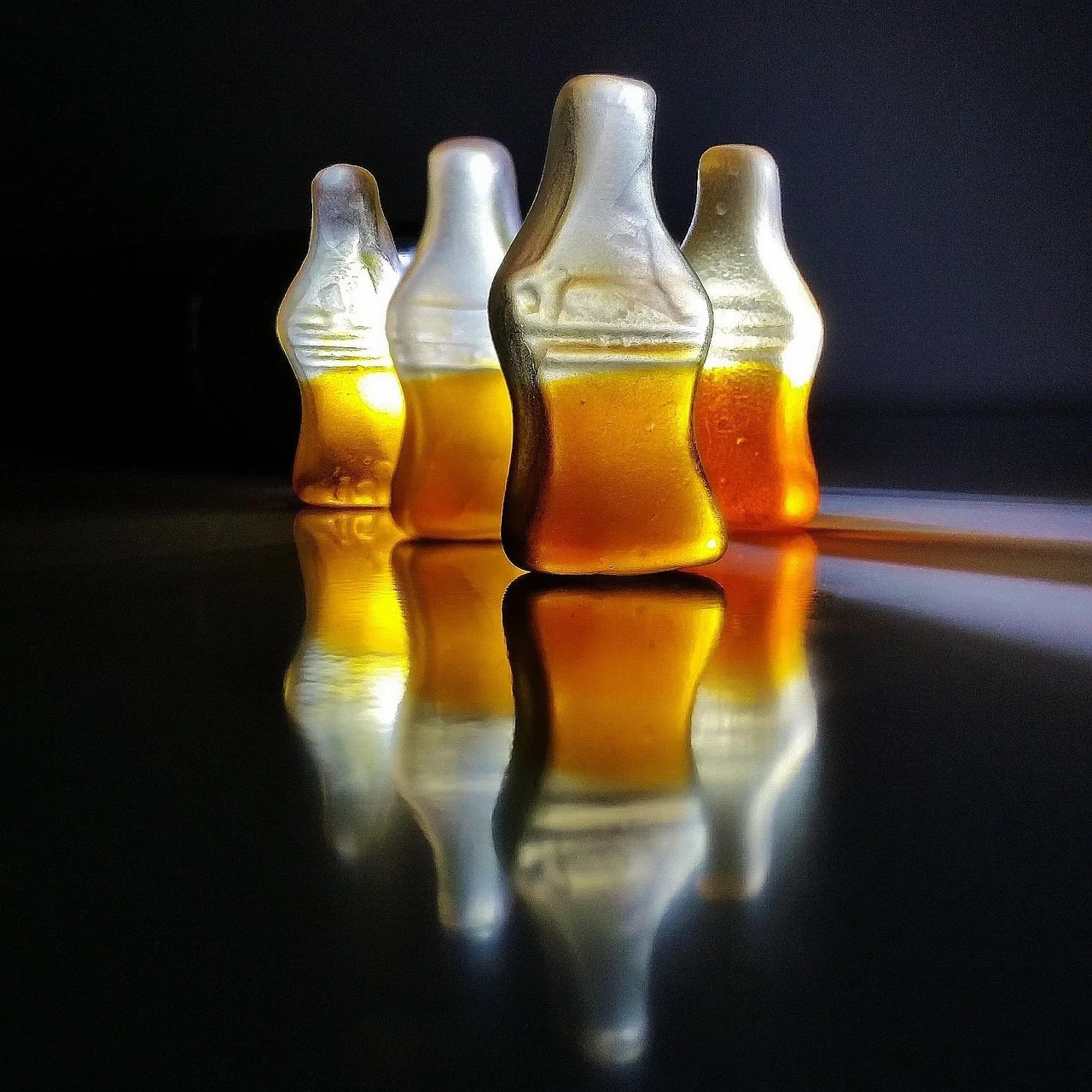
How many CBD gummies can you eat in a day? Most adults eat one to two, totaling 10 mg to 50 mg of cannabidiol (CBD). Your body weight, tolerance, and active CBD concentration in each individual piece determine the exact amount.
The U.S. Food and Drug Administration (FDA) has not set official daily intake guidelines for non-prescription hemp products. Determining your ideal intake requires matching your body chemistry with the milligram strength printed on the product label. Knowing how to calculate this balance prevents accidental overuse and helps you achieve consistent results.
How many CBD gummies can you eat in a day?
You can safely eat between 1 and 4 CBD gummies per day, assuming standard market strength of 10 mg to 25 mg per gummy. Beginners should start with a daily ceiling of 10 mg to 40 mg total, while experienced users may take more based on personal tolerance.

When asking how many CBD gummies can you eat in a day, the answer depends on the concentration per piece rather than total piece count. Commercial gummies vary widely: a light gummy might carry only 5 mg of CBD, whereas high-potency options can contain 50 mg or more in a single piece. If your bottle contains 50 mg gummies, eating two pieces delivers 100 mg of CBD. This is a substantial amount for a beginner.
Clinical trials evaluated daily CBD intake from 10 mg up to 1,500 mg. Your body tolerates higher amounts, but excess edibles offer no added benefit. Evaluate your total milligram target to see how many CBD gummies you can eat in a day.
Calculating your daily CBD gummy intake by body weight
Calculate your starting daily CBD dose by multiplying 1 mg of CBD for every 10 pounds of body weight. A 150-pound adult would target a baseline of 15 mg of CBD daily, which equals one standard 15 mg gummy.

Weight plays a substantial role in how your digestive system absorbs and distributes active cannabinoids. A baseline formula of 1 mg of CBD per 10 pounds of body weight gives a practical entry point for figuring out how many CBD gummies you can eat in a day before adjusting upward over several weeks.
Body Weight (lbs) / 10 = Baseline CBD (mg)Consider a person weighing 200 pounds who purchases a bottle of gummies containing 25 mg of CBD per piece. Following the baseline formula, their target starting dosage is calculated as follows:
200 lbs ÷ 10 = 20 mg of CBD per day.
Since each gummy in their bottle contains 25 mg of CBD, taking one full piece per day places them slightly above their baseline calculation. This is acceptable. Alternatively, they could split the gummy in half to take 12.5 mg twice a day. If that same individual weighs 120 pounds, their baseline intake would be 12 mg per day. Half of a 25 mg gummy per day is the optimal starting point.
How long do CBD gummies take to take effect?
Edible CBD gummies take between 45 minutes and 2 hours to take effect. Cannabinoids must pass through your digestive system and metabolic pathway before entering the bloodstream. You should wait at least 90 minutes before eating an additional gummy.

Deciding how many CBD gummies you can eat in a day avoids taking a second piece too quickly. Unlike sublingual tinctures that absorb through tissues under the tongue, chewable edibles require breakdown in the stomach. First-pass metabolism in the liver slows down the onset while extending the duration of action.
If you take a gummy on an empty stomach, metabolic processing may occur faster. Taking one right after a heavy meal can extend the onset time to two full hours. If you feel no change after 30 minutes, wait until the full two-hour window passes before consuming another serving.
What factors alter how many gummies you need?
Your daily gummy intake depends on extract type, individual metabolic speed, food consumption, and individual body chemistry. Broad-spectrum, full-spectrum, and isolate extracts interact differently with your body’s endocannabinoid receptors, altering total required milligrams.

Not all hemp extracts function identically. Understanding the differences helps explain why two gummies with identical milligram counts might yield different experiences:
- Full-Spectrum CBD: Contains all naturally occurring hemp compounds, including trace amounts of THC (up to 0.3%). These compounds work together in what researchers call the entourage effect, often requiring fewer total milligrams for noticeability.
- Broad-Spectrum CBD: Contains terpenes and secondary cannabinoids but has 0.0% THC removed through extra filtration. It offers multi-compound support without THC exposure.
- CBD Isolate: Pure isolated CBD without extra plant compounds or terpenes. Some individuals find they require slightly higher milligram amounts of pure isolate to achieve their personal goals.
If you want to understand how full-spectrum formulas affect drug screenings, see Will Full Spectrum CBD Show Up on a Drug Test? What to Expect for detailed testing thresholds.
CBD gummy intake by potency level
Comparing product strength across different serving sizes helps you determine your daily serving. This prevents you from exceeding your target intake.

| Gummy Potency | CBD per Piece | Suggested Starting Intake | Who It Suits Best |
|---|---|---|---|
| Low Potency | 5 mg – 10 mg | 1 to 2 gummies per day | Complete beginners and micro-doses |
| Medium Potency | 15 mg – 25 mg | 1 gummy per day | Regular daily users with basic experience |
| High Potency | 30 mg – 50 mg+ | 1/2 to 1 gummy per day | Experienced users with higher tolerance |
Low-potency options suit individuals who want subtle daily consistency. High-potency gummies suit those who prefer taking fewer individual pieces while maintaining a elevated milligram target.
Common label mistakes to avoid
A frequent consumer error is mistaking the total milligram count printed on the front jar label for the per-gummy dosage. A jar labeled ‘1000 mg’ contains the total amount across the whole bottle, not per piece.

Always flip the jar over to examine the Supplement Facts panel. If a bottle claims 1,000 mg of total CBD and contains 40 gummies, each piece carries exactly 25 mg of CBD (1,000 mg ÷ 40 pieces = 25 mg per piece). If you misread that total as a single-serving amount, your daily calculation will be completely incorrect.
Also, ensure you distinguish between CBD gummies and standard hemp seed oil gummies sold in mass retail stores. Hemp seed oil contains beneficial fatty acids but zero active CBD cannabinoids. Eating multiple hemp seed gummies will not deliver cannabidiol benefits.
Step-by-step method to build a daily routine
Finding your exact daily intake requires a systematic approach over several weeks to prevent overconsumption while establishing ideal biological balance.
- Check the single-piece milligram rating: Read the back of your bottle to confirm how many milligrams of CBD sit inside one individual piece.
- Start with a single daily low serving: Begin with one low-dose piece (or half of a medium-dose piece) around 10 mg to 15 mg per day for the first 4 to 7 days.
- Track your response: Note how you feel over a week of consistent intake. Look for subtle balance rather than rapid sensory changes.
- Adjust in small increments: If after one full week your baseline dose feels insufficient, increase your daily intake by 5 mg to 10 mg. Hold that new dose for another 5 days before evaluating again.
Who should avoid CBD gummies?
People taking prescription medications metabolized by the cytochrome P450 enzyme system, pregnant or nursing individuals, and children should avoid taking CBD gummies without explicit physician guidance. CBD can interfere with how your liver breaks down certain prescription drugs.

Additionally, individuals subject to strict workplace drug testing should exercise caution with full-spectrum gummies. Although 0.3% THC is non-intoxicating, trace amounts can accumulate over weeks of daily use. If you need details on how many CBD gummies can you eat in a day for workplace policies, see How Many mg of CBD Should a Beginner Start With? for safety guidance.
If you consume too many gummies by accident, see How Many Mg of CBD Should a Beginner Take? for warning signs and physical remedies.
Frequently asked questions
How many CBD gummies can you eat in a day?
Most people can consume 1 to 2 CBD gummies per day, totaling between 10 mg and 50 mg of CBD. Beginners should stick to a lower daily threshold around 10 mg to 20 mg until their tolerance is established.

Can you eat 2 CBD gummies at once?
Yes, you can eat 2 CBD gummies at once if their combined milligram strength matches your targeted daily dose. However, if you are using high-potency gummies (30 mg to 50 mg per piece), taking two at once may cause mild drowsiness.
Can you take CBD gummies every single day?
Yes, you can take CBD gummies daily because cannabidiol is non-addictive and non-intoxicating. Many individuals maintain a regular daily schedule to support ongoing body systems consistently.

Side Effects of CBD in Dogs: Panting and Dry Mouth Explained

How to Administer CBD Oil to a Stubborn Cat Step by Step

How Much CBD Oil to Give a Dog for Fireworks Anxiety

AmeriCanna Rx: Your Guide to Portland’s Premier Cannabis Dispensary

Tropic Thunder Strain: An Uplifting Hybrid Experience

Haze Purple: Unveiling a Cannabis Cultivar’s Unique Appeal
-
 Product Guides4 months ago
AmeriCanna Rx: Your Guide to Portland’s Premier Cannabis Dispensary
-
 Cannabis 1014 months ago
Tropic Thunder Strain: An Uplifting Hybrid Experience
-
 Cannabis 1014 months ago
Haze Purple: Unveiling a Cannabis Cultivar’s Unique Appeal
-
 Industry News4 months ago
Your Guide to Silver State Relief: Maximizing Value
-
 Cannabis 1014 months ago
Purple Runtz Strain: Unpacking Its Potency and Sweet Appeal
-

 Culture & Lifestyle4 months ago
Collective Efforts Sacramento CA: Menu, Pricing and Delivery
-

 Cannabis 1014 months ago
Medicann Clinics: Challenging the Conventional Patient Journey
-
 Product Guides4 months ago
Identifying Top Shelf Cannabis: A Connoisseur’s Guide